Field Mouse Identification Guide
Peromyscus maniculatus
Field mice, also known as deer mice, are small rodents found throughout North America. Distinguished by their two-toned coloring and large eyes, they are primarily outdoor pests but may enter homes seeking shelter, particularly during colder months.
Taxonomy
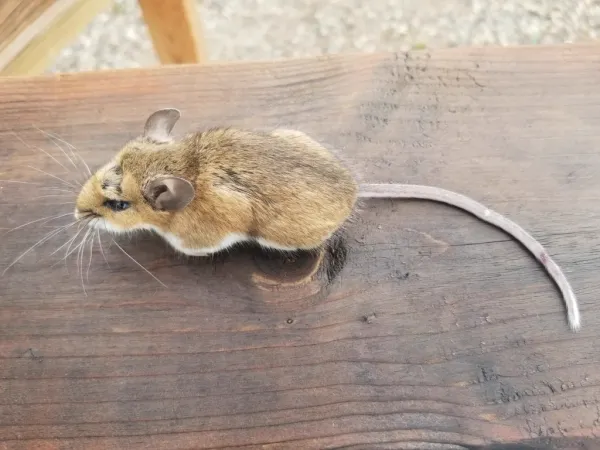
Field Mouse Coloration
Common color patterns to help identify field mouse
Field Mouse
Seasonal Activity
When field mouse are most active throughout the year
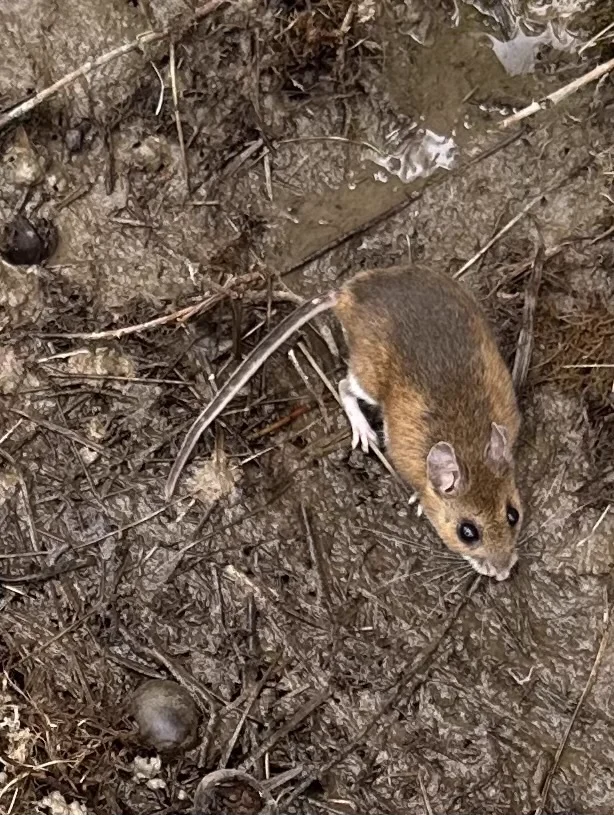
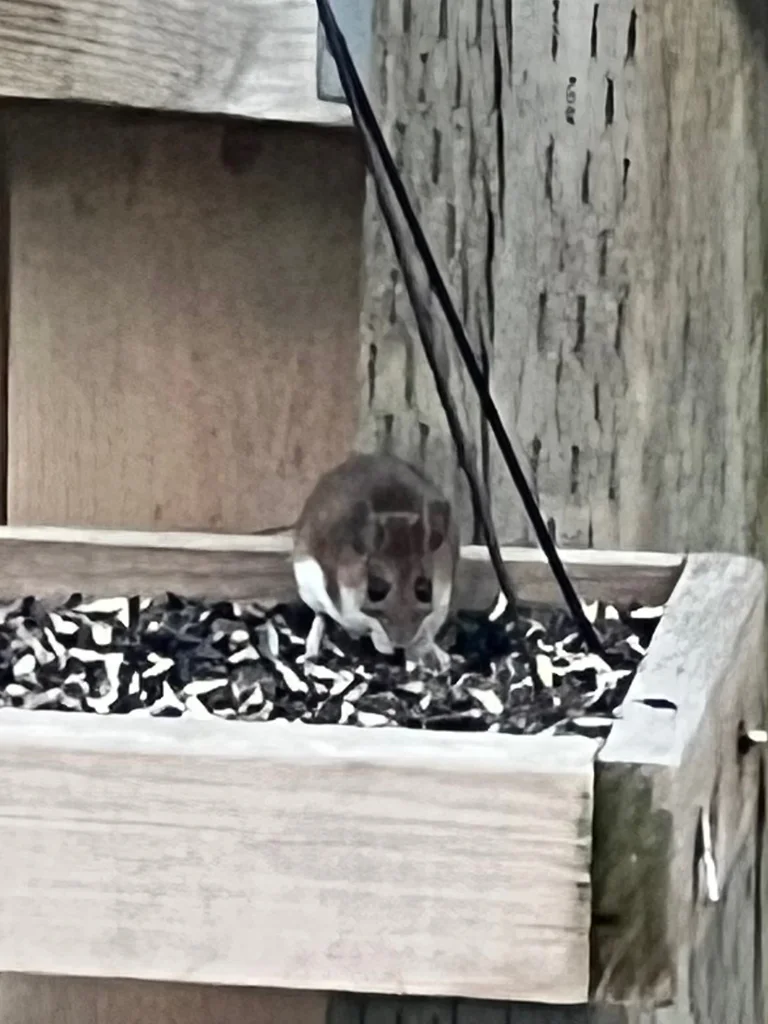
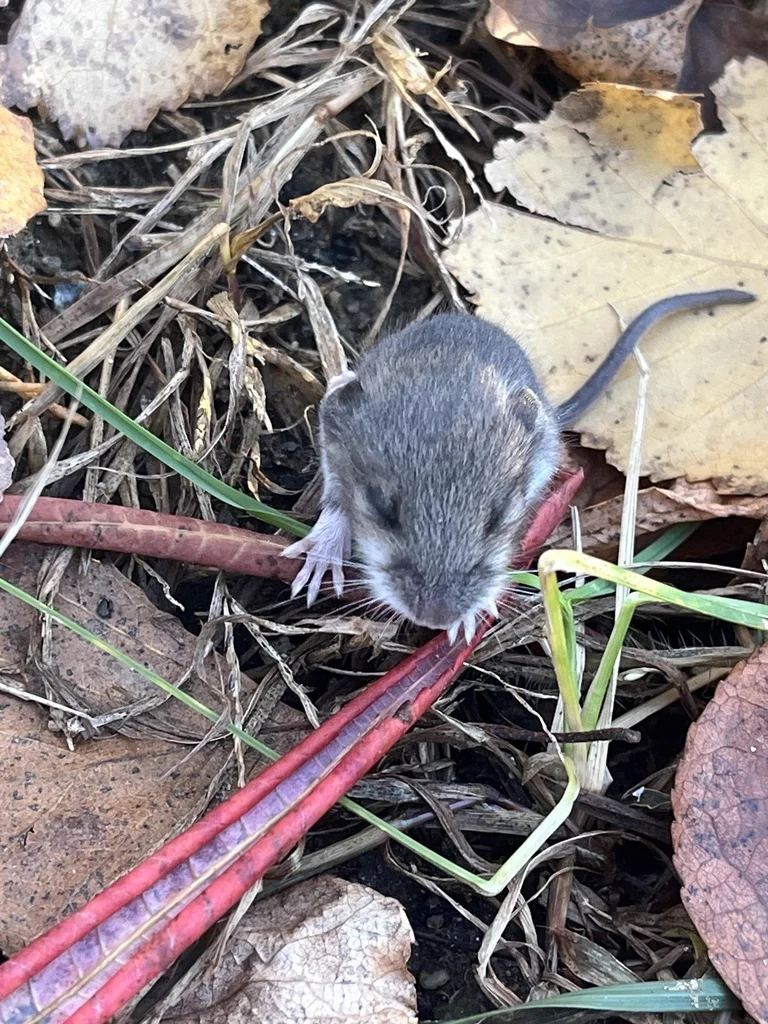


Where Field Mouse Are Found
Hover over states to see their names. Green regions indicate where field mouse have been reported.
Field Mouse Identification Guide
Physical Characteristics
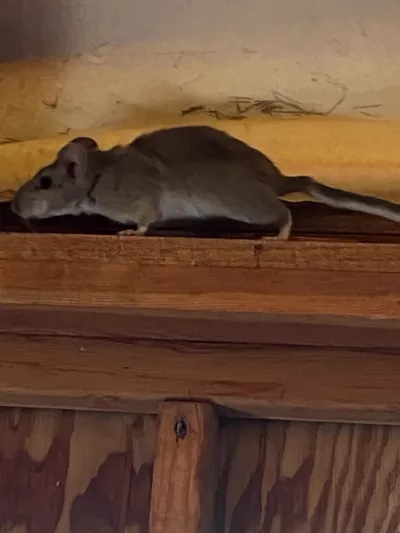
Field mice, also called deer mice, are small rodents. They measure 3 to 4 inches in body length. Their tails are nearly as long as their bodies. Their most notable feature is their two-toned coloring. They have a brown or gray back with a white belly, feet, and underside of the tail. This color pattern sets them apart from house mice, which are usually one solid color.
Field mice have large eyes and ears compared to their body size. This gives them an alert look. Their tails are also two-toned, dark on top and light on the bottom, and covered with fine hair. House mouse tails look more scaly. Adults weigh between 15 to 32 grams.
Their droppings look like house mouse droppings. They are about 1/4 inch long, dark, and pointed at both ends. Field mice often leave droppings in piles near where they store food.
Common Species
Several Peromyscus species go by the name field mouse or deer mouse in North America:
- Deer Mouse (Peromyscus maniculatus): The most common species. Found from Alaska to central Mexico.
- White-Footed Mouse (Peromyscus leucopus): Common in the eastern United States.
- Cotton Mouse (Peromyscus gossypinus): Found in the southeastern United States.
Field Mouse vs House Mouse: Key Differences
Knowing how field mice differ from house mice helps you identify them and choose the right control method:
| Feature | Field Mouse | House Mouse |
|---|---|---|
| Coloring | Two-toned (brown back, white belly) | Uniform gray or brown |
| Tail | Bicolored, furry | Single color, scaly appearance |
| Eyes | Large, prominent | Smaller relative to head |
| Ears | Large | Very large relative to head |
| Habitat | Rural, wooded areas | Urban, residential buildings |
| Food Storage | Hoards food near nest | Eats food where found |
| Primary Health Risk | Hantavirus | Salmonella, LCM virus |
Field Mouse Behavior and Biology
Habitat and Nesting
Field mice prefer wooded areas, grasslands, and rural settings. They will enter homes during colder months to find shelter. Outdoors, they build cup-shaped nests from stems, leaves, and plant fibers. Common nesting spots include:
- Beneath logs and rocks
- In tree hollows
- Under thick plants
- In abandoned burrows
Inside homes, field mice often nest in basements, crawl spaces, and wall voids. Unlike house mice, which stay close to food sources, field mice may nest farther from where they eat.
Diet and Feeding Habits
Field mice eat many types of food. Their diet includes:
- Seeds, nuts, and berries
- Fruits and other plants
- Insects and small bugs
- Fungi
One key behavior is their food hoarding habit. As winter nears, field mice store seeds and nuts in piles near their nests. House mice do not do this as often. This hoarding can cause large seed buildup in wall voids or storage areas.
Reproduction
Field mice breed often, though less than house mice:
- Breeding season: Mainly spring through fall, but they can breed year-round indoors
- Litters per year: 2-4 outdoors, more indoors
- Pups per litter: 3-8 on average
- Sexual maturity: 5-8 weeks
Climbing Ability
Field mice are great climbers, even better than house mice. They can quickly scale trees, vines, and even drainpipes to reach roofs and upper floors. This makes sealing upper-level entry points just as important as ground-level gaps.
Health Risks: Hantavirus Warning
Field mice are the main carriers of hantavirus in North America. This makes them a serious health concern. The CDC reports that Hantavirus Pulmonary Syndrome (HPS) is a severe lung disease that can be fatal. You can get it by:
- Breathing in dust from mouse urine, droppings, or nesting materials
- Touching mice or their waste
- Mouse bites (rare)
HPS has a death rate of about 30-50%. This is why proper cleanup of field mouse areas is so important.
Note: This information is for educational purposes only. Always consult a doctor if you have health concerns related to rodent exposure.
How to Clean Up After Field Mice
If you find signs of field mice activity, follow these CDC-recommended precautions:
- Ventilate the area: Open windows and doors for at least 30 minutes before cleaning. UV light from sunlight helps kill the virus.
- Wear protective gear: Use rubber gloves and an N95 respirator mask.
- Do not sweep or vacuum: This can spread virus particles into the air.
- Wet down dirty areas: Use a bleach solution (1 part bleach to 10 parts water) or a disinfectant.
- Dispose of waste properly: Double-bag all materials. Throw away gloves when done.
- Wash hands well after removing gloves.
How We Treat for Field Mice
Our approach to field mouse control follows our proven 4-step rodent protocol:
-
Full Inspection: We check your home to find activity areas, entry points, food sources, and nesting spots. Field mice leave clear signs like their two-toned droppings and food piles.
-
Bait Station Placement: We place tamper-proof rodent bait stations in high-activity zones. Since field mice prefer different foods than house mice, we may change bait types to get better results.
-
Follow-Up Visits: We return at about 1 and 3 weeks to check progress and make changes as needed. Field mice numbers can change with the seasons, so the timing of visits matters.
-
Long-Term Prevention: We suggest tri-annual service (three times per year) to keep mice away. Homes in rural areas or near woods may need more frequent visits.
Other Control Methods
- Snap traps placed along travel paths and near nesting areas
- Exclusion work to seal entry points after the main population is gone. This is key since field mice are such good climbers.
- Habitat changes to reduce things that attract mice to your property
Prevention Tips
Lower your chances of field mouse problems with these steps:
- Remove food sources: Move bird feeders away from the house. Store pet food in sealed containers. Keep garbage secure.
- Clear hiding spots: Move brush, woodpiles, and thick plants away from your foundation.
- Seal entry points: Close gaps around doors, windows, and pipes with steel wool and caulk.
- Trim plants: Cut back tree branches and vines that touch your home.
- Reduce clutter: Keep storage areas clean to remove nesting sites.
For a deeper comparison between field mice and indoor mice, read our field mouse vs house mouse guide. You may also wonder whether your small rodent is a mouse or a vole, which requires different control methods. For advice on choosing effective bait, see our best mouse bait guide.
References
Other Rodents
Explore other species in the rodents family





Commonly Confused With
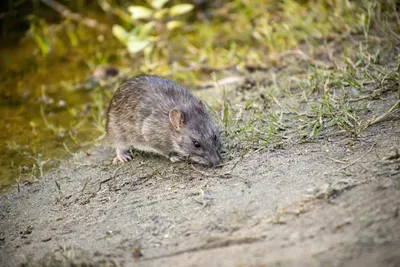
Field Mouse are often mistaken for these similar pests

Where Field Mouse Are Found
Hover over states to see their names. Green regions indicate where field mouse have been reported.
Common Questions about Field Mouse
What is the difference between a field mouse and a house mouse?
+
Field mice (deer mice) have distinct two-toned coloring with brown or gray backs and white bellies, while house mice are typically one solid color. Field mice also have larger eyes and ears, and a bicolored tail that is dark on top and light underneath. House mice are more common in urban areas, while field mice prefer rural and wooded environments.
Are field mice dangerous?
+
Yes, field mice can pose health risks as they are the primary carriers of hantavirus, which causes Hantavirus Pulmonary Syndrome (HPS). This serious respiratory illness can be contracted by breathing in dust contaminated with their urine, droppings, or nesting materials. Always take precautions when cleaning areas with mouse activity.
How do field mice get into homes?
+
Field mice can squeeze through openings as small as a dime. They typically enter through gaps around doors and windows, openings where pipes and cables enter walls, cracks in foundations, and via vines or tree branches that touch the roof. They're excellent climbers and can scale walls and drainpipes.
When are field mice most active?
+
Field mice are primarily nocturnal, meaning they're most active at night. They tend to seek shelter in homes during fall and winter months when outdoor temperatures drop and food becomes scarcer.
What attracts field mice to my property?
+
Field mice are attracted to food sources like bird feeders, pet food, gardens, and accessible garbage. They also seek shelter near woodpiles, dense vegetation, and cluttered storage areas. Properties adjacent to fields, forests, or parks are at higher risk.
How do I know if I have field mice vs house mice?
+
Look for the distinctive two-toned coloring - brown or gray on top with a white belly and white feet. Field mouse droppings are similar to house mouse droppings but field mice are more likely in rural areas or homes near woods and fields. You may also notice hoarding behavior, as field mice cache food near their nests.
Can I use the same traps for field mice as house mice?
+
Yes, standard snap traps and bait stations work for both species. However, field mice may respond differently to bait choices - they prefer seeds, nuts, and fruits over some baits that house mice prefer. Professional pest control can help identify the best approach for your specific situation.

With five years of hands-on experience in the pest control industry, George Schulz is a registered technician with the Virginia Pest Management Association and a proud third-generation professional in a family business that's been protecting homes for over 57 years. He manages and trains a team of service pros while also leading internal research efforts—recently spearheading a deep-dive review of thousands of documents on pest control materials to hand-pick the most kid and pet friendly, most effective solutions tailored specifically for homes in the DC metro area.