Tarnished Plant Bug Identification Guide
Lygus lineolaris
The tarnished plant bug is a common agricultural and garden pest that feeds on over 300 plant species, causing damage to fruits, vegetables, and ornamental plants across North America.
Taxonomy
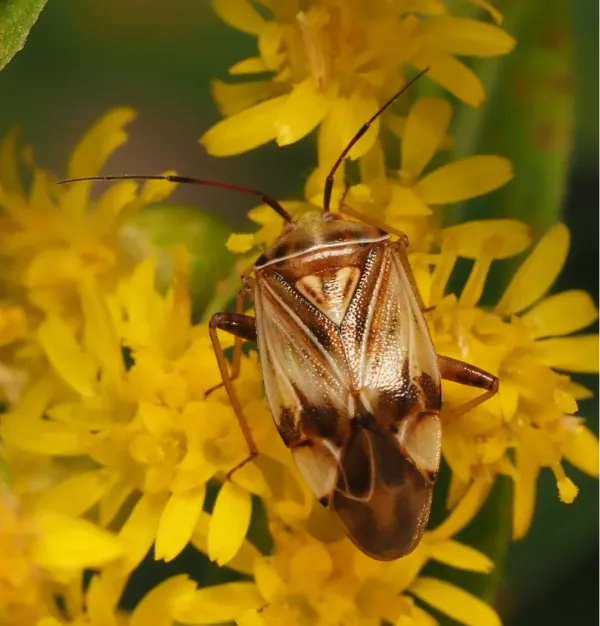
Tarnished Plant Bug Coloration
Common color patterns to help identify tarnished plant bug
Tarnished Plant Bug
Seasonal Activity
When tarnished plant bug are most active throughout the year
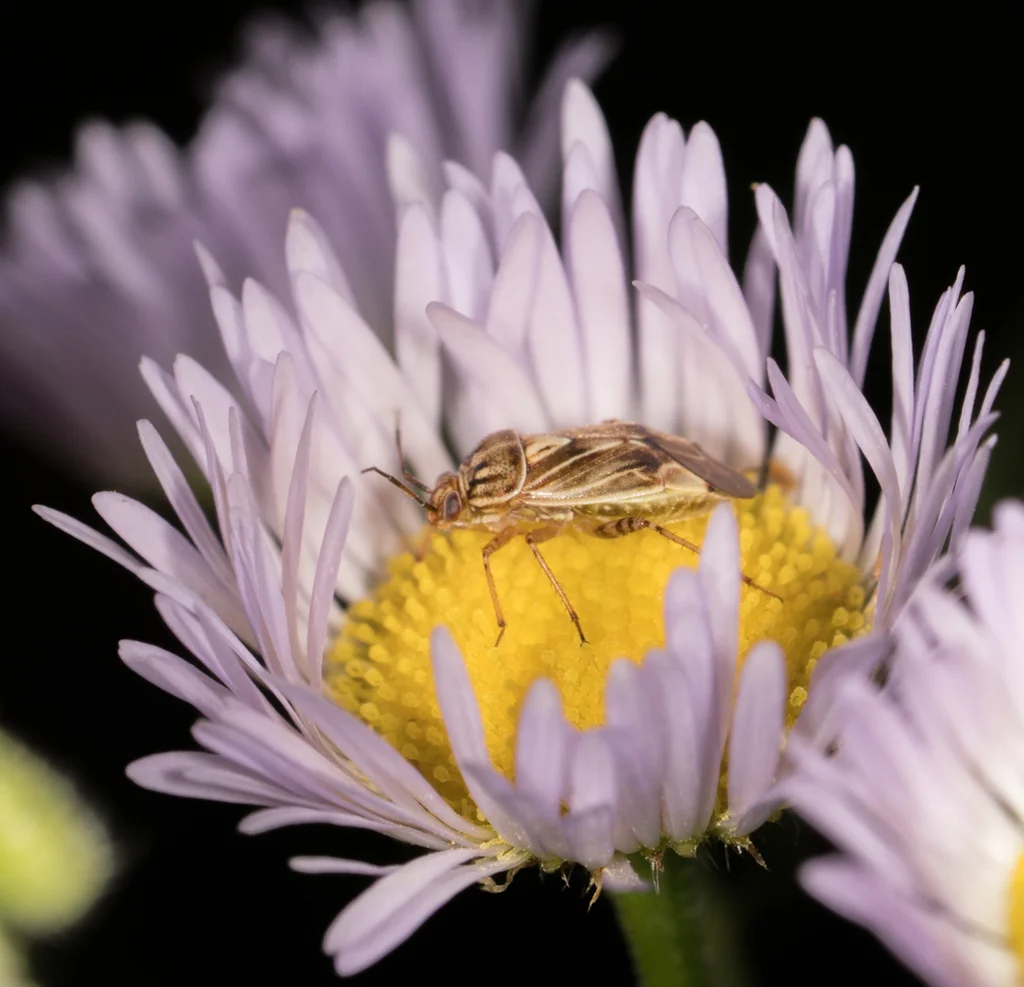
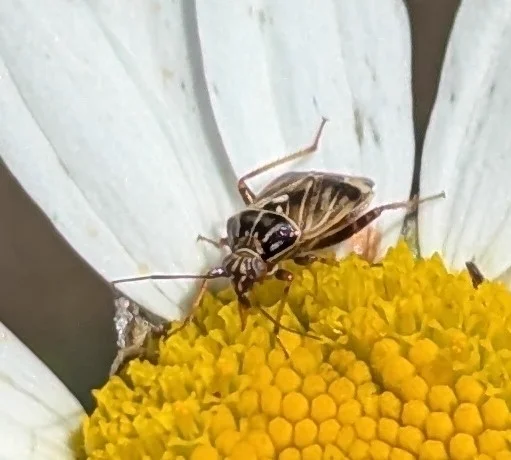
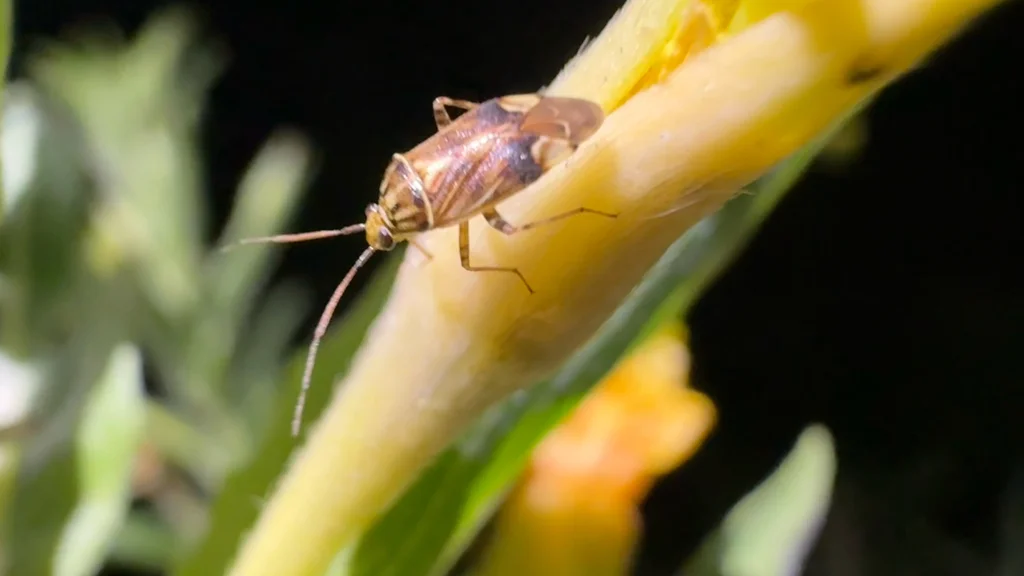

Where Tarnished Plant Bug Are Found
Hover over states to see their names. Green regions indicate where tarnished plant bug have been reported.
Tarnished Plant Bug Identification Guide
Physical Characteristics
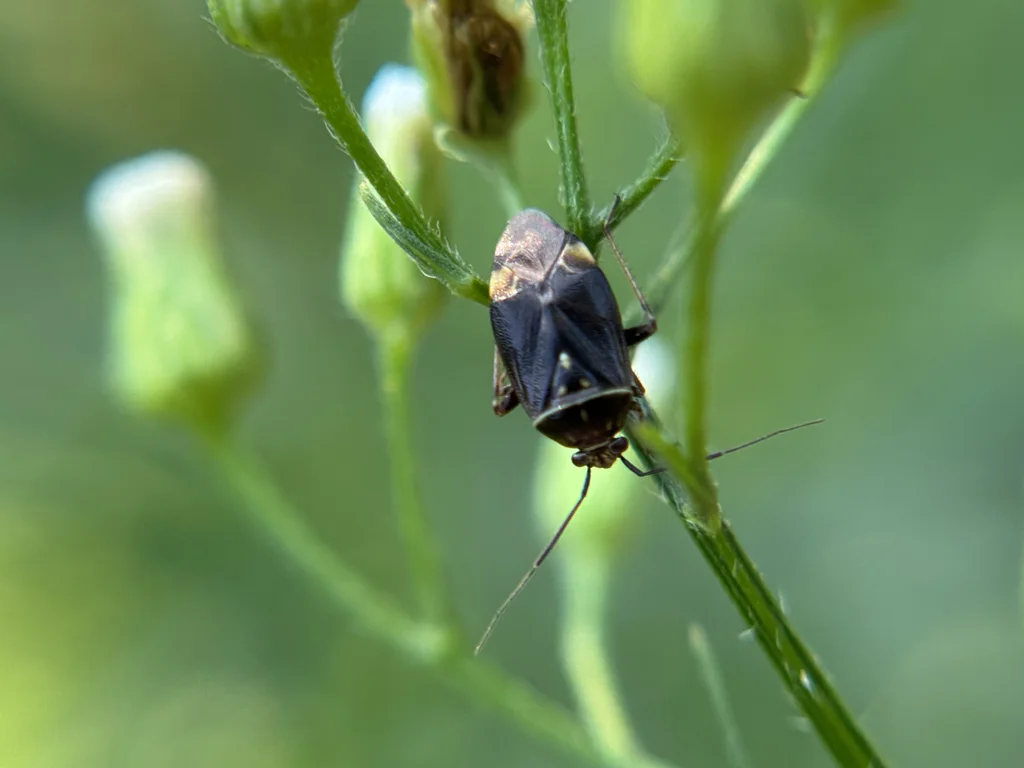
The tarnished plant bug is a small insect in the plant bug family, about 5 to 7 millimeters long. It gets its name from its mottled coloring. The bug has a mix of brown, tan, yellow, and green colors that look “tarnished” or worn. The wings have a small yellow or white triangle near the tip. Adults have long antennae that are about as long as their body.
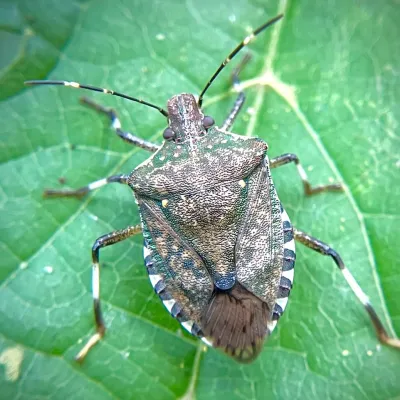
The body is flat and oval shaped. People often confuse them with stink bugs, but stink bugs are shaped more like shields. Their color can change based on the season and what plants they eat. Young adults are usually greener. Older bugs turn more brown and tan.
Common Species
The North American tarnished plant bug (Lygus lineolaris) is the most common species in the eastern United States and Canada. Other related species live across North America:
- Western Tarnished Plant Bug (Lygus hesperus) is common in western states. It is a major pest of cotton and alfalfa.
- Pale Legume Bug (Lygus elisus) is found across the western U.S.
- European Tarnished Plant Bug (Lygus rugulipennis) was brought to North America. It is found in parts of Canada.
Tarnished Plant Bug Behavior and Biology
Tarnished plant bugs fly easily from plant to plant. They have special mouthparts that pierce plant tissue. They inject saliva that breaks down plant cells so they can suck out the juices. This feeding creates the damage patterns you see on plants.
Habitat and Diet
These bugs eat many different plants. They feed on more than 300 plant species from 50 plant families. They like actively growing plant parts such as:
- Flower buds and young fruits
- New leaves and growing tips
- Stems and seed pods
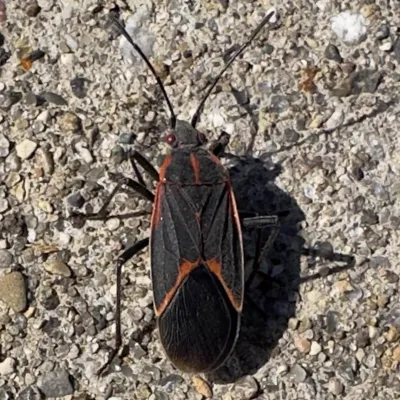
- Seeds that are still forming A related species, Boxelder Bug Nymphs, shares similar characteristics.
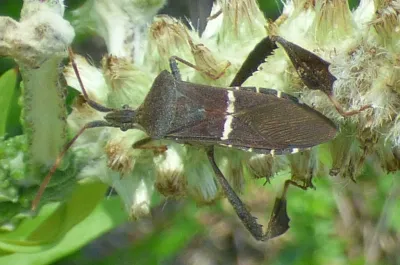
Strawberries are very prone to damage. The bugs feed on growing berries, which causes hard, misshapen fruit with seedy tips. Apple and peach trees can get scarred, dimpled fruit. Beans, peppers, and lettuce may have wilted tips or twisted leaves. A related species, Stilt Bugs, shares similar characteristics.
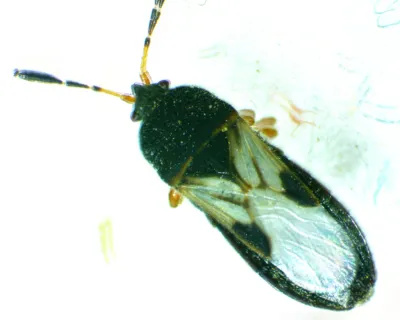
Life Cycle A related species, Birch Catkin Bugs, shares similar characteristics.
Adults spend winter in protected spots. They hide in leaf litter, under tree bark, in brush piles, and near building foundations. When spring temps rise above 50 degrees, they come out and start feeding on weeds and early plants.
Females lay eggs inside plant tissue. They put eggs in stems, leaf stalks, and flower parts. One female can lay 30 to 120 eggs in her lifetime. Eggs hatch in 7 to 10 days. The pale green nymphs start feeding right away.
Nymphs go through five growth stages over 3 to 4 weeks before becoming adults. Each stage looks like a smaller adult without full wings. The whole life cycle takes about one month in good conditions.
Most areas have 2 to 3 generations per year. Southern areas with longer warm seasons may have up to 5 generations.
Seasonal Activity
Activity starts in early spring when adults come out of winter hiding. Numbers grow through late spring. They peak in summer when warm weather and lots of plant growth help them breed fast. As fall comes and plants die back, adults look for winter hiding spots. Activity drops a lot by late October.
Treatment Methods for Tarnished Plant Bugs
Controlling tarnished plant bugs works best when you combine several methods. This includes garden care, watching for bugs, and treatments when needed.
Cultural Controls
- Remove weeds and plant debris: Weeds give bugs food early in the season. Taking them out forces bugs to go elsewhere.
- Clean up garden beds in fall: Leaf litter and debris give bugs places to spend winter. Clearing these cuts down local bug numbers.
- Use row covers: Floating row covers act as barriers. They protect crops during times when bugs are most active.
- Plant trap crops: Some plants like alfalfa attract these bugs. Planting them away from your main garden can lure pests away from crops you want to protect.
Monitoring
Check your plants often to catch problems early. Look in the early morning when bugs move slowly and are easier to spot. Check flower buds, young fruits, and the bottoms of leaves. White sticky traps can help track adult numbers.
Chemical Control Options
When populations are high and damage is significant, insecticidal treatments may be needed. Products with pyrethrins, neem oil, or insecticidal soaps can help control nymphs. Tarnished plant bugs are mobile and can quickly return to treated areas, so repeat applications may be needed.
For severe problems in larger gardens or farm settings, contact insecticides labeled for plant bug control may work well. Always follow label directions when using any pesticide product.
Other Control Factors
Several insects and spiders feed on tarnished plant bugs and help reduce their numbers:
- Parasitic wasps, especially Peristenus species, attack nymphs
- Big-eyed bugs and damsel bugs eat eggs and nymphs
- Spiders catch both adults and nymphs
Having many different plants in your garden can support these predator populations.
References
Other Plant Bugs
Explore other species in the plant bugs family
Commonly Confused With
Tarnished Plant Bug are often mistaken for these similar pests
Where Tarnished Plant Bug Are Found
Hover over states to see their names. Green regions indicate where tarnished plant bug have been reported.
Common Questions about Tarnished Plant Bug
What do tarnished plant bugs eat?
+
Tarnished plant bugs feed on over 300 different plant species. They use their piercing-sucking mouthparts to extract plant juices from buds, flowers, fruits, and stems. Common targets include strawberries, apples, peaches, beans, peppers, and many ornamental plants.
Are tarnished plant bugs harmful to humans?
+
No, tarnished plant bugs do not bite, sting, or pose any direct threat to humans. They do not transmit diseases and are purely plant pests. Their damage is limited to gardens and agricultural crops.
How can I tell if tarnished plant bugs are damaging my plants?
+
Look for distorted or misshapen fruits and vegetables, called 'catfacing.' You may also notice wilted or dead flower buds, brown or black spots on leaves, and stunted plant growth. Strawberries often show hard, seedy tips where the bugs have fed.
When are tarnished plant bugs most active?
+
These bugs are most active from late spring through early fall, with peak activity during summer months. They overwinter as adults in leaf litter, under bark, and in other protected areas, emerging when temperatures warm in spring.
How do tarnished plant bugs reproduce?
+
Females insert eggs into plant tissue, particularly in stems and flower buds. Eggs hatch in about 10 days, and nymphs develop through five stages over 3-4 weeks. Multiple generations can occur each year, with 2-5 generations typical in most regions.
What is the difference between tarnished plant bugs and stink bugs?
+
While both are true bugs in the order Hemiptera, they belong to different families. Tarnished plant bugs are smaller (5-7mm) with an elongated oval shape, while stink bugs are larger and shield-shaped. Stink bugs release a strong odor when disturbed, whereas tarnished plant bugs do not produce a noticeable smell.

With five years of hands-on experience in the pest control industry, George Schulz is a registered technician with the Virginia Pest Management Association and a proud third-generation professional in a family business that's been protecting homes for over 57 years. He manages and trains a team of service pros while also leading internal research efforts—recently spearheading a deep-dive review of thousands of documents on pest control materials to hand-pick the most kid and pet friendly, most effective solutions tailored specifically for homes in the DC metro area.