Four-Lined Plant Bug Identification Guide
Poecilocapsus lineatus
The four-lined plant bug is a striking yellow and black striped insect that feeds on over 250 plant species, leaving distinctive stippled damage patterns on garden herbs, ornamentals, and vegetables.
Taxonomy
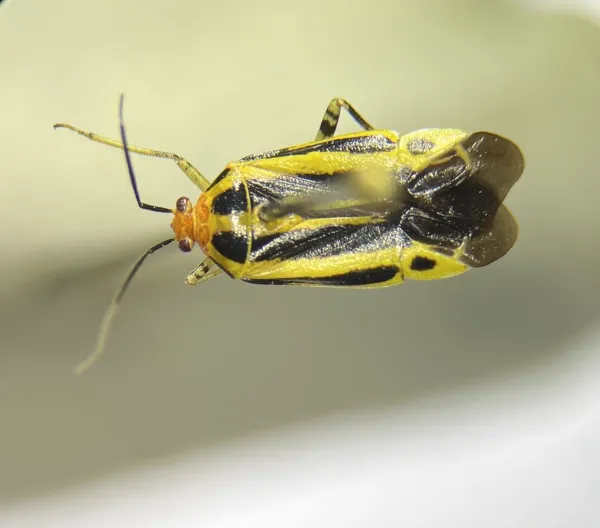
Four-Lined Plant Bug Coloration
Common color patterns to help identify four-lined plant bug
Four-Lined Plant Bug
Seasonal Activity
When four-lined plant bug are most active throughout the year

Where Four-Lined Plant Bug Are Found
Hover over states to see their names. Green regions indicate where four-lined plant bug have been reported.
Four-Lined Plant Bug Identification Guide
Physical Characteristics
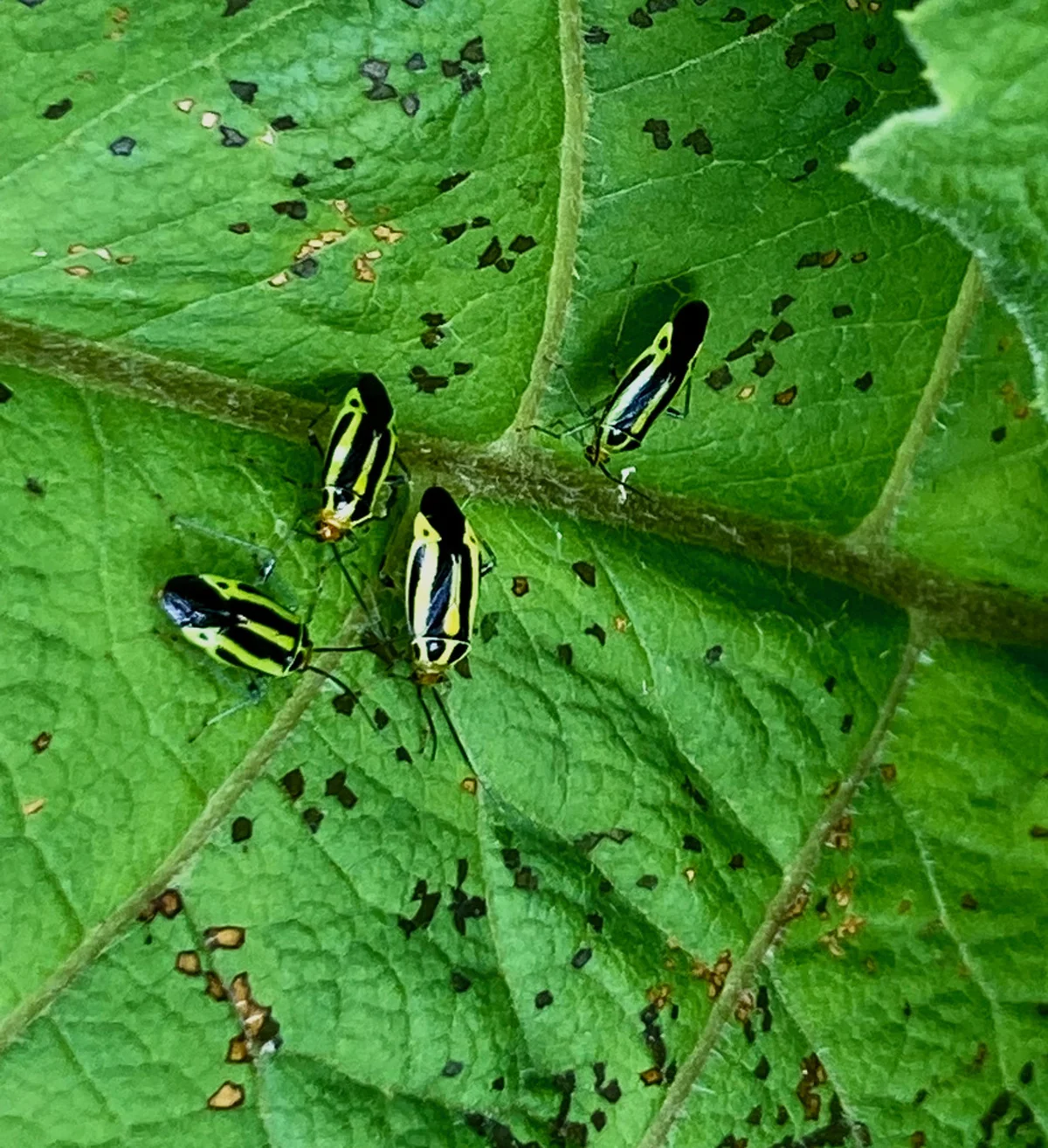
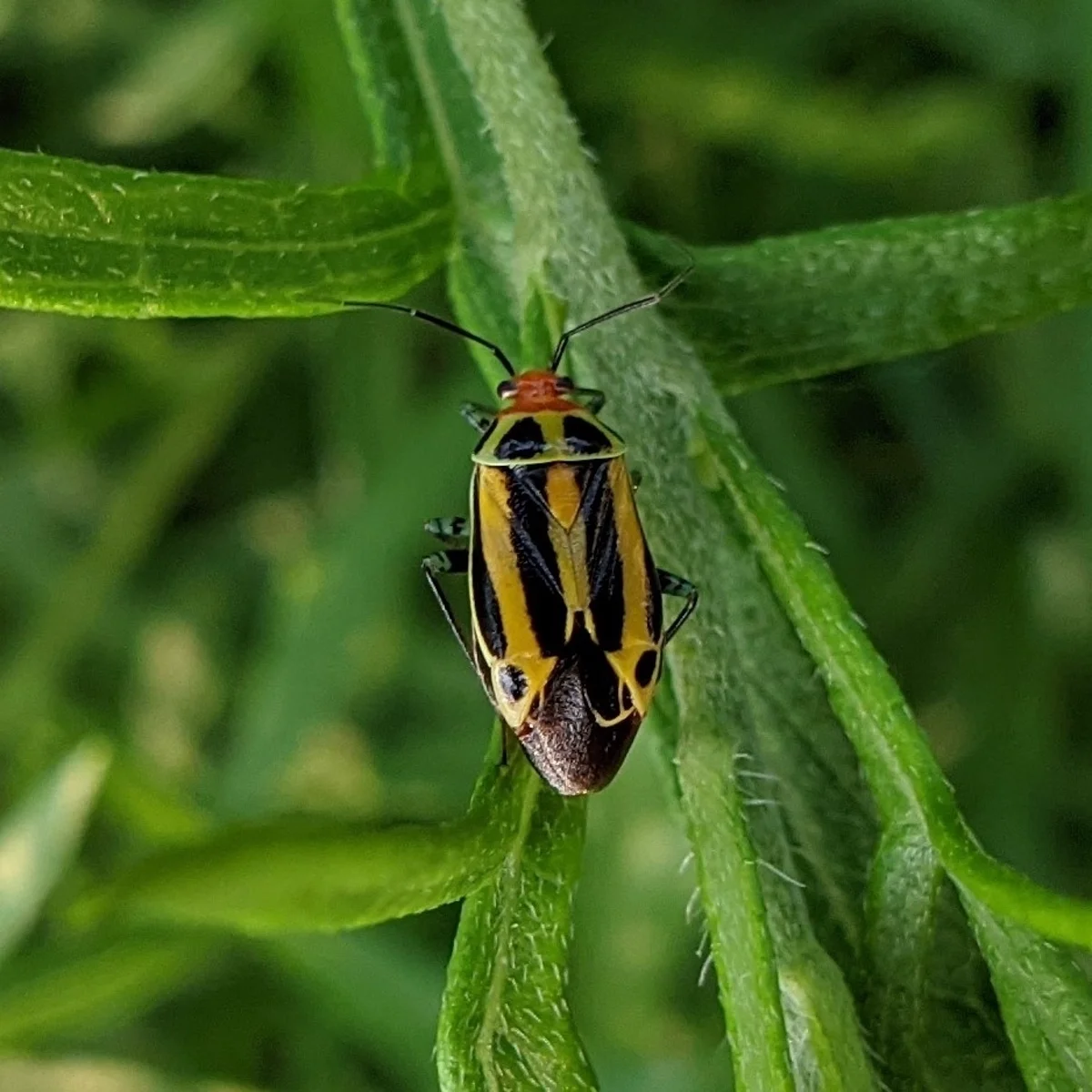
The four-lined plant bug is easy to recognize. Adults are 6 to 8 millimeters long and about 3.5 millimeters wide. They have four black stripes running down a bright yellow or greenish-yellow body. This bold pattern makes them easy to spot.
The head is orange with large, dark reddish-brown eyes. The antennae and legs are black. The legs have some yellow-green markings. The body is oval and somewhat flat. Females are a bit larger than males, especially in the abdomen area.
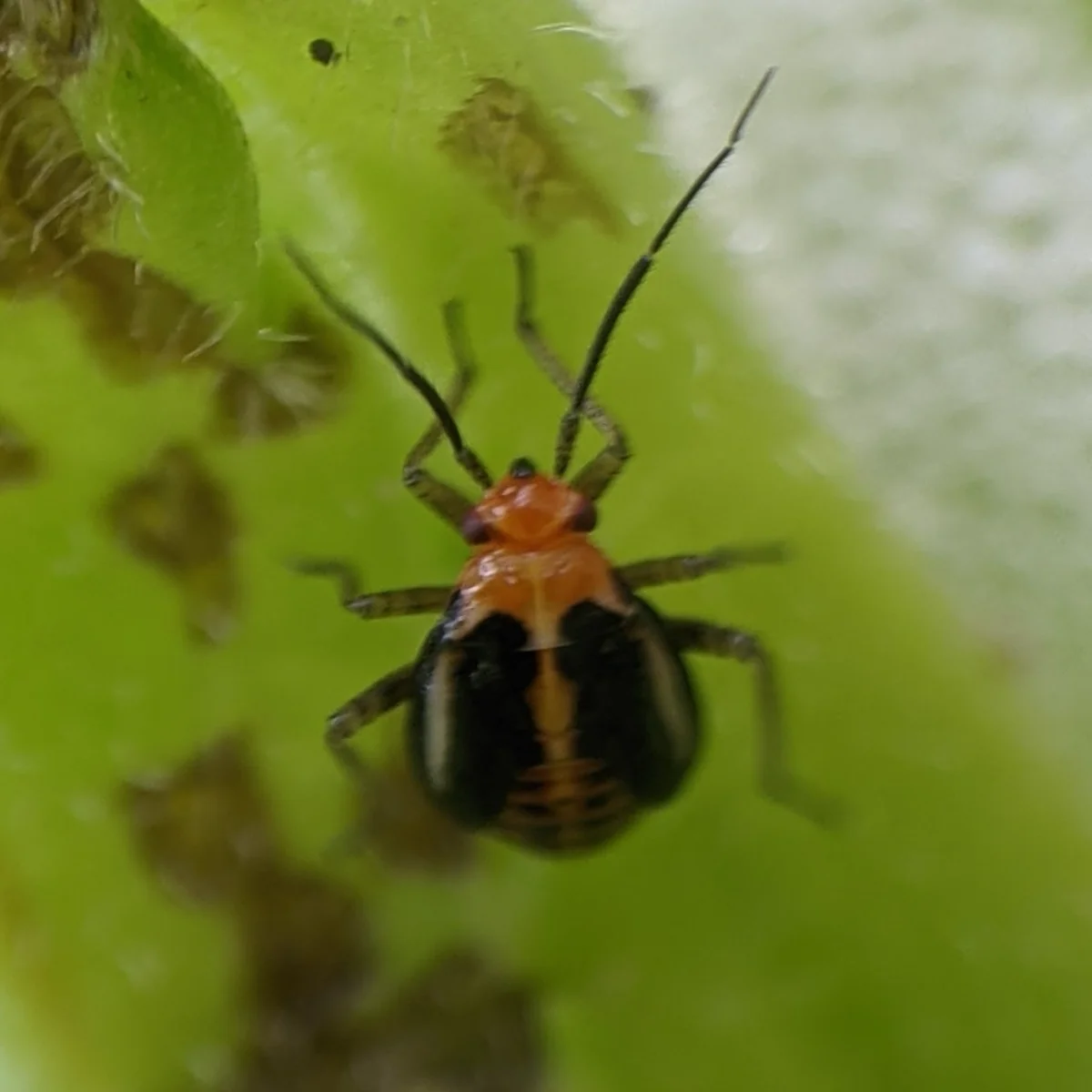
Nymphs look different from adults. They are bright red for most of their growth. In the final stage, they turn bright orange before becoming adults. Young nymphs have black markings. Older nymphs grow black wing pads with a yellow stripe. The color change from red nymph to yellow-and-black adult often surprises gardeners.
Common Species
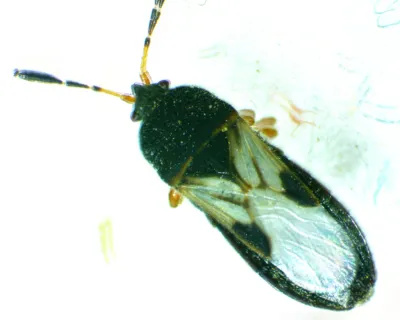
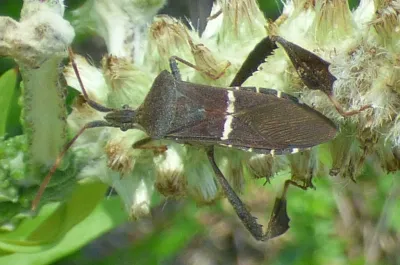
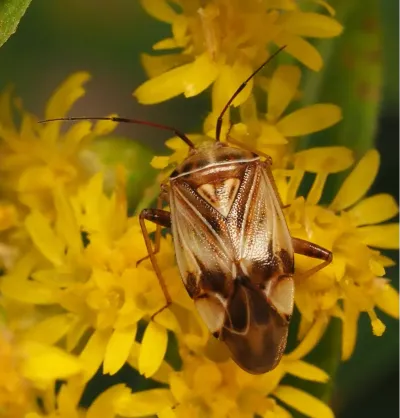
Poecilocapsus lineatus is the only species of its kind in North America. It belongs to the plant bug family Miridae. This is the largest family of true bugs, with over 10,000 species worldwide. People sometimes confuse it with other plant bugs:
- Tarnished Plant Bug (Lygus lineolaris) is related but has mottled brown coloring instead of stripes
- Other Mirid Bugs may cause similar damage but do not have the four-stripe pattern
Four-Lined Plant Bug Behavior and Biology
Four-lined plant bugs fly quickly when disturbed. They also drop to the ground or hide when they sense danger. Gardeners often see the damage before they see the bugs. They feed during the day, mostly in the morning.
Habitat and Diet
These bugs feed on over 250 plant species from 57 plant families. They prefer certain plants over others:
Favored Host Plants:
- Mint family plants: basil, oregano, lavender, sage, hyssop, marjoram
- Composite family plants: chrysanthemum, dahlia, coreopsis, Shasta daisy, zinnia, sunflower
- Other ornamentals: azalea, dogwood, viburnum, forsythia, weigela
Vegetables Affected:
- Cucumber and squash
- Potato
- Peas and beans
- Lettuce and radishes
- Parsnips (very prone to damage)
The bugs have piercing mouthparts that they use to feed on plants. They have very large salivary glands that make their feeding extra harmful. These glands produce saliva full of enzymes that break down plant cells quickly. The bug then drinks up the liquid and leaves behind collapsed tissue.
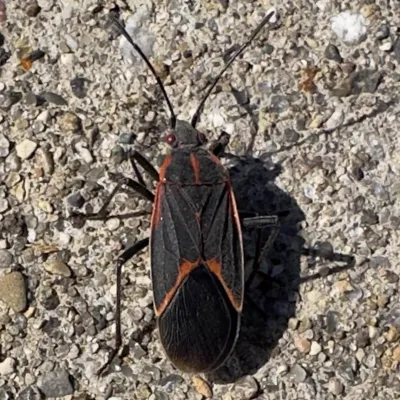
Feeding Damage Patterns A related species, Boxelder Bug Nymphs, shares similar characteristics.
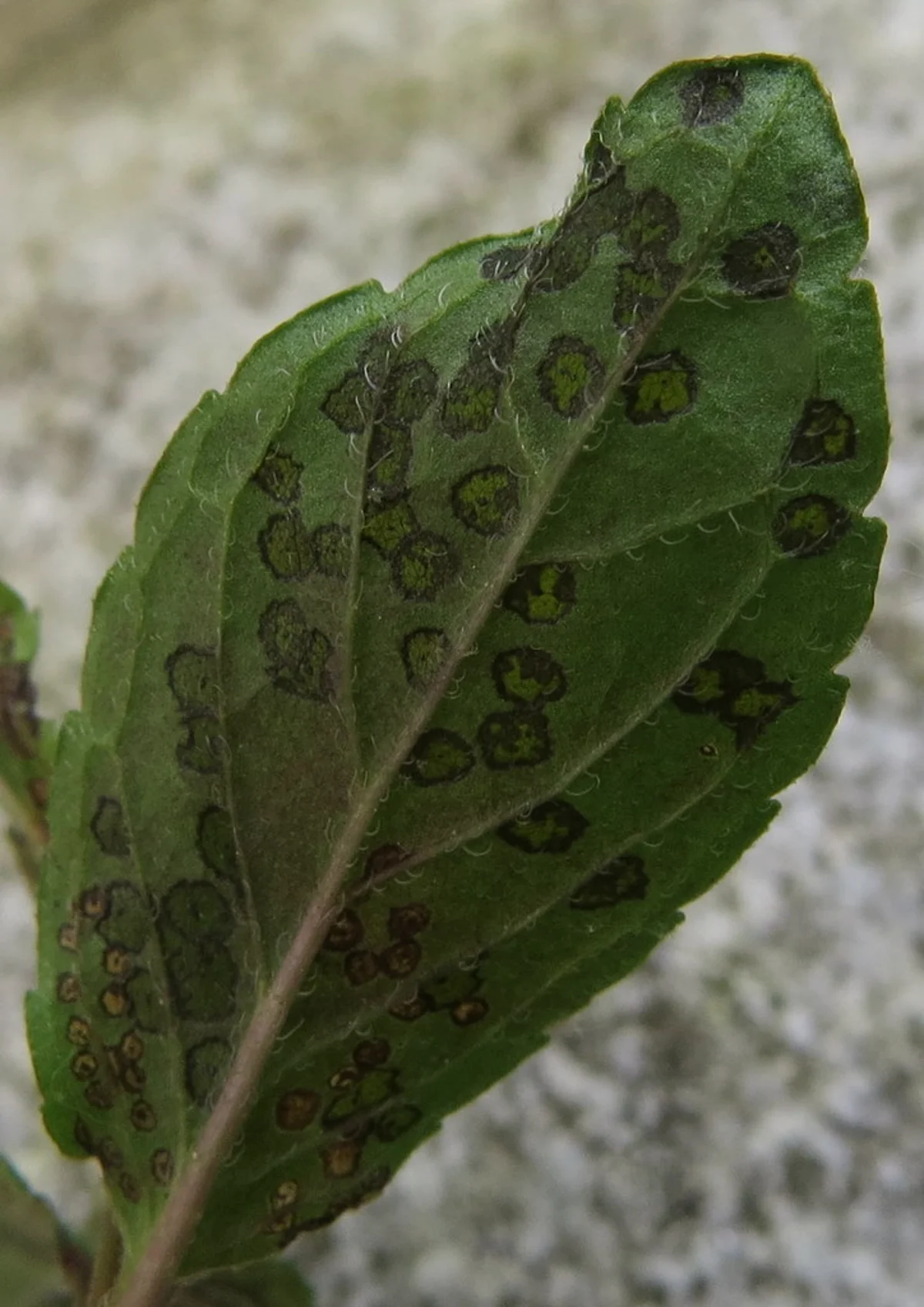
Four-lined plant bug damage is easy to recognize. Each feeding spot is small and roughly circular, about 1 to 2 millimeters across. These spots may look:
- Dark green or black (fresh damage)
- See-through or water-soaked
- White or tan (older damage)
- Brown with holes in the center (very old damage)
The spots often look like fungal leaf spot diseases. This leads to wrong diagnoses. Fungal spots have clear borders and may show spore growth. Plant bug damage has uneven edges and no fungal growth. When feeding is heavy, spots merge into large blotchy areas. Whole leaves can turn brown, curl up, and fall off.
New growth is most at risk. Feeding on shoot tips can cause wilting. New leaves may come out twisted or curled. The damage looks bad, but it rarely kills healthy plants. The harm is mostly cosmetic. However, heavy feeding year after year can stress plants.
Life Cycle
Four-lined plant bugs have only one generation per year. This sets them apart from many garden pests that produce several generations. Their life cycle follows a set seasonal pattern:
Fall Egg-Laying: In fall, females cut small slits into tender stems of woody plants. They put 6 to 8 banana-shaped eggs in each slit, lined up in rows. One female may lay eggs in several spots. The eggs are hidden inside the stem and easy to miss.
Overwintering: Eggs stay dormant through winter inside the stems. They are about 1.65mm long and slightly curved, with a striped cap.
Spring Emergence: Eggs hatch when plants start growing in spring. This usually happens from late April through May. Newly hatched nymphs are tiny and bright red.
Nymphal Development: Nymphs grow through five stages over 17 to 20 days:
- First stage: 1.3mm, lasting 3-4 days
- Second stage: 2.1mm, lasting 3 days
- Third stage: 3.0mm, lasting 2-3 days
- Fourth stage: 3.7mm, lasting 5-7 days
- Fifth stage: 5.5mm (bright orange), lasting 4-5 days
Adult Activity: Adults appear in late May to early June and stay active for about one month. After their final molt, adults mate and females look for stems to lay eggs. By mid-July, adults have died off. Only the eggs remain to start the cycle again next year.
Seasonal Activity
Four-lined plant bugs are only active for a short time each year. Peak activity happens in late May and June when both nymphs and adults feed. By early to mid-July, the insects are gone until the next spring.
This short timeline means damage happens all at once instead of through the whole season. Gardens may look badly hurt in June but recover once the bugs leave. The brief window also means that control steps must be timed just right to work.
Treatment Methods for Four-Lined Plant Bugs
Four-lined plant bugs are garden pests, not indoor pests. Control focuses on garden care practices. Their short active season means many gardeners simply wait out the damage since plants usually recover.
Cultural Controls
- Hand Removal: Four-lined plant bugs can be picked by hand. This works best early in the morning when cooler temps slow them down. Drop them into soapy water.
- Water Sprays: Strong jets of water can knock nymphs off plants. Nymphs that fall often cannot find their way back.
- Prune Egg-Bearing Stems: In fall or early spring, look for stems with egg slits and cut them out. This works best in small gardens.
- Remove Plant Debris: Clearing stems and woody debris in fall gets rid of places where eggs overwinter.
Trap Cropping
Mint draws four-lined plant bugs strongly. Planting mint away from your main garden can lure bugs there instead. Watch the trap crop and remove it with the bugs if numbers get high.
Row Covers
Floating row covers over vegetables during May and June create a barrier. Take off the covers once the bugs are no longer active.
Chemical Control Options
Chemical control is rarely needed since damage is mostly cosmetic. When populations are high on valued plants, these options may help:
- Insecticidal Soaps: Contact sprays that work best on soft-bodied nymphs. Must touch the insect directly.
- Horticultural Oils: Can reduce populations but need thorough coverage.
- Neem-Based Products: May stop feeding and have some contact effect.
These bugs move fast, which limits how well contact sprays work. Adults fly away when disturbed. Treated plants may get new bugs quickly. You may need to spray more than once during the active season.
Other Control Factors
Several natural enemies help reduce four-lined plant bug numbers:
- Parasitic Wasps: Cirrospilus ovisugosus destroys egg clusters within plant stems
- Jumping Spiders: Phidippus clarus and other jumping spiders prey on both nymphs and adults
- General Predators: Big-eyed bugs, damsel bugs, and other predatory insects may feed on nymphs
References
- Four-Lined Plant Bug - University of Florida EDIS
- Fourlined Plant Bug - NC State Extension
- Fourlined Plant Bug - University of Minnesota VegEdge
- Poecilocapsus lineatus - UMass Extension mite
- Four-Lined Plant Bug - BugGuide
Other Plant Bugs
Explore other species in the plant bugs family
Commonly Confused With
Four-Lined Plant Bug are often mistaken for these similar pests
Where Four-Lined Plant Bug Are Found
Hover over states to see their names. Green regions indicate where four-lined plant bug have been reported.
Common Questions about Four-Lined Plant Bug
What do four-lined plant bugs look like?
+
Adult four-lined plant bugs are 6 to 8mm long with a bright yellow to greenish-yellow body. They have four black stripes running down the wings. They have an orange head with dark red eyes. Nymphs are bright red to orange with black markings and wing pads.
What damage do four-lined plant bugs cause?
+
These bugs create circular spots on leaves that look dark, see-through, or white. The spots are about 1 to 2mm wide. They may merge into larger blotches. Badly damaged leaves can turn brown, curl, and drop. The damage is often mistaken for fungal disease.
What plants do four-lined plant bugs attack?
+
Four-lined plant bugs feed on over 250 plant species. They strongly prefer mint family plants like basil, oregano, sage, and lavender. They also like composite family plants like daisy, chrysanthemum, and coreopsis. Vegetables like cucumber, squash, and potato can also be damaged.
When are four-lined plant bugs active?
+
These bugs have a very short active period. Nymphs emerge in late spring and adults are active through early summer, from May through early July. After this, they disappear until the next year.
Will four-lined plant bugs kill my plants?
+
Four-lined plant bug damage is usually cosmetic, not deadly. Badly fed-upon leaves may drop and new growth can be stunted, but healthy plants typically survive. Small or stressed plants may be hurt more.
How can I control four-lined plant bugs?
+
Hand removal can work since populations are usually small. Water sprays knock nymphs off plants. Insecticidal soaps and horticultural oils can reduce populations when applied to nymphs. Planting mint as a trap crop away from other plants can also help draw bugs away from valued plants.

With five years of hands-on experience in the pest control industry, George Schulz is a registered technician with the Virginia Pest Management Association and a proud third-generation professional in a family business that's been protecting homes for over 57 years. He manages and trains a team of service pros while also leading internal research efforts—recently spearheading a deep-dive review of thousands of documents on pest control materials to hand-pick the most kid and pet friendly, most effective solutions tailored specifically for homes in the DC metro area.