Chinch Bugs Identification Guide
Blissus leucopterus
Chinch bugs are small lawn-damaging insects that feed on grass by piercing plant tissue and sucking out sap. They inject toxins that cause yellowing and death of turf, particularly during hot, dry summer months.
Taxonomy
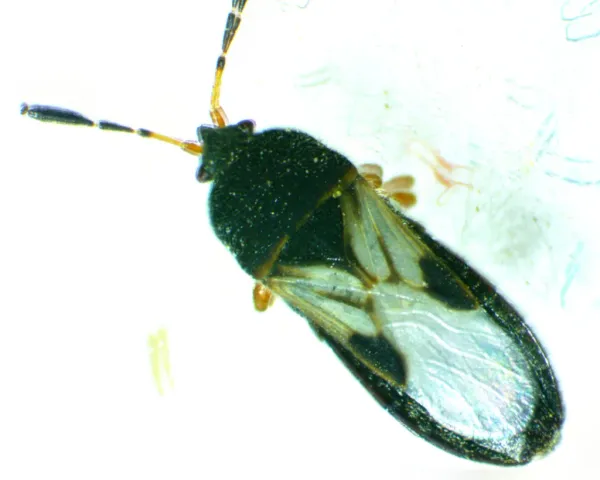
Chinch Bugs Coloration
Common color patterns to help identify chinch bugs
Chinch Bugs
Seasonal Activity
When chinch bugs are most active throughout the year
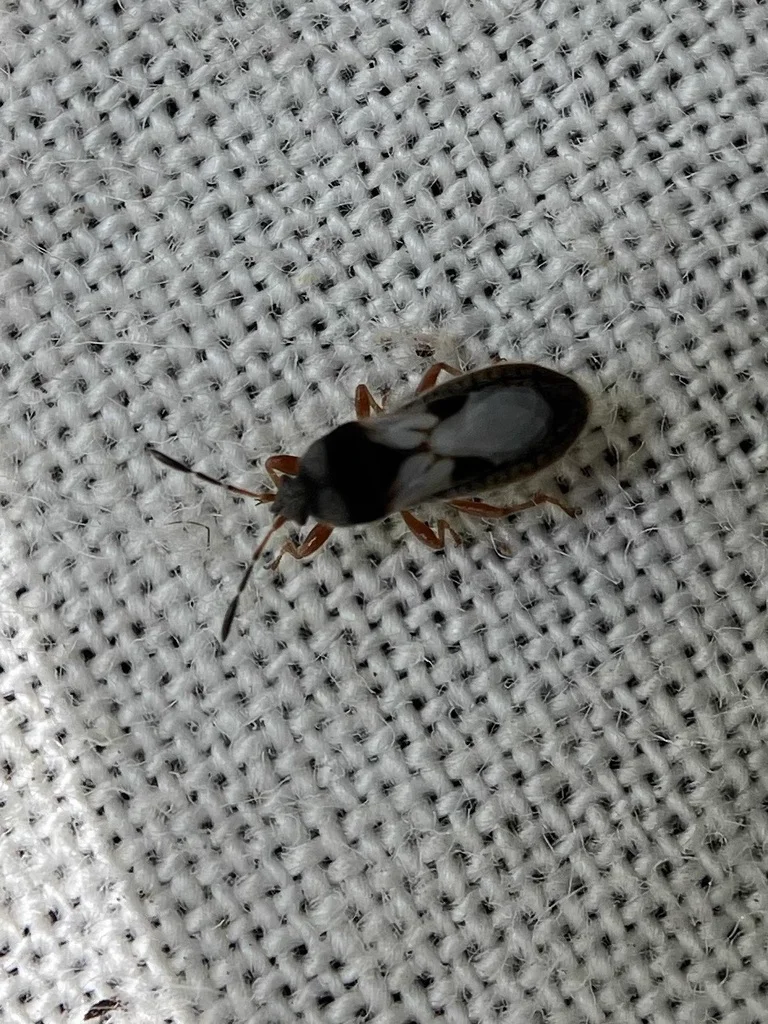
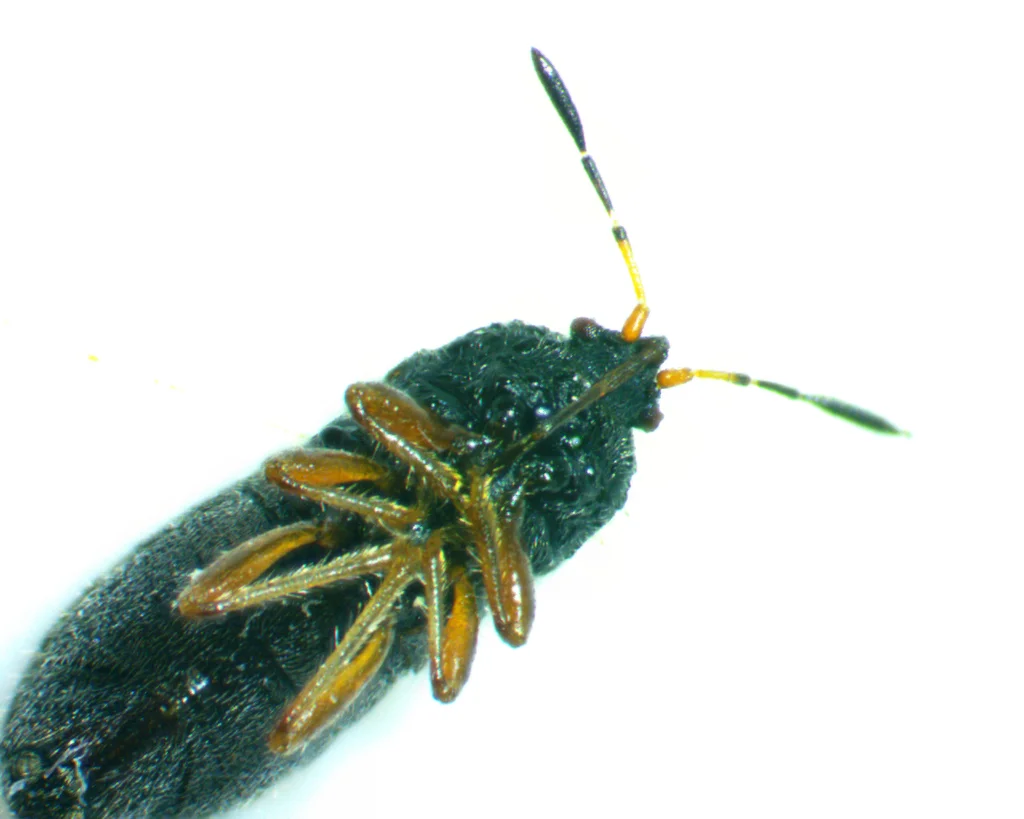
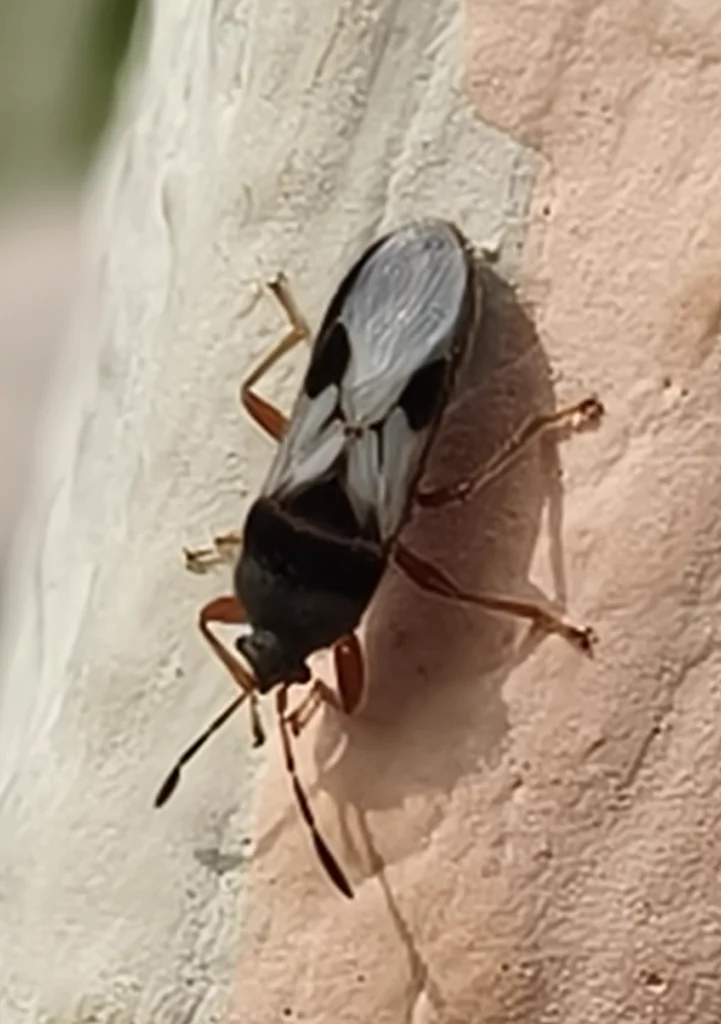

Where Chinch Bugs Are Found
Hover over states to see their names. Green regions indicate where chinch bugs have been reported.
Chinch Bug Identification Guide
Physical Characteristics
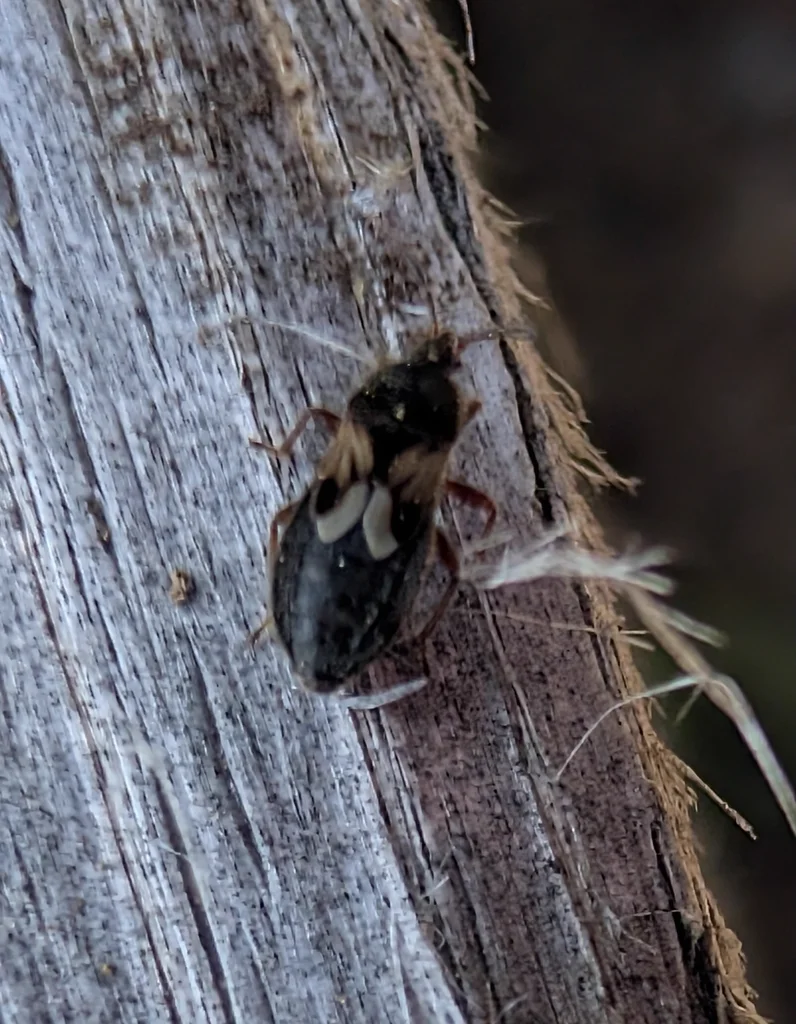
Adult chinch bugs are small, about 3 to 5 mm long (roughly 1/6 inch). They have black bodies with white wings. Each wing has a black triangle near the outer edge. Their legs are orange to reddish-brown, and fine hairs cover their bodies. When seen from above, the adults look flat.
Young chinch bugs (called nymphs) change color as they grow. They go through five stages. In the first stage, they are bright orange with a cream band across the belly. As they get older, the orange turns to purple-gray with two black spots on the back. In the later stages, they start to grow wing pads and look more like adults.
Chinch bug eggs are tiny (less than 1 mm), bean-shaped, and white when first laid. They turn bright orange just before hatching. Females lay eggs in the soil near grass roots or inside leaf sheaths.
Common Species in North America
Hairy Chinch Bug (Blissus leucopterus hirtus) is the most common type in the Northeast and north-central US, as well as southern Canada. It feeds on cool-season grasses like Kentucky bluegrass and fine fescues.
Southern Chinch Bug (Blissus insularis) lives in the Southeast, mainly in Florida, Georgia, and along the Gulf Coast. This type feeds mostly on St. Augustine grass.
Common Chinch Bug (Blissus leucopterus leucopterus) mostly attacks farm crops like corn, wheat, and sorghum in the central US. It will also feed on lawn grass when crops are not available.
Western Chinch Bug (Blissus occiduus) lives in the Great Plains states and feeds on buffalograss and other prairie grasses.
Chinch Bug Behavior and Biology
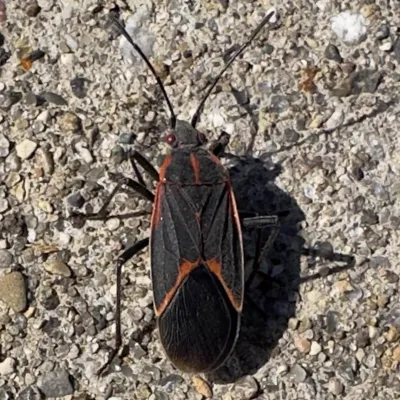
Chinch bugs are part of the broader plant bug family. They have needle-like mouthparts that pierce grass and suck out the sap. While feeding, they inject toxins into the plant. These toxins block water flow inside the grass blade. The mix of lost sap and toxic damage causes grass to turn yellow, wilt, and die. A related species, Boxelder Bug Nymphs, shares similar characteristics.
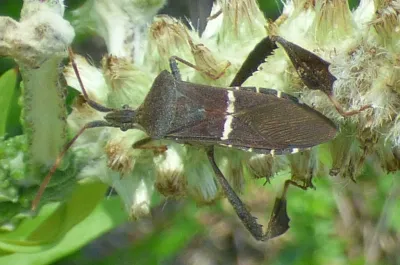
These bugs love hot, dry weather and are most active in summer. They gather in sunny spots, often near driveways, sidewalks, and foundations where surfaces stay warm. Numbers grow fast when temps rise above 70 degrees and rain is scarce. A related species, Stilt Bugs, shares similar characteristics.
Adult chinch bugs spend winter hiding in leaf litter, tall grass along fences, and ground cover near buildings. They come out in spring when it warms up and start laying eggs. Each female can lay 200 to 300 eggs over several weeks. She puts them in the soil and on grass stems close to the ground. Eggs hatch in about two weeks. Young chinch bugs take 30 to 90 days to become adults, depending on how warm it is. A related species, Birch Catkin Bugs, shares similar characteristics.
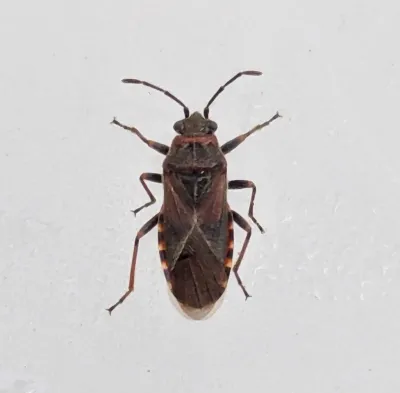
In the North, there are usually two generations per year. In the South, you may see three or four generations because of the longer warm season. Since generations overlap, you can find eggs, nymphs, and adults all at the same time during peak months. A related species, Red-Shouldered Bugs, shares similar characteristics.
Thatch buildup creates a perfect home for chinch bugs. This layer of dead grass and roots at the soil surface shields them from weather, predators, and pesticides. Lawns with more than half an inch of thatch often have worse chinch bug problems. A related species, Four-Lined Plant Bug, shares similar characteristics.
Treatment Methods for Chinch Bugs A related species, Tarnished Plant Bug, shares similar characteristics.
Good chinch bug control uses a mix of lawn care practices, regular checks, and treatments when numbers get too high.
Cultural Control Methods
-
Mow high: Keep grass at 3 inches or taller. This helps roots grow deeper and shades the soil, making it less friendly to chinch bugs.
-
Reduce thatch: Aerate your lawn once a year and avoid using too much nitrogen fertilizer. Keep the thatch layer under half an inch to give chinch bugs fewer places to hide.
-
Water deeply: Water your lawn deeply but less often to help roots grow deep. About 1 inch of water per week during dry spells keeps grass healthy and better able to handle some feeding damage.
-
Time your fertilizer: Skip heavy nitrogen treatments in summer when chinch bugs are most active. Too much nitrogen makes soft, lush growth that chinch bugs love to eat.
Resistant Grass Varieties
Planting grass types that resist chinch bugs gives long-term protection. Endophyte-enhanced perennial ryegrass, fine fescue, and tall fescue have fungi inside them that make compounds toxic to chinch bugs. These grass types can cut pest numbers and damage.
For southern lawns, newer St. Augustine types like ‘Floratam’ and ‘Captiva’ resist southern chinch bugs better than older types. When fixing a damaged lawn, picking a resistant grass type helps stop future problems.
Monitoring and Thresholds
Check your lawn often to catch chinch bugs early, before damage gets bad. Look at sunny areas weekly in summer. Part the grass near the soil and look for insects. The coffee can test works well: press an open can into the turf, fill with water, and wait 10 minutes. Chinch bugs will float up so you can count them.
Treatment is usually needed when you find more than 20 to 25 chinch bugs per square foot. You may need to treat at lower numbers if your lawn is stressed or highly maintained.
Chemical Treatments
When chinch bug numbers pass the treatment threshold, insecticides can give good control. Lawn care pros usually apply granular or liquid products to problem areas. Light watering before treatment brings chinch bugs to the surface. Watering again after treatment helps move the product into the thatch where bugs hide.
Timing is key. Treatments work best on young nymphs, which are easier to kill than adults. Applying in early summer, before numbers explode, often gives the best results.
References
Other Plant Bugs
Explore other species in the plant bugs family
Where Chinch Bugs Are Found
Hover over states to see their names. Green regions indicate where chinch bugs have been reported.
Common Questions about Chinch Bugs
What do chinch bug lawn damage look like?
+
Chinch bug damage appears as irregular yellow or brown patches in your lawn that gradually expand outward. The grass often looks drought-stressed even when watered. Damage typically starts in sunny areas and spreads as populations grow. The affected grass will not recover because chinch bugs inject toxic saliva that kills the plant tissue.
How can I tell if I have chinch bugs in my lawn?
+
Part the grass at the edge of a damaged area and look at the soil surface and grass stems. You may see small black insects with white wings moving quickly. The coffee can test works well: push an open-ended can into the turf at the edge of damage, fill with water, and wait 10 minutes. Chinch bugs will float to the surface. Finding 20 or more per square foot indicates a problem.
When are chinch bugs most active?
+
Chinch bugs are most active during hot, dry summer months, typically from June through August. They thrive in temperatures above 70 degrees Fahrenheit and prefer sunny areas of the lawn. Two generations may occur per year in northern regions, while southern areas may see three or more generations.
Do chinch bugs bite humans?
+
No, chinch bugs do not bite humans or pets. They have piercing-sucking mouthparts designed for feeding on grass sap. While they can become a nuisance when they migrate onto patios or enter homes in large numbers, they pose no direct health threat to people or animals.
What grass types are most susceptible to chinch bugs?
+
St. Augustine grass is highly susceptible to southern chinch bugs. Kentucky bluegrass, perennial ryegrass, and fine fescues are preferred hosts for hairy chinch bugs in northern regions. Tall fescue and endophyte-enhanced grasses show better resistance to chinch bug feeding.
Will watering my lawn help control chinch bugs?
+
Proper irrigation can help reduce chinch bug damage by keeping grass healthier and more resilient. However, watering alone will not eliminate an infestation. Chinch bugs prefer dry conditions, so maintaining adequate soil moisture can make your lawn less favorable to them and help grass recover from minor feeding damage.
What eats chinch bugs?
+
Big-eyed bugs feed on chinch bug eggs, nymphs, and adults. Ground beetles, ants, and parasitic wasps also prey on chinch bugs. These predators can reduce populations but rarely eliminate infestations on their own.

With five years of hands-on experience in the pest control industry, George Schulz is a registered technician with the Virginia Pest Management Association and a proud third-generation professional in a family business that's been protecting homes for over 57 years. He manages and trains a team of service pros while also leading internal research efforts—recently spearheading a deep-dive review of thousands of documents on pest control materials to hand-pick the most kid and pet friendly, most effective solutions tailored specifically for homes in the DC metro area.