Boxelder Bug Nymphs Identification Guide
Boisea trivittata (nymphal stage)
Boxelder bug nymphs are the bright red juvenile stage of boxelder bugs, found in large groups on host trees during summer before developing into the black and red adults that invade homes in fall.
Taxonomy
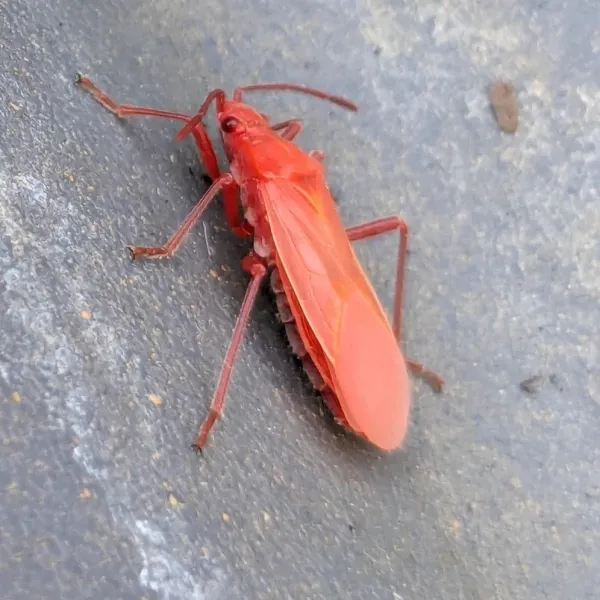
Boxelder Bug Nymphs Coloration
Common color patterns to help identify boxelder bug nymphs
Boxelder Bug Nymphs
Seasonal Activity
When boxelder bug nymphs are most active throughout the year
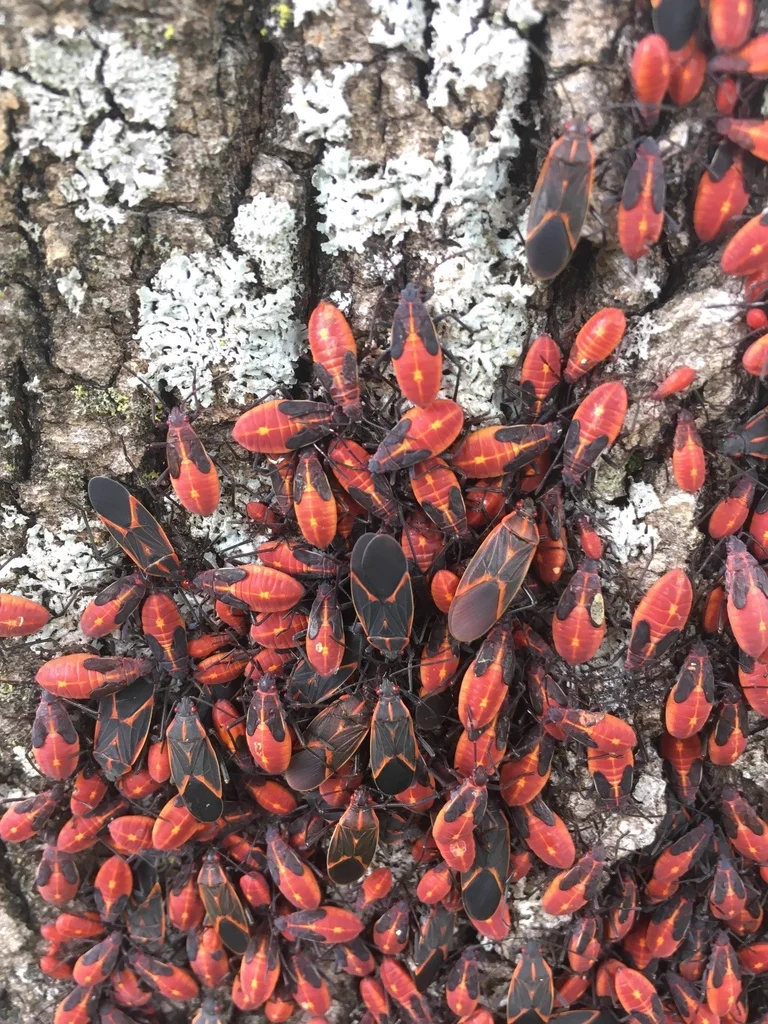
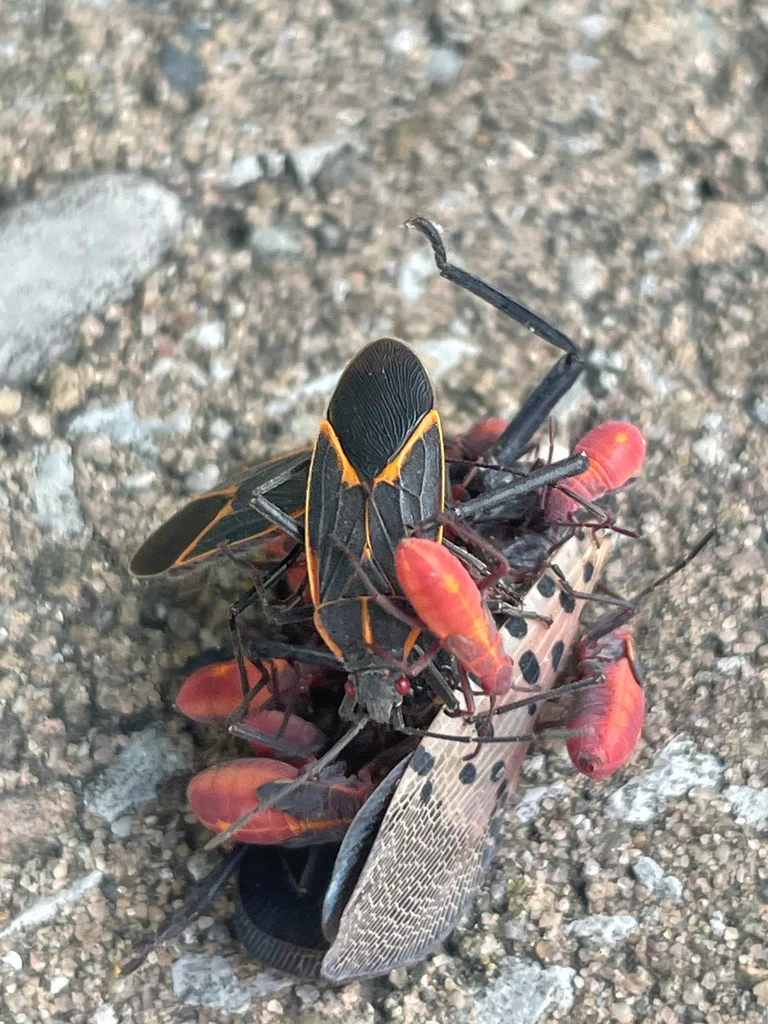
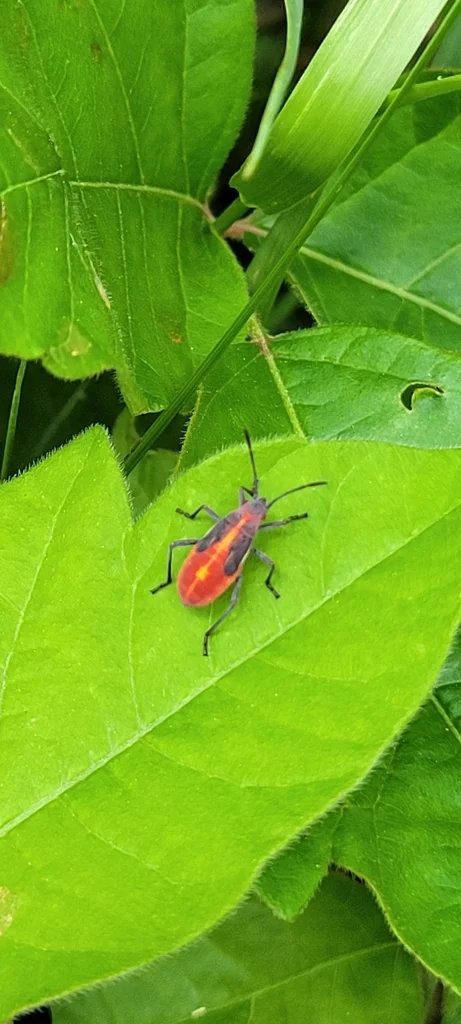

Where Boxelder Bug Nymphs Are Found
Hover over states to see their names. Green regions indicate where boxelder bug nymphs have been reported.
Boxelder Bug Nymph Identification Guide
Physical Characteristics
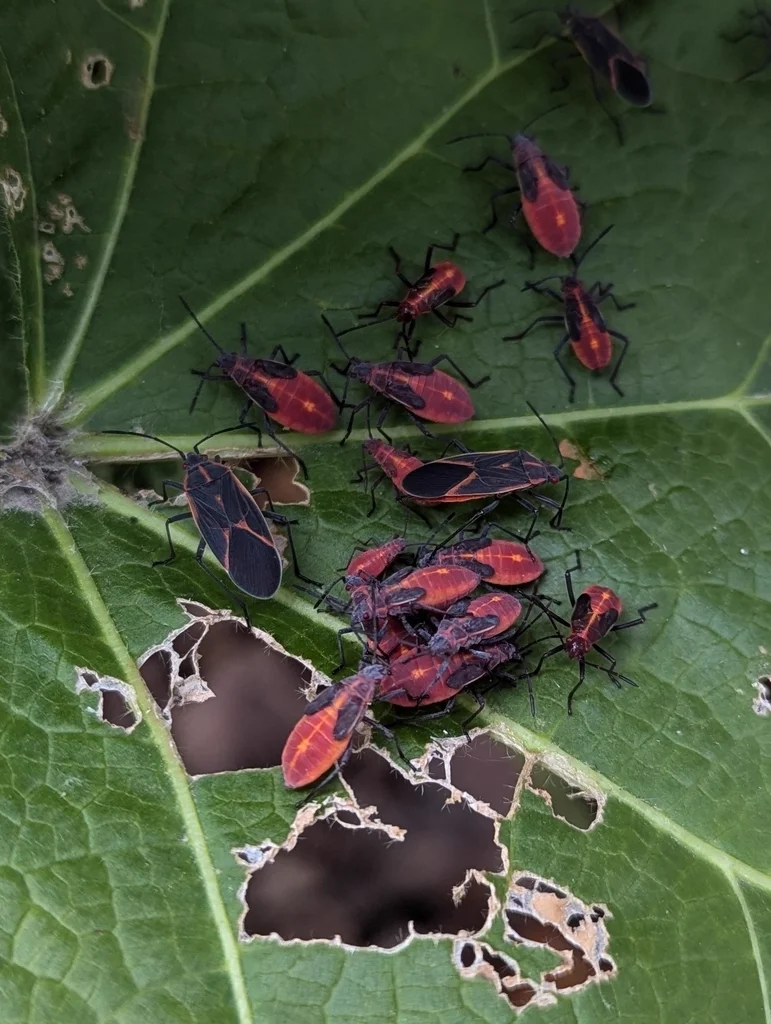
Boxelder bug nymphs look very different from the black and red adults that gather on houses each fall. When they first hatch, nymphs are tiny. They measure about 1.3mm long and are bright red or orange. They have no wings at this stage. Their legs and antennae are black. This creates a bold contrast against their red bodies.
As nymphs feed and grow, they go through five molts over 50 to 78 days. With each molt, they get larger and their color changes. Dark markings appear on the head first. By the time they are halfway grown, nymphs turn black or brownish-black like adults. During the fourth stage, small wing pads start forming on their backs. These wing pads grow longer with each molt until the nymphs become fully winged adults.
A fully grown nymph measures about 10mm before its final molt. At this late stage, it looks like an adult. But it has shorter wings that cannot be used for flight.
How to Tell Nymphs from Adults
The easiest way to tell boxelder bug nymphs from adults is by color and wings. Young nymphs are bright red or orange and have no wings. Adults are black with red markings on their wings and can fly. Older nymphs have small wing pads but cannot fly. They show a mix of red and black coloring.
Size also helps with identification. Newly hatched nymphs are barely visible at around 1mm. Adults are 11 to 14mm long. Anything in between is likely a nymph in one of its growth stages.
Similar-Looking Insects
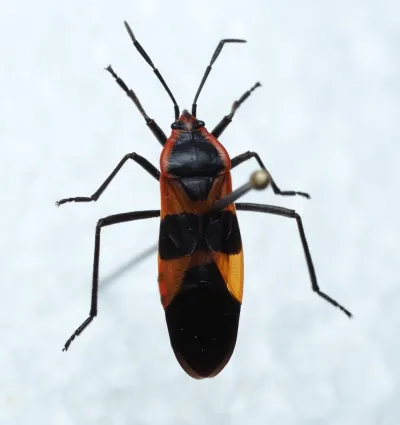
People sometimes mistake boxelder bug nymphs for other red insects. Milkweed bug nymphs are also red and black. But they live on milkweed plants, not boxelder trees. Small milkweed bugs have large red patches. Young boxelder bug nymphs are mostly solid red.
Clover mites are another tiny red creature that homeowners notice. But clover mites are much smaller than even newly hatched nymphs. They have eight legs instead of six. They also move differently and live in lawns, not on trees.
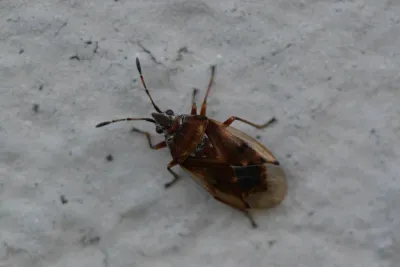
Boxelder Bug Nymph Behavior and Biology A related species, Stilt Bugs, shares similar characteristics.
Life Cycle and Development A related species, Birch Catkin Bugs, shares similar characteristics.
Adult boxelder bugs that survived the winter come out in late March or April when it warms up. After feeding for about two weeks, females start laying eggs. They place small clusters of eggs in cracks in tree bark, on leaves, or in leaf litter. Each cluster has about 10 to 11 eggs. Each female lays 200 to 300 eggs total over several weeks. A related species, Red-Shouldered Bugs, shares similar characteristics.
Eggs hatch in 10 to 19 days. Most hatch in about two weeks. The tiny red nymphs come out and start feeding on nearby plants right away. They prefer seeds and seed pods from boxelder trees. They will also feed on maple and ash trees.
The nymph stage lasts 50 to 78 days. How fast they grow depends on temperature and food supply. Warmer weather and plenty of food speed up growth. During this time, nymphs molt five times. They shed their outer skin each time to allow for growth. The stages between molts are called instars. The first three instars focus on getting bigger. The fourth instar marks the start of wing growth. By the fifth instar, the wing pads have grown much longer.
In most areas, boxelder bugs produce two groups each year. Eggs laid in spring become adults by midsummer. These adults mate and lay more eggs. The second group reaches adulthood by late summer or early fall. These are the adults that will look for winter shelter.
Feeding Habits
Boxelder bug nymphs have needle-like mouths that pierce plants and suck out juices. They feed on seeds, seed pods, and leaves. Their favorite food is seeds from female boxelder trees. They also eat from maple and ash trees when boxelder is not around.
Nymphs feed a lot while growing. But they rarely cause serious damage to trees. Heavy feeding may cause some leaf curling or seed pod damage. Healthy trees bounce back without lasting harm.
When food is scarce, boxelder bugs may eat other boxelder bugs or eggs. This helps some survive when food is hard to find.
Aggregation Behavior
Boxelder bug nymphs gather in large groups. They sometimes cover sections of tree bark or sidewalks near host trees. This clustering serves several purposes. Groups of brightly colored nymphs are easy for predators to see. This might seem like a bad thing. But boxelder bugs have scent glands that release a bad smell when disturbed. A large group releases more of this smell. This makes the whole cluster less tempting to birds and other predators.
You will often see nymph groups on the south and west sides of tree trunks. These spots get the most sun and warmth. They may also gather on sidewalks, building walls, and fences near their host trees.
Why Nymphs Cannot Overwinter
Only adult boxelder bugs survive the winter. Nymphs cannot find good shelter. They also cannot handle cold temperatures. Any nymph that has not become an adult before the first hard frost will die.
This is why timing matters for control. Reducing nymphs during summer means fewer adults will grow up to invade homes in fall. Learn more about whether boxelder bugs are harmful.
How We Treat for Boxelder Bug Nymphs
Treating nymphs during summer helps prevent fall invasions. When we reduce the number of nymphs that become adults, fewer bugs will try to enter your home when cold weather arrives.
-
Summer Nymph Treatments: When large numbers of nymphs are on or near your property, we can apply treatments to reduce them. We target the areas where nymphs gather. This includes host trees, nearby fences, and building foundations. Treating during the nymph stage works better than waiting until adults swarm your walls in fall.
-
Host Tree Assessment: We find boxelder, maple, and ash trees on your property that may be feeding nymph populations. Female boxelder trees produce seeds and attract the most bugs. We can discuss options for managing or removing these trees if boxelder bugs keep coming back.
-
Preventative Fall Treatment: Before cold weather arrives in late September or October, we apply barrier treatments around your home. We dust exterior voids like weep holes and spaces behind siding. We also treat the perimeter with a repellent. This creates a barrier that stops adults from getting inside.
-
Entry Point Sealing Guidance: We check your home for gaps, cracks, and openings that boxelder bugs use to enter. Common entry points include worn door sweeps, gaps around window frames, cracks in foundations, and spaces where utility lines enter. We give you tips on how to seal these areas.
The best results come from treating nymphs in summer and applying prevention treatments in fall. By targeting both stages of the life cycle, we can cut down the number of bugs that end up inside your home each winter.
References
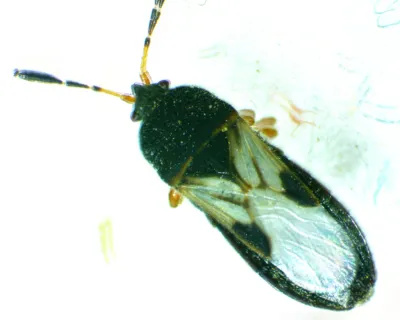
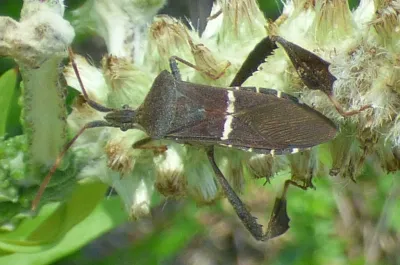
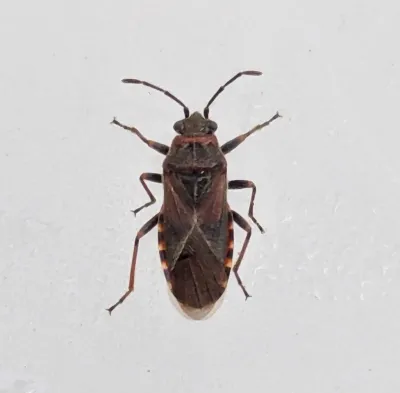
Other Plant Bugs
Explore other species in the plant bugs family
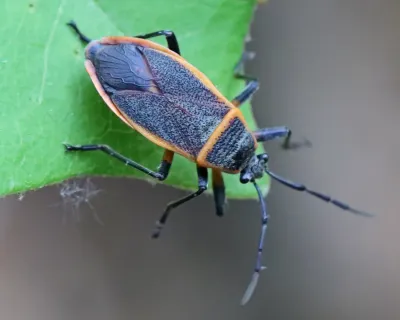
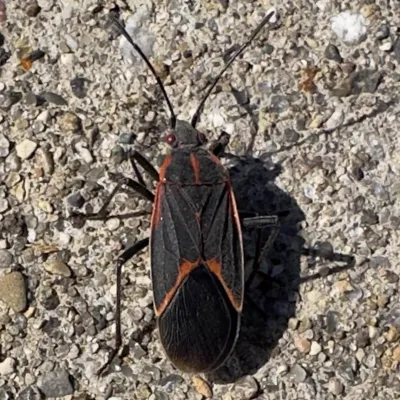
Commonly Confused With
Boxelder Bug Nymphs are often mistaken for these similar pests
Where Boxelder Bug Nymphs Are Found
Hover over states to see their names. Green regions indicate where boxelder bug nymphs have been reported.
Common Questions about Boxelder Bug Nymphs
What do boxelder bug nymphs look like?
+
Boxelder bug nymphs are bright red or orange when young and lack wings. As they grow through five molts, they develop black markings on their head and body. By the time they reach the fourth instar, small black wing pads begin to form. They measure about 1mm when first hatched and grow to 10mm before becoming adults.
Are boxelder bug nymphs harmful?
+
Boxelder bug nymphs are harmless to people, pets, and property. They do not bite, sting, or cause structural damage. Their only negative impact is feeding on boxelder, maple, and ash tree seeds, which rarely causes significant harm to the trees.
Why are there so many red bugs on my tree?
+
If you see large clusters of small red insects on a boxelder, maple, or ash tree in summer, you are likely looking at boxelder bug nymphs. They gather in groups to feed on seeds and developing seed pods. This clustering behavior is normal and the nymphs will develop into adults by late summer.
Do boxelder bug nymphs come inside houses?
+
Nymphs rarely enter homes because they cannot survive without their host trees and cannot overwinter indoors. Only adult boxelder bugs seek shelter inside buildings when fall temperatures drop. If you see bright red insects inside during summer, they may be a different pest.
How long does it take for boxelder bug nymphs to become adults?
+
Boxelder bug nymphs take 50 to 78 days to develop into adults, with an average of about 60 days. They go through five molts during this time, growing larger and darker with each stage. Development speed depends on temperature and food availability.
Can boxelder bug nymphs survive winter?
+
No, only adult boxelder bugs can survive the winter. Nymphs that have not fully developed into adults before cold weather arrives will die. This is why the nymph population disappears each fall while adults seek shelter in homes and other protected areas.
How do I get rid of boxelder bug nymphs?
+
The most effective approach is to reduce nymph populations during summer before they become adults that invade homes in fall. Spraying nymph clusters on trees with insecticidal soap can reduce their numbers. Removing female boxelder trees eliminates their primary food source and breeding habitat.

With five years of hands-on experience in the pest control industry, George Schulz is a registered technician with the Virginia Pest Management Association and a proud third-generation professional in a family business that's been protecting homes for over 57 years. He manages and trains a team of service pros while also leading internal research efforts—recently spearheading a deep-dive review of thousands of documents on pest control materials to hand-pick the most kid and pet friendly, most effective solutions tailored specifically for homes in the DC metro area.