Raisin Moth Identification Guide
Cadra figulilella
The raisin moth is a stored product pest that infests dried fruits, dates, raisins, nuts, and other pantry goods. These small gray-brown moths contaminate food with silk webbing, frass, and excrement as their larvae bore through stored products.
Taxonomy
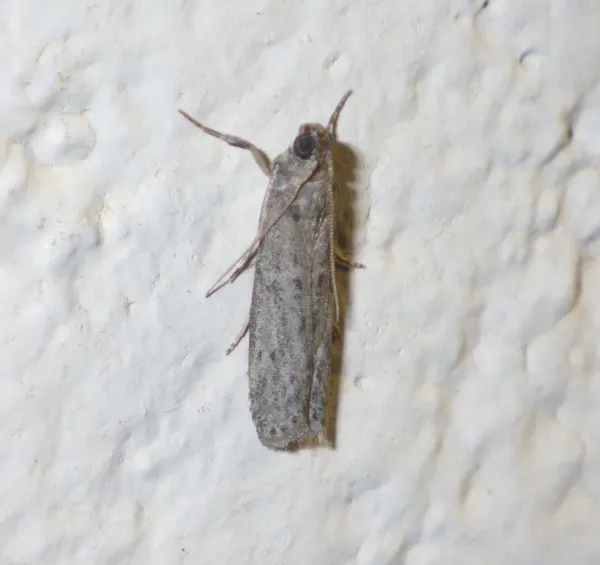
Raisin Moth Coloration
Common color patterns to help identify raisin moth
Raisin Moth
Seasonal Activity
When raisin moth are most active throughout the year

Where Raisin Moth Are Found
Hover over states to see their names. Green regions indicate where raisin moth have been reported.
Raisin Moth Identification Guide
Physical Characteristics
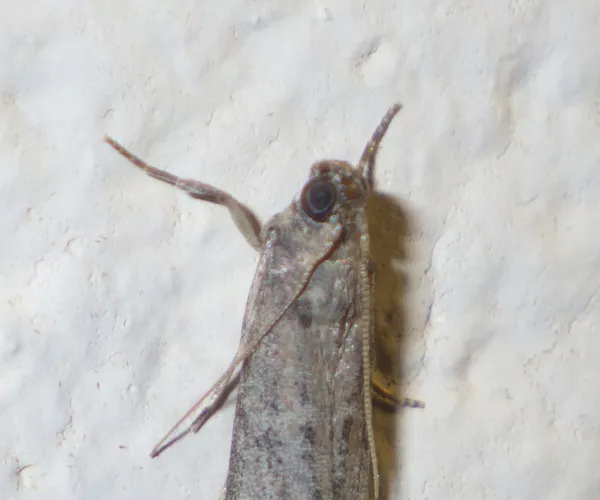
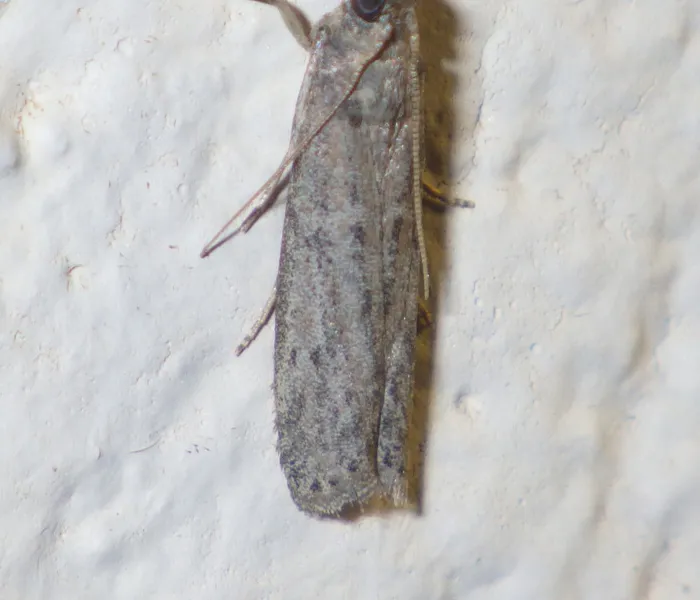
Raisin moths are small pantry pests. Adults measure 8 to 10mm in body length with a wingspan of 14 to 16mm. The forewings are gray-brown with a mottled look. They may show a very faint darker band across the middle. Indian meal moths have bold two-toned wings. Raisin moths have more subtle coloring that can be harder to spot.
At rest, these moths hold their wings close to the body like a roof. The hindwings are lighter with short fringes along the edges. The head is reddish-brown. The antennae are long and thin, pointing forward from the head.
Adult raisin moths are weak fliers. They are most active in the evening, from sunset until before sunrise. You may see them fluttering near windows or light fixtures at night since they are drawn to lights.
Larval Appearance
The larvae cause all the damage. These caterpillars grow to 10-15mm long when fully mature. Young larvae are creamy white. As they grow, they turn pinkish with purple spots. The spots form six rows along the body. The head is brown or reddish-brown.
Larvae spin silk as they feed. This creates webbing throughout the food. The silk helps them move and protects them as they tunnel into dried fruits and other products.
Similar Species
Raisin moths can be confused with other pantry moths:
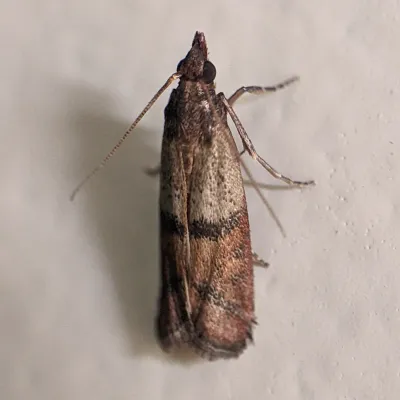
Indian meal moths: These have two-toned wings with a clear color break. The inner third is pale and the outer portion is darker. Raisin moths have more even gray-brown coloring throughout.
Almond moths: Almond moths (Cadra cautella) are close relatives and look nearly the same. Both belong to the genus Cadra. Almond moths tend to have slightly darker bands on their wings. Telling them apart often requires close study.
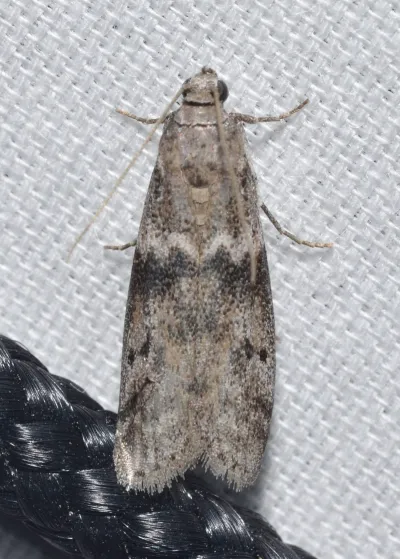
Mediterranean flour moths: These moths are larger and grayer. They have wavy dark lines across their forewings. They prefer flour and grain products over dried fruits.
Raisin Moth Behavior and Biology
Lifecycle and Development
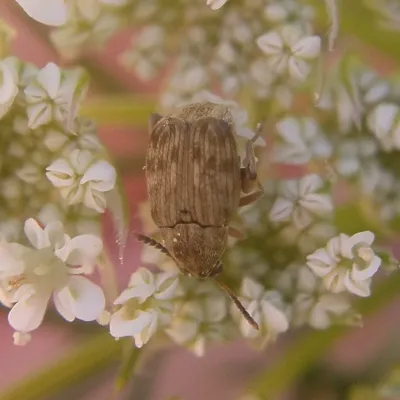
Raisin moths go through four life stages: egg, larva, pupa, and adult. The full lifecycle takes less than 60 days in warm conditions. This allows 3-4 generations per year indoors. A related species, Rice Weevil, shares similar characteristics.
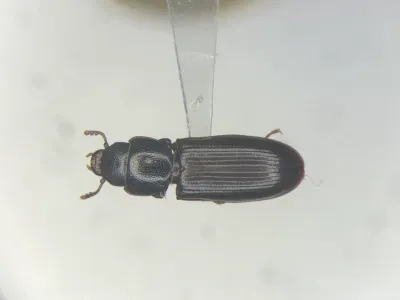
Eggs: Females lay up to 300 eggs on or near food. The oval, ivory-colored eggs are about 0.4mm wide. They hatch in 3-7 days. Warmer temps speed up hatching. A related species, Merchant Grain Beetle, shares similar characteristics.
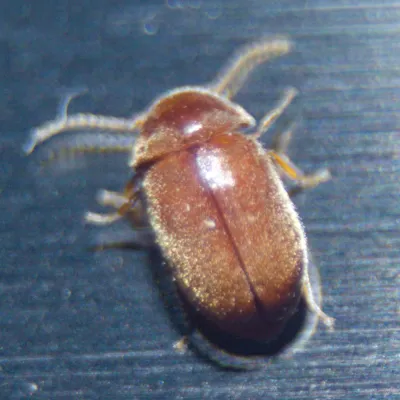
Larvae: This stage lasts about 25 days at around 86 degrees F. Larvae molt several times as they grow. They feed nonstop, boring into dried fruits and leaving tunnels full of silk and waste. A related species, Cigarette Beetles, shares similar characteristics.
Pupae: When ready, larvae spin silk cocoons to pupate. Pupae start out whitish and turn yellow to brown. This stage lasts 8-10 days before adults emerge.
Adults: Adult moths live only 11-16 days. They spend all their energy on mating and laying eggs. They do not feed as adults. Mating happens at night.
Seasonal Behavior
Outdoors, raisin moths are most active in late spring (May-June) and early fall (September-October). Inside heated buildings, they can breed all year long.
When winter comes outdoors, larvae move from fruit into the top few inches of soil to survive the cold. Indoor infestations do not follow this pattern since temps stay stable.
What Do Raisin Moths Infest?
Raisin moth larvae feed on many dried products:
- Dried fruits like raisins, dates, figs, prunes, and apricots
- Dates still on the palm tree as they ripen
- Nuts and nut products
- Grains and cereals
- Dried beans and legumes
- Candy and chocolate with dried fruit or nuts
- Pet food and bird seed with dried fruit
Larvae love dried fruits and cause major damage to date crops. They bore into the fruit and fill it with waste and fine powder. This damage cannot be fixed, even with fumigation.
Signs of a Raisin Moth Infestation
What to Look For
- Adult moths flying: Small gray-brown moths fluttering near ceilings or lights during evening hours
- Webbing in food: Silky threads and clumps in dried fruit containers or pantry products
- Larvae in food: Small caterpillars with pinkish bodies and purple spots
- Damaged fruit: Dried fruits with small bore holes and powdery residue
- Cocoons: Silken pupal cases in cracks, corners, or along container edges
Where to Inspect
If you suspect raisin moths, check these areas:
- Containers of raisins, dates, figs, and other dried fruits
- Bags of nuts, trail mix, or granola
- Bulk food bins and storage containers
- Pet food containing dried fruit
- Decorative items with dried fruit
- Cracks and crevices near food storage areas
Open containers and look inside. Shake products and watch for webbing or larvae movement. Check the underside of lids where larvae may pupate.
Treatment Methods for Raisin Moths
Getting rid of raisin moths takes several steps. The key is finding and removing all infested food.
-
Thorough Inspection: Check all dried food in your pantry. Focus on dried fruits, nuts, and grain products. Look for webbing, larvae, or adult moths.
-
Source Removal: Throw away all infested items in sealed bags. When in doubt, throw it out. Items in glass or thick plastic containers with tight seals may be safe if there are no signs of pests.
-
Deep Cleaning: Vacuum all shelves, drawers, and cabinets well. Focus on cracks and corners where larvae hide and pupate. Wipe down surfaces to remove eggs and food bits.
-
Monitoring: Pheromone traps help detect raisin moths. These traps attract male moths with scent lures. They show if moths are still around after treatment.
-
Temperature Treatment: Some items can be saved with extreme temps. Freeze sealed items at 0 degrees F for at least 7 days. This kills all life stages. You can also heat items to 130 degrees F for 30 minutes or more.
Prevention Tips
A few simple steps can help prevent raisin moth problems:
- Use airtight containers: Put dried fruits, nuts, and grains in glass jars or thick plastic containers with tight seals right after buying
- Inspect before buying: Check packaging for holes, tears, or webbing before you buy dried fruit products
- Freeze new purchases: Put dried fruits and nuts in the freezer for a week before storing in the pantry
- Practice rotation: Use older products first and do not store dried foods for too long
- Clean regularly: Wipe down pantry shelves and vacuum crumbs often
- Monitor with traps: Place pheromone traps in your pantry to catch problems early
- Store in cool areas: Cooler temps slow moth growth and breeding
References and Further Reading
Other Pantry Pests
Explore other species in the pantry pests family
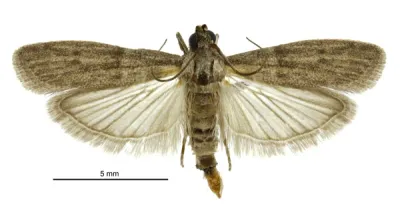
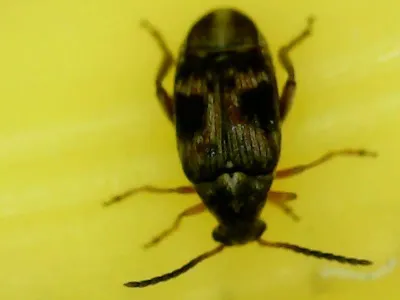
Commonly Confused With
Raisin Moth are often mistaken for these similar pests
Where Raisin Moth Are Found
Hover over states to see their names. Green regions indicate where raisin moth have been reported.
Common Questions about Raisin Moth
What do raisin moths look like?
+
Raisin moths are small moths about 8-10mm long with a wingspan of 14-16mm. Adults have gray-brown forewings that may show a faint darker band across the middle. Their hindwings have characteristically short fringes. The head is reddish-brown. Larvae are creamy white to pink with rows of purple-colored spots along their body and grow to about 10-15mm long.
What do raisin moths eat?
+
Raisin moth larvae feed primarily on dried fruits including raisins, dates, figs, prunes, and apricots. They also infest nuts, grains, cereals, and other dried food products. The larvae bore into the food material and consume it from the inside, filling it with excrement and silk webbing.
Are raisin moths harmful to humans?
+
Raisin moths do not bite or sting and are not directly harmful to humans. However, their larvae contaminate food with silk webbing, frass, and excrement. Consuming heavily infested food may cause digestive upset. The main concern is food spoilage and economic loss from contaminated products.
How do raisin moths get into my house?
+
Raisin moths typically enter homes through infested food products purchased from stores. Eggs or larvae may already be present in dried fruits, nuts, or grains when you buy them. Adult moths can also fly into homes through open doors and windows, especially during warmer months when they are most active at dusk.
How long do raisin moths live?
+
Adult raisin moths live only 11-16 days. During this time, they do not feed and focus entirely on reproduction. Females can lay up to 300 eggs. The complete lifecycle from egg to adult takes less than 60 days under warm conditions, allowing multiple generations per year indoors.
How can I tell raisin moths apart from Indian meal moths?
+
Raisin moths and Indian meal moths are similar in size but have different wing patterns. Indian meal moths have distinctive two-toned wings with a pale inner third and copper-colored outer portion. Raisin moths have more uniformly gray-brown wings with only faint darker bands that are less obvious. Raisin moths are also slightly smaller than Indian meal moths.
Where do raisin moths come from originally?
+
Raisin moths likely originated in tropical regions and are now found throughout the world. In North America, they are most common in California, Florida, and other warm states with fruit and nut industries. They prefer hot, arid climates and thrive wherever dried fruits and nuts are stored or processed.

With five years of hands-on experience in the pest control industry, George Schulz is a registered technician with the Virginia Pest Management Association and a proud third-generation professional in a family business that's been protecting homes for over 57 years. He manages and trains a team of service pros while also leading internal research efforts—recently spearheading a deep-dive review of thousands of documents on pest control materials to hand-pick the most kid and pet friendly, most effective solutions tailored specifically for homes in the DC metro area.