Pantry Moths Identification Guide
Plodia interpunctella
Pantry moths, also known as Indian meal moths, are the most common stored product pests in North American homes. These small moths infest dry goods like flour, cereals, dried fruits, pet food, and nuts.
Taxonomy
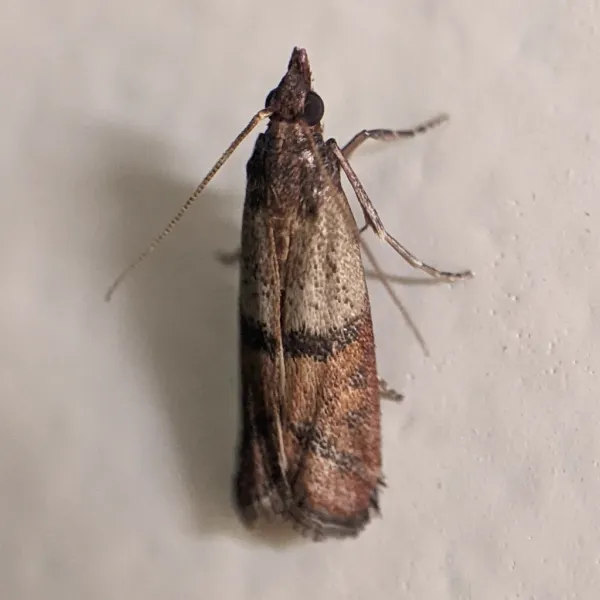
Pantry Moths Coloration
Common color patterns to help identify pantry moths
Pantry Moths
Seasonal Activity
When pantry moths are most active throughout the year

Where Pantry Moths Are Found
Hover over states to see their names. Green regions indicate where pantry moths have been reported.
Pantry Moth Identification Guide
Pantry moths are the most common pantry pests in North American homes. Their scientific name is Plodia interpunctella, but most people call them Indian meal moths. The name comes from their habit of eating cornmeal, which early Americans called “Indian meal.” They have no actual connection to India.
Physical Characteristics
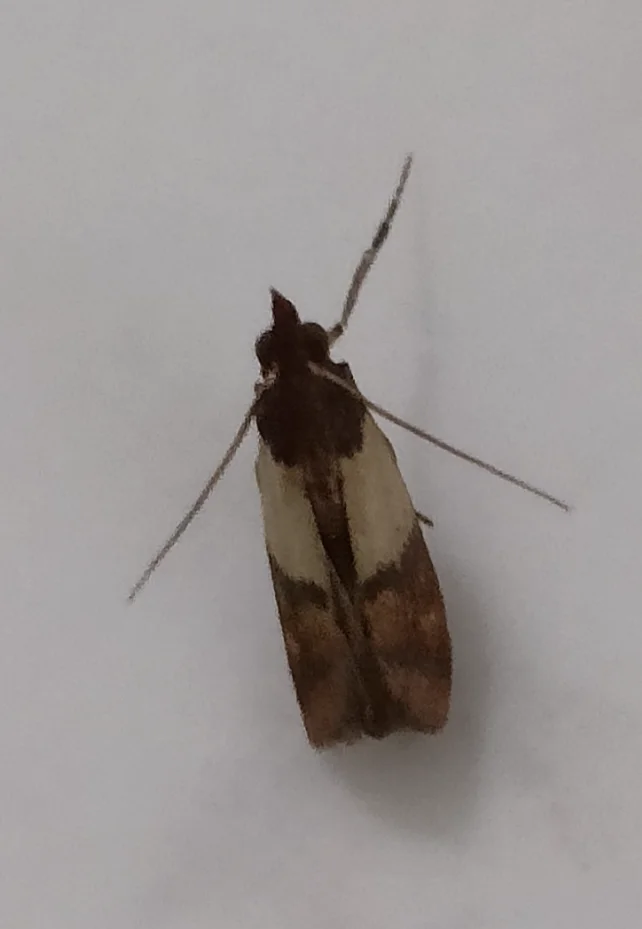
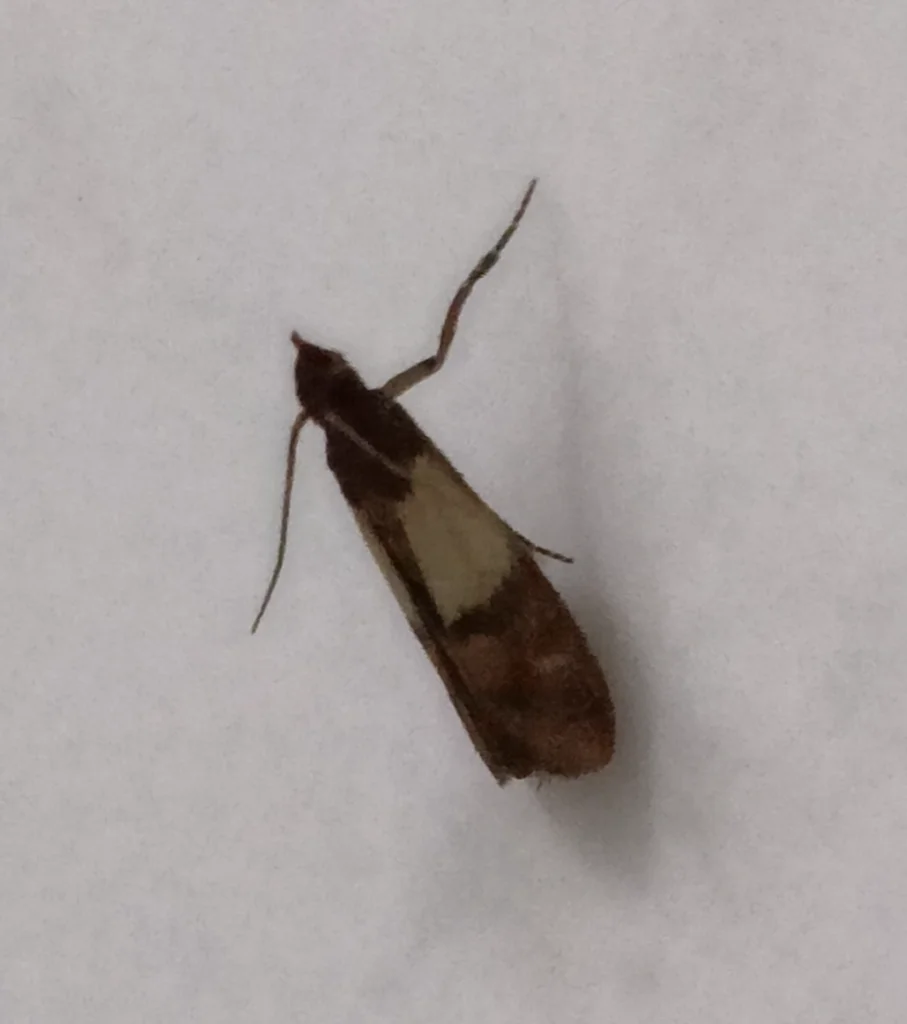
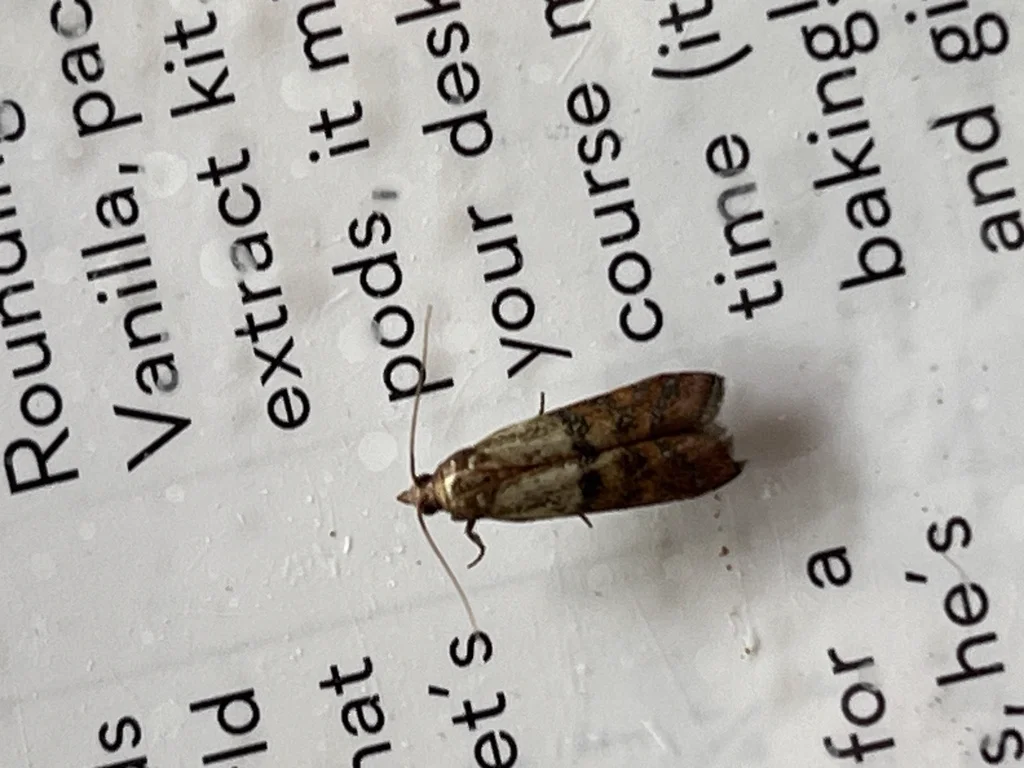
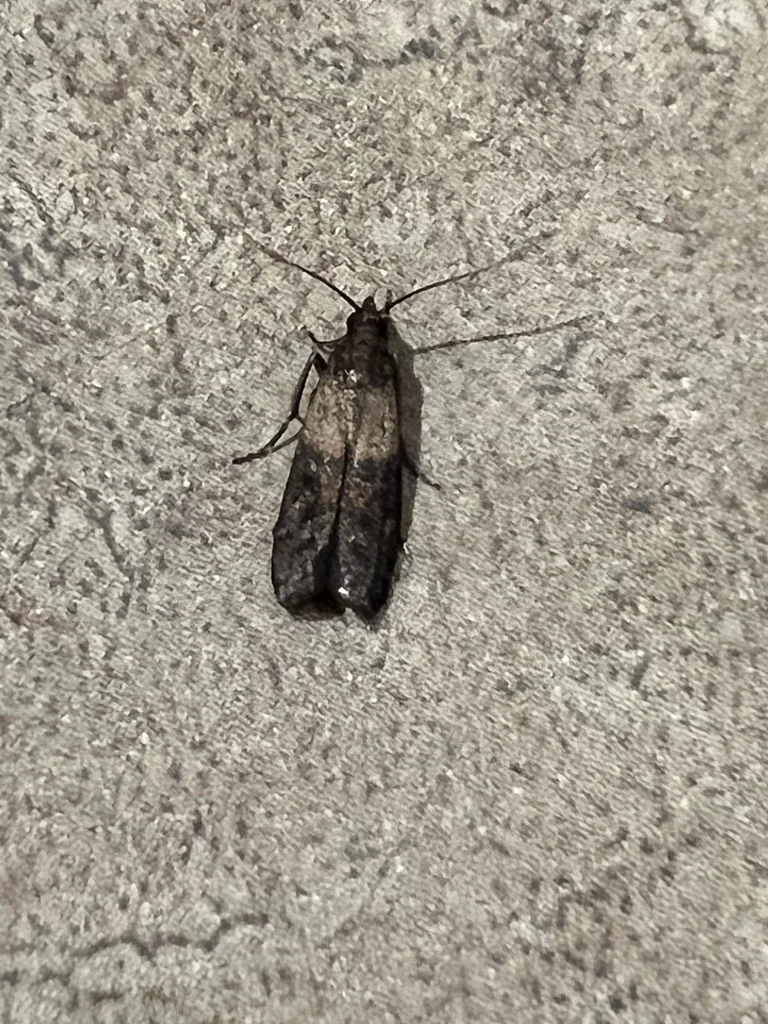
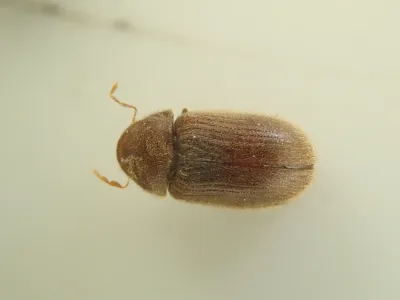
Adult pantry moths are small, with a wingspan of about 8-10mm (less than half an inch). You can spot them by their two-toned wings. The front third is pale gray or tan. The back two-thirds is reddish-brown to copper with a darker band. When resting, they hold their wings close to their body like a tent.
The larvae do all the damage. These cream-colored caterpillars grow up to 12mm long and have brown heads. They spin silken webbing as they feed. This webbing causes the clumping you often see in infested flour or cereal.
Common Species and Relatives
The Indian meal moth is the main pantry pest. But other moths can also infest stored foods:
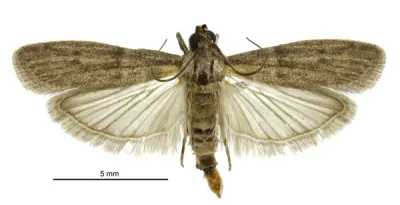
- Mediterranean flour moth (Ephestia kuehniella): Pale gray with darker wing markings. Often found in flour mills.
- Almond moth (Cadra cautella): Looks similar. Often found in dried fruits and nuts.
- Tobacco moth (Ephestia elutella): Feeds on tobacco products and dried plant materials.
Pantry Moth Behavior and Biology
To get rid of pantry moths, you need to understand their life cycle. They go through four stages: egg, larva, pupa, and adult.
Life Cycle
Eggs: Female moths lay 100-400 tiny white eggs on or near food. Eggs hatch in 2-14 days, depending on temperature.
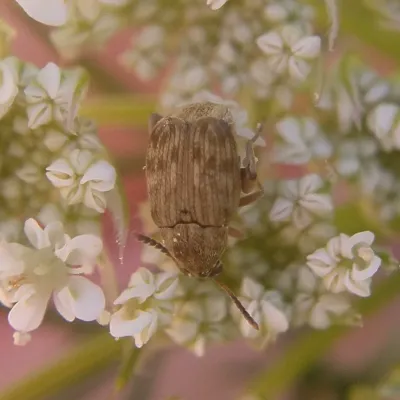
Larvae: This stage lasts 2-41 weeks. The time depends on temperature and food supply. Larvae are the only stage that eats. They feed on your stored food and spin silken threads as they move. This creates the webbing you find in infested products. A related species, Rice Weevil, shares similar characteristics.
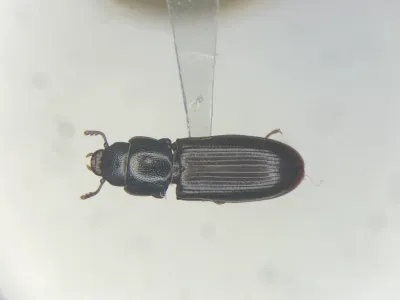
Pupae: When larvae are ready to change, they crawl away from food. They often hide in corners of cabinets or where walls meet ceilings. This stage lasts 15-20 days. A related species, Merchant Grain Beetle, shares similar characteristics.
Adults: Adult moths live only 1-2 weeks. They do not eat at all. Their only job is to mate and lay eggs. They fly most at dusk and evening.
Where They Live and What They Eat
Pantry moths like warm places. They grow fastest between 77-86 degrees Fahrenheit. They can survive cooler temps, but they grow much slower. In heated homes, they can breed all year long.
Foods they commonly infest include:
- Flour and baking mixes
- Cereals and oatmeal
- Rice and pasta
- Dried fruits and nuts
- Chocolate and candy
- Spices and dried herbs
- Pet food and treats
- Birdseed
- Dried flowers and potpourri
How We Treat for Pantry Moths
Getting rid of pantry moths takes a multi-step approach. You need to clean, monitor, and treat the problem areas.
Inspection and Source Removal
The first step is a careful inspection. We look for all infested items. This includes obvious spots like food cabinets. But we also check less obvious places like decorative items, old packages in back corners, and pet food storage.
All infested food must go in sealed bags and into outdoor trash. Even unopened packages can have moths if they came from the store already infested.
Cleaning
After removing infested items, deep cleaning is a must:
- Vacuum all shelves, cracks, and corners where larvae might hide
- Wipe surfaces with soap and water to remove eggs
- Pay close attention to shelf paper edges and cabinet corners
- Clean under and behind appliances where spilled food may sit
Monitoring and Protection
Pheromone traps work very well for tracking pantry moth activity. These traps release a scent that attracts male moths. They help find ongoing problems and confirm when treatment worked.
For lasting protection:
- Store all at-risk foods in airtight glass or hard plastic containers
- Check grocery items before storing, especially bulk foods
- Use older products first and rotate stock often
- Freeze items for 4-7 days after purchase to kill hidden eggs or larvae
- Keep storage areas clean and dry
Professional Treatment Options
For a detailed step-by-step approach, see our guide on how to get rid of pantry moths. For bad or stubborn problems, professional treatment may help. This can include applying residual products to cracks and corners where larvae hide. Heat treatments and fumigation work for commercial spaces or whole-home problems.
Prevention Tips
Stopping pantry moths before they start is much easier than getting rid of them later:
- Inspect before buying: Check packages for holes, tears, or webbing at the store
- Proper storage: Move dry goods to airtight containers right after purchase
- Freeze new items: Freezing food for one week kills all life stages
- Rotate stock: Use older products first. Do not let items sit for months
- Stay clean: Wipe up spills right away. Vacuum food storage areas often
- Use traps: Place pheromone traps in pantries to catch problems early
References
- Rees, D. (2004). Insects of Stored Products. CSIRO Publishing.
- EPA: Managing Pests in Schools
- University of Kentucky Entomology: Indian Meal Moths
- Penn State Extension: Indian Meal Moth
Other Pantry Pests
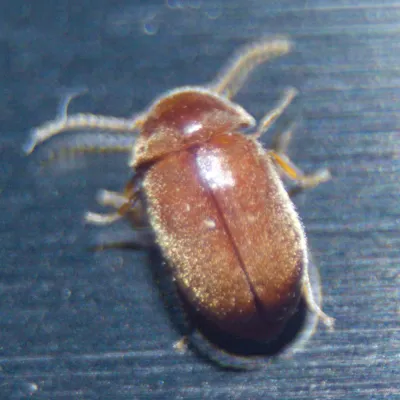
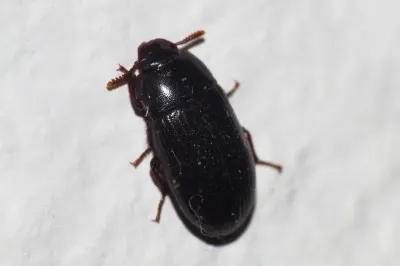
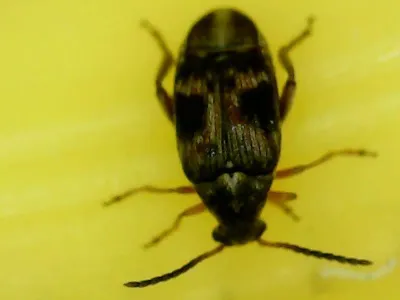
Explore other species in the pantry pests family
Commonly Confused With
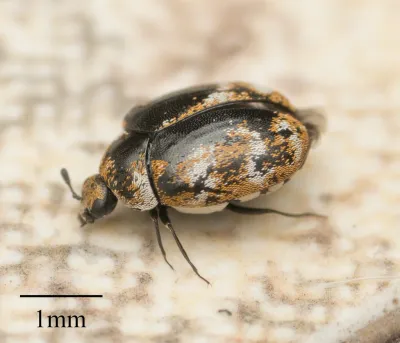
Pantry Moths are often mistaken for these similar pests
Where Pantry Moths Are Found
Hover over states to see their names. Green regions indicate where pantry moths have been reported.
Common Questions about Pantry Moths
How do pantry moths get into my home?
+
Pantry moths almost always enter homes inside infested food products purchased from grocery stores. Eggs and larvae can be present in flour, cereals, dried fruits, nuts, pet food, and birdseed before you even bring them home. Warehouses and processing facilities can harbor infestations that spread to packaged goods.
Are pantry moths harmful to humans?
+
Pantry moths are not directly harmful to humans and do not bite or transmit diseases. However, consuming food contaminated with their larvae, eggs, webbing, or fecal matter is unappetizing and unsanitary. Most people discard infested food as a precaution.
How can I tell if I have pantry moths?
+
Look for small tan and brown moths flying in your kitchen, especially near food storage areas. Check dry goods for silken webbing, small cream-colored larvae, or clumping in powdery foods like flour. You may also notice adult moths resting on walls and ceilings in the evening.
How do I get rid of pantry moths?
+
Start by discarding all infested and potentially infested dry goods. Vacuum shelves and crevices thoroughly, then wipe down with soap and water. Store new food in airtight glass or plastic containers. Pheromone traps can help monitor for remaining adults. Severe infestations may require professional treatment.
How long does it take to eliminate a pantry moth infestation?
+
Eliminating pantry moths typically takes 2-4 months because you must break their breeding cycle. Adult moths only live 1-2 weeks, but eggs hidden in cracks can continue hatching for months. Consistent monitoring with pheromone traps helps ensure complete elimination.
Can pantry moths spread to other areas of my home?
+
Yes, adult moths will fly to other areas and can infest any dry goods, pet food, or birdseed stored throughout your home. They may also lay eggs in dried flower arrangements, potpourri, or decorative items containing plant materials. A thorough inspection of your entire home is recommended.
What foods do pantry moths infest?
+
Pantry moths infest a wide range of dry goods including flour, cereals, oatmeal, rice, pasta, dried fruits, nuts, chocolate, candy, spices, dried herbs, pet food, birdseed, and even dried flower arrangements. Essentially any dried plant-based product is at risk.

With five years of hands-on experience in the pest control industry, George Schulz is a registered technician with the Virginia Pest Management Association and a proud third-generation professional in a family business that's been protecting homes for over 57 years. He manages and trains a team of service pros while also leading internal research efforts—recently spearheading a deep-dive review of thousands of documents on pest control materials to hand-pick the most kid and pet friendly, most effective solutions tailored specifically for homes in the DC metro area.