Indian Meal Moth Identification Guide
Plodia interpunctella
The Indian meal moth is the most common pantry pest in North America. These small moths infest stored grains, cereals, dried fruits, pet food, and many other pantry items, contaminating food with their webbing and waste.
Taxonomy
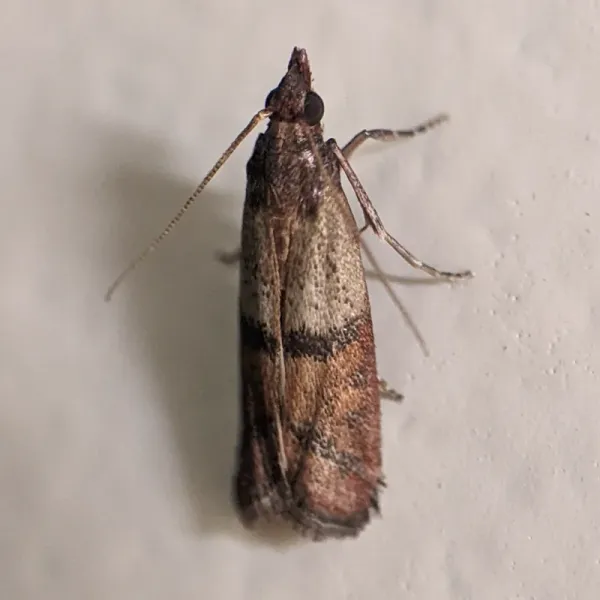
Indian Meal Moth Coloration
Common color patterns to help identify indian meal moth
Indian Meal Moth
Seasonal Activity
When indian meal moth are most active throughout the year

Where Indian Meal Moth Are Found
Hover over states to see their names. Green regions indicate where indian meal moth have been reported.
Indian Meal Moth Identification Guide
Physical Characteristics
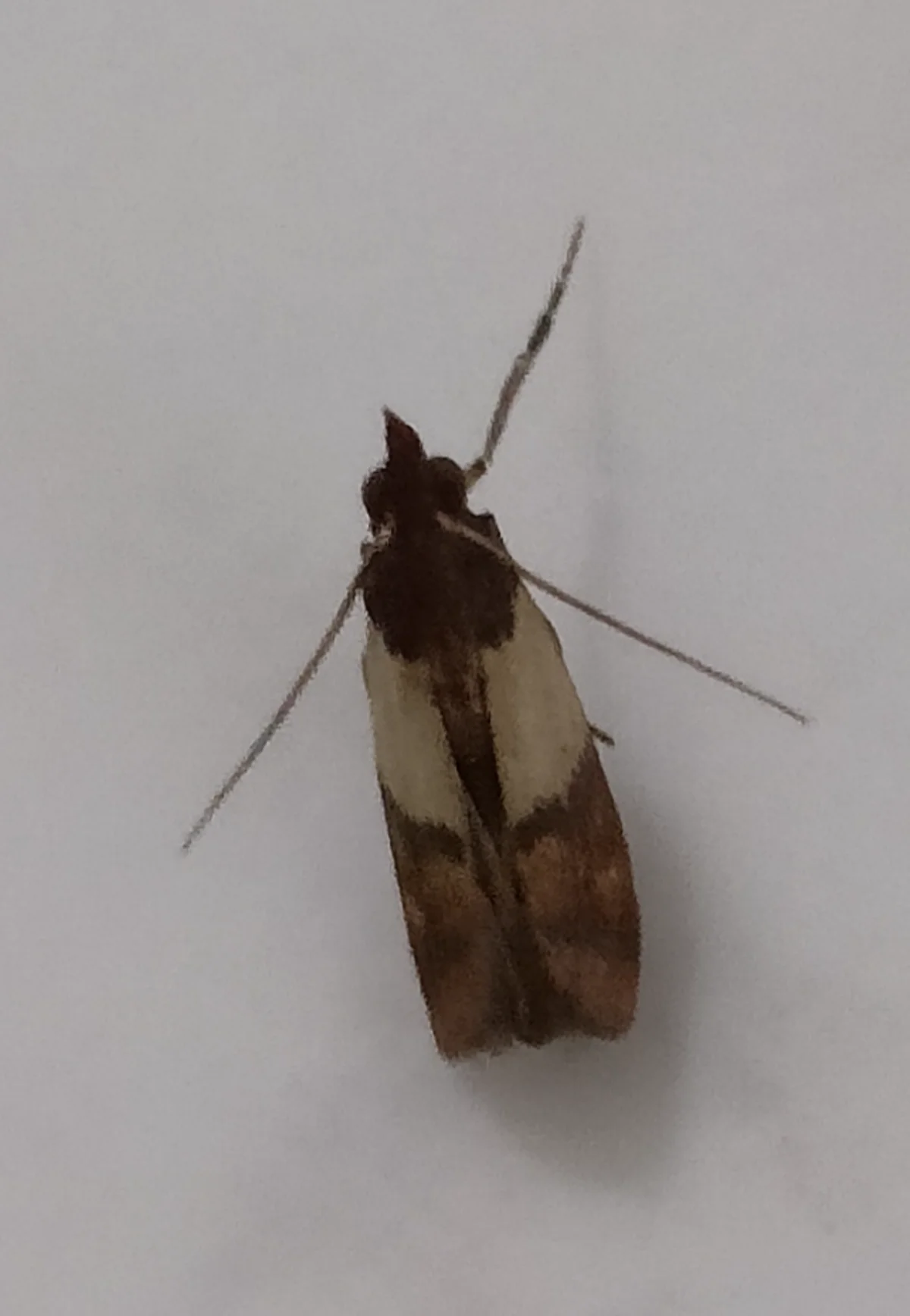
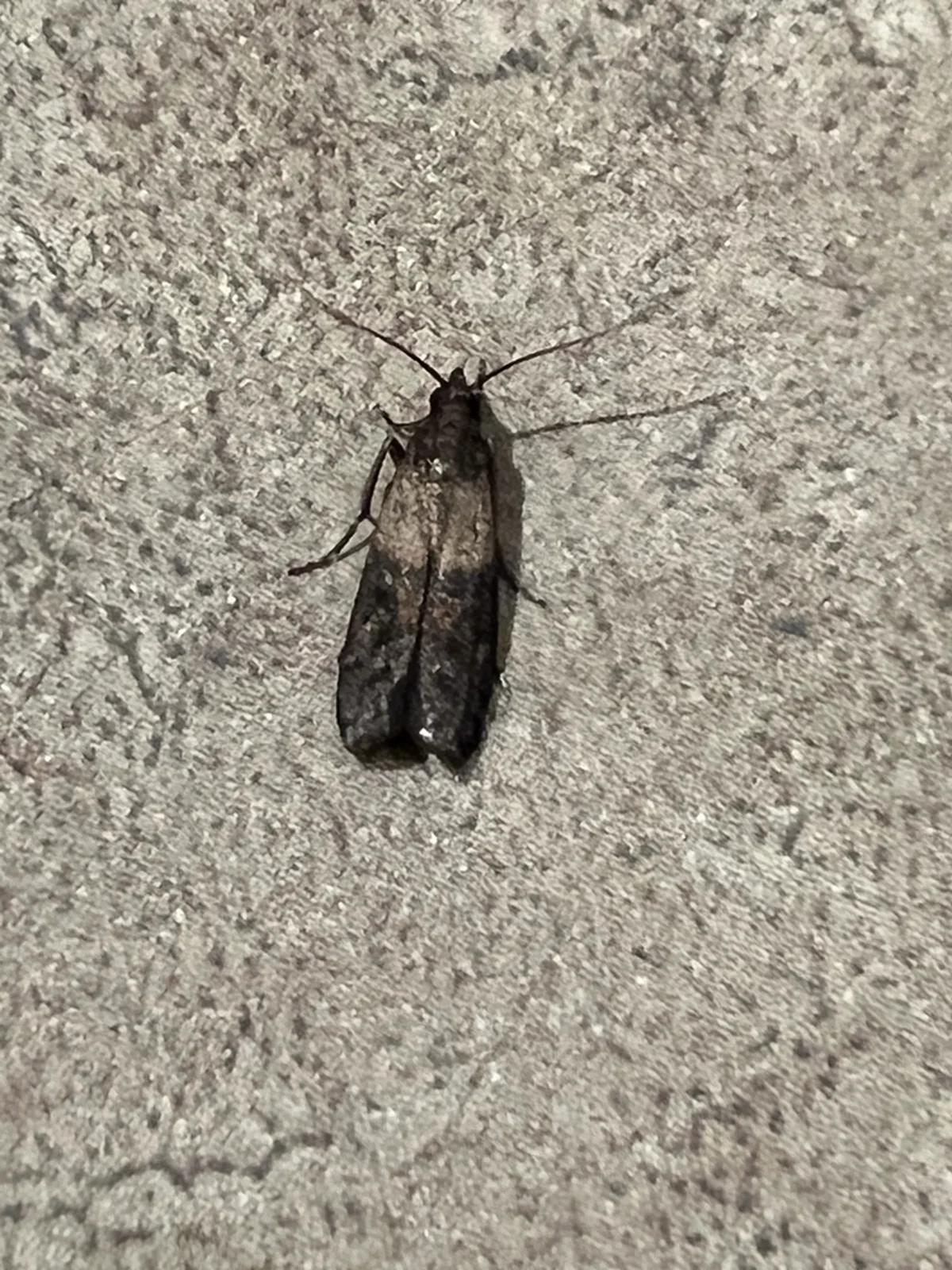
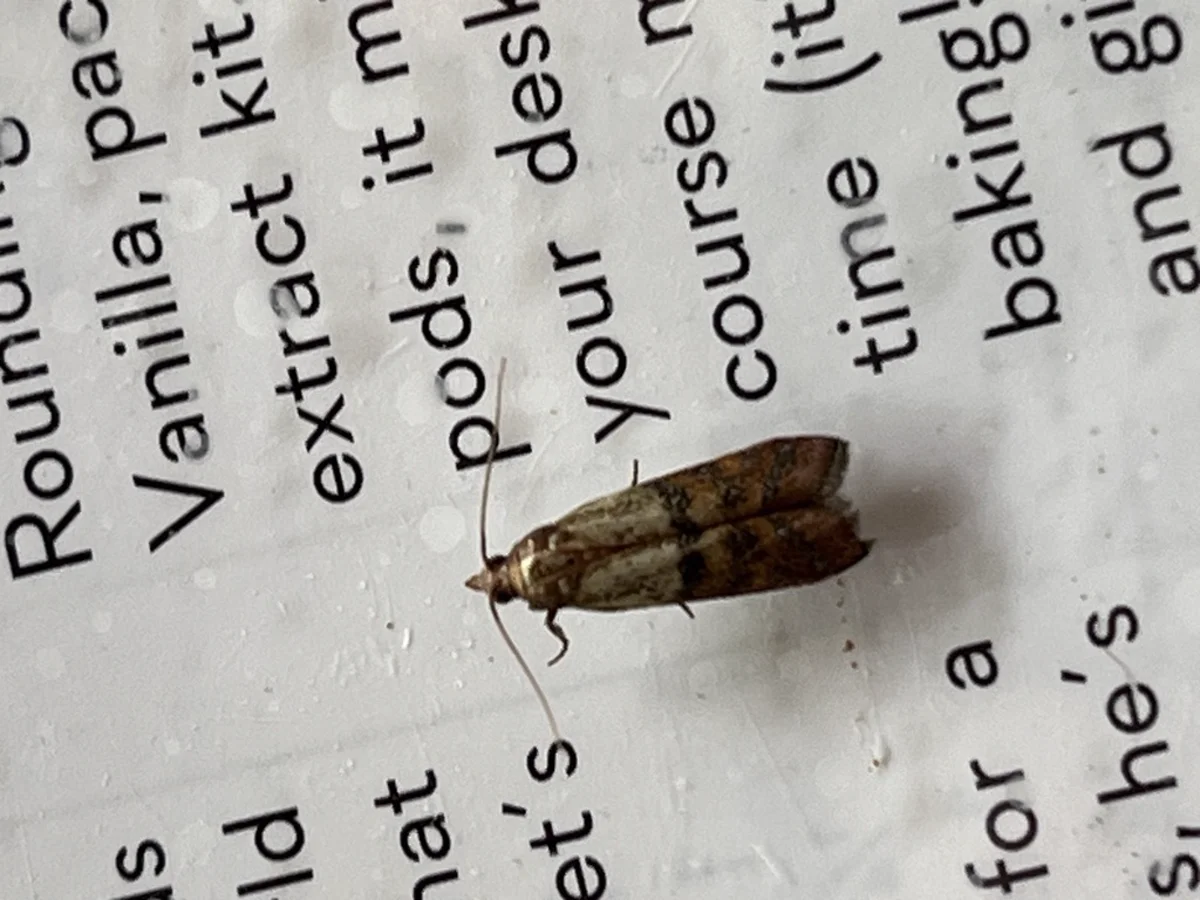
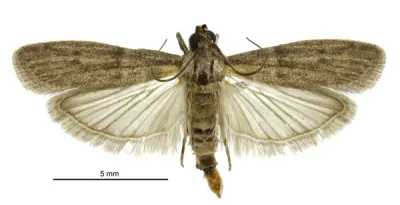
Indian meal moths are the most common pantry pests in North America. They measure 8 to 10mm in body length. Their wingspan reaches 16 to 20mm across. The most striking feature is their two-toned wings. The inner third near the body is pale gray, cream, or tan. The outer two-thirds are reddish-brown to copper colored with a darker band where the two colors meet.
When an Indian meal moth rests, it folds its wings close to the body like a tent or roof. This makes them look narrow and pointed. The head has two long antennae that curve backward. The body is slender compared to the broad wings.
Adult moths are weak fliers. They tend to flutter in a zigzag pattern rather than flying in straight lines. You will often see them near the ceiling or flying toward lights in the evening. They rarely travel far from their food source.
Indian Meal Moth Larvae
The larvae do all the feeding damage. They are small caterpillars that grow up to 12mm long. They start out white or cream colored. As they feed, they may turn pink, green, or brown depending on what they eat. The head is brown or tan.
Larvae spin silk as they move and feed. This webbing is a key sign of infestation. You will see fine silky threads and clumps of webbing mixed with food particles and waste. This webbing makes food look matted or clumpy.
When larvae are ready to pupate, they crawl away from their food source. They look for cracks, corners, and sheltered spots. This is when people often first notice them crawling on walls and ceilings far from the pantry.
Telling Them Apart from Other Pests
Indian meal moths stand out from other pantry pests because of their size and color pattern. Here are key differences:
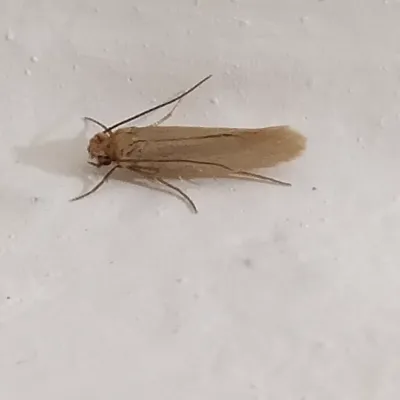
From clothes moths: Clothes moths are smaller and uniformly colored, usually buff or golden. They avoid light while Indian meal moths fly toward it. Clothes moths infest fabrics, not food.
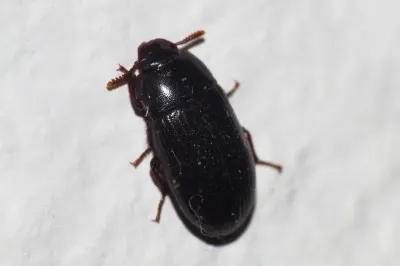
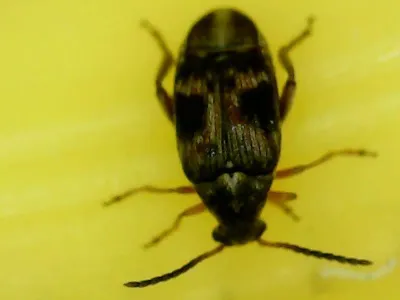
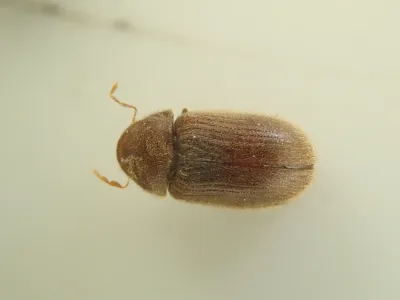
From pantry beetles: Beetles crawl while moths fly. Beetle larvae are grub-like without webbing. Moth larvae are caterpillars that leave silky threads everywhere.
From fruit flies: Fruit flies are much smaller, about 3mm, and gather around fresh fruit. Indian meal moths are larger with obvious wings and infest dry goods.
Indian Meal Moth Behavior and Biology
Lifecycle and Development
Indian meal moths go through complete metamorphosis with four life stages: egg, larva, pupa, and adult. The full cycle takes 4 to 8 weeks under good conditions. In cooler temperatures, it can stretch to several months.
Eggs: Female moths lay 100 to 400 tiny white eggs on or near food sources. The eggs are too small to see without magnification. They hatch in 2 to 14 days depending on temperature. A related species, Mediterranean Flour Moth, shares similar characteristics.
Larvae: This stage lasts 2 to 41 weeks. Larvae go through 5 to 7 molts as they grow. They feed constantly and spin silk webbing throughout the food. Warm temperatures speed their growth. Cool temps slow them down but do not kill them. A related species, Rice Weevil, shares similar characteristics.
Pupae: Mature larvae spin a cocoon to pupate in. They often leave the food and crawl to cracks, ceiling corners, or behind items on shelves. The pupal stage lasts 15 to 20 days.
Adults: Adult moths live 5 to 25 days. They do not eat at all. Their only job is to mate and lay eggs. Females release pheromones that attract males from a distance.
What Do Indian Meal Moths Eat?
Indian meal moth larvae feed on a wide range of dried foods. Common targets include:
- Flour, cornmeal, and other grain products
- Cereals, oatmeal, and breakfast foods
- Rice, pasta, and noodles
- Dried fruits like raisins, dates, and apricots
- Nuts, seeds, and trail mix
- Chocolate, candy, and cookies
- Spices and dried herbs
- Pet food and birdseed
- Dried beans and legumes
- Powdered milk and baby formula
They can also infest non-food items:
- Dried flowers and potpourri
- Decorative corn and wheat
- Museum specimens and collections
- Some pharmaceuticals
The larvae prefer the surface of food. They feed on germ and outer layers of grains first. Heavy infestations create thick mats of webbing that bind food particles together.
Where Do Indian Meal Moths Hide?
Infestations usually start in one food item. Then they spread to nearby products. Adult moths may travel through the house before returning to the pantry to lay eggs. Common locations include:
- Pantry shelves and food storage areas
- Cabinets with cereals, flour, or pasta
- Pet food storage bins
- Bird seed containers
- Spice racks and herb storage
- Garage or basement storage
- Decorative items with dried plant material
Look for larvae crawling on walls and ceilings. They travel to find pupation sites. Check corners, cracks, and the edges of shelves where they spin cocoons.
Signs of an Indian Meal Moth Problem
Early Warning Signs
- Adult moths flying: Small moths with two-toned wings fluttering near the ceiling or around lights
- Webbing in food: Silky threads, clumps, or matted areas in dry goods
- Larvae crawling: Small caterpillars on shelves, walls, or ceilings
- Cocoons: Small silky cases in corners, cracks, or on containers
- Damaged packaging: Small holes chewed through paper or thin plastic
Where to Inspect
If you suspect Indian meal moths, check these areas carefully:
- All flour, grain, and cereal products
- Rice, pasta, and baking mixes
- Dried fruits, nuts, and trail mix
- Spices, especially older containers
- Pet food bags and birdseed
- Chocolate, candy, and cookies
- Dried beans and legumes
- Decorative items with dried plants
- Corners and edges of shelves
Open containers and look inside. Shake products to see if webbing or larvae appear. Check the underside of lids and along seams where larvae hide.
How We Treat for Indian Meal Moths
Controlling Indian meal moths requires finding and removing all infested food sources. This is the most important step.
-
Thorough Inspection: We check your entire pantry and food storage areas. We look for signs of infestation in obvious and hidden spots. We identify all affected products so nothing gets missed.
-
Source Removal: All infested items must go. We help you decide what to keep and what to throw away. Items sealed in glass or thick plastic containers may not be affected. Anything with webbing or larvae needs to be discarded in sealed bags.
-
Deep Cleaning: After removing infested products, we clean all shelves, drawers, and cabinets. We vacuum cracks, corners, and edges where larvae pupate. We wipe down surfaces to remove eggs and food residue.
-
Monitoring: Pheromone traps help track moth activity. These traps use female moth scent to attract and catch males. They show whether the problem is resolved or if moths are still present. We recommend keeping traps in place for several weeks.
-
Prevention Guidance: We advise on proper food storage. Airtight glass or heavy plastic containers stop moths from spreading. We suggest buying smaller quantities of products that sit unused. Rotating stock and checking dates reduces risk. For a step-by-step approach, see our guide on how to get rid of pantry moths.
Temperature Treatment for Salvageable Items
Some items can be saved if you catch the problem early:
Freezing: Place sealed items at 0 degrees F for at least 7 days. This kills all life stages including eggs. Let items return to room temperature before opening to prevent condensation.
Heating: Heat items to 130 degrees F for 30 minutes or longer. An oven on low with careful temperature monitoring works for some products. This method works best for grains and dry goods.
Prevention Tips
Taking steps to prevent Indian meal moths saves time and money. Here are ways to protect your pantry:
- Use airtight containers: Transfer dry goods from original packaging to glass jars or thick plastic containers with tight seals
- Inspect before buying: Look at packaging for holes, tears, or webbing before purchase
- Check dates: Buy fresh products and use older items first
- Clean regularly: Wipe down shelves and vacuum crumbs from pantry areas
- Freeze new purchases: Put flour, grains, and dried fruit in the freezer for a week before storing
- Avoid bulk buying: Purchase amounts you will use within a few months
- Keep it cool: Store susceptible products in cooler areas when possible
- Monitor with traps: Place pheromone traps in your pantry to catch problems early
References and Further Reading
Other Pantry Pests
Explore other species in the pantry pests family
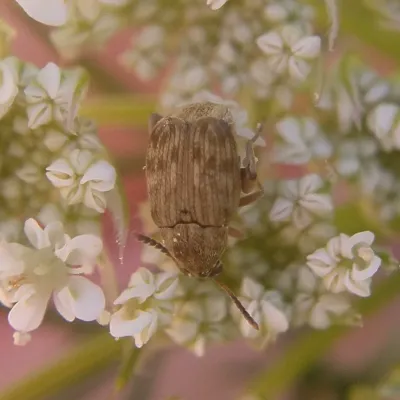
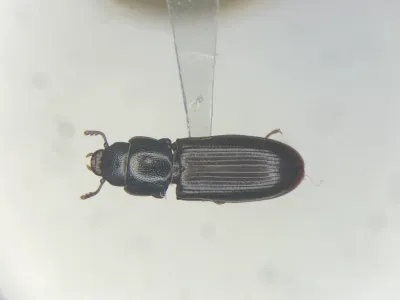
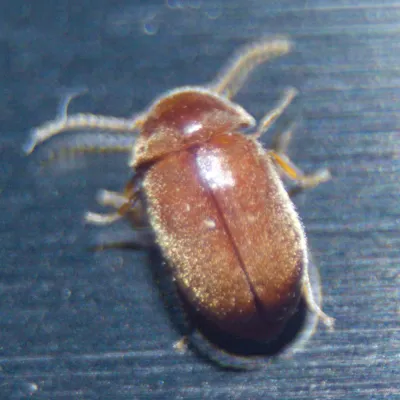
Commonly Confused With
Indian Meal Moth are often mistaken for these similar pests
Where Indian Meal Moth Are Found
Hover over states to see their names. Green regions indicate where indian meal moth have been reported.
Common Questions about Indian Meal Moth
What do Indian meal moths look like?
+
Indian meal moths are small, about 8-10mm long with a wingspan of 16-20mm. Their wings have a distinctive two-toned pattern: the front third is pale gray or tan, while the outer two-thirds are reddish-brown or copper colored with a dark band between them. When at rest, they hold their wings close to the body like a roof.
Are Indian meal moths harmful to humans?
+
Indian meal moths do not bite or spread disease to humans. However, eating food contaminated by their larvae, webbing, and waste can cause digestive upset. The main concern is the contamination and spoilage of stored food products. Heavily infested food should be thrown away.
How do Indian meal moths get into my house?
+
Indian meal moths usually enter homes inside infested food products from the grocery store. Eggs or larvae may already be present in flour, cereals, dried fruit, pet food, or birdseed when you buy them. Adult moths can also fly in through open windows and doors during warmer months.
What attracts Indian meal moths to my kitchen?
+
Indian meal moths are attracted to dried food products. They prefer grains, cereals, flour, pasta, rice, dried fruits, nuts, chocolate, spices, pet food, and birdseed. They can also infest dried flowers and potpourri. Older products or those stored in thin packaging are most at risk.
How do I know if I have Indian meal moths?
+
Signs include small moths flying in a zigzag pattern near the ceiling, silky webbing inside food containers, and small cream-colored caterpillars in pantry items. You may also see cocoons in corners of shelves or along the edges of cans and jars. Adult moths are often spotted in the evening near lights.
What is the difference between Indian meal moths and pantry beetles?
+
Indian meal moths are small flying moths with distinctive two-toned wings. Their larvae are caterpillars that leave visible silky webbing in food. Pantry beetles like drugstore beetles are small crawling insects. Their larvae are grub-like and do not produce webbing. Both infest similar food products.
How long does it take to get rid of Indian meal moths?
+
Eliminating Indian meal moths typically takes 2-4 weeks with thorough treatment. You must find and discard all infested products and clean all storage areas. The full lifecycle takes 4-8 weeks, so you may see adults for several weeks even after removing all food sources. Pheromone traps help monitor progress.

With five years of hands-on experience in the pest control industry, George Schulz is a registered technician with the Virginia Pest Management Association and a proud third-generation professional in a family business that's been protecting homes for over 57 years. He manages and trains a team of service pros while also leading internal research efforts—recently spearheading a deep-dive review of thousands of documents on pest control materials to hand-pick the most kid and pet friendly, most effective solutions tailored specifically for homes in the DC metro area.