Confused Flour Beetle Identification Guide
Tribolium confusum
The confused flour beetle is a small, reddish-brown stored product pest that infests flour, cereals, and processed grain products. It is one of the most common pantry pests in North America, particularly in cooler northern regions.
Taxonomy
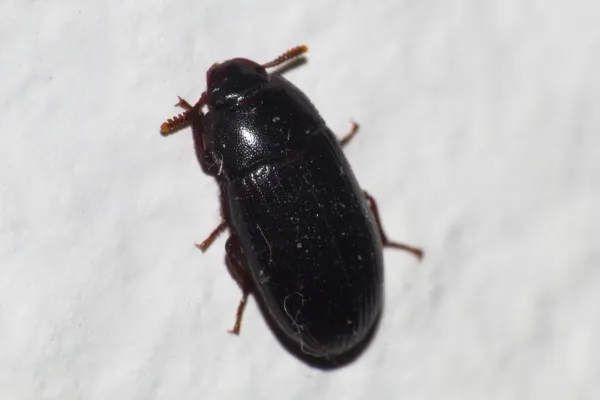
Confused Flour Beetle Coloration
Common color patterns to help identify confused flour beetle
Confused Flour Beetle
Seasonal Activity
When confused flour beetle are most active throughout the year

Where Confused Flour Beetle Are Found
Hover over states to see their names. Green regions indicate where confused flour beetle have been reported.
Confused Flour Beetle Identification Guide
Physical Characteristics
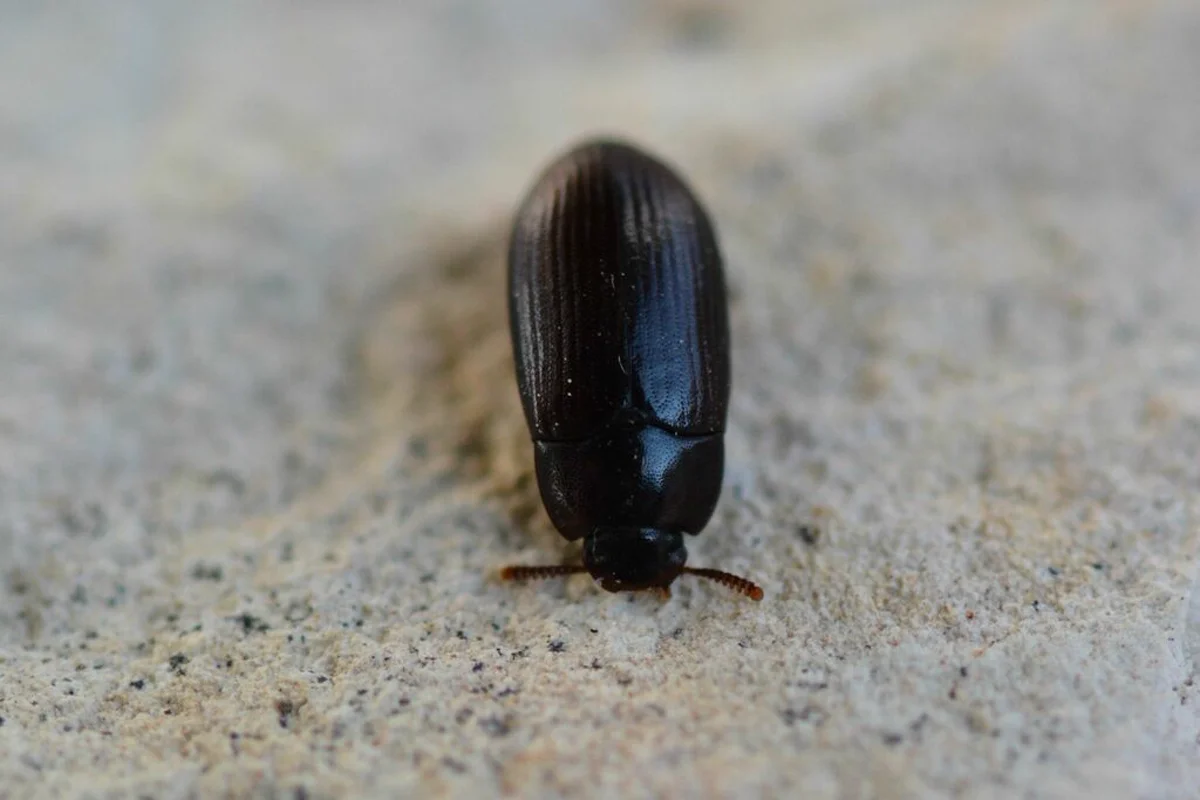
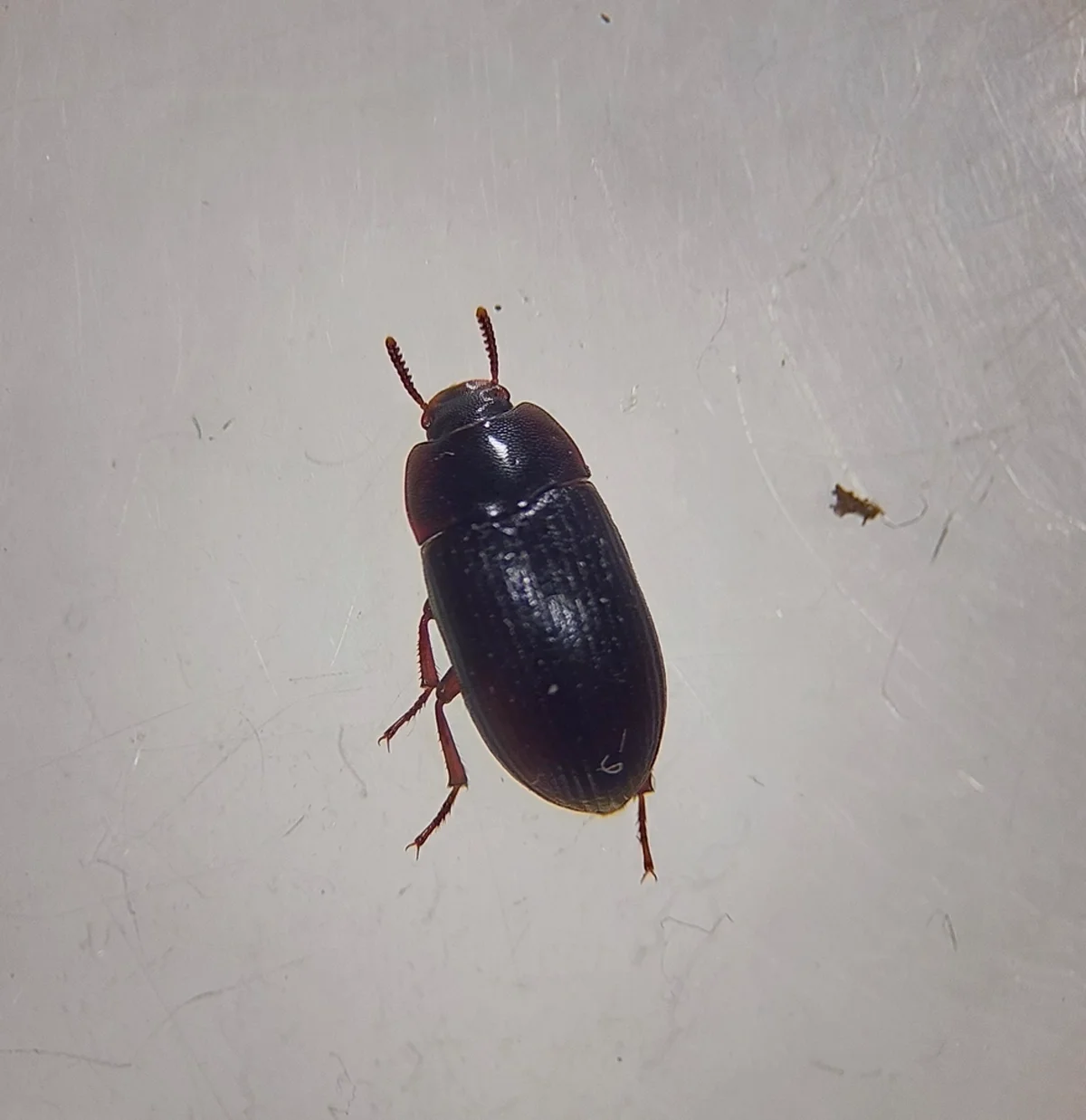
The confused flour beetle (Tribolium confusum) is a small, flat beetle. It measures 3 to 4 millimeters long, about the size of a grain of rice. The body has an oval shape and a rusty brown color. Wing covers show fine grooves running along the length. The outer shell is smooth and shiny.
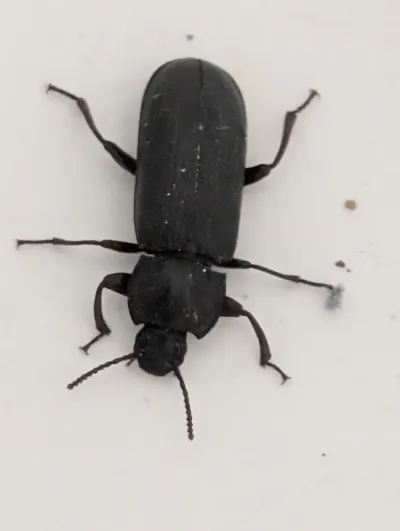
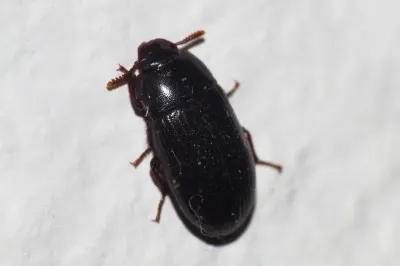
The antenna shape helps identify this beetle. Confused flour beetle antennae widen slowly toward the tip. They form a club with four segments. Red flour beetles look similar but have antennae with a sudden three segment club at the end. The confused flour beetle also has straighter sides on its midsection. A small ridge on its head sticks out slightly over the eyes.
Confused flour beetles have wings but cannot fly. Their wings did not develop fully for flight. This limits how they spread compared to other pantry pests. Adults have six legs and move fast when disturbed. When scared, they may play dead by pulling their legs close to their body.
Larvae Appearance
Confused flour beetle larvae look very different from adults. They are thin and worm shaped, up to 6 millimeters long when full grown. The color ranges from creamy white to light brown. The head is slightly darker. Two small, dark points stick out from the last body segment. Larvae stay hidden in food and avoid light.
Distinguishing from Similar Pests
Several pantry pests look like confused flour beetles. Besides the red flour beetle, homeowners may mix them up with these:
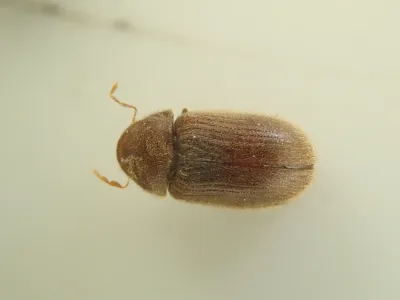
Drugstore beetles have a rounder, humped body shape. The head tucks under the body. Their antennae end in a three segment club instead of widening slowly.
Sawtoothed grain beetles are more narrow and long. They have tooth like points along the sides of their midsection.
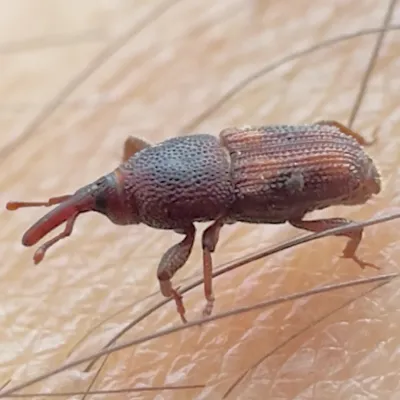
Weevils have a snout that sticks out from the head. Flour beetles do not have this feature.
Confused Flour Beetle Behavior and Biology
Lifecycle and Development
Confused flour beetles have four life stages: egg, larva, pupa, and adult. Knowing this lifecycle helps with control.
Eggs: Females lay many eggs. A single female can produce 400 to 500 eggs in her lifetime. She lays 2 to 8 eggs each day. The eggs are tiny and white with a sticky coating. Flour sticks to them and hides them. Eggs hatch in 3 to 5 days in warm conditions. A related species, Mediterranean Flour Moth, shares similar characteristics.
Larvae: This stage lasts 4 to 20 weeks based on temperature and food. Larvae shed their skin 5 to 11 times as they grow. Most shed 7 to 8 times. They tunnel through food as they eat. This creates fine powder. Larvae cause the most damage to stored food. A related species, Indian Meal Moth, shares similar characteristics.
Pupae: Full grown larvae make a small round cell in the food and change form. This stage lasts 12 to 18 days. Pupae are white to yellow with no outer covering.
Adults: New adults start mating and laying eggs within days. Females can lay eggs for over a year. Adults live one to three years. This makes them very long lived for pantry pests.
The full cycle from egg to adult takes 8 to 12 weeks in typical storage. In ideal warm conditions near 85 degrees with some humidity, it can take just 26 days.
Environmental Preferences
Confused flour beetles do well in cooler climates than red flour beetles. This makes them more common in northern states and Canada. They grow best between 70 and 95 degrees. They need at least 68 degrees to develop. Temps above 100 degrees will kill them.
These beetles handle low humidity well. They can live in grain with just 8 percent moisture. This helps them survive in dry pantries and food storage areas. They do not need to drink water. They get enough moisture from the food they eat.
Food Sources and Habitat
Confused flour beetles cannot eat whole grain kernels. They prefer processed grain products that have been ground or broken down. Common food sources include:
- Flour and milled grain products
- Breakfast cereals and oatmeal
- Pasta, noodles, and rice
- Crackers, cookies, and baked goods
- Cake mix and baking supplies
- Spices and dried herbs
- Nuts and dried fruit
- Dried pet food and bird seed
- Chocolate and cocoa products
Problems usually start in one product and spread to others nearby. The beetles live their whole life inside stored food. They rarely leave unless the group gets very large.
Signs of Infestation
Bad infestations cause clear changes to stored products. Flour may turn gray and grow mold faster. A musty or sharp smell comes from chemicals the beetles release when bothered or crowded.
You may notice:
- Small brown beetles crawling on pantry shelves
- Fine powder near food packages
- A bad smell from stored flour or cereals
- Gray color or clumps in flour
- Tiny holes in paper or cardboard boxes
The beetles ruin far more food than they eat. Even a few beetles can make a lot of food seem gross.
Treatment Methods for Confused Flour Beetles
Good control means finding the source, cleaning well, and stopping them from coming back. Sprays alone will not fix a flour beetle problem because the beetles live inside food.
Finding and Removing Infested Products
Start by checking all stored food products. Look at flour, cereals, pasta, spices, baking mixes, and pet food. Focus on items that have been open a long time. These are most at risk.
Look for live or dead beetles, larvae, shed skins, and fine powder. When you find infested products, seal them in plastic bags. Throw them out in outdoor trash cans. Do not try to save badly infested food by freezing or heating it.
Deep Cleaning
After removing infested items, empty all pantry shelves. Vacuum every surface. Pay close attention to:
- Cracks between shelves and walls
- Corners and shelf brackets
- Under shelf paper or liners
- Inside cabinet hinges and hardware
- Baseboards near food storage
Wipe all surfaces with soap and water. Let everything dry fully before putting food back. Throw out vacuum debris in sealed bags outside the home.
Preventing Reinfestation
Store all grain products in tight containers with lids that seal well. Glass, metal, and thick plastic work best. Thin plastic bags do not work because beetles can squeeze through small gaps.
Try freezing new flour and grain products for 4 to 7 days at zero degrees before storing them. This kills any beetles or eggs from the store.
Buy grain products in amounts you will use within a few weeks. Use older items first. Check food packages before buying and skip items with damaged seals.
When to Seek Professional Help
For bad or lasting problems, pest control pros can find hidden sources. They can treat cracks and gaps where beetles may be hiding. They can also suggest ways to prevent future issues. For more on all types of stored product pests, see our pantry pests guide.
References and Further Reading
Other Pantry Pests
Explore other species in the pantry pests family
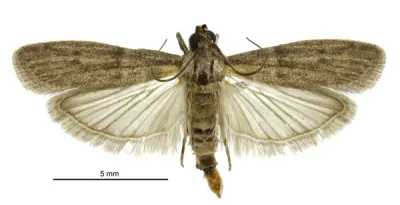
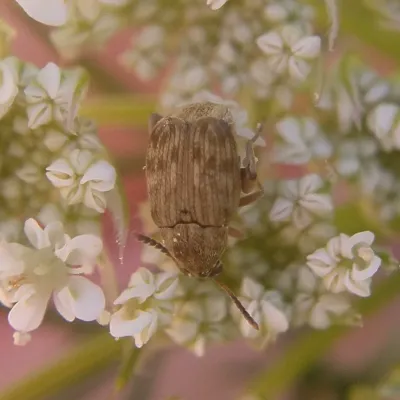
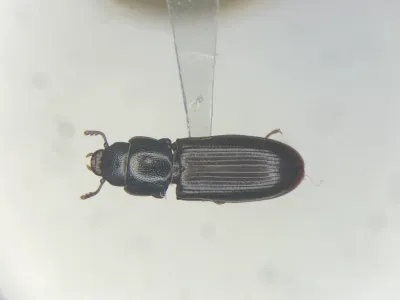
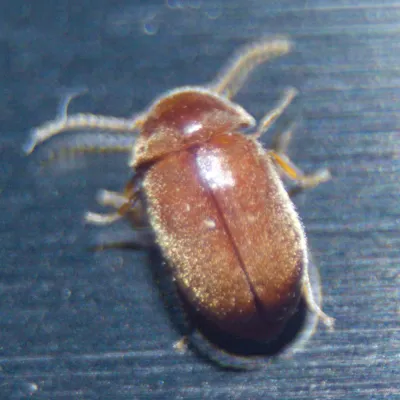
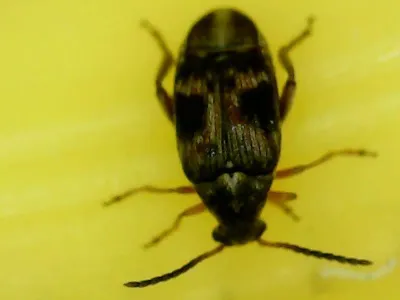
Commonly Confused With
Confused Flour Beetle are often mistaken for these similar pests
Where Confused Flour Beetle Are Found
Hover over states to see their names. Green regions indicate where confused flour beetle have been reported.
Common Questions about Confused Flour Beetle
How can I tell a confused flour beetle from a red flour beetle?
+
The main difference is in their antennae. Confused flour beetle antennae widen gradually toward the tip with four club segments. Red flour beetle antennae end in an abrupt three-segment club. Confused flour beetles also cannot fly, while red flour beetles can fly short distances.
Why are they called confused flour beetles?
+
The name comes from early scientists confusing this species with the closely related red flour beetle. The two species look nearly identical and were difficult to tell apart, leading to taxonomic confusion. The name has nothing to do with the beetle's behavior.
Can confused flour beetles fly?
+
No, confused flour beetles cannot fly. Although they have wings, the wings are not fully developed for flight. This is one key difference from the red flour beetle, which can fly short distances. Confused flour beetles spread primarily by crawling or being transported in infested products.
Are confused flour beetles harmful to humans?
+
Confused flour beetles do not bite, sting, or transmit diseases. They are not harmful if accidentally eaten. However, their presence makes food unappetizing and can cause flour to develop a gray color and unpleasant smell from the quinone chemicals they release.
How long do confused flour beetles live?
+
Adult confused flour beetles can live for over three years under favorable conditions. Females continue laying eggs for more than a year. A single female can produce 400 to 500 eggs over her lifetime, making infestations difficult to eliminate.
What do confused flour beetles eat?
+
Confused flour beetles eat processed grain products including flour, cereals, pasta, crackers, cake mix, and baking ingredients. They also infest spices, dried pet food, nuts, and chocolate. They cannot attack whole, undamaged grain kernels.
How do I get rid of confused flour beetles?
+
Remove and discard all infested food products. Thoroughly vacuum and clean all pantry shelves, paying attention to cracks and corners where flour can accumulate. Store new products in airtight containers. Monitor for several weeks to catch any beetles you missed.

With five years of hands-on experience in the pest control industry, George Schulz is a registered technician with the Virginia Pest Management Association and a proud third-generation professional in a family business that's been protecting homes for over 57 years. He manages and trains a team of service pros while also leading internal research efforts—recently spearheading a deep-dive review of thousands of documents on pest control materials to hand-pick the most kid and pet friendly, most effective solutions tailored specifically for homes in the DC metro area.