Cigarette Beetles Identification Guide
Lasioderma serricorne
Cigarette beetles are small, reddish-brown pantry pests that infest stored tobacco, dried foods, spices, and many household products. They are among the most destructive stored product pests worldwide.
Taxonomy
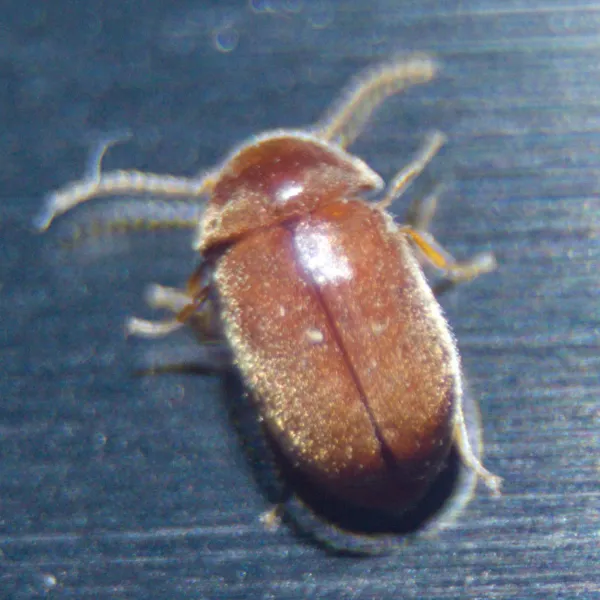
Cigarette Beetles Coloration
Common color patterns to help identify cigarette beetles
Cigarette Beetles
Seasonal Activity
When cigarette beetles are most active throughout the year

Where Cigarette Beetles Are Found
Hover over states to see their names. Green regions indicate where cigarette beetles have been reported.
Cigarette Beetle Identification Guide
Physical Characteristics
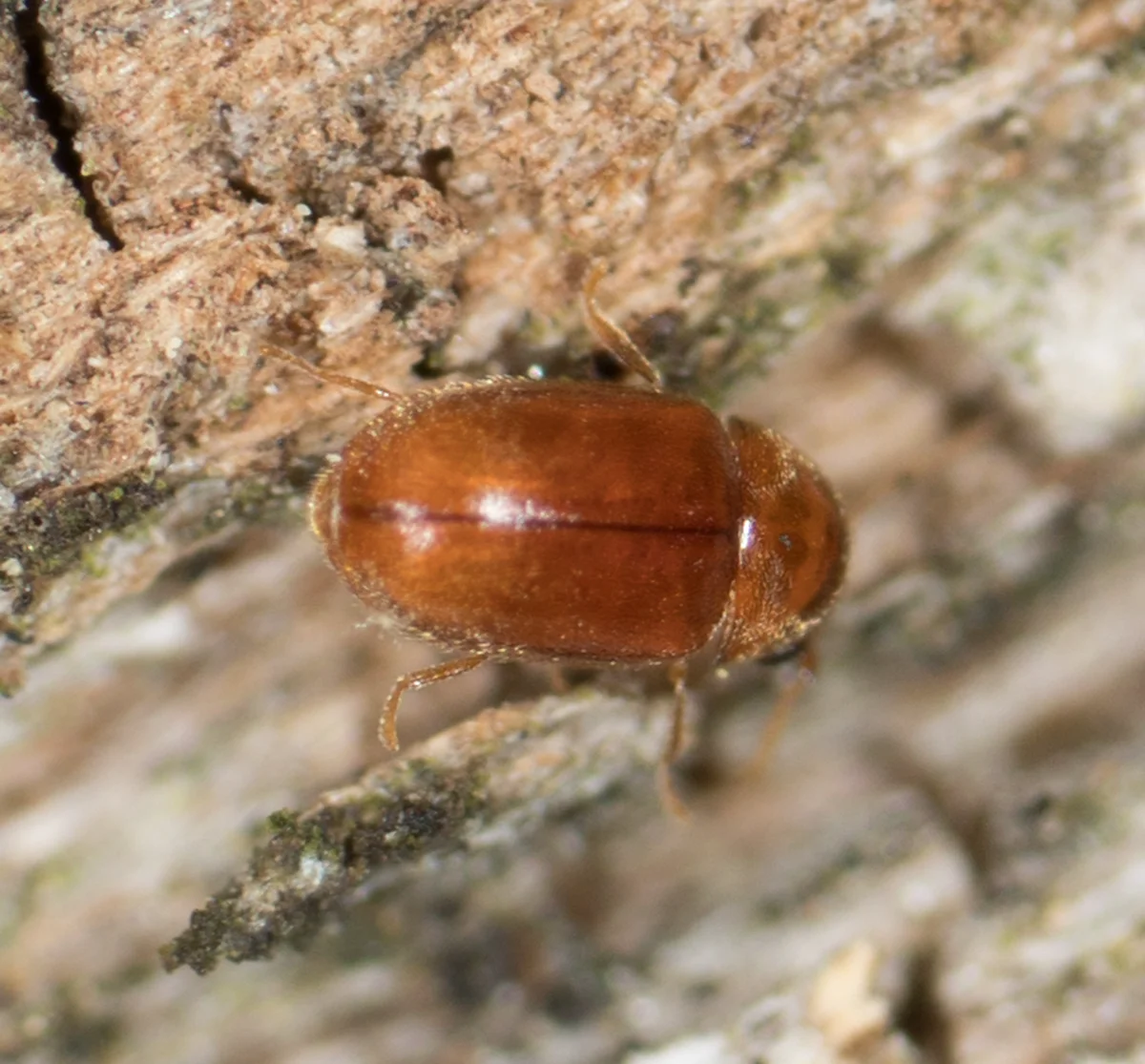
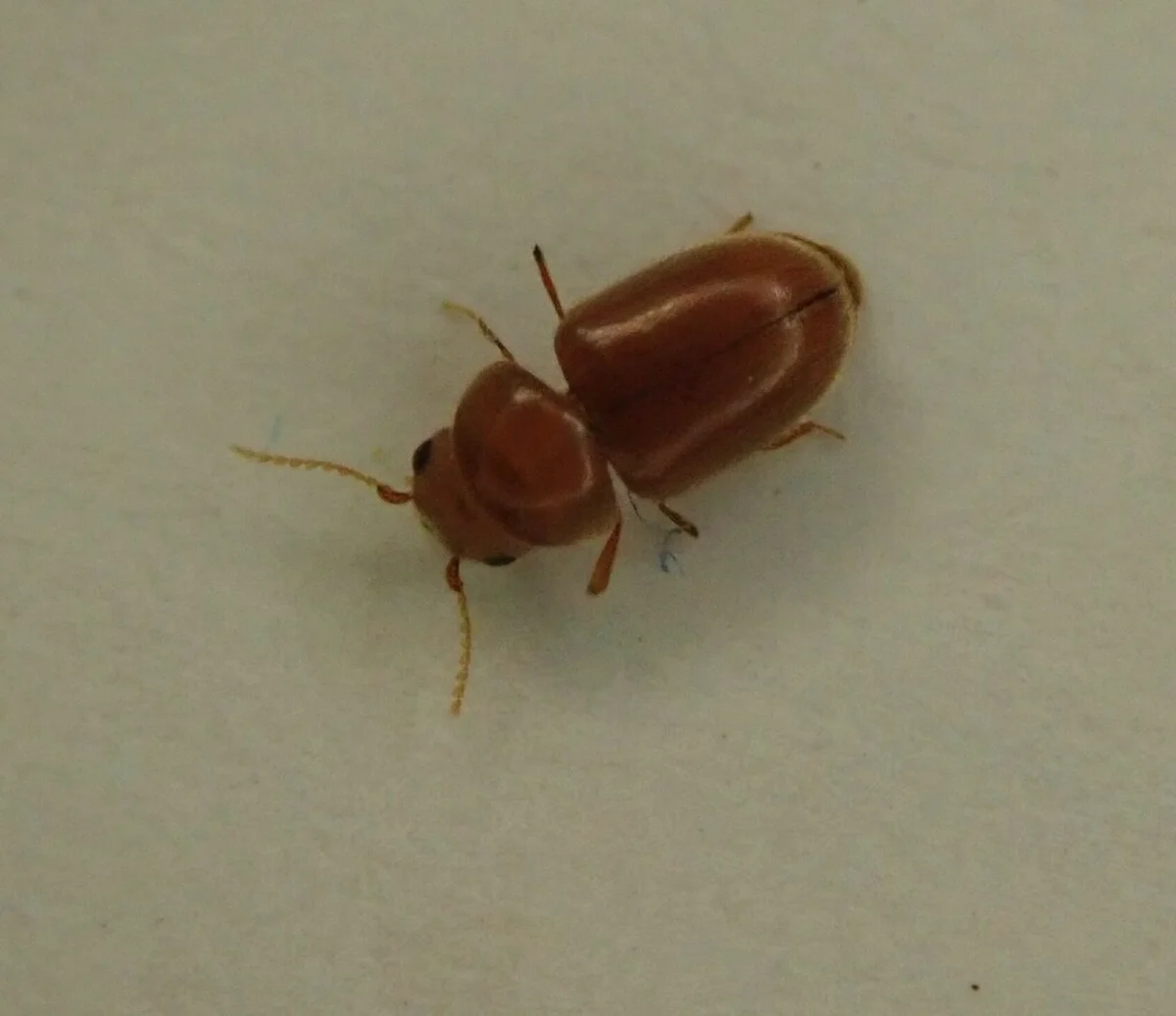
Cigarette beetles are small, oval insects that measure 2 to 3mm in length. They have a uniform reddish-brown to yellowish-brown color. Their bodies appear smooth and shiny. The wing covers lack the rows of pits found on their close relative, the drugstore beetle.
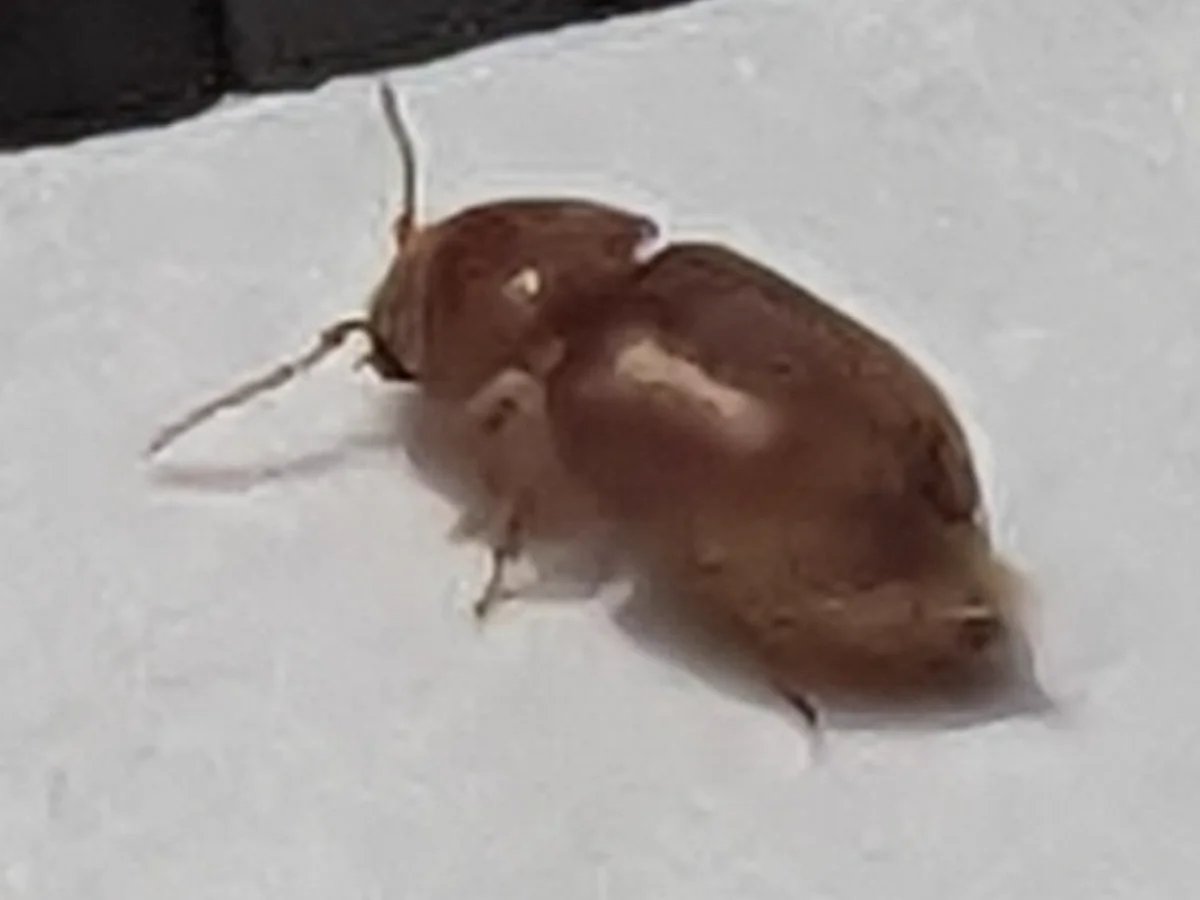
The key feature of cigarette beetles is their antennae. These look saw-toothed, like the edge of a bread knife. This is the easiest way to tell them apart from drugstore beetles. Their head bends down and tucks under the thorax. This gives them a hunched look when seen from the side.
Adult cigarette beetles can fly. They are most active at dusk and are drawn to lights. When scared, they play dead by pulling their legs close to their body and staying still.
Cigarette beetle larvae are small, white grubs with a curved C-shape. They have a tan head and three pairs of legs near the front. Fine hairs cover the larvae. You usually find them inside the food they are eating.
Telling Them Apart from Similar Pests
Cigarette beetles and drugstore beetles are often confused because they look alike and eat similar foods. Here are the key differences:
Antennae shape: Cigarette beetles have serrated antennae like saw teeth. Drugstore beetles have clubbed antennae with three flattened segments at the end.
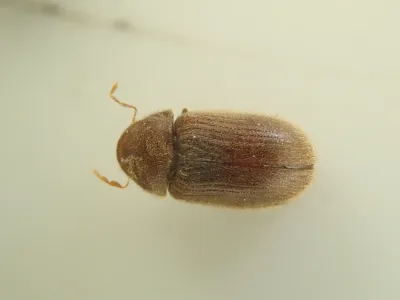
Wing cover texture: Cigarette beetle wing covers are smooth and shiny. Drugstore beetle wing covers have rows of tiny pits that create a lined pattern.
Size: Cigarette beetles are slightly smaller, typically 2-3mm. Drugstore beetles can reach 4mm.
Cigarette Beetle Behavior and Biology
Lifecycle and Development
Cigarette beetles go through four life stages: egg, larva, pupa, and adult. The full lifecycle takes 6 to 8 weeks in warm conditions. In cooler temps, it may take up to 6 months.
Eggs: Female beetles lay 10 to 100 tiny white eggs on or near food. The eggs are too small to see without a magnifier. They hatch in 6 to 10 days.
Larvae: This is when most damage happens. Larvae tunnel through food as they eat and grow. This stage lasts 5 to 10 weeks based on temp and food quality. Fully grown larvae spin a cocoon covered in food bits to pupate in.
Pupae: Inside their cocoons, larvae transform into adults over 8 to 10 days.
Adults: Adult beetles live 2 to 4 weeks. They mate soon after emerging. Females start laying eggs within a few days. Adults do not eat. Only the larvae damage stored products.
Ideal conditions: Cigarette beetles thrive at 75 to 85 degrees F with 70 to 75 percent humidity. They can live at temps from 65 to 95 degrees F. This means they breed year-round in heated or cooled homes.
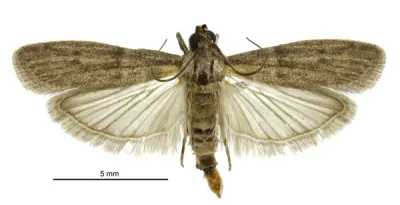
Why They Are Called Cigarette Beetles A related species, Mediterranean Flour Moth, shares similar characteristics.
These beetles got their common name because they are major pests of stored tobacco products. They infest cigarettes, cigars, chewing tobacco, and pipe tobacco. They were first identified as serious pests in tobacco warehouses and manufacturing facilities. A related species, Indian Meal Moth, shares similar characteristics.
Their scientific name Lasioderma serricorne comes from Greek and Latin. Lasioderma means “hairy skin,” and refers to the fine hairs on their bodies. Serricorne means “saw-horned,” and describes their saw-tooth antennae. A related species, Rice Weevil, shares similar characteristics.
What Do Cigarette Beetles Eat?
Despite their name, cigarette beetles eat far more than tobacco. They are general feeders that attack many dried plant items. Common food sources include:
- Tobacco products (cigarettes, cigars, loose tobacco)
- Spices and dried herbs (paprika, cayenne, oregano, thyme)
- Cereals, flour, and grain products
- Rice and pasta
- Dried fruits and nuts
- Pet food and birdseed
- Dried flowers and potpourri
- Coffee and cocoa products
They also damage non-food items:
- Books and paper products
- Dried plant specimens
- Stuffed furniture with plant fiber filling
- Cork products
- Museum collections
Cigarette beetles can eat things that would be toxic to many other insects. They have even been found eating pyrethrum powder. Pyrethrum is an insecticide made from dried chrysanthemum flowers.
Where Do Cigarette Beetles Hide?
Problems usually start in one product and spread to others nearby. Common hiding places include:
- Pantry shelves with spices, herbs, and cereals
- Kitchen cabinets with baking supplies
- Pet food storage areas
- Tobacco products and accessories
- Decorative dried flower arrangements
- Bookshelves with older books
- Stored holiday decorations with dried plant materials
Adult beetles are often first noticed flying around lights in the evening. They are attracted to light sources and may be found on windows, light fixtures, and lamps.
Signs of a Cigarette Beetle Problem
Early Warning Signs
- Small round holes in packaging: These beetles chew through paper, cardboard, foil, and thin plastic.
- Fine powdery debris: Look for dusty residue near stored products.
- Adult beetles near lights: Small brown beetles flying around lamps at dusk.
- Beetles crawling on shelves: Live beetles in your pantry or storage areas.
- Larvae in products: Small white grubs inside infested items.
- Silken cocoons: Small cocoons covered in debris near infested products.
Where to Inspect
If you suspect cigarette beetles, thoroughly check these areas:
- All spices, especially paprika, cayenne, and dried herbs
- Cereals, flour, and grain products
- Pet food and birdseed bags
- Any tobacco products in the home
- Dried flower arrangements and potpourri
- Old books and stored papers
- Decorations made with dried plant materials
- Stuffed furniture, especially antiques
Treatment Methods for Cigarette Beetles
Good control means finding and getting rid of all infested items.
Source Elimination
The first step is finding and removing every infested item. This means:
- Checking all dried food products in your pantry
- Inspecting spice jars and herb containers
- Looking through pet food and bird seed
- Examining any tobacco products
- Checking dried flower arrangements and potpourri
- Discarding any products showing signs of beetles
Put infested items in plastic bags before throwing them out. This stops beetles from escaping and spreading.
Thorough Cleaning
After removing infested products:
- Vacuum all shelves, cracks, corners, and crevices
- Pay special attention to shelf brackets and hinges
- Wipe surfaces with soap and water
- Clean inside drawers and cabinet interiors
- Vacuum floors under and around storage areas
- Empty the vacuum immediately after use
Temperature Treatment
For items you want to salvage:
Freezing: Put items at 0 degrees F for at least 7 days. This kills all life stages, including eggs. Make sure the items freeze all the way through.
Heating: Heat items to 120 degrees F for 16 hours, or 140 degrees F for 1 to 2 hours. Use an oven thermometer to check temps. This works well for dried herbs and spices.
Prevention Strategies
To prevent future infestations:
- Store foods in airtight glass or heavy plastic containers
- Buy smaller quantities of products you use slowly
- Rotate stock and use older items first
- Inspect new purchases before storing
- Keep storage areas clean and dry
- Throw away old spices and herbs that are no longer fresh
- Consider storing valuable tobacco products in sealed containers
When to Call a Professional
If you find beetles in many areas, or they keep coming back after cleaning, you may need help. Cigarette beetles are among the most common pantry pests in homes. Pest pros can apply treatments to cracks and gaps where beetles hide. They can use growth regulators that stop beetles from breeding. They know how to find hidden sources that homeowners often miss.
References and Further Reading
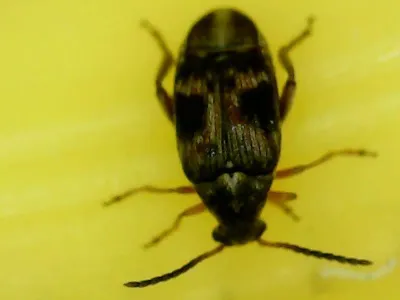
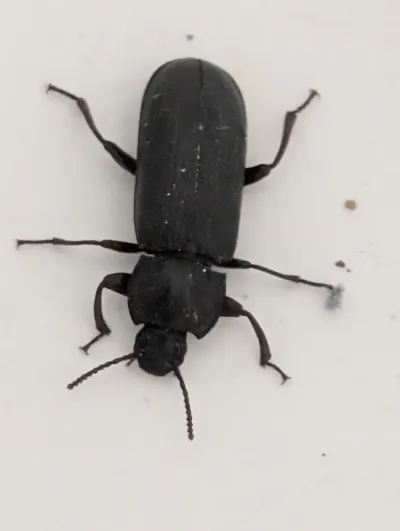
Other Pantry Pests
Explore other species in the pantry pests family
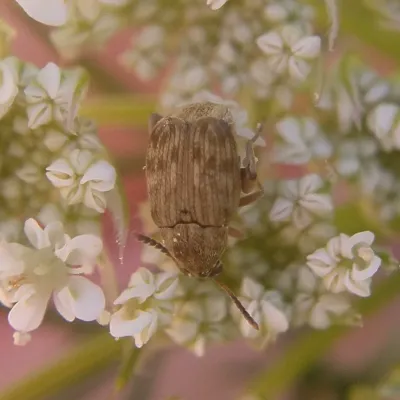
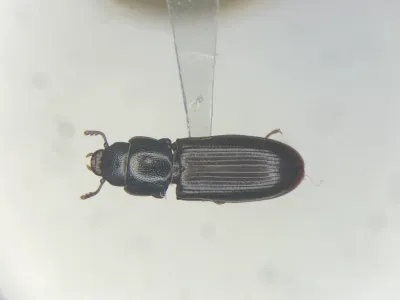
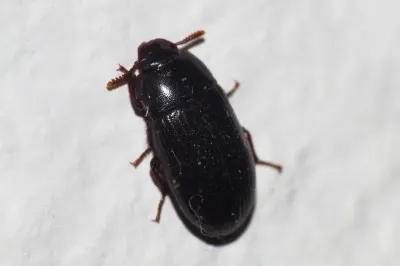
Commonly Confused With
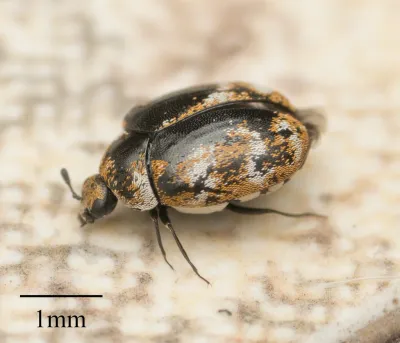
Cigarette Beetles are often mistaken for these similar pests
Where Cigarette Beetles Are Found
Hover over states to see their names. Green regions indicate where cigarette beetles have been reported.
Common Questions about Cigarette Beetles
What do cigarette beetles look like?
+
Cigarette beetles are small, oval insects about 2 to 3mm long. They are reddish-brown to tan in color. Their key feature is their saw-tooth antennae. Their wing covers are smooth with no lines or pits. From the side, they look humped because their head tucks under the body.
Are cigarette beetles harmful to humans?
+
Cigarette beetles do not bite or sting humans. However, eating food they have infested can cause mild stomach upset. The main harm is to your food. They destroy stored foods, tobacco products, and other household items. Heavy infestations can ruin entire pantries and are hard to get rid of.
How do cigarette beetles get into my house?
+
Cigarette beetles usually enter homes inside infested products from stores. Items can get infested at warehouses or during shipping. Adults can fly and may come in through open windows and doors. They are drawn to lights at night.
What attracts cigarette beetles to my home?
+
Cigarette beetles like many kinds of dried plant items. This includes spices, dried herbs, cereals, flour, rice, dried fruits, pet food, and tobacco. They also infest dried flowers, potpourri, books, and stuffed furniture with plant filling.
How do I know if I have cigarette beetles?
+
Look for small round holes in food packages, fine powdery residue near stored products, and small brown beetles flying near lights at night. You may find small, white larvae inside infested items. Check spices, dried herbs, pet food, cereals, and any tobacco products.
What is the difference between cigarette beetles and drugstore beetles?
+
These beetles look alike but have key differences. Cigarette beetles have saw-tooth antennae. Drugstore beetles have clubbed antennae with three wide segments at the tip. Cigarette beetle wing covers are smooth. Drugstore beetle wing covers have rows of small pits that look like lines.
How long does it take to get rid of cigarette beetles?
+
Getting rid of cigarette beetles takes 3 to 6 weeks with good treatment. First, find and throw out all infested products. Then clean all storage areas well. Since their lifecycle can be as short as 6 weeks in warm conditions, keep checking for any beetles you missed.

With five years of hands-on experience in the pest control industry, George Schulz is a registered technician with the Virginia Pest Management Association and a proud third-generation professional in a family business that's been protecting homes for over 57 years. He manages and trains a team of service pros while also leading internal research efforts—recently spearheading a deep-dive review of thousands of documents on pest control materials to hand-pick the most kid and pet friendly, most effective solutions tailored specifically for homes in the DC metro area.