Almond Moth Identification Guide
Cadra cautella
The almond moth, also called the tropical warehouse moth or dried currant moth, is a serious stored product pest that infests dried fruits, nuts, grains, and other pantry goods. These small gray-brown moths contaminate food with silk webbing, frass, and cast skins.
Taxonomy
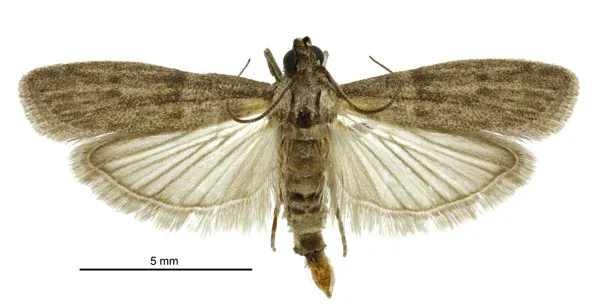
Almond Moth Coloration
Common color patterns to help identify almond moth
Almond Moth
Seasonal Activity
When almond moth are most active throughout the year

Where Almond Moth Are Found
Hover over states to see their names. Green regions indicate where almond moth have been reported.
Almond Moth Identification Guide
Physical Characteristics
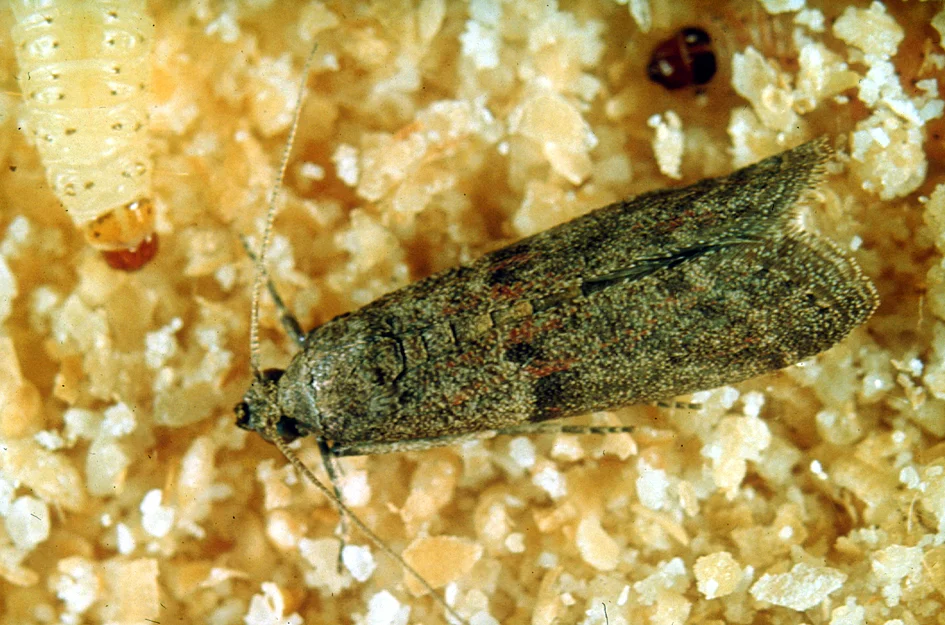
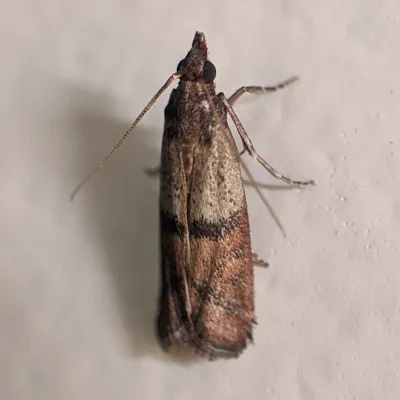
Almond moths are small moths with a body length of 7 to 9mm. Their wingspan is 14 to 20mm across. The forewings are gray to gray-brown with faint darker bands across the wing surface. Fresh moths look more gray overall. Older moths show darker markings more clearly.
The hindwings are pale gray to off-white with fine hairs along the edge. At rest, almond moths hold their wings close to the body like a tent. This makes them look narrow and long.
The head has short mouthparts that curve upward. Two long antennae extend from the head. The body is thin with the same gray-brown color as the wings. When disturbed, adults fly with a rapid, buzzing motion.
Almond Moth Larvae
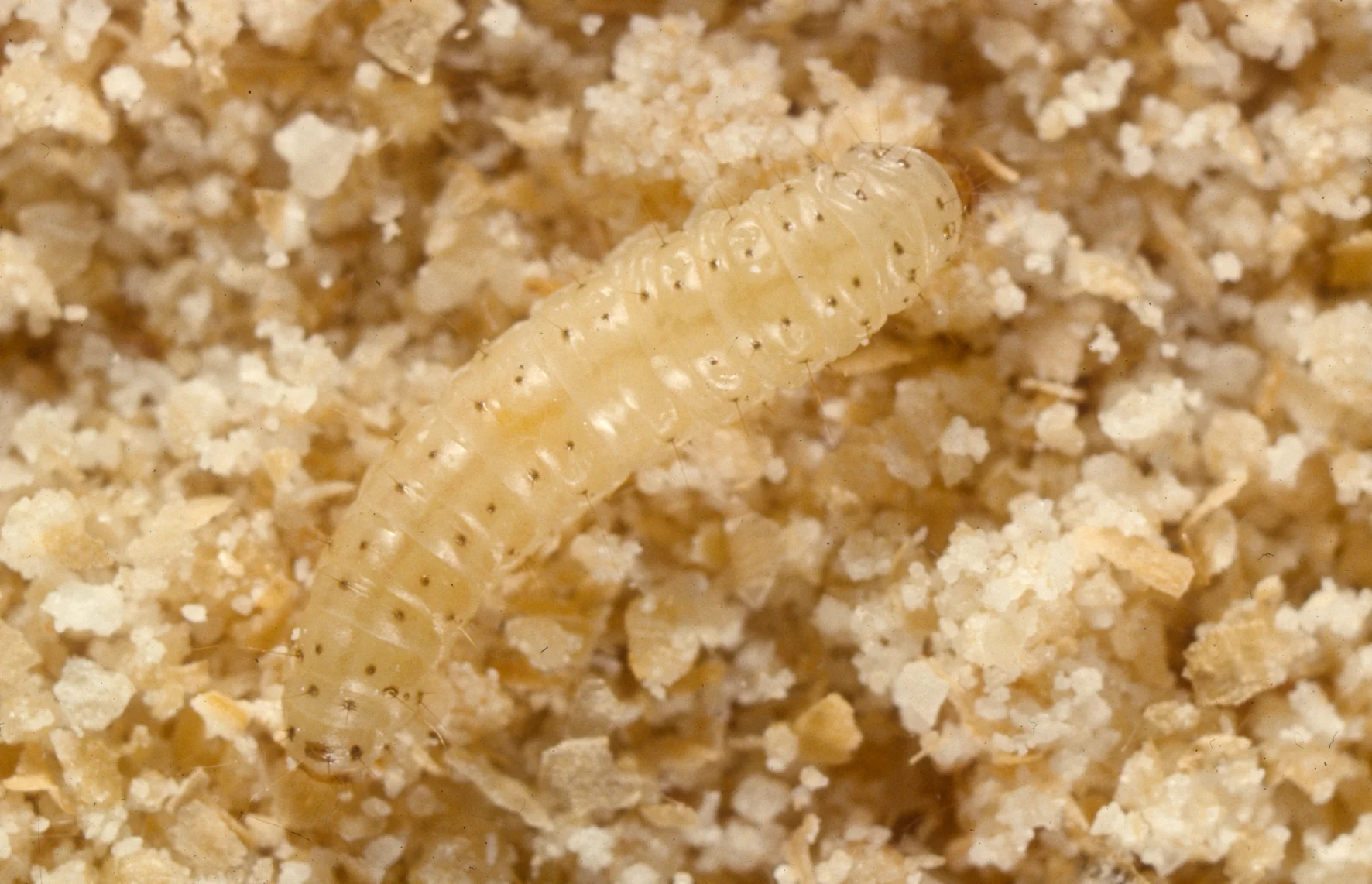
The larvae cause all the damage. These small caterpillars grow to 15 to 20mm long when full grown. Their body color is cream to dirty white. Some have a pink or green tint based on what they eat.
Look for rows of brown or purple dots along the sides of the body. Each hair has a small black spot at its base. The head is dark brown or tan.
Larvae spin silk webbing as they feed and crawl through food. This webbing is a clear sign of an infestation. The silk threads clump food particles together into mats.
Telling Them Apart from Similar Moths
Almond moths look like other pantry moths. Here is how to tell them apart:
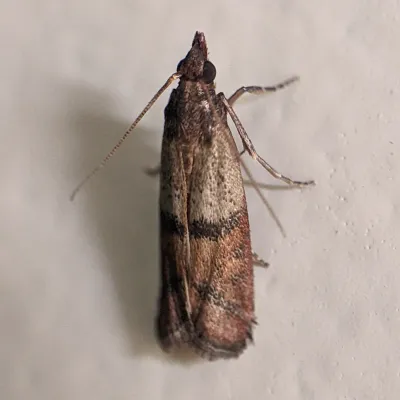
From Indian meal moths: Indian meal moths have two-toned wings. The inner part is pale tan. The outer part is reddish-brown. Almond moths have mostly gray wings with faint bands. Indian meal moths are also a bit larger.
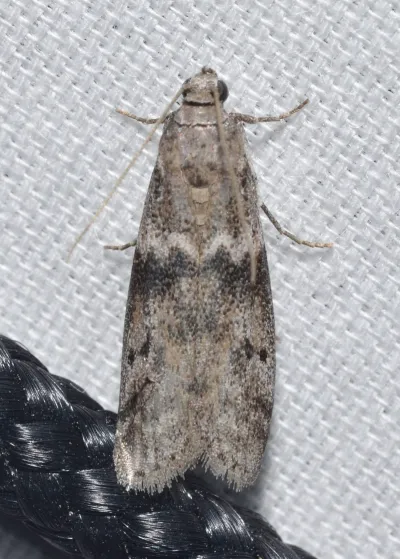
From Mediterranean flour moths: These moths are similar in size. But they have sharper zigzag bands across their pale gray wings. Almond moth wing markings are more faint and blurry.
From clothes moths: Clothes moths are smaller with plain golden wings. They avoid light and eat fabrics, not food.
Almond Moth Behavior and Biology
Lifecycle and Development
Almond moths have four life stages: egg, larva, pupa, and adult. In warm, humid conditions, the full lifecycle takes 25 to 40 days. In cooler weather, it can take 60 to 80 days.
Eggs: Females lay eggs on or near food. One female can lay 200 to 300 eggs in her short life. The tiny white eggs are hard to see. They hatch in 3 to 5 days when warm.
Larvae: This stage lasts the longest and causes the most damage. Larvae grow for 2 to 6 weeks. They molt six times as they grow. During this time, they eat stored food and leave silk webbing behind.
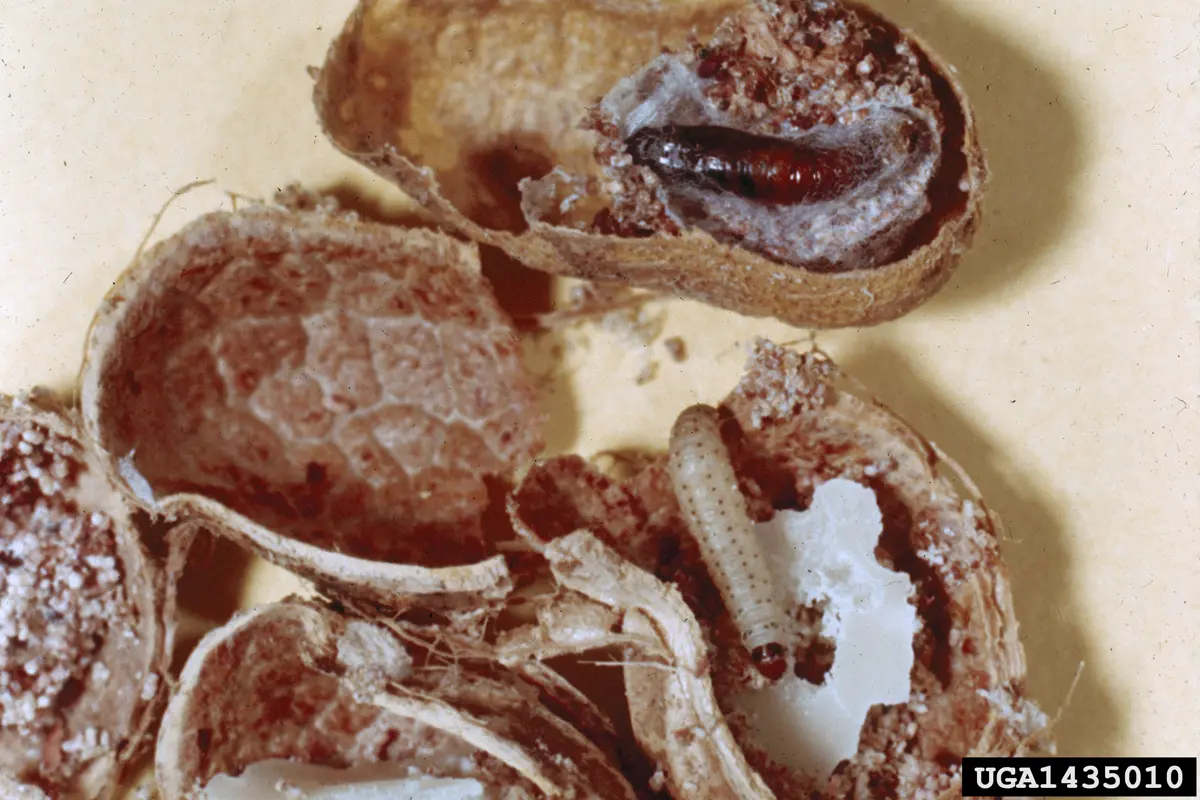
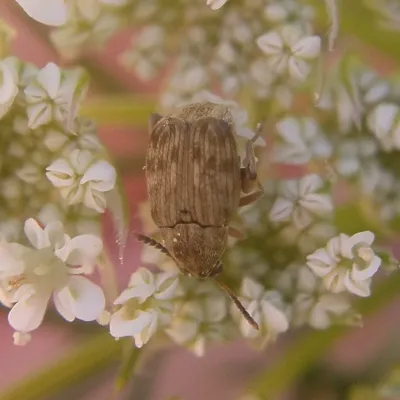
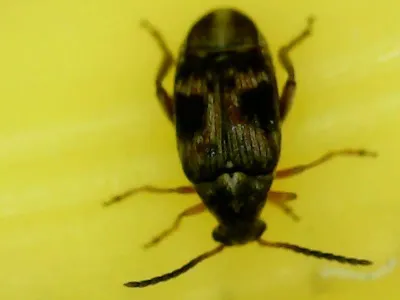
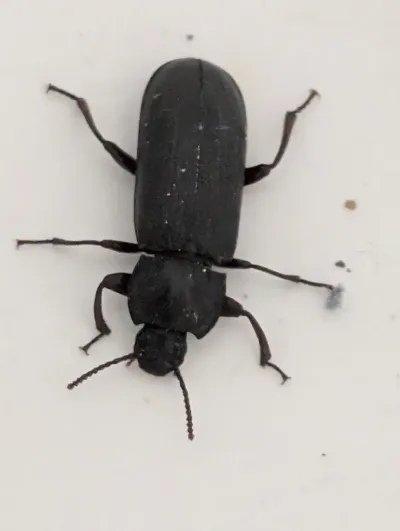
Pupae: When ready to change, larvae leave the food. They spin cocoons in hidden spots like cracks, corners, and container edges. This stage lasts 7 to 14 days. A related species, Rice Weevil, shares similar characteristics.
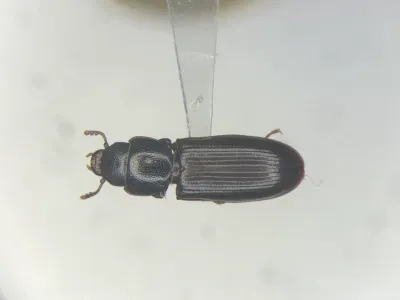
Adults: Moths come out, mate, and start laying eggs within 1 to 2 days. Adults do not eat but may drink water. They live only 5 to 14 days. A related species, Merchant Grain Beetle, shares similar characteristics.
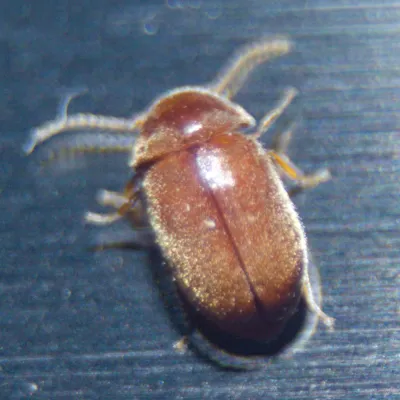
Food Preferences and Diet A related species, Cigarette Beetles, shares similar characteristics.
Despite their name, almond moths like dried figs and dates more than almonds. They are one of the worst pantry pests of dried fruits around the world.
Almond moths attack many stored foods:
- Dried fruits like figs, dates, raisins, and apricots
- Nuts like almonds, walnuts, and peanuts
- Flour, bran, and grain products
- Cereals, oatmeal, and breakfast foods
- Chocolate, candy, and baked goods
- Spices and dried herbs
- Pet food and birdseed
- Dried beans
Larvae grow fastest on wheat products. They do better with cracked or ground foods. They cannot chew through whole seeds or grain hulls.
Habitat and Distribution
Almond moths live worldwide but came from tropical areas. They do best in warm weather above 68 degrees F. In North America, they are most common in California and Florida. These states have warm weather and busy ports where infested goods arrive.
In colder areas, almond moths live year-round inside heated buildings. This includes food plants, warehouses, grocery stores, and homes. They cannot survive winters outdoors in cold climates.
Behavior Patterns
Almond moths are most active at dusk and at night. Adults fly toward lights. You may see them flying in jerky patterns near ceiling lights in the evening.
Larvae sometimes eat other larvae. When there are too many or food runs low, bigger larvae eat eggs and smaller ones. This helps the group survive by reducing competition.
Signs of an Almond Moth Infestation
What to Look For
Finding almond moths early saves food and makes control easier. Watch for these signs:
- Adult moths flying: Small gray-brown moths near lights at night or resting on walls
- Silk webbing in food: Fine threads or clumps that bind food together
- Larvae crawling: Small cream caterpillars with dark spots on shelves, walls, or ceilings
- Cocoons: Silky cases in corners, cracks, or on container edges
- Waste pellets: Tiny dark bits mixed with food or on shelf surfaces
- Clumped food: Dry goods stuck together with silk webbing
Where to Inspect
Focus your inspection on these high-risk areas:
- Dried fruit packages, especially figs and dates
- Nut containers and bulk nut bins
- Flour, cornmeal, and baking mixes
- Cereals and breakfast foods
- Pet food bags and storage containers
- Birdseed bins
- Spice jars, especially older ones
- Chocolate and candy storage
- Corners and edges of pantry shelves
- Behind items that have not been moved recently
Open containers and look inside. Shake packages to reveal webbing or larvae. Check under lids and along seams where larvae like to hide.
Treatment Methods for Almond Moths
Getting rid of almond moths takes a step-by-step approach. The goal is to remove the source and stop them from coming back.
Source Identification and Removal
The most important step is finding and throwing out all infested products. This includes:
- Any food with visible webbing, larvae, or moths
- Open packages near confirmed infestations
- Older products that may have been overlooked
- Items stored in thin paper or cardboard packaging
Put infested items in plastic bags before throwing them out. This stops moths from escaping and spreading.
Thorough Cleaning
After removing infested products, clean all storage areas:
- Vacuum all shelves, drawers, and cabinets well
- Focus on cracks, corners, and edges where larvae hide
- Pull out and vacuum behind shelf liners
- Wipe down surfaces with warm soapy water
- Empty the vacuum right after use
Temperature Treatments
Heat and cold can save lightly infested products:
Freezing: Put sealed items at 0 degrees F for at least 7 days. This kills all life stages, including eggs. Let items warm up in sealed bags before opening to stop moisture buildup.
Heating: Heat items to 130 degrees F for 30 minutes or more. Spread products thin in a low oven for some dry goods. Watch the temperature closely to avoid burning.
Monitoring
Pheromone traps help find moths and track if treatment is working. These traps use a scent that draws in male moths. Put traps in pantry areas and check them each week. If you keep catching moths, the problem is not solved yet.
Prevention Tips
Stopping almond moths before they start is easier than getting rid of them. Follow these tips:
- Use airtight containers: Move dry goods into glass jars or thick plastic containers with tight lids
- Check before buying: Look at packages for holes, tears, or webbing before you buy
- Freeze new items: Put new dried fruit, flour, and nuts in the freezer for one week before storing
- Use old items first: Rotate your stock and do not buy more than you need
- Clean often: Wipe down pantry shelves and vacuum crumbs each month
- Toss old products: Throw out items that have been sitting too long
- Use traps: Keep pheromone traps in your pantry to catch problems early
- Seal gaps: Fix gaps around doors and windows in storage areas
- Keep it cool: Store food in cool areas since warmth speeds up moth growth
References and Further Reading
Other Pantry Pests
Explore other species in the pantry pests family
Commonly Confused With
Almond Moth are often mistaken for these similar pests
Where Almond Moth Are Found
Hover over states to see their names. Green regions indicate where almond moth have been reported.
Common Questions about Almond Moth
What do almond moths look like?
+
Almond moths are small, measuring 7-9mm in body length with a wingspan of 14-20mm. Their forewings are gray to gray-brown with vague darker markings or bands across the middle. The hindwings are pale gray or whitish. They have short labial palps that curve upward and long antennae.
Are almond moths harmful to humans?
+
Almond moths do not bite or sting and are not known to transmit diseases directly. However, consuming food contaminated by their larvae, webbing, frass, and cast skins can cause digestive upset. Heavily infested products may also develop secondary mold growth. Infested food should be discarded.
How do almond moths get into my house?
+
Almond moths typically enter homes inside infested food products purchased from stores or warehouses. Eggs or larvae may already be present in dried fruits, nuts, flour, cereals, or pet food when you buy them. They can also fly in through open windows and doors, especially in warmer climates.
What do almond moths eat?
+
Despite their name, almond moths prefer dried figs and dates over almonds. They also infest a wide range of stored products including flour, bran, oats, cereals, dried fruits, nuts, chocolate, spices, and pet food. Larvae feed best on cracked or ground products rather than whole grains.
How can I tell the difference between almond moths and Indian meal moths?
+
Almond moths are slightly smaller and have uniformly gray-brown forewings with subtle darker bands. Indian meal moths have distinctive two-toned wings where the inner third is pale tan and the outer two-thirds are reddish-brown or copper. Indian meal moth wing coloring is much more contrasting.
How long do almond moths live?
+
The complete lifecycle from egg to adult takes 25-60 days depending on temperature and humidity. Adult moths live only 5-14 days and do not feed, though they will drink water. Their sole purpose as adults is to mate and lay eggs. Females can lay up to 300 eggs.
Can almond moths survive cold temperatures?
+
Almond moths are tropical in origin and thrive in warm conditions between 25-30 degrees Celsius. They do not survive well in cold climates outdoors but can persist year-round in heated buildings. Freezing infested products at 0 degrees F for at least 7 days will kill all life stages.

With five years of hands-on experience in the pest control industry, George Schulz is a registered technician with the Virginia Pest Management Association and a proud third-generation professional in a family business that's been protecting homes for over 57 years. He manages and trains a team of service pros while also leading internal research efforts—recently spearheading a deep-dive review of thousands of documents on pest control materials to hand-pick the most kid and pet friendly, most effective solutions tailored specifically for homes in the DC metro area.