Stoneflies Identification Guide
Plecoptera
Stoneflies are aquatic insects that live near clean streams and rivers, occasionally appearing around homes close to water sources.
Taxonomy
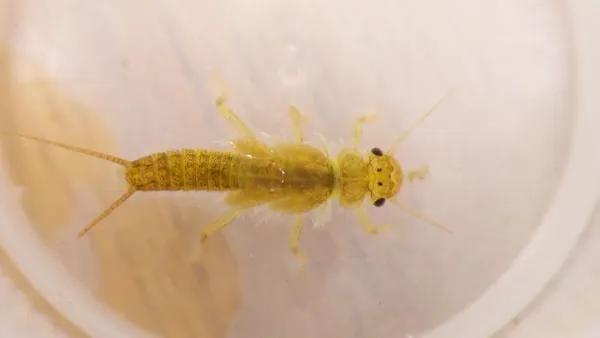
Stoneflies Coloration
Common color patterns to help identify stoneflies
Stoneflies
Seasonal Activity
When stoneflies are most active throughout the year

Where Stoneflies Are Found
Hover over states to see their names. Green regions indicate where stoneflies have been reported.
Stonefly Identification Guide
Physical Characteristics
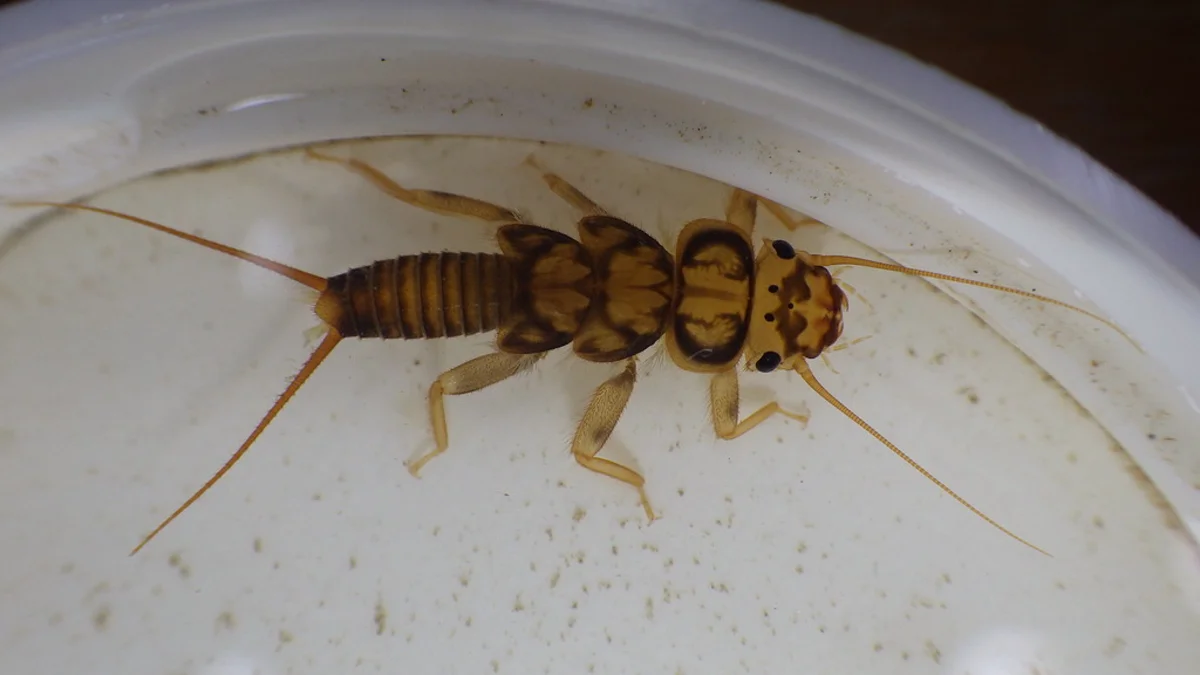
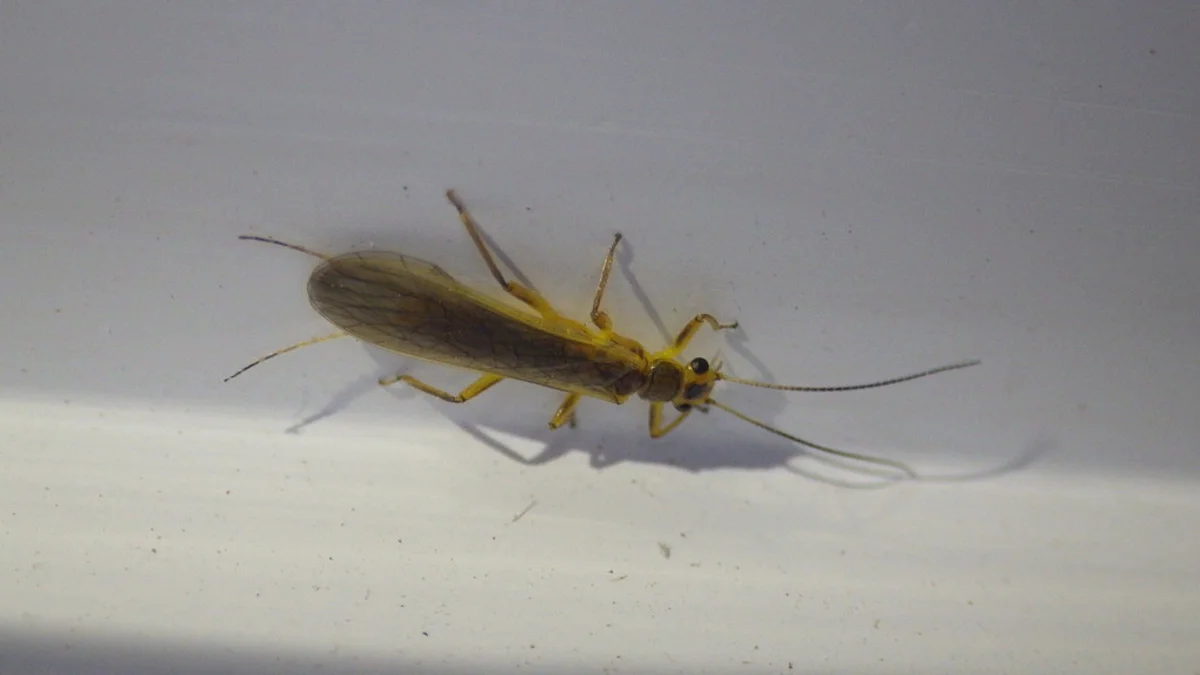
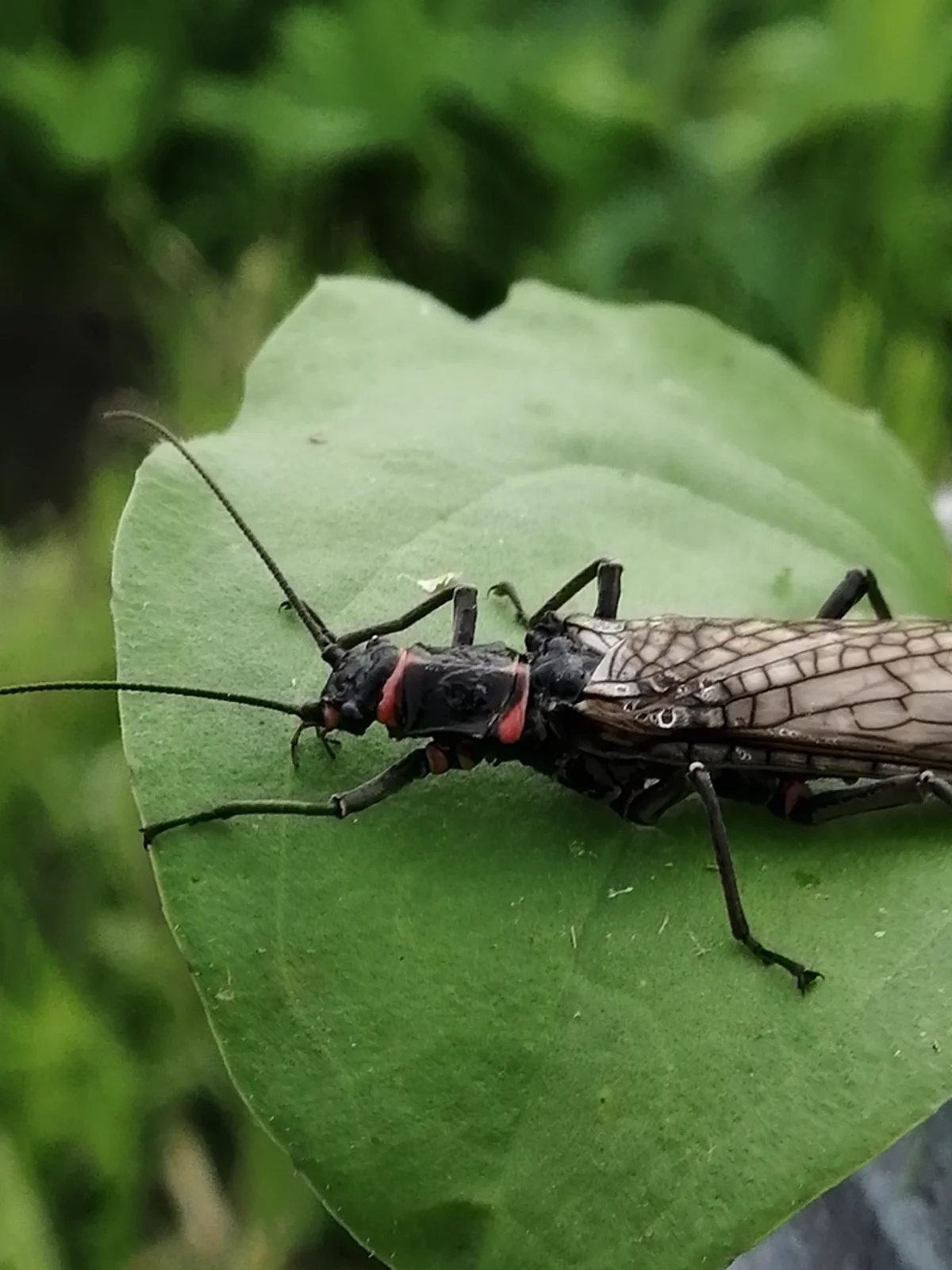
Stoneflies have flat, soft bodies with two pairs of wings. Adults range from 6 to 50 millimeters long. Their wings are clear with fine veins and fold flat over their backs when resting. The easiest way to spot a stonefly is by the two long tails, called cerci, at the end of their body.
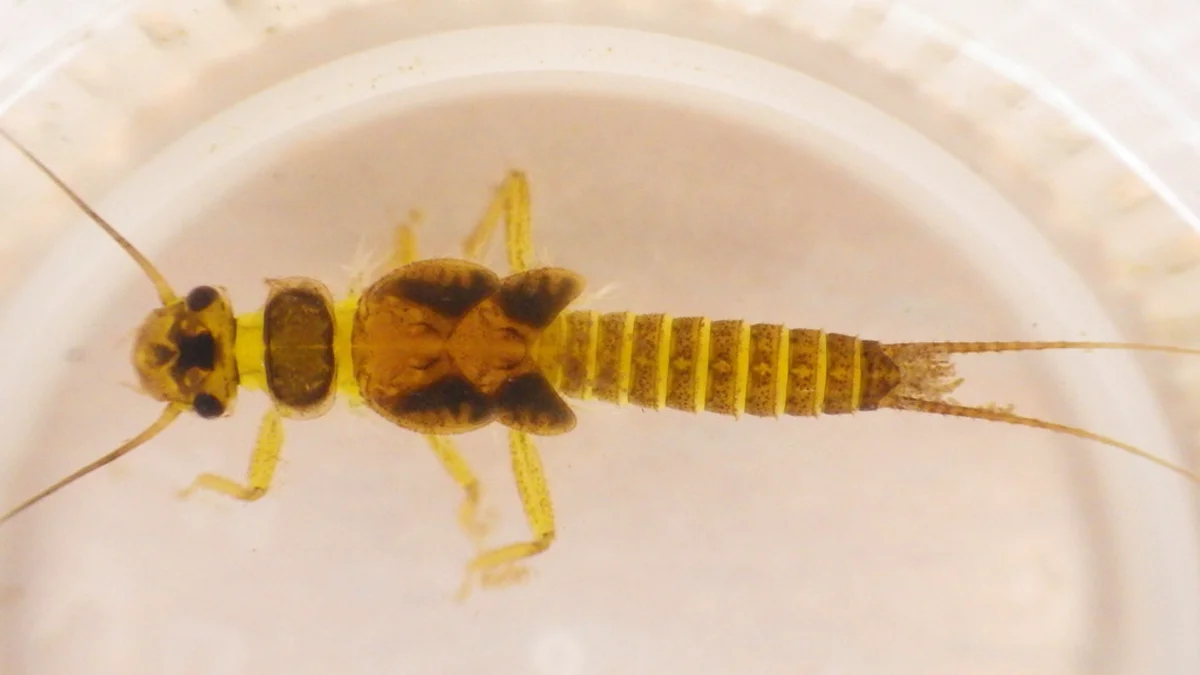
Stonefly nymphs look like small adults but have no wings. They have flat bodies, six legs, and the same two tails at their rear. Nymphs have small, tuft-like gills at the base of their legs. Each foot has two claws. This helps tell them apart from mayfly nymphs, which have only one claw.
Common Species in North America
North America has about 970 stonefly species in nine families. Here are some common groups:
-
Common Stoneflies (Perlidae): The largest family. Usually brown or yellow with darker markings.
-
Winter Stoneflies (Taeniopterygidae): Emerge from January to April. Often seen walking on snow.
-
Spring Stoneflies (Nemouridae): Smaller species that appear in April through June.
-
Giant Stoneflies (Pteronarcyidae): The largest stoneflies, up to 50mm long.
Stonefly Behavior and Biology
Stoneflies spend most of their lives as nymphs in cool, clean water. They live in streams with rocky or gravelly bottoms where they hide under stones. This is where they get their name. Nymphs need water with lots of oxygen. This makes them very sensitive to pollution.
Lifecycle
Stoneflies go through three life stages: egg, nymph, and adult. Females lay sticky eggs in the water. The eggs stick to rocks so they do not wash away. The nymph stage lasts one to three years. During this time, nymphs shed their skin many times as they grow.
When ready to become adults, nymphs crawl out of the water onto rocks, logs, or plants. They shed their final nymph skin and emerge with wings. Adult stoneflies are weak fliers. They stay close to water. Males attract females by drumming their bodies on surfaces. This makes vibrations that females can sense. Females drum back until the pair finds each other.
Feeding Habits
Young nymphs eat algae, dead leaves, and plant matter. Older nymphs of some species hunt mayfly nymphs and other small water insects. Most adult stoneflies have weak mouthparts and do not eat. Some adults feed on algae or lichen from rocks near water.
Stoneflies Around Your Home
Stoneflies do not bite, sting, or spread disease. They do not infest homes, damage property, or get into your food. If you find stoneflies around your home, it means you live near a stream, river, or lake. Their presence is brief since adults only live a few weeks.
Unlike many other insects that enter homes, stoneflies do not breed indoors. They cannot survive away from water for long. Most stoneflies you see around your home will die naturally within days.
When Stoneflies Appear Around Homes
Adult stoneflies emerge mainly in spring and early summer. Winter stoneflies can appear as early as January. They are most active near dawn and dusk. Lights attract them at night. If your home is near a stream or river, you may notice them resting on walls, windows, or under porch lights.
How to Reduce Stoneflies Around Your Home
You can take simple steps to reduce stoneflies around your property:
- Switch to yellow “bug light” bulbs for outdoor lights. These are less appealing to insects.
- Keep window screens in good repair to stop them from getting inside.
- Turn off outdoor lights when not needed, especially near water.
- Seal gaps around doors and windows to block entry points.
If large numbers of stoneflies become a nuisance, a pest control expert can assess your situation and suggest options.
Stoneflies and Water Quality
Scientists use stoneflies to measure water quality. Stoneflies are one of three insect groups used to test stream health. The others are mayflies and caddisflies. A stream with many stoneflies has good water quality with high oxygen and low pollution.
If stoneflies vanish from a stream where they once lived, the water quality may be getting worse. This can happen due to pollution, runoff, or other changes to the water.
References
Other Other Pests
Explore other species in the other pests family
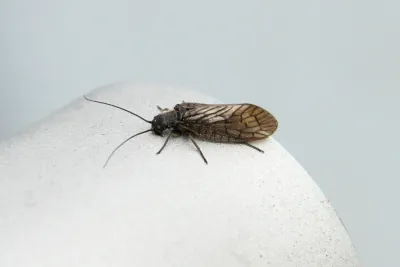
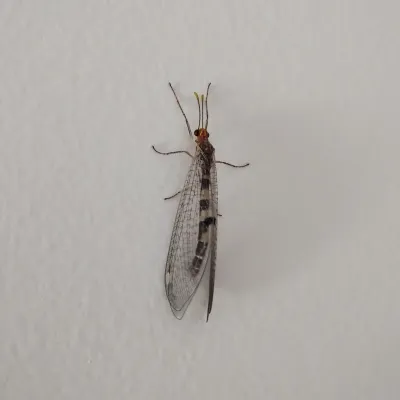
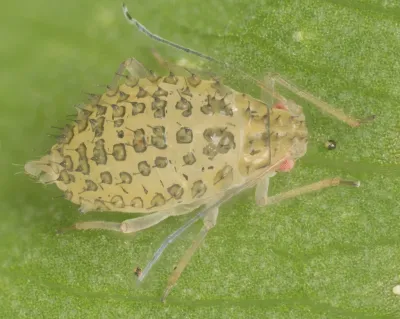
Commonly Confused With
Stoneflies are often mistaken for these similar pests
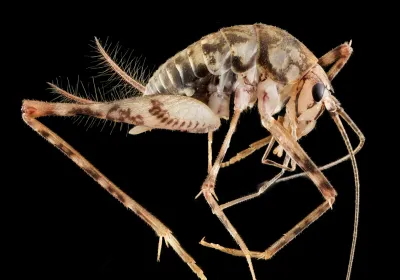
Where Stoneflies Are Found
Hover over states to see their names. Green regions indicate where stoneflies have been reported.
Common Questions about Stoneflies
Are stoneflies harmful to humans?
+
No, stoneflies are completely harmless to humans. They do not bite, sting, or transmit diseases. They have weak mouthparts and most adult stoneflies do not feed at all.
Why are stoneflies near my home?
+
If you see stoneflies around your home, you likely live near a clean stream, river, or lake. Adult stoneflies emerge from the water and stay close to their aquatic habitats. They are attracted to lights at night.
Do stoneflies indicate good water quality?
+
Yes, stoneflies are excellent indicators of clean water. They require cool, well-oxygenated water to survive. Their presence near your property suggests a healthy local water ecosystem.
How long do adult stoneflies live?
+
Adult stoneflies only live for one to four weeks. They emerge from the water, mate, lay eggs, and die shortly after. Most of their life is spent as aquatic nymphs, which can take one to three years to develop.
What do stoneflies eat?
+
Stonefly nymphs eat algae, decaying plant matter, and sometimes smaller aquatic insects. Most adult stoneflies have reduced mouthparts and do not feed, though some species eat algae or lichen.
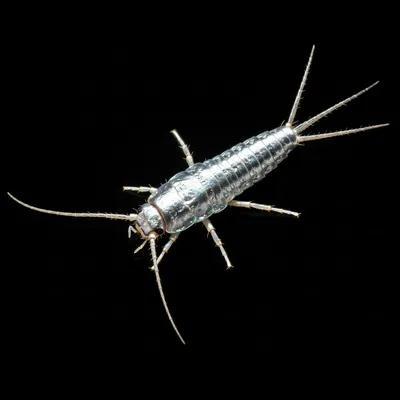
How can I tell the difference between a stonefly and a silverfish?
+
Stoneflies have two long tails (cerci) at the end of their abdomen and wings folded flat on their back. Silverfish have three tail-like appendages and no wings. Stoneflies are found near water, while silverfish prefer indoor environments.

With five years of hands-on experience in the pest control industry, George Schulz is a registered technician with the Virginia Pest Management Association and a proud third-generation professional in a family business that's been protecting homes for over 57 years. He manages and trains a team of service pros while also leading internal research efforts—recently spearheading a deep-dive review of thousands of documents on pest control materials to hand-pick the most kid and pet friendly, most effective solutions tailored specifically for homes in the DC metro area.