Lacewings Identification Guide
Chrysopidae / Hemerobiidae
Lacewings are delicate, beneficial insects with lace-like wings that are valued for their voracious appetite for aphids and other garden pests. While they sometimes enter homes attracted to lights, they pose no threat to humans or property.
Taxonomy
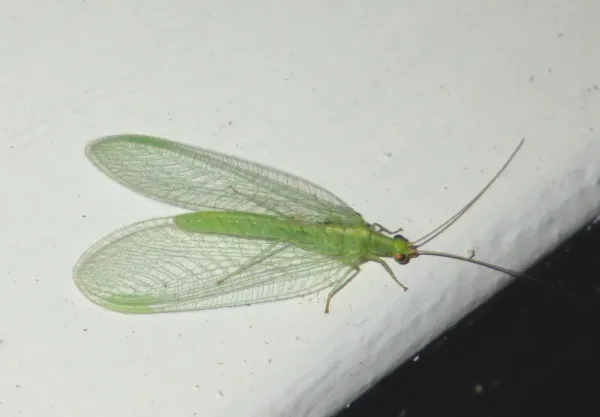
Lacewings Coloration
Common color patterns to help identify lacewings
Lacewings
Seasonal Activity
When lacewings are most active throughout the year

Where Lacewings Are Found
Hover over states to see their names. Green regions indicate where lacewings have been reported.
Lacewing Identification Guide
Physical Characteristics
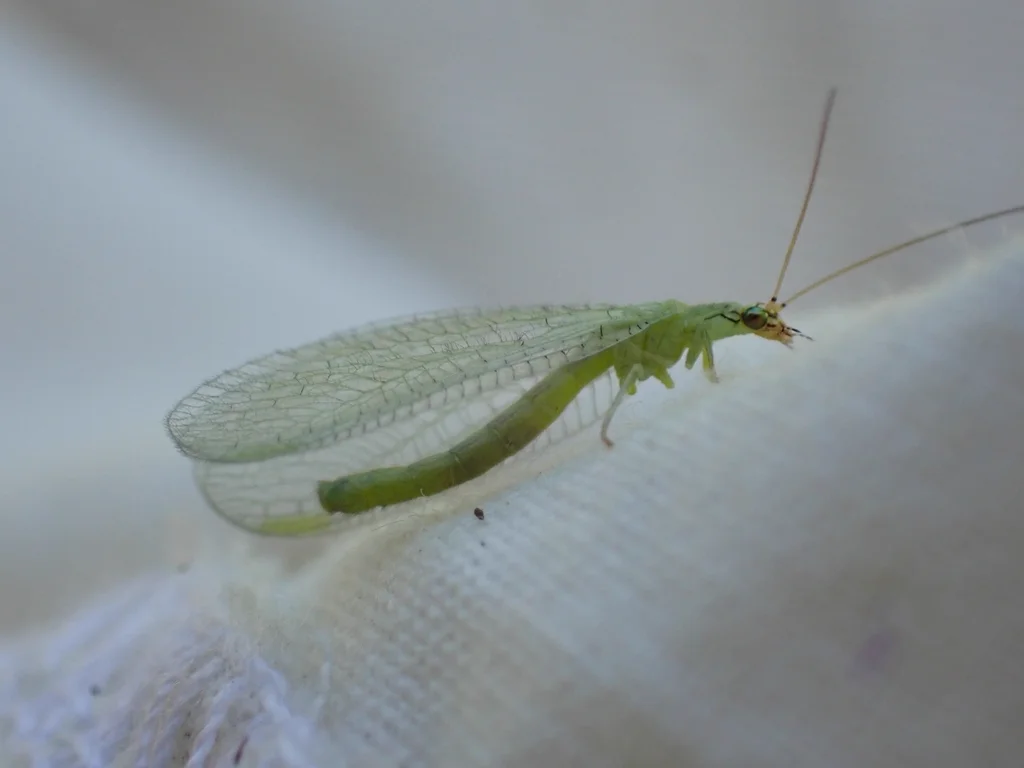
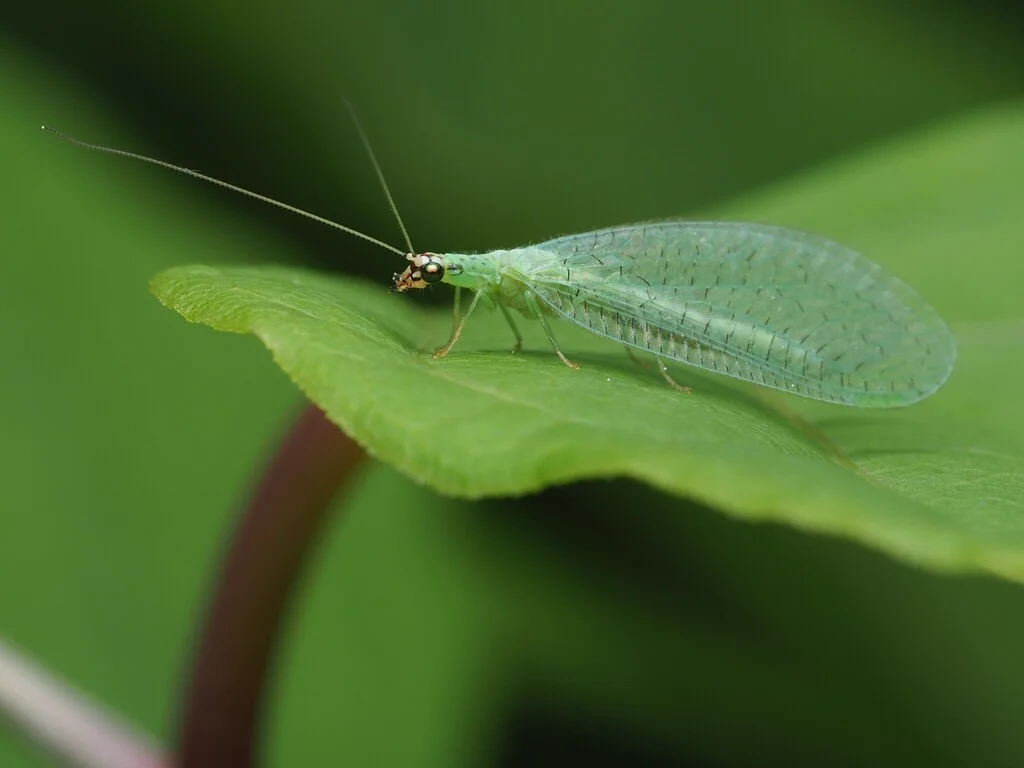
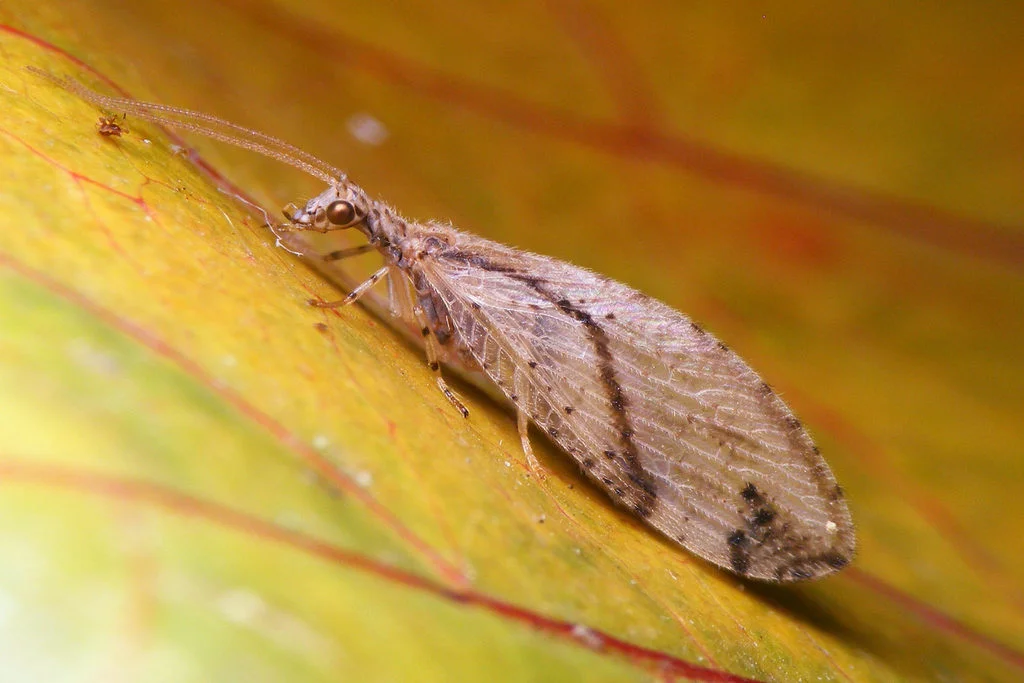
Lacewings are delicate insects measuring 10 to 20 millimeters in length with slender bodies and four prominent wings. Their wings are transparent with an intricate network of veins that gives them a lace-like appearance, which is how they got their name. Green lacewings have pale green bodies and golden or copper-colored eyes that are particularly striking. Brown lacewings are smaller and duller in color, with brownish wings and bodies. Both types have long, thread-like antennae that extend well beyond their heads.
Adult lacewings are weak fliers and often flutter slowly around vegetation or lights at night. When at rest, they hold their wings tent-like over their bodies. One of the most distinctive features of green lacewings is their iridescent, golden eyes, which are quite beautiful when viewed up close.
Larval Stage
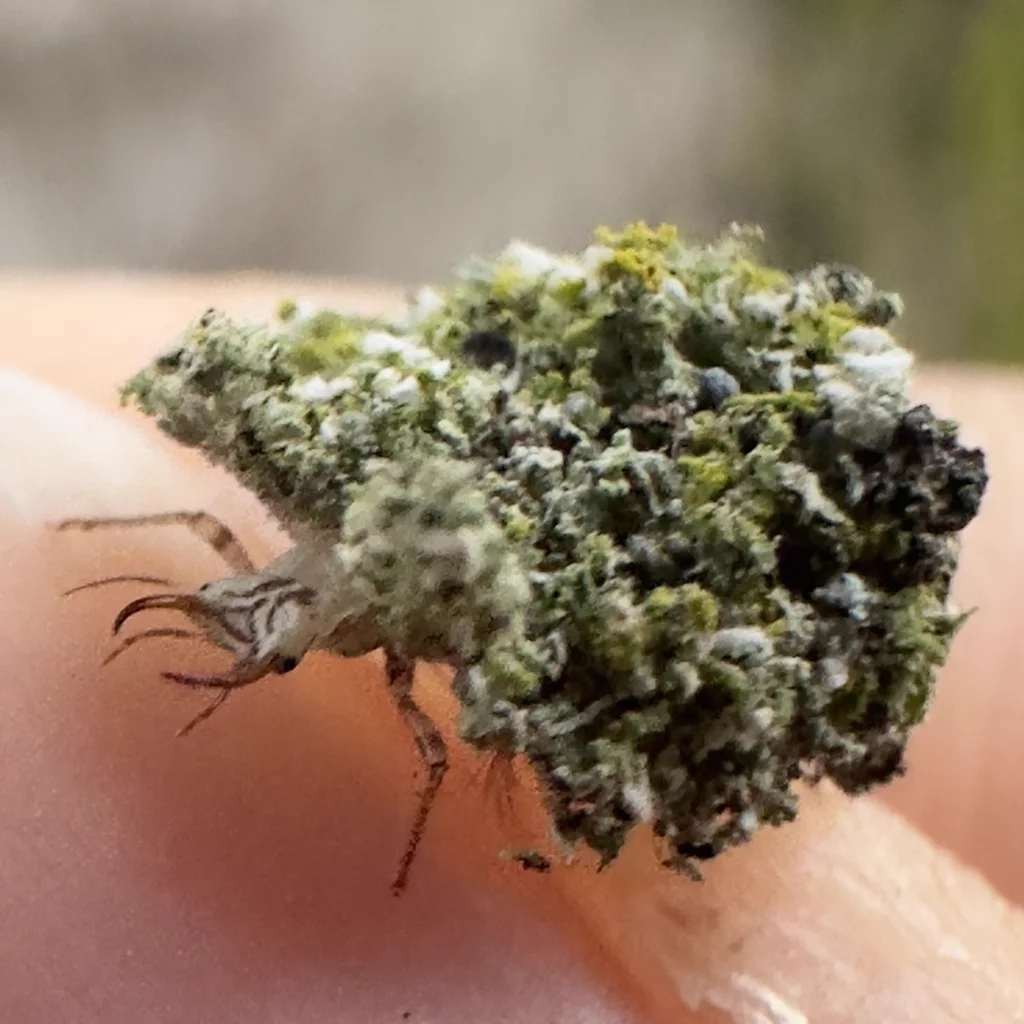
Lacewing larvae look completely different from adults. They have elongated, flattened bodies with prominent curved mandibles designed for piercing and sucking fluids from prey. Often called aphid lions due to their ferocious appetite for aphids, these larvae are grayish or brownish with darker markings. Some species create a camouflage layer on their backs using debris and the remains of their victims, earning them the nickname trash bugs or junk bugs.
Common Species in North America
- Common Green Lacewing (Chrysoperla carnea) - The most widespread species, found throughout North America with a pale green body and golden eyes.
- Eastern Green Lacewing (Chrysoperla rufilabris) - Common in eastern North America, similar in appearance to the common green lacewing.
- Brown Lacewings (Hemerobiidae family) - Smaller and brown in color, these are also common throughout the continent but less noticeable due to their drab coloration.
Lacewing Behavior and Biology
Lifecycle
Lacewings undergo complete metamorphosis with four life stages: egg, larva, pupa, and adult. The complete lifecycle takes approximately 4 to 6 weeks depending on temperature. Female lacewings lay their distinctive eggs on thin stalks attached to leaves or stems. These hair-like stalks, about 1/8 inch long, elevate the eggs away from the surface to protect them from predators and cannibalistic siblings.
After hatching, larvae go through three developmental stages over 2 to 3 weeks while actively hunting prey. When fully grown, they spin silken cocoons, often attached to the undersides of leaves, where they pupate for about two weeks before emerging as adults. There are typically two to four generations per year in most regions.
Feeding Habits
Adult green lacewings primarily feed on nectar, pollen, and honeydew produced by aphids. Some species, particularly in the genus Chrysopa, supplement their diet with small insects even as adults. Brown lacewing adults are generally more predatory than green lacewing adults.
The larvae are the true pest control champions. Each larva can consume 200 to 300 aphids during its two to three week developmental period. Some studies suggest lacewing larvae eat about ten times more insects than ladybugs. Besides aphids, they prey on mites, thrips, whiteflies, scale insects, mealybugs, moth eggs, and small caterpillars. They capture prey with their curved, hollow mandibles, inject digestive enzymes, and suck out the liquefied contents.
Nocturnal Behavior
Adult lacewings are crepuscular or nocturnal, becoming most active at dusk and throughout the night. They are strongly attracted to artificial lights, which is why they commonly appear on porches and near windows on warm summer evenings. Green lacewings have tympanal organs at the base of their forewings that allow them to detect ultrasonic sounds. When they hear bat echolocation calls while flying, they fold their wings and drop to the ground to avoid predation.
Why They Enter Homes
Lacewings enter homes primarily because they are attracted to lights. Incandescent bulbs are especially attractive to them, while warm-toned LED lights are less so. They may also seek shelter indoors during temperature extremes or accidentally fly through open windows and doors. Once inside, they are harmless but can become a nuisance if present in large numbers.
Treatment Methods for Lacewings
Because lacewings are beneficial insects, treatment is generally not recommended. They provide valuable pest control services by consuming aphids and other garden pests. However, if their presence indoors becomes bothersome, there are several approaches to manage them.
-
Light management: Replace outdoor lights near entry points with yellow bug lights or warm-toned LEDs, which are significantly less attractive to flying insects. Research shows that LED lights with warm tones have the lowest capture rates for flying insects compared to incandescent bulbs.
-
Physical exclusion: Install or repair window screens to prevent entry. Seal gaps around doors, windows, and utility penetrations. Use door sweeps and weatherstripping to reduce access points.
-
Gentle removal: If lacewings are found inside, gently capture them using a cup and piece of paper and release them back outside. They are delicate insects, so handle them with care. For larger numbers, a vacuum cleaner can remove them quickly without causing harm.
-
Reduce indoor lighting: Keep lights off or use blinds and curtains in the evening to reduce the attraction that draws lacewings toward windows.
The best approach is to appreciate lacewings as beneficial garden allies rather than pests. Their presence indicates a healthy ecosystem, and they provide free, natural pest control that reduces the need for chemical pesticides.
References
Other Other Pests
Explore other species in the other pests family
Commonly Confused With
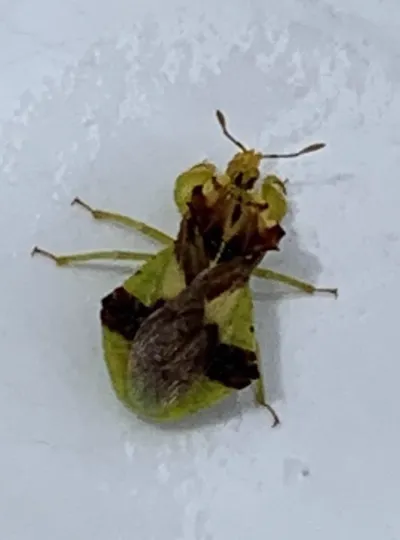
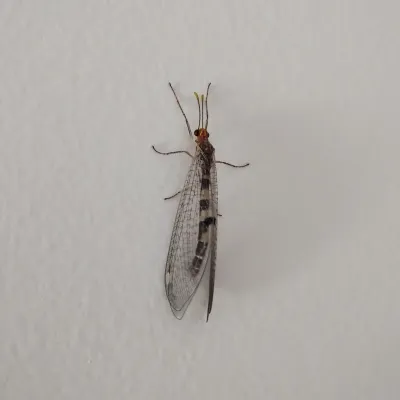
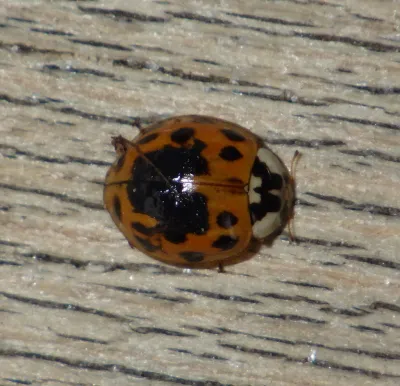
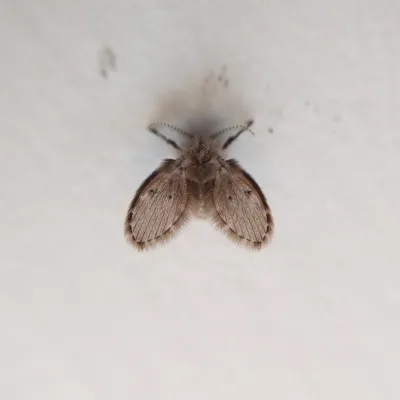
Lacewings are often mistaken for these similar pests
Where Lacewings Are Found
Hover over states to see their names. Green regions indicate where lacewings have been reported.
Common Questions about Lacewings
Are lacewings harmful to humans?
+
No, lacewings are completely harmless to humans. They do not bite, sting, or transmit diseases. They are beneficial insects that help control garden pests like aphids and mites.
Why do lacewings come into my house?
+
Lacewings are strongly attracted to lights at night. They often fly toward porch lights and can enter homes through open windows, doors, or small gaps. During cold weather, they may also seek shelter in warm indoor spaces.
What do lacewings eat?
+
Adult lacewings primarily feed on nectar, pollen, and honeydew. However, their larvae are voracious predators that consume large numbers of aphids, mites, thrips, whiteflies, and other soft-bodied insects.
How can I prevent lacewings from entering my home?
+
Switch to yellow bug lights or LED lights with warm tones, which are less attractive to insects. Ensure window screens are intact and seal gaps around doors and windows. Keep outdoor lights off when not needed.
Should I kill lacewings in my garden?
+
Absolutely not. Lacewings are highly beneficial insects that provide natural pest control. A single lacewing larva can consume 200-300 aphids during its development. They are allies in maintaining a healthy garden.
What is a trash bug?
+
Trash bug is a nickname for lacewing larvae that camouflage themselves by piling debris, including the bodies of their prey, onto their backs. This disguise helps protect them from predators and allows them to ambush prey.
Do lacewings smell bad?
+
Some adult green lacewings can emit an unpleasant odor when handled or disturbed as a defensive mechanism. This has earned them the occasional nickname stinkfly. However, the smell is not harmful.

With five years of hands-on experience in the pest control industry, George Schulz is a registered technician with the Virginia Pest Management Association and a proud third-generation professional in a family business that's been protecting homes for over 57 years. He manages and trains a team of service pros while also leading internal research efforts—recently spearheading a deep-dive review of thousands of documents on pest control materials to hand-pick the most kid and pet friendly, most effective solutions tailored specifically for homes in the DC metro area.