June Bugs Identification Guide
Phyllophaga spp.
June bugs are large, clumsy beetles that swarm around lights at night during late spring and early summer. Their larvae, called white grubs, can damage lawns and gardens.
Taxonomy
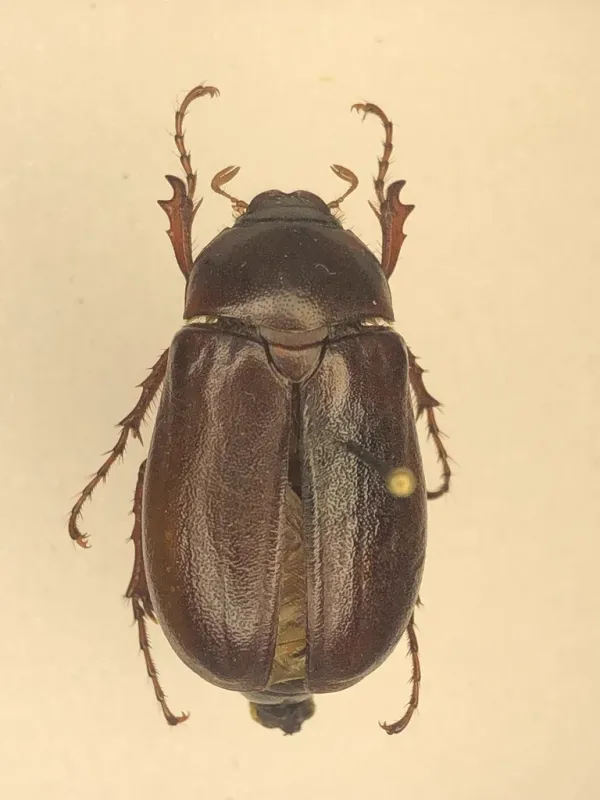
June Bugs Coloration
Common color patterns to help identify june bugs
June Bugs
Seasonal Activity
When june bugs are most active throughout the year
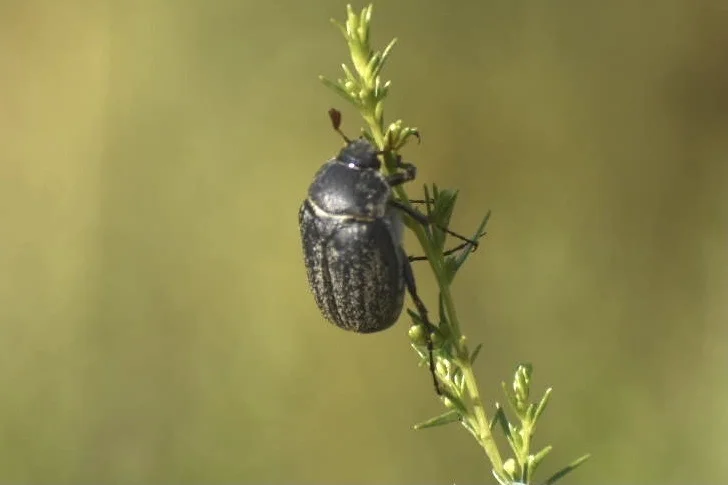
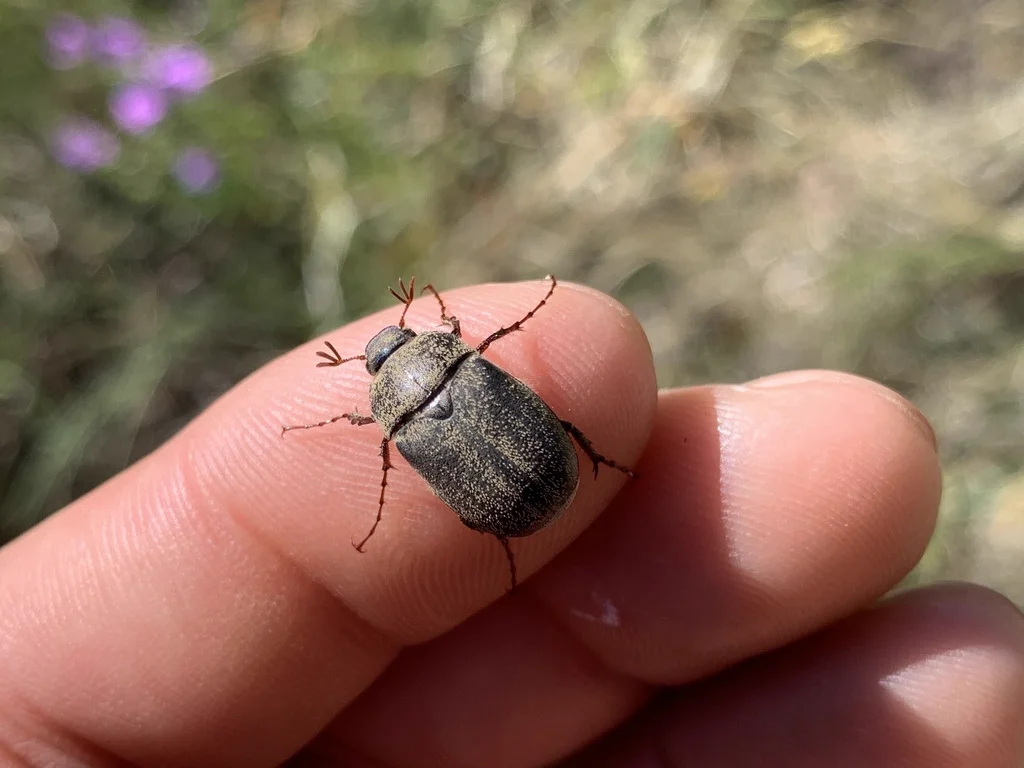
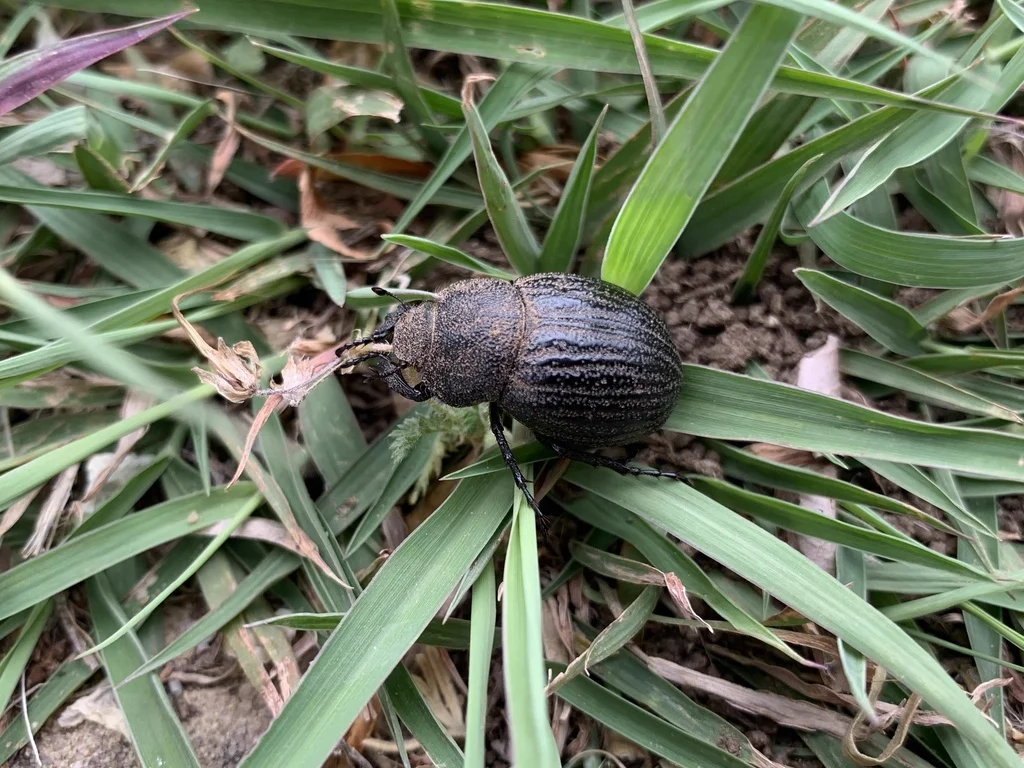

Where June Bugs Are Found
Hover over states to see their names. Green regions indicate where june bugs have been reported.
June Bug Identification Guide
Physical Characteristics
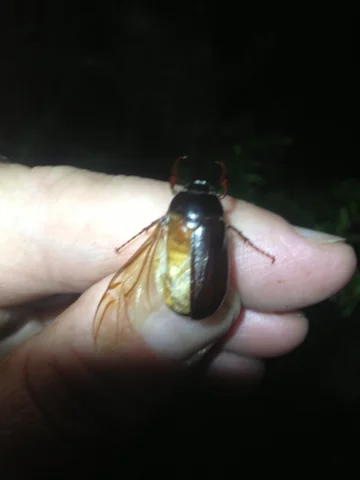
June bugs are stout beetles with oval bodies. They range from half an inch to over an inch long. Their hard outer shells are shiny and come in shades of reddish-brown, dark brown, or nearly black. These beetles have clubbed antennae that can fan open like a feather. Their legs are spiny and good for clinging to surfaces. This is why they often stick to window screens and clothing.
One key feature of June bugs is their clumsy flight. Unlike many beetles, June bugs are poor fliers. They buzz loudly and often crash into walls, windows, and people. You can hear them coming from several feet away because of the humming sound their wings make.
Common Species
Several species of June bugs live across North America:
-
Common June Beetle (Phyllophaga spp.): This is the most widespread group. Over 200 species live in North America. They range from light brown to dark mahogany in color.
-
Green June Beetle (Cotinis nitida): A larger species with shiny green coloring. It is common in the eastern and southern United States.
-
Ten-Lined June Beetle (Polyphylla decemlineata): Found in western states. You can spot it by the white stripes on its wing covers. A related species, Dermestid Beetles, shares similar characteristics.
June Bug Behavior and Biology A related species, False Powderpost Beetles, shares similar characteristics.
June bugs spend most of their lives underground. The complete life cycle takes one to three years. Female beetles lay eggs in the soil during summer. These eggs hatch into small white larvae called grubs. A related species, Old House Borers, shares similar characteristics.
Grubs are C-shaped with a brownish-red head. They have six small legs near the front of their body. Grubs feed on plant roots, especially grass roots, as they grow. Over two to three years, the larvae go through three growth stages. They get larger and cause more damage with each stage. The final stage grub can be over an inch long. A related species, Spider Beetles, shares similar characteristics.
When mature, the grub burrows deeper into the soil and becomes a pupa. The adult beetle comes out the following spring or early summer. Adults are most active after dark and are drawn to lights. During mating season, males do dive-bombing flights to attract females. A related species, Click Beetles, shares similar characteristics.
Adult June bugs eat the leaves of trees and shrubs. They prefer oak, walnut, elm, and fruit trees. They rarely cause serious damage to mature trees. But large numbers can strip leaves from young plants. A related species, Carpet Beetle Larvae, shares similar characteristics.
Treatment Methods for June Bugs A related species, Deathwatch Beetles, shares similar characteristics.
To control June bugs, you need to target both the adult beetles and their larvae. Grubs cause the most damage, so treating them in the soil is often the best approach. A related species, Powder Post Beetles, shares similar characteristics.
Lawn Treatments
Healthy lawns can handle small grub populations. Keep your grass at three to four inches tall and water during dry spells. This helps turf recover from minor grub feeding. When grub counts exceed ten per square foot, treatment may be needed.
Biological controls are another option. Nematodes are tiny worms that hunt and kill grubs in the soil. Milky spore disease is a bacterial product that targets June bug larvae. Once it takes hold in the soil, it can provide control for years.
Chemical treatments work best when applied before eggs hatch in late spring or early summer. Products with grub-control active ingredients can stop larvae before they cause damage. Treatments applied in late summer or early fall can reduce existing grub populations.
Managing Adult Beetles
Reducing outdoor lighting during June bug season can make your property less attractive to swarming beetles. Yellow or amber bulbs attract fewer insects than standard white lights. Motion-activated lights that turn off when not needed can also help.
Physical removal works for small numbers of beetles. Put a bucket of soapy water beneath a porch light. Beetles that fly into it will drown. You can also vacuum up beetles that gather on screens and walls.
Many animals eat June bugs and their grubs. Birds, skunks, raccoons, and moles all feed on grubs from lawns. This natural predation can help lower populations over time.
References
Other Other Pests
Explore other species in the other pests family
Where June Bugs Are Found
Hover over states to see their names. Green regions indicate where june bugs have been reported.
Common Questions about June Bugs
Why are June bugs attracted to my porch light?
+
June bugs are nocturnal and strongly attracted to artificial lights. Scientists believe this happens because the beetles use natural light sources like the moon to navigate. Artificial lights confuse them, causing them to fly in circles around porch lights, windows, and other bright areas.
Do June bugs bite or sting?
+
No, June bugs do not bite or sting. They are completely harmless to humans. The worst they might do is cling to your clothing or skin with their spiny legs, which can feel prickly but causes no harm.
Why do I find dead June bugs on my porch in the morning?
+
June bugs that spend the night flying around porch lights often die from exhaustion or exposure. They become so focused on the light that they forget to eat or find shelter. By morning, many have worn themselves out and died near the light source.
Are June bug grubs bad for my lawn?
+
Yes, June bug larvae (white grubs) feed on grass roots and can cause significant lawn damage. Signs include brown patches of grass that pull up easily because the roots have been eaten. A few grubs are normal, but large populations can kill sections of turf.
How long do June bugs live?
+
Adult June bugs live only a few weeks to a couple of months during summer. However, their complete life cycle from egg to adult takes one to three years, with most of that time spent as larvae underground.
When is June bug season?
+
Despite their name, June bugs typically appear from late May through early July. Peak activity usually occurs in June, which is how they got their common name. Adults are most active at dusk and throughout the night.
What do June bugs eat?
+
Adult June bugs feed on the leaves of trees and shrubs, including oak, walnut, and fruit trees. The larvae (grubs) live underground and eat plant roots, especially grass roots, which is why they can damage lawns.

With five years of hands-on experience in the pest control industry, George Schulz is a registered technician with the Virginia Pest Management Association and a proud third-generation professional in a family business that's been protecting homes for over 57 years. He manages and trains a team of service pros while also leading internal research efforts—recently spearheading a deep-dive review of thousands of documents on pest control materials to hand-pick the most kid and pet friendly, most effective solutions tailored specifically for homes in the DC metro area.