Japanese Beetles Identification Guide
Popillia japonica
Japanese beetles are invasive scarab beetles with metallic green heads and copper wing covers. Adults skeletonize plant foliage while larvae damage lawns by feeding on grass roots.
Taxonomy
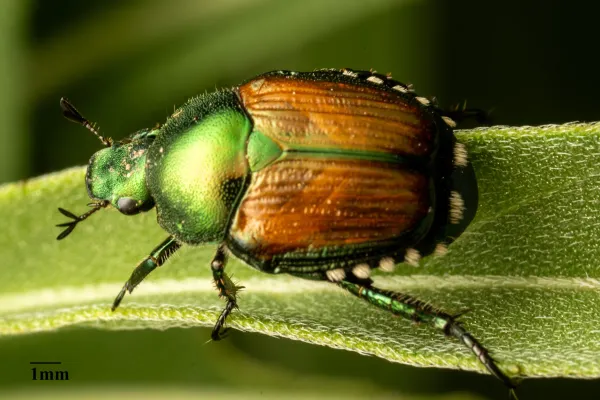
Japanese Beetles Coloration
Common color patterns to help identify japanese beetles
Japanese Beetles
Seasonal Activity
When japanese beetles are most active throughout the year
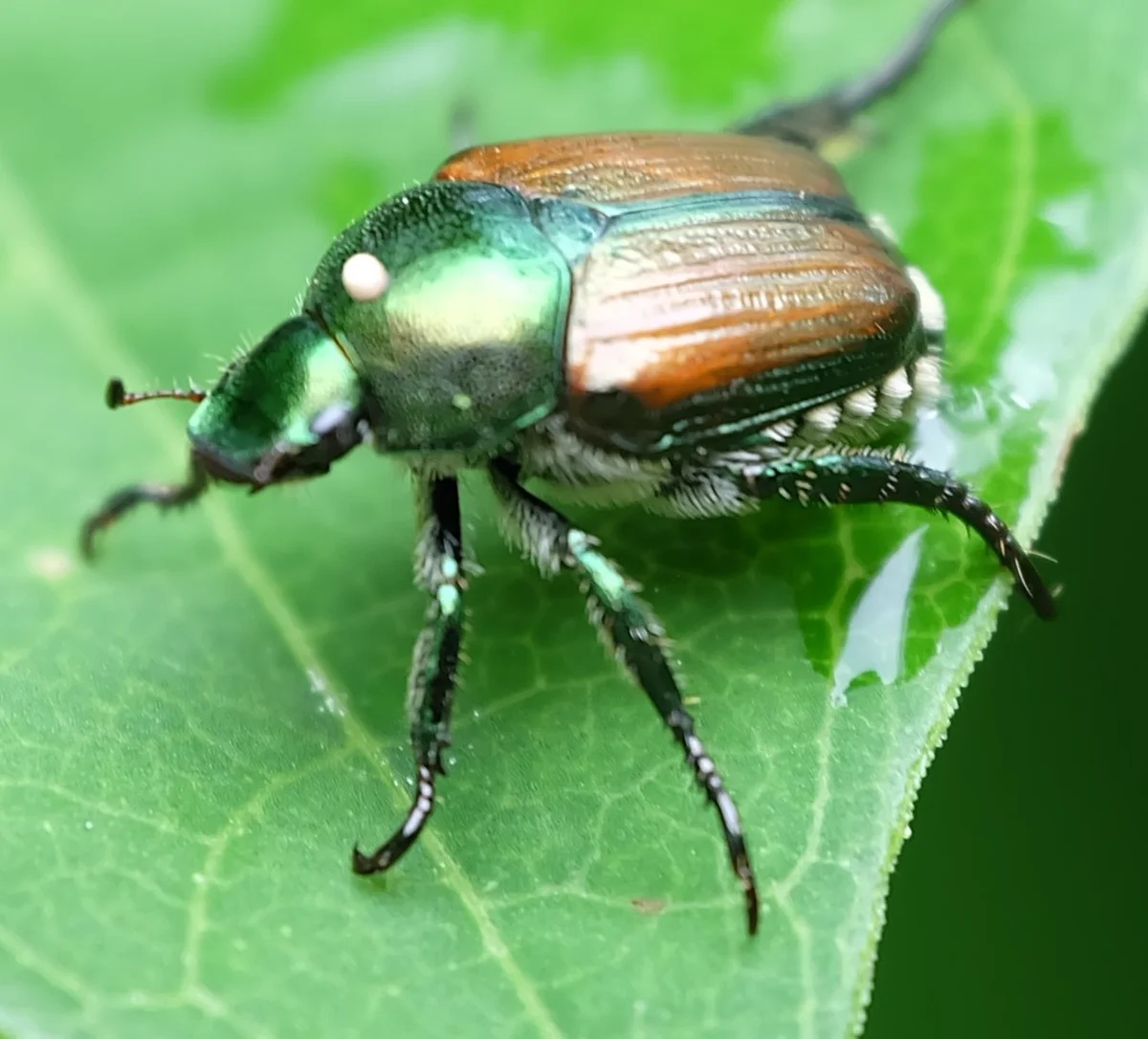
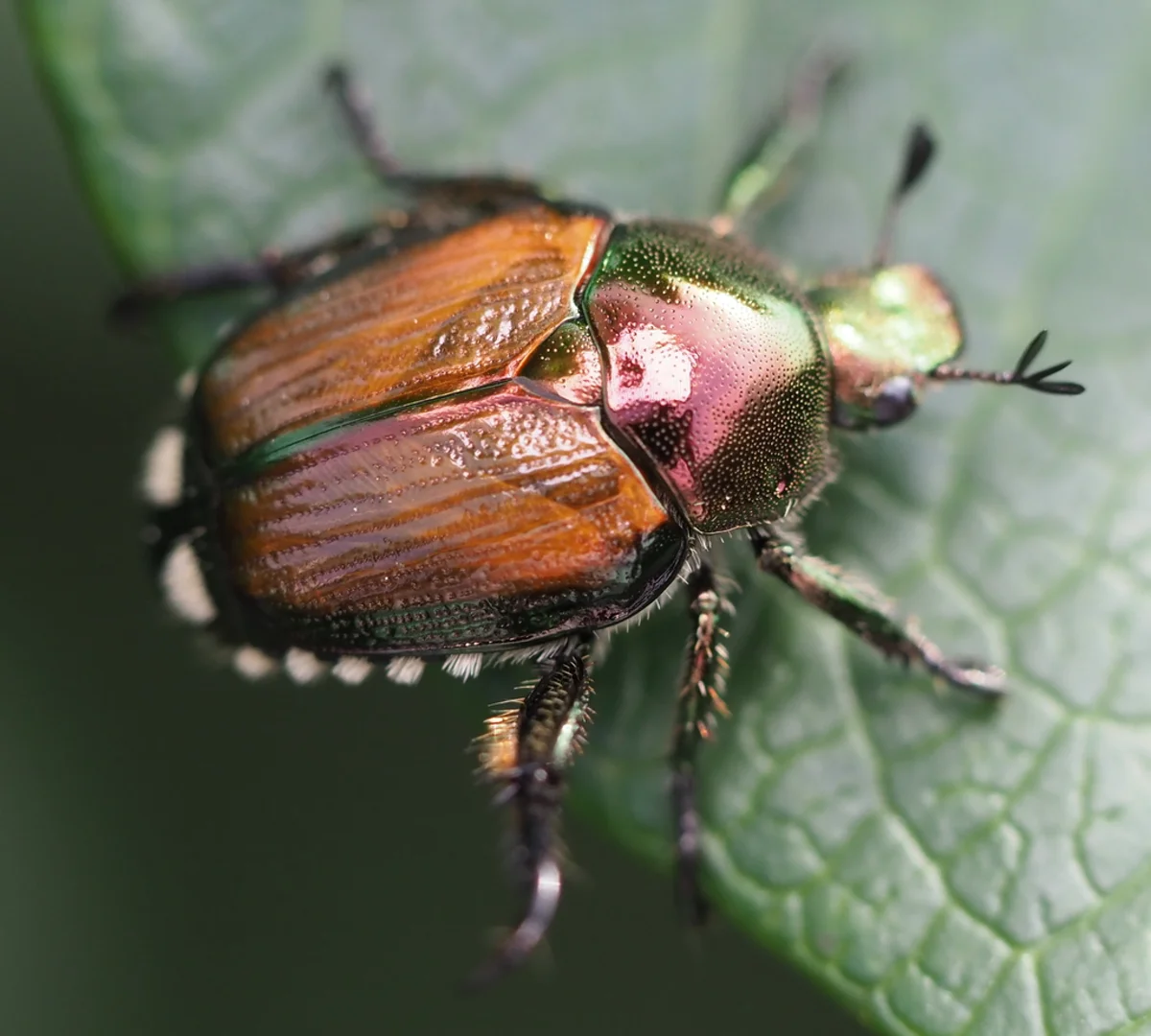
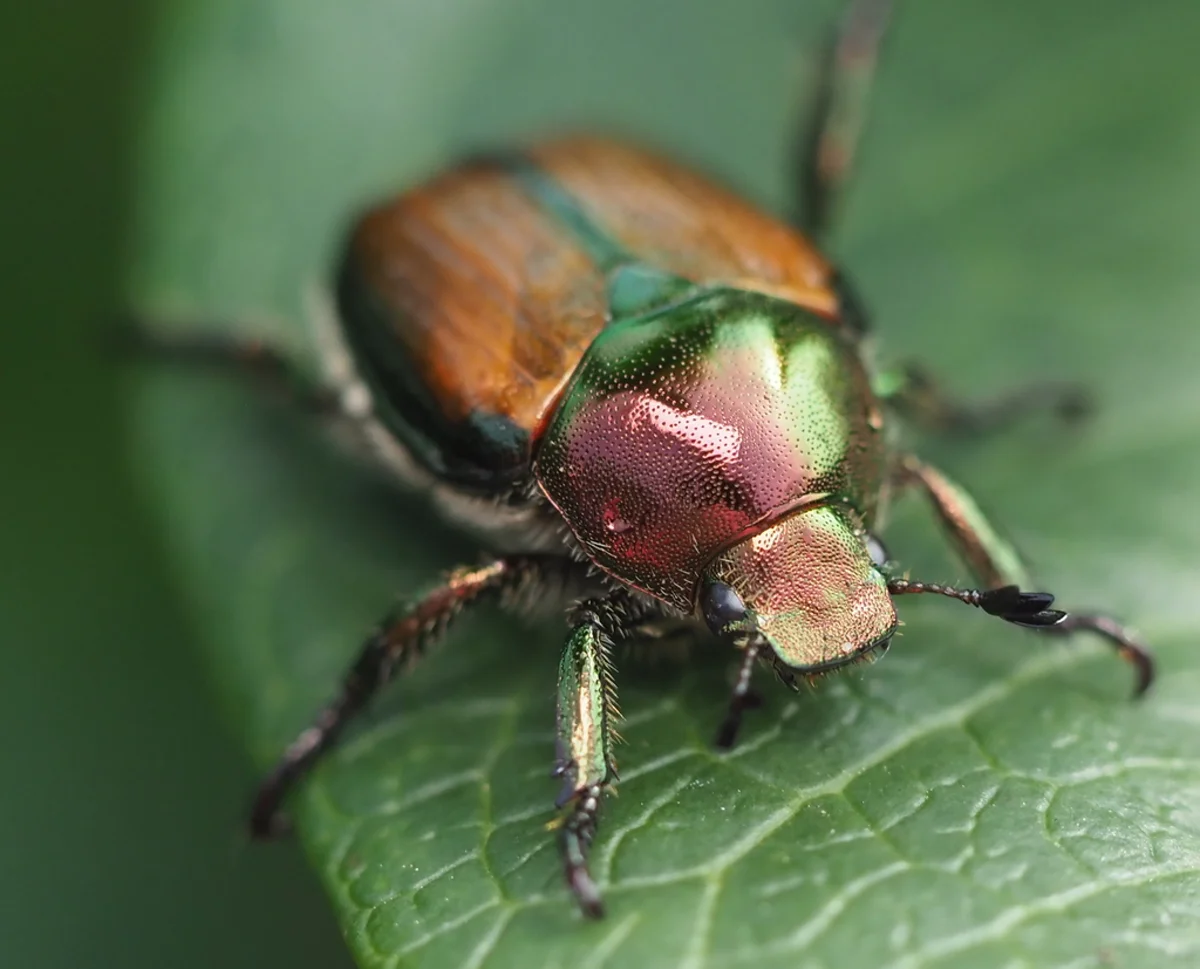

Where Japanese Beetles Are Found
Hover over states to see their names. Green regions indicate where japanese beetles have been reported.
Japanese Beetle Identification Guide
Physical Characteristics
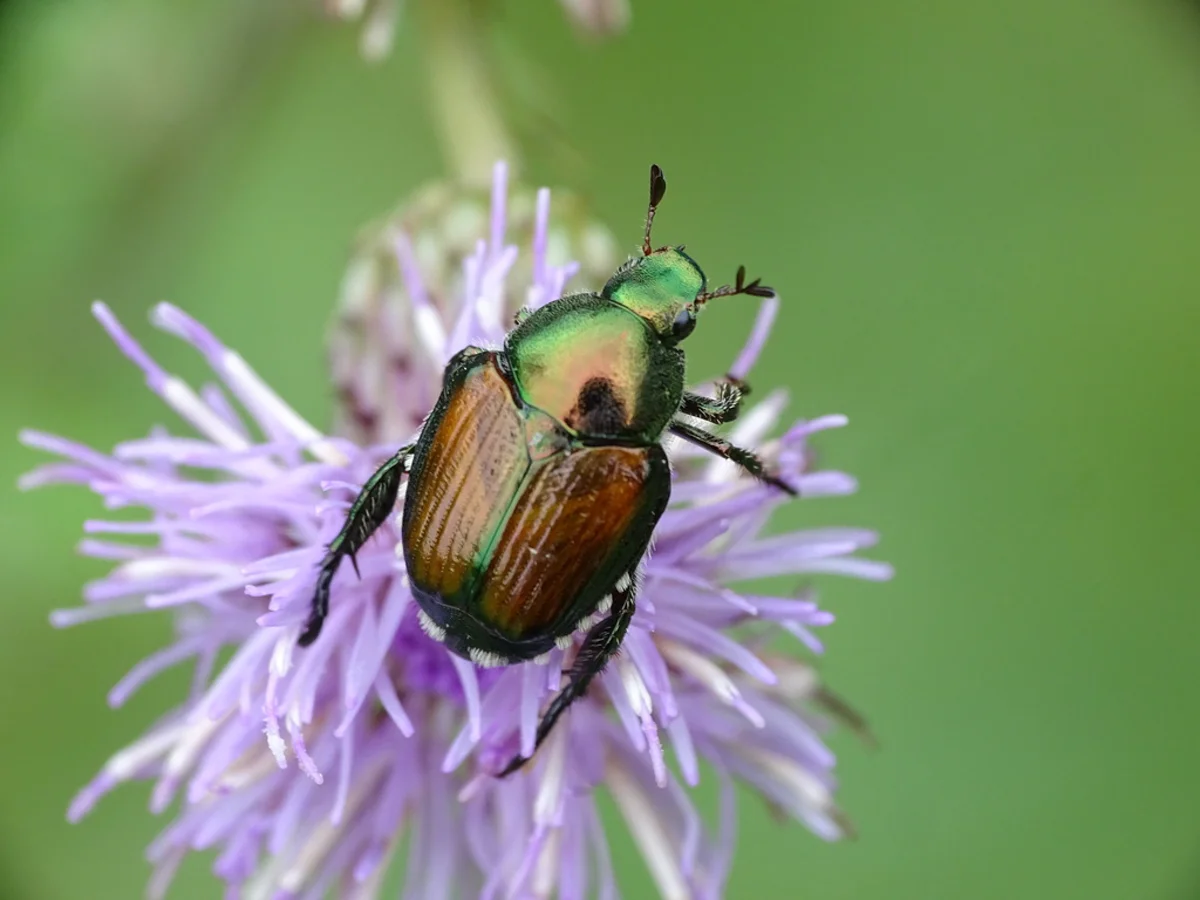
Japanese beetles (Popillia japonica) belong to the scarab beetle family. They are one of the most common insect pests in North America. Adults are 10-15mm long and about 10mm wide. They have an oval body shape.
Coloration is the Japanese beetle’s most noticeable feature. The head and thorax are a bright metallic green that looks almost emerald in sunlight. The wing covers are copper or bronze colored with a metallic shine. This green and copper color pattern makes Japanese beetles easy to spot.
White hair tufts along the sides of the abdomen help with identification. Five tufts of white hair stick out from under each side of the wing covers. Two more white patches appear at the tip of the abdomen. These tufts set Japanese beetles apart from similar species.
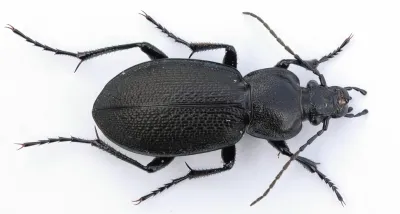
Legs are dark with a slight metallic green shine. Japanese beetles have strong legs for gripping plants while feeding. Unlike ground beetles, Japanese beetles fly well and move easily between plants.
Larvae (grubs) are C-shaped, creamy white, and grow up to 25mm long. They have a brown head and three pairs of legs near the front. The back end has a V-shaped pattern of tiny hairs called the raster. This pattern helps tell Japanese beetle grubs apart from other grub types.
Similar Species
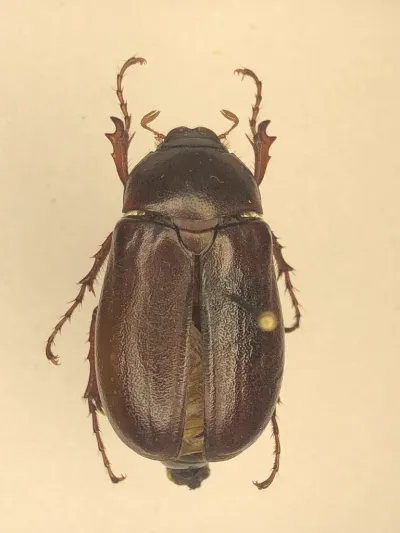
June bugs (various Phyllophaga species) are larger and uniformly brown without metallic coloring. They are nocturnal and attracted to lights, while Japanese beetles are active during the day.
Green June beetles (Cotinis nitida) are larger with velvety green coloring but lack the distinct copper wing covers. They are also much larger, reaching 20-25mm in length.
Oriental beetles (Anomala orientalis) are similar in size but have tan or straw-colored wing covers with variable dark markings. They lack the metallic green head of Japanese beetles.
Japanese Beetle Behavior and Biology
Lifecycle and Development
Japanese beetles have one generation per year in most of North America. Their lifecycle takes a full twelve months. Most of that time is spent underground as a larva.
Adult emergence begins in late June and lasts through July. Beetles push up through the soil, often in large numbers when the ground warms up. New adults climb onto nearby plants and start feeding right away.
Mating and egg-laying happen throughout the summer. Females feed for a few days, then dig 2-4 inches into moist soil to lay eggs. Each female lays 40-60 eggs over her lifetime in small clusters of 1-4 eggs. They prefer moist, well-kept lawns for laying eggs. After laying, females go back to feeding and repeat this cycle every few days.
Eggs hatch in about two weeks during mid to late summer. The tiny grubs begin eating grass roots and other matter in the soil. Grubs feed through late summer and fall. They pass through three growth stages as they get bigger.
Overwintering happens during the third larval stage. When the soil gets cold in late fall, grubs move deeper down, sometimes 4-8 inches below the surface. They stay dormant until spring, when warmer soil causes them to move back up.
Spring feeding starts again briefly before pupation. Grubs feed on roots for several weeks in spring. This feeding causes less damage than fall feeding since plants grow fast during this time. In late May or early June, grubs stop eating and form small chambers in the soil where they pupate.
Pupation lasts 8-20 days. During this time, the grub changes into an adult beetle inside its soil chamber. New adults stay in the soil for a few days before digging up to the surface.
Adult Feeding Behavior
Adult Japanese beetles eat leaves, flowers, and fruits from over 300 plant species. They prefer sunny spots and usually start feeding at the top of plants. They work their way down. On warm days, adults fly freely between plants.
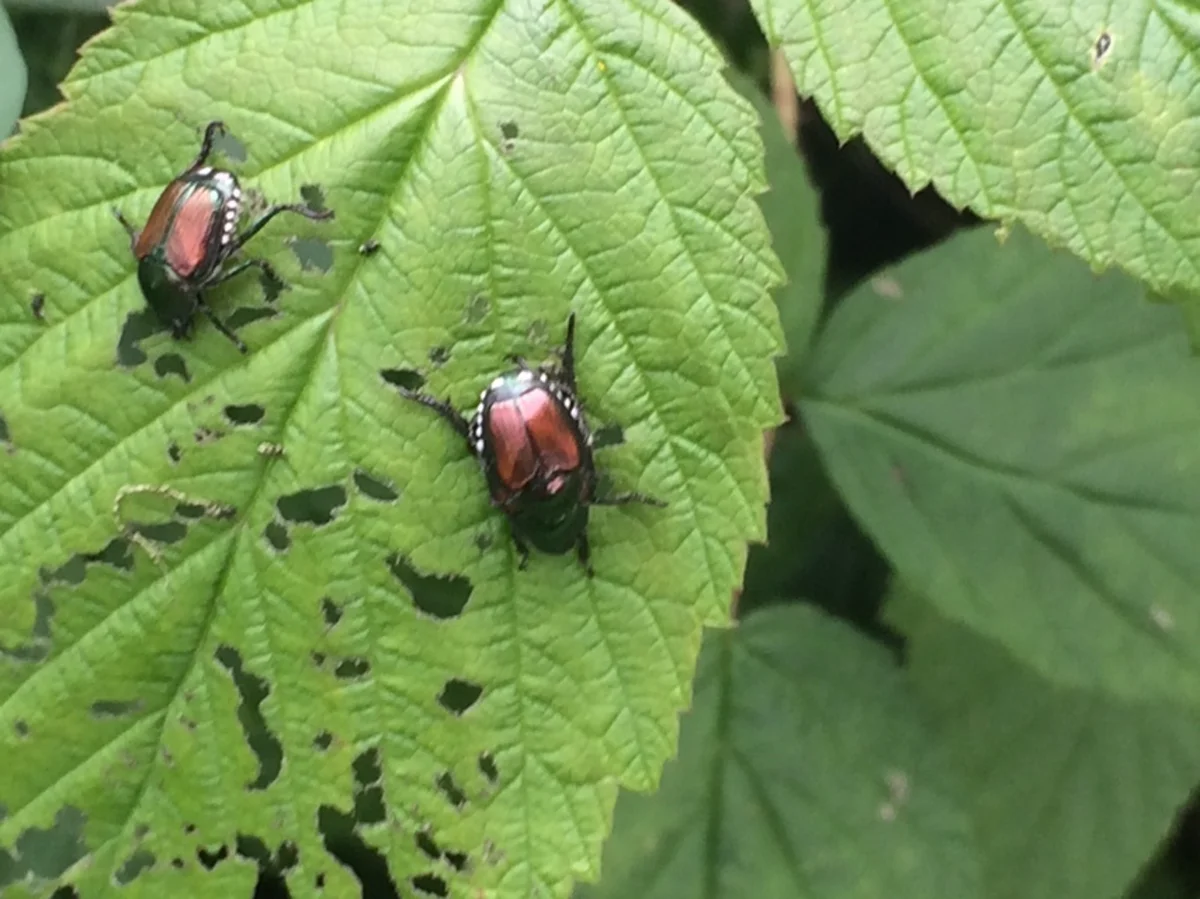
Skeletonization is the main sign of feeding damage. Beetles eat the soft tissue between leaf veins. This leaves behind a lace-like skeleton of the leaf. Badly damaged leaves turn brown and may fall off early. While Japanese beetles chew leaves, sap-feeding garden pests like aphids and spotted lanternflies weaken the same plants by draining their fluids.
Grouping behavior is common in Japanese beetles. When beetles find a good host plant, they release scent chemicals that attract more beetles. This is why you often see clusters of dozens or hundreds of beetles on plants like roses and grape vines.
Plant preferences include roses, grape vines, lindens, Japanese maples, Norway maples, birches, crabapples, pin oaks, hibiscus, hollyhocks, and many fruit trees. Some plants like dogwoods, evergreens, and most oaks are rarely attacked.
Grub Damage to Turf
Japanese beetle grubs are one of the most damaging grub types for lawns. Grubs feed on grass roots. This makes it hard for the grass to take in water and nutrients.
Damage symptoms include brown patches of dead grass that look drought-stressed even when watered. Damaged areas feel spongy when you walk on them. The turf pulls up easily like a loose carpet since the roots have been eaten away. You can often find grubs underneath.
Secondary damage happens when animals dig up lawns looking for grubs. Skunks, raccoons, moles, and crows eat white grubs. They can tear up your lawn while searching for food.
Treatment Methods for Japanese Beetles
Effective Japanese beetle control requires targeting both adult beetles and grubs since they damage different parts of your property. Combining cultural practices, biological controls, and chemical treatments gives the best results.
Cultural Control Strategies
Plant selection can reduce Japanese beetle problems. Avoiding heavily preferred plants near high-traffic areas limits visible damage. Consider planting species that Japanese beetles rarely attack, such as red maple, flowering dogwood, boxwood, or evergreens.
Irrigation management affects egg-laying success. Female beetles prefer moist soil for egg-laying. Reducing irrigation during the peak egg-laying period (July) can make lawns less attractive for egg deposition and reduce grub survival.
Maintaining lawn health helps turf tolerate moderate grub feeding. Proper fertilization, appropriate mowing height, and addressing soil compaction promote deep root growth that can withstand some root pruning by grubs. Healthy lawns can typically tolerate 7-10 grubs per square foot without significant damage.
Biological Control Options
Milky spore disease (Bacillus popilliae) is a naturally occurring bacterium that specifically targets Japanese beetle grubs. When grubs ingest the spores, the bacteria multiply in their blood and eventually kill them. Milky spore can persist in soil for decades once established, providing long-term suppression.
Parasitic nematodes (Heterorhabditis bacteriophora) are microscopic worms that attack white grubs. The nematodes enter grub bodies and release bacteria that kill the host within 24-48 hours. Nematodes need moist soil to work well and must be applied when grubs are feeding near the surface.
Bacillus thuringiensis galleriae (Btg) is a newer biological control that affects both grubs and adult beetles. Applied as a spray, Btg can reduce adult beetle feeding damage while also controlling larvae in treated turf.
Chemical Treatment Approaches
Preventive grub control products are applied in early to mid-summer before eggs hatch. These systemic insecticides are taken up by grass roots and kill young grubs as they begin feeding. Timing is critical, as these products must be in place when eggs hatch.
Curative grub treatments target larger grubs in late summer to early fall. These contact insecticides work faster than preventive products but are less effective against mature grubs. Applications should occur when grubs are small and actively feeding near the soil surface.
Adult beetle treatments use contact insecticides sprayed on ornamental plants when beetles are most active. These products often need repeat applications since beetles keep emerging over several weeks. Systemic insecticides applied to soil can protect plants for a longer time.
When Professional Help Is Needed
Japanese beetle management often benefits from professional assessment and treatment:
- When ornamental plants suffer extensive defoliation year after year
- When grub populations consistently damage large lawn areas
- When proper timing for biological or chemical controls is uncertain
- When identifying the specific grub species is necessary for targeted treatment
Professionals can determine whether treatment thresholds have been reached and recommend the most effective approach based on the specific situation and time of year. For more help telling Japanese beetles apart from similar species, see our guide on June bug vs Japanese beetle differences. You can also learn about the beetle larva stage for identification tips on grubs and other beetle larvae found in Virginia landscapes.
References and Further Reading
- University of Minnesota Extension - Japanese Beetles in Yards and Gardens
- Michigan State University Extension - Japanese Beetle Tips for Your Lawn
- USDA APHIS - Japanese Beetle Program
- University of Florida Entomology - Japanese Beetle
- University of Missouri - Organic Management Options for Japanese Beetle
- Center for Invasive Species Research - Japanese Beetle
Other Other Pests
Explore other species in the other pests family
Commonly Confused With
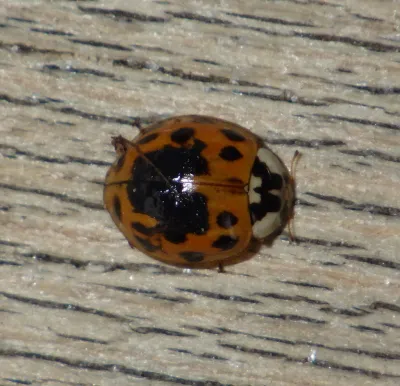
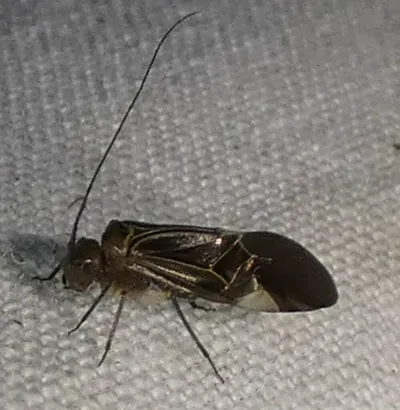
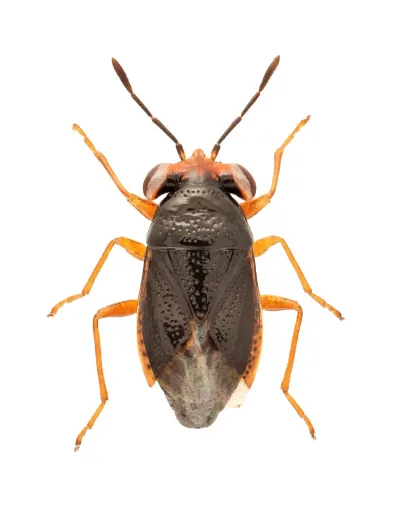
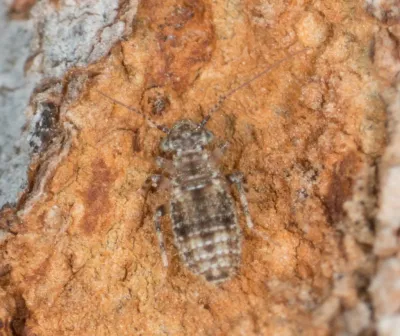
Japanese Beetles are often mistaken for these similar pests
Where Japanese Beetles Are Found
Hover over states to see their names. Green regions indicate where japanese beetles have been reported.
Common Questions about Japanese Beetles
What do Japanese beetles look like?
+
Japanese beetles are about 10-15mm long with a distinctive metallic green head and thorax and copper-brown wing covers. They have six white tufts of hair along each side of their abdomen, which helps distinguish them from similar beetles. Their bodies have an oval shape typical of scarab beetles.
When are Japanese beetles most active?
+
Adult Japanese beetles emerge from the ground in late June and are most active through July and August. Peak feeding and mating occur during warm, sunny days. Adults typically live 4-6 weeks, and populations decline significantly by September.
What plants do Japanese beetles eat?
+
Japanese beetles feed on over 300 plant species. Their favorites include roses, grapes, lindens, Japanese maples, birches, hibiscus, and fruit trees like apple and cherry. They eat both flowers and foliage, leaving behind a lace-like skeleton of leaf veins.
Do Japanese beetles damage lawns?
+
Yes, Japanese beetle larvae (grubs) feed on grass roots underground from late summer through spring. Heavy infestations cause brown patches of dead turf that pulls up easily because the roots have been eaten away. Grubs also attract animals like skunks and moles that dig up lawns to feed on them.
Where did Japanese beetles come from?
+
Japanese beetles are native to Japan. They were accidentally introduced to New Jersey around 1916, likely in a shipment of iris bulbs before plant inspections began. Since then, they have spread across most of the eastern United States and have become a major pest of lawns and ornamental plants.
Are Japanese beetle traps effective?
+
Japanese beetle traps attract beetles using pheromones and floral scents, but research shows they often attract more beetles to an area than they catch. This can increase damage to nearby plants. Traps are useful for monitoring when beetles first emerge but are not recommended for control.
What are the white grubs in my lawn?
+
White grubs are the larval stage of various scarab beetles, including Japanese beetles. Japanese beetle grubs are C-shaped, creamy white with a brown head, and have three pairs of legs. They can be identified by the V-shaped pattern of hairs on their rear end, called the raster pattern.
How do I know if I have a Japanese beetle problem?
+
Signs of Japanese beetle infestation include skeletonized leaves on ornamental plants and roses, clusters of metallic beetles on plants during summer, and brown patches of dead grass in late summer or fall. Pull up on damaged turf to check for white grubs in the root zone.

With five years of hands-on experience in the pest control industry, George Schulz is a registered technician with the Virginia Pest Management Association and a proud third-generation professional in a family business that's been protecting homes for over 57 years. He manages and trains a team of service pros while also leading internal research efforts—recently spearheading a deep-dive review of thousands of documents on pest control materials to hand-pick the most kid and pet friendly, most effective solutions tailored specifically for homes in the DC metro area.