Ground Beetles Identification Guide
Carabidae
Ground beetles are predatory insects that often enter homes by accident. These large, fast-moving beetles startle homeowners and can become a nuisance when they invade in numbers.
Taxonomy
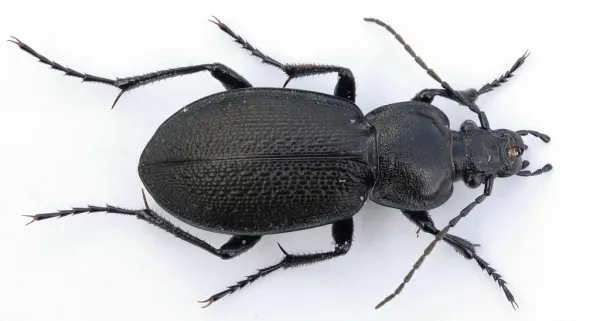
Ground Beetles Coloration
Common color patterns to help identify ground beetles
Ground Beetles
Seasonal Activity
When ground beetles are most active throughout the year
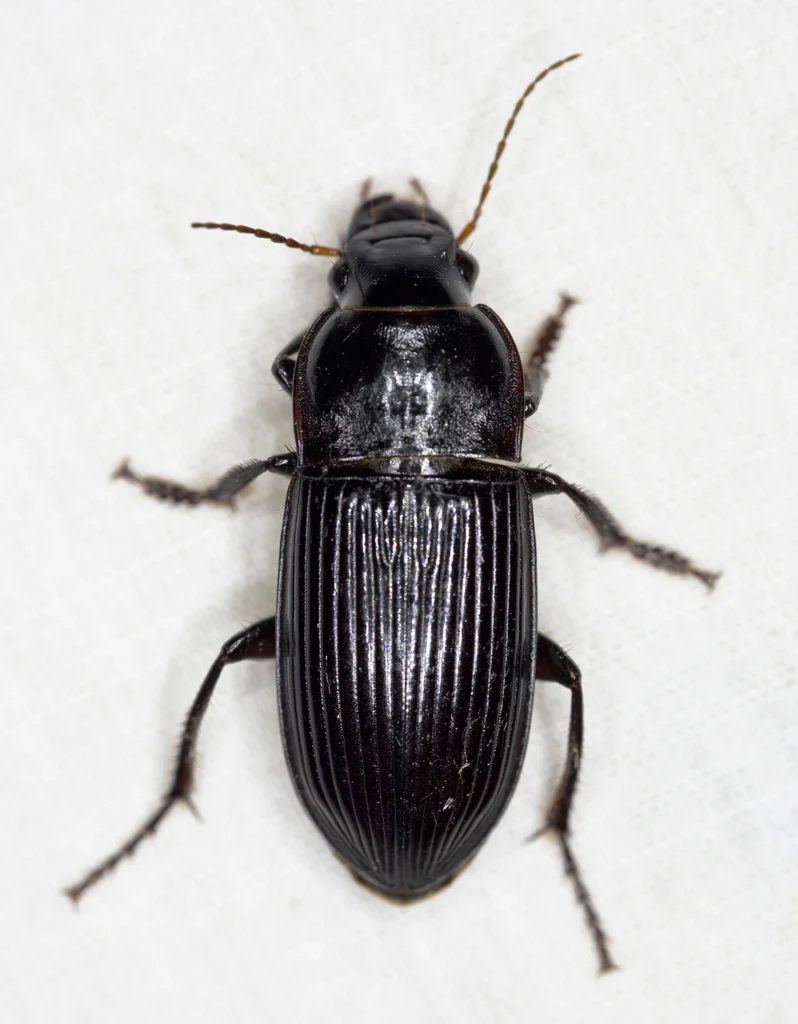
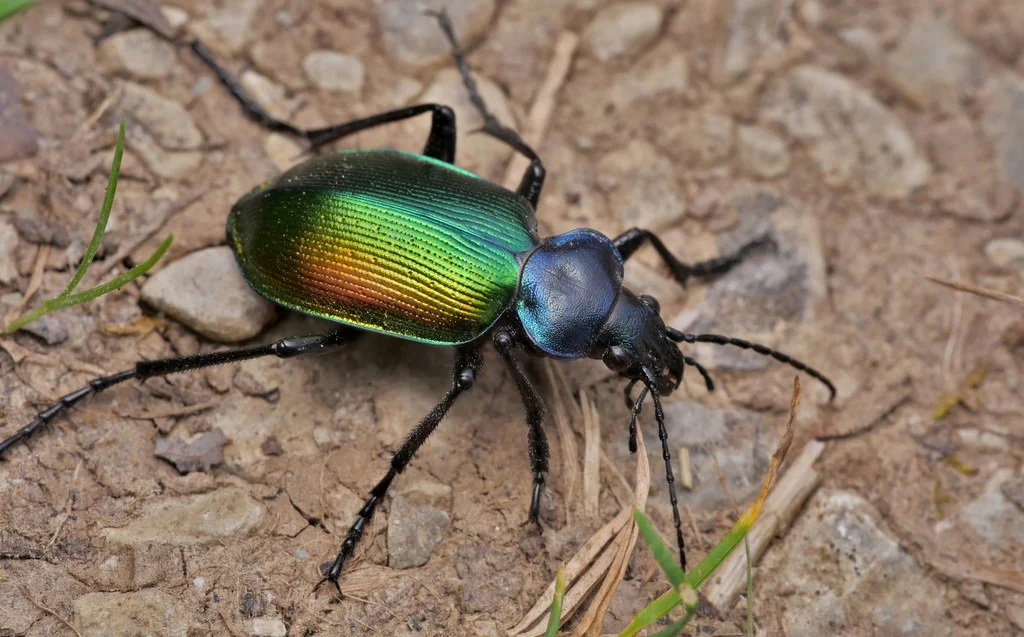
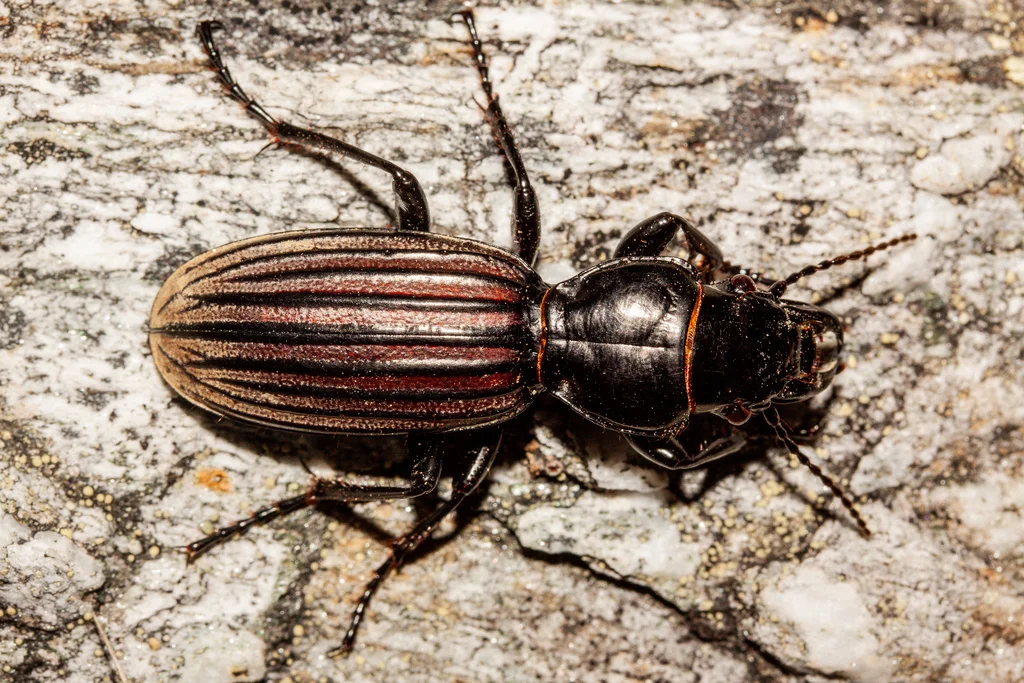

Where Ground Beetles Are Found
Hover over states to see their names. Green regions indicate where ground beetles have been reported.
Ground Beetle Identification Guide
Physical Characteristics
Ground beetles belong to the family Carabidae, one of the largest beetle families with over 40,000 species worldwide and more than 2,000 species in North America. These beetles vary greatly in size, ranging from 3mm to 35mm in length, depending on the species.
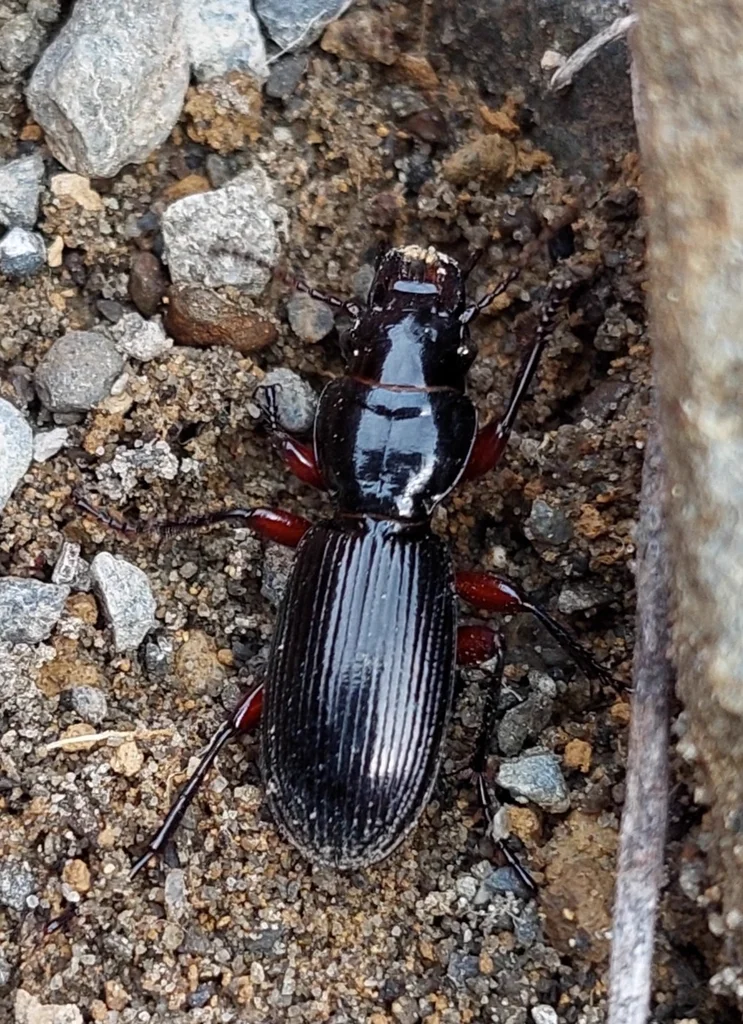
Body shape is elongated and somewhat flattened. Ground beetles have a distinct head, thorax, and abdomen. Their heads are narrower than the thorax and feature powerful mandibles designed for capturing and crushing prey. The thorax, called the pronotum, is shield-shaped and often slightly wider than the head.
Coloration in most species is dark black or brown, though some species display striking metallic colors. The caterpillar hunter (Calosoma scrutator), for example, has brilliant green and gold iridescent wing covers. Most pest species homeowners encounter are solid black or dark brown.
Wing covers (elytra) typically have lengthwise ridges or grooves that create a striped appearance. These hardened covers protect the membranous flight wings underneath. In many ground beetle species, the flight wings are reduced or absent since these beetles rely on running rather than flying.
Legs are long and built for running. Ground beetles are remarkably fast and will scurry quickly when disturbed. Their legs are spiny, which helps them grip surfaces and capture prey.
Common Species in North America
Common Black Ground Beetle (Pterostichus melanarius) is the species homeowners most often encounter indoors. Adults are 12-18mm long, shiny black, and have ridged wing covers. Originally from Europe, this species is now common across North America.
Caterpillar Hunter (Calosoma scrutator) is a large, brilliantly colored species reaching 25-35mm. Its metallic green wing covers and blue-black head make it distinctive. These beetles are highly beneficial, consuming large numbers of caterpillars including tent caterpillars and gypsy moth larvae.
Pennsylvania Ground Beetle (Harpalus pensylvanicus) is medium-sized at 11-16mm and dark brown to black. This species is particularly common around homes and gardens in the eastern United States. Unlike most ground beetles, adults also feed on seeds.
Fiery Searcher (Calosoma calidum) grows 21-36mm and is one of North America’s most beautiful beetles. Its black wing covers have rows of metallic gold or copper pits. Like its relative the caterpillar hunter, this species climbs trees to hunt caterpillars.
Bombardier Beetles (Brachinus species) are small ground beetles famous for their chemical defense mechanism. When threatened, they spray a boiling hot, noxious chemical from their abdomen with an audible pop. These beetles are 5-15mm and brownish with darker wing covers.
Ground Beetle Behavior and Biology
Habitat and Movement Patterns
Ground beetles are nocturnal predators that hide during the day under rocks, logs, leaf litter, boards, and mulch. At night, they emerge to hunt for prey on the soil surface. Gardens, lawns, agricultural fields, and wooded areas all support healthy ground beetle populations.
Seasonal movement brings ground beetles into contact with homes. In spring and early summer, adults become active and may wander into structures while hunting. During hot, dry weather, beetles seek moisture and cooler temperatures, sometimes ending up in basements and garages. In fall, they look for protected overwintering sites and may enter homes through foundation cracks.
Light attraction is a common reason ground beetles appear on porches and near doorways. While not as strongly attracted to lights as some insects, they will investigate lit areas where prey insects gather.
Diet and Predatory Behavior
Ground beetles are generalist predators that eat almost anything they can catch and overpower:
- Slugs and snails
- Caterpillars, including cutworms and armyworms
- Aphids and other soft-bodied insects
- Grubs and soil-dwelling larvae
- Fly maggots
- Other beetles
- Weed seeds (some species)
Their powerful mandibles allow them to crush the shells of snails and hard-bodied insects. Some species specialize in particular prey. Caterpillar hunters, as their name suggests, focus on caterpillars and are valued for controlling pest species in forests and orchards.
A single ground beetle can consume more than its body weight in prey each day. Populations in agricultural fields provide significant natural pest control, reducing the need for insecticides.
Reproduction and Lifecycle
Female ground beetles lay eggs in soil or under debris during spring and early summer. Eggs hatch in about one week, and the larvae immediately begin hunting.
Larvae are elongated, somewhat flattened, and have prominent mandibles like adults. They live in soil and leaf litter, hunting small insects and invertebrates. Larvae go through three instars before pupating. The pupal stage occurs in a small chamber in the soil and lasts about two weeks.
Development time from egg to adult ranges from one to two years depending on species and environmental conditions. Most ground beetles complete one generation per year in temperate climates.
Overwintering occurs in the adult stage. Beetles seek protected locations in fall and remain dormant through winter. In warmer regions, adults may remain active year-round.
Signs of Ground Beetles
Indoor Sightings
Ground beetles found indoors are usually lone individuals that wandered in by accident. Unlike cockroaches, they do not establish indoor populations or breed inside homes. Signs include:
- Finding one or a few large black beetles in basements, garages, or ground-floor rooms
- Beetles appearing near exterior doors or windows at night
- Dead beetles on windowsills or in corners
- Beetles running rapidly when lights are turned on
Outdoor Indicators
Healthy ground beetle populations around your home indicate a balanced ecosystem. You may notice:
- Beetles scurrying away when you lift rocks, boards, or mulch
- Activity around compost piles or garden beds at night
- Beetles near outdoor lights during warm evenings
How We Treat for Ground Beetles
Ground beetles are beneficial insects, and extensive treatment is rarely warranted. Our approach focuses on exclusion and habitat modification rather than elimination.
Inspection and Assessment
Our technicians conduct a thorough inspection to:
- Identify entry points around doors, windows, and foundations
- Assess outdoor lighting that may attract beetles
- Check landscaping and mulch beds near the structure
- Determine what is drawing beetles to the home
We verify that the insects are indeed ground beetles and not a pest species requiring different treatment.
Exclusion and Prevention
Sealing entry points is the most effective long-term solution. We identify and seal gaps under doors, cracks in foundations, and openings around utility penetrations. Door sweeps and weather stripping prevent beetles from entering.
Exterior treatments may include a perimeter barrier application around the foundation to deter entry. This creates a protective zone that reduces the number of beetles reaching the structure.
Habitat modification recommendations help reduce ground beetle populations near the home. Moving mulch and debris away from foundations, reducing outdoor lighting, and keeping vegetation trimmed can discourage beetle activity near entry points.
Customer Guidance
Since ground beetles are beneficial, we help homeowners understand:
- These beetles do not damage homes or belongings
- They cannot reproduce or establish populations indoors
- Releasing captured beetles outdoors is the most appropriate response
- Reducing outdoor lights at night minimizes attraction
- Sealing entry points provides permanent protection
Ground beetles that find their way inside will die within days without food and moisture. Vacuuming and releasing them outdoors is humane and effective.
References and Further Reading
Other Other Pests
Explore other species in the other pests family
Commonly Confused With
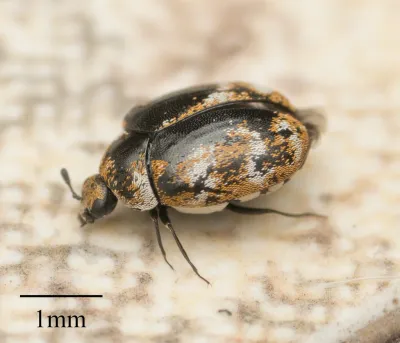
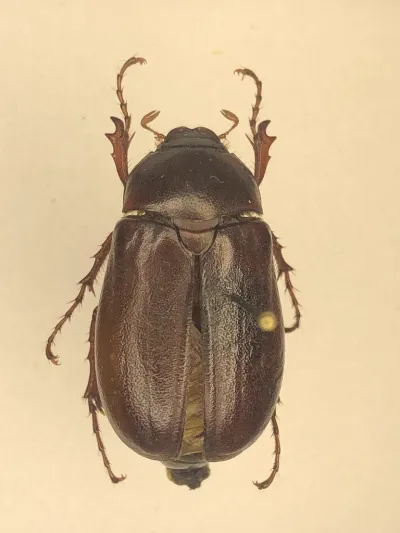
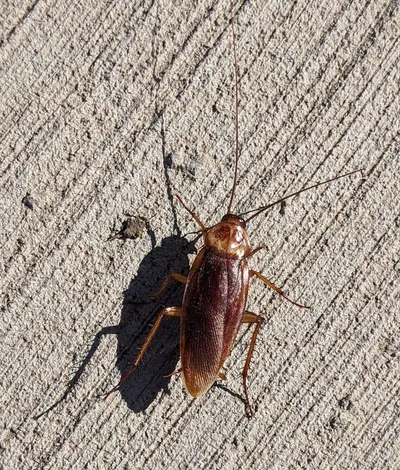
Ground Beetles are often mistaken for these similar pests
Where Ground Beetles Are Found
Hover over states to see their names. Green regions indicate where ground beetles have been reported.
Common Questions about Ground Beetles
Are ground beetles harmful to humans?
+
Ground beetles are not harmful to humans. They do not bite, sting, or spread disease. Some species can release a bad-smelling liquid when scared, but this is not dangerous. They eat other insects like slugs, snails, and caterpillars.
Why are ground beetles in my house?
+
Ground beetles enter homes accidentally while searching for food or shelter. They are attracted to lights at night and may come inside through gaps under doors, cracks in foundations, or open windows. They often move indoors during hot, dry weather or when seeking winter shelter in the fall.
What do ground beetles eat?
+
Ground beetles are predators that eat soft-bodied insects. Their diet includes caterpillars, slugs, snails, aphids, grubs, and other small insects. Some species also eat weed seeds.
How do I get rid of ground beetles in my house?
+
To remove ground beetles from your home, seal entry points around doors and windows, reduce outdoor lighting that attracts them, and remove debris near your foundation. Inside, vacuum up any beetles you find and release them outdoors. They cannot survive or reproduce indoors and will die naturally if they cannot find their way out.
Do ground beetles fly?
+
Most ground beetles have wings but cannot fly or rarely fly. They are primarily ground-dwelling insects that run quickly when disturbed. A few species can fly short distances, but flight is uncommon in this beetle family. Their hind wings are often reduced or absent.
How long do ground beetles live?
+
Adult ground beetles typically live 2 to 4 years, which is unusually long for insects. They overwinter as adults, hiding under logs, rocks, leaf litter, or mulch. Some species may produce one generation per year, while others take two years to complete their lifecycle.
Are ground beetles the same as black beetles?
+
Ground beetles are sometimes called black beetles because many species are black or dark brown. However, ground beetles are a specific family (Carabidae) with over 40,000 species worldwide. Not all dark beetles are ground beetles. True ground beetles have long legs, prominent mandibles, and ridged wing covers.

With five years of hands-on experience in the pest control industry, George Schulz is a registered technician with the Virginia Pest Management Association and a proud third-generation professional in a family business that's been protecting homes for over 57 years. He manages and trains a team of service pros while also leading internal research efforts—recently spearheading a deep-dive review of thousands of documents on pest control materials to hand-pick the most kid and pet friendly, most effective solutions tailored specifically for homes in the DC metro area.