Flat Bugs Identification Guide
Aradidae
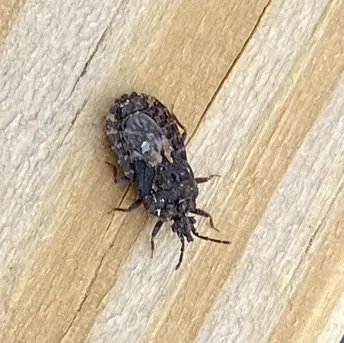
Flat bugs are small, dark-colored true bugs with extremely flattened bodies found under loose bark and in decaying wood, where they feed on fungi.
Taxonomy
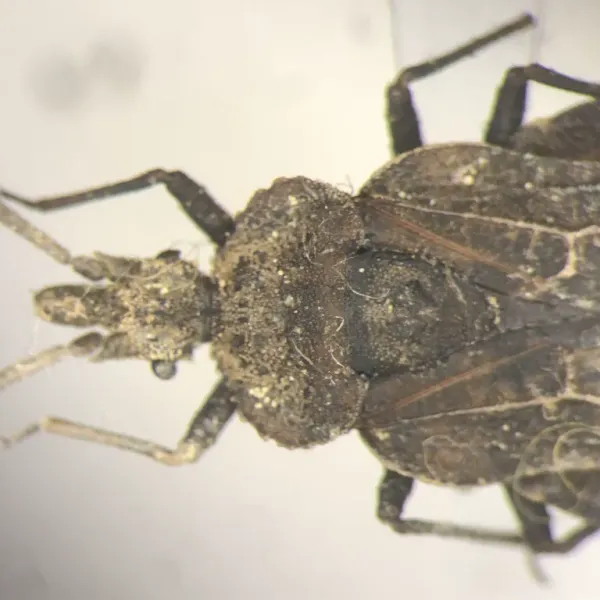
Flat Bugs Coloration
Common color patterns to help identify flat bugs
Flat Bugs
Seasonal Activity
When flat bugs are most active throughout the year

Where Flat Bugs Are Found
Hover over states to see their names. Green regions indicate where flat bugs have been reported.
Flat Bug Identification Guide
Physical Characteristics
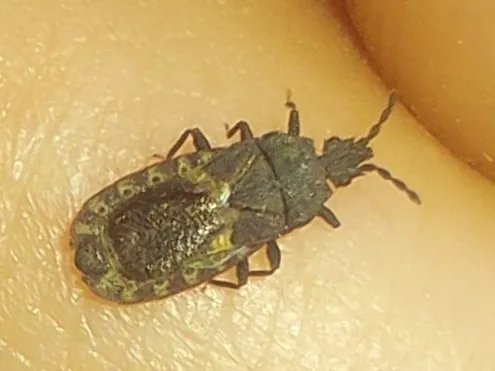
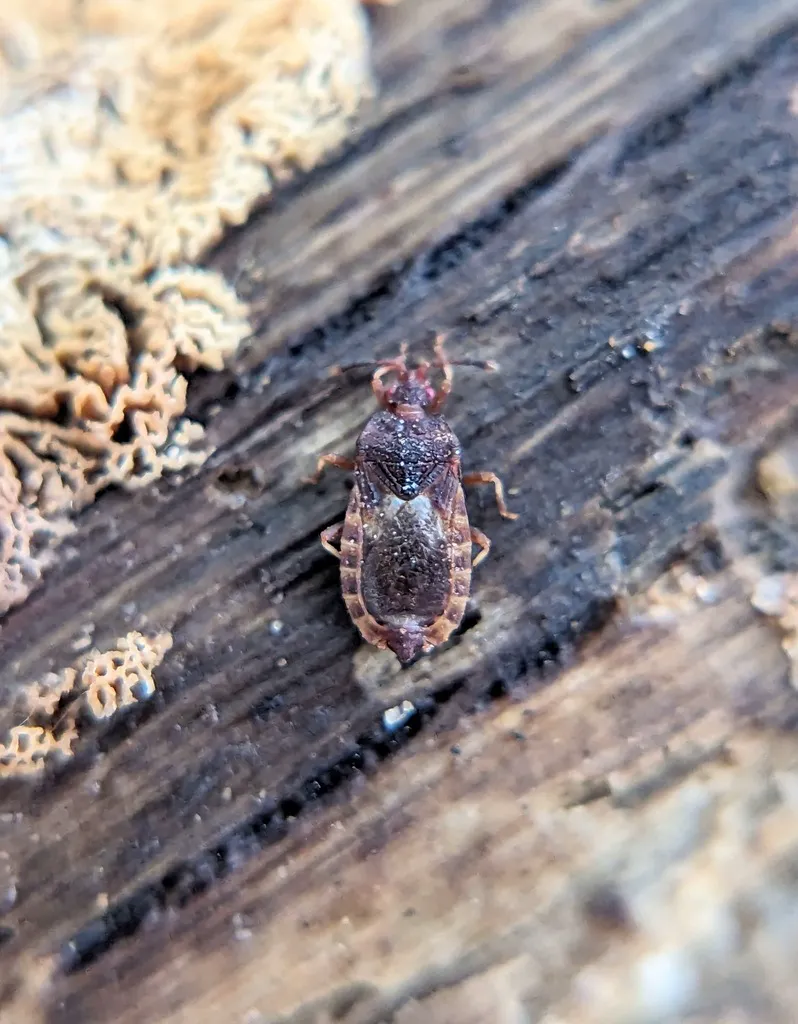
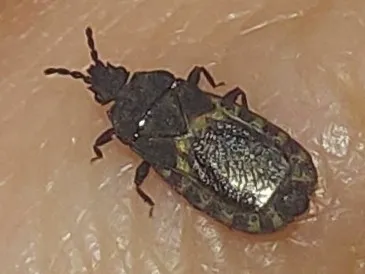
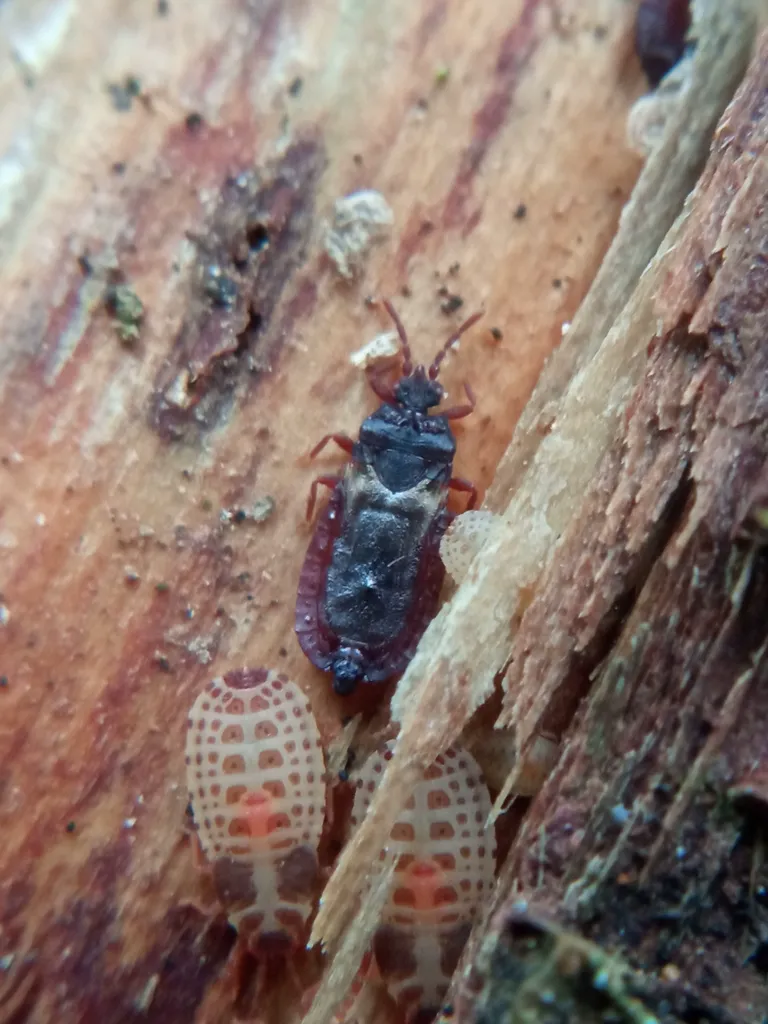
Flat bugs are small, dark insects that measure 3 to 11 millimeters long. Their most notable feature is a very flattened body. This shape lets them squeeze into tight spaces under bark and in cracks of rotting wood. From the side, they look paper-thin.
The top of the body is rough and bumpy. Small pits and raised spots cover the surface. This texture helps them blend in with tree bark. Their colors range from brown and dark brown to reddish-brown and black, which adds to their camouflage.
One easy way to spot a flat bug is to look at the abdomen. The edges stick out past the wings, forming a shelf-like outline. Their antennae have four segments. They also lack the small simple eyes that many other true bugs have on top of their heads. The mouthparts are built for piercing and sucking. When not in use, they fold beneath the head.
Many flat bug species have small or missing wings. Even those with full-sized forewings are usually poor fliers or cannot fly at all.
Common Species
About 130 species of flat bugs live in the United States and Canada. Here are some of the groups you are most likely to find:
- Aradus spp.: The largest group in North America, found under bark of both hardwoods and conifers
- Mezira spp.: Common in the eastern United States, often found under bark of dead oaks and other hardwoods
- Aneurus spp.: Small, very flat species often found in rotting logs and stumps
- Aradus lugubris: Found across much of Canada and the northern United States, tied to conifer bark
Flat Bug Behavior and Biology
Habitat and Diet
Flat bugs spend their lives around dead and rotting wood. They live under loose bark, inside fallen logs, in old stumps, and on fungal growths like bracket fungi and shelf mushrooms. Their flat bodies let them slide into the narrow gaps between bark and wood with ease.
Unlike many insects that eat wood or plants, flat bugs feed only on fungi. They use their piercing mouthparts to puncture fungal threads and spores, then suck out the contents. Since they depend on fungi for food, they stick to places where wood-decay fungi grow well. You will find them in moist forests, woodlots, and areas with piles of dead wood.
Many species live in groups. You can often find clusters of them under the same piece of bark. They tend to prefer wood in the middle stages of decay, where fungi have had time to take hold.
Reproduction and Lifecycle
Flat bugs grow from young to adult without a cocoon or pupal stage. Females lay eggs in bark crevices or inside the tunnels of rotting wood. The eggs hatch into nymphs that look like small adults but without full wings.
Nymphs go through several growth stages before they reach adult size. Like adults, nymphs are flat and live in the same bark and wood habitats. They start eating fungi right after they hatch. The full cycle from egg to adult takes several weeks in warm weather.
In cooler climates, flat bugs spend the winter as adults tucked beneath bark or inside wood crevices. They become active again in spring when temperatures rise and fungi start growing. You are most likely to see them from May through September, when fungal growth and moisture levels peak.
Treatment Methods for Flat Bugs
Flat bugs are not structural pests. They rarely need active control. They do not damage solid wood, bite people, or breed indoors. When they show up inside a home, it is almost always because they rode in on firewood or slipped through a gap from a nearby outdoor source.
Prevention and Exclusion
The best way to keep flat bugs out of your home is to remove their habitat near the building:
- Move firewood away from the house: Store firewood at least 20 feet from the building and off the ground on a rack. Check the wood before bringing it inside.
- Remove rotting wood: Clear dead stumps, fallen branches, and old logs from near the foundation.
- Reduce moisture: Fix leaky faucets, improve drainage, and make sure gutters direct water away from the foundation. Less moisture means less fungal growth, and less food for flat bugs.
- Seal entry points: Caulk cracks around windows, doors, and foundation openings. Install or repair door sweeps and window screens.
When Found Indoors
If flat bugs turn up inside, just vacuum them up or pick them up by hand. They cannot build a population indoors because they have no fungal food source. Taking care of the outdoor source (usually nearby rotting wood) will stop more from getting in.
Chemical treatments are almost never needed for flat bugs. Removing habitat and sealing entry points work much better over the long term.
References
Other Other Pests
Explore other species in the other pests family
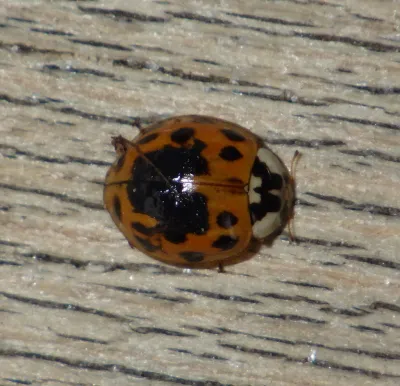
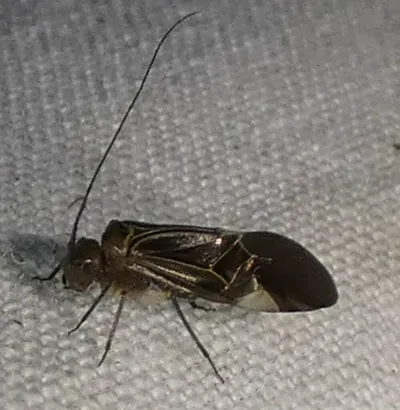
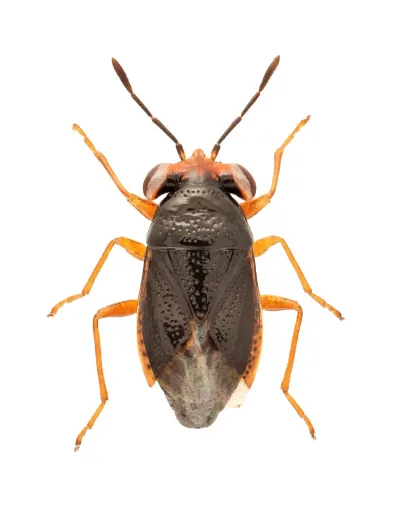
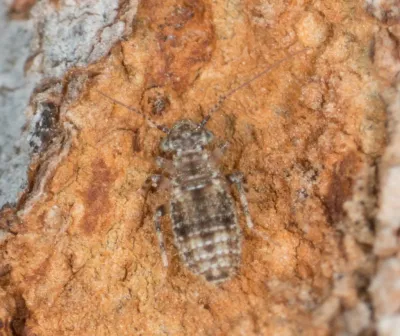
Commonly Confused With
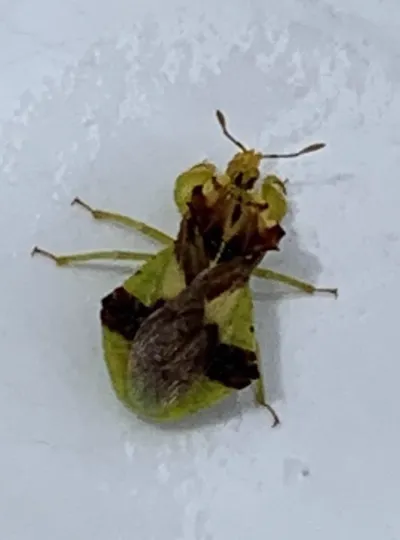
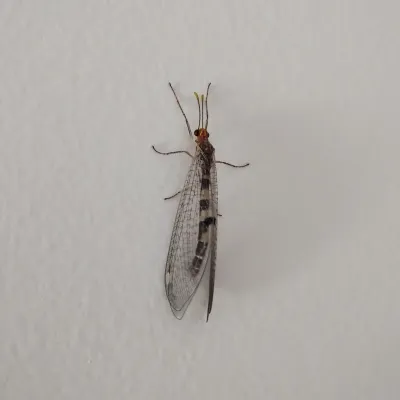
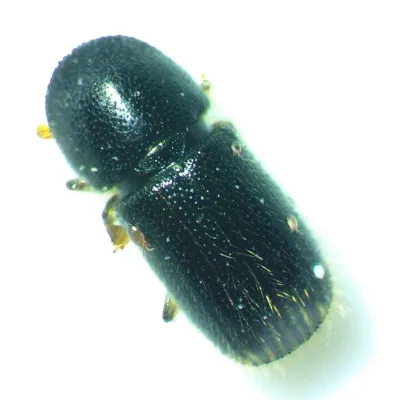
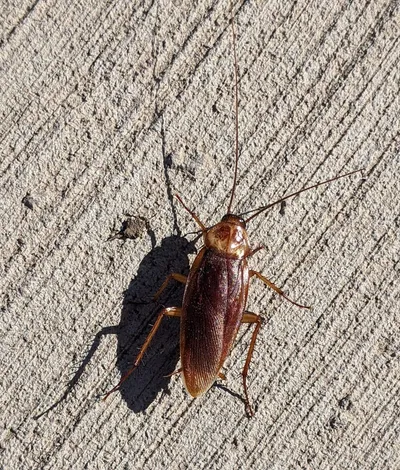
Flat Bugs are often mistaken for these similar pests
Where Flat Bugs Are Found
Hover over states to see their names. Green regions indicate where flat bugs have been reported.
Common Questions about Flat Bugs
Are flat bugs harmful to humans?
+
No, flat bugs are not harmful to humans. They do not bite, sting, or transmit diseases. They feed exclusively on fungi and pose no health risk to people or pets.
Do flat bugs damage homes or wood structures?
+
Flat bugs do not damage sound wood or building materials. They feed on fungal growth in already-decaying wood, so they are not wood-borers and do not cause structural damage.
Why are flat bugs in my house?
+
Flat bugs occasionally wander indoors from nearby firewood piles, dead trees, or decaying wood. They cannot survive or reproduce inside homes since they need fungal food sources found in rotting wood.
How do I tell flat bugs apart from bed bugs?
+
Flat bugs are found under bark and in rotting wood, not in bedding. They are brown to black with a rough, bumpy surface. Bed bugs are reddish-brown and smooth. Flat bugs also have longer antennae and wide abdominal edges that stick out past their wings.
What do flat bugs eat?
+
Flat bugs feed only on fungi. They use needle-like mouthparts to pierce fungal threads, spores, and mushroom-like growths found in and on rotting wood.
Can flat bugs fly?
+
Most flat bug species cannot fly. While some species technically have wings, the wings are often reduced or absent. Even species with fully developed wings are rarely seen in flight.
How do I get rid of flat bugs?
+
Remove decaying wood, old stumps, and firewood piles from around your home. Seal cracks and gaps in your foundation and exterior walls. Reduce moisture around your home's perimeter to discourage fungal growth that attracts them.

With five years of hands-on experience in the pest control industry, George Schulz is a registered technician with the Virginia Pest Management Association and a proud third-generation professional in a family business that's been protecting homes for over 57 years. He manages and trains a team of service pros while also leading internal research efforts—recently spearheading a deep-dive review of thousands of documents on pest control materials to hand-pick the most kid and pet friendly, most effective solutions tailored specifically for homes in the DC metro area.