Click Beetles Identification Guide
Elateridae
Click beetles are distinctive insects known for their unique ability to flip themselves into the air with an audible clicking sound. While adults are harmless visitors to homes, their larvae (wireworms) can damage lawns and gardens.
Taxonomy
Click Beetles Coloration
Common color patterns to help identify click beetles
Click Beetles
Seasonal Activity
When click beetles are most active throughout the year

Where Click Beetles Are Found
Hover over states to see their names. Green regions indicate where click beetles have been reported.
Click Beetle Identification Guide
Physical Characteristics
Click beetles belong to the family Elateridae. This is one of the largest beetle families, with about 10,000 species worldwide and over 900 species in North America. These beetles are easy to spot because of their ability to “click” and flip into the air when turned over.
Body shape is long and somewhat flat, with a sleek look. Click beetles have parallel sides and are pointed or rounded at both ends. Their heads are small and often hidden by the pronotum, which is the shield-like structure behind the head. Body length ranges from 6mm to 45mm depending on the species. Most common species measure 12-25mm.
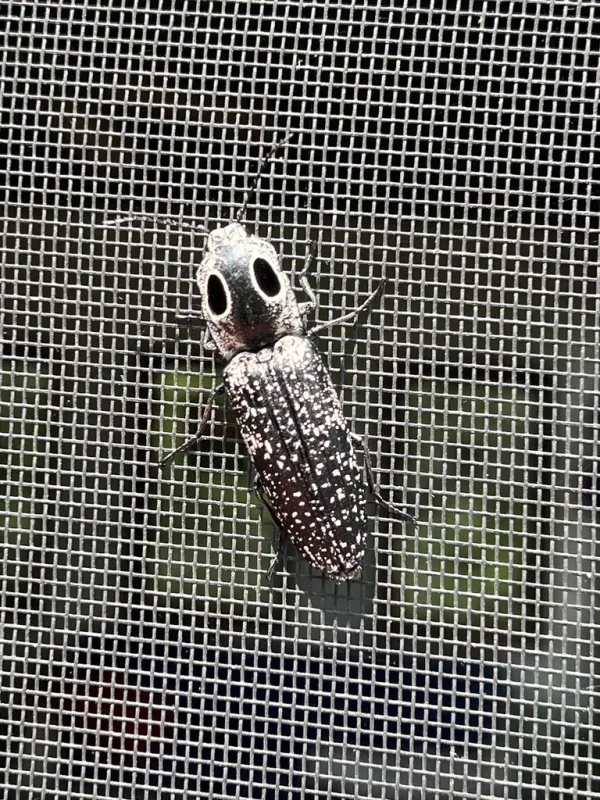
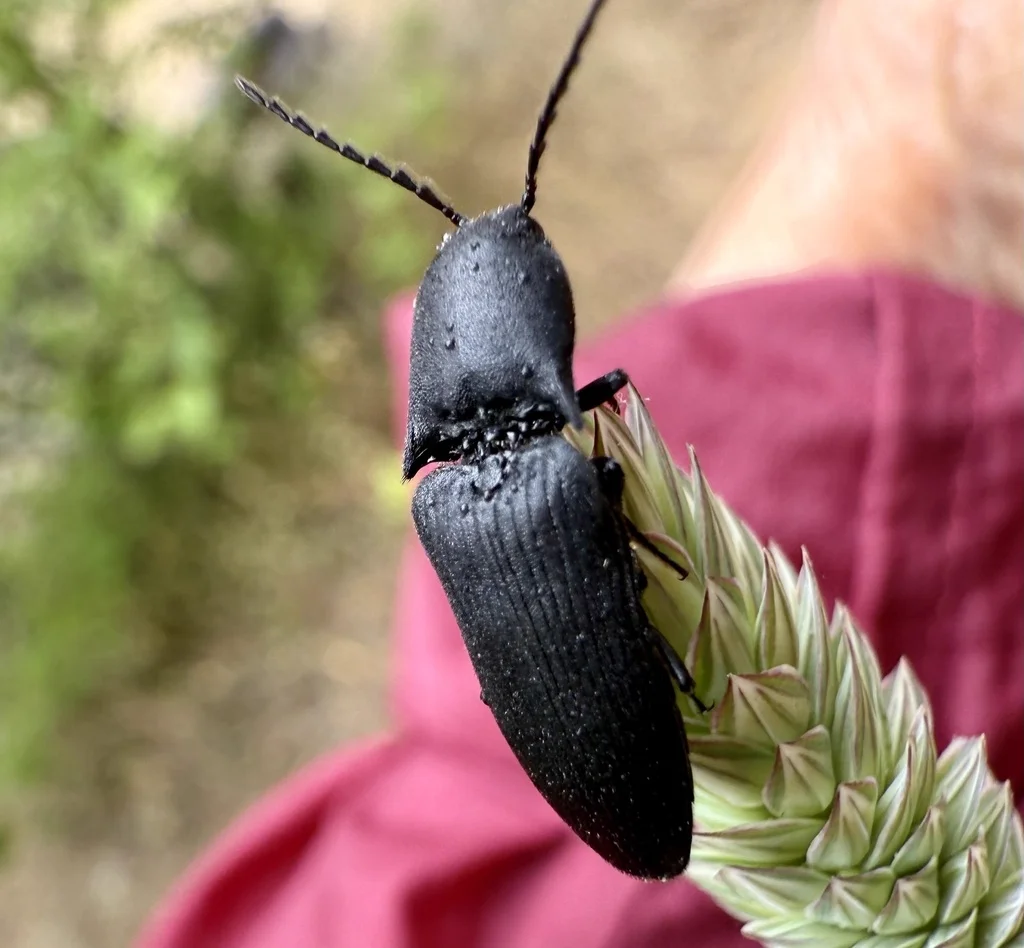
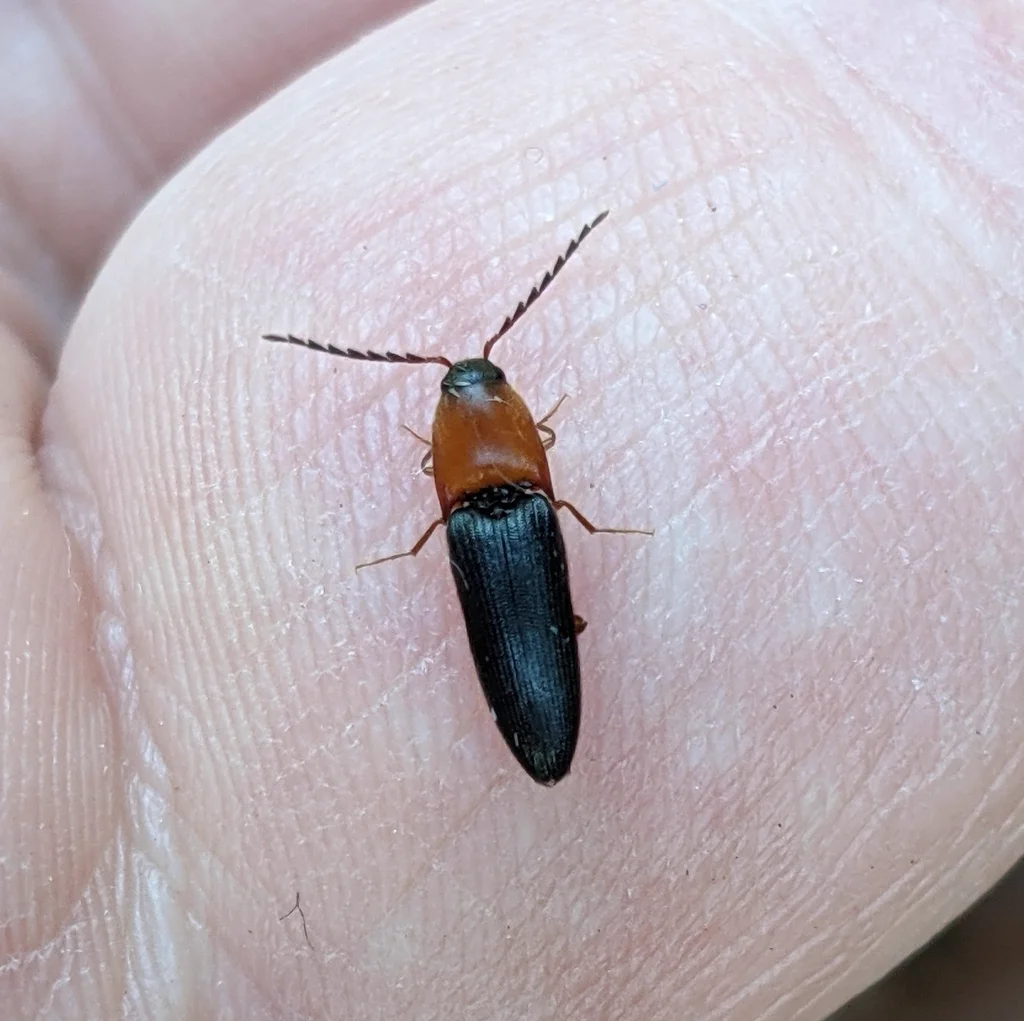
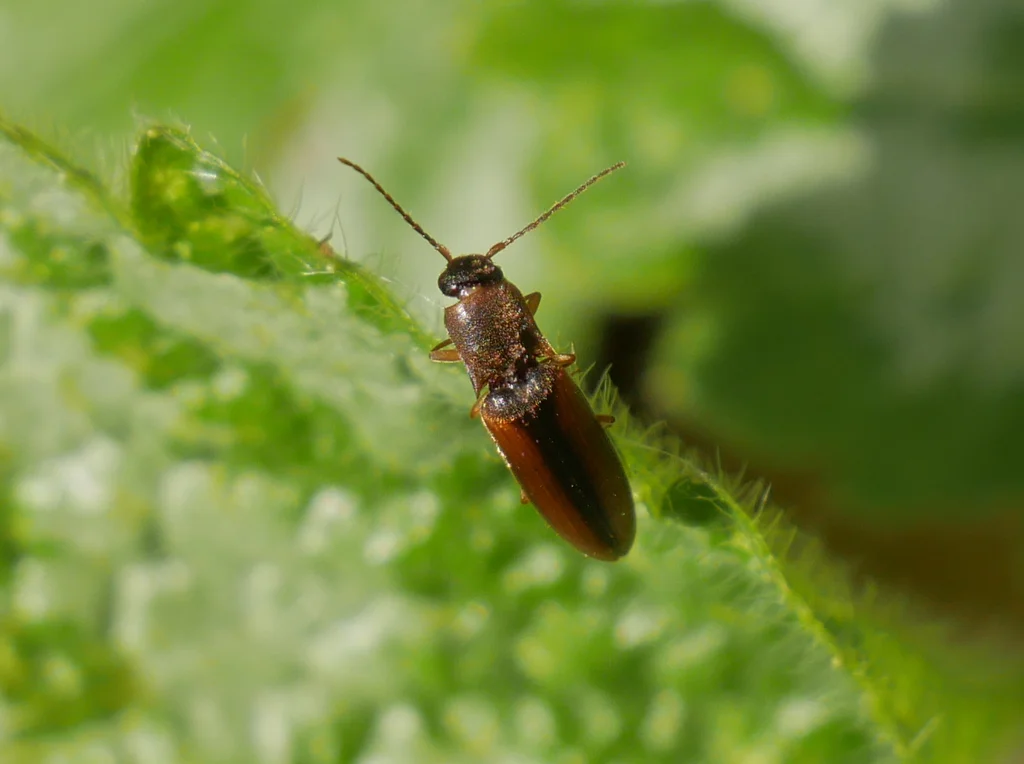
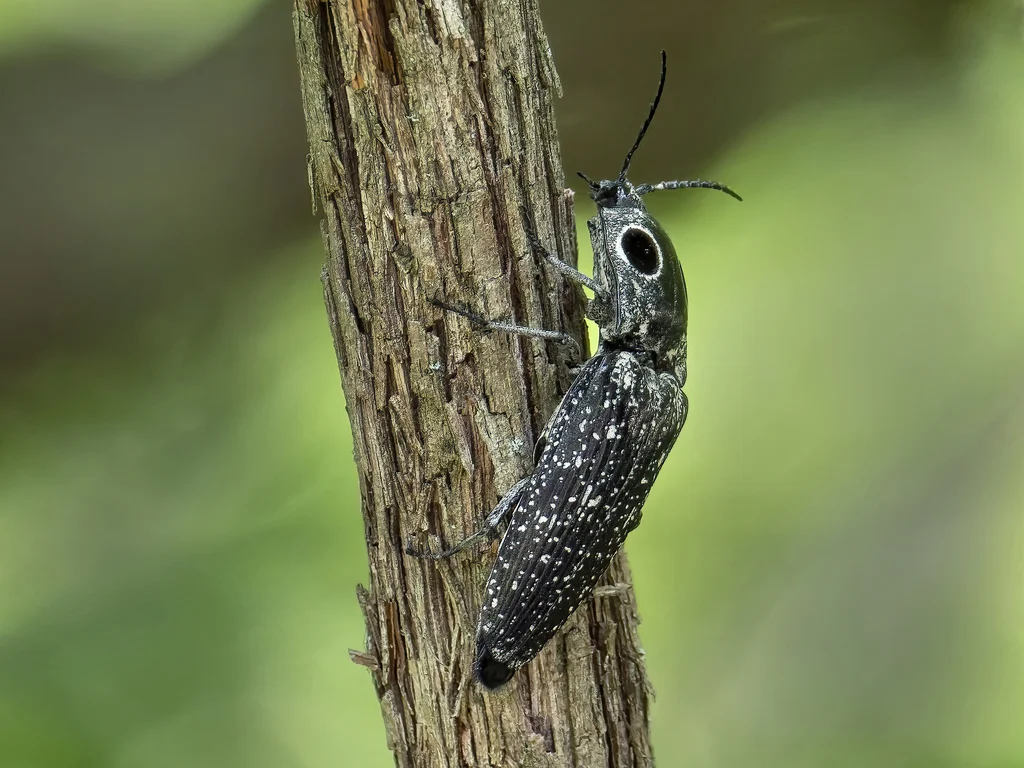
Coloration varies widely among species. Most click beetles are dull brown, black, or gray. This coloring helps them blend in with bark and soil. Some species have striking patterns, like the Eastern Eyed Click Beetle with its large false eye spots. A few tropical species have metallic or shiny coloring.
The clicking mechanism is the key feature of this beetle family. A spine on the underside of the thorax fits into a groove below it. When the beetle arches its body and snaps this spine free, it creates a loud click and launches into the air. This can send the beetle several inches high, scaring off predators and helping it land right-side up.
Antennae are usually saw-toothed or thread-like, with 11 segments. They extend from the front of the head between the eyes. Some species have comb-like antennae.
Common Species in North America
Eastern Eyed Click Beetle (Alaus oculatus) is the most well-known North American species. Adults reach 25-45mm in length, making them among the largest click beetles. Their most striking feature is the pair of large false eye spots on the pronotum. These black spots with white borders scare predators. The body is speckled black and white. These beetles are common in hardwood forests across the eastern United States.
Common Click Beetles (Conoderus species) are the beetles homeowners see most often. These medium-sized beetles measure 10-20mm and are typically brown or tan. They often fly to lights at night. Several species are farm pests whose larvae damage crops.
Melanotus Click Beetles (Melanotus species) are common across North America. Adults are dark brown to black and 10-18mm long. They are often found under bark or in rotting wood. Their larvae are major pests of corn, potatoes, and other crops.
Agriotes Click Beetles include several species whose larvae are major farm pests. Adults are small at 7-12mm and brown or reddish-brown with a plain look. The Pacific Coast wireworm and wheat wireworm belong to this genus.
Pyrophorus Click Beetles are also called fire beetles. These glowing species are found in the southern United States and tropical areas. They produce green light from organs on their body and are among the brightest glowing insects.
Click Beetle Behavior and Biology
Habitat and Activity Patterns
Adult click beetles are mainly active at night. During the day, they hide under bark, in leaf litter, under rocks, or in other sheltered spots. At night, they come out and are drawn to lights. This is when they most often enter homes.
Preferred habitats include forests, gardens, farm fields, lawns, and areas with rotting wood or plant material. Adults may rest on plants, tree trunks, or near the base of plants. Different species live in various settings, from dry grasslands to humid forests. A related species, Dermestid Beetles, shares similar characteristics.
Seasonal activity peaks in late spring and summer when adults emerge. In cooler regions, adults are most common from May through August. They may appear all year in warmer climates. A related species, June Bugs, shares similar characteristics.
Flight behavior is strong in most species. Click beetles fly well, especially on warm evenings, and can travel far. Their draw to lights often brings them to porches, patios, and windows. This leads to them entering homes by accident. A related species, False Powderpost Beetles, shares similar characteristics.
Diet and Ecological Role A related species, Old House Borers, shares similar characteristics.
Adult click beetles eat plant materials like nectar, pollen, flowers, and soft plant parts. Some species hunt aphids and other small insects as adults. Many adults eat little or nothing at all, putting their energy toward mating. Adults do not cause major damage to plants or property. A related species, Spider Beetles, shares similar characteristics.
Larvae (wireworms) are the harmful stage. Wireworms are hungry feeders that eat: A related species, Carpet Beetle Larvae, shares similar characteristics.
- Seeds before and during germination
- Plant roots and root vegetables
- Tubers, including potatoes, carrots, and beets
- Germinating corn, wheat, and other grains
- Roots of lawn grasses and ornamental plants
- Bulbs of flowers and vegetables A related species, Deathwatch Beetles, shares similar characteristics.
A single wireworm can damage many plants as it moves through soil. It follows gases given off by plant roots to find its next meal. A related species, Powder Post Beetles, shares similar characteristics.
Reproduction and Lifecycle
Click beetles go through complete change with egg, larval, pupal, and adult stages. Their lifecycle is very long compared to most insects.
Eggs are laid in soil by female beetles during spring and summer. Females choose moist soil near plants and lay eggs alone or in small groups. Eggs hatch within 1-2 weeks based on heat and moisture.
Larvae (wireworms) are thin, round, and hard with a shiny look. They range from yellow to brown and have three pairs of small legs near the head. Wireworms are tough and can recover from pesticide exposure over time.
The larval stage lasts a very long time, typically 1-6 years based on species and conditions. Wireworms grow slowly, eating roots and organic matter in soil. They can live long periods without food and handle cold and drought well.
Pupation occurs in soil in a small chamber built by the mature larva. The pupal stage lasts about 2-4 weeks during late summer or fall. Adults may emerge that same year or spend winter in the chamber and come out the next spring.
Adult lifespan is short compared to the larval stage, typically lasting one to several months. Adults focus mainly on mating.
Signs of Click Beetles
Indoor Encounters
Click beetles found indoors are accidental intruders. Signs include:
- Individual beetles near windows, doors, or light fixtures
- Beetles on walls or ceilings near porch lights
- Audible clicking sounds when beetles are handled or disturbed
- Dead beetles on windowsills or in corners
- Beetles appearing suddenly in bathrooms or basements seeking moisture
Outdoor and Garden Signs
Adult activity indicators:
- Beetles resting on plant stems, tree bark, or under debris during the day
- Beetles flying around outdoor lights at night
- Finding beetles when moving mulch, rocks, or logs
Wireworm damage symptoms:
- Poor seed germination or spotty plant emergence
- Wilting seedlings that detach easily from roots
- Tunnels in potatoes, carrots, or other root vegetables
- Brown or dead patches in lawns
- Stunted plant growth with no obvious above-ground cause
- Small, round holes in tubers and bulbs
Treatment Methods for Click Beetles
Click beetles are typically nuisance pests, not serious threats to homes. Treatment focuses on keeping them out and changing their habitat rather than killing them.
Exclusion Strategies
Sealing entry points prevents beetles from entering homes. This includes:
- Installing door sweeps and weather stripping
- Caulking cracks around windows and door frames
- Repairing gaps in foundation walls
- Ensuring window screens are intact
- Sealing openings around utility penetrations
Reducing light attraction minimizes beetle activity near homes:
- Use yellow or sodium vapor bulbs that are less attractive to insects
- Position lights away from doors and windows
- Turn off unnecessary outdoor lights
- Use motion-activated lighting instead of constant illumination
Habitat Modification
Around the home:
- Remove decaying wood, leaf litter, and debris near foundations
- Keep mulch at least 12 inches away from building foundations
- Trim vegetation that touches the structure
- Address moisture problems in basements and crawl spaces
In gardens and lawns:
- Rotate crops to disrupt wireworm populations
- Cultivate soil in fall to expose larvae to predators and cold
- Allow chickens or other poultry to feed on exposed wireworms
- Plant trap crops to draw wireworms away from valued plants
- Remove weedy areas where click beetles lay eggs
Managing Wireworms
Controlling wireworm populations in gardens and lawns can be hard. Their soil-dwelling habits and long lifecycle make them tough to eliminate. Here are common control methods:
- Soil cultivation in fall exposes wireworms to birds, cold, and dry air
- Crop rotation helps break wireworm breeding cycles
- Trap baiting using potato or carrot pieces buried in soil can help find and reduce populations
- Professional soil treatments may be needed for severe infestations in lawns or gardens
References and Further Reading
Other Other Pests
Explore other species in the other pests family
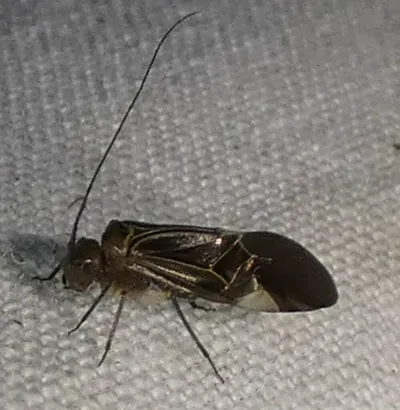
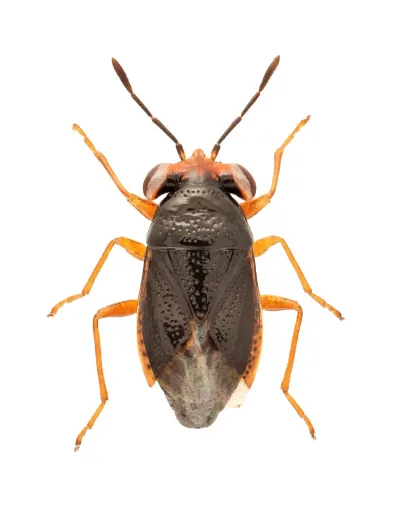
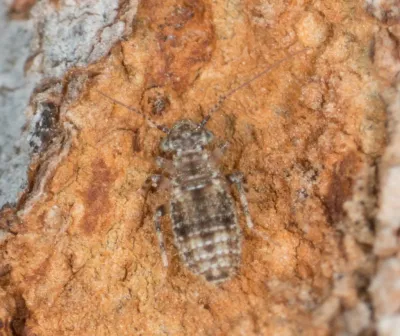
Commonly Confused With
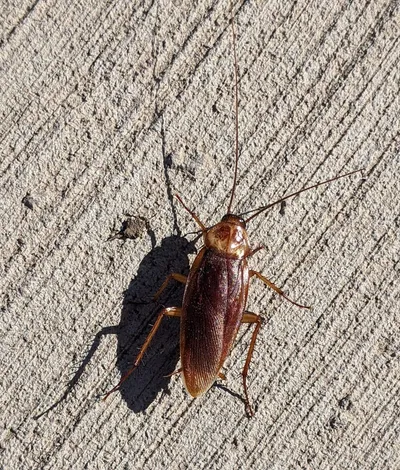
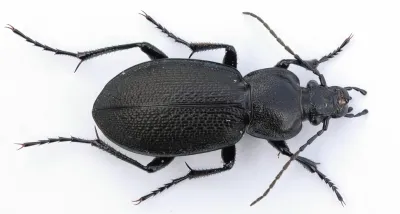
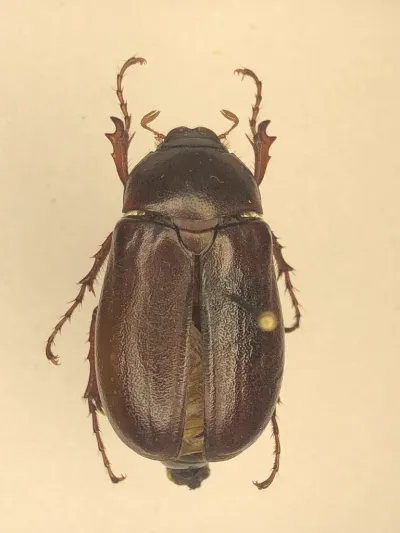
Click Beetles are often mistaken for these similar pests
Where Click Beetles Are Found
Hover over states to see their names. Green regions indicate where click beetles have been reported.
Common Questions about Click Beetles
Why is it called a click beetle?
+
Click beetles get their name from the loud clicking sound they make when flipping themselves over. When placed on their back, they arch their body and snap a spine on their thorax into a groove, launching themselves into the air with an audible click. This mechanism helps them escape predators and right themselves without using their legs.
Are click beetles harmful to humans?
+
Click beetles are completely harmless to humans. They do not bite, sting, or spread disease. These beetles are simply nuisance pests that occasionally wander into homes, especially when attracted to lights at night. They pose no health risks and cannot damage your home or belongings.
What are wireworms?
+
Wireworms are the larval stage of click beetles. They are thin, yellowish-brown, hard-bodied larvae that live in soil and can damage plant roots, tubers, and seeds. Wireworms may remain in the larval stage for 1 to 6 years before becoming adult click beetles, which is why they can cause ongoing damage to lawns and gardens.
Why are click beetles attracted to my house?
+
Click beetles are attracted to lights at night and may fly toward porch lights, windows, or open doors. They often end up inside homes accidentally while seeking food or shelter. During hot weather, they may enter looking for moisture. They cannot survive long indoors and will die naturally if they cannot find their way out.
Do click beetles fly?
+
Yes, adult click beetles can fly. They have functional wings beneath their hardened wing covers (elytra) and are capable of flight. They are most active at night and are commonly attracted to lights, which is why they often appear on porches and near windows during warm evenings.
How do I get rid of click beetles in my house?
+
To remove click beetles from your home, reduce outdoor lighting that attracts them, seal gaps around doors and windows, and install door sweeps. Vacuum up any beetles found inside and release them outdoors. Since they cannot breed indoors, sealing entry points is the most effective long-term solution.
Are click beetles the same as cockroaches?
+
No, click beetles and cockroaches are different insects, though they are sometimes confused due to similar coloring and size. Click beetles have a distinctive elongated body shape with pointed ends, ridged wing covers, and can flip themselves into the air. Cockroaches have flatter bodies, long antennae, and move in a scurrying motion rather than clicking and jumping.

With five years of hands-on experience in the pest control industry, George Schulz is a registered technician with the Virginia Pest Management Association and a proud third-generation professional in a family business that's been protecting homes for over 57 years. He manages and trains a team of service pros while also leading internal research efforts—recently spearheading a deep-dive review of thousands of documents on pest control materials to hand-pick the most kid and pet friendly, most effective solutions tailored specifically for homes in the DC metro area.