Caddisflies Identification Guide
Trichoptera
Caddisflies are moth-like insects with aquatic larvae that can become nuisance pests when attracted to lights near homes and water sources.
Taxonomy
Caddisflies Coloration
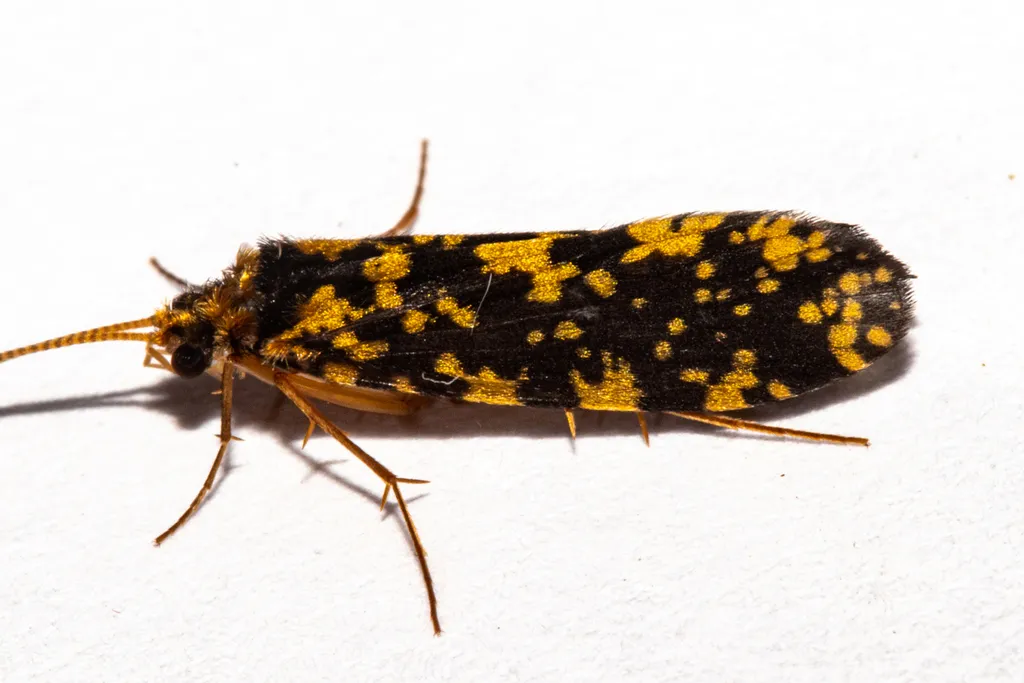
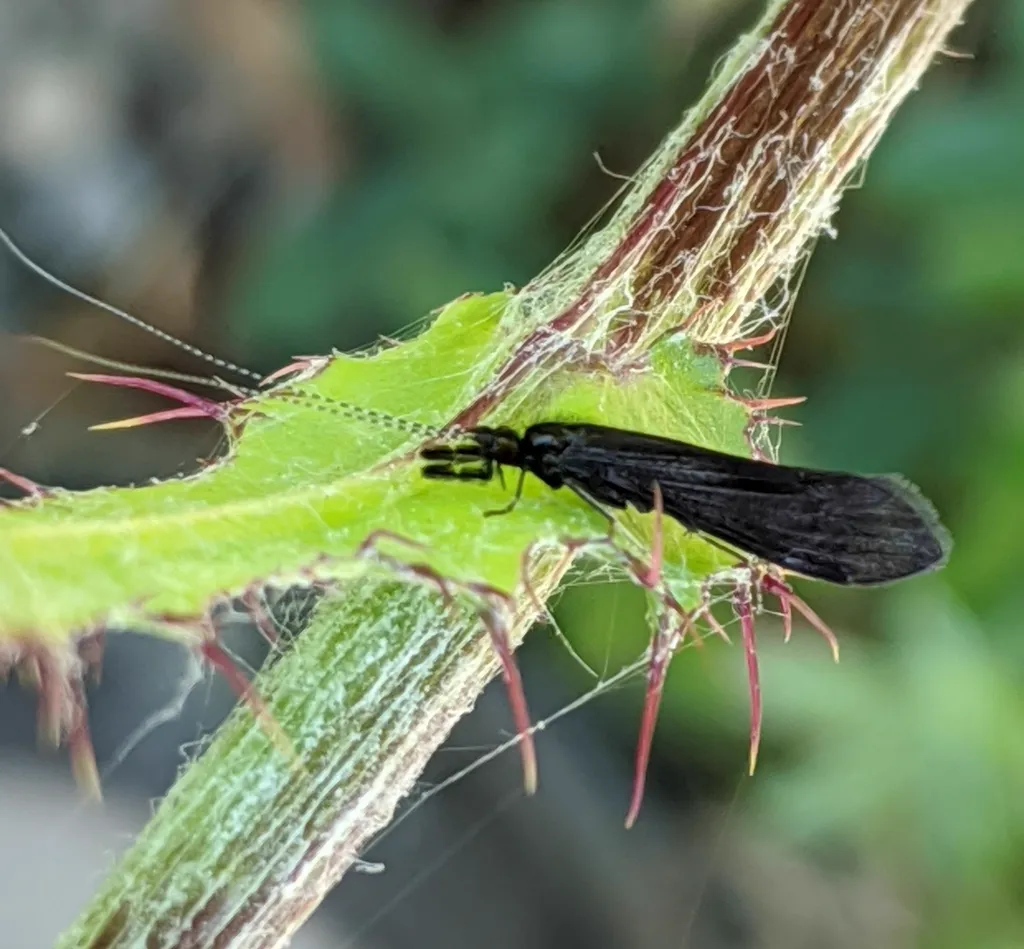
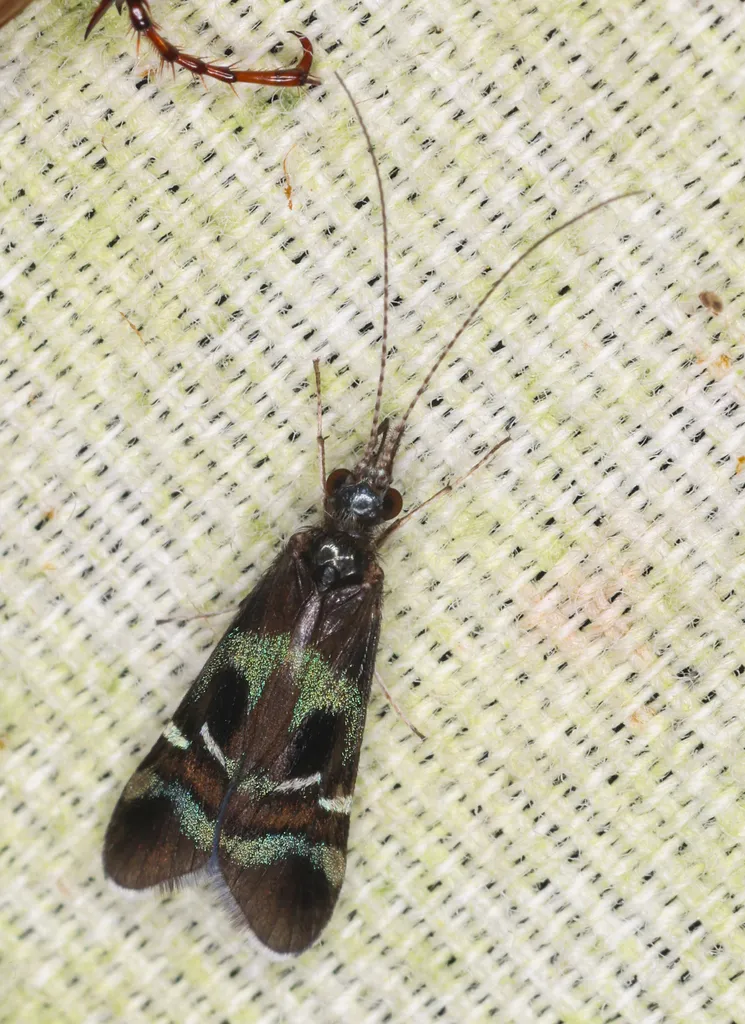
Common color patterns to help identify caddisflies
Caddisflies
Seasonal Activity
When caddisflies are most active throughout the year
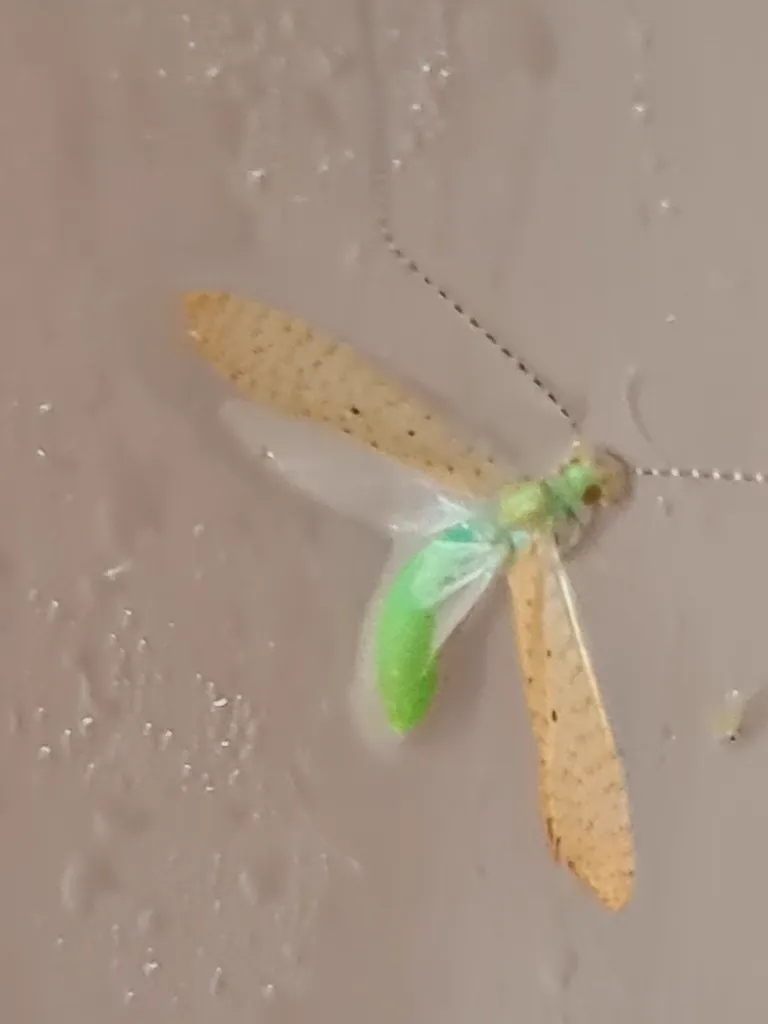

Where Caddisflies Are Found
Hover over states to see their names. Green regions indicate where caddisflies have been reported.
Caddisfly Identification Guide
Physical Characteristics
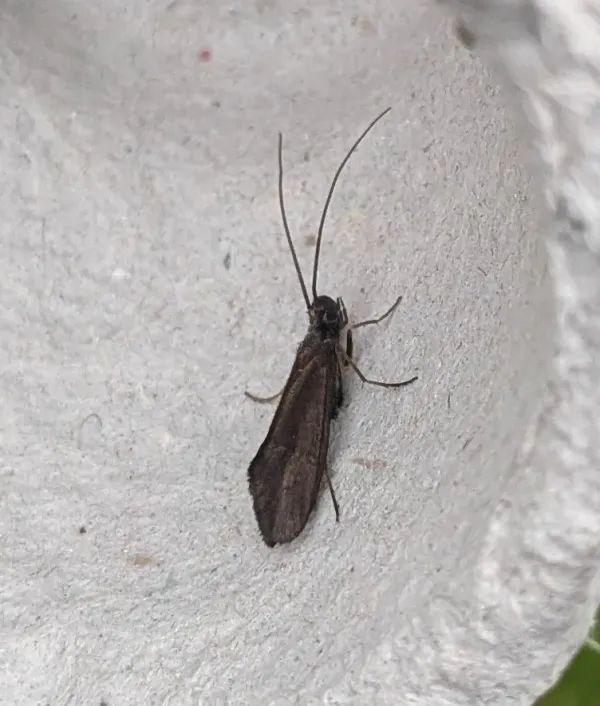
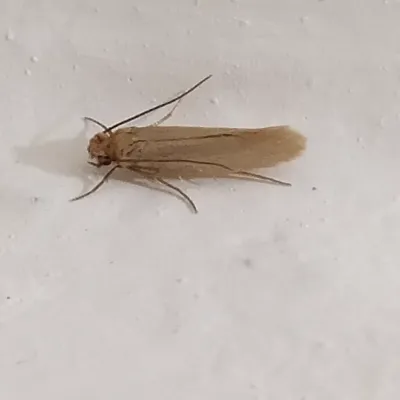
Caddisflies look a lot like moths at first glance. Adults range from 3 to 40 millimeters long. They have two pairs of wings covered with fine hairs, not scales like true moths. At rest, their wings fold like a tent over their bodies.
The head and body are hairy. They have long, thin antennae that can be as long as their body or longer. Colors vary by species. Some are dull brown or gray. Others have tan, black, green, or spotted patterns. Adult caddisflies have simple mouthparts and mostly drink nectar or water.
Common Families in North America
-
Northern Caddisflies (Limnephilidae) are among the largest. They live in cool streams across North America.
-
Net-spinning Caddisflies (Hydropsychidae) build silk nets in flowing water to catch food. They are common in clean streams and rivers.
-
Long-horned Caddisflies (Leptoceridae) have very long antennae and slender bodies.
-
Giant Casemaker Caddisflies (Phryganeidae) build large cases from plant materials. They live in ponds and slow-moving streams.
Caddisfly Behavior and Biology
Lifecycle
Caddisflies go through four life stages: egg, larva, pupa, and adult. Females lay egg masses on plants near the water. When eggs hatch, larvae fall into the water where they spend most of their lives.
The larval stage is fully aquatic. It can last several months to over a year. Many caddisfly larvae build cases from silk mixed with sand, pebbles, twigs, or leaf pieces. Each species builds a unique case style, which helps with identification.
When mature, larvae seal into their cases or spin cocoons to pupate. This stage lasts two to three weeks. Then pupae swim up or crawl to shore. The adult breaks free from the pupal skin and takes flight.
Adult Behavior
Adult caddisflies are active at night and are weak fliers. By day, they rest in cool, damp plants along streams and lakes. At night, they fly and are drawn to lights. This brings them near homes close to water.
Most adults do not eat solid food. They drink only liquids like nectar or water. Adults live for a few days to about a month. Their main goal is to mate and lay eggs. Large numbers often emerge at once, creating swarms over water.
Ecological Importance
Caddisflies play a key role in freshwater ecosystems. Larvae are food for trout, bass, and other fish. They also break down dead plant matter in streams and lakes. Adults feed birds, bats, spiders, and dragonflies.
Many caddisfly species cannot survive in polluted water. Scientists use them to test water quality. If caddisflies are present in good numbers, the water is likely clean. If they are absent, it may signal pollution.
Managing Caddisflies Around Your Home
Caddisflies do not damage structures and do not breed indoors. They become a problem only when lights draw them to buildings near water. Their larvae live in water, so standard pest control cannot target their breeding sites.
Light Management Strategies
The best way to reduce caddisflies is to manage your outdoor lights:
-
Turn off extra lights during peak season from late spring through early fall.
-
Use yellow bug bulbs or sodium vapor lights. These attract fewer flying insects than regular bulbs.
-
Install motion sensors so lights turn on only when needed.
-
Add blackout curtains to stop indoor light from drawing caddisflies to windows.
-
Move lights away from doors when you can. This pulls insects away from entry points.
Physical Barriers
Make sure window screens fit well and have no holes. Door sweeps and weatherstripping block caddisflies and other flying insects from getting inside.
What to Expect
Caddisfly swarms are seasonal and short-lived. Adults live only a few days to weeks and cannot breed indoors. The best approach is often patience. Numbers drop quickly after a major hatch. If some get inside, vacuum them up for easy removal.
References
Other Other Pests
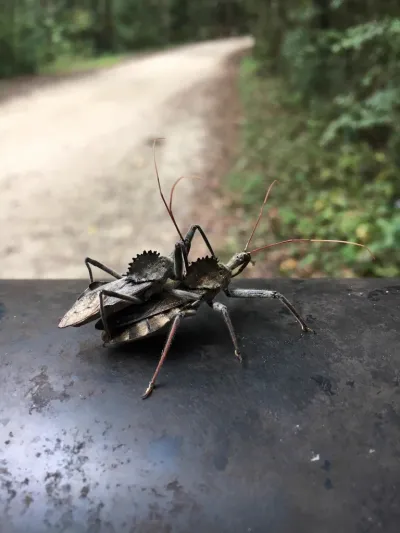
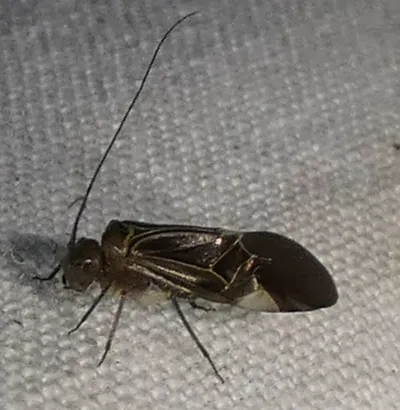
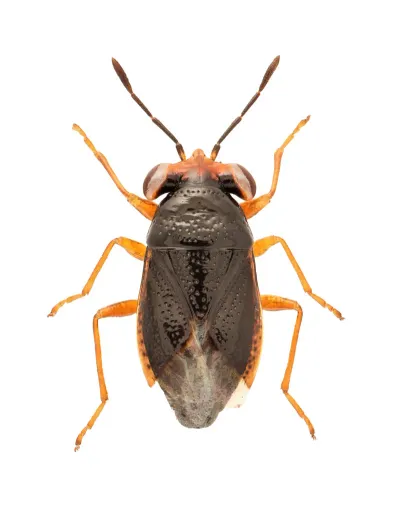
Explore other species in the other pests family
Commonly Confused With
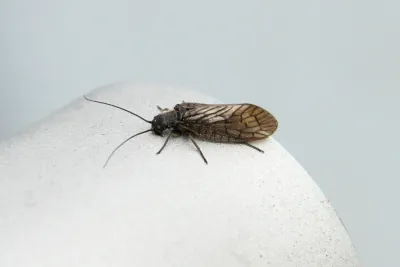
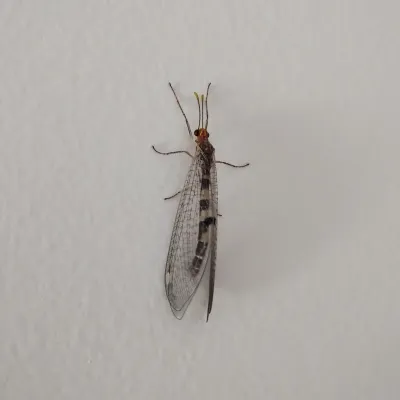
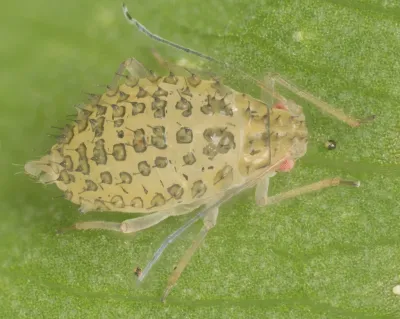
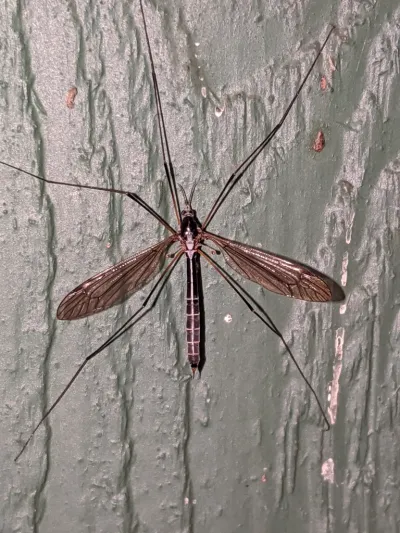
Caddisflies are often mistaken for these similar pests
Where Caddisflies Are Found
Hover over states to see their names. Green regions indicate where caddisflies have been reported.
Common Questions about Caddisflies
What are caddisflies?
+
Caddisflies are moth-like insects belonging to the order Trichoptera. They have aquatic larvae and terrestrial adults. Adult caddisflies are often seen near lakes, rivers, and streams, especially at night when they are attracted to lights.
Are caddisflies harmful to humans?
+
No, caddisflies do not bite, sting, or cause structural damage. They are primarily a nuisance pest when they gather in large numbers around outdoor lights near water sources. Some people may experience allergic reactions when large populations are present.
Why are caddisflies attracted to my home?
+
Caddisflies are strongly attracted to artificial lights at night. If your home is near a lake, river, pond, or stream, adult caddisflies may gather around porch lights, windows, and other illuminated areas during their active season.
How long do adult caddisflies live?
+
Adult caddisflies typically live only a few days to about one month. They emerge from the water in large numbers, mate, lay eggs, and die. This short adult lifespan means infestations are usually temporary.
What do caddisfly larvae look like?
+
Caddisfly larvae are aquatic and many species build protective cases from silk, sand, twigs, or other materials. They have soft, caterpillar-like bodies with six legs and a pair of hooked appendages at the rear. They live entirely underwater.
How can I reduce caddisflies around my home?
+
The most effective approach is light management. Turn off unnecessary outdoor lights, use yellow bug bulbs that are less attractive to insects, or install motion-sensor lighting. Since caddisflies breed in water, they cannot be eliminated from the source without environmental impact.
Do caddisflies indicate good water quality?
+
Yes, caddisflies are often used as bioindicators because many species are sensitive to water pollution. Their presence near your property typically indicates clean, healthy water sources nearby.

With five years of hands-on experience in the pest control industry, George Schulz is a registered technician with the Virginia Pest Management Association and a proud third-generation professional in a family business that's been protecting homes for over 57 years. He manages and trains a team of service pros while also leading internal research efforts—recently spearheading a deep-dive review of thousands of documents on pest control materials to hand-pick the most kid and pet friendly, most effective solutions tailored specifically for homes in the DC metro area.