Boxelder Bugs Identification Guide
Boisea trivittata
Boxelder bugs are black and red insects that congregate in large numbers on sunny walls in fall, seeking shelter inside homes for the winter months.
Taxonomy
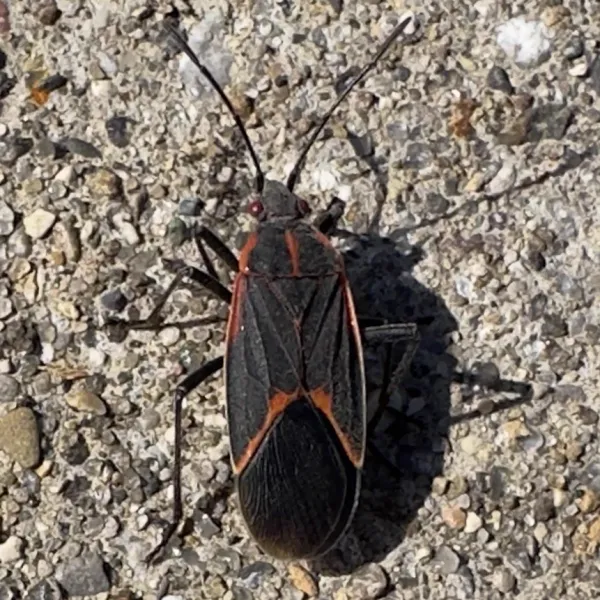
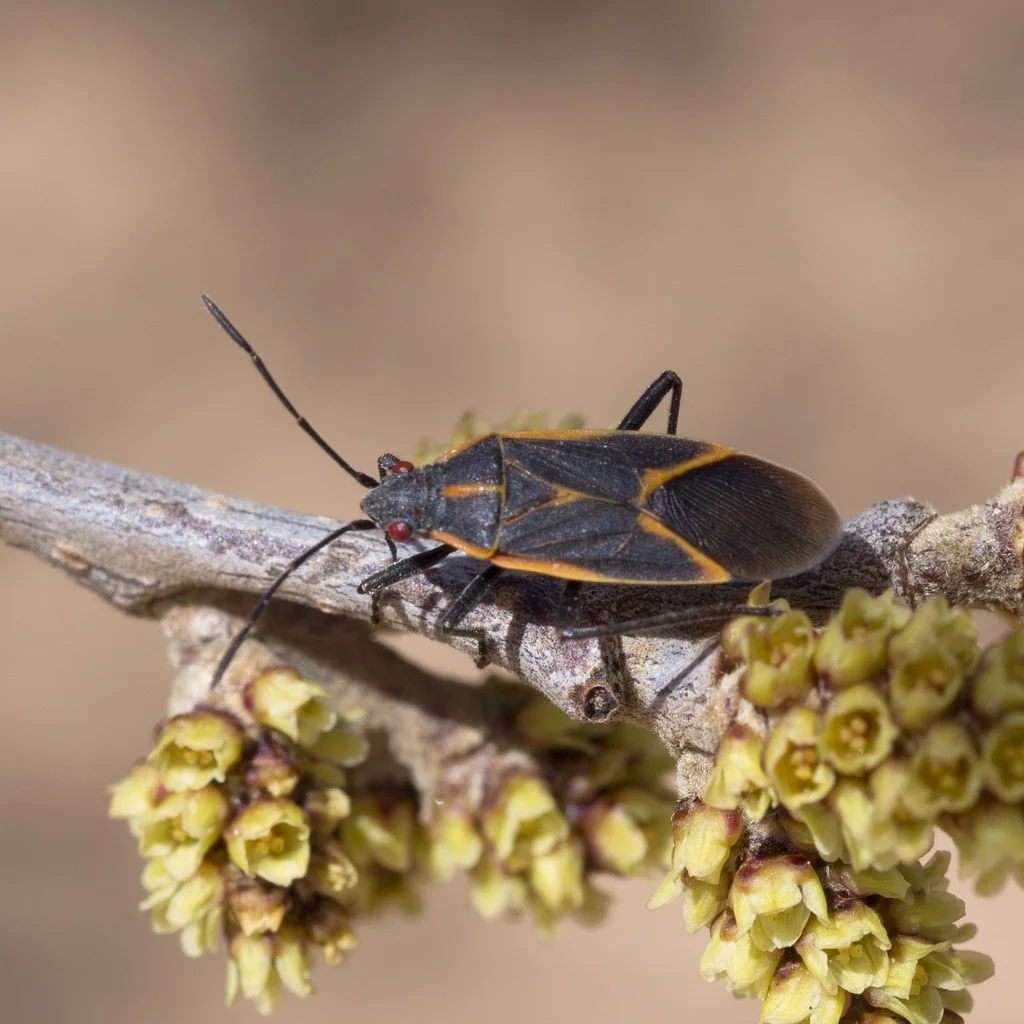
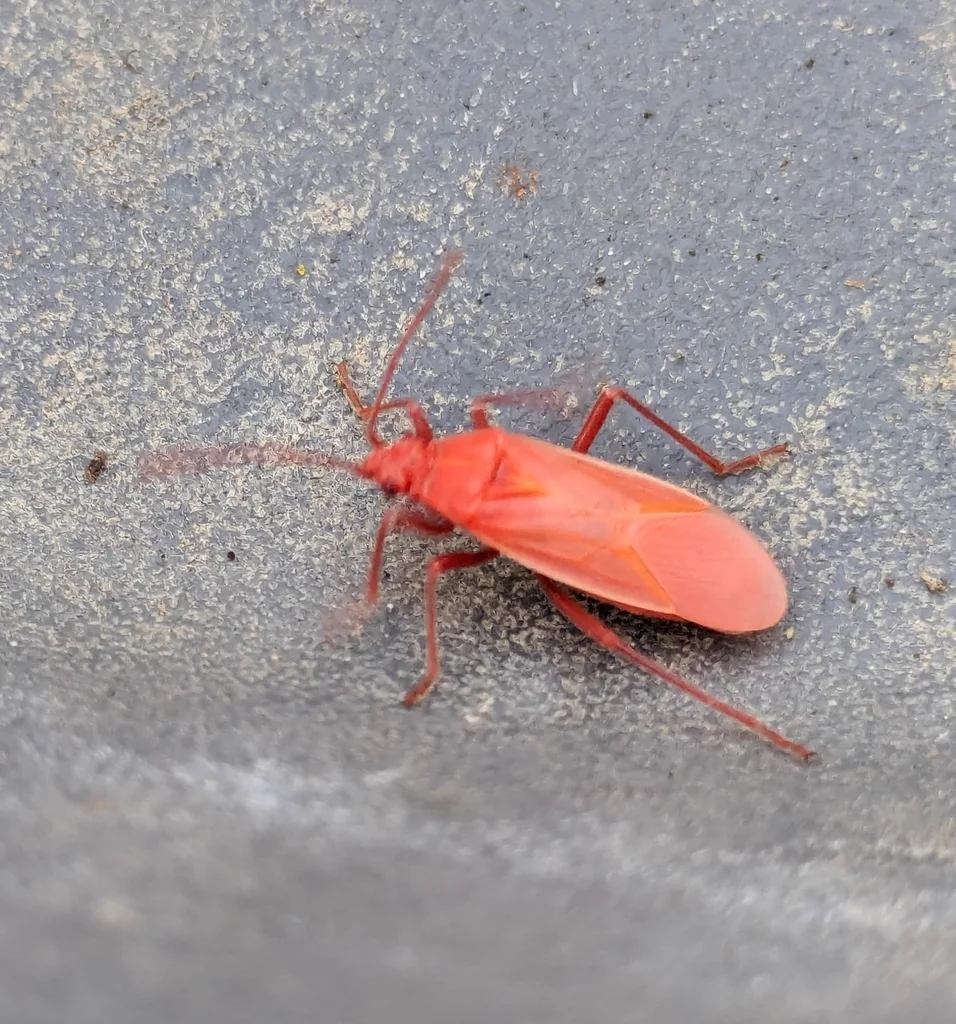
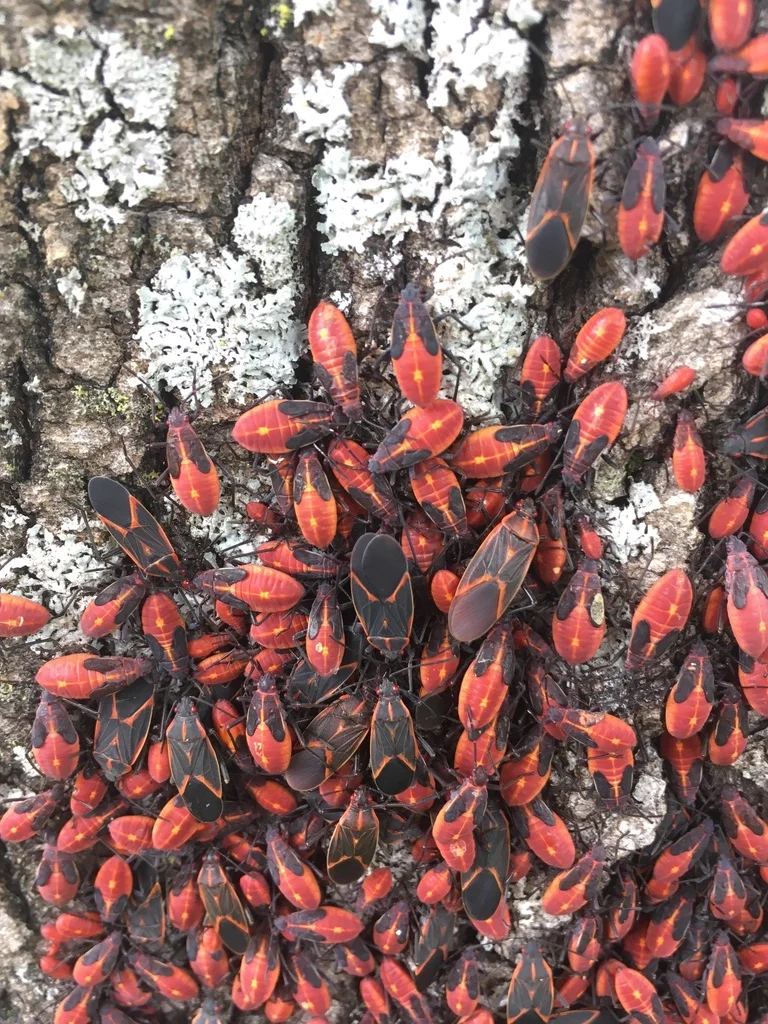
Boxelder Bugs Coloration
Common color patterns to help identify boxelder bugs
Boxelder Bugs
Seasonal Activity
When boxelder bugs are most active throughout the year

Where Boxelder Bugs Are Found
Hover over states to see their names. Green regions indicate where boxelder bugs have been reported.
Boxelder Bug Identification Guide
Physical Characteristics
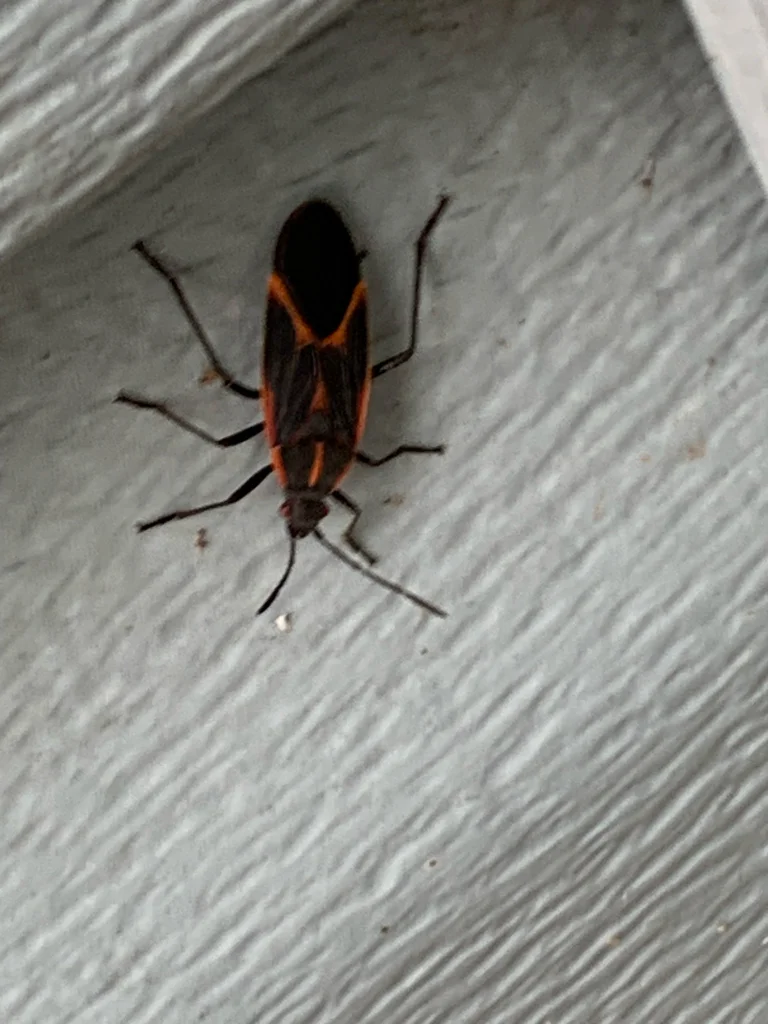
Boxelder bugs are flat, oval insects about half an inch long. Adults have a black body with three red stripes behind the head. Red lines also run along the edges of their wings, forming an X-shape when the wings are folded. They have dark red eyes, six legs, and two antennae.
Young boxelder bugs, called nymphs, look very different from adults. They are bright red or orange and do not have full wings yet. Instead, they have small black wing pads. As nymphs grow, they shed their skin five times over seven to ten weeks. Each time they molt, they get darker and look more like adults.
Common Species
-
Eastern Boxelder Bug (Boisea trivittata): This is the most common species in the eastern United States. It is the type you will find in Virginia, Maryland, and Washington D.C.
-
Western Boxelder Bug (Boisea rubrolineata): Found mainly west of the Rocky Mountains. It looks slightly different but acts the same way.
Similar-Looking Insects
People sometimes mix up boxelder bugs with milkweed bugs (genus Lygaeus). Both are red and black. However, milkweed bugs have large red patches instead of stripes. They also live on milkweed plants, not boxelder trees.
Boxelder Bug Behavior and Biology
Feeding Habits
Boxelder bugs use their needle-like mouthparts to suck juices from plants. They mainly feed on seeds, leaves, and seed pods from female boxelder trees. They also eat seeds from maple and ash trees. While they can cause minor damage to plants, they rarely hurt tree health in a serious way.
Late in the season, adult boxelder bugs sometimes eat soft-bodied insects. This makes them both plant eaters and occasional predators.
Life Cycle
Boxelder bugs have two generations each year in most areas. Adults that survived the winter come out in March or April when the weather warms up. After feeding for about two weeks, females start laying eggs. They place eggs in cracks in tree bark and on leaves. Each female lays about 230 eggs total, in small groups of 10 to 11 eggs at a time.
Eggs hatch in roughly two weeks. The bright red nymphs start feeding on seeds and leaves right away. The nymph stage lasts 50 to 70 days. How fast they grow depends on temperature and how much food is available. A second batch of adults appears in midsummer. These are the bugs that will look for shelter when fall arrives.
Overwintering Behavior
When temperatures drop in September and October, adult boxelder bugs start looking for warm places to spend the winter. They gather on walls that face south or west because these get the most sun. You may see large groups on the outside of your home as they search for ways to get inside.
Boxelder bugs can fly up to two miles to find a good spot to overwinter. Once inside a building, they hide in wall voids and other quiet spaces to hibernate. They do not eat or lay eggs indoors. On warm winter days, some may wake up and wander into your living space. This is not a new invasion. They have been hiding in your walls for months.
Chemical Defenses
Even though boxelder bugs belong to a group called “scentless plant bugs,” they actually have a strong smell. When you crush or disturb them, they release a bad-smelling liquid from glands on their body. This smell keeps birds and other predators away. It also lets them gather in large, visible groups without being eaten.
How We Treat for Boxelder Bugs
Boxelder bugs are mostly a nuisance pest. The best way to deal with them is to stop them from getting inside in the first place.
-
Preventative Exterior Treatments: Before cold weather arrives in late September or October, our technicians apply dust treatments to exterior voids. These include weep holes, spaces behind siding, and areas around windows and doors. This creates a barrier that keeps boxelder bugs out. We also treat the perimeter of your home with a repellent to stop them from gathering on walls.
-
Entry Point Assessment: We check your home for gaps, cracks, and openings that let boxelder bugs inside. Common entry points include gaps around window frames, worn door sweeps, cracks in foundation walls, and holes where utility lines enter the building. We give you tips on how to seal these spots.
-
Interior Treatment: If boxelder bugs are already inside your home, we treat the areas where they gather. This includes spaces around window seals, door frames, and baseboards. In bad cases, we may need to apply dust inside wall voids to reach bugs that have settled in.
-
Timing Is Key: Fall treatment before the first frost is the most important step for boxelder bug control. Once they get into wall voids, they are much harder to reach. Treating your home while they are still gathering outside gives the best results.
For long-term control, removing female boxelder trees from your property takes away their main food source. Keep in mind that boxelder bugs can travel long distances. Trees on nearby properties may still bring them to your area.
References
Other Other Pests
Explore other species in the other pests family
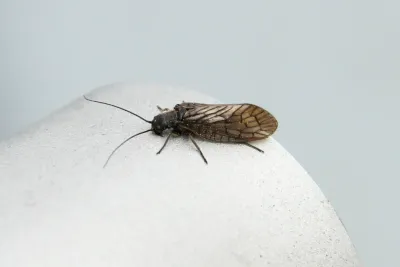
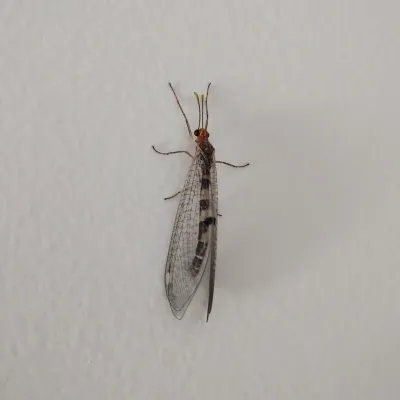
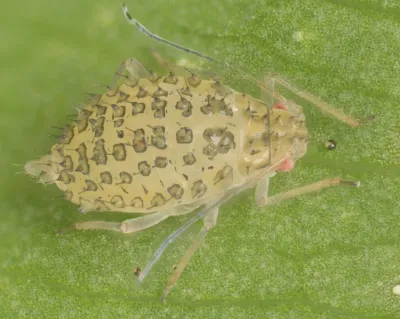
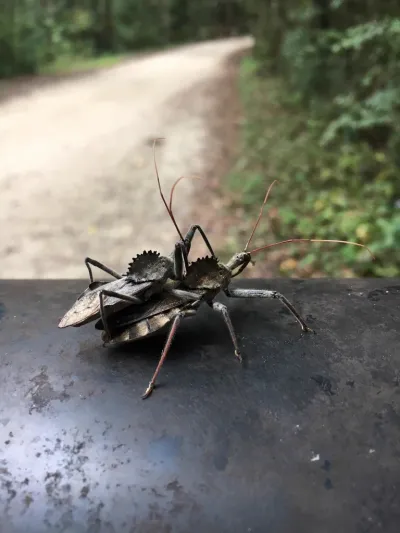
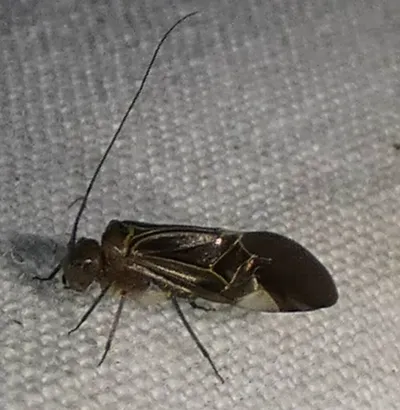
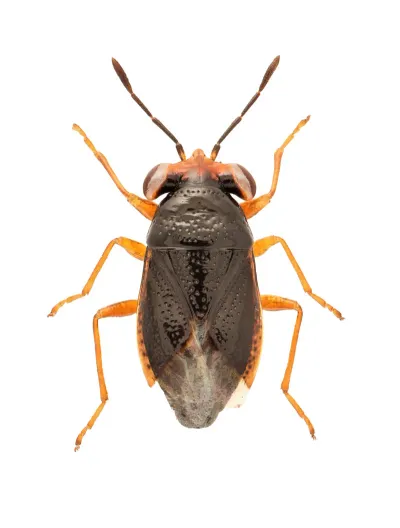
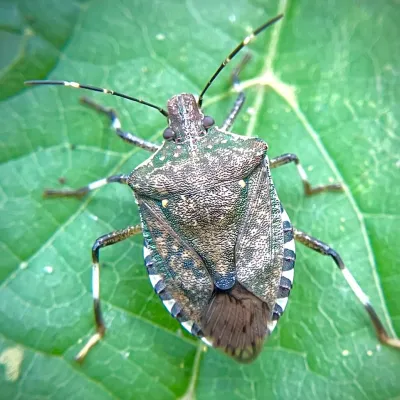
Commonly Confused With
Boxelder Bugs are often mistaken for these similar pests
Where Boxelder Bugs Are Found
Hover over states to see their names. Green regions indicate where boxelder bugs have been reported.
Common Questions about Boxelder Bugs
Why are boxelder bugs on my house?
+
Boxelder bugs gather on south and west-facing walls in fall because these surfaces absorb heat from the sun. They are searching for warm shelter to survive the winter and will squeeze through small gaps around windows, doors, and siding to get inside.
Do boxelder bugs bite or sting?
+
Boxelder bugs do not bite or sting. They are harmless to people and pets. Their only defense is releasing a pungent odor when disturbed or crushed.
Are boxelder bugs harmful to my home?
+
Boxelder bugs do not cause structural damage, eat wood, or infest food. However, their fecal matter can stain light-colored fabrics and curtains, and they release an unpleasant smell when crushed.
Why do I see boxelder bugs inside during winter?
+
Boxelder bugs hibernate in wall voids and other hidden spaces during winter. On warm, sunny days, they may become active and wander into living spaces, making it seem like a sudden invasion even though they have been hiding inside for months.
What attracts boxelder bugs to my property?
+
Boxelder bugs feed on seeds from boxelder trees, as well as maple and ash trees. Properties with female (seed-bearing) boxelder trees nearby tend to have larger boxelder bug populations.
How do I get rid of boxelder bugs?
+
Vacuum up indoor boxelder bugs rather than crushing them. Prevent future invasions by sealing cracks and gaps before fall and applying professional exterior treatments that create a barrier to entry.
Will boxelder bugs go away on their own?
+
Yes, boxelder bugs naturally leave homes in spring to return to host trees for feeding and reproduction. However, the same bugs will likely return the following fall unless preventative measures are taken.

With five years of hands-on experience in the pest control industry, George Schulz is a registered technician with the Virginia Pest Management Association and a proud third-generation professional in a family business that's been protecting homes for over 57 years. He manages and trains a team of service pros while also leading internal research efforts—recently spearheading a deep-dive review of thousands of documents on pest control materials to hand-pick the most kid and pet friendly, most effective solutions tailored specifically for homes in the DC metro area.