Assassin Bugs Identification Guide
Reduviidae
Assassin bugs are predatory insects that hunt other bugs using their sharp beak to inject venom. They can deliver painful defensive bites to humans if handled.
Taxonomy
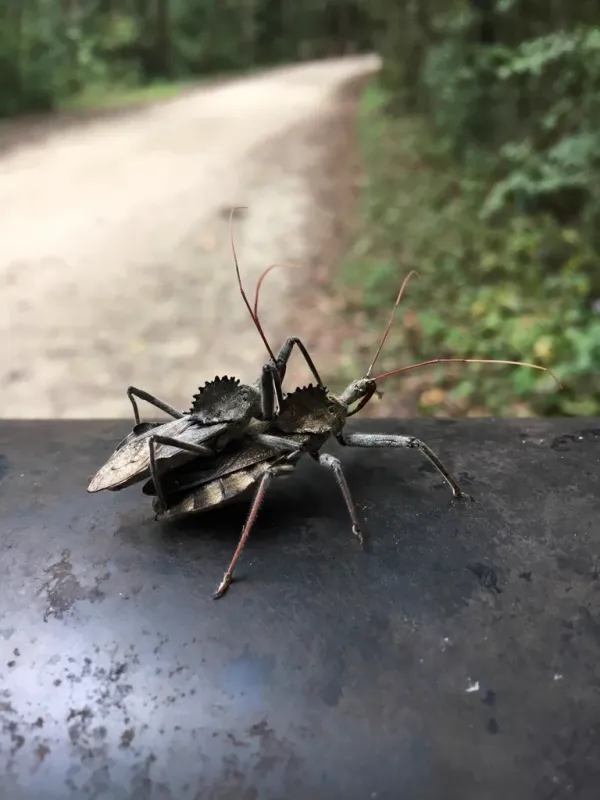
Assassin Bugs Coloration
Common color patterns to help identify assassin bugs
Assassin Bugs
Seasonal Activity
When assassin bugs are most active throughout the year

Where Assassin Bugs Are Found
Hover over states to see their names. Green regions indicate where assassin bugs have been reported.
Assassin Bug Identification Guide
Physical Characteristics
Assassin bugs are predatory insects that range from 12 to 38 mm long. They have a narrow head joined to the body by a thin neck. Their key feature is a curved beak that tucks under the body when not in use. They use this beak to catch and kill prey.
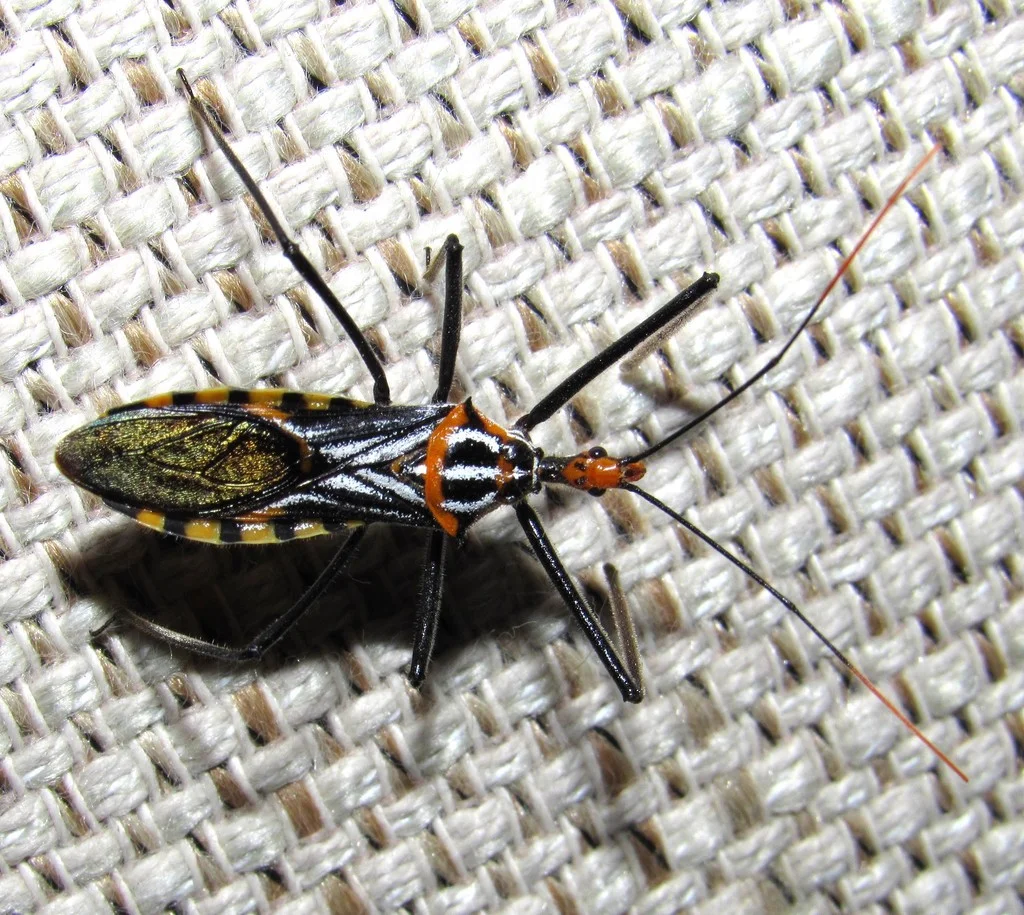
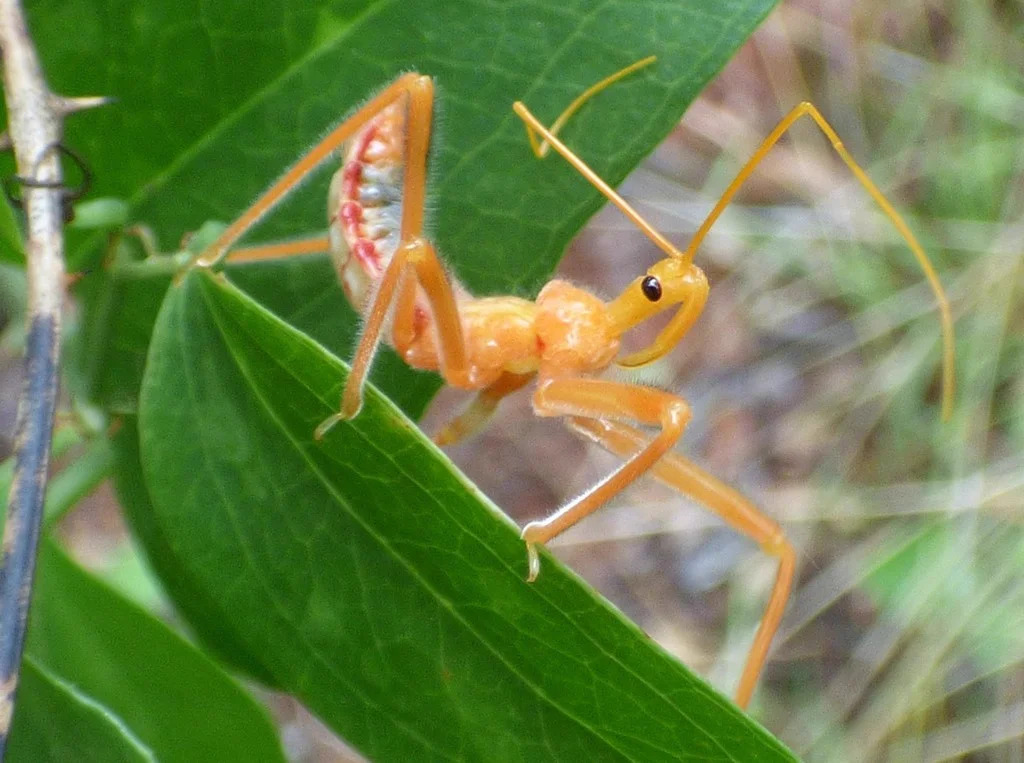
Most assassin bugs have an oval body with long, thin legs. The front legs are thick and strong for grabbing prey. Their wings fold flat on the back and form an X pattern when seen from above. Colors range from brown and gray to bright orange, red, and black.
Common Species
-
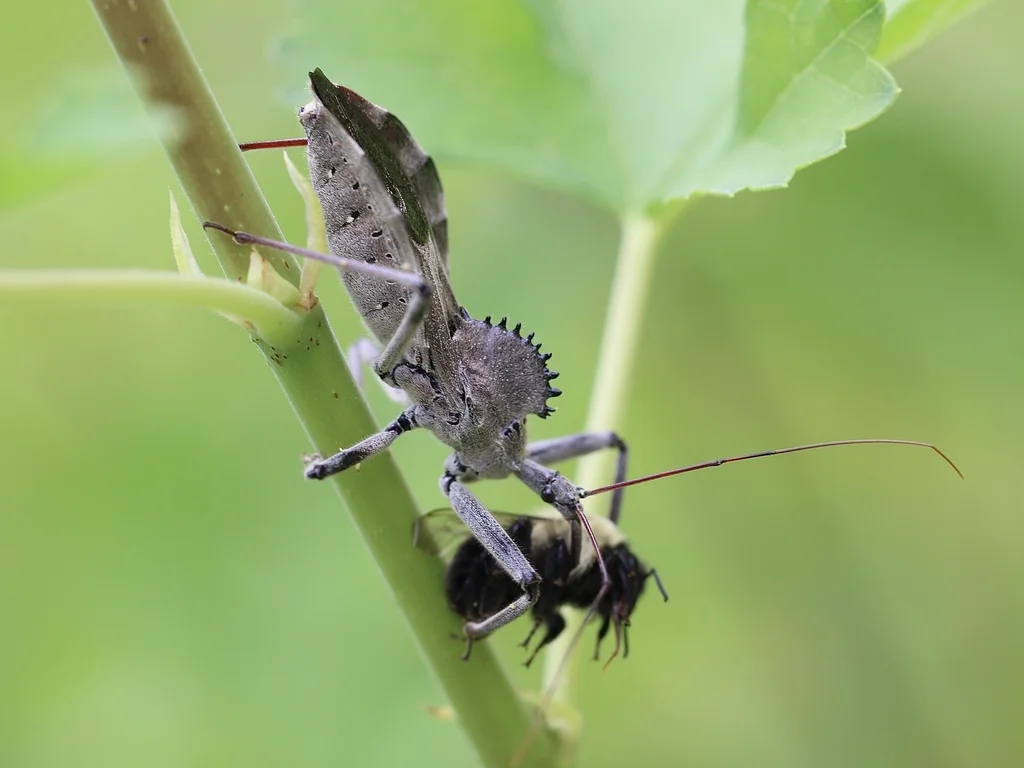
Wheel Bug (Arilus cristatus): The largest assassin bug in North America at up to 38 mm. Adults are gray-brown with a cog-shaped crest on the back. Young wheel bugs are bright red or orange.
-
Masked Hunter (Reduvius personatus): Dark brown to black and about 17 to 22 mm long. Young ones cover themselves with dust for camouflage. Often found indoors where they hunt bed bugs and other small insects.
-
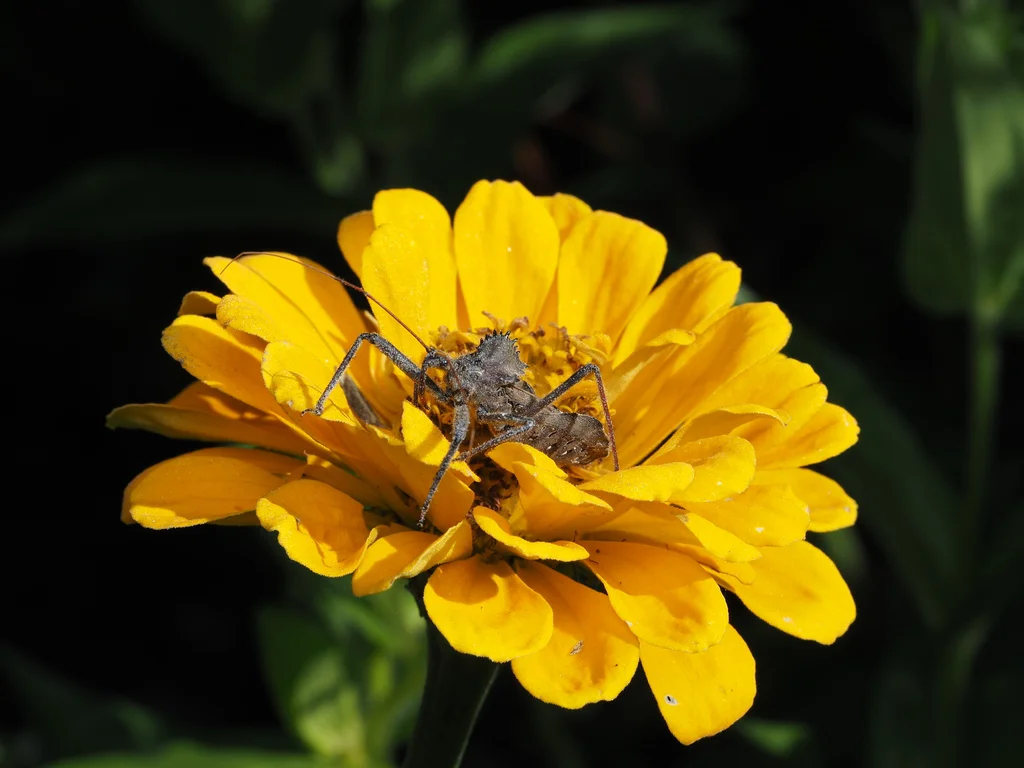
Milkweed Assassin Bug (Zelus longipes): A colorful species with orange and black markings. Found on flowers where they wait to catch prey.
-
Ambush Bugs (subfamily Phymatinae): Small, stocky assassin bugs that hide on flowers. They can catch prey much larger than themselves, including bees and butterflies.
Assassin Bug Behavior and Biology
Assassin bugs are patient hunters. They stay still and wait for prey to come close. Then they strike fast with their front legs. Once they grab an insect, they stab it with their beak and inject venom. This venom turns the prey’s insides to liquid, which the bug then drinks.
These insects hunt alone and do not form colonies. Females lay groups of eggs on leaves or in hidden spots. The eggs hatch into young bugs called nymphs. Nymphs start hunting right away but go after smaller prey. Most species have one generation per year in colder areas.
Wheel bugs are active during the day. They live in gardens, forests, and orchards. They eat caterpillars, Japanese beetles, and other insects. Wheel bugs can be aggressive and may bite if you handle them.
Masked hunters are active at night and often show up indoors. Their young have sticky hairs that pick up dust and lint. This helps them blend in. This species eats bed bugs, carpet beetles, and earwigs.
Understanding Assassin Bug Concerns
When Assassin Bugs Become a Problem
Assassin bugs are predators that eat other insects. They rarely cause problems for homeowners. However, they can become a concern when they enter homes or when people get bitten. If you find masked hunters indoors, it may mean you have other pests they are hunting, like bed bugs.
Bites usually happen when someone rolls onto an assassin bug in bed or touches one while working in the garden. The bite hurts but is not dangerous for most people. You may feel sharp pain, swelling, and numbness that lasts a few hours.
Kissing Bugs and Disease Risk
Kissing bugs are a type of assassin bug that feeds on blood. They live mainly in southern and southwestern states. Unlike other assassin bugs, they can spread Chagas disease. When a kissing bug bites, it leaves droppings near the wound. If these droppings get into the bite, eyes, or mouth, you can get sick.
Kissing bugs have a cone-shaped head. They are brown or black with red or orange marks on the belly. They are active at night and often bite sleeping people on the face. If you think you found a kissing bug, contact your local health department to have it checked.
This is for learning purposes only. It is not medical advice. If you worry about a bite or disease, please see a doctor.
Managing Assassin Bugs
Assassin bugs that live outdoors usually do not need control. They eat garden pests and stay out of the way. If you want to avoid bites while working in the yard, wear gloves and long sleeves.
For assassin bugs that get inside, focus on blocking entry points. Seal gaps around windows and doors. Fix torn screens. Turn off outdoor lights that draw insects to your home. If you find masked hunters, check for bed bugs or other pests they may be chasing.
You can catch a single assassin bug with a jar and let it go outside. Do not touch it with bare hands to avoid getting bitten. Use a vacuum to remove any you cannot catch by hand.
References
- Assassin Bugs and Ambush Bugs - Wisconsin Horticulture Extension
- Family Reduviidae - NC State University Entomology
- Wheel Bug - University of Florida IFAS Extension
- Masked Hunter Bug - Wisconsin Horticulture Extension
- Kissing Bugs and Chagas Disease - CDC
- Assassin Bugs - Missouri Department of Conservation
Other Other Pests
Explore other species in the other pests family
Commonly Confused With
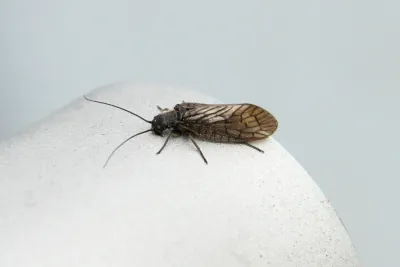
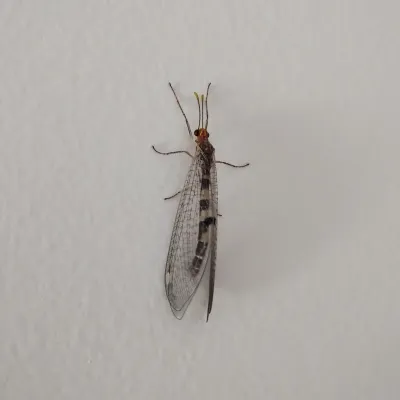
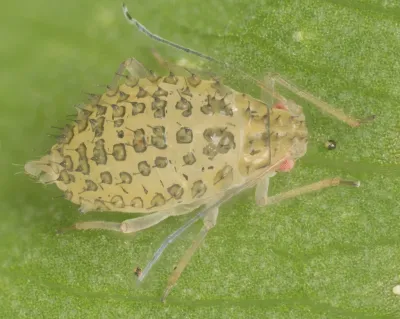
Assassin Bugs are often mistaken for these similar pests
Where Assassin Bugs Are Found
Hover over states to see their names. Green regions indicate where assassin bugs have been reported.
Common Questions about Assassin Bugs
Are assassin bugs dangerous to humans?
+
Assassin bugs can deliver a painful bite if handled or accidentally pressed against skin. The bite feels like a bee sting and may cause localized swelling. Most North American species do not carry diseases, though kissing bugs (a specific type found mainly in southern states) can transmit Chagas disease.
What is the difference between assassin bugs and kissing bugs?
+
Kissing bugs are a specific subfamily of assassin bugs that feed on blood. Most assassin bugs are predators that hunt other insects. Kissing bugs have a cone-shaped head and are found mainly in the southern United States, while common assassin bugs like wheel bugs are found throughout North America.
Should I kill assassin bugs in my garden?
+
Assassin bugs eat caterpillars, beetles, aphids, and other plant-damaging insects. Many gardeners leave them alone since they help reduce pest numbers. However, if you are concerned about bites, wear gloves when working near them.
Why are assassin bugs in my house?
+
Assassin bugs sometimes enter homes while hunting prey or seeking shelter. The masked hunter, a common indoor species, feeds on bed bugs, carpet beetle larvae, and other household pests. They are attracted to lights at night and may fly through open doors or windows.
What does a wheel bug bite feel like?
+
A wheel bug bite is immediately painful, often compared to a bee or wasp sting. The pain can last for several hours, and some people experience numbness or swelling at the bite site. The effects are temporary and do not require medical treatment for most people.
How do I identify an assassin bug?
+
Look for a narrow head with a curved, beak-like mouthpart tucked beneath the body. Most have an elongated oval body and long legs. The wheel bug has a distinctive gear-shaped crest on its back. Colors range from brown and gray to bright orange or red depending on the species.

With five years of hands-on experience in the pest control industry, George Schulz is a registered technician with the Virginia Pest Management Association and a proud third-generation professional in a family business that's been protecting homes for over 57 years. He manages and trains a team of service pros while also leading internal research efforts—recently spearheading a deep-dive review of thousands of documents on pest control materials to hand-pick the most kid and pet friendly, most effective solutions tailored specifically for homes in the DC metro area.