Asian Lady Beetles Identification Guide
Harmonia axyridis
Asian lady beetles are invasive insects that enter homes in large numbers during fall. They can bite, release foul-smelling secretions, and stain surfaces when disturbed.
Taxonomy
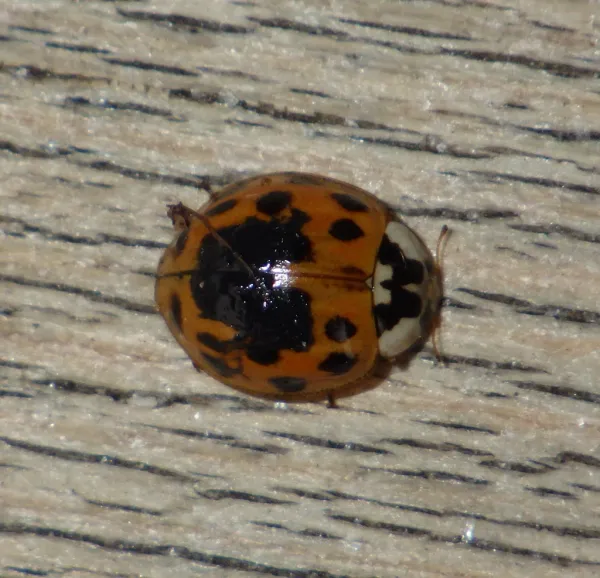
Asian Lady Beetles Coloration
Common color patterns to help identify asian lady beetles
Asian Lady Beetles
Seasonal Activity
When asian lady beetles are most active throughout the year

Where Asian Lady Beetles Are Found
Hover over states to see their names. Green regions indicate where asian lady beetles have been reported.
Asian Lady Beetle Identification Guide
Physical Characteristics
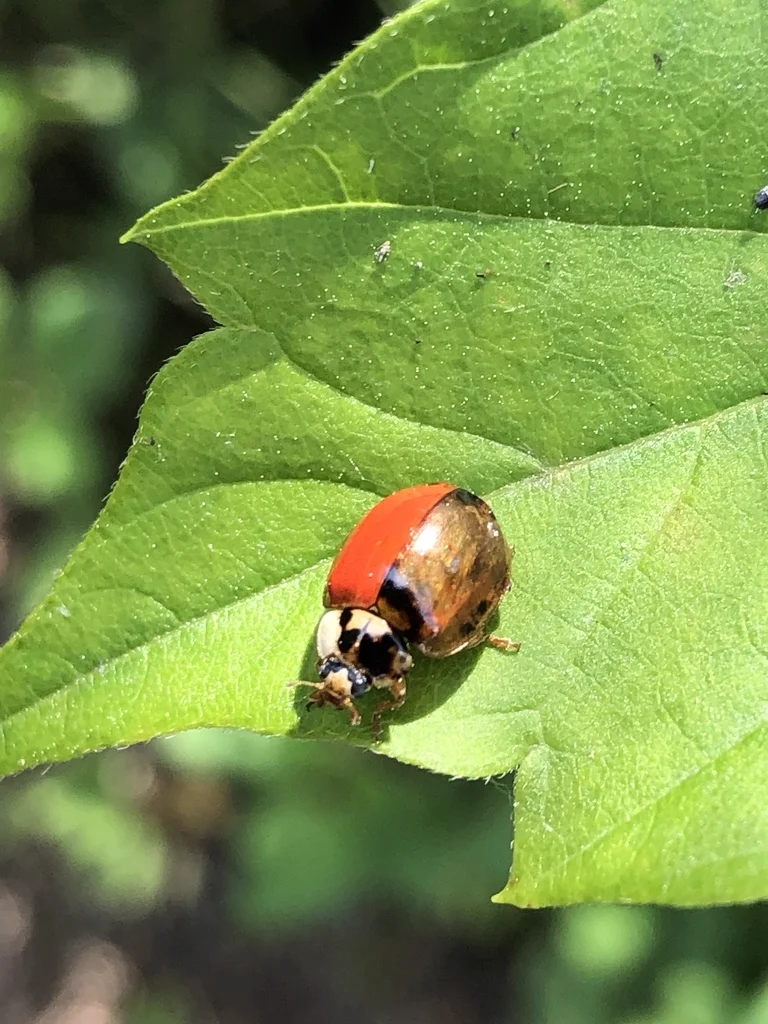
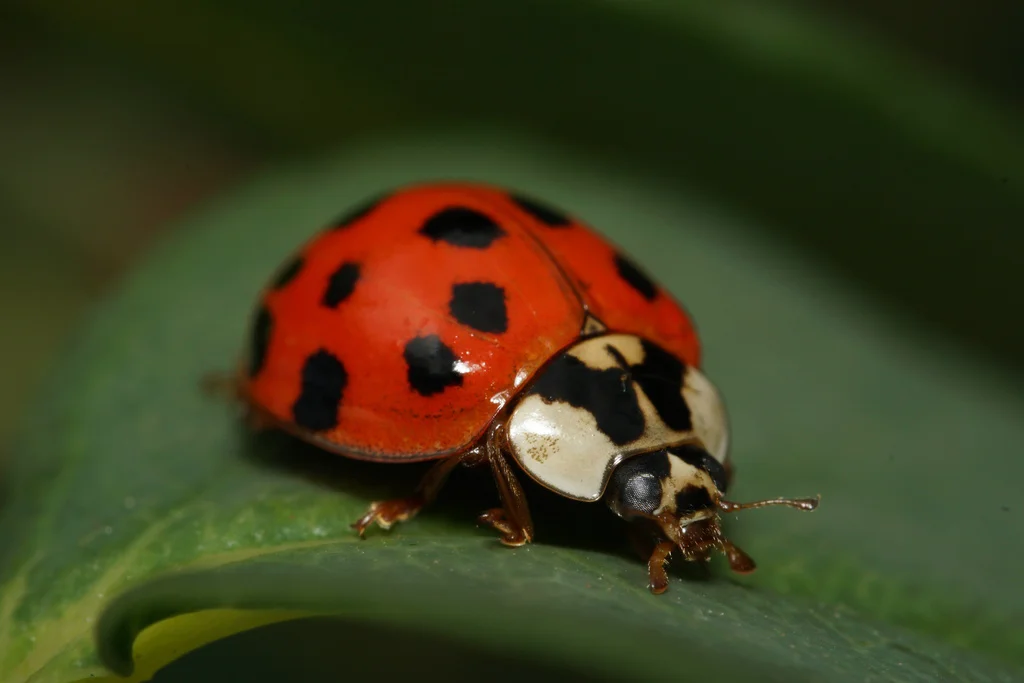
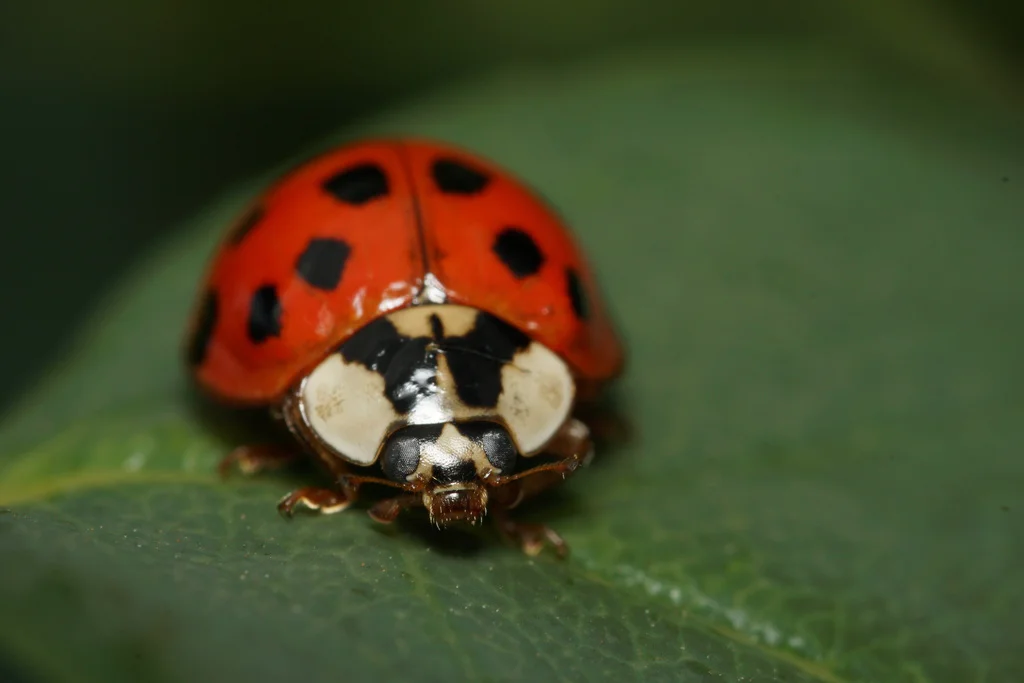
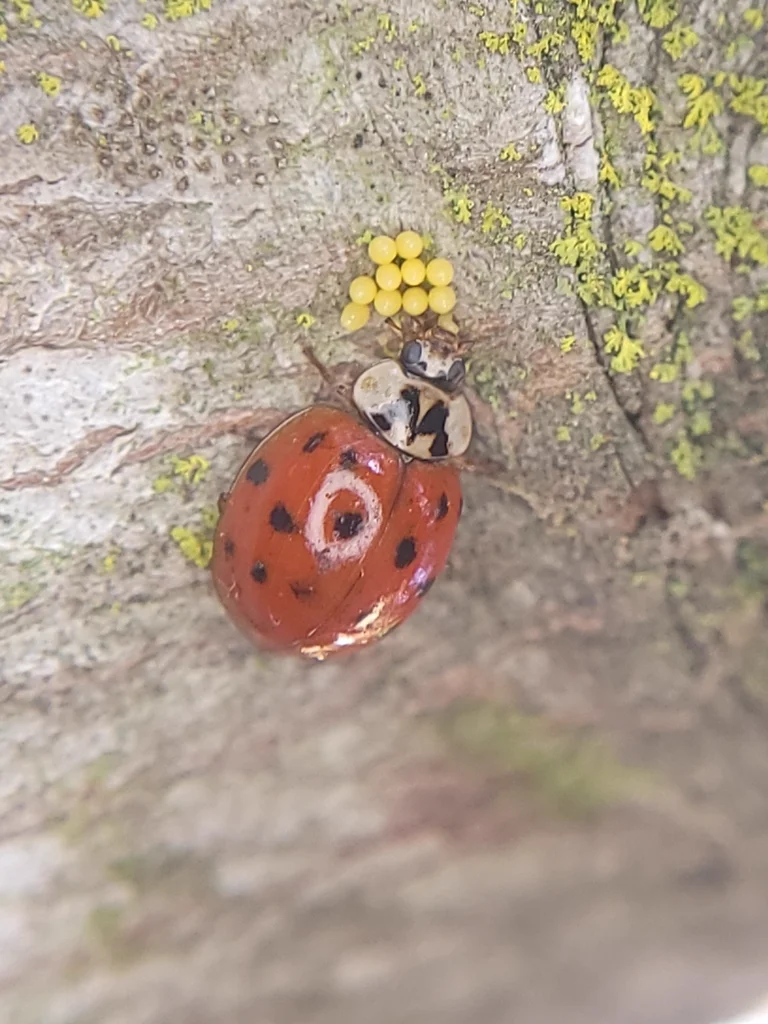
Asian lady beetles are small, dome-shaped insects that look like native ladybugs. They are 5 to 8 millimeters long, about the size of a pencil eraser. The easiest way to spot them is by the M-shaped or W-shaped black marking on the white area behind their head. This area is called the pronotum. The marking can be thick or thin depending on the beetle.
These beetles come in many colors. Some are pale yellow or tan. Others are bright orange or deep red. The number of spots also varies a lot. Some have 19 or more black spots, others have just a few, and some have none at all. This makes them tricky to identify by color alone. The marking on the pronotum is the most reliable way to tell them apart from native ladybugs.
Common Species
Only one species of Asian lady beetle lives in North America:
- Multicolored Asian Lady Beetle (Harmonia axyridis): This species came from eastern Asia. It was brought to North America several times to help control crop pests. It has since spread across the continent. Its habit of gathering in large groups inside buildings during winter makes it a major nuisance pest. A related species, Dermestid Beetles, shares similar characteristics.
Asian Lady Beetle Behavior and Biology A related species, June Bugs, shares similar characteristics.
Asian lady beetles feed on aphids and other small insects. Both adults and larvae eat these pests. A single beetle can eat hundreds of aphids in its life. This made them useful for crop protection, which is why they were brought to North America. A related species, False Powderpost Beetles, shares similar characteristics.
In late summer and early fall, adult beetles start looking for shelter to spend the winter. They like light-colored surfaces that are warmed by the sun. South-facing and southwest-facing walls are very attractive to them. The beetles gather on these warm surfaces before finding their way inside through cracks and gaps. A related species, Old House Borers, shares similar characteristics.
Once inside, Asian lady beetles go dormant. They cluster in wall voids and other hidden spaces. On warm winter days, they may wake up and move into living areas. They are drawn by warmth and light. This can happen many times throughout winter and early spring. A related species, Spider Beetles, shares similar characteristics.
Female beetles lay clusters of yellow eggs on plant leaves. The larvae are long and covered with small spines. They are black with orange markings and look very different from the adults. After feeding for several weeks, larvae turn into pupae and then emerge as adults. There can be several generations per year in warmer areas. A related species, Click Beetles, shares similar characteristics.
How We Treat for Asian Lady Beetles A related species, Carpet Beetle Larvae, shares similar characteristics.
The best way to control Asian lady beetles is to treat before they start looking for shelter in fall. A related species, Deathwatch Beetles, shares similar characteristics.
-
Exterior Barrier Treatment: Before the weather turns cold, usually in October, we apply dust treatments in exterior voids. This includes weep holes, behind siding, and around windows and doors. The dust creates a barrier that keeps beetles out. We also treat the outside perimeter with a repellent to stop beetles from landing on your home.
-
Entry Point Inspection: We check your home for gaps and cracks that let beetles in. Common entry points include gaps around windows and doors, torn screens, spaces where utility lines enter, and openings along the roofline. We tell you which spots to seal.
-
Interior Treatment: If beetles are already inside, we treat the areas where they gather. Repellent materials around window seals, door frames, and baseboards help push out active beetles. In bad cases, we may need to treat wall voids where beetles cluster.
-
Seasonal Timing: Fall treatment before the first hard frost is key for pests like Asian lady beetles. We time our work to protect your home when beetles are most active.
The best results come from combining treatments with sealing entry points. Blocking gaps keeps beetles out even after treatments wear off.
References
- Multicolored Asian Lady Beetle - Penn State Extension
- Asian Lady Beetle Infestation of Structures - University of Kentucky Entomology
- Multicolored Asian Lady Beetle - University of Minnesota Extension
- Harmonia axyridis - Global Invasive Species Database
- Asian Multicolored Lady Beetle - Kansas State University Extension
Other Other Pests
Explore other species in the other pests family
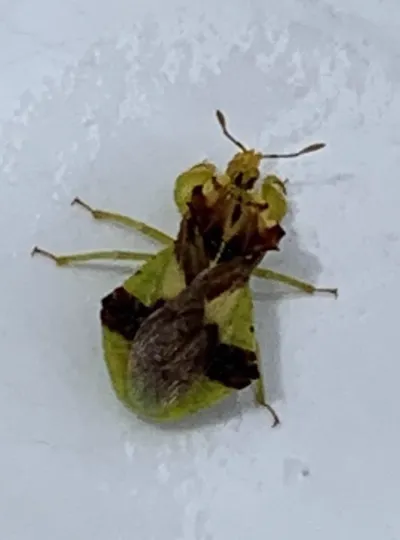
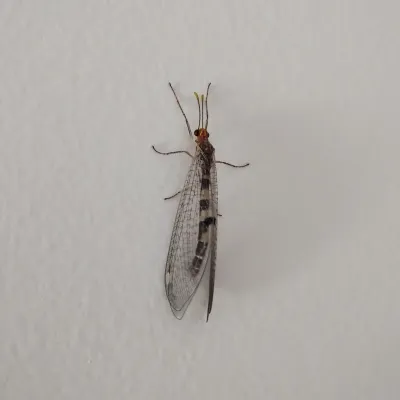
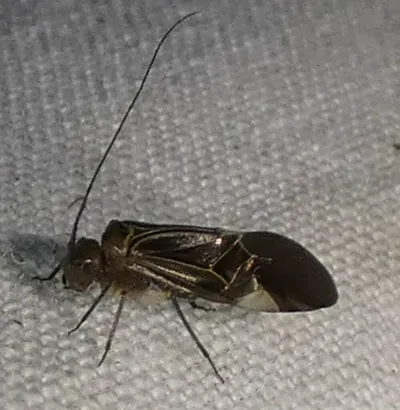
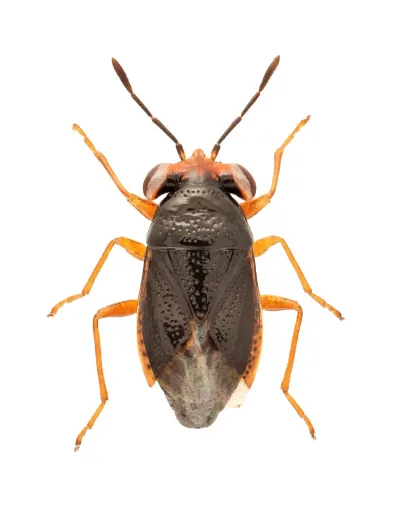
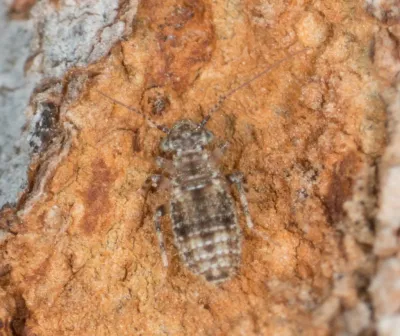
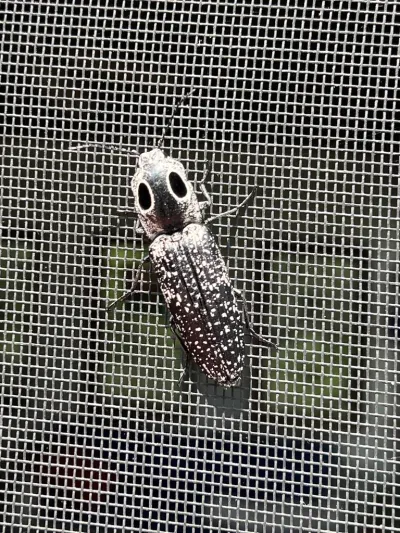
Commonly Confused With
Asian Lady Beetles are often mistaken for these similar pests
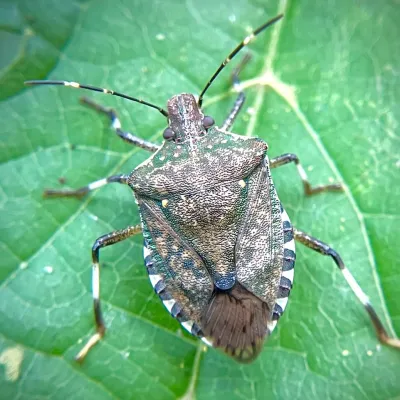
Where Asian Lady Beetles Are Found
Hover over states to see their names. Green regions indicate where asian lady beetles have been reported.
Common Questions about Asian Lady Beetles
How can I tell Asian lady beetles apart from regular ladybugs?
+
Look for an M-shaped or W-shaped black marking on the white area behind their head. This area is called the pronotum. Asian lady beetles also come in more colors, from pale yellow to deep orange-red. They can have many spots, few spots, or none at all. Native ladybugs do not have this marking and usually have the same coloring.
Do Asian lady beetles bite?
+
Yes, Asian lady beetles can bite. They pinch skin with their mouthparts, which may cause minor irritation or a small welt. The bites are not dangerous, but they can be surprising and uncomfortable. They tend to bite more when looking for moisture.
Why do Asian lady beetles swarm my house in fall?
+
Asian lady beetles look for sheltered spots to spend the winter. They like light-colored surfaces warmed by the sun. Homes with southern or southwestern exposure often see more beetles. They enter through small gaps around windows, doors, and siding.
Are Asian lady beetles harmful?
+
Asian lady beetles are mostly a nuisance pest. They do not damage structures or spread disease. But they can stain fabrics and surfaces with their yellowish secretions. They may also trigger allergic reactions in some people. Large numbers of them can be overwhelming.
What is the yellow stain Asian lady beetles leave behind?
+
When disturbed, Asian lady beetles release a smelly yellowish fluid from their leg joints. This is a defense mechanism called reflex bleeding. The fluid can stain walls, curtains, furniture, and other surfaces. It also smells bad.
Can Asian lady beetles cause allergies?
+
Yes, Asian lady beetles can trigger allergic reactions in some people. Their shed skins, secretions, and dead bodies can become airborne. This can cause symptoms like sneezing, runny nose, and itchy eyes. In some cases, they may worsen asthma.
How do I get rid of Asian lady beetles in my house?
+
Vacuuming is the best way to remove Asian lady beetles indoors. Use a shop vac or place a stocking inside your vacuum hose to collect them without crushing. Do not squish them. Crushing releases their staining secretions and odor.

With five years of hands-on experience in the pest control industry, George Schulz is a registered technician with the Virginia Pest Management Association and a proud third-generation professional in a family business that's been protecting homes for over 57 years. He manages and trains a team of service pros while also leading internal research efforts—recently spearheading a deep-dive review of thousands of documents on pest control materials to hand-pick the most kid and pet friendly, most effective solutions tailored specifically for homes in the DC metro area.