Aphids Identification Guide
Aphididae
Aphids are tiny, soft-bodied insects that feed on plant sap, causing leaves to curl, yellow, and stunt plant growth. They reproduce rapidly and can infest gardens, ornamental plants, and agricultural crops throughout North America.
Taxonomy
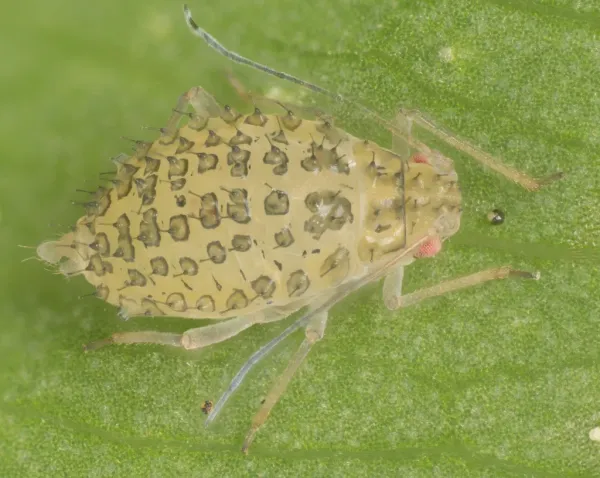
Aphids Coloration
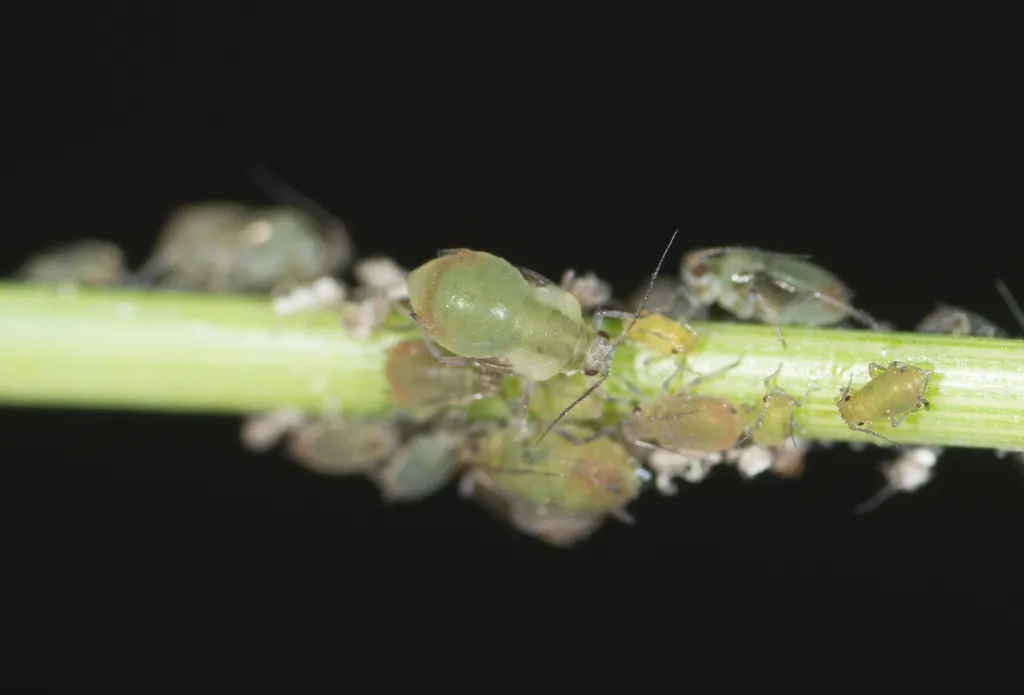
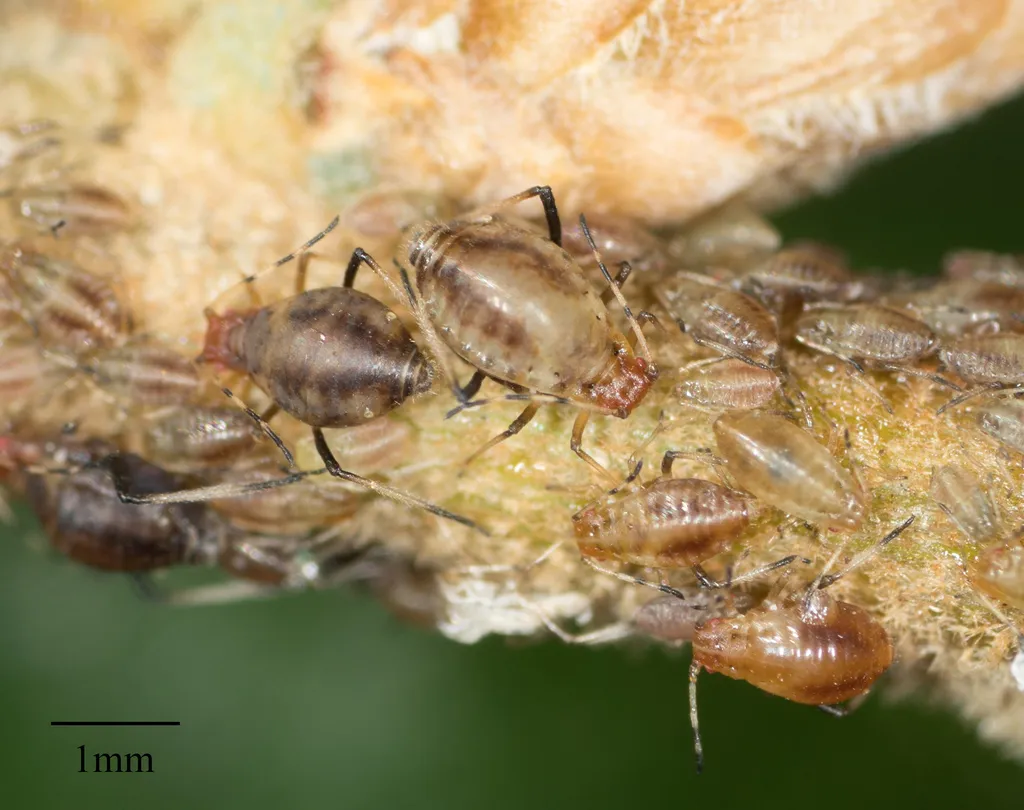
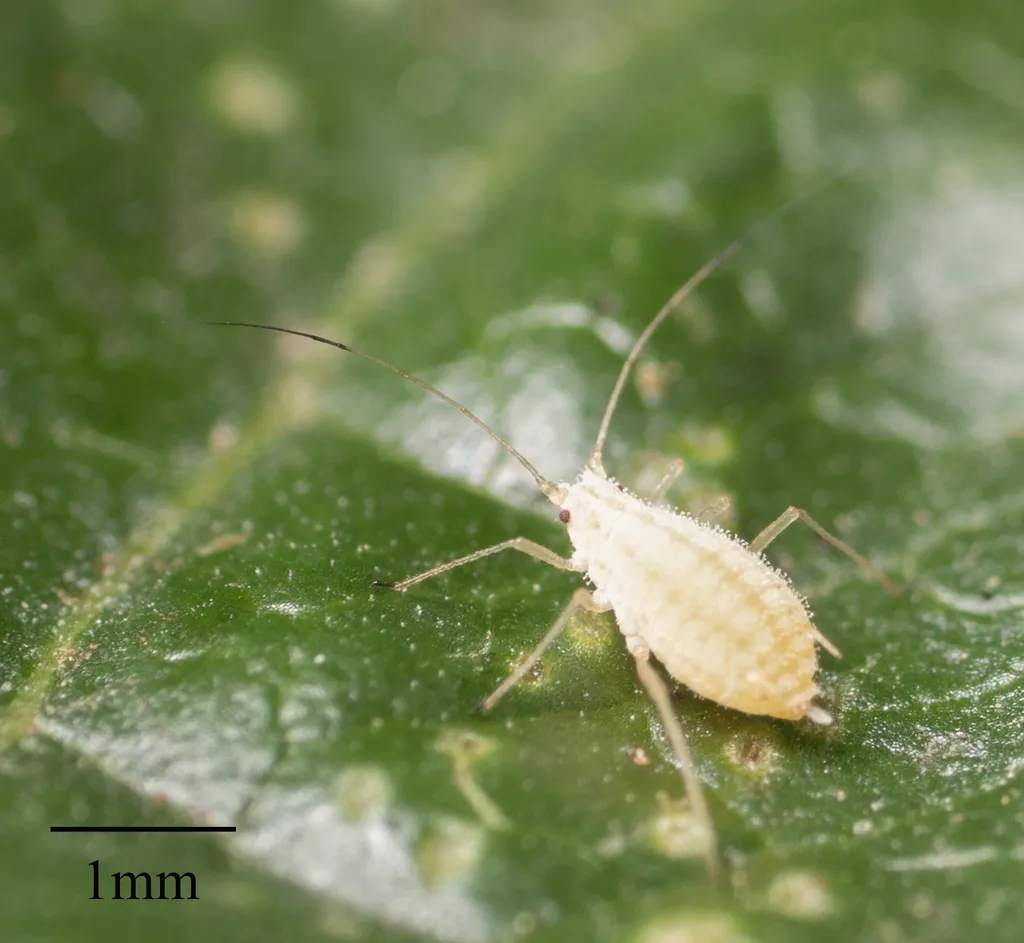
Common color patterns to help identify aphids
Aphids
Seasonal Activity
When aphids are most active throughout the year

Where Aphids Are Found
Hover over states to see their names. Green regions indicate where aphids have been reported.
Aphid Identification Guide
Physical Characteristics
Aphids are small, soft-bodied insects that measure 1 to 4 millimeters long. They have a pear-shaped body with long legs and antennae. The best way to identify them is by the pair of tube-like parts called cornicles on the back of their body. These tubes release a waxy substance when the aphid feels threatened.
Aphids come in many colors based on their species and what plant they feed on. Common colors include green, black, brown, yellow, red, and white. Some types look woolly or fuzzy. Most aphids do not have wings. But winged forms grow when colonies get too crowded or when they need to find new plants.
Common Species in North America
Green Peach Aphid (Myzus persicae): One of the most common species. It attacks vegetables, flowers, and fruit trees. It is light green to yellow and can spread over 100 plant viruses.
Cotton Aphid (Aphis gossypii): Also called the melon aphid. It ranges from yellow-green to dark green. It feeds on squash, melons, citrus, cotton, and many flowers.
Cabbage Aphid (Brevicoryne brassicae): A gray-green aphid with a waxy coating. It targets plants in the cabbage family like broccoli, kale, and Brussels sprouts.
Black Bean Aphid (Aphis fabae): Dark brown to black in color. It infests beans, beets, spinach, and many garden plants.
Rose Aphid (Macrosiphum rosae): A large green or pink aphid found on roses and other garden plants.
Aphid Behavior and Biology
Aphids have a unique way of reproducing. During the growing season, female aphids give birth to live young without mating. These young are born already pregnant with the next generation inside them. This lets populations grow very fast. A full life cycle can take just 7 to 12 days when conditions are right.
When colonies get too crowded or plants run low on nutrients, winged aphids develop. These can fly to new plants and start fresh colonies. In fall, male and female aphids mate and lay eggs that survive the winter. These eggs hatch in spring to start the cycle again.
Aphids feed by pushing their sharp mouthparts into plant tissue. They drink the sap that flows through the plant. This drains nutrients and can spread viruses from plant to plant. As they feed, aphids release extra sugars as honeydew. This sticky stuff coats leaves and stems. Honeydew draws ants, which guard aphid colonies in return for the sweet food. Black sooty mold also grows on honeydew and blocks sunlight from reaching leaves.
Treatment Methods for Aphids
Aphids respond best when you use several control methods together. They breed so fast that one method alone may not be enough.
Cultural Practices
Good plant care helps prevent aphid problems. Do not over-fertilize, especially with nitrogen. Too much nitrogen makes plants grow soft, tender shoots that aphids love. Spread fertilizer out over the season instead of adding it all at once. Pull weeds that can host aphids. Always check new plants before you add them to your garden.
Physical Removal
For small numbers of aphids, spray plants with a strong jet of water from a hose. This knocks aphids off the leaves. Do this early in the day so leaves can dry before night. You can also prune and throw away shoots that have heavy infestations.
Targeted Treatments
When aphid numbers get high, insecticidal soaps and horticultural oils work well. These products kill aphids on contact. They break down quickly and have little lasting effect on other insects after they dry. You must spray aphids directly for these products to work. Neem oil also kills aphids on contact and can deter them from returning.
For heavy infestations on trees and shrubs, systemic insecticides can help. The plant absorbs these products and they kill aphids when they feed. Use systemic products with care around flowering plants.
References
Other Other Pests
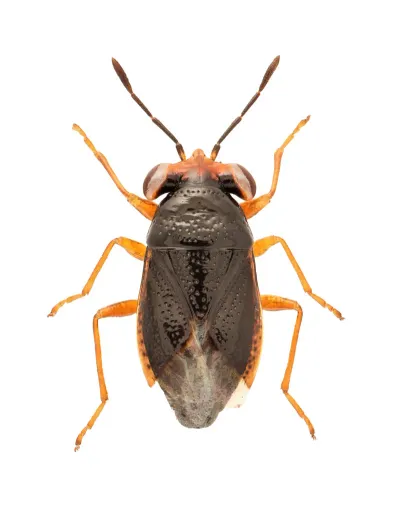
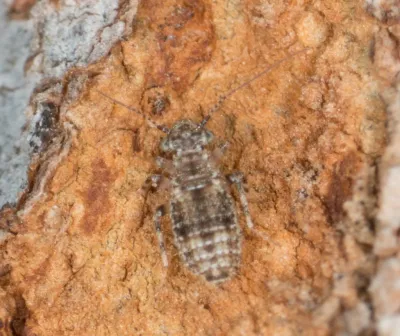
Explore other species in the other pests family
Commonly Confused With
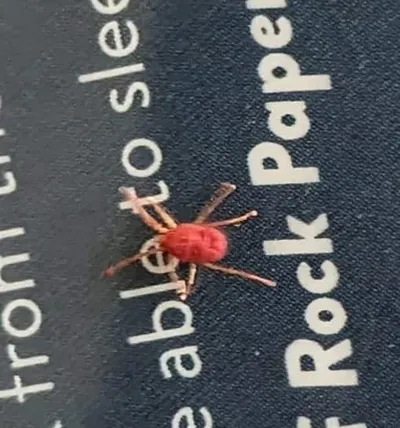
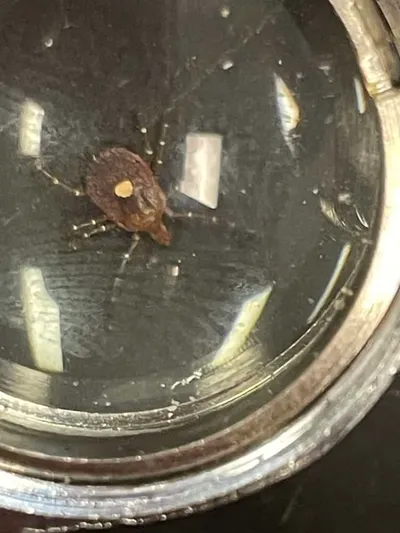
Aphids are often mistaken for these similar pests
Where Aphids Are Found
Hover over states to see their names. Green regions indicate where aphids have been reported.
Common Questions about Aphids
What do aphids look like?
+
Aphids are small, pear-shaped insects about 1-4 mm long. They come in many colors including green, black, brown, yellow, and red. You can identify them by two small tubes called cornicles on their back end. Most aphids do not have wings, but winged forms show up when colonies get crowded.
What damage do aphids cause to plants?
+
Aphids pierce plant tissues and suck out sap. This causes leaves to curl, turn yellow, and become misshapen. They also leave behind a sticky substance called honeydew that grows black mold. Heavy infestations can stunt plants and lower crop yields.
Why are there so many aphids on my plants?
+
Aphids breed very fast. Females give birth to live young without mating. One aphid can produce up to 80 offspring in a week. Populations can explode within days. Up to 30 generations can occur in one year.
Do aphids spread diseases?
+
Yes, aphids spread many plant viruses. The green peach aphid alone can spread over 100 plant viruses. Melon aphids spread at least 44 plant viruses. These diseases often cause more harm than the aphid feeding itself.
What eats aphids?
+
Ladybugs, lacewings, syrphid flies, parasitic wasps, and damsel bugs all eat aphids. A single ladybug can eat up to 50 aphids per day.
How can I prevent aphid infestations?
+
Do not over-fertilize plants, especially with nitrogen. Lush new growth draws aphids in. Check new plants before adding them to your garden. Pull weeds that can host aphids. Reflective mulches can keep flying aphids from landing on plants.
Will aphids go away on their own?
+
Aphid numbers may drop when predators catch up or weather turns bad. But they breed so fast that waiting usually leads to major plant damage. Acting early works best.

With five years of hands-on experience in the pest control industry, George Schulz is a registered technician with the Virginia Pest Management Association and a proud third-generation professional in a family business that's been protecting homes for over 57 years. He manages and trains a team of service pros while also leading internal research efforts—recently spearheading a deep-dive review of thousands of documents on pest control materials to hand-pick the most kid and pet friendly, most effective solutions tailored specifically for homes in the DC metro area.