Alderflies Identification Guide
Sialis spp.
Alderflies are small, dark-winged aquatic insects often found near streams and ponds. They are harmless to humans and indicate healthy water quality.
Taxonomy
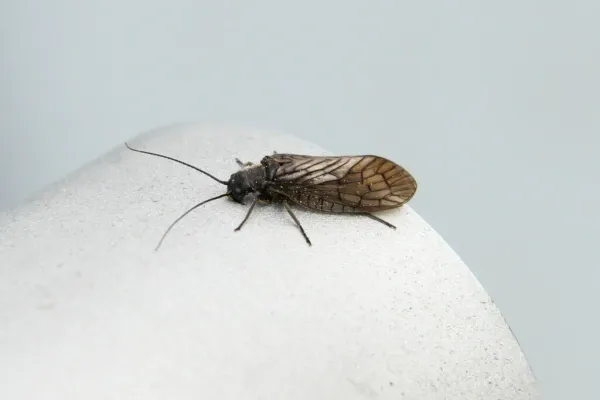
Alderflies Coloration
Common color patterns to help identify alderflies
Alderflies
Seasonal Activity
When alderflies are most active throughout the year

Where Alderflies Are Found
Hover over states to see their names. Green regions indicate where alderflies have been reported.
Alderfly Identification Guide
Physical Characteristics
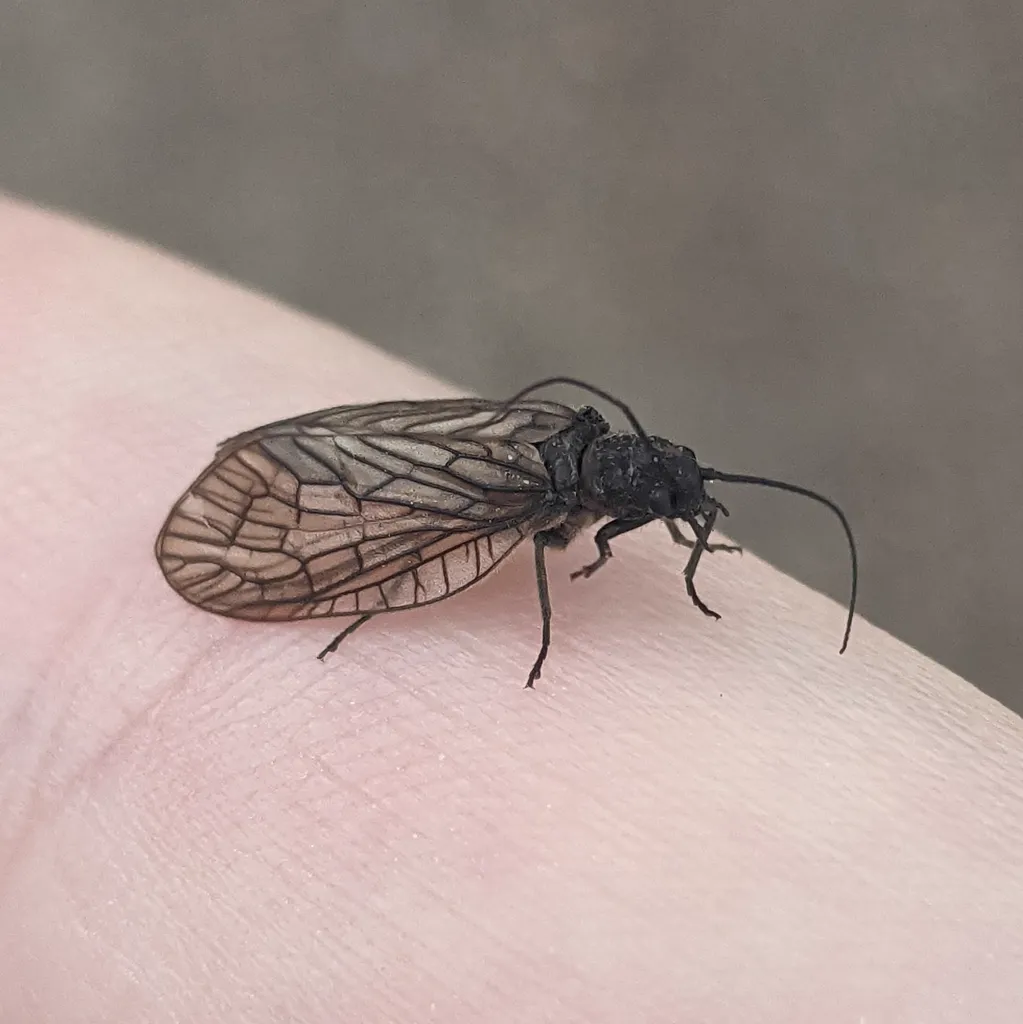
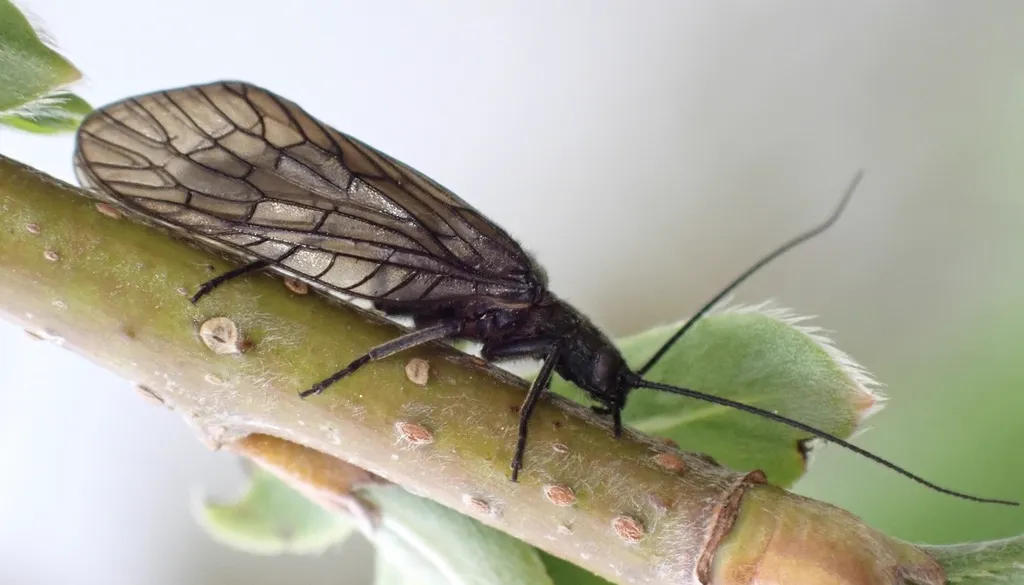
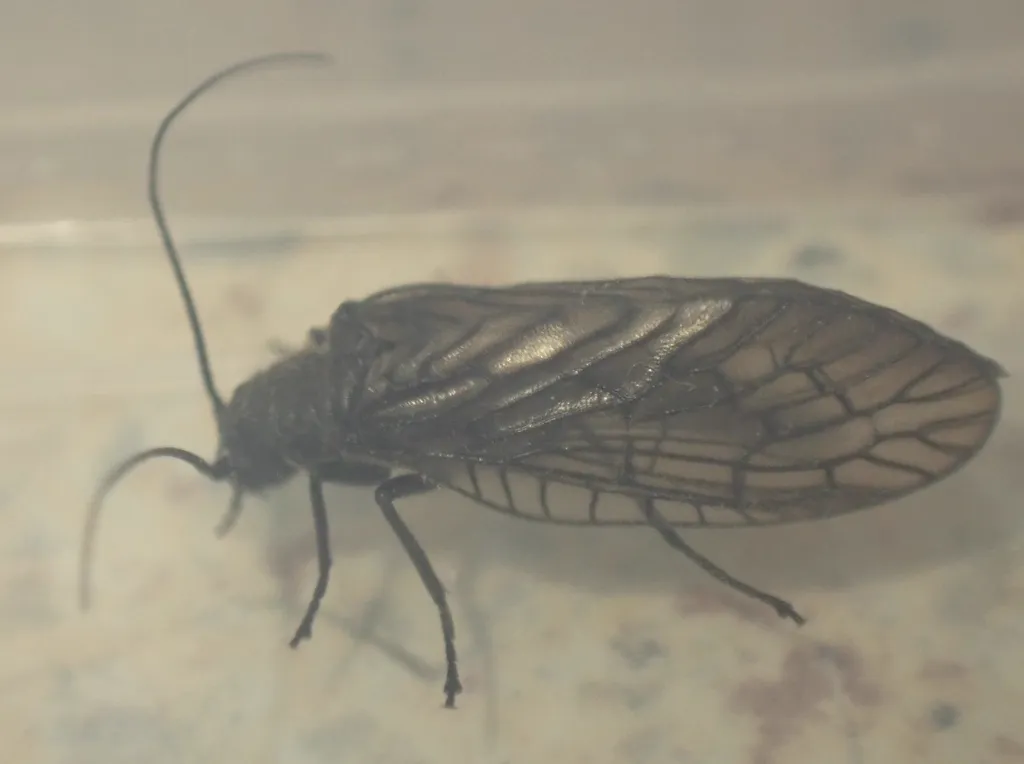
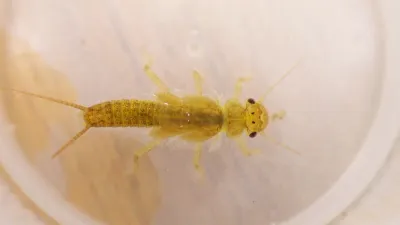
Alderflies are small to medium insects. They measure 10 to 25 millimeters long. They have soft, dark bodies and two pairs of large wings. The wings are smoky gray to brown with clear dark veins. Unlike caddisflies, alderfly wings are hairless and shiny.
At rest, alderflies fold their wings like a tent over their bodies. This looks similar to caddisflies and stoneflies. They have long, thin antennae. Unlike stoneflies, they do not have tail filaments. The head has large eyes but no small simple eyes called ocelli. This helps tell them apart from dobsonflies.
Adults have soft mouthparts. They eat little or nothing during their short lives. Their main goal is to find a mate and lay eggs before they die.
Common Species in North America
There are 23 species of alderflies in North America, all belonging to the genus Sialis. They are most common in the central and eastern United States and throughout Canada.
-
Eastern Alderfly (Sialis infumata) is widespread in eastern North America. Adults appear dark brown to black with smoky wings.
-
Western Alderfly (Sialis nevadensis) occurs in streams and ponds throughout the western states and provinces.
-
Northern Alderfly (Sialis velata) ranges across Canada and the northern tier of the United States.
Most species look very similar. Experts use wing venation patterns and reproductive structures to tell them apart.
Alderfly Behavior and Biology
Lifecycle
Alderflies go through four life stages: egg, larva, pupa, and adult. The full lifecycle takes one to two years. In colder areas, it may take up to three years.
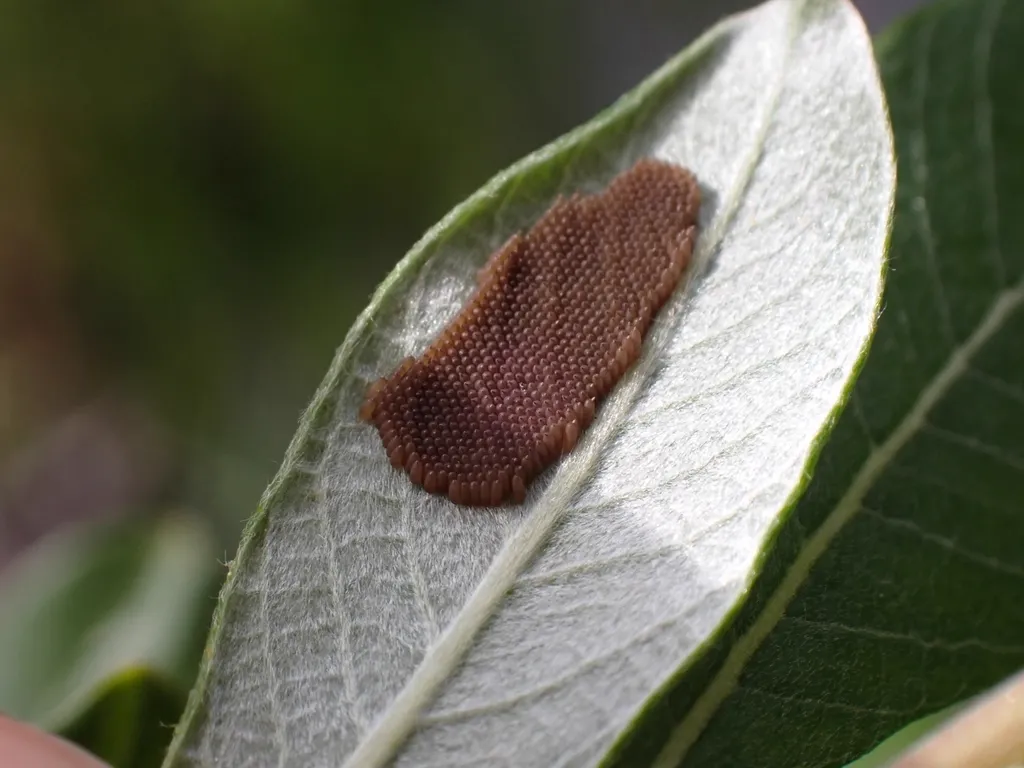
Females lay 200 to 500 eggs in neat rows on leaves, stems, or rocks above the water. The eggs are dark brown and shaped like tiny cylinders. After one to two weeks, the larvae hatch. They drop or crawl into the water below.
Larvae spend most of their lives in soft mud at the bottom of ponds, streams, and lakes. They grow through up to 11 stages. Alderfly larvae are hunters. They eat midge larvae, aquatic worms, and even other alderfly larvae.
When fully grown, larvae leave the water. They dig into moist soil near the shore. There they form a chamber and change into adults over one to four weeks. Adults come out in late spring to mid-summer, usually from May through July.
Adult Behavior
Adult alderflies are weak fliers. They stay close to water. During the day, they rest on alder trees and other plants near the shore. This is how they got their name. At night, they become more active and may fly to lights.
Adults live only a few days to about two weeks. They rarely eat. Some may drink small amounts of liquid. Their only goal is to mate. Mating happens on plants or rocks near the water. After mating, females go back to the water to lay eggs. They die soon after.
Ecological Role
Alderfly larvae play a key role in freshwater food webs. They are both hunters and food for others. As larvae, they help control midges, worms, and other small water creatures. In turn, fish, frogs, and other water animals eat them.
Adult alderflies are food for birds, bats, spiders, and dragonflies. Scientists sometimes use alderflies to check water quality. However, they can handle more pollution than some other water insects like mayflies and stoneflies.
Managing Alderflies Around Your Home
Alderflies are not pests. They do not bite or sting. They do not damage homes or get into stored food. They cannot breed indoors and do not live long away from water.
Why Alderflies May Appear Near Your Property
If you live near a pond, stream, lake, or wetland, you may see adult alderflies. They rest on plants or fly to outdoor lights in late spring and early summer. This is normal during their short adult stage.
Large numbers may come out at once. This can look like a pest problem. But it is natural and only lasts a few days to weeks.
Light Management
If alderflies gather around your home, the best fix is to manage your outdoor lights:
-
Turn off extra lights in the evening during late spring and early summer.
-
Use yellow bug bulbs or sodium vapor lights. These attract fewer flying insects.
-
Install motion-sensor lights so they only turn on when needed.
-
Close curtains or blinds at night. This stops indoor lights from drawing insects to windows.
Physical Barriers
Make sure window screens fit well and have no holes. Door sweeps and weatherstripping help keep alderflies and other flying insects outside.
What to Expect
Alderfly activity is short and seasonal. Adults come out, mate, lay eggs, and die within a few weeks. If some get inside, just vacuum them up. They will not breed indoors or cause damage. The best approach is patience. Numbers drop fast once the emergence period ends.
References
Other Other Pests
Explore other species in the other pests family
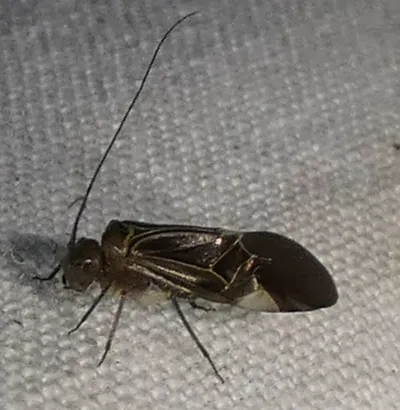
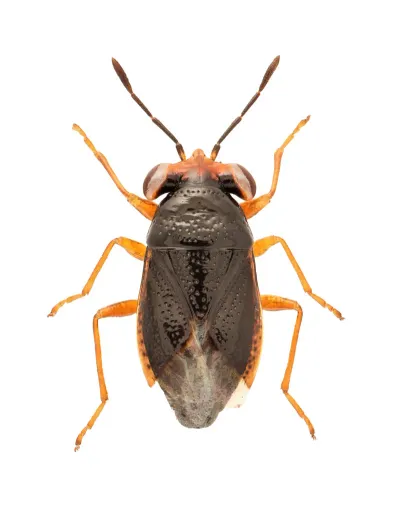
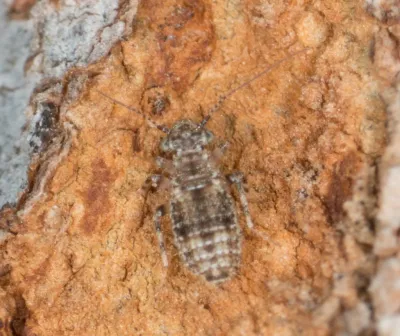
Commonly Confused With
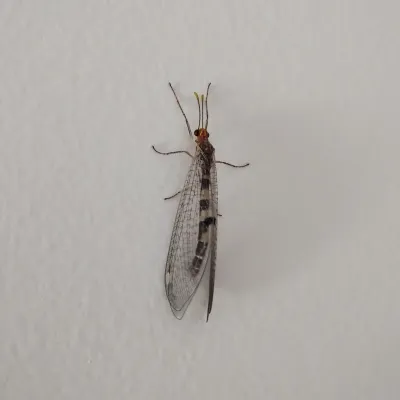
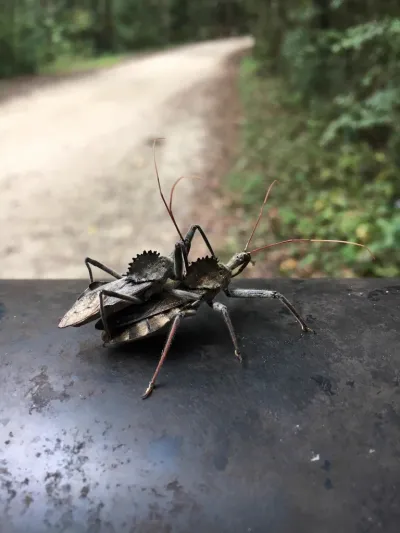
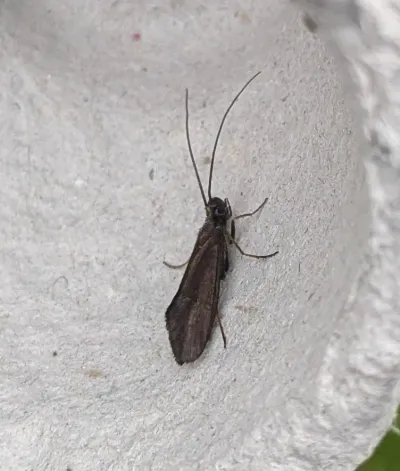
Alderflies are often mistaken for these similar pests
Where Alderflies Are Found
Hover over states to see their names. Green regions indicate where alderflies have been reported.
Common Questions about Alderflies
What are alderflies?
+
Alderflies are small, dark-winged insects in the order Megaloptera. They have aquatic larvae and short-lived terrestrial adults. You often find them near streams, ponds, and lakes, especially resting on alder trees and other vegetation near water.
Are alderflies harmful to humans?
+
No, alderflies are completely harmless. They do not bite, sting, or damage property. They do not transmit diseases and pose no threat to humans, pets, or plants.
How do I tell alderflies apart from caddisflies?
+
Alderflies have smoky gray or brown wings with distinct dark veins. Their wings are hairless, while caddisfly wings are covered with fine hairs. Alderflies also lack the tail filaments that stoneflies have. At rest, both fold their wings tent-like over their bodies.
Why are alderflies near my home?
+
If you live near a stream, pond, or lake, adult alderflies may rest on vegetation around your property. They are attracted to lights at night like many other insects. Their presence indicates clean water nearby.
How long do adult alderflies live?
+
Adult alderflies live only a few days to about two weeks. They emerge in late spring to early summer, mate, lay eggs, and die. Most of their life is spent as aquatic larvae, which can live one to three years.
What do alderfly larvae look like?
+
Alderfly larvae are brown, segmented creatures with seven pairs of feathery gill filaments along their abdomen and a single long tail filament. They live in soft sediment at the bottom of ponds and streams and hunt small invertebrates.
Do alderflies indicate good water quality?
+
Generally yes, though alderflies are more tolerant of pollution than some other aquatic insects. Some species can survive in mildly degraded waters. Still, their presence suggests reasonable water quality in nearby streams or ponds.

With five years of hands-on experience in the pest control industry, George Schulz is a registered technician with the Virginia Pest Management Association and a proud third-generation professional in a family business that's been protecting homes for over 57 years. He manages and trains a team of service pros while also leading internal research efforts—recently spearheading a deep-dive review of thousands of documents on pest control materials to hand-pick the most kid and pet friendly, most effective solutions tailored specifically for homes in the DC metro area.