Variegated Cutworm Identification Guide
Peridroma saucia
The variegated cutworm is a destructive garden and agricultural pest. The larvae feed on a wide range of plants, cutting stems at ground level and damaging leaves and fruits. Adult moths are known as pearly underwing moths.
Taxonomy
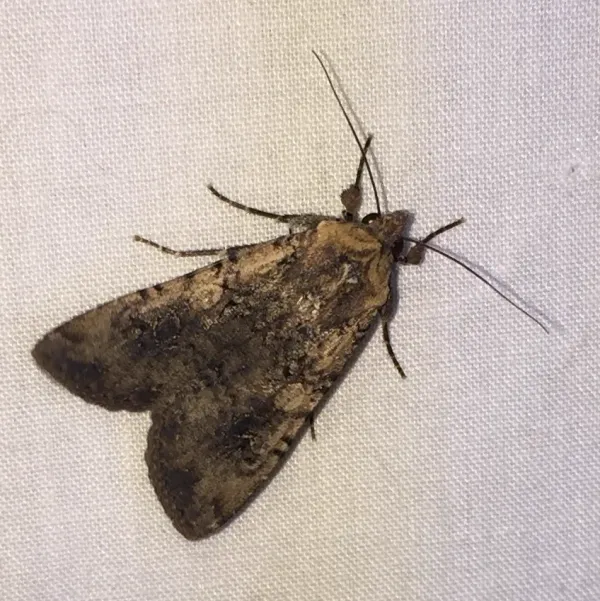
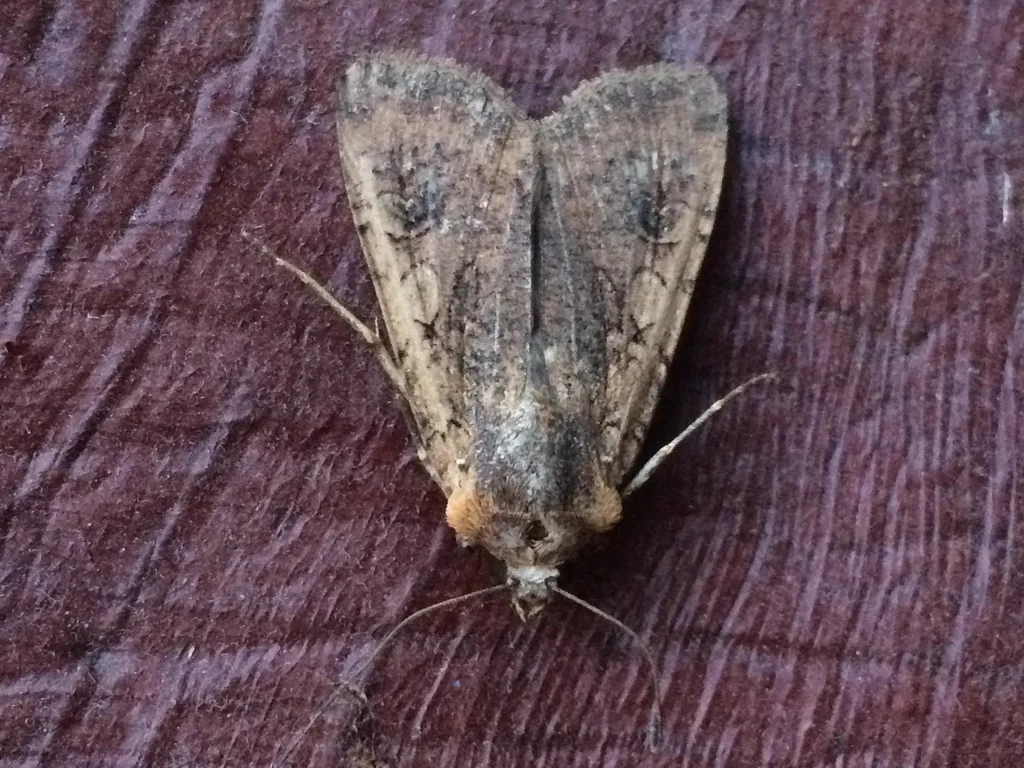
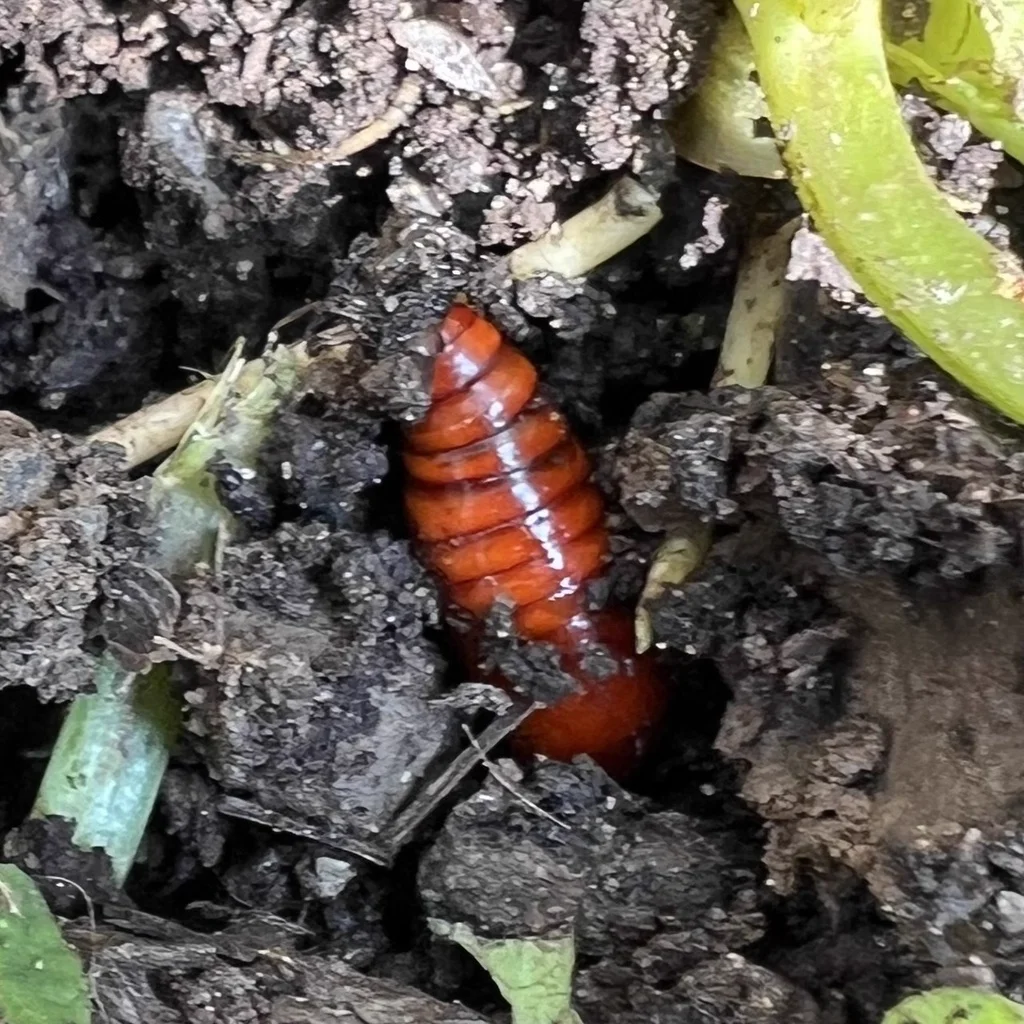
Variegated Cutworm Coloration
Common color patterns to help identify variegated cutworm
Variegated Cutworm
Seasonal Activity
When variegated cutworm are most active throughout the year
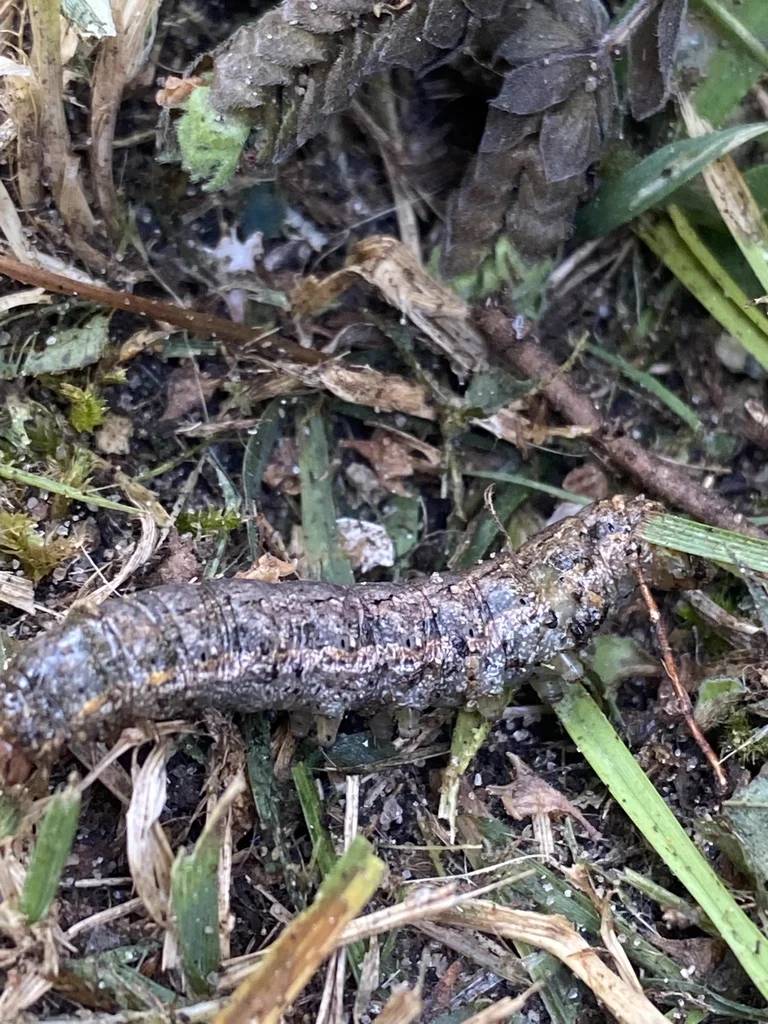
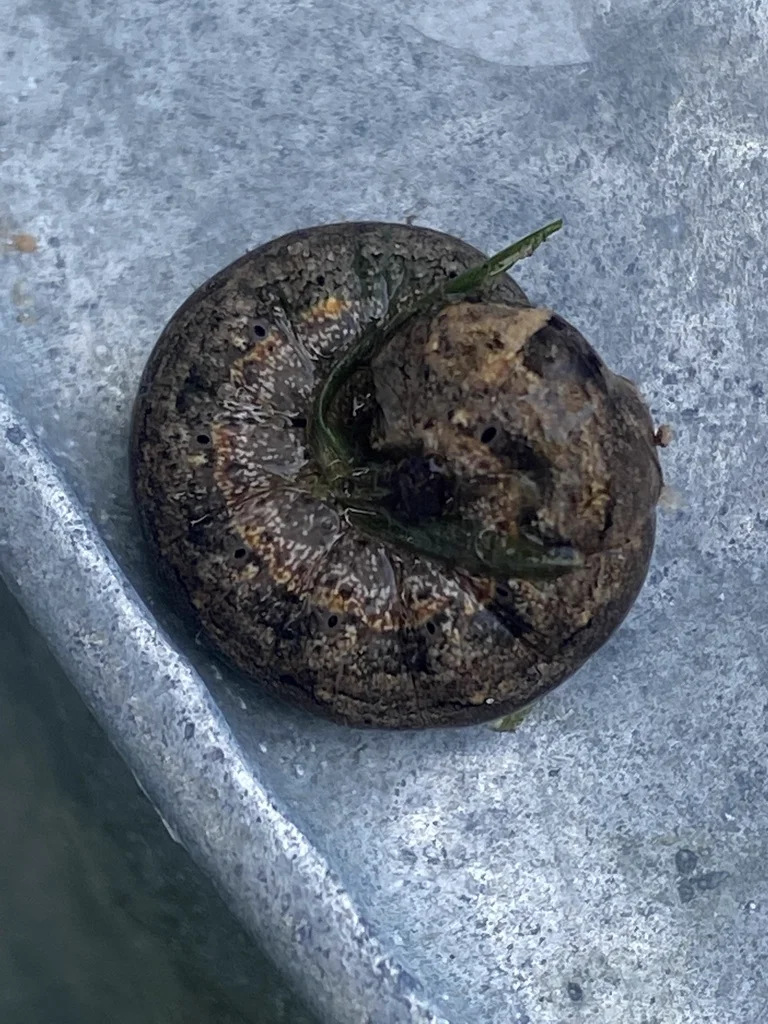
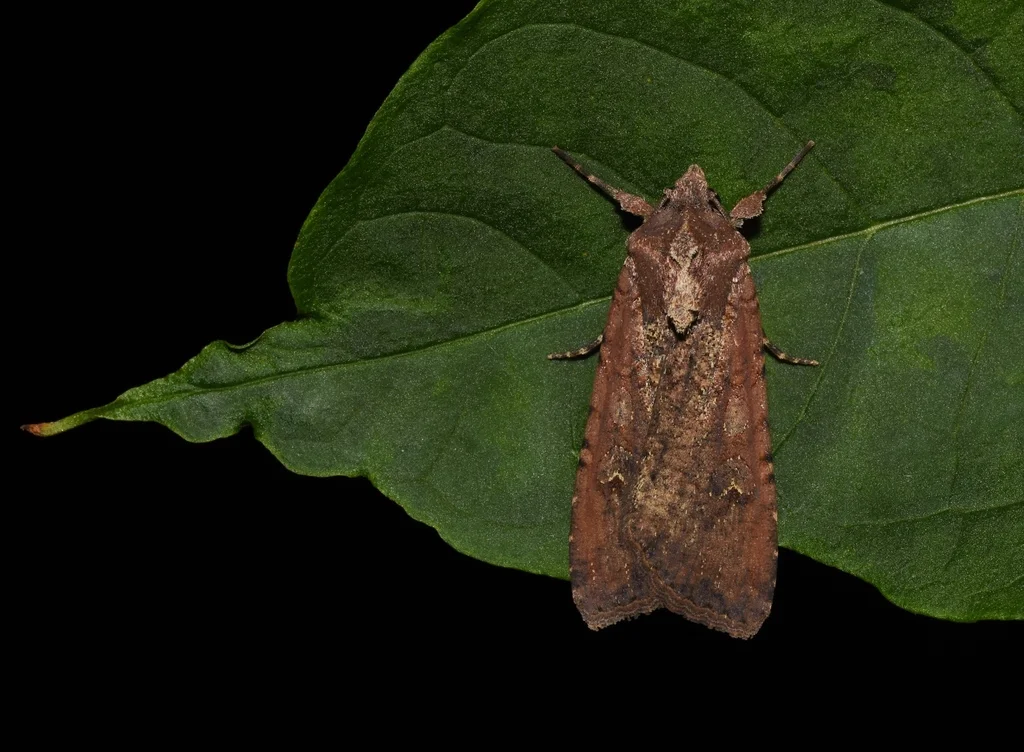

Where Variegated Cutworm Are Found
Hover over states to see their names. Green regions indicate where variegated cutworm have been reported.
Variegated Cutworm Identification Guide
Physical Characteristics
The variegated cutworm is one of several cutworm species that damage gardens and crops. It goes through four life stages: egg, larva, pupa, and adult moth. Understanding each stage helps with identification and control.
Adult Moths: The adult stage is known as the pearly underwing moth. These medium-sized moths have a wingspan of 40 to 50mm. The forewings are mottled grayish-brown to reddish-brown with darker markings. A key identifying feature is a series of short black dashes near the wing edge. The hindwings are pale and opalescent, giving the moth its common name. The head and thorax are dark brown, while the abdomen is lighter.
Larvae (Cutworms): The larval stage causes all the plant damage. Mature caterpillars reach 40 to 50mm long with a plump, smooth body. Coloring varies from light gray to dark brown, often with a mottled appearance. The most distinctive feature is a row of 4 to 7 pale yellow or orange circular spots running down the center of the back. A faint W-shaped mark may appear on the eighth abdominal segment. When disturbed, larvae curl into a tight C-shape.
Pupae: Pupation occurs in the soil at depths of 2 to 10cm. The pupa is about 20mm long and uniformly medium brown. Two small spines project from the tip of the abdomen.
Eggs: Female moths lay eggs in clusters of dozens on plant stems, leaves, and other surfaces. Individual eggs are tiny, round, and ribbed. They start white but darken to gray before hatching in 3 to 5 days.
Telling Variegated Cutworms Apart from Other Species
Several cutworm species damage gardens and crops. Here are key differences:
From black cutworms: Black cutworm larvae are more uniformly colored without the distinctive row of pale spots on the back. They tend to be darker overall.
From army cutworms: Army cutworm larvae have more prominent stripes along their sides. They also tend to feed in groups and travel together, unlike the solitary variegated cutworm.
From armyworms: True armyworms march together in large numbers and have distinct side stripes. Variegated cutworms are solitary feeders without prominent striping.
Variegated Cutworm Behavior and Biology
Lifecycle and Development
The variegated cutworm completes its lifecycle in 35 to 62 days under optimal conditions. In temperate regions, it produces 2 to 4 generations per year.
Egg Stage: Female moths lay eggs at night, depositing 100 to 400 eggs per session. A single female may lay 1,200 to 1,400 eggs during her lifetime. Eggs hatch in 3 to 5 days when temperatures are warm. They may take longer in cooler conditions.
Larval Stage: Larvae go through 5 to 7 molts over 20 to 28 days. Young larvae feed on leaf undersides, causing small holes. Older larvae consume much more plant material, with over 70% of feeding occurring in the final larval stage. A single larva can consume 125 square centimeters of beet leaves or 160 square centimeters of potato foliage during development.
Pupal Stage: Mature larvae burrow into soil to pupate. The pupal stage lasts about 2 weeks in summer but extends through winter in temperate regions. Overwintering occurs as pupae in southern areas and occasionally as larvae.
Adult Stage: Adult moths live 2 to 4 weeks. They do not feed and focus entirely on mating and egg-laying. Moths are strong fliers and migrate northward in spring.
Feeding Habits A related species, Fall Webworms, shares similar characteristics.
Variegated cutworms are polyphagous, meaning they feed on many different plant types. They attack over 100 plant species across vegetables, fruits, field crops, and ornamentals.
Common host plants include:
- Vegetables: tomatoes, peppers, cabbage, lettuce, beans, peas, carrots, celery, potatoes
- Fruits: strawberries, grapes
- Field crops: alfalfa, clover, cotton, tobacco, corn
- Ornamentals: chrysanthemums, carnations, various greenhouse plants
Feeding behavior changes with larval age. Young larvae feed on leaf surfaces, creating small holes. Older larvae cut through plant stems at or just below soil level, toppling seedlings. They also climb plants to feed on leaves, buds, and developing fruits.
All feeding occurs at night. During the day, larvae hide in the top inch of soil, under plant debris, or in other dark, protected spots. This nocturnal habit makes them difficult to detect until damage appears.
Habitat and Distribution
The variegated cutworm is found across North America, from southern Canada through Mexico. It also occurs in South America, Europe, Asia, and North Africa. This species originated in Europe and North America and has spread worldwide.
In northern regions, populations depend partly on moths migrating from southern overwintering areas each spring. Local populations build through summer generations. The species thrives in agricultural areas, gardens, and anywhere suitable host plants grow.
Variegated cutworms prefer moist, loose soil where they can easily burrow to hide and pupate. Heavy clay soils are less favorable. Weedy areas and fields with crop residue provide hiding spots and alternative food sources.
Signs of Variegated Cutworm Damage
What to Look For
Cutworm damage has several characteristic signs:
- Cut stems: Seedlings and young transplants cut off at ground level, often lying on the soil surface
- Wilted plants: Plants that suddenly wilt and collapse despite adequate water
- Irregular leaf holes: Larger larvae chew irregular holes in leaves after climbing plants
- Fruit damage: Holes bored into tomatoes, peppers, and other fruits
- Missing leaves: Young plants stripped of leaves overnight
- Fecal pellets: Dark droppings near damaged plants or on soil surface
Finding the Culprits
To confirm cutworms are responsible:
- Check at night: Go out after dark with a flashlight to find larvae actively feeding on plants
- Dig around damaged plants: Gently dig in the top 1-2 inches of soil around cut plants to find hiding larvae
- Check under debris: Look under mulch, boards, rocks, and plant residue where larvae shelter during the day
- Look for the curl: When disturbed, variegated cutworms curl into a C-shape
Treatment Methods for Variegated Cutworms
Variegated cutworms are primarily garden and agricultural pests. Control focuses on protecting plants and reducing larval populations through integrated approaches.
Cultural Controls
-
Soil tillage: Tilling or cultivating soil in fall exposes pupae to predators, cold temperatures, and drying. This reduces overwintering populations.
-
Weed management: Remove weeds and grassy areas around gardens where adult moths lay eggs. Eliminating weeds 2-3 weeks before planting removes early-season food sources for young larvae.
-
Crop residue removal: Clean up plant debris after harvest to remove hiding spots and food sources.
-
Delayed planting: In areas with heavy cutworm pressure, delaying planting allows early-season larvae to mature and pupate before transplants go in.
Physical Barriers
-
Stem collars: Place cardboard, plastic, or aluminum foil collars around transplant stems. Collars should extend 2 inches above and 2 inches below soil level. This prevents larvae from reaching stems.
-
Toothpicks or sticks: Place a toothpick or small stick against the stem of each transplant. The rigid object prevents larvae from wrapping around and cutting the stem.
-
Row covers: Floating row covers can exclude adult moths from laying eggs on plants.
Biological Controls
Natural enemies help regulate cutworm populations:
- Parasitic wasps and flies: Several species parasitize cutworm larvae, causing significant mortality
- Ground beetles: These predators actively hunt cutworm larvae at night
- Birds: Many bird species dig up and consume cutworm larvae
- Bacillus thuringiensis (Bt): This biological insecticide targets caterpillars when applied to plant foliage. Young larvae are most susceptible.
Chemical Controls
Insecticide applications may be warranted when cutworm populations threaten crops:
- Granular insecticides: Soil-applied granular products target larvae in their hiding spots
- Foliar sprays: Pyrethroid and other insecticides applied at dusk when larvae become active
- Bait formulations: Bran-based baits containing insecticide can attract and kill larvae
Always follow label directions when using any pesticide product. Consider the impact on beneficial insects and pollinators. For help deciding between DIY and professional treatment, read our guide on whether pest control is worth it.
Prevention Tips
Protect your garden from variegated cutworm damage with these practices:
- Scout regularly: Check plants and soil frequently for early signs of cutworm activity
- Use collars: Install stem collars on all transplants when setting them out
- Keep gardens clean: Remove weeds, old plant debris, and other hiding spots
- Till in fall: Turn soil after harvest to expose overwintering pupae
- Encourage predators: Create habitat for ground beetles and birds that eat cutworms
- Hand-pick at night: Patrol your garden after dark with a flashlight and remove any larvae you find
- Delay planting: Wait until early-season cutworms have pupated before transplanting tender seedlings
References and Further Reading
Other Moths
Explore other species in the moths family
Commonly Confused With
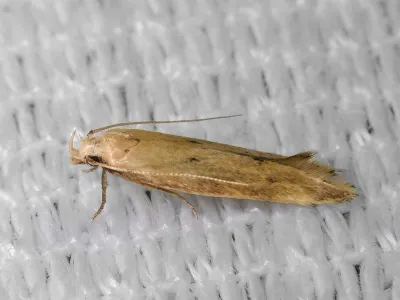
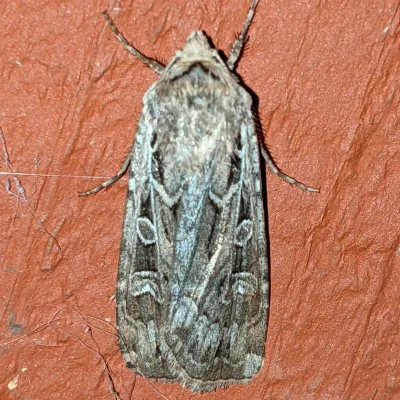
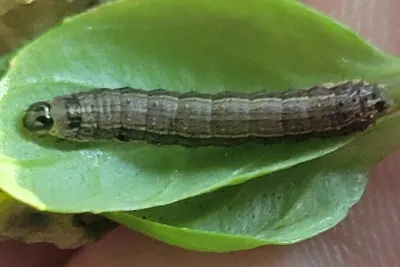
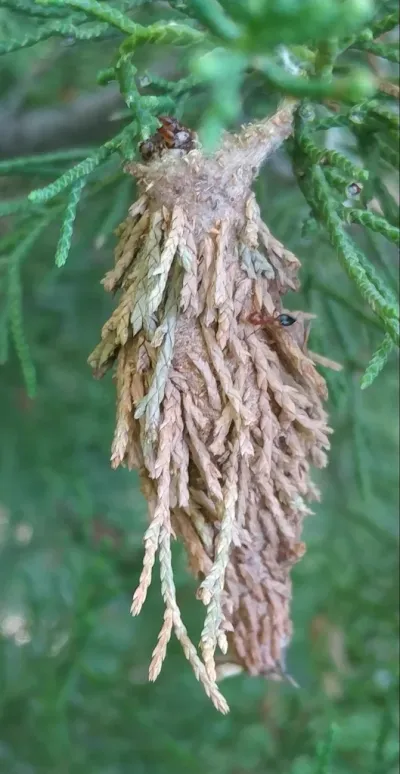
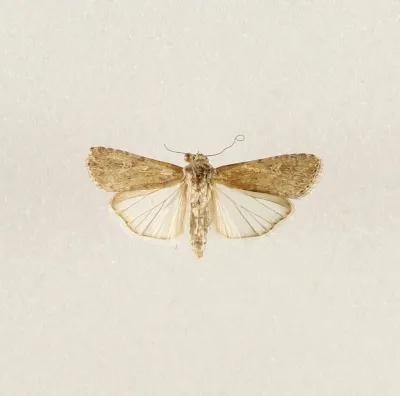
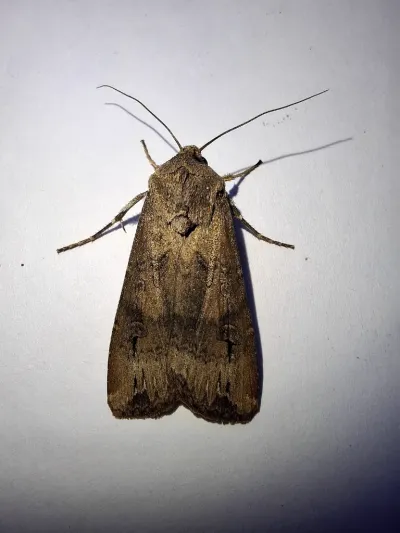
Variegated Cutworm are often mistaken for these similar pests
Where Variegated Cutworm Are Found
Hover over states to see their names. Green regions indicate where variegated cutworm have been reported.
Common Questions about Variegated Cutworm
What do variegated cutworms look like?
+
Adult variegated cutworm moths have a wingspan of 40-50mm with mottled grayish-brown wings and distinctive pearly-white hindwings. The larvae are plump caterpillars up to 50mm long, usually brownish-gray with a row of pale yellow or orange spots along their back. When disturbed, they curl into a C-shape.
What plants do variegated cutworms damage?
+
Variegated cutworms are general feeders that attack over 100 plant species. They damage vegetables like tomatoes, peppers, cabbage, lettuce, and beans. They also feed on ornamental plants, fruit crops, alfalfa, and various field crops. The larvae cut stems at ground level and climb plants to feed on leaves and fruits.
When are variegated cutworms most active?
+
Variegated cutworms are nocturnal feeders. The larvae hide in the soil or under debris during the day and emerge at night to feed. Adult moths are also active at night and are attracted to lights. Peak activity occurs from late spring through fall, with 2-4 generations per year.
How do I know if cutworms are damaging my garden?
+
Look for seedlings cut off at the base, wilted transplants lying on the ground, and irregular holes in leaves. Dig around damaged plants to find the gray-brown caterpillars hiding in the top inch of soil. You may also see their fecal pellets near damaged plants.
Where do variegated cutworms come from?
+
Adult moths migrate northward in spring from southern regions where they overwinter as pupae or larvae. Female moths can lay 1,200-1,400 eggs during their lifetime. Eggs are laid in clusters on plant stems and foliage. Local populations build up through summer generations.
How can I protect my garden from cutworms?
+
Use cardboard or plastic collars around transplant stems, extending 2 inches above and below soil level. Remove weeds and plant debris where cutworms hide. Till soil in fall to expose pupae to predators and cold. Hand-pick larvae at night using a flashlight. Encourage natural predators like ground beetles and birds.
Do variegated cutworms come indoors?
+
Variegated cutworms are not indoor pests. They live and feed in gardens, fields, and other outdoor areas. Adult moths may occasionally be attracted to lights near doors and windows but do not establish infestations inside homes.

With five years of hands-on experience in the pest control industry, George Schulz is a registered technician with the Virginia Pest Management Association and a proud third-generation professional in a family business that's been protecting homes for over 57 years. He manages and trains a team of service pros while also leading internal research efforts—recently spearheading a deep-dive review of thousands of documents on pest control materials to hand-pick the most kid and pet friendly, most effective solutions tailored specifically for homes in the DC metro area.