Tobacco Moth Identification Guide
Ephestia elutella
The tobacco moth is a common stored product pest that infests dried foods, grains, cocoa, nuts, and tobacco products. These small grayish-brown moths cause significant damage in homes and food storage facilities throughout North America.
Taxonomy
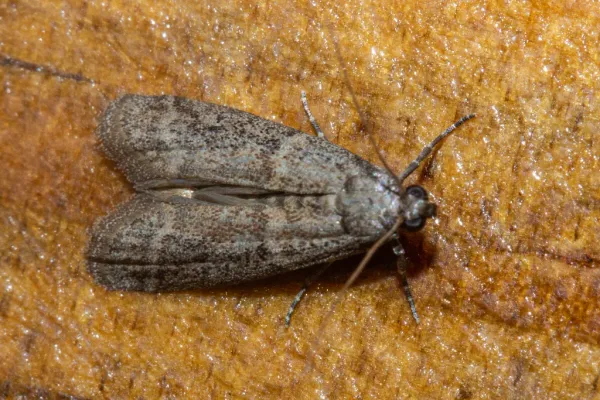
Tobacco Moth Coloration
Common color patterns to help identify tobacco moth
Tobacco Moth
Seasonal Activity
When tobacco moth are most active throughout the year
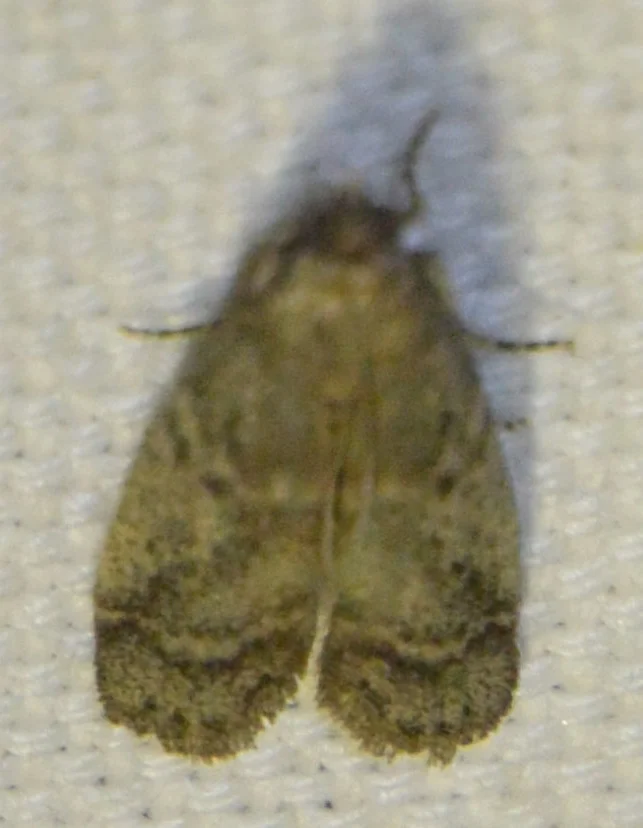
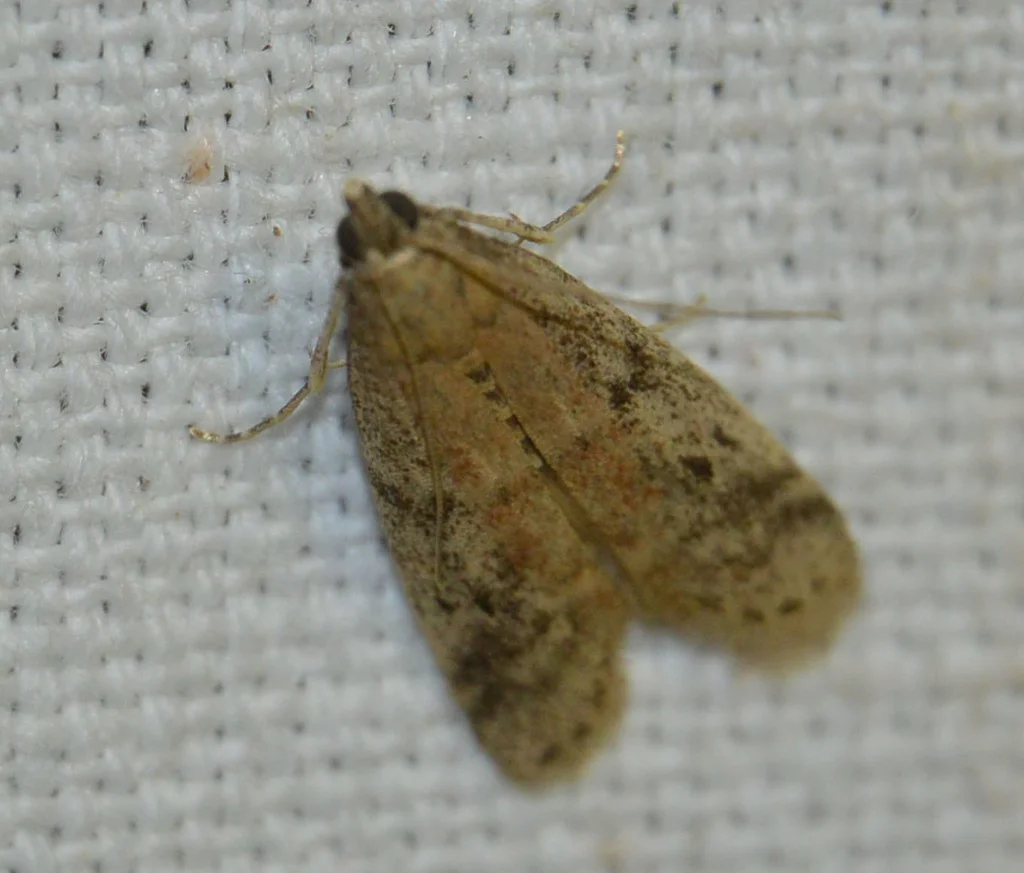
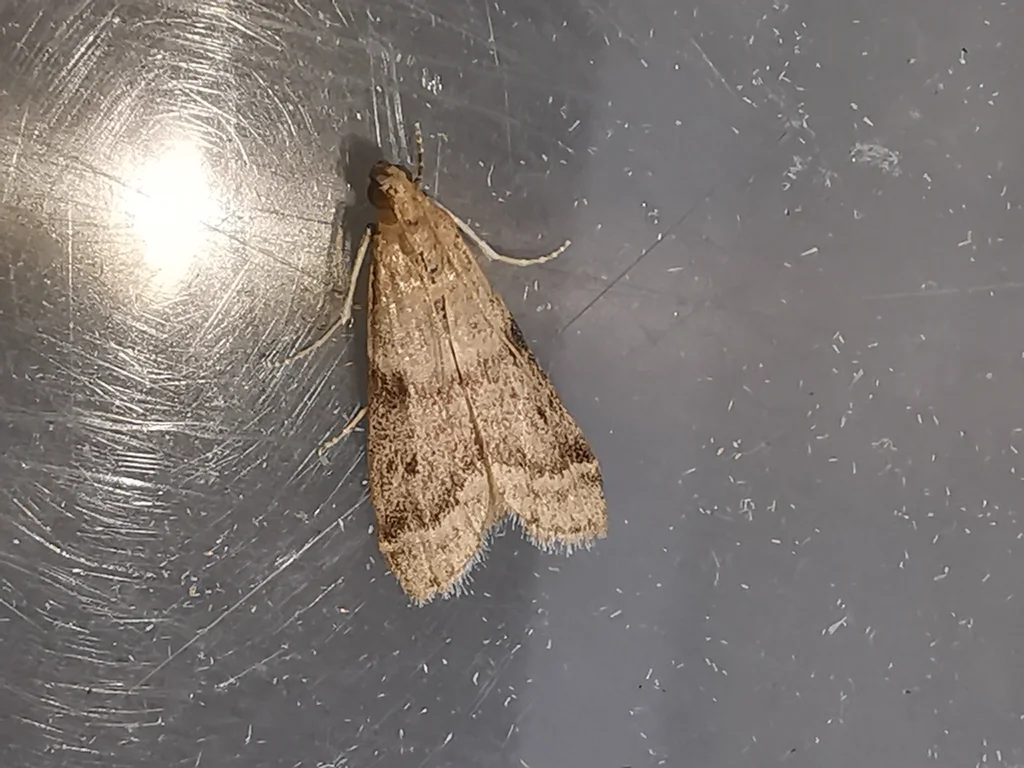

Where Tobacco Moth Are Found
Hover over states to see their names. Green regions indicate where tobacco moth have been reported.
Tobacco Moth Identification Guide
Physical Characteristics
The tobacco moth (Ephestia elutella) is a common pantry pest found all over North America. People also call it the cacao moth or warehouse moth. It attacks many kinds of dried foods and stored goods. Like other moth species that infest pantries, the tobacco moth can be difficult to eliminate once established.
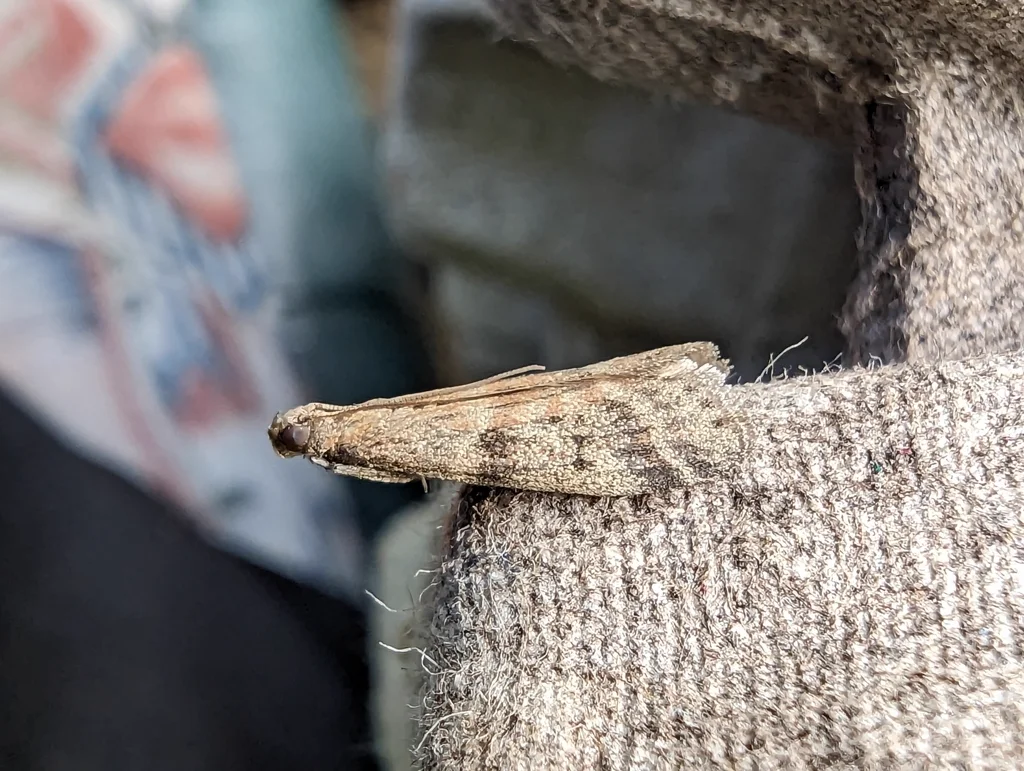
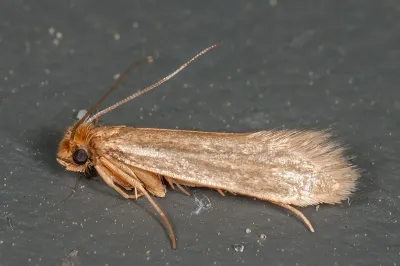
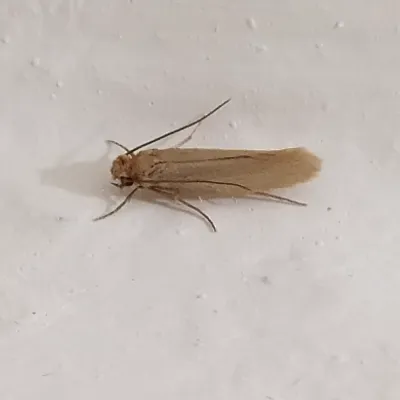
Adult moths have a wingspan of 8-14mm. The front wings are grayish-brown with darker bands and a speckled look. The back wings are lighter, almost silver-gray. At rest, adults hold their wings like a tent over their body.
The head and body match the wing color. Adults have thin antennae and small mouthparts. Like other pantry moths, adults do not eat. They live only to mate and lay eggs.
Larvae cause all the damage. These are creamy white to pink caterpillars with brown heads. They grow up to 10-15mm long. As they feed, they spin silk webbing. This webbing often ruins stored food more than the feeding itself.
Eggs are tiny, oval, and grayish-white. Females lay 100-400 eggs during their short lives. They place eggs right on or near food sources.
How to Identify Tobacco Moths
Look for these traits to identify tobacco moths:
- Grayish-brown forewings with darker bands
- Wings held roof-like over the body at rest
- Wingspan of 8-14mm (slightly larger than clothes moths)
- Attracted to lights at night
- Found near stored food products
- Silken webbing in infested foods
Similar Species
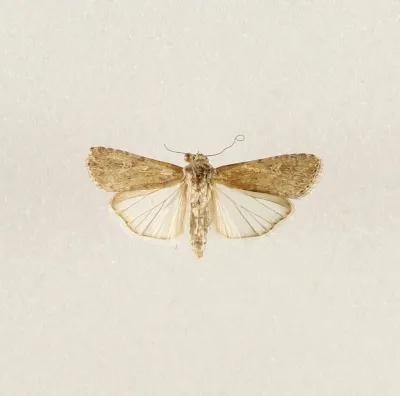
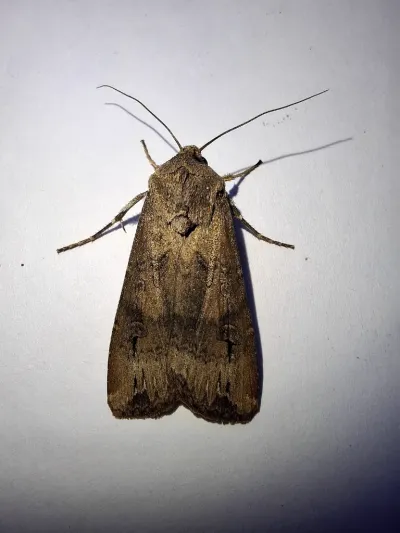
Indian meal moths are the most common pantry moth. They have two-toned wings with copper tips. Tobacco moths look more plain and gray-brown all over.
Mediterranean flour moths are about the same size. They have pale gray wings with dark zigzag lines. You find them more often in flour mills.
Almond moths look alike but prefer nuts and dried fruits. Their wings have lighter banding than tobacco moths.
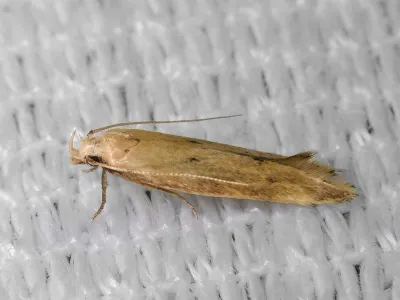
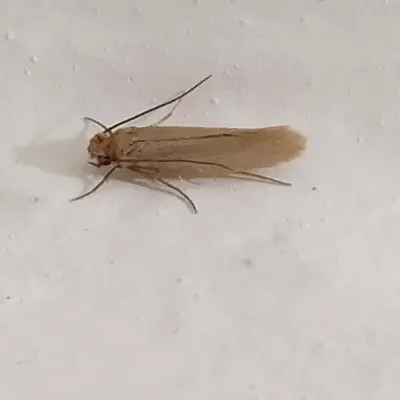
Clothes moths are smaller with golden-tan wings. They hide from light and eat fabrics, not food. Understanding the difference between clothes moths and pantry moths is important for choosing the right treatment.
Tobacco Moth Behavior and Biology
Lifecycle and Development
Tobacco moths go through four life stages: egg, larva, pupa, and adult.
Egg stage: Females lay eggs alone or in small groups on food. In warm weather (75-85 degrees F), eggs hatch in 4-8 days. Cold temps make this take longer.
Larval stage: This is when damage happens. Larvae molt 5-7 times over 6-8 weeks in warm spots. They spin silk tubes and webbing as they move through food. In cooler areas, larvae can take 3-4 months to grow.
Pupal stage: Grown larvae leave the food to form cocoons. They often hide in cracks, corners, or under shelf paper. The cocoon stage takes 1-2 weeks in summer. It lasts longer in cool weather.
Adult stage: Adults come out, mate within hours, and start laying eggs. They live only 1-2 weeks and do not eat. Males find females by scent.
In good conditions (80 degrees F, 70% humidity), the whole cycle takes 6-8 weeks. Several generations can happen each year in heated homes. Growth slows a lot below 60 degrees F.
Where They Live
Tobacco moths live all over the world wherever people store food. You can find them in:
- Home pantries and kitchens
- Grocery stores and markets
- Food plants and factories
- Warehouses and shipping centers
- Mills and grain storage
- Museums with bug or animal displays
- Any place with stored dried goods
They handle a wide range of temps but grow fastest between 75-85 degrees F. Unlike some pantry pests, they can live and breed in the cooler temps found in most homes.
What Do Tobacco Moths Eat?
Despite their name, tobacco moths eat many stored foods:
- Grains and cereals: wheat, barley, oats, rice, corn, breakfast cereals
- Flour and meal: wheat flour, cornmeal, pancake mix
- Dried fruits: raisins, dates, figs, apricots
- Nuts and seeds: almonds, walnuts, peanuts, sunflower seeds
- Cocoa and chocolate: cocoa powder, chocolate bars, candy
- Spices and herbs: dried peppers, coriander, ginger
- Pet food: dry dog food, cat food, bird seed
- Tobacco items: cigarettes, cigars, loose tobacco
- Dried plants: potpourri, dried flowers, herbal teas
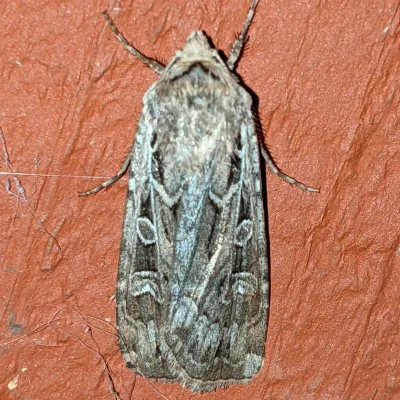
Larvae like foods with more fat. Cocoa, nuts, and chocolate draw them in. But they will eat almost any dried food when their favorites run out. Unlike the Angoumois grain moth, which feeds only inside whole grain kernels, tobacco moth larvae are generalist feeders that infest a wide variety of stored products.
Signs of a Tobacco Moth Problem
What to Look for in Stored Foods
Check your pantry for these signs:
- Silk webbing on food and inside packages
- Clumped food stuck together by silk
- Small caterpillars in food jars or boxes
- Tiny pellets (droppings) mixed with silk and food bits
- Shed skins left behind as larvae grow
- Holes in packages where larvae chewed through
Spotting Adult Moths
Adult moths are easier to see than larvae:
- Moths sitting on walls and ceilings near the kitchen
- Moths flying toward lights at night
- Dead moths on windowsills or in light fixtures
- Moths inside pantry cabinets
- Moths caught in sticky traps
Finding Where They Came From
You need to find the source:
- Check all stored food, even sealed packages
- Look at pet food bags and bird seed
- Check spice cabinets and tea boxes
- Look at items pushed to the back of cabinets
- Check items with dried flowers or plants
- Look in vacuum cleaner bags for larvae
Treatment Methods for Tobacco Moths
To get rid of tobacco moths, you must find the source, throw out bad food, and stop them from coming back.
Check and Remove Bad Food
Start with a full check of your pantry:
- Take everything off the shelves
- Look at every food package, even sealed ones
- Watch for webbing, larvae, and adult moths
- Throw away all bad food in sealed bags
- Check pet food, bird seed, and other foods
- Look in nearby rooms where you might store food
Do not try to save food that looks only a little bad. Eggs are too small to see. The whole package is likely ruined.
Clean Everything
After you remove bad food:
- Vacuum all shelf tops, cracks, and corners
- Focus on shelf supports and tight spots
- Wipe down with soap and water or weak bleach
- Let shelves dry all the way before putting food back
- Vacuum areas where larvae may have crawled to form cocoons
Store Food the Right Way
Good storage stops future problems:
- Keep all dried foods in sealed containers made of glass or hard plastic
- Do not trust the original box or bag since moths can chew through them
- Keep the pantry clean and wipe up spills right away
- Use older items first before opening new ones
- Check new items from the store before you put them away
- Think about freezing risky foods for 4-7 days before storing
Use Traps to Watch for Moths
Pheromone traps help you track moth activity:
- Put traps in the pantry and near food storage
- Check traps each week and swap them when needed
- Traps catch male moths, showing you if moths are still around
- Use trap counts to know when the problem is gone
Traps alone will not fix the problem, but they help you watch for it.
When to Call a Pro
For a step-by-step approach to eliminating pantry pests, see our guide on how to get rid of pantry moths. Bad or lasting problems may need expert help:
- Pest control pros can treat cracks and hidden spots
- Fumigation may be needed for big problems
- Pros have stronger traps and tools
- Experts can find sources you might miss
How to Prevent Tobacco Moths
Stopping moths before they start is easier than getting rid of them:
- Check before you buy: Look at packages for holes or webbing at the store
- Use sealed containers: Move dried foods to airtight jars or bins right away
- Keep it clean: Wipe up spills fast and keep your pantry tidy
- Use old food first: Eat older items before opening new ones
- Block entry points: Keep window screens in good shape so moths cannot fly in
- Set traps early: Put out pheromone traps to catch problems before they grow
- Check gifts: Homemade treats, dried flowers, and bird seed can bring in pests
Bay leaves, cedar chips, and other natural items do not work well enough to rely on them alone.
References and Further Reading
Other Moths
Explore other species in the moths family
Commonly Confused With
Tobacco Moth are often mistaken for these similar pests
Where Tobacco Moth Are Found
Hover over states to see their names. Green regions indicate where tobacco moth have been reported.
Common Questions about Tobacco Moth
What does a tobacco moth look like?
+
Tobacco moths are small, measuring 8-14mm in wingspan. They have grayish-brown forewings with darker bands and mottled patterns. The hindwings are paler gray. Adults have a distinctive posture when at rest, holding their wings roof-like over their body.
Are tobacco moths the same as pantry moths?
+
Tobacco moths are one type of pantry moth, but they are different from the more common Indian meal moth. While Indian meal moths have distinctive copper-colored wing tips, tobacco moths have more uniform grayish-brown coloring with subtle banding patterns.
What do tobacco moths eat?
+
Despite their name, tobacco moths feed on many stored products beyond tobacco. Their larvae eat dried fruits, nuts, cocoa, chocolate, grains, cereals, flour, dried herbs, spices, and pet food. They are generalist feeders that can infest most dried goods in your pantry.
How do tobacco moths get into my house?
+
Tobacco moths usually enter homes inside infested food products purchased from grocery stores or warehouses. The eggs or larvae may already be present in packaged foods. They can also fly in through open windows and doors, attracted to lights at night.
Do tobacco moths bite or sting?
+
No, tobacco moths do not bite or sting humans. Adult moths have reduced mouthparts and do not feed at all during their short adult lives. They pose no direct health threat to people, though they can contaminate food products.
How long do tobacco moths live?
+
Adult tobacco moths live only 1-2 weeks. However, the entire lifecycle from egg to adult takes 6-8 weeks under warm conditions. In cooler environments, development can take several months, allowing infestations to persist through winter.
How do I get rid of tobacco moths?
+
Start by finding and discarding all infested food products. Clean pantry shelves thoroughly, vacuuming cracks and crevices. Store remaining food in airtight containers. Pheromone traps can help monitor for remaining moths. Severe infestations may require professional treatment.
Can tobacco moths damage clothes?
+
Tobacco moths primarily target stored food products, not fabrics. Unlike clothes moths that eat wool and silk, tobacco moth larvae feed on dried foods. However, they may occasionally be found in areas with both food and fabric storage.

With five years of hands-on experience in the pest control industry, George Schulz is a registered technician with the Virginia Pest Management Association and a proud third-generation professional in a family business that's been protecting homes for over 57 years. He manages and trains a team of service pros while also leading internal research efforts—recently spearheading a deep-dive review of thousands of documents on pest control materials to hand-pick the most kid and pet friendly, most effective solutions tailored specifically for homes in the DC metro area.