Clothes Moths Identification Guide
Tineola bisselliella & Tinea pellionella
Clothes moths are small, fabric-damaging insects whose larvae feed on wool, silk, fur, and other natural fibers. These secretive pests avoid light and can cause extensive damage to clothing and household textiles before being detected.
Taxonomy
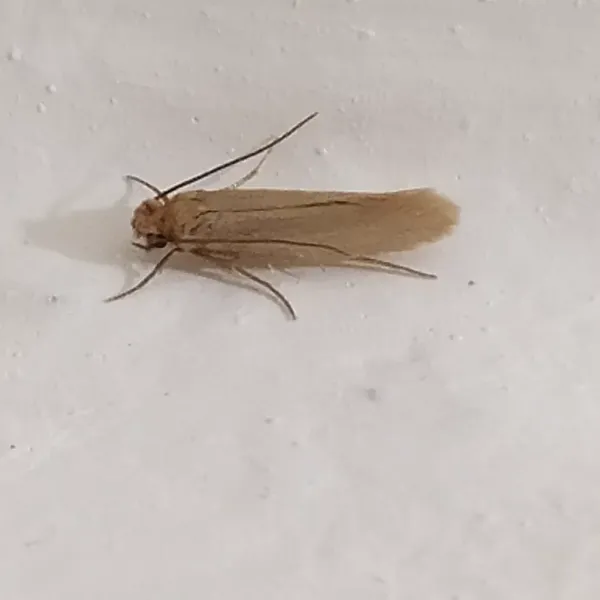
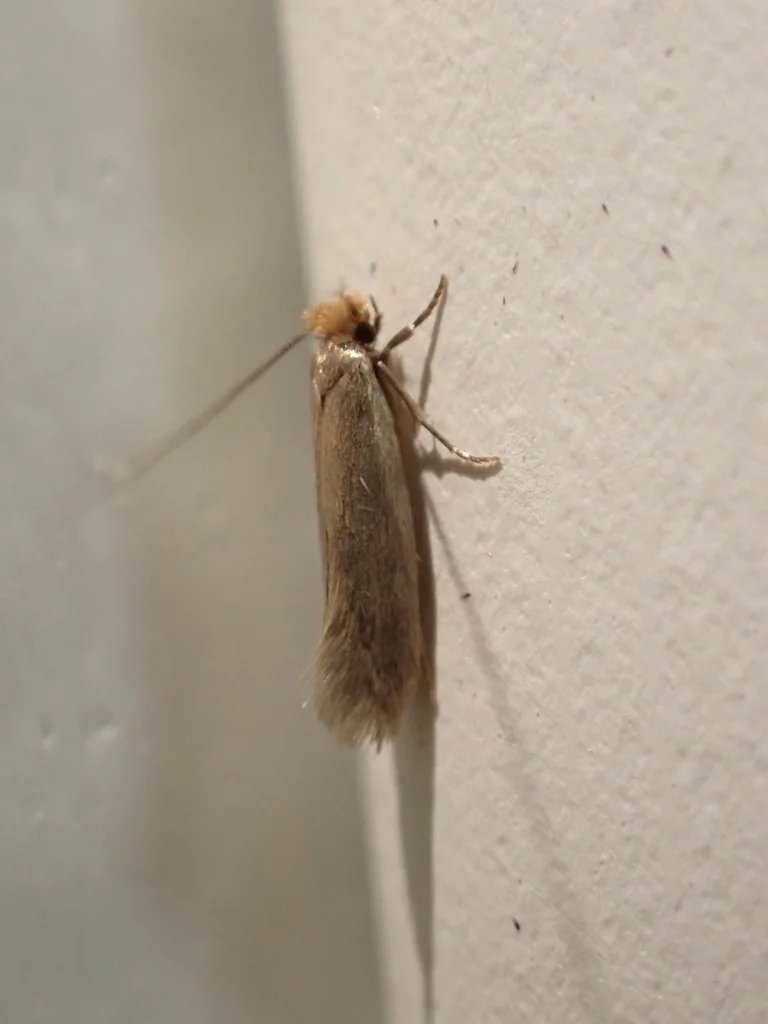
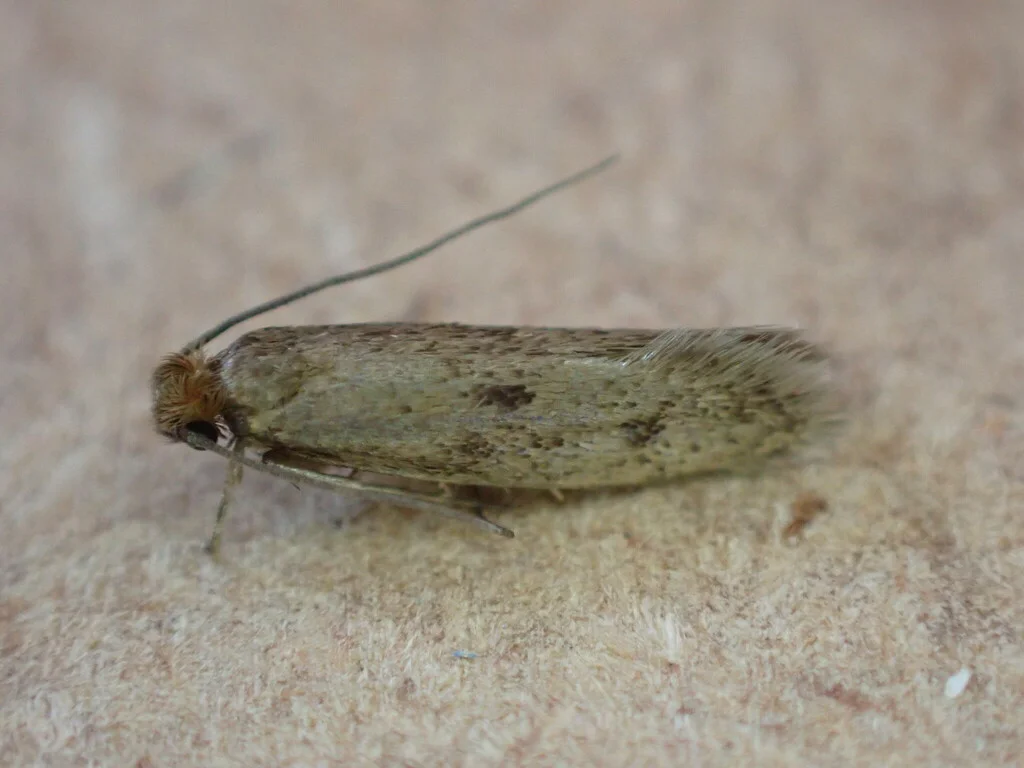
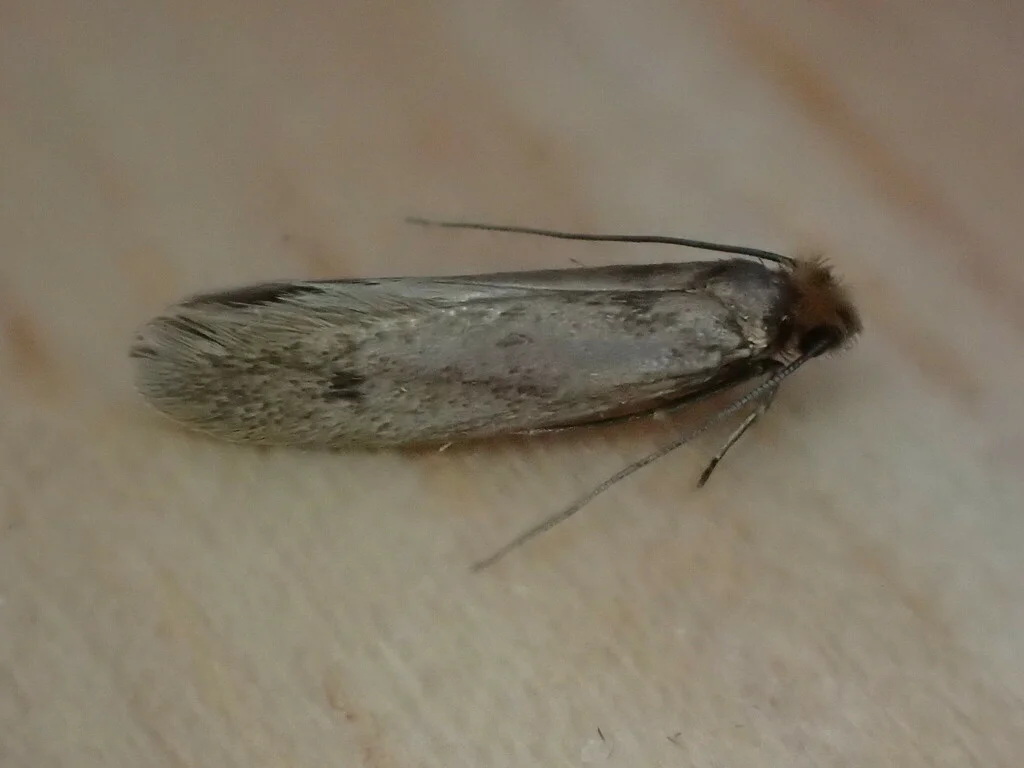
Clothes Moths Coloration
Common color patterns to help identify clothes moths
Clothes Moths
Seasonal Activity
When clothes moths are most active throughout the year

Where Clothes Moths Are Found
Hover over states to see their names. Green regions indicate where clothes moths have been reported.
Clothes Moth Identification Guide
Physical Characteristics
Adult clothes moths are small, inconspicuous insects measuring about 6-7mm in body length with a wingspan of 9-16mm. Unlike the moths that flutter around porch lights, clothes moths actively avoid light and prefer to stay hidden in dark spaces. This secretive behavior means infestations often go unnoticed until significant damage has occurred.
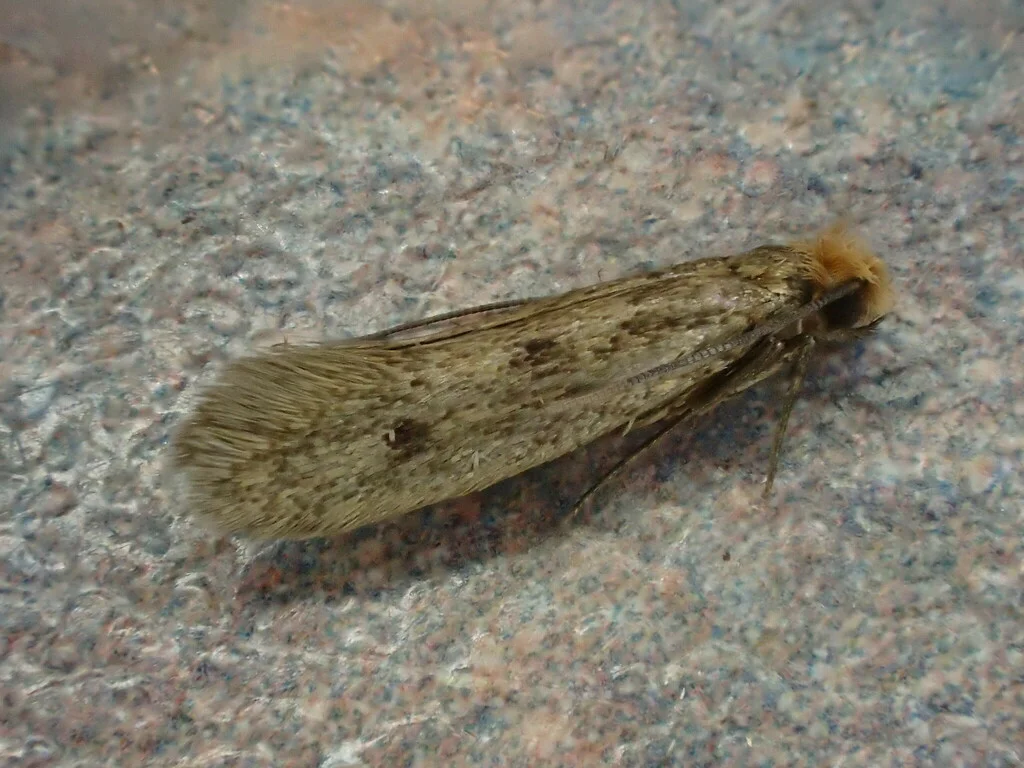
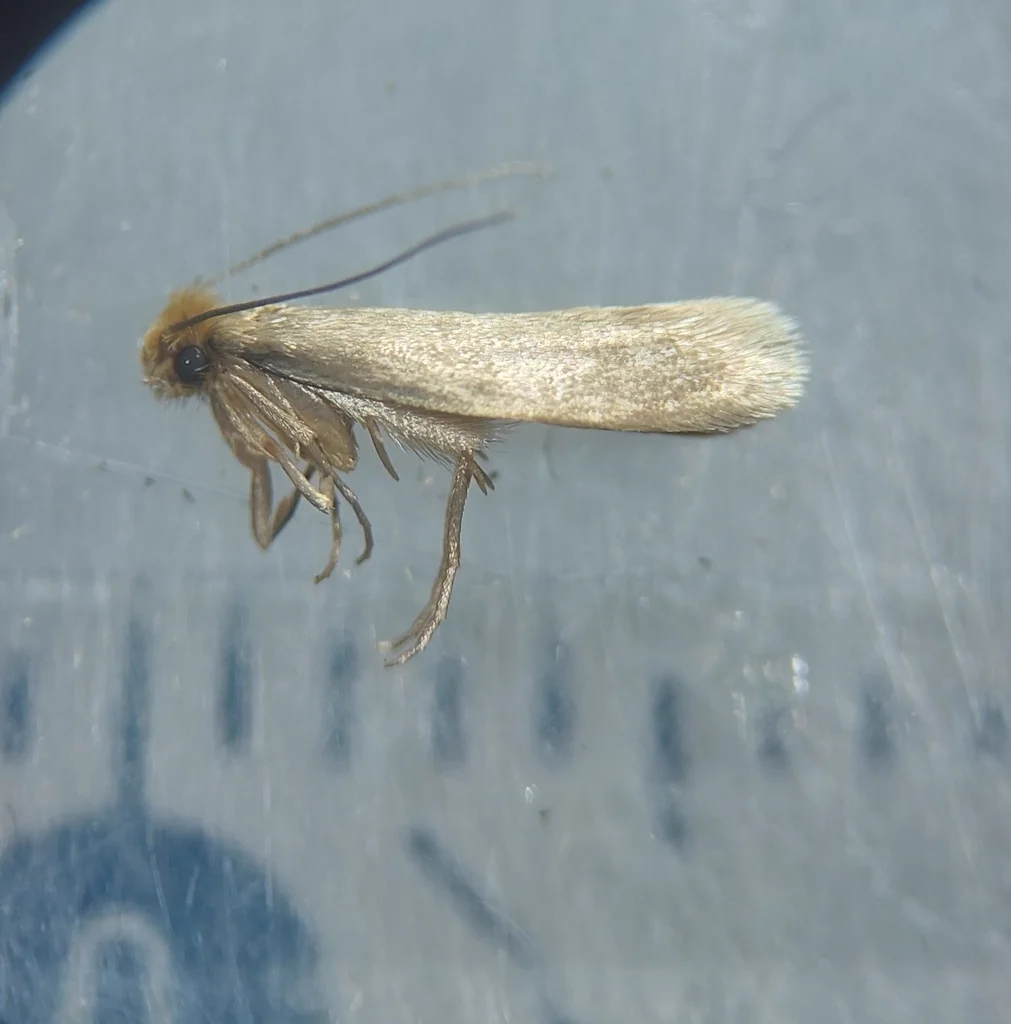
Adult moths have narrow wings with fringed edges. Their coloring ranges from golden-tan to grayish-brown depending on the species. When disturbed, they tend to run or hop away rather than fly. Their weak flight and light-avoiding behavior distinguish them from other household moths.
Clothes moth larvae cause all the damage. They are small, cream-colored caterpillars about 6-12mm long when fully grown. They have a brown head capsule and avoid light even more than adults. Larvae spin silk as they move and feed, creating webbing or portable cases that help identify the species.
Common Species in North America
Webbing Clothes Moth (Tineola bisselliella) is the most common and destructive clothes moth worldwide. Adults have uniform golden-tan wings without spots or markings. They are slightly smaller than case-bearing moths. Larvae spin silken tubes and webbing over the materials they feed on, creating a network of silk trails. This species thrives in indoor environments year-round.
Casemaking Clothes Moth (Tinea pellionella) adults have grayish-brown wings with three dark spots. Their larvae are distinctive because they build portable cases from silk and fibers. The larva drags this case along as it feeds, only its head and legs visible. These cases often blend with the damaged fabric, making larvae hard to spot.
Tapestry Moth (Trichophaga tapetzella) is less common but can damage carpets and heavy textiles. Adults are larger with whitish heads and dark-spotted wings. Larvae build long silk tubes in carpets and upholstered furniture.
Clothes Moth Behavior and Biology
Lifecycle and Development
Clothes moths go through complete metamorphosis with four life stages: egg, larva, pupa, and adult. The entire cycle takes 2 months to 2 years depending on temperature and humidity.
Eggs are tiny, oval, and creamy white. Females lay 40-100 eggs on suitable materials over several weeks. Eggs are difficult to see and stick to fabric fibers. They hatch in 4-10 days under warm conditions.
Larvae are the destructive stage. They feed continuously, molting 5-45 times before pupating. Development takes as little as 2 months in warm, humid conditions with good food sources. In cooler or drier environments, larvae can survive over 2 years by slowing their metabolism. They avoid light and will burrow into fabric folds and seams.
Pupae form in silk cocoons often hidden in fabric crevices or nearby cracks. Pupation lasts 1-4 weeks. This stage resists many insecticides.
Adults emerge, mate, and die within 2-4 weeks. They do not feed since their mouthparts are reduced. Adult females focus solely on finding suitable sites to lay eggs.
Habitat and Food Preferences
Clothes moths need keratin, a protein in animal fibers, for larval development. They are attracted to:
- Wool clothing, sweaters, suits, and blankets
- Silk garments and scarves
- Cashmere, angora, and other fine animal fibers
- Fur coats and trim
- Feather pillows, down jackets, and decorative feathers
- Leather goods and bookbindings
- Taxidermy mounts and animal hides
- Wool carpets and oriental rugs
- Upholstered furniture with natural fiber padding A related species, Armyworms, shares similar characteristics.
Larvae prefer soiled fabrics. Sweat, body oils, food stains, and urine provide extra nutrients that help them grow faster. This is why clothing worn once and stored without washing faces higher risk than clean items. A related species, Fall Webworms, shares similar characteristics.
Environmental Requirements A related species, Peachtree Borer Moth, shares similar characteristics.
Clothes moths thrive in specific conditions: A related species, Black Cutworm, shares similar characteristics.
- Temperature: 70-85 degrees F is ideal. They can survive at lower temperatures but develop slowly.
- Humidity: 70-75% relative humidity is preferred. Dry environments slow development.
- Darkness: Both larvae and adults avoid light and seek undisturbed areas.
- Quiet: They prefer locations with little activity, such as rarely opened closets and storage boxes.
Central heating and air conditioning create stable conditions that allow clothes moths to remain active year-round indoors.
Signs of a Clothes Moth Infestation
Damage Patterns
Clothes moth damage has distinctive features:
- Irregular holes scattered across fabrics, often in hidden areas
- Surface grazing where larvae eat only part of the fiber thickness
- Damage concentrated in folds and seams where larvae hide while feeding
- Fur with bald patches where larvae have eaten through to the skin
Evidence of Larvae
Look for these signs near damaged items:
- Silken tubes and webbing (webbing clothes moth)
- Small portable cases made of fabric and silk (case-bearing moth)
- Cream-colored larvae with brown heads, usually hidden from light
- Sandy fecal pellets the same color as the fabric being eaten
- Shed larval skins left behind after molting
Adult Moth Sightings
Adult clothes moths are less often seen than larvae damage, but watch for:
- Small golden or brownish moths fluttering near the floor in closets
- Moths that run or hop rather than fly when disturbed
- Moths resting on walls or ceilings in dark storage areas
- Dead moths in pheromone traps
Treatment Methods for Clothes Moths
Effective clothes moth control requires addressing all life stages and eliminating conditions that support infestations.
Inspection and Source Identification
Thorough inspection identifies the scope of infestation and locates the source:
- Check all wool, silk, and fur items in closets and storage
- Examine carpets, especially under furniture and along edges
- Inspect upholstered furniture, particularly older pieces with natural fiber padding
- Look in air ducts and wall voids where lint accumulates
- Check taxidermy, insect collections, and decorative feathers
Non-Chemical Control Methods
Several effective non-chemical approaches target clothes moths:
Freezing: Placing infested items in a freezer at 0 degrees F (-18 degrees C) for at least 72 hours kills all life stages. This works well for delicate items that cannot be washed or dry cleaned.
Heat treatment: Temperatures above 120 degrees F (49 degrees C) for 30 minutes kill moths, larvae, and eggs. Hot dryer cycles, professional heat treatment, or leaving items in a hot car on summer days can be effective.
Dry cleaning: The solvents used in dry cleaning kill all moth life stages and remove the oils and soils that attract them.
Washing: Hot water (above 120 degrees F) kills moths. Even cold washing removes many eggs and larvae, and the drying cycle provides lethal heat.
Vacuuming: Regular thorough vacuuming removes eggs, larvae, and food sources like hair and lint. Focus on carpet edges, under furniture, and closet floors.
Chemical Treatment Options
When non-chemical methods are insufficient, targeted insecticide applications can help:
Residual sprays: Pyrethroid-based products applied to carpet edges, closet floors, and other surfaces where larvae travel provide ongoing protection.
Insect growth regulators: These products prevent larvae from developing into reproducing adults, breaking the lifecycle.
Pheromone traps: While not a control method, these traps attract male moths and help monitor infestations and treatment effectiveness.
Fumigation: Severe infestations in valuable items like antique textiles or museum collections may require professional fumigation.
Prevention Strategies
Long-term prevention protects your belongings:
- Clean before storing: Always wash or dry clean woolens before seasonal storage
- Use airtight containers: Store susceptible items in sealed plastic bins or vacuum bags
- Inspect secondhand items: Check thrift store clothing and antique textiles before bringing them home. Learn more in our guide to clothes moths vs pantry moths
- Reduce humidity: Keep storage areas below 70% relative humidity
- Vacuum regularly: Clean closets, carpets, and upholstered furniture often
- Rotate and inspect: Regularly check stored items and move them to expose hiding larvae
- Cedar and lavender: While not complete solutions, these can provide some deterrent effect as part of a broader strategy
References and Further Reading
Other Moths
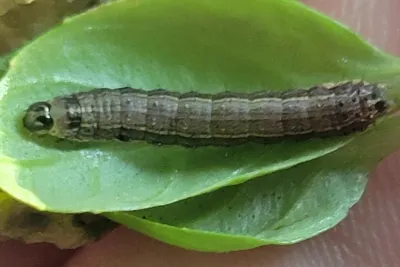
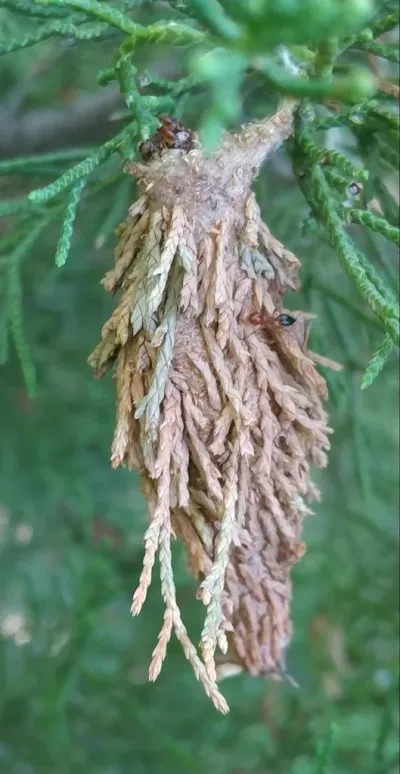
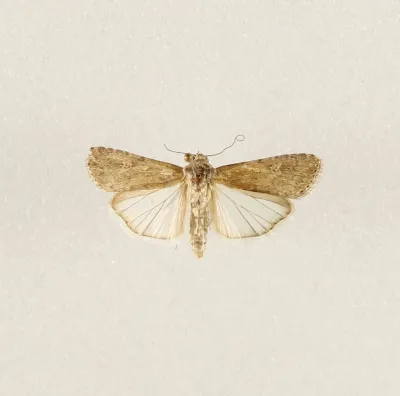
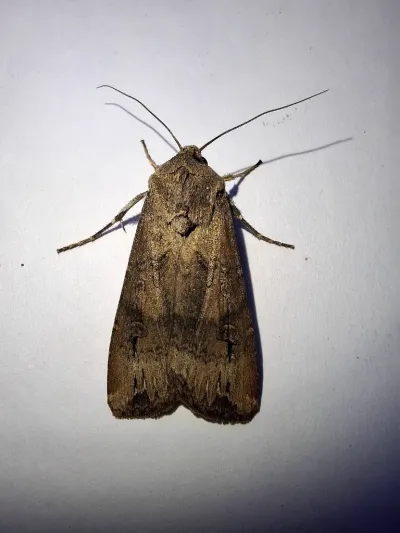
Explore other species in the moths family
Commonly Confused With
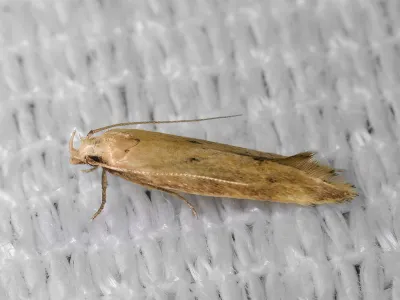
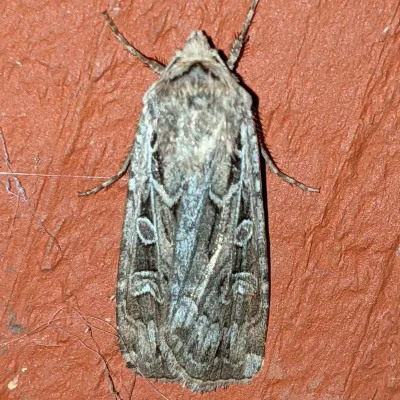
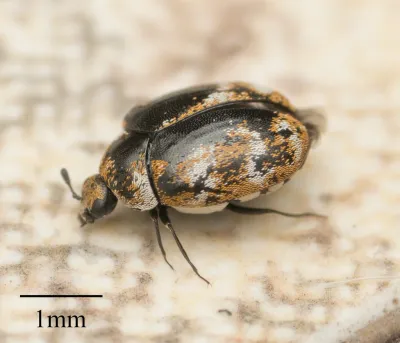
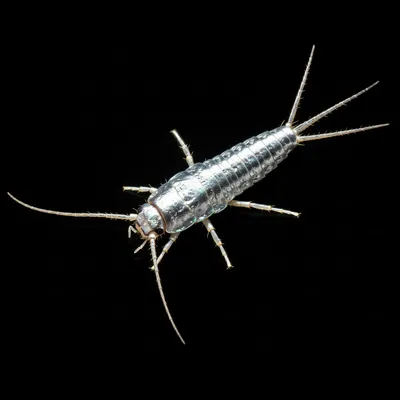
Clothes Moths are often mistaken for these similar pests
Where Clothes Moths Are Found
Hover over states to see their names. Green regions indicate where clothes moths have been reported.
Common Questions about Clothes Moths
What do clothes moths look like?
+
Adult clothes moths are small, about 6-7mm long with a wingspan of 9-16mm. Webbing clothes moths have solid golden-tan wings without spots. Case-bearing clothes moths have grayish-brown wings with dark spots. Both species have narrow, fringed wings and avoid light, preferring dark closets and storage areas.
Do clothes moths fly?
+
Yes, clothes moths can fly, but they are weak fliers. Unlike most moths, they avoid light and prefer to run or hop away when disturbed. You rarely see them flying around lamps or windows. Instead, they flutter close to the ground in dark areas like closets and storage rooms.
What do clothes moth larvae eat?
+
Clothes moth larvae eat keratin, a protein found in animal fibers. They damage wool, silk, cashmere, fur, feathers, and leather. They prefer dirty fabrics with sweat, food stains, or body oils, which provide extra nutrients. They will not eat synthetic materials like polyester unless blended with natural fibers.
How do I know if I have clothes moths?
+
Look for irregular holes in wool clothing and fabrics. Webbing clothes moths leave silken tubes and webbing on materials. Case-bearing moths create small portable cases from fabric fibers. You may also find cream-colored larvae, tiny eggs, or sandy fecal pellets near damaged items.
Where do clothes moths come from?
+
Clothes moths can enter homes on infested clothing, furniture, or textiles from thrift stores, estate sales, or storage facilities. They may also fly in through open windows or doors. Once inside, they seek dark, undisturbed areas with natural fiber materials to lay their eggs.
How long does it take clothes moths to damage clothing?
+
Larvae cause all the damage and can feed for 2 months to 2 years depending on conditions. In warm, humid environments with good food sources, damage happens faster. A single larva can eat through a sweater in weeks. Severe infestations can destroy a wool wardrobe in one season.
Can I get rid of clothes moths myself?
+
Small infestations respond well to thorough cleaning, freezing, or heat treatment. Wash or dry clean affected items. Freeze delicate items at 0 degrees F for 72 hours. Vacuum thoroughly and use pheromone traps to monitor. Larger or persistent infestations may require professional treatment.
Do cedar closets really keep clothes moths away?
+
Fresh cedar oil can kill young larvae, but it loses effectiveness after a few years as the oil evaporates. Sanding or applying cedar oil can restore some protection. Cedar alone rarely prevents established infestations. It works best as part of a prevention strategy, not as a sole defense.

With five years of hands-on experience in the pest control industry, George Schulz is a registered technician with the Virginia Pest Management Association and a proud third-generation professional in a family business that's been protecting homes for over 57 years. He manages and trains a team of service pros while also leading internal research efforts—recently spearheading a deep-dive review of thousands of documents on pest control materials to hand-pick the most kid and pet friendly, most effective solutions tailored specifically for homes in the DC metro area.