Carpet Moths Identification Guide
Tineola bisselliella
Carpet moths are fabric-destroying pests whose larvae feed on wool carpets, rugs, and other natural fiber floor coverings. These small, golden-tan moths cause significant damage to carpeting and textiles when left unchecked.
Taxonomy
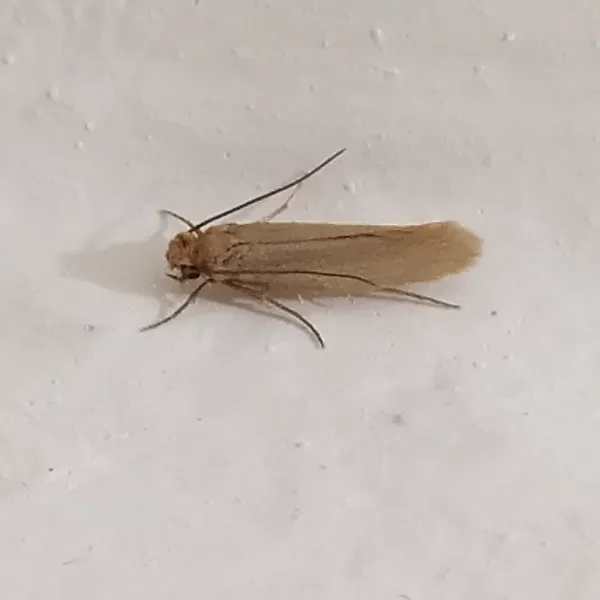
Carpet Moths Coloration
Common color patterns to help identify carpet moths
Carpet Moths
Seasonal Activity
When carpet moths are most active throughout the year

Where Carpet Moths Are Found
Hover over states to see their names. Green regions indicate where carpet moths have been reported.
Carpet Moth Identification Guide
Physical Characteristics
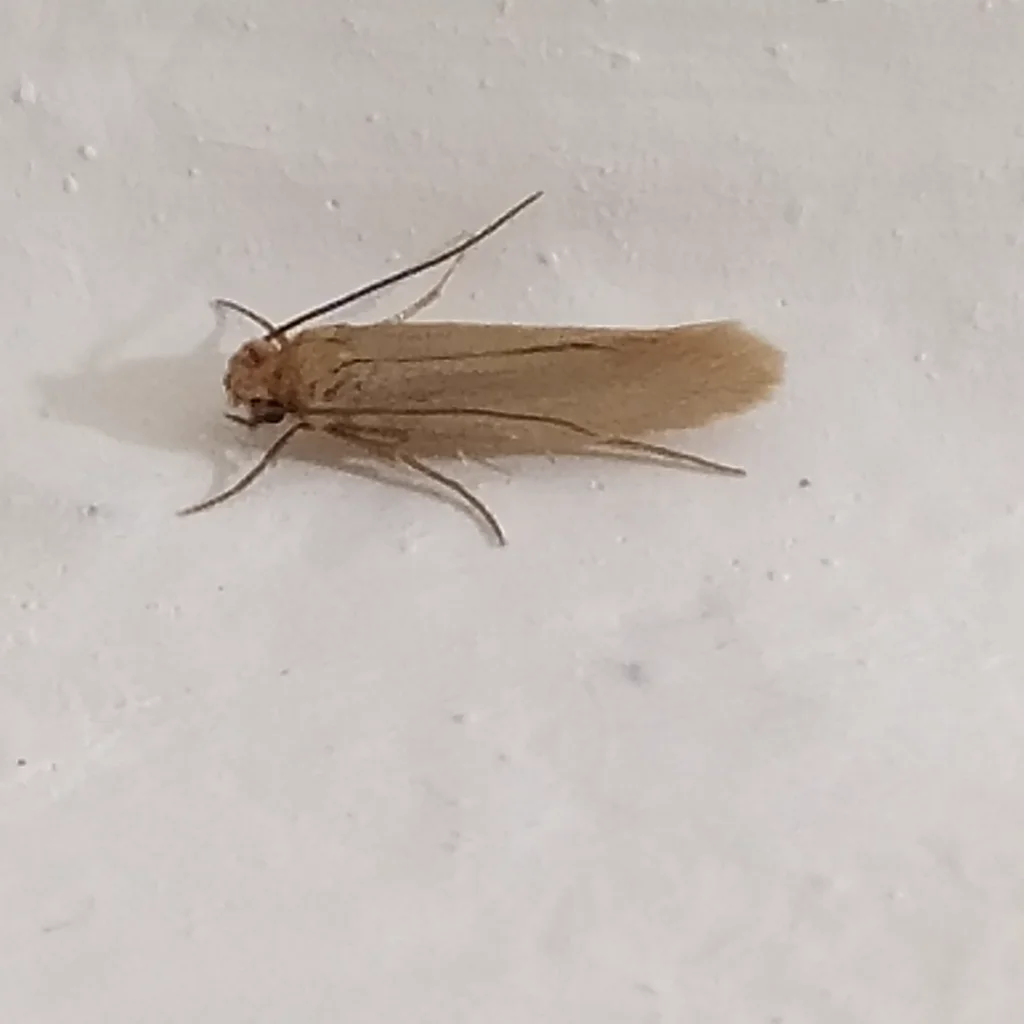
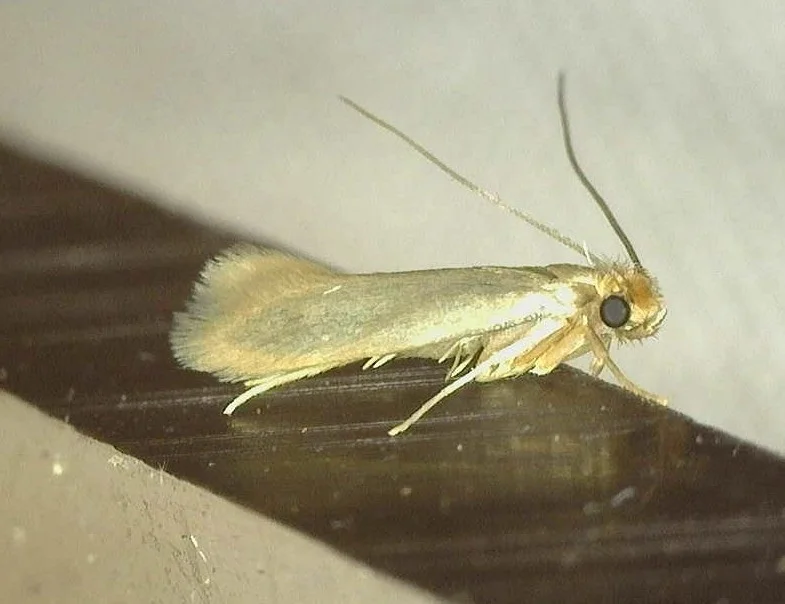
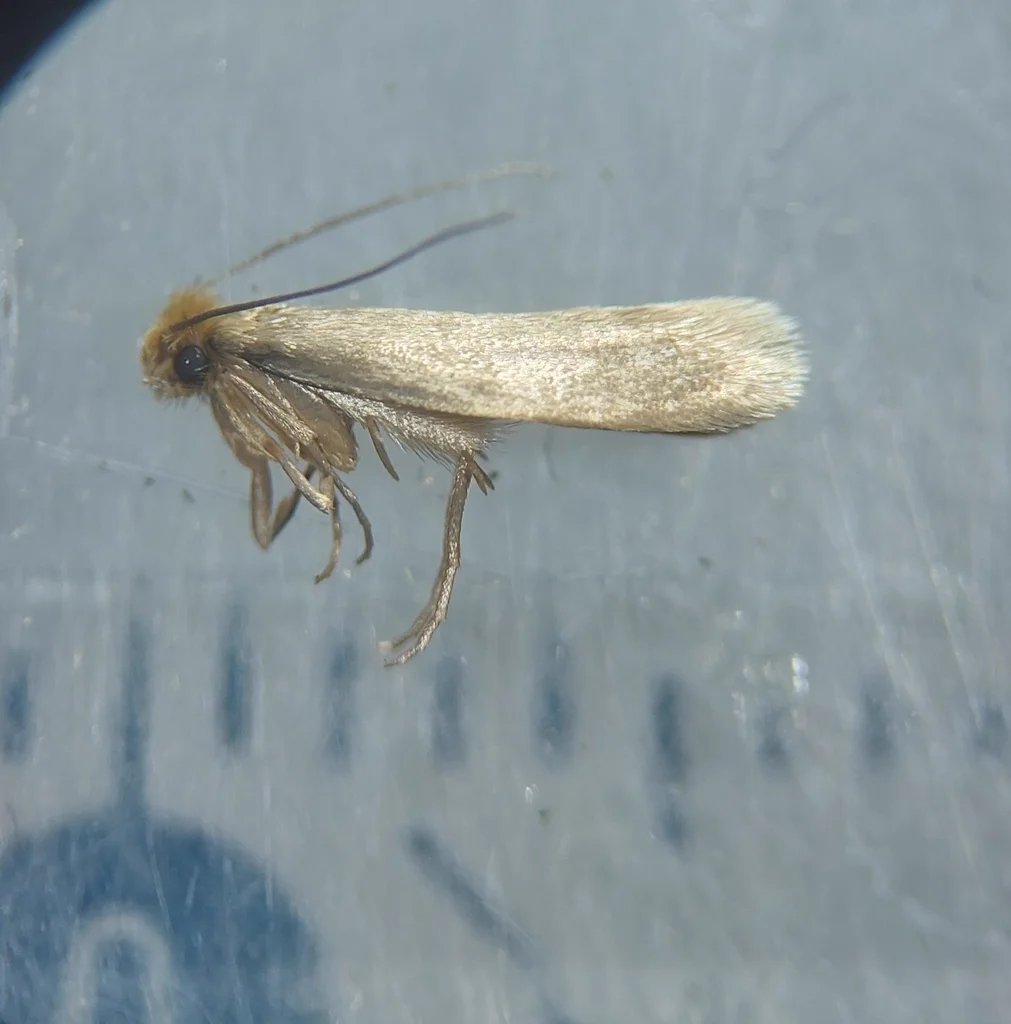
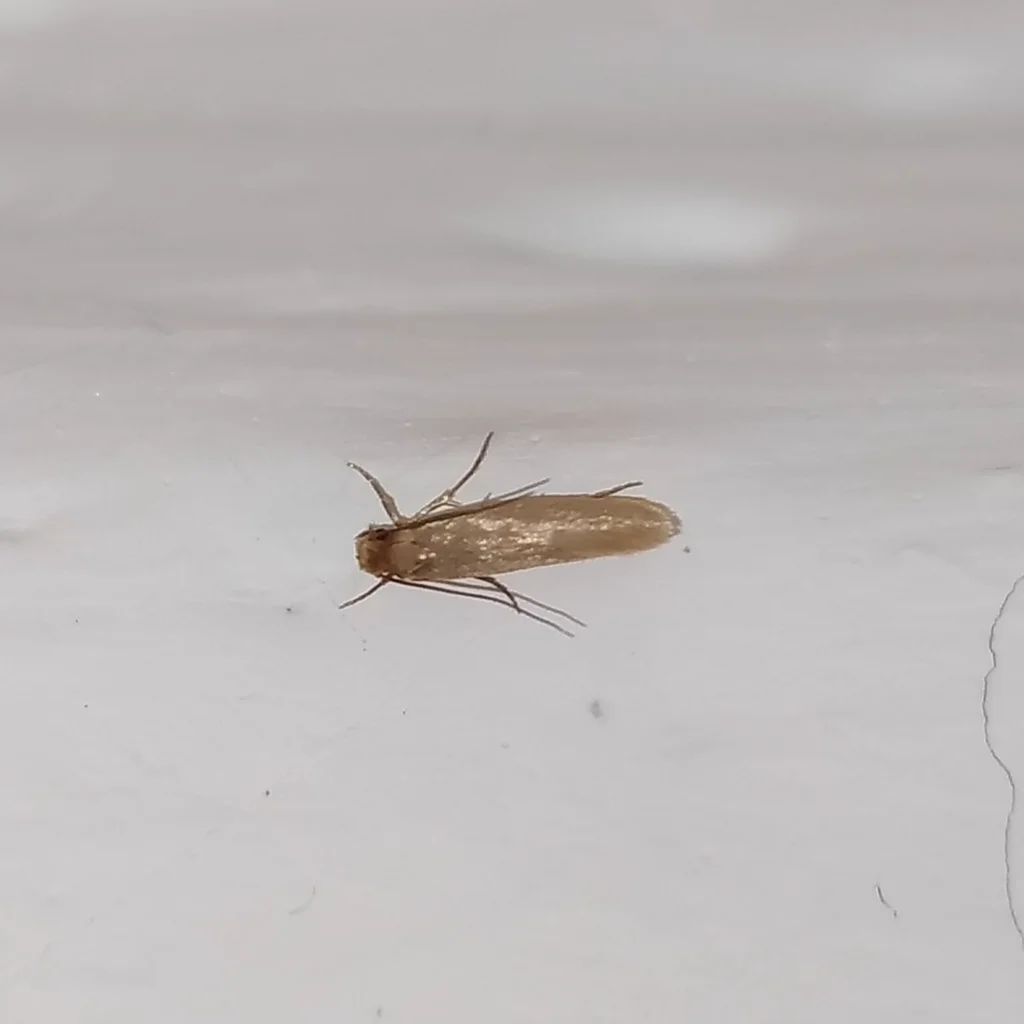
Carpet moths are small insects that many homeowners miss until they find damage to their rugs and carpets. Adult carpet moths are about 6-7mm long with a wingspan of 9-16mm. They have narrow wings with fringed edges and a golden-tan color. Look for a tuft of reddish-golden hairs on the head to tell them apart from other moths.
Most moths fly toward lights at night, but carpet moths do the opposite. They avoid light and prefer to run or hop away when disturbed. Their hiding skills mean infestations often go unnoticed for months. During this time, the larvae quietly eat through wool carpets and rugs under furniture and along room edges.
Adult carpet moths are weak fliers and stay close to the ground. They do not eat because their mouthparts do not work. Their only job is to mate and lay eggs. Females live just 2-4 weeks and lay 40-100 eggs during that time.
Carpet moth larvae do all the damage. These small, cream-colored caterpillars grow to 6-12mm and have brown heads. They spin silk tubes and webbing over the materials they eat. This silk protects them from light and predators.
Common Species in North America
Webbing Clothes Moth (Tineola bisselliella) is the most common carpet moth in homes across North America. When this moth attacks floor coverings, people call it a “carpet moth.” Adults have golden-tan wings and are about 6-7mm long. The larvae spin webbing over their feeding areas and prefer quiet spots where they can eat without being found.
Casemaking Clothes Moth (Tinea pellionella) also damages carpets but is less common. Its larvae build portable cases from silk and carpet fibers. They drag these cases along as they feed. The cases blend in with the carpet, making the larvae hard to spot. Adults are slightly larger with grayish-brown wings and three dark spots.
Tapestry Moth (Trichophaga tapetzella) sometimes infests heavy carpets and rugs. Adults are larger than webbing clothes moths. They have whitish heads and dark-spotted wings. Their larvae build long silk tubes in carpet fibers.
Carpet Moth Behavior and Biology
Lifecycle and Reproduction
Carpet moths go through four life stages: egg, larva, pupa, and adult. Knowing this lifecycle helps with control because each stage needs a different treatment approach.
Eggs are tiny, oval, and creamy white. They measure less than 1mm. Female carpet moths lay eggs on carpet fibers, especially in areas with debris and dirt. One female can lay 40-100 eggs over several weeks. Eggs hatch in 4-10 days in warm conditions. In cooler areas, they take longer.
Larvae cause all the damage. They eat wool fibers nonstop, shedding their skin 5-45 times before turning into pupae. The larval stage can last 2 months in ideal conditions or over 2 years in cool, dry areas. When conditions get bad, larvae go dormant. They start eating again when it warms up and humidity rises.
Pupae form in silk cocoons hidden in carpet cracks, along baseboards, or in floor gaps. This stage lasts 1-4 weeks based on temperature. Pupae resist many treatment methods.
Adults come out, mate, and die within 2-4 weeks. Since adults do not eat, all damage happens during the larval stage.
Habitat and Feeding Preferences
Carpet moths eat materials with keratin, a protein found in animal fibers. They damage:
- Wool carpets and area rugs
- Oriental and Persian rugs
- Wool carpet pads and underlayment
- Blends that contain wool
- Pet hair under furniture
- Fur rugs and decorative hides A related species, Armyworms, shares similar characteristics.
Carpet moth larvae prefer dirty materials. The organic debris gives them nutrients that pure wool does not have. They gather in areas where: A related species, Fall Webworms, shares similar characteristics.
- Food crumbs and spills build up
- Pet hair collects along carpet edges
- Skin cells and sweat residue collect
- Dust and lint gather under furniture
- People rarely walk or vacuum A related species, Peachtree Borer Moth, shares similar characteristics.
Environmental Requirements
Carpet moths do best in certain conditions:
- Temperature: 70-85 degrees F speeds up growth. Central heating keeps conditions ideal all year.
- Humidity: They prefer 70-75% humidity. High humidity leads to faster infestations.
- Darkness: Larvae and adults avoid light and look for quiet areas.
- Low activity: They like spots under heavy furniture, along walls, and in spare rooms.
Modern homes with heating and air conditioning keep conditions stable. This lets carpet moths stay active all year, no matter what the weather is outside.
Signs of a Carpet Moth Infestation
Damage Patterns
Carpet moth damage looks different from normal wear:
- Bare patches where fibers are eaten down to the backing
- Threadbare areas with thin pile, especially along edges and under furniture
- Surface grazing where larvae eat only the fiber tips
- Random damage patterns that do not match traffic paths
- Damage in dark areas that no one disturbs
Evidence of Activity
Watch for these signs near damaged carpet:
- Silk tubes and webbing woven through carpet fibers
- Small cream-colored larvae with brown heads hiding from light
- Sandy droppings that match the carpet color
- Shed skins left behind after molting
- Cocoons along baseboards and in carpet seams
Adult Moth Sightings
Adult carpet moths are harder to spot than larval evidence:
- Small golden-tan moths fluttering near the floor
- Moths that run or hop instead of flying when disturbed
- Moths resting on walls or baseboards in dark corners
- Dead moths in pheromone traps
Treatment Methods for Carpet Moths
Good carpet moth control targets all life stages and changes the conditions that help them thrive.
Inspection and Assessment
A thorough inspection shows how bad the problem is:
- Check all wool carpets and rugs, especially edges and hidden spots
- Look under heavy furniture that rarely moves
- Check closets with wool clothing near damaged carpets. Carpet beetles cause similar damage, so accurate identification matters
- Look along baseboards and in floor cracks for cocoons
- Judge the damage to pick the right treatment
Non-Chemical Control Methods
Several methods work well without chemicals:
Thorough vacuuming removes eggs, larvae, and food sources. Focus on carpet edges, under furniture, and along baseboards. Vacuum slowly to pull larvae from fibers. Empty the vacuum outside right away.
Steam cleaning kills all carpet moth life stages on contact. The heat reaches hidden larvae and eggs deep in carpet fibers. Professional steam cleaning gets hot enough to kill carpet moths.
Freezing works for small rugs. Put them in a freezer at 0 degrees F for at least 72 hours.
Heat treatment above 120 degrees F for 30 minutes kills all life stages. Professional heat treatment can treat whole rooms.
Chemical Treatment Options
When other methods do not work:
Residual insecticides applied to carpet edges and baseboards give ongoing protection against larvae.
Insect growth regulators stop larvae from becoming adults. This breaks the breeding cycle.
Pheromone traps catch male moths. They help track the problem and show if treatment is working.
Professional fumigation may be needed for valuable antique rugs or severe cases.
Prevention Strategies
Long-term prevention protects your carpets:
- Vacuum often, especially under furniture and along walls
- Clean spills right away to remove food sources
- Keep humidity below 70% in carpeted rooms
- Move furniture now and then to expose hiding spots
- Check carpets often for early signs of damage
- Clean up pet hair along carpet edges
- Get professional cleaning for valuable wool carpets each year. Learn the difference between clothes moths and pantry moths to ensure you treat the right pest
References and Further Reading
Other Moths
Explore other species in the moths family
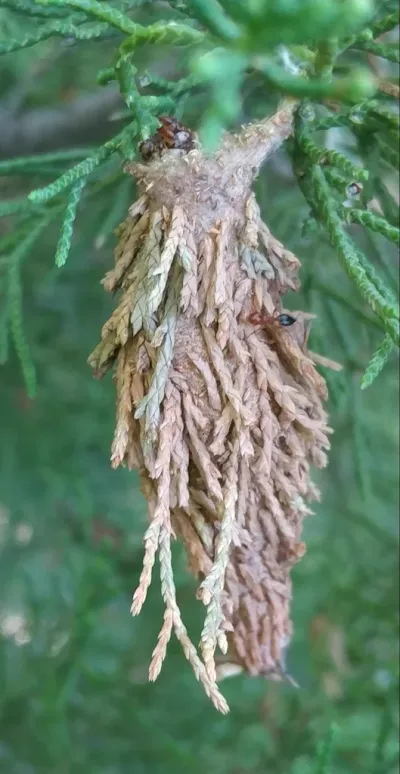
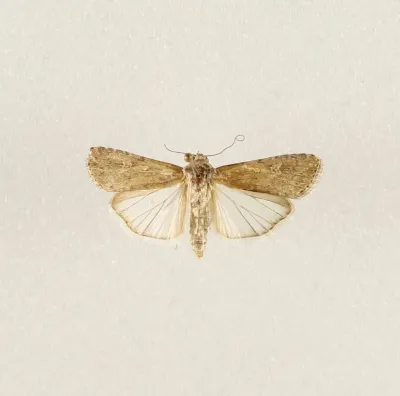
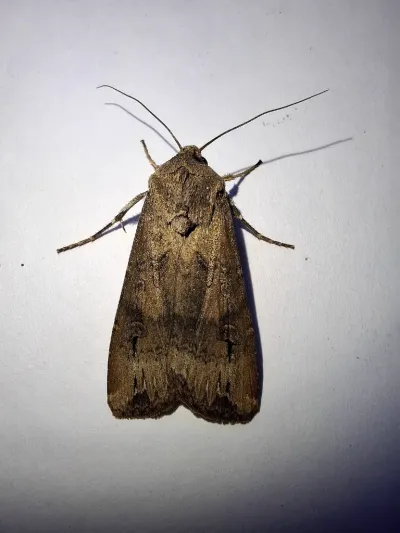
Commonly Confused With
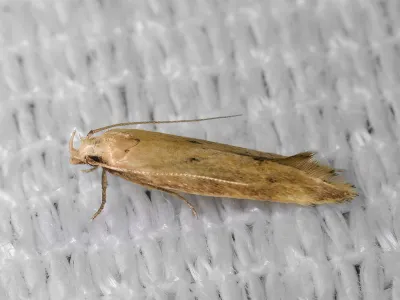
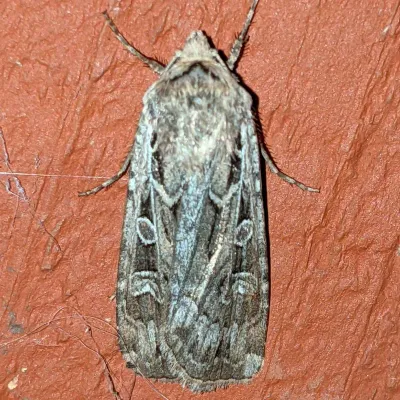
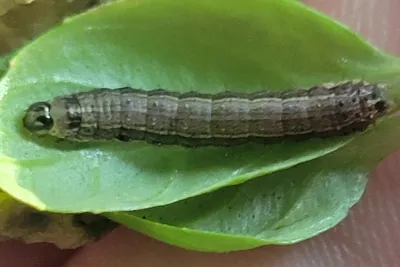
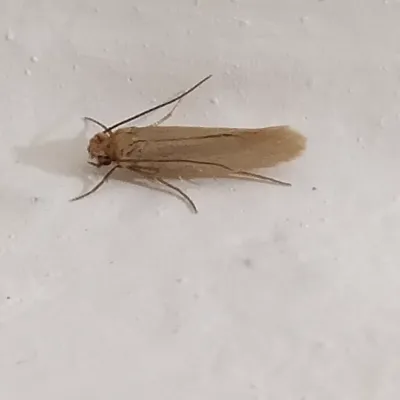
Carpet Moths are often mistaken for these similar pests
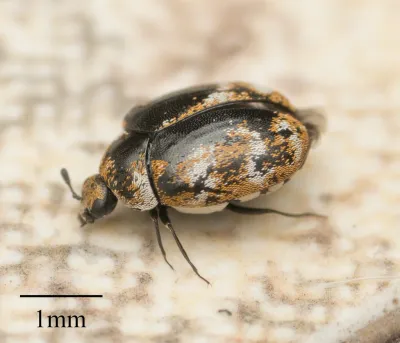
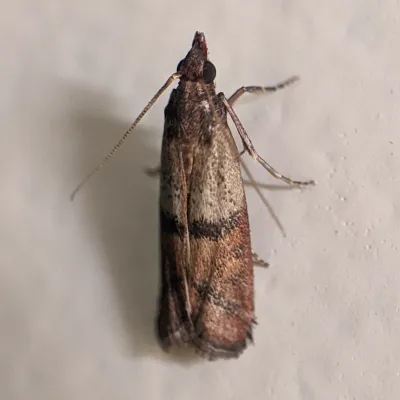
Where Carpet Moths Are Found
Hover over states to see their names. Green regions indicate where carpet moths have been reported.
Common Questions about Carpet Moths
What is the difference between carpet moths and clothes moths?
+
Carpet moths and [clothes moths](/pests/moths/clothes-moths/) are the same species, Tineola bisselliella. The name 'carpet moth' is used when these pests primarily damage floor coverings like wool carpets and rugs, while 'clothes moth' refers to the same insect when it infests clothing and stored textiles. Both cause identical damage to natural fibers.
What do carpet moth larvae look like?
+
Carpet moth larvae are small, cream-colored caterpillars about 6-12mm long when fully grown. They have brown head capsules and avoid light. You will often find them hidden in carpet fibers, creating silken tubes and webbing as they feed. The larvae cause all the damage, not the adult moths.
Why do carpet moths prefer dirty carpets?
+
Carpet moth larvae need more than just wool fibers to thrive. They are attracted to carpets soiled with food spills, pet hair, sweat, and skin cells because these organic materials provide essential nutrients. This is why carpet damage often concentrates in high-traffic areas and under furniture where debris accumulates.
How do I know if I have carpet moths?
+
Look for bare patches or threadbare areas in wool carpets, especially along edges and under furniture. You may notice silken webbing in carpet fibers, small cream-colored larvae, or sandy fecal pellets. Adult moths are small and golden-tan, often seen fluttering close to the floor rather than around lights.
Can carpet moths damage synthetic carpets?
+
Carpet moths cannot digest synthetic fibers like nylon or polyester. However, they can still damage blended carpets that contain wool or other natural fibers. They may also feed on debris trapped in synthetic carpets, including pet hair, lint, and food particles, even if they do not damage the carpet itself.
How long does it take carpet moths to damage a carpet?
+
Carpet moth larvae feed for anywhere from 2 months to over 2 years depending on temperature and humidity. In warm, humid homes with heavy wool carpeting, damage can become noticeable within a few months. A severe infestation can ruin a wool carpet within one season.
Do mothballs work for carpet moths?
+
Mothballs containing naphthalene or paradichlorobenzene can kill carpet moths, but only in enclosed spaces where vapors reach sufficient concentration. They are not effective for treating carpets in open rooms. Mothballs are also toxic and should never be used where children or pets can access them.
Can I get rid of carpet moths myself?
+
Small infestations may respond to thorough vacuuming, steam cleaning, and targeted treatment. Focus on carpet edges, under furniture, and along baseboards. Persistent or widespread infestations typically require professional treatment to eliminate all life stages and prevent recurrence.

With five years of hands-on experience in the pest control industry, George Schulz is a registered technician with the Virginia Pest Management Association and a proud third-generation professional in a family business that's been protecting homes for over 57 years. He manages and trains a team of service pros while also leading internal research efforts—recently spearheading a deep-dive review of thousands of documents on pest control materials to hand-pick the most kid and pet friendly, most effective solutions tailored specifically for homes in the DC metro area.