Angoumois Grain Moth Identification Guide
Sitotroga cerealella
The Angoumois grain moth is a serious stored grain pest that infests whole kernels of corn, wheat, rice, and other grains. Unlike most pantry moths, the larvae develop entirely inside a single grain kernel, making early detection difficult.
Taxonomy
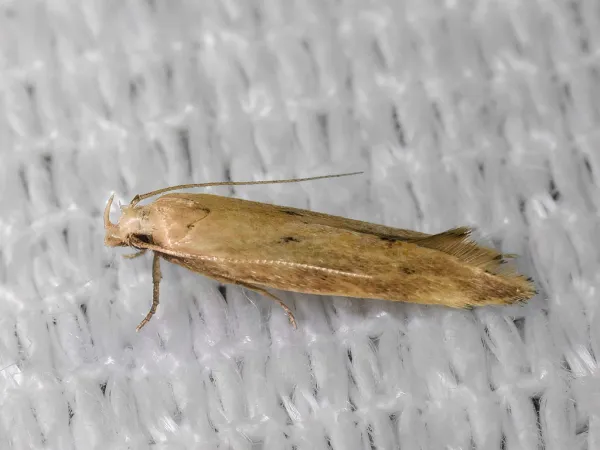
Angoumois Grain Moth Coloration
Common color patterns to help identify angoumois grain moth
Angoumois Grain Moth
Seasonal Activity
When angoumois grain moth are most active throughout the year
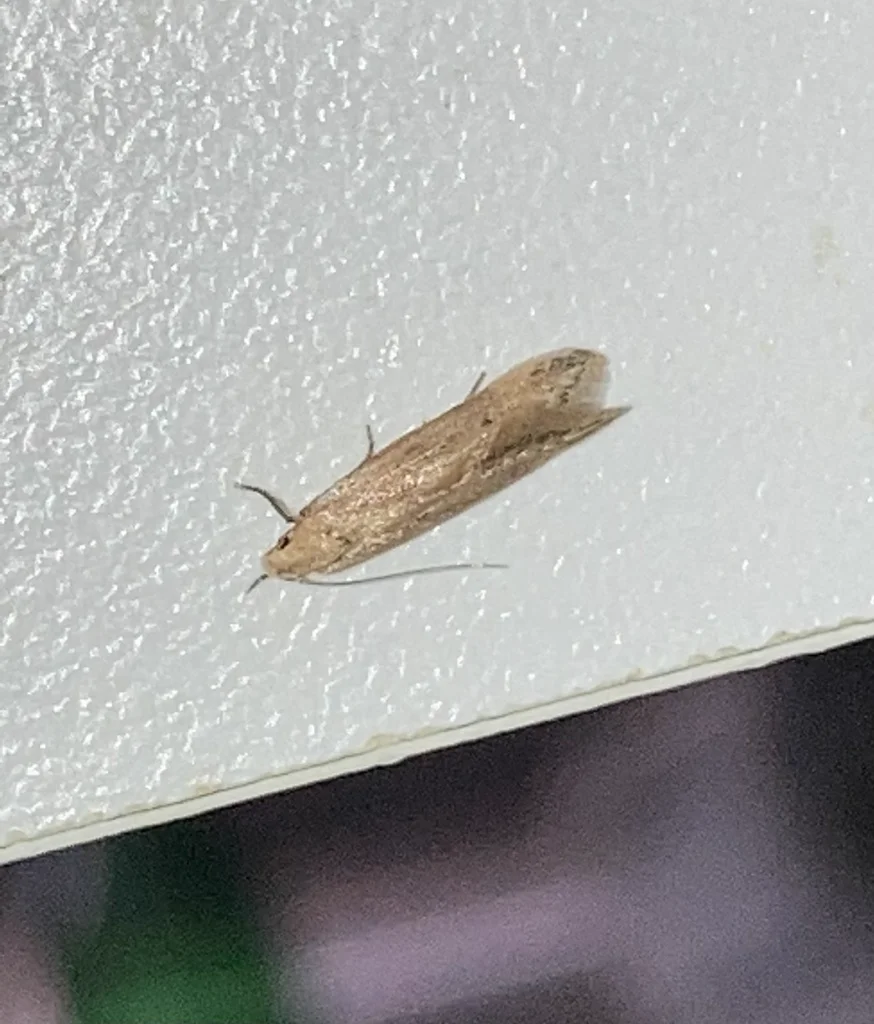
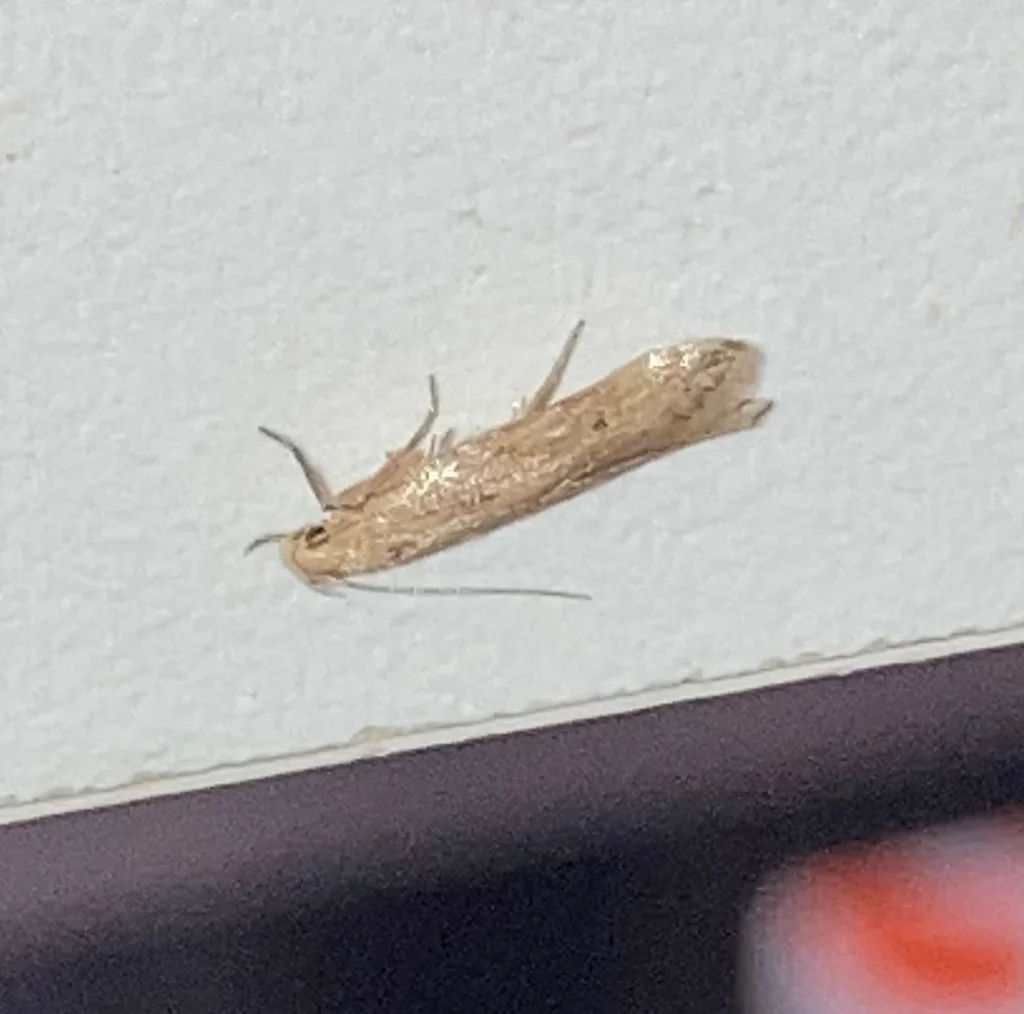
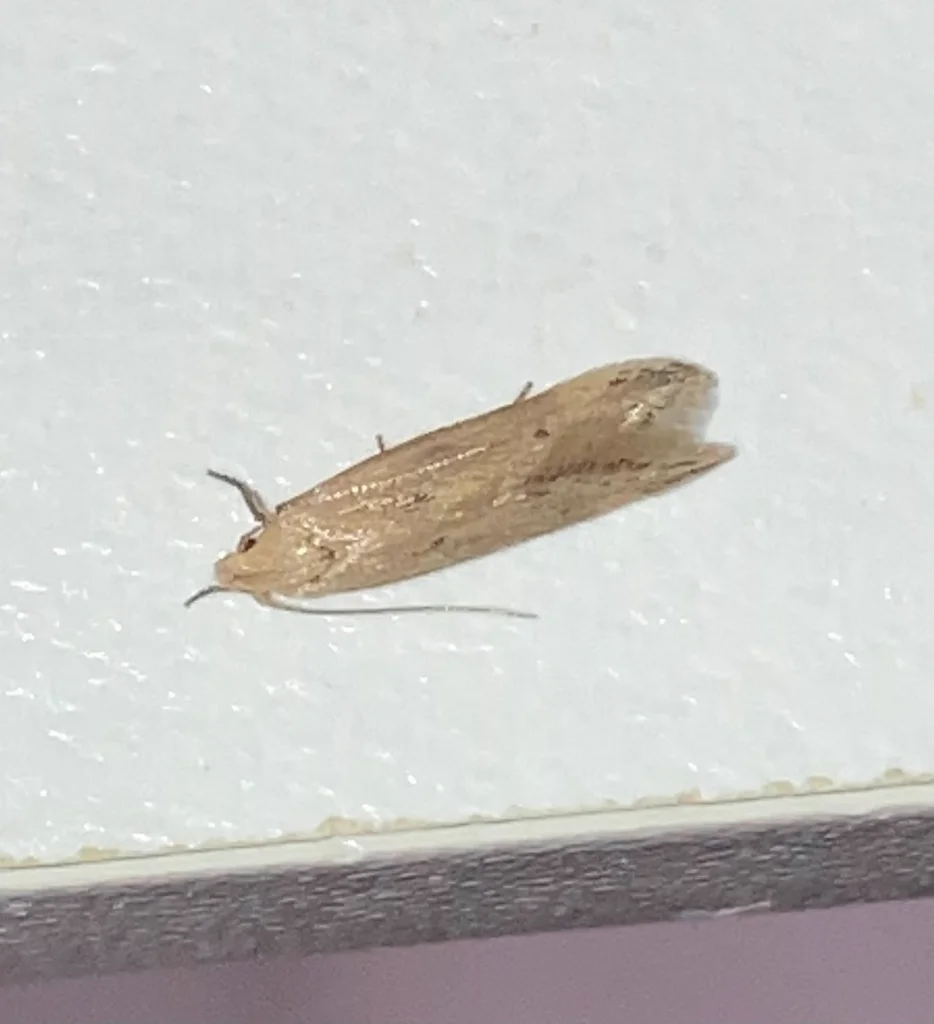

Where Angoumois Grain Moth Are Found
Hover over states to see their names. Green regions indicate where angoumois grain moth have been reported.
Angoumois Grain Moth Identification Guide
Physical Characteristics
The Angoumois grain moth (Sitotroga cerealella) is a small stored product pest that gets its common name from the Angoumois province of France where it was first recognized as a grain pest in 1736. It was introduced to North America in the 1700s and has since spread throughout the continent. As one of many moth species that infest stored goods, the Angoumois grain moth stands out for its unique internal feeding behavior.
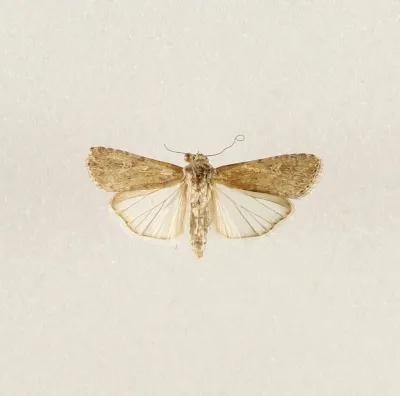
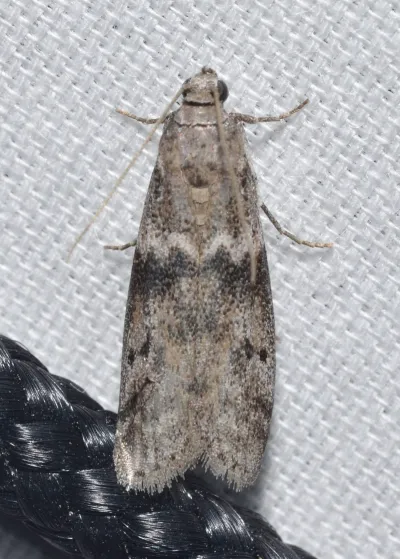
Adult moths measure 10 to 13mm in body length with a wingspan of 12 to 18mm. Their wings are one solid color: buff, tan, or grayish-brown. Unlike Indian meal moths, they lack wing markings or color patterns. The forewings are narrow and may have a few tiny dark spots near the middle, though these are often hard to see.
The most distinctive feature is the hindwings. They have a unique curved, lance-shaped appearance with pointed tips. Long hairs fringe the edges of the hindwings, giving them a feathery look. This wing shape sets them apart from most other pantry moths, which have more rounded hindwings.
Larvae are rarely seen because they develop entirely inside grain kernels. They are creamy white with yellowish-brown heads and grow to about 5 to 6mm long. Unlike other pantry moth larvae, they do not produce webbing or leave visible trails.
Eggs are oval, whitish when first laid, and turn reddish as they develop. They measure about 0.5mm long and are laid directly on or near grain kernels.
Key Identification Features
- Uniformly colored buff to grayish-brown wings
- Distinctive pointed, lance-shaped hindwings
- Long fringe of hairs along hindwing edges
- Small size, 10 to 13mm body length
- Weak, fluttering flight pattern
Differences from Similar Moths
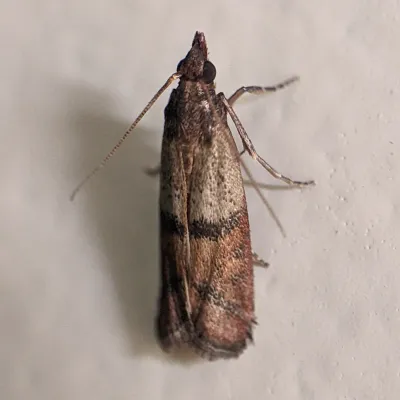
Indian meal moths are the most common pantry moth. They have distinctive two-toned wings with pale gray inner portions and reddish-brown outer sections. Their larvae leave visible webbing in food.
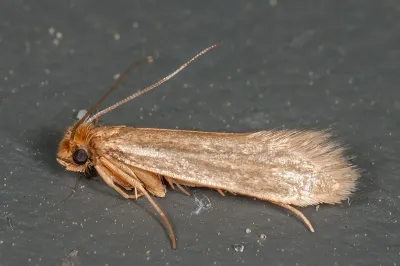
Webbing clothes moths are similar in size and have plain golden-tan wings. However, they avoid light and infest fabrics rather than grain products.
Mediterranean flour moths are larger with gray wings and wavy dark lines. They infest flour and processed grain products, not whole kernels.
Angoumois Grain Moth Behavior and Biology
Lifecycle and Development
Angoumois grain moths go through four life stages: egg, larva, pupa, and adult. The entire lifecycle can be done in as little as 5 weeks in ideal conditions (around 86 degrees F). In cooler temps, it often takes 6 to 10 weeks.
Egg stage: Females lay eggs alone or in small clusters on or near grain kernels. A single female can lay 40 to 300 eggs during her 2 to 4 week lifespan. Eggs hatch in 3 to 7 days based on temperature.
Larval stage: This is the longest stage and the only one that causes damage. After hatching, the tiny larva bores into a grain kernel through a hole so small it is nearly invisible. Once inside, the larva feeds and grows, going through 4 to 5 molts over 3 to 5 weeks. The entire development happens inside a single kernel. Only one larva can develop per kernel.
Pupal stage: When ready to pupate, the larva creates a chamber inside the kernel. It cuts a circular “window” just beneath the seed coat. This window is where the adult will later emerge. The pupal stage lasts 7 to 15 days.
Adult stage: The adult moth pushes through the pre-cut window, leaving a round exit hole. Adults do not feed at all. Their mouthparts are reduced and do not work. They live only to mate and reproduce, surviving 10 to 30 days.
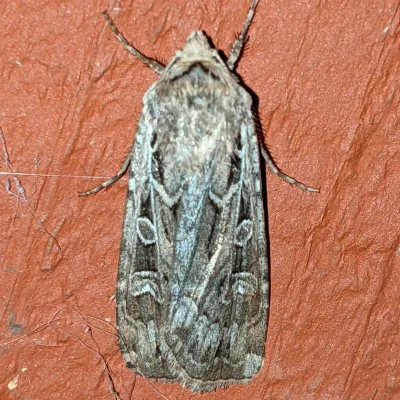
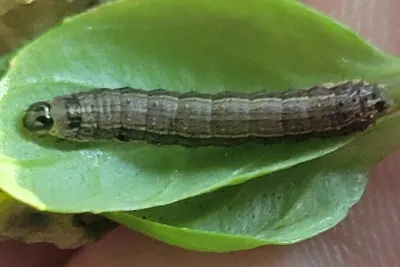
Internal Feeding Behavior A related species, Armyworms, shares similar characteristics.
What makes Angoumois grain moths unique among pantry pests is their internal feeding habit. The larvae spend their entire development inside a single grain kernel. This makes them difficult to detect early. You cannot see the larvae or their damage without opening individual kernels.
As the larva feeds inside the kernel, it hollows out the interior while leaving the outer seed coat intact. Near the end of development, the larva divides the hollowed kernel into two chambers with a silken partition. The larger chamber holds the larva, while the smaller one contains its waste.
This hidden development means infested grain often looks normal until adults begin emerging. By then, the infestation may be widespread.
What Grains Do They Infest?
Angoumois grain moths primarily attack whole, intact grain kernels:
- Corn (especially ear corn stored on the cob)
- Wheat
- Rice
- Barley
- Oats
- Sorghum
- Millet
- Rye
They do not infest flour, meal, breakfast cereals, or processed grain products. The larvae need an intact kernel to develop inside. This distinguishes them from most other pantry moths and beetles, including the tobacco moth which feeds on a wide range of dried foods.
In bulk storage, infestations are usually limited to the top few inches of grain. The moths cannot penetrate deeply into large grain masses. However, in smaller containers or bags, they can infest throughout.
Flight and Activity Patterns
Adult Angoumois grain moths are weak fliers. They flutter in a distinctive zigzag pattern and usually stay close to their food source. Flight activity increases above 55 degrees F (12.5 degrees C).
Unlike some moths, Angoumois grain moths are attracted to light. You may see them near windows or flying toward lights in the evening. This can help distinguish them from clothes moths, which avoid light.
Signs of an Angoumois Grain Moth Infestation
How to Identify an Infestation
Because larvae develop inside grain kernels, early infestations are easy to miss. Look for these warning signs:
- Adult moths flying near stored grain or around kitchen lights
- Small round holes in grain kernels where adults emerged
- Flour dust or powder around stored grain (from larval feeding)
- Musty or unpleasant odor from infested grain
- Empty pupal skins or cocoon remnants on grain surfaces
To confirm an infestation, examine individual grain kernels. Break open kernels and look for internal damage, larvae, or hollow interiors.
Where to Inspect
Check these locations if you suspect Angoumois grain moths:
- Bags or containers of whole grain corn, wheat, or rice
- Decorative corn, Indian corn, or dried corn displays
- Pet food or animal feed containing whole grains
- Bird seed with whole grain kernels
- Stored grain in garages, sheds, or basements
- Pantry shelves where grain products are kept
Pay special attention to grain purchased in bulk or from farmers’ markets, which may have been infested in the field.
Treatment Methods for Angoumois Grain Moths
Controlling Angoumois grain moths focuses on finding and removing infested grain, followed by thorough cleaning and prevention measures.
Inspection and Source Removal
The first step is locating all infested grain products:
- Check every container of whole grain in your pantry
- Examine decorative corn, Indian corn, and dried grain displays
- Inspect pet food and bird seed
- Look in less obvious places like craft supplies with dried corn
Discard all infested grain in sealed bags. Even grain that appears unaffected should be suspect if it was stored near infested products.
Temperature Treatment
For grain you want to save, temperature extremes can kill all life stages:
Freezing: Place grain in sealed bags and freeze at 0 degrees F for at least 7 days. This kills eggs, larvae, pupae, and adults. Allow grain to return to room temperature slowly to prevent moisture buildup.
Heating: Heat grain to 130 degrees F for at least 30 minutes. An oven set to low with careful temperature watching works for small amounts. Spread grain in thin layers for even heating.
Sanitation and Cleaning
After removing infested products:
- Vacuum all shelves, cracks, and corners in food storage areas
- Wipe down surfaces with soap and water
- Check and clean behind and under cabinets
- Vacuum any spilled grain or food debris
- Dispose of vacuum contents in sealed bags outside
Monitoring
Pheromone traps designed for stored product moths can help monitor activity. These traps attract male moths and help confirm when an infestation is eliminated. Place traps in pantries, storage areas, and near grain products. For a complete guide to treating pantry moth problems, see our article on how to get rid of pantry moths.
Prevention Strategies
To prevent future infestations:
- Inspect purchases: Check grain products for damage before buying, especially bulk items
- Use airtight containers: Transfer grain to sealed glass or thick plastic containers
- Freeze new grain: Place new whole grain purchases in the freezer for a week before storing
- Rotate stock: Use older grain first and avoid long-term storage
- Monitor regularly: Check stored grain periodically for signs of infestation
- Remove decorative corn: Discard dried corn decorations after the holiday season
Because Angoumois grain moths can infest grain in the field before harvest, even fresh purchases may contain eggs or larvae. Freezing new grain before storage is an effective preventive measure.
References and Further Reading
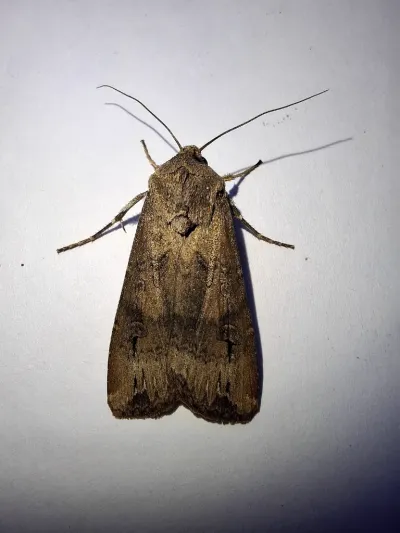
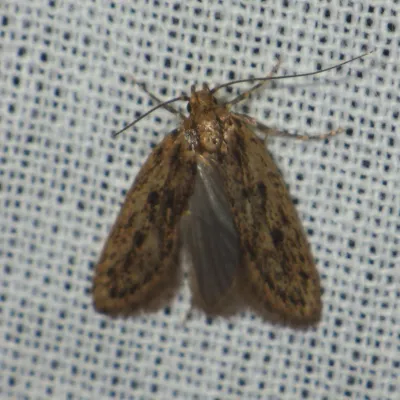
Other Moths
Explore other species in the moths family
Commonly Confused With
Angoumois Grain Moth are often mistaken for these similar pests
Where Angoumois Grain Moth Are Found
Hover over states to see their names. Green regions indicate where angoumois grain moth have been reported.
Common Questions about Angoumois Grain Moth
What does an Angoumois grain moth look like?
+
Angoumois grain moths are small, about 10 to 13mm long with a wingspan of 12 to 18mm. They have solid buff, tan, or grayish-brown wings without patterns. Their most notable feature is the pointed, lance-shaped hindwings with a fringe of long hairs along the edges. The forewings are narrow and may have a few tiny dark spots.
How can I tell the difference between Angoumois grain moths and Indian meal moths?
+
Indian meal moths have distinctive two-toned wings with a pale inner section and copper-brown outer portion. Angoumois grain moths have uniformly colored buff or tan wings without this pattern. Indian meal moth larvae spin visible webbing in food, while Angoumois grain moth larvae feed entirely inside grain kernels and produce no external webbing.
How do Angoumois grain moths get into my home?
+
These moths typically enter homes in infested grain products purchased from stores. They can also infest stored grain in garages, sheds, or pantries. Unlike some pantry moths, Angoumois grain moths can infest grain in the field before harvest, meaning products may already be infested when purchased.
What do Angoumois grain moth larvae eat?
+
The larvae are internal feeders that develop entirely inside whole grain kernels. They infest corn, wheat, rice, barley, oats, sorghum, and other whole grains. A single larva needs only one grain kernel to complete its development. They do not infest flour, meal, or processed grain products.
How do I know if grain is infested with Angoumois grain moths?
+
Look for small round exit holes in grain kernels where adult moths emerged. Infested grain may have a musty or unpleasant odor. You might see flour dust or fine powder around the grain from larval feeding. Adult moths flying near stored grain or in the kitchen are another sign.
Are Angoumois grain moths harmful to humans?
+
These moths do not bite or sting, and they are not known to transmit diseases. However, infested grain is unfit for consumption. The larvae contaminate grain with their waste and shed skins, and heavily infested grain develops an unpleasant smell and taste.
How long does it take Angoumois grain moths to complete their lifecycle?
+
The complete lifecycle takes 5 to 7 weeks under warm conditions. Eggs hatch in 3 to 7 days. Larvae feed inside grain kernels for 3 to 5 weeks before pupating. The pupal stage lasts 1 to 2 weeks. Adults live about 2 to 4 weeks and females can lay 40 to 300 eggs during their lifetime.

With five years of hands-on experience in the pest control industry, George Schulz is a registered technician with the Virginia Pest Management Association and a proud third-generation professional in a family business that's been protecting homes for over 57 years. He manages and trains a team of service pros while also leading internal research efforts—recently spearheading a deep-dive review of thousands of documents on pest control materials to hand-pick the most kid and pet friendly, most effective solutions tailored specifically for homes in the DC metro area.