Summer Saltmarsh Mosquitoes Identification Guide
Aedes dorsalis
Summer saltmarsh mosquitoes are aggressive biters found across North America. Known for traveling up to 30 miles from breeding sites, they thrive in saline and freshwater habitats and can transmit California encephalitis virus.
Taxonomy
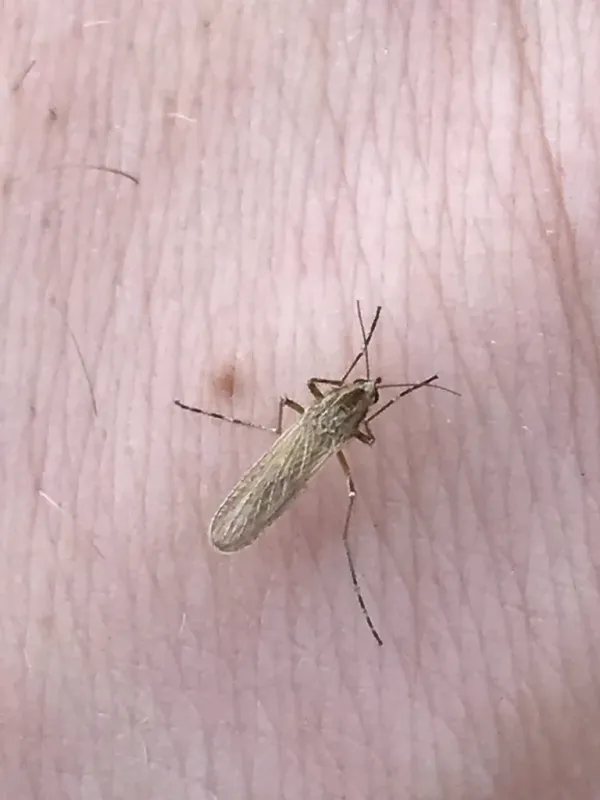
Summer Saltmarsh Mosquitoes Coloration
Common color patterns to help identify summer saltmarsh mosquitoes
Summer Saltmarsh Mosquitoes
Seasonal Activity
When summer saltmarsh mosquitoes are most active throughout the year

Where Summer Saltmarsh Mosquitoes Are Found
Hover over states to see their names. Green regions indicate where summer saltmarsh mosquitoes have been reported.
Summer Saltmarsh Mosquito Identification Guide
Physical Characteristics
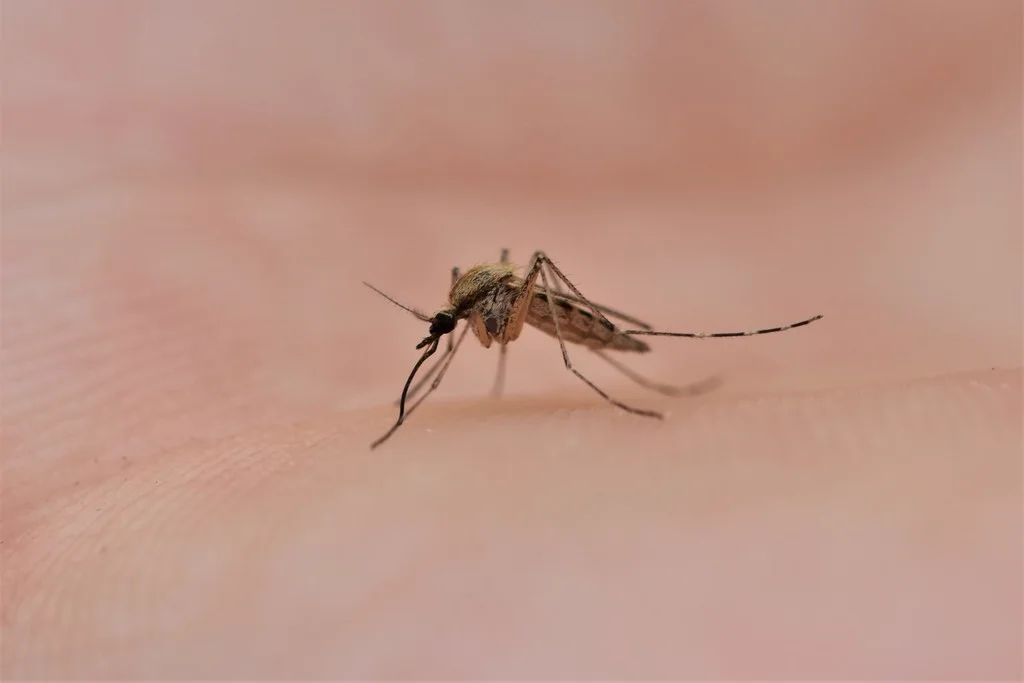
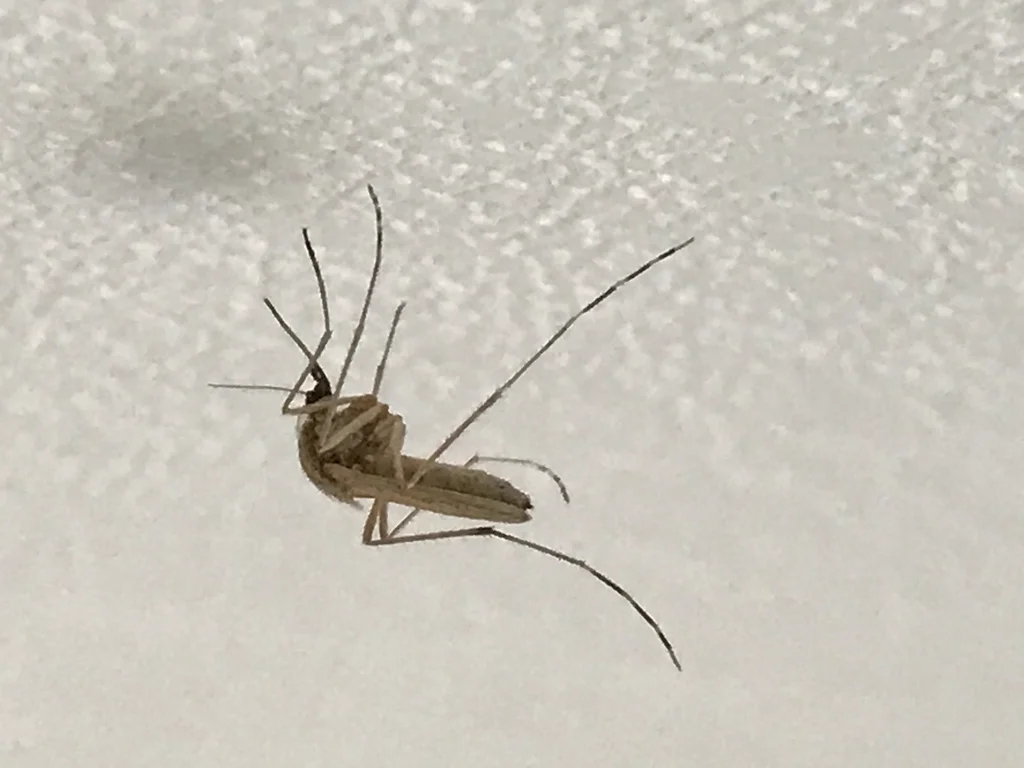
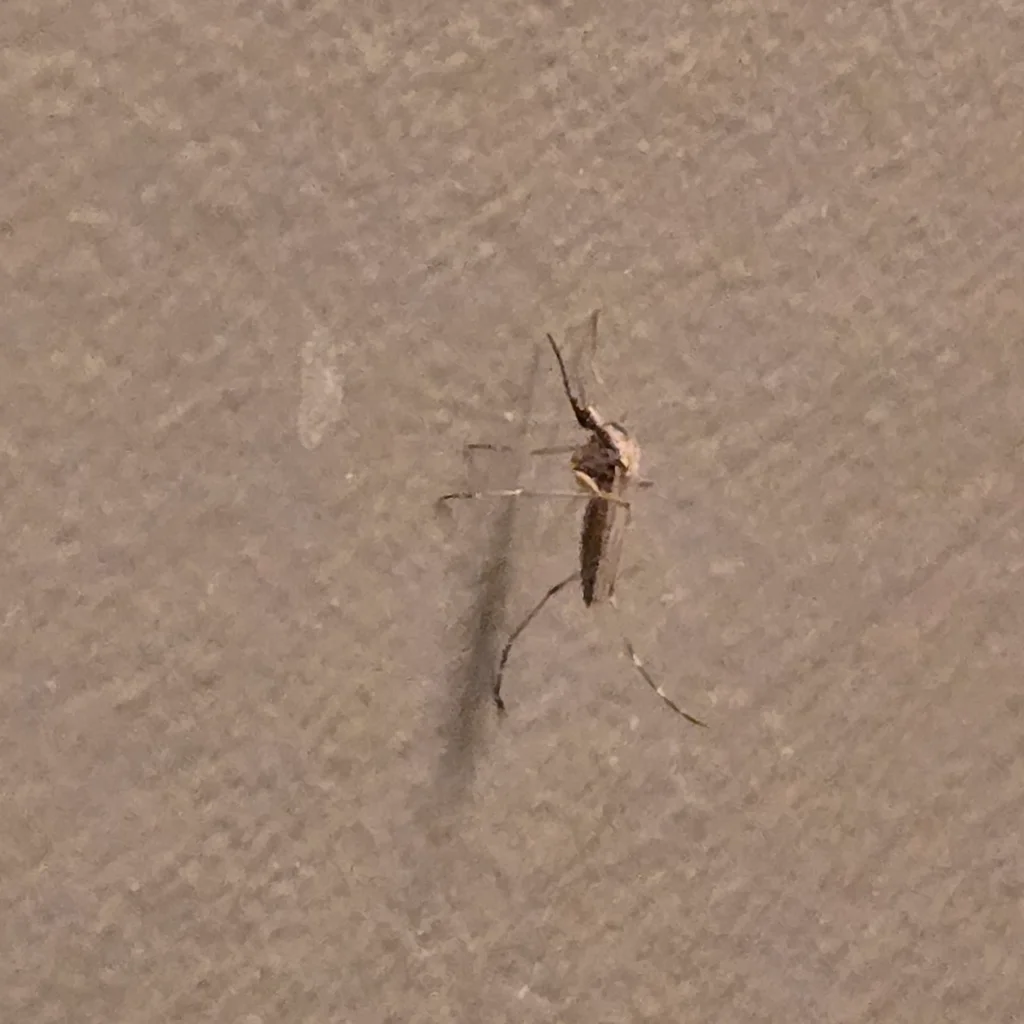
The summer saltmarsh mosquito (Aedes dorsalis) is a medium-sized species. Adults measure 4 to 7mm long. They have a tan to grayish-brown body with markings that help set them apart from other mosquitoes.
The most notable feature is the pale banding on the legs. These light bands extend across the joints between leg parts. This creates a ringed look. The wings have a speckled pattern with pale and dark scales mixed together.
The thorax (upper body) has two dark stripes running along the back. This is where the species name “dorsalis” comes from. The abdomen has white scales with pale markings. The proboscis (mouthpart) is dark with pale scales near the base.
Males have bushier antennae than females. Both sexes look alike in color and size. Only females bite. They need blood to make eggs.
How to Distinguish from Other Mosquitoes
Summer saltmarsh mosquitoes live near several similar species. Here are key differences:
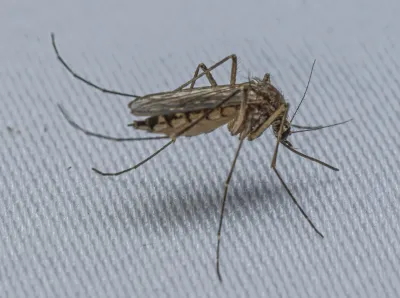
- Eastern saltmarsh mosquitoes are darker with a rusty-tan color and a white band on the mouthpart
- Black saltmarsh mosquitoes have much darker coloring with different scale patterns
- Inland floodwater mosquitoes are similar in size but breed in different freshwater habitats
The pale leg bands that cross joint lines is one of the best features for identification. Older larvae also act different. They quickly sink to the bottom of pools and stay still when disturbed.
Summer Saltmarsh Mosquito Behavior and Biology
Life Cycle
Summer saltmarsh mosquitoes can have many broods per year. The number of broods depends on weather and water.
Females lay about 130 eggs in batches of 1 to 6. They place eggs on moist soil in low spots that flood during rain, snowmelt, or tides. The eggs are tough and can survive dry spells. They need at least 5 days of dryness before they will hatch when water returns.
When conditions are right, growth from egg to adult takes just 5.5 to 7 days. This happens best at 75 to 80 degrees Fahrenheit. The larvae pass through four growth stages while eating tiny bits in the water. Adults emerge from spring through fall. This is usually from March through October or November.
Adult females can live up to 90 days under good conditions. Males rarely survive past 30 days. Females need blood meals to produce each batch of eggs.
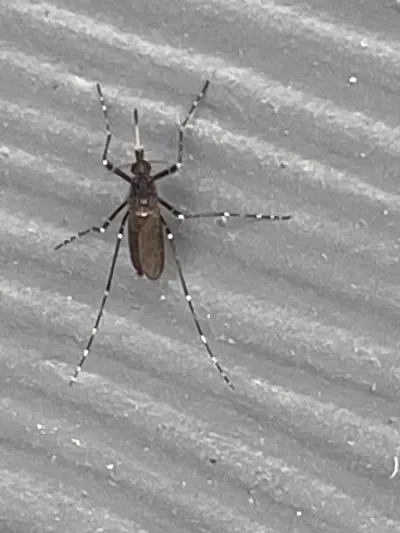
Feeding Behavior A related species, Eastern Treehole Mosquitoes, shares similar characteristics.
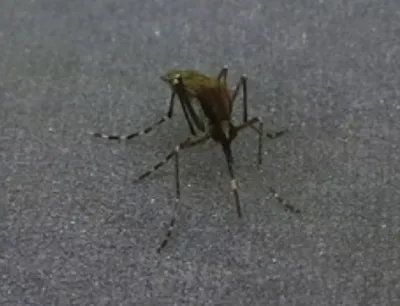
Summer saltmarsh mosquitoes are among the most aggressive mosquitoes in North America. They feed eagerly on humans and pets. Their bites can be painful. They will attack at any time of day or night. A related species, Asian Bush Mosquitoes, shares similar characteristics.
Unlike some mosquitoes that give up after being swatted, these mosquitoes keep trying until they get a full blood meal. They are most active at dawn, dusk, and after dark. However, on cloudy days or in shaded areas, they will bite all day long. A related species, Dark Ricefield Mosquitoes, shares similar characteristics.
This makes them a serious nuisance pest when numbers are high. A single hatch can produce huge numbers of biting adults.
Flight Range and Dispersal
What makes summer saltmarsh mosquitoes a big problem is how far they can fly. Most mosquitoes stay within a mile of where they breed. Summer saltmarsh mosquitoes have been tracked flying over 30 miles in California and 22 miles in Utah.
This means homes many miles from any marsh or wetland can still have problems with this species. Wind affects how far they spread. Females actively seek out hosts over long distances.
Males form swarms above the ground to draw in females. After mating, females spread out looking for blood meals.
Habitat Preferences
Summer saltmarsh mosquitoes breed in many types of water habitats:
Natural breeding sites include:
- Salt marshes and brackish coastal pools
- Freshwater wetlands and temporary pools
- Flood-prone grassy areas and meadows
- Semi-permanent pools with or without shade
- Depressions as small as cattle hoof prints
Man-made habitats can also support breeding:
- Irrigated agricultural areas
- Road ditches and drainage channels
- Mine tailings and industrial sites with saline water
- Dredge material disposal areas
One striking feature of this species is salt tolerance. Larvae have been found in water with up to 12 percent salt content. This is much saltier than seawater. It explains why they do well in harsh salty areas where other mosquitoes cannot survive.
How We Treat for Summer Saltmarsh Mosquitoes
Our mosquito control program targets adult mosquitoes where they rest. It also helps reduce breeding spots on your property.
Exterior Barrier Treatment
Our technicians use backpack sprayers to treat areas where mosquitoes rest during the day. We focus on:
- Dense plants and tall grass where mosquitoes rest between meals
- Shrubs and bushes with leaves and branches up to 10 feet high
- Shaded areas under decks, along fences, and in ivy patches
- Property edges where mosquitoes come in from nearby areas
Our treatment includes products for quick knockdown of adult mosquitoes. It also has a growth regulator that stops larvae from becoming adults. We avoid spraying blooming flowers, fruits, and vegetables.
Breeding Site Management
Summer saltmarsh mosquitoes often breed in marshes and wetlands away from homes. But we still help find and fix breeding sites on your property. We check for:
- Standing water in containers, tarps, toys, and birdbaths
- Clogged gutters and downspouts holding water
- Low areas in the yard that collect rainwater
- Any items or areas holding water for more than a few days
In2Care Mosquito System (Optional)
For customers who want a greener option, we offer the In2Care system. These stations attract female mosquitoes looking for places to lay eggs. The mosquitoes touch a larvicide and fungus inside the station. They then spread these to other breeding sites they visit. This targets mosquitoes without wide spraying.
For best results, we suggest treatments every 3 to 4 weeks during mosquito season. In most areas, this runs from April through October.
Health Concerns
Summer saltmarsh mosquitoes can spread several diseases:
- California encephalitis virus causes brain swelling with fever, headache, and confusion
- Western equine encephalitis virus is a serious illness that affects the brain and nervous system
This species can pass viruses to its young. Infected females spread viruses through their eggs. The virus stays in the mosquito as it grows from larva to adult. This means the virus can survive winter in eggs and come out with the next brood.
Disease spread is not common. But the health risks plus their aggressive biting make mosquito control worth it in areas where this species is found.
This information is for educational purposes only and is not medical advice. Consult a healthcare provider if you experience symptoms after mosquito bites.
References
Other Mosquitoes
Explore other species in the mosquitoes family
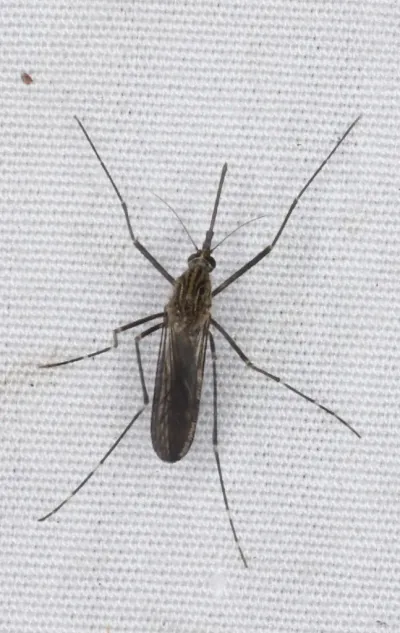
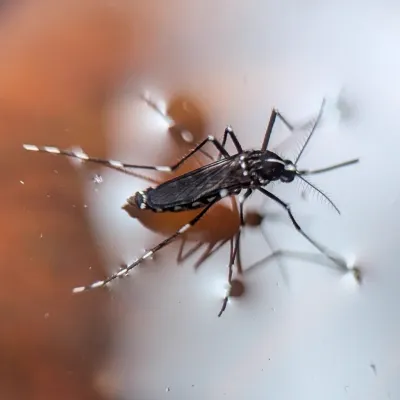
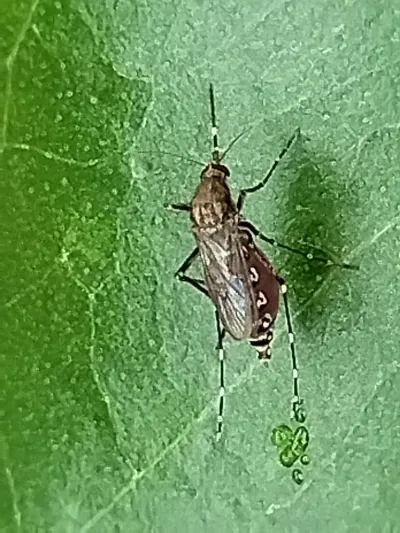
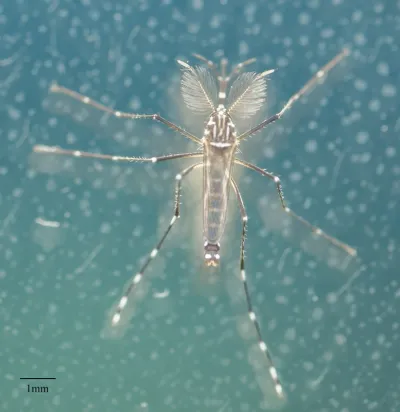
Commonly Confused With
Summer Saltmarsh Mosquitoes are often mistaken for these similar pests
Where Summer Saltmarsh Mosquitoes Are Found
Hover over states to see their names. Green regions indicate where summer saltmarsh mosquitoes have been reported.
Common Questions about Summer Saltmarsh Mosquitoes
Why are summer saltmarsh mosquitoes called dorsalis?
+
The species name dorsalis refers to the dorsal (back) markings on this mosquito. The thorax has two distinctive dark stripes running along the back, which helps identify this species.
How far can summer saltmarsh mosquitoes travel from their breeding sites?
+
Summer saltmarsh mosquitoes are strong fliers and can travel over 30 miles from their breeding sites. Studies in Utah and California have traced them traveling 22 to 30 miles in search of blood meals.
When are summer saltmarsh mosquitoes most active?
+
They are aggressive biters that will attack at any time of day or night. However, they are most active during dawn and dusk hours or on cloudy, overcast days when light levels are lower.
What diseases can summer saltmarsh mosquitoes spread?
+
Summer saltmarsh mosquitoes can transmit California encephalitis virus and Western equine encephalitis virus. They can pass these viruses to their offspring through eggs and across life stages from larva to adult.
Where do summer saltmarsh mosquitoes breed?
+
They breed in a wide variety of habitats including salt marshes, brackish pools, freshwater wetlands, and even temporary puddles. Larvae can survive in water with salt content as high as 12 percent, which is unusual for mosquitoes.
How can I tell summer saltmarsh mosquitoes apart from other saltmarsh species?
+
Look for pale bands on the legs that extend across the joints between leg segments. The wings have a mix of pale and dark scales, and the upper body shows two dark stripes. They are generally paler than eastern saltmarsh mosquitoes.

With five years of hands-on experience in the pest control industry, George Schulz is a registered technician with the Virginia Pest Management Association and a proud third-generation professional in a family business that's been protecting homes for over 57 years. He manages and trains a team of service pros while also leading internal research efforts—recently spearheading a deep-dive review of thousands of documents on pest control materials to hand-pick the most kid and pet friendly, most effective solutions tailored specifically for homes in the DC metro area.