Inland Floodwater Mosquitoes Identification Guide
Aedes vexans
Inland floodwater mosquitoes are aggressive biters found throughout North America. They emerge in large numbers after flooding events and can travel over 10 miles from breeding sites.
Taxonomy
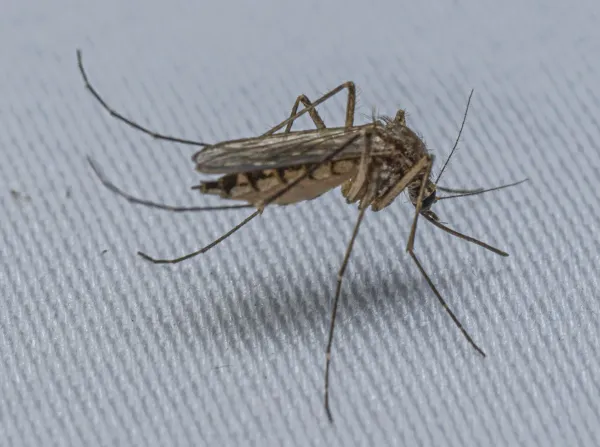
Inland Floodwater Mosquitoes Coloration
Common color patterns to help identify inland floodwater mosquitoes
Inland Floodwater Mosquitoes
Seasonal Activity
When inland floodwater mosquitoes are most active throughout the year

Where Inland Floodwater Mosquitoes Are Found
Hover over states to see their names. Green regions indicate where inland floodwater mosquitoes have been reported.
Inland Floodwater Mosquito Identification Guide
Physical Characteristics
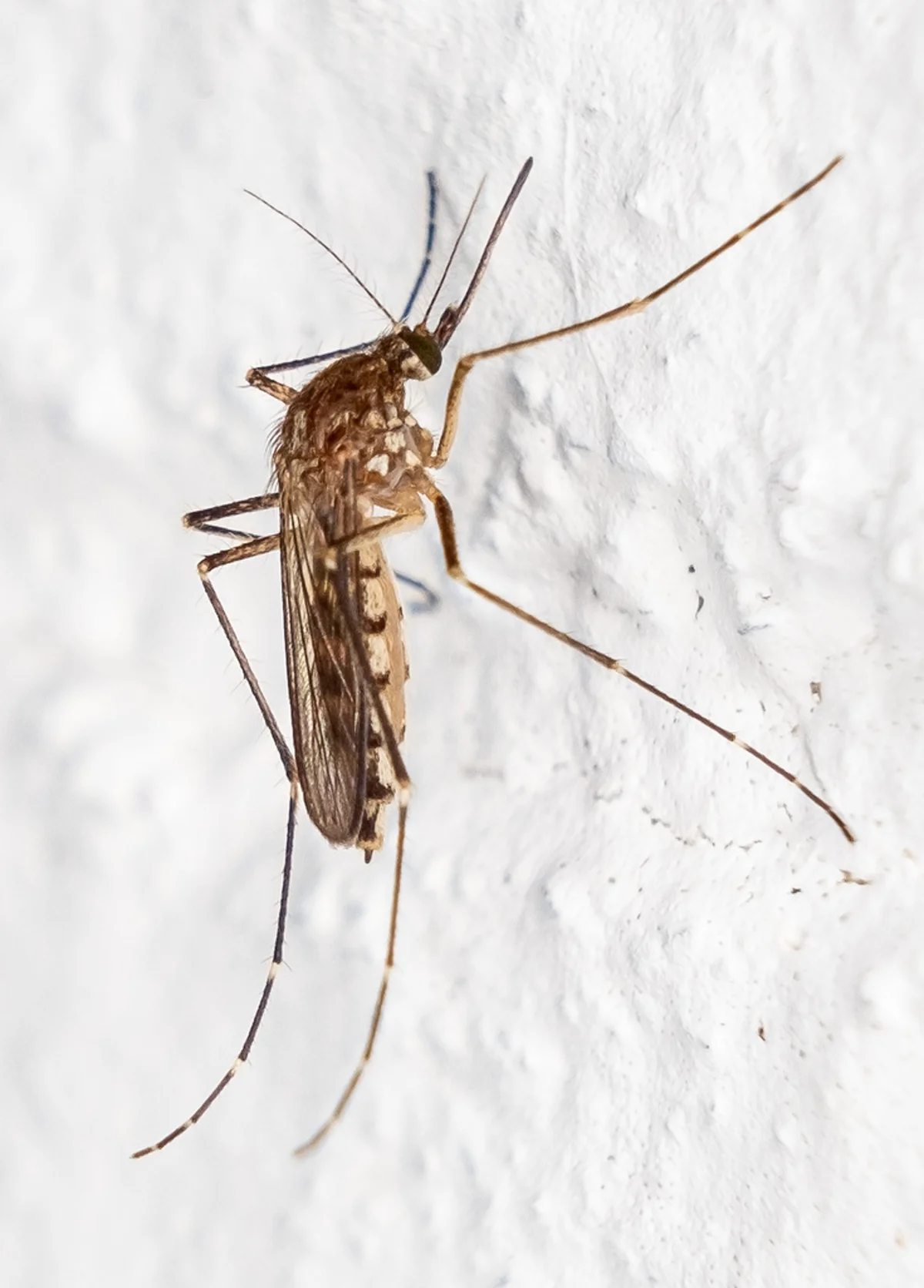
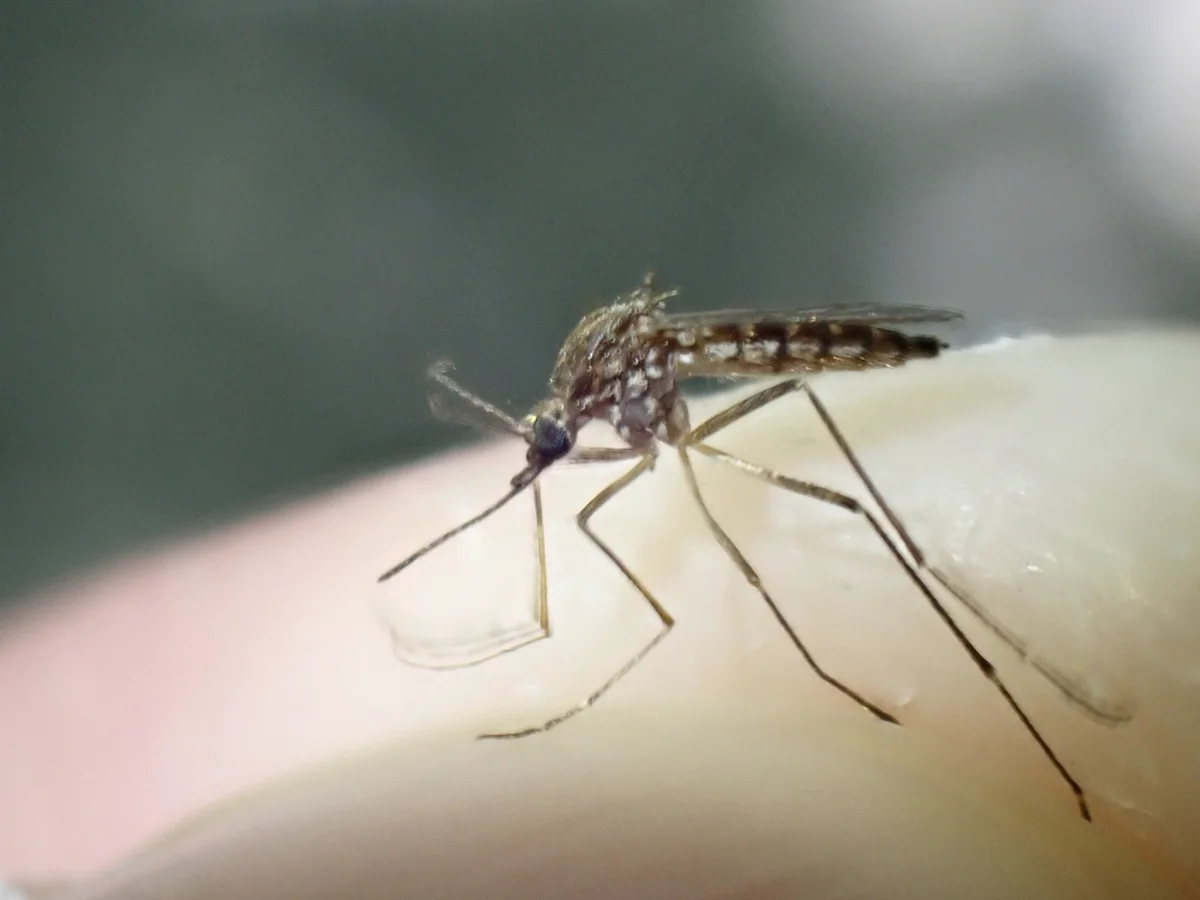
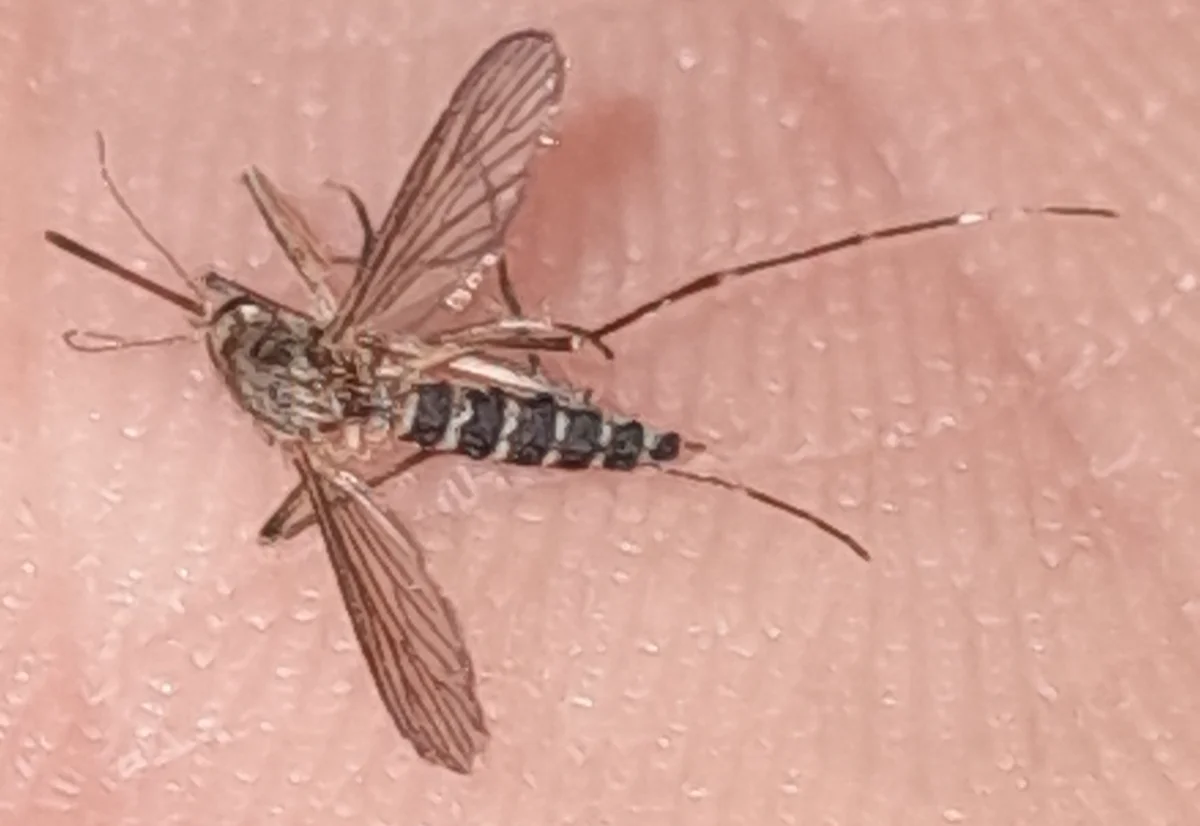
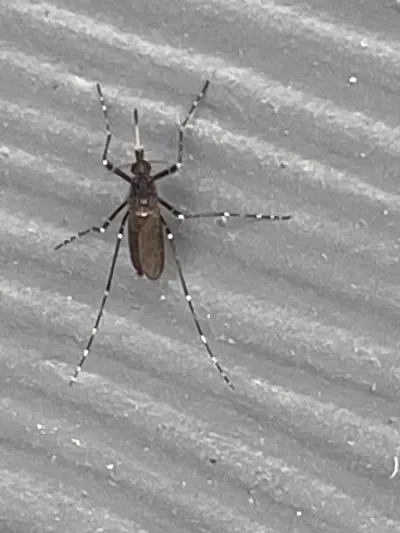
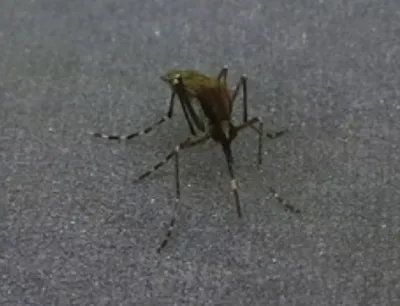
The inland floodwater mosquito (Aedes vexans) is one of the most common mosquitoes in North America. Adults are about 5 to 7mm long. This makes them medium-sized for mosquitoes. Their bodies are dark gray to brown with white markings.
The most notable feature is the banding on their abdomen. Each segment has white scales at the base. These form a shape like the letter “B” when seen from the side. This B-pattern helps identify them. Their legs have narrow white bands, and the mouthpart is dark with white scales underneath.
Males have bushy antennae. Females have simpler antennae. Both have clear wings with dark scales along the veins. When resting, these mosquitoes hold their back legs up high.
How to Distinguish from Other Mosquitoes
The inland floodwater mosquito can be confused with several other species:
- Asian tiger mosquitoes: Have bold black and white stripes with a single white stripe down the back. They bite during the day. Inland floodwater mosquitoes prefer evening hours.
- Southern house mosquitoes: Brown or grayish without banding. They are smaller and breed in stagnant water, not flood areas.
- Eastern saltmarsh mosquitoes: Similar size but found mainly near coasts. They have golden-brown coloring instead of gray-brown.
Inland Floodwater Mosquito Behavior and Biology
Life Cycle
Inland floodwater mosquitoes go through four life stages: egg, larva, pupa, and adult. What makes this species unique is how its eggs respond to flooding.
Females lay eggs on damp soil in areas that flood. They do not lay eggs in water. These eggs are very hardy. They can survive dry conditions for up to three years. When floodwaters cover the eggs and temps reach about 50 degrees, hatching occurs within 3 to 5 days.
The larvae (called wrigglers) feed on tiny organisms in the water. In warm weather, larvae develop through four stages in just 4 to 5 days. The pupal stage lasts 2 to 3 days before adults emerge. From egg to adult can take as little as 7 to 10 days.
Adults live 3 to 6 weeks on average. Some survive up to 3 months. Females need a blood meal before laying each batch of eggs. A single female can produce several broods in her lifetime.
Feeding Behavior A related species, Eastern Treehole Mosquitoes, shares similar characteristics.
Only female inland floodwater mosquitoes bite. They need blood protein to develop their eggs. Males feed only on plant nectar. Females also drink nectar between blood meals. A related species, Asian Bush Mosquitoes, shares similar characteristics.
These mosquitoes are aggressive biters. They are most active around sunset. Peak feeding happens about an hour after dark. They will also bite during the day in shaded areas or on cloudy days. They feed on cattle, horses, deer, dogs, and humans. A related species, Black Saltmarsh Mosquitoes, shares similar characteristics.
One notable trait is how far they will travel for a meal. Inland floodwater mosquitoes can fly more than 10 miles from where they hatched. This makes them a problem even for homes far from flooded areas.
Habitat Preferences
True to their name, inland floodwater mosquitoes breed in temporary water caused by flooding. Common breeding sites include:
- Flood plains along rivers and streams
- Roadside ditches after heavy rains
- Agricultural fields with irrigation or poor drainage
- Detention ponds and storm water facilities
- Low-lying areas in yards and parks
- Tire tracks and depressions that hold water
- Semi-wooded areas near streams
The larvae grow best in sunlit pools with little plant life or algae. Adults rest during the day in shaded spots like thick bushes, under decks, and in wooded areas near homes.
How We Treat for Inland Floodwater Mosquitoes
Our mosquito control program targets adult mosquitoes where they rest and helps reduce breeding opportunities around your property.
Exterior Barrier Treatment
Our technicians use backpack sprayers to treat shaded resting areas where mosquitoes hide during the day. We focus on:
- Foliage and shrubs: Leaves and branches up to 10 feet high where mosquitoes rest
- Ivy patches and ground cover: Dense plants that provide shade and moisture
- Under decks and porches: Shaded areas close to your home
- Property edges and fence lines: Areas between open space and cover
Our treatment includes an adulticide that kills mosquitoes on contact. It also contains an insect growth regulator that stops larvae from growing in nearby water. We avoid spraying blooming flowers, fruit trees, and vegetable gardens.
Breeding Site Assessment
Since inland floodwater mosquitoes breed in flooded soil (not containers), we check your property for drainage issues. We look for:
- Low spots that hold water after rain
- Clogged gutters and downspouts
- Areas with poor grading near the foundation
- Ditches or swales that retain water
We provide recommendations for improving drainage and reducing standing water.
In2Care Mosquito System (Optional)
For customers who prefer less spraying, we offer the In2Care mosquito control system. This eco-friendly option uses stations that attract female mosquitoes looking to lay eggs. The mosquitoes pick up a larvicide and fungus that they carry to other breeding sites.
This system works well as a supplement to barrier treatments or as a standalone option. It targets only mosquitoes and uses a different approach than broad spraying.
For best results against inland floodwater mosquitoes, we recommend treatments every 3 to 4 weeks during mosquito season (April through October). After major flooding events, additional treatments may be needed as new populations emerge.
Health Concerns
Inland floodwater mosquitoes are mainly a nuisance pest. They bite often and appear in large numbers. But they can also spread several diseases:
- Dog heartworm: A serious infection in dogs. These mosquitoes are known carriers.
- West Nile virus: Can cause fever. Severe cases may cause brain and nerve problems. These mosquitoes can carry this virus.
- Tahyna virus: Found mainly in Europe. Causes flu-like symptoms.
- Eastern equine encephalitis: A rare but serious brain infection. These mosquitoes may be able to spread it.
Studies show that Aedes vexans can spread Zika virus well. But disease spread in North America is still rare. Learn more about the different types of mosquitoes and how long mosquitoes live.
Their bites cause itchy welts that can get infected if scratched. Some people have allergic reactions to mosquito bites.
This information is for educational purposes only and is not medical advice. Consult a healthcare provider if you feel ill after mosquito bites.
References
Other Mosquitoes
Explore other species in the mosquitoes family
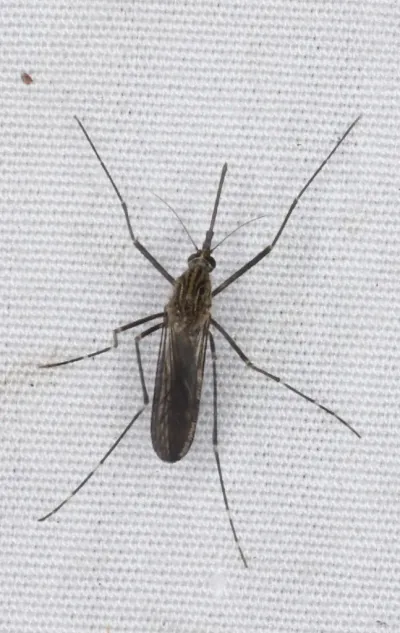
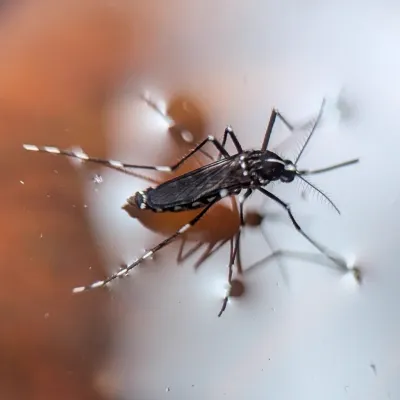
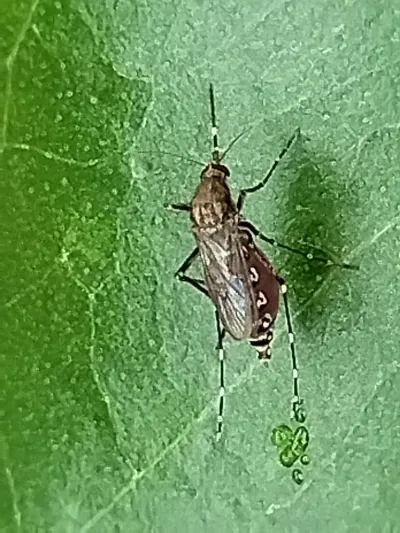
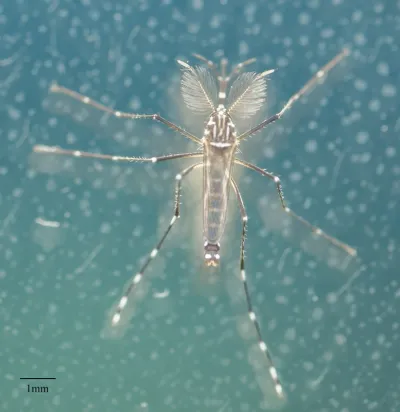
Commonly Confused With
Inland Floodwater Mosquitoes are often mistaken for these similar pests
Where Inland Floodwater Mosquitoes Are Found
Hover over states to see their names. Green regions indicate where inland floodwater mosquitoes have been reported.
Common Questions about Inland Floodwater Mosquitoes
What makes inland floodwater mosquitoes different from other mosquitoes?
+
Inland floodwater mosquitoes have a distinctive pattern on their abdomen. When viewed from the side, the white bands on each segment look like the letter B. They emerge in huge numbers after heavy rains or flooding and can fly over 10 miles from where they hatched.
When are inland floodwater mosquitoes most active?
+
These mosquitoes bite mainly in the evening, with peak activity about an hour after sunset. They can also bite during the day in shaded areas. Large populations appear 7 to 10 days after flooding events during warm weather.
Are inland floodwater mosquito bites dangerous?
+
While they are mainly a nuisance pest, inland floodwater mosquitoes can spread diseases. They are known carriers of dog heartworm and have been linked to West Nile virus transmission. Their bites cause itchy welts in most people.
Where do inland floodwater mosquitoes breed?
+
They lay eggs on damp soil in areas that flood after heavy rains. This includes flood plains, roadside ditches, detention ponds, irrigated fields, and low-lying areas. Their eggs can survive dry conditions for up to three years.
How can I reduce inland floodwater mosquitoes around my home?
+
Since they breed in flooded areas, focus on preventing standing water where possible. Grade low spots in your yard, clean gutters, and fix drainage issues. Professional treatments that target adult resting areas are most effective for control.
Why do inland floodwater mosquitoes seem worse after rain?
+
Their eggs sit dormant in soil until flooding occurs. When water covers the eggs and temperatures are warm, they hatch within days. A single flooding event can produce millions of mosquitoes that all emerge around the same time.
How far can inland floodwater mosquitoes travel?
+
These mosquitoes are strong fliers. They can travel more than 10 miles from their breeding sites in search of blood meals. This means you may have a mosquito problem even without standing water on your property.

With five years of hands-on experience in the pest control industry, George Schulz is a registered technician with the Virginia Pest Management Association and a proud third-generation professional in a family business that's been protecting homes for over 57 years. He manages and trains a team of service pros while also leading internal research efforts—recently spearheading a deep-dive review of thousands of documents on pest control materials to hand-pick the most kid and pet friendly, most effective solutions tailored specifically for homes in the DC metro area.