Gallinipper Mosquitoes Identification Guide
Psorophora ciliata
The gallinipper is one of North America's largest mosquitoes, known for its aggressive biting behavior and painful bites that can penetrate clothing.
Taxonomy
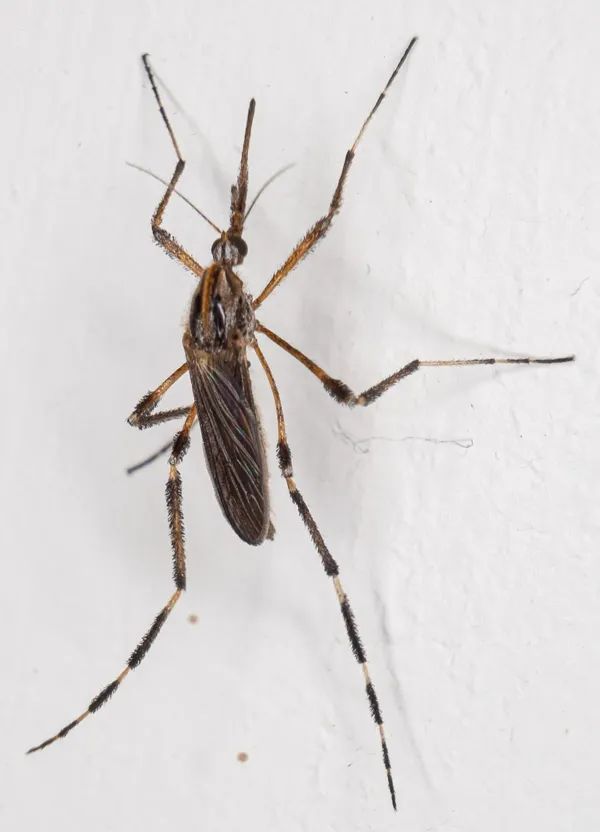
Gallinipper Mosquitoes Coloration
Common color patterns to help identify gallinipper mosquitoes
Gallinipper Mosquitoes
Seasonal Activity
When gallinipper mosquitoes are most active throughout the year
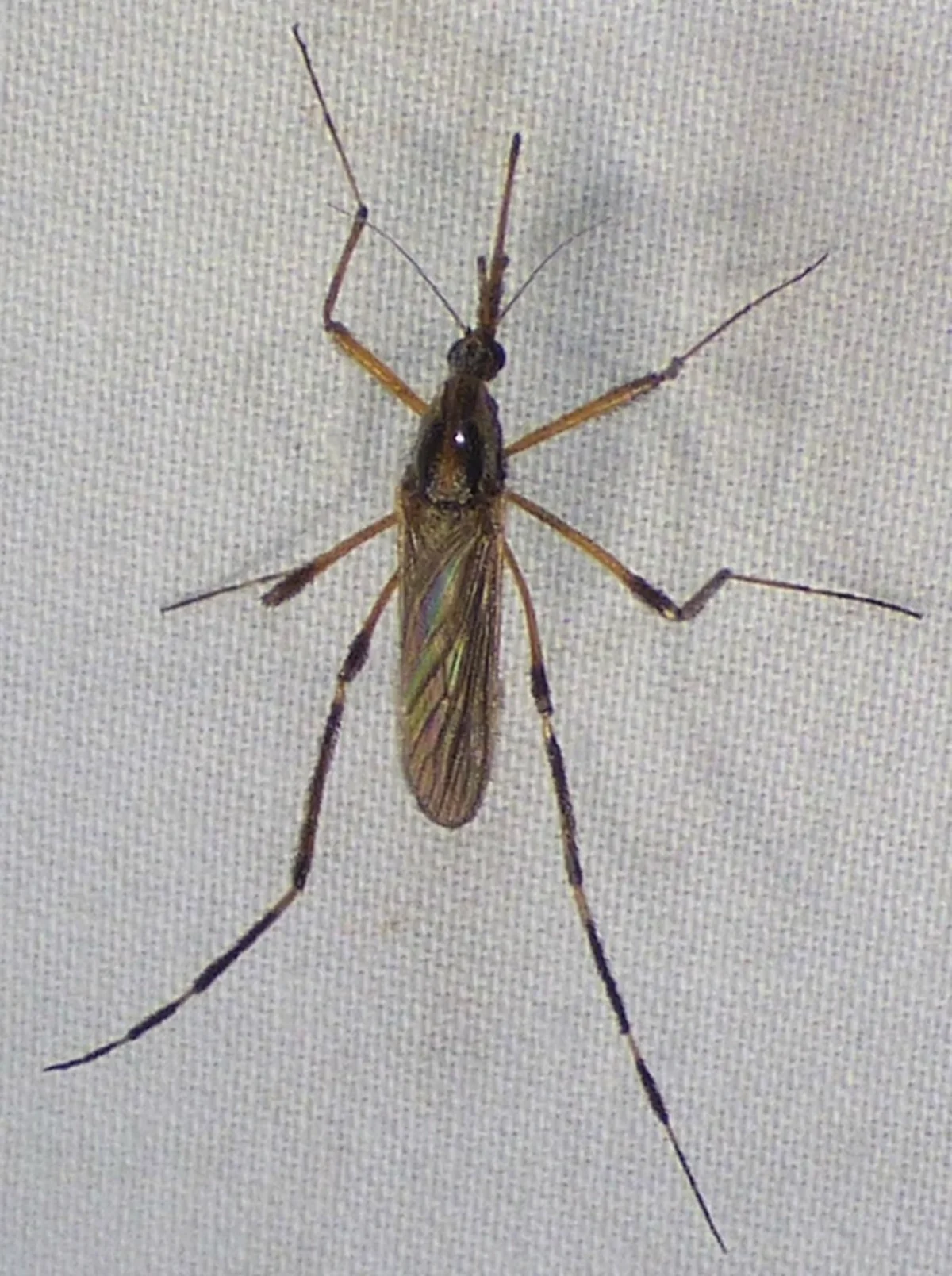
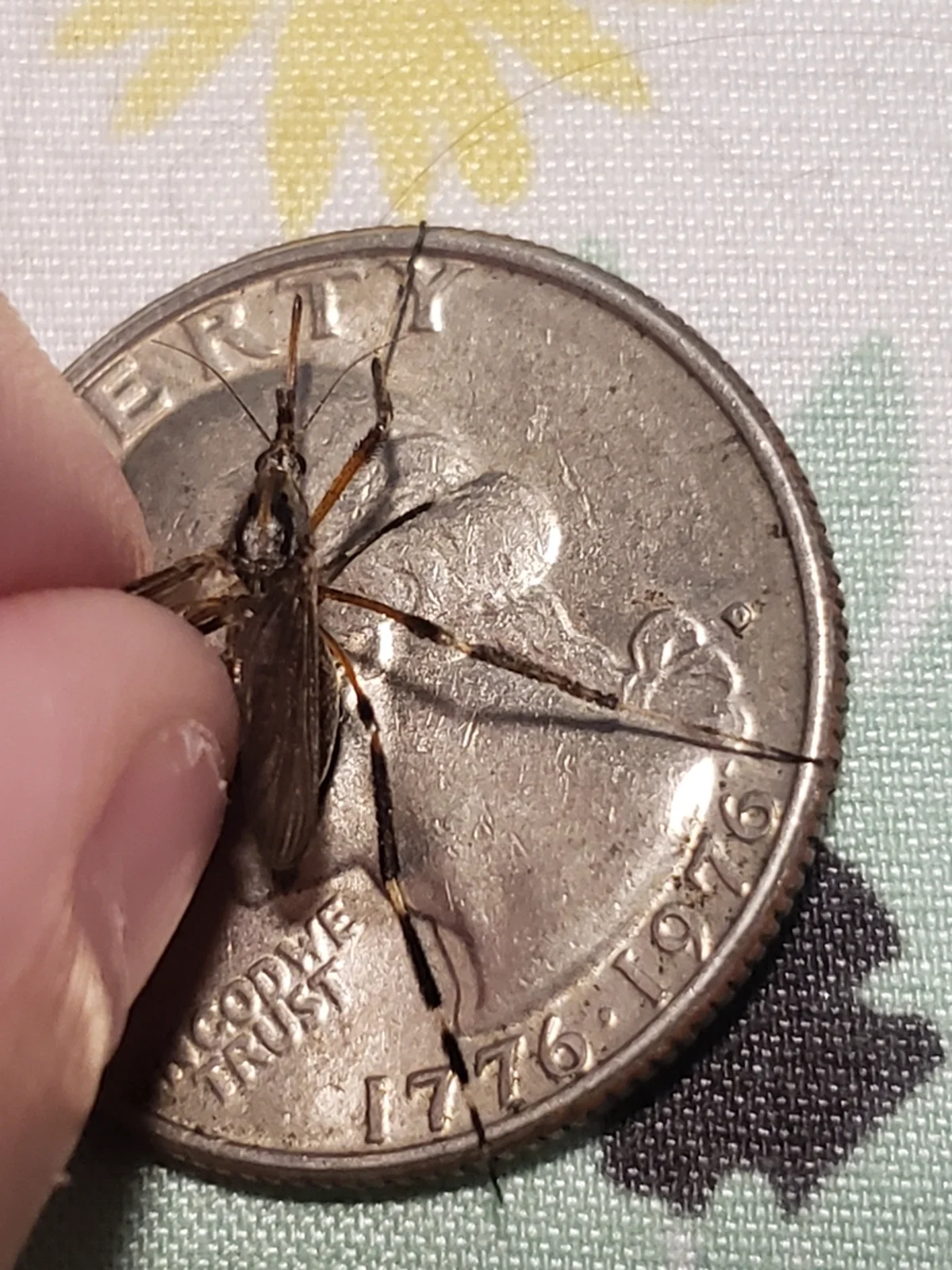
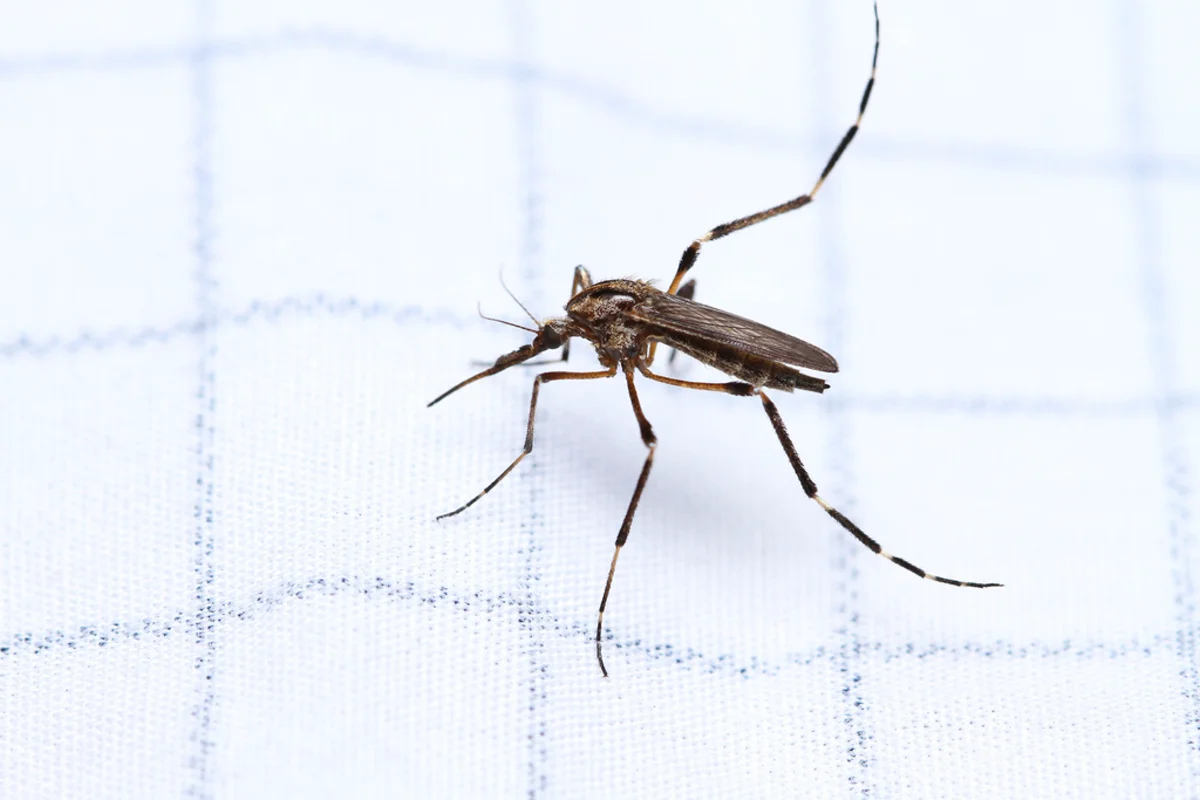

Where Gallinipper Mosquitoes Are Found
Hover over states to see their names. Green regions indicate where gallinipper mosquitoes have been reported.
Gallinipper Mosquito Identification Guide
Physical Characteristics
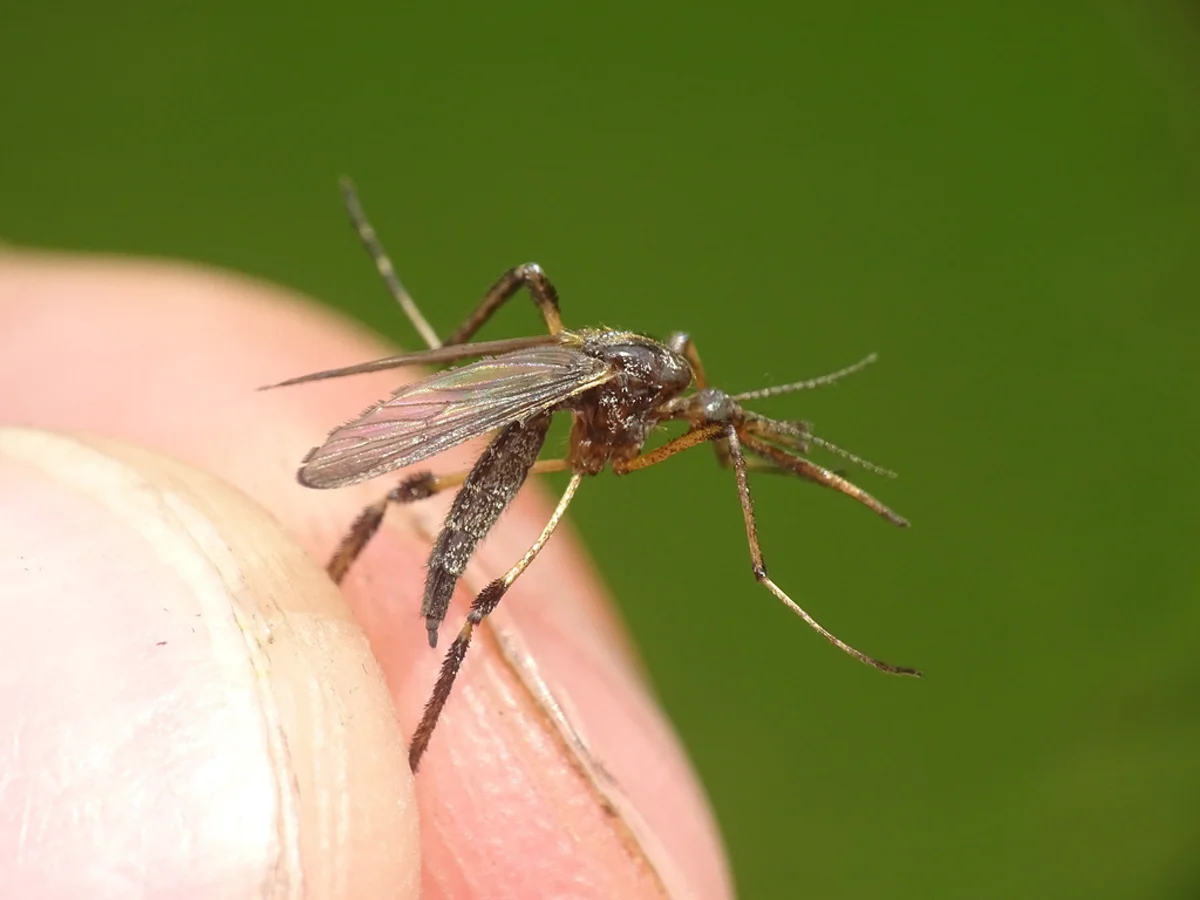
The gallinipper (Psorophora ciliata) is one of the largest mosquitoes in North America. Adults grow 12 to 20mm long. That makes them about six times bigger than common house mosquitoes. Their large size is the easiest way to spot them.
Gallinippers are yellow and brown with banded legs. The legs have dark and light stripes with fuzzy scales. This gives them the nickname “shaggy-legged gallinipper.” The body is black and golden brown with pale stripes on the sides. The mouthpart is yellow with a black tip.
Males and females look alike in color. Females are a bit larger. Both have clear wings with dark scales along the veins.
How to Tell Them Apart from Other Mosquitoes
The gallinipper’s size makes it stand out. Here is how it compares to similar species:
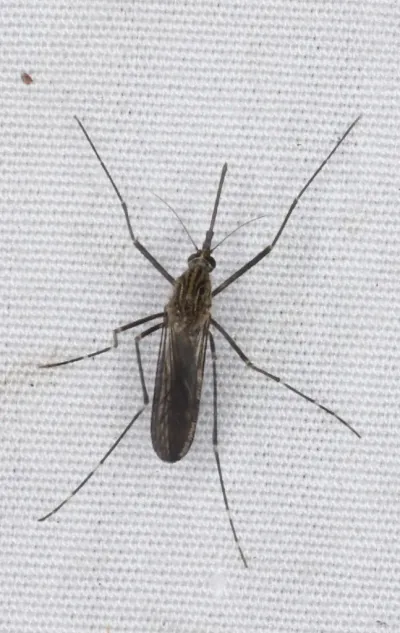
- Common house mosquitoes are much smaller at 3 to 7mm. They are gray or brown with no special markings.
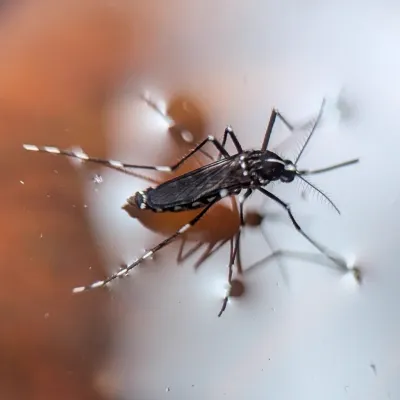
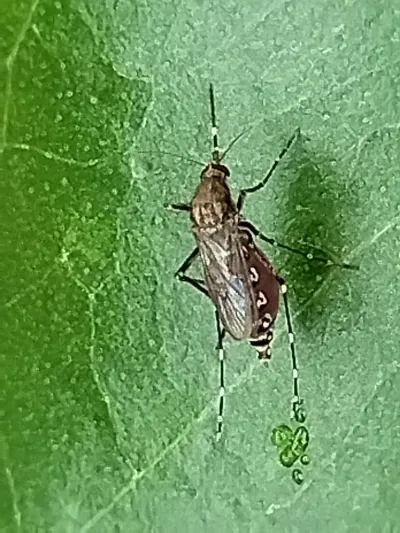
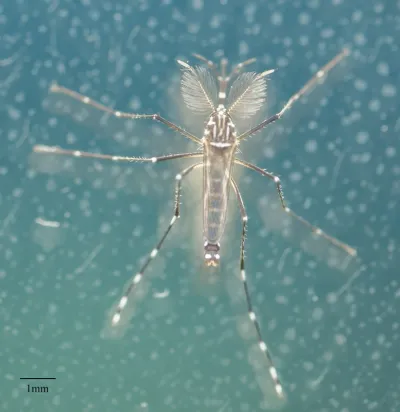
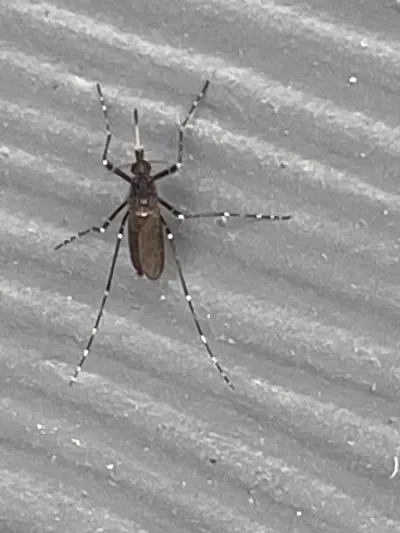
- Asian tiger mosquitoes are smaller with black and white stripes instead of brown and tan.
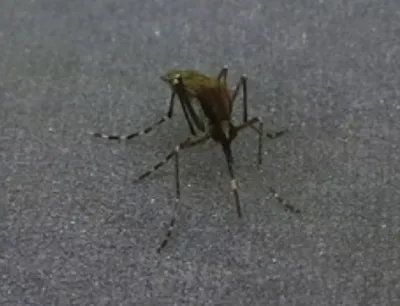
- Marsh mosquitoes are large but do not have the fuzzy leg scales.
- Psorophora howardii looks very similar but is less common and a bit smaller.
If a mosquito looks very large and has banded, hairy legs, it is likely a gallinipper.
Gallinipper Mosquito Behavior and Biology
Life Cycle
Gallinippers have a life cycle tied to flooding. Females lay eggs in dry soil in low areas that flood after rain. The eggs are oval, about 0.8mm long, and have tiny bumps on the surface. They start white and turn black after being laid.
The eggs can stay dormant through winter. They can even last up to two years. They only hatch when heavy rain covers them and the weather is warm. This is why gallinippers show up in huge numbers after hurricanes and tropical storms.
Once hatched, the larvae are hungry predators. They eat bits of organic matter, other mosquito larvae, and even small tadpoles. A related floodwater species is the dark ricefield mosquito, which also belongs to the Psorophora genus. Larvae grow into adults in about six days when it is warm. After a short pupal stage, adults come out ready to feed. A related species, Eastern Saltmarsh Mosquitoes, shares similar characteristics.
Feeding Behavior A related species, Eastern Treehole Mosquitoes, shares similar characteristics.
Only female gallinippers bite. They need blood to make eggs. Both males and females drink plant nectar for energy. Females bite livestock, deer, raccoons, and other animals. They also bite humans when they get the chance. A related species, Inland Floodwater Mosquitoes, shares similar characteristics.
Gallinippers are bold feeders. They bite during both day and night. Most mosquitoes prefer dawn and dusk. Their large size means they need more blood per meal. Their strong mouthparts can pierce thin clothing.
A gallinipper bite hurts. People often say it feels like being poked with a needle. The welt can be larger and itchier than bites from smaller mosquitoes.
Habitat Preferences
Gallinippers live mainly in the eastern United States. Their range runs from Maine to Florida and west to Texas and the Dakotas. They also live in southern Canada and Mexico down into Central and South America.
They prefer these habitats:
- Floodplains and low-lying areas
- Fields and pastures that flood after rain
- Ditches and drainage areas
- Woodland edges near wet spots
- Swamps and marshes
Gallinippers do not breed in containers like buckets or tires. They need natural flooding to hatch their eggs. This means their numbers go up after heavy rain and down during dry spells.
How We Treat for Mosquitoes
Our mosquito control program targets the spots where mosquitoes rest and breed on your property.
Exterior Barrier Treatment
Our technicians use backpack sprayers to treat shaded areas where mosquitoes rest. We focus on:
- Plants and shrubs up to 10 feet high where mosquitoes hide during hot weather
- Ivy patches and ground cover with dense plants that give shade and hold moisture
- Under decks and porches where shaded spots form near your home
- Fence lines and property edges where yards meet
Our treatment kills adult mosquitoes on contact. It also has a growth blocker that stops larvae from growing into biting adults.
Breeding Site Management
For gallinippers and other flood-loving mosquitoes, we help find drainage problems on your property. You cannot stop all natural flooding. But better drainage can cut down on standing water after storms. We look at:
- Low spots in yards that hold water
- Clogged gutters and downspouts
- Areas where water pools near your foundation
- Drainage ditches that need clearing
In2Care Mosquito System (Optional)
For those who want less spraying, we offer the In2Care system. These stations attract females looking for places to lay eggs. The mosquitoes pick up a larvicide and fungus. They then spread it to other breeding spots. This works well for mosquitoes that breed in containers but less well for flood-loving species like gallinippers.
For best results, we suggest treatments every 3 to 4 weeks from April through October.
Health Concerns
Gallinippers can carry several viruses:
- West Nile virus can cause fever and brain problems
- Eastern equine encephalitis is rare but can be serious
- Venezuelan equine encephalitis is found mainly in Central and South America
- Tensaw virus is rare and causes flu-like symptoms
Even though gallinippers can carry these diseases, they are not major disease spreaders. They do not pass diseases between hosts well. The main worry is their painful bite and the large, itchy welts that form. Learn more about mosquito types and how long mosquitoes live.
This information is for learning only and is not medical advice. Talk to a doctor if you feel sick after mosquito bites.
References
Other Mosquitoes
Explore other species in the mosquitoes family
Commonly Confused With
Gallinipper Mosquitoes are often mistaken for these similar pests
Where Gallinipper Mosquitoes Are Found
Hover over states to see their names. Green regions indicate where gallinipper mosquitoes have been reported.
Common Questions about Gallinipper Mosquitoes
Why is it called a gallinipper?
+
The name gallinipper is an old folk term meaning a large biting insect. Some say it comes from the idea that the mosquito is big enough to nip a gallon of blood. The name has been used in the southern United States for over a century.
How big are gallinipper mosquitoes?
+
Gallinippers are about six times larger than common mosquitoes. Adults can reach up to 20mm with a wingspan of 7 to 9mm. They are one of the largest mosquito species in North America.
Can gallinipper mosquitoes bite through clothing?
+
Yes, gallinippers can bite through thin clothing due to their large size and strong mouthparts. Their bites are often described as feeling like being stabbed with a needle.
Are gallinipper mosquito bites dangerous?
+
While gallinippers can carry viruses like West Nile and Eastern equine encephalitis, they are not considered major disease spreaders. Their bites are painful but rarely cause serious illness. The main concern is the painful welt that forms after a bite.
When are gallinippers most active?
+
Gallinippers are active both day and night, unlike most mosquitoes that prefer dawn and dusk. They are most common after heavy rainfall floods their breeding areas, often appearing in large numbers after hurricanes or tropical storms.
Where do gallinipper mosquitoes breed?
+
Female gallinippers lay eggs in dry soil in low-lying areas prone to flooding. The eggs stay dormant until heavy rains cover them with water. They commonly breed in floodplains, ditches, and areas with poor drainage.
How long do gallinipper mosquitoes live?
+
Gallinipper eggs can remain dormant for up to two years waiting for the right conditions. Once hatched, larvae develop into adults in about six days. Adult females live several weeks to complete their life cycle.

With five years of hands-on experience in the pest control industry, George Schulz is a registered technician with the Virginia Pest Management Association and a proud third-generation professional in a family business that's been protecting homes for over 57 years. He manages and trains a team of service pros while also leading internal research efforts—recently spearheading a deep-dive review of thousands of documents on pest control materials to hand-pick the most kid and pet friendly, most effective solutions tailored specifically for homes in the DC metro area.