Dark Ricefield Mosquitoes Identification Guide
Psorophora columbiae
Dark ricefield mosquitoes are aggressive biters found throughout the southern and eastern United States. They breed in flooded agricultural fields and can transmit diseases to livestock and humans.
Taxonomy
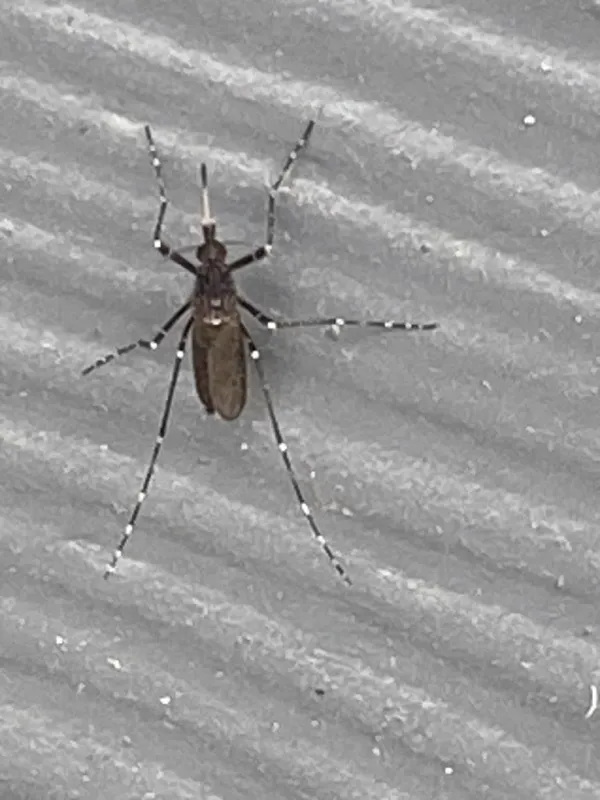
Dark Ricefield Mosquitoes Coloration
Common color patterns to help identify dark ricefield mosquitoes
Dark Ricefield Mosquitoes
Seasonal Activity
When dark ricefield mosquitoes are most active throughout the year
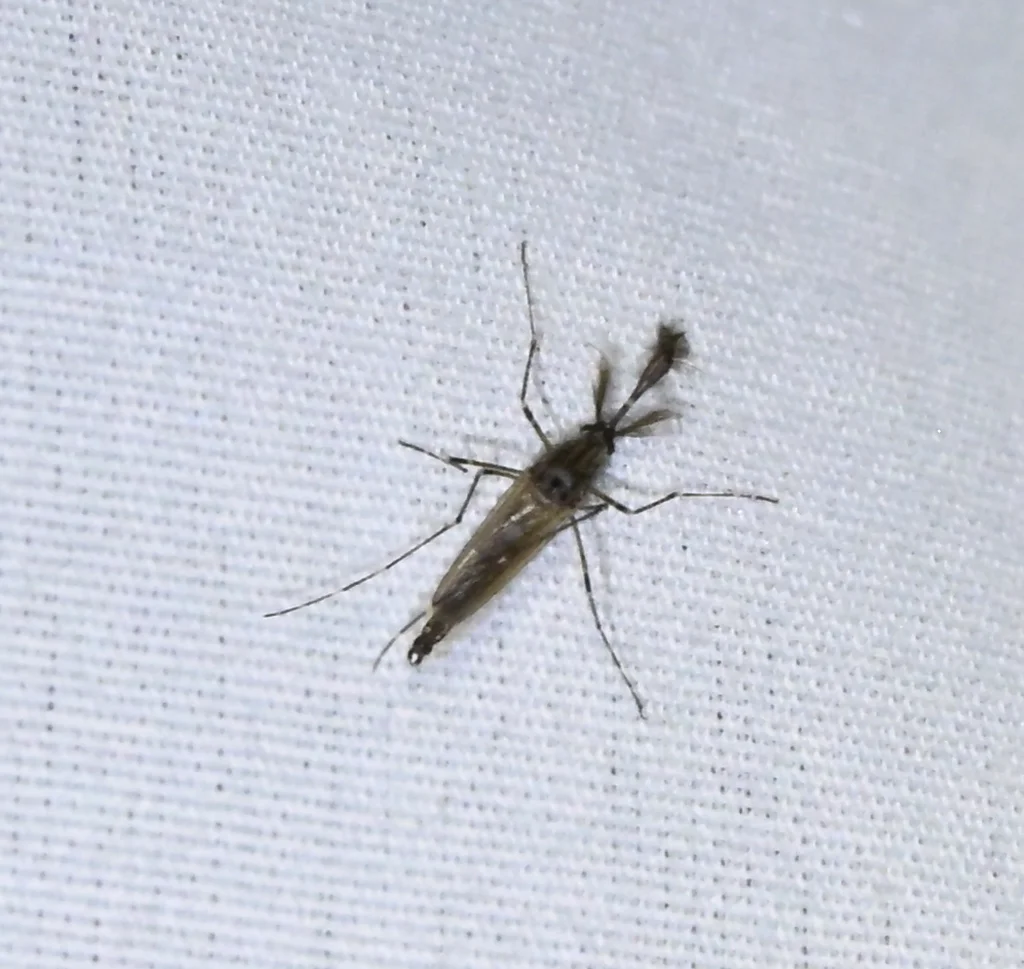
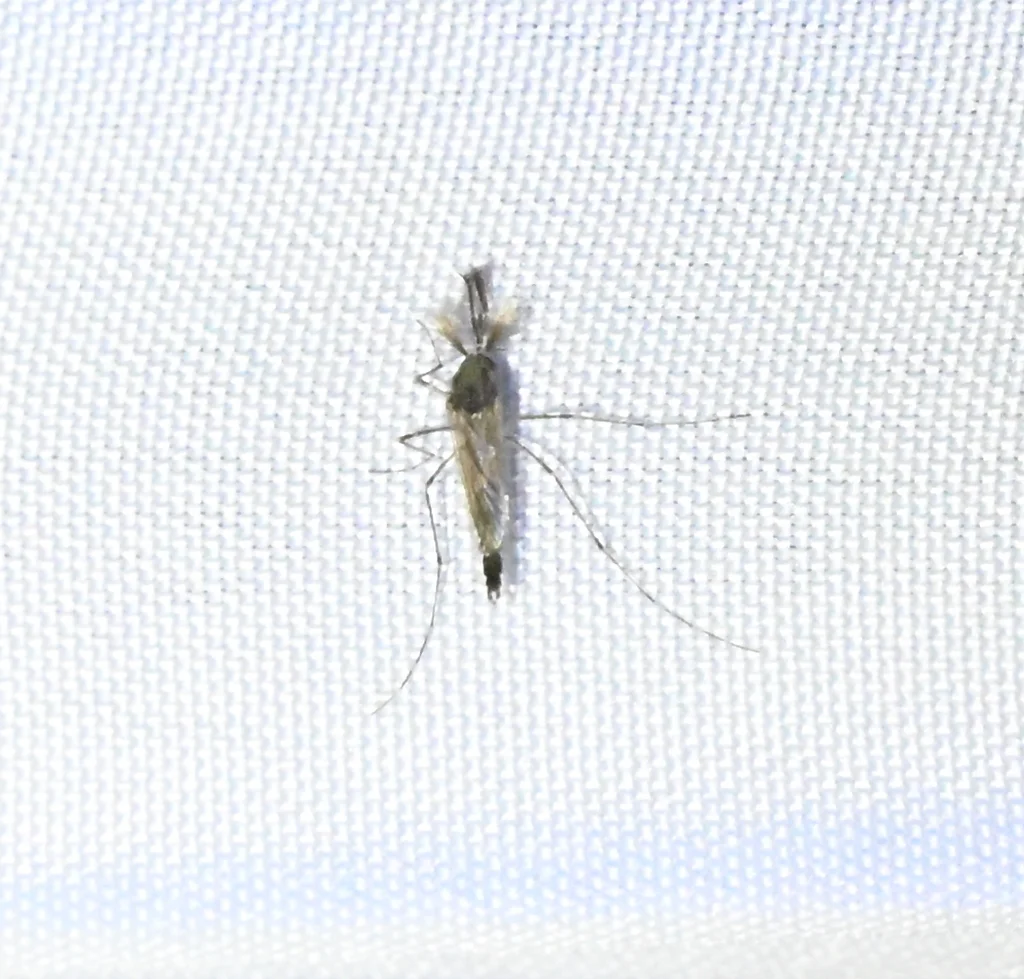
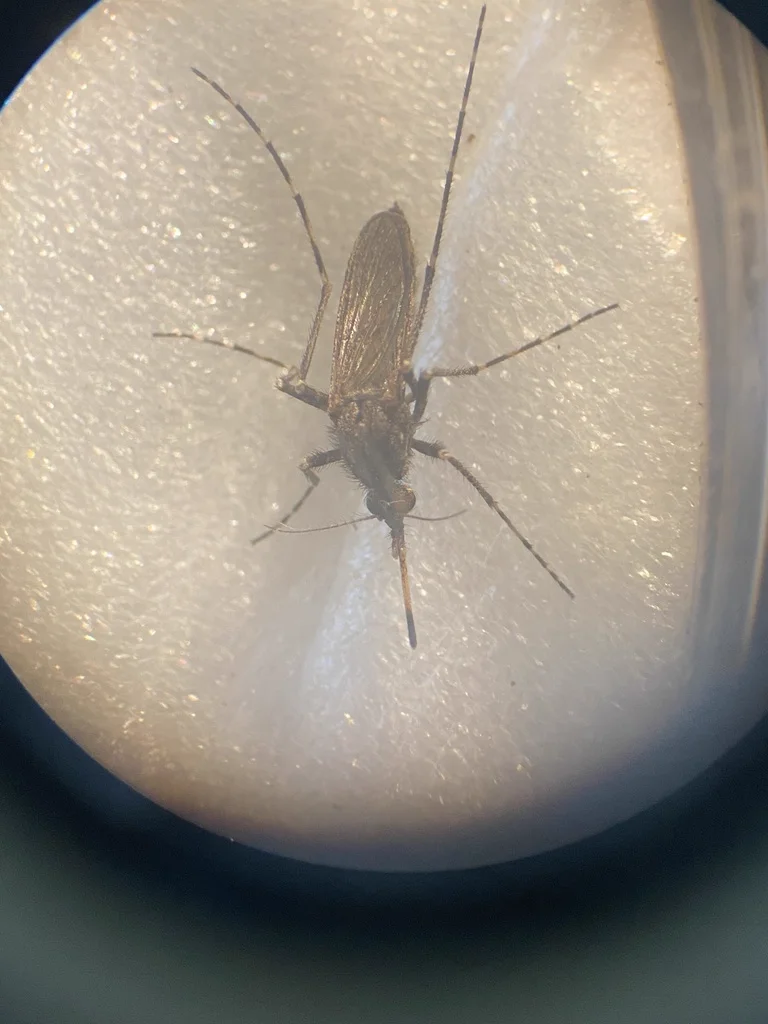

Where Dark Ricefield Mosquitoes Are Found
Hover over states to see their names. Green regions indicate where dark ricefield mosquitoes have been reported.
Dark Ricefield Mosquito Identification Guide
Physical Characteristics
The dark ricefield mosquito (Psorophora columbiae) is a medium-sized mosquito with a distinctive appearance. Adults measure approximately 4 to 5mm in wing length. Their bodies display dark brown, dark gray, or dull black coloring with scattered pale scale patches throughout.
Key identifying features include:
- A broad pale band circling the proboscis (the needle-like mouthpart)
- White-scaled tips on the palps
- Golden or pale patches on the rear half of abdominal segments
- A characteristic “salt and pepper” appearance on the wings from mixed dark and pale scales
- Pale bands at the base of tarsal segments
- Pale coloring at the apex of the femur
Males can be distinguished from females by their feather-like antennae, while females have wire-like antennae. Females are the only ones that bite, needing blood protein to produce eggs.
How to Distinguish from Similar Mosquitoes
Dark ricefield mosquitoes belong to the Psorophora genus and share characteristics with related floodwater mosquitoes:
- Gallinipper mosquitoes (Psorophora ciliata): Much larger, among the biggest mosquitoes in North America, with shaggy-looking legs covered in dark scales
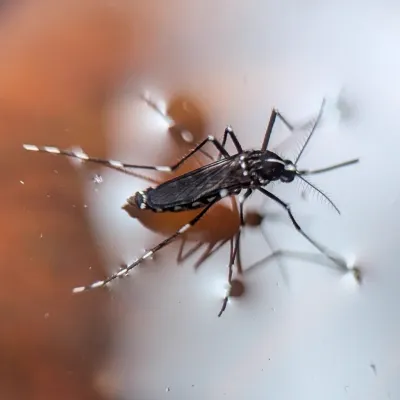
- Asian tiger mosquitoes (Aedes albopictus): Smaller with bold black and white striping, not the mottled pattern of ricefield mosquitoes
- Common house mosquitoes (Culex species): Uniformly brown or grayish without the pale scale patches. The southern house mosquito is the most common Culex species in the South.
Dark Ricefield Mosquito Behavior and Biology
Life Cycle
Dark ricefield mosquitoes go through complete metamorphosis with four life stages: egg, larva, pupa, and adult. Their life cycle is closely tied to rainfall and flooding events.
Females lay dark, oblong eggs measuring about 0.5mm long in humid soil at the edges of temporary water sources. The eggs have distinctive spine-like tubercles on their surface. Unlike container-breeding mosquitoes, ricefield mosquitoes deposit eggs in locations that will flood during rain events.
Eggs can survive dry conditions for extended periods and hatch quickly when flooded. Larvae develop in vegetation-rich temporary pools, especially those with submerged and emergent grasses. They are relatively large and range from pale to dark gray-brown in color. The larval stage progresses through four instars as the mosquito grows.
The pupal stage is remarkably short, lasting only 36 to 48 hours before adults emerge. This rapid development allows populations to explode after flooding events. Under ideal conditions, the entire life cycle from egg to adult can be completed in as little as one to two weeks. A related species, Eastern Saltmarsh Mosquitoes, shares similar characteristics.
Feeding Behavior A related species, Eastern Treehole Mosquitoes, shares similar characteristics.
Dark ricefield mosquitoes are notorious for their aggressive biting behavior. Unlike many mosquito species that prefer specific hosts, these mosquitoes are opportunistic feeders that will attack any available mammal, including cattle, horses, deer, rabbits, and humans. A related species, Inland Floodwater Mosquitoes, shares similar characteristics.
Blood meal studies in Florida found that approximately 40% of ricefield mosquito blood meals came from rabbits, with 37% from cattle. This generalist feeding behavior makes them effective at transmitting diseases between different animal species.
These mosquitoes will bite throughout the day and night, though activity may increase during cooler periods. They are persistent biters and can occur in such high numbers that they pose serious problems for outdoor activities and livestock management.
Habitat Preferences
Dark ricefield mosquitoes thrive in sun-exposed ephemeral water sources. Their preferred breeding habitats include:
- Rice fields and irrigated agricultural land
- Flooded pastures and meadows
- Grassy roadside ditches
- Low-lying areas that collect rainwater
- Temporary pools in disturbed landscapes
- Golf courses and lawns after heavy rain
- Grassy swales and drainage areas
They avoid shaded, wooded areas and prefer open habitats with direct sunlight. This preference for agricultural and disturbed landscapes explains their abundance in farming regions. Rain within a two-week period and lack of canopy cover are strongly associated with population growth.
Treatment Methods for Dark Ricefield Mosquitoes
Effective control of dark ricefield mosquitoes requires an integrated approach targeting both larvae and adults.
Larval Control
Treating ephemeral pools before adults emerge provides the most effective long-term control. Biological larvicides such as Bacillus thuringiensis israelensis (Bti) and Spinosad can eliminate larvae without harming other organisms. These treatments work best when applied to breeding sites shortly after flooding.
Adult Control
Barrier treatments applied to vegetation and shaded resting areas can reduce adult populations around homes and businesses. Adulticides target mosquitoes where they rest during the hottest parts of the day. Growth regulators can be incorporated to disrupt the reproductive cycle of surviving mosquitoes.
Source Reduction
Eliminating or modifying breeding habitats provides lasting control:
- Improve drainage in low-lying areas
- Fill or grade areas that collect standing water
- Remove vegetation from around water sources
- Maintain grass at short heights to reduce moisture retention
- Clear ditches of debris that impedes water flow
Personal Protection
When dark ricefield mosquitoes are active, personal protective measures help prevent bites:
- Wear long sleeves and pants when outdoors
- Apply EPA-registered insect repellents containing DEET, picaridin, or oil of lemon eucalyptus
- Use spatial repellent devices on patios and outdoor areas
- Avoid outdoor activities during peak mosquito periods after rainfall
Health Concerns
Dark ricefield mosquitoes are capable of transmitting several diseases to humans and animals:
- Venezuelan equine encephalitis: A serious viral disease affecting horses and sometimes humans, causing fever, headache, and neurological symptoms
- West Nile virus: Can cause fever, headache, body aches, and in severe cases, neurological complications
- Canine heartworm (Dirofilaria immitis): Populations can reach high levels after rainfall events, increasing transmission risk to dogs
- Anaplasmosis: A bacterial disease affecting cattle and other livestock
In agricultural areas, extreme populations of dark ricefield mosquitoes have been documented causing deaths in cattle through blood loss (exsanguination) and suffocation of calves from the sheer number of biting insects.
While disease transmission to humans remains relatively uncommon, the aggressive biting behavior of these mosquitoes creates significant discomfort and can make outdoor work and recreation difficult during population peaks. Learn more about the different types of mosquitoes and how long mosquitoes live.
This information is for educational purposes only and is not medical advice. Consult a healthcare provider if you experience symptoms after mosquito bites.
References
Other Mosquitoes
Explore other species in the mosquitoes family
Commonly Confused With
Dark Ricefield Mosquitoes are often mistaken for these similar pests
Where Dark Ricefield Mosquitoes Are Found
Hover over states to see their names. Green regions indicate where dark ricefield mosquitoes have been reported.
Common Questions about Dark Ricefield Mosquitoes
What makes dark ricefield mosquitoes different from other mosquitoes?
+
Dark ricefield mosquitoes are medium-sized with dark brown or grayish-black bodies covered in pale scale patches. They have a distinctive salt and pepper appearance on their wings. Unlike many mosquitoes, they will bite throughout the day and night and are extremely aggressive.
Are dark ricefield mosquito bites dangerous?
+
Dark ricefield mosquitoes can spread diseases like Venezuelan equine encephalitis and West Nile virus. They are also known to transmit canine heartworm and anaplasmosis to livestock. Their aggressive biting can cause significant discomfort and allergic reactions.
Where do dark ricefield mosquitoes breed?
+
They breed in temporary shallow freshwater pools, especially in agricultural areas like rice fields, flooded pastures, and grassy roadside ditches. They prefer sun-exposed water with emergent vegetation.
When are dark ricefield mosquitoes most active?
+
These mosquitoes are most active from May through September, with peak populations in June and July after rainfall events. They will bite at any time of day or night, unlike many mosquito species that prefer dawn and dusk.
How can I reduce dark ricefield mosquitoes on my property?
+
Eliminate standing water in low-lying areas, ditches, and poorly drained sections of your yard. Keep grass trimmed short and remove vegetation from around water sources. Professional mosquito treatments can help reduce adult populations.
Why are dark ricefield mosquitoes called 'ricefield' mosquitoes?
+
They get their name because they reach their highest numbers in rice-growing regions. Flooded rice paddies create ideal breeding conditions, and massive populations can emerge after fields are irrigated or receive heavy rainfall.

With five years of hands-on experience in the pest control industry, George Schulz is a registered technician with the Virginia Pest Management Association and a proud third-generation professional in a family business that's been protecting homes for over 57 years. He manages and trains a team of service pros while also leading internal research efforts—recently spearheading a deep-dive review of thousands of documents on pest control materials to hand-pick the most kid and pet friendly, most effective solutions tailored specifically for homes in the DC metro area.