Black Saltmarsh Mosquitoes Identification Guide
Aedes taeniorhynchus
Black saltmarsh mosquitoes are aggressive coastal biters found throughout the Atlantic and Gulf coasts. These dark mosquitoes can fly over 30 miles from salt marshes and transmit diseases like Venezuelan equine encephalitis and dog heartworm.
Taxonomy
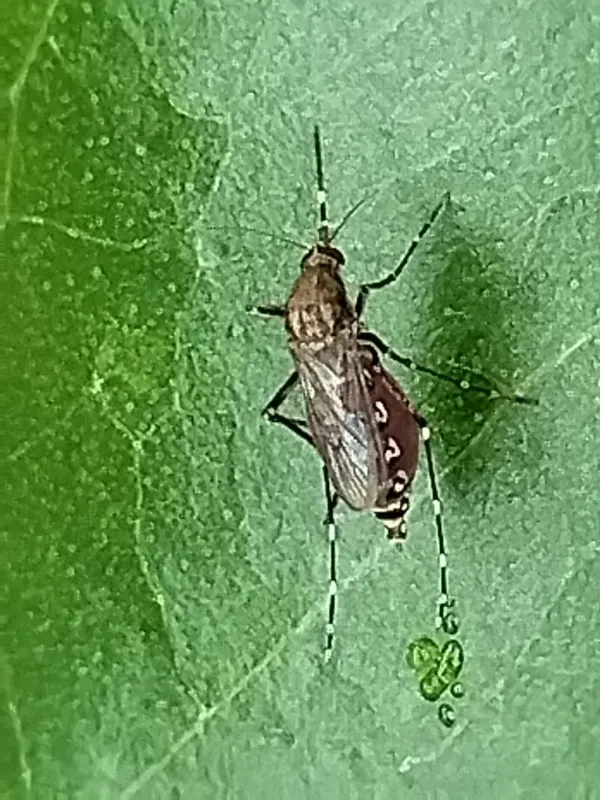
Black Saltmarsh Mosquitoes Coloration
Common color patterns to help identify black saltmarsh mosquitoes
Black Saltmarsh Mosquitoes
Seasonal Activity
When black saltmarsh mosquitoes are most active throughout the year

Where Black Saltmarsh Mosquitoes Are Found
Hover over states to see their names. Green regions indicate where black saltmarsh mosquitoes have been reported.
Black Saltmarsh Mosquito Identification Guide
Physical Characteristics
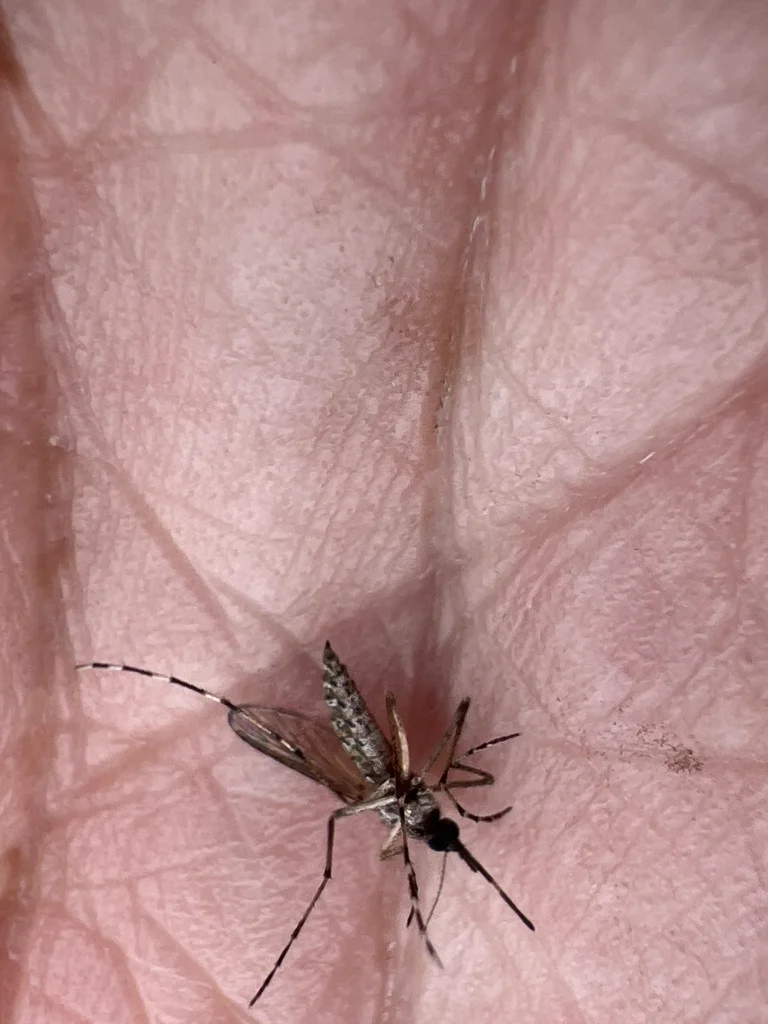
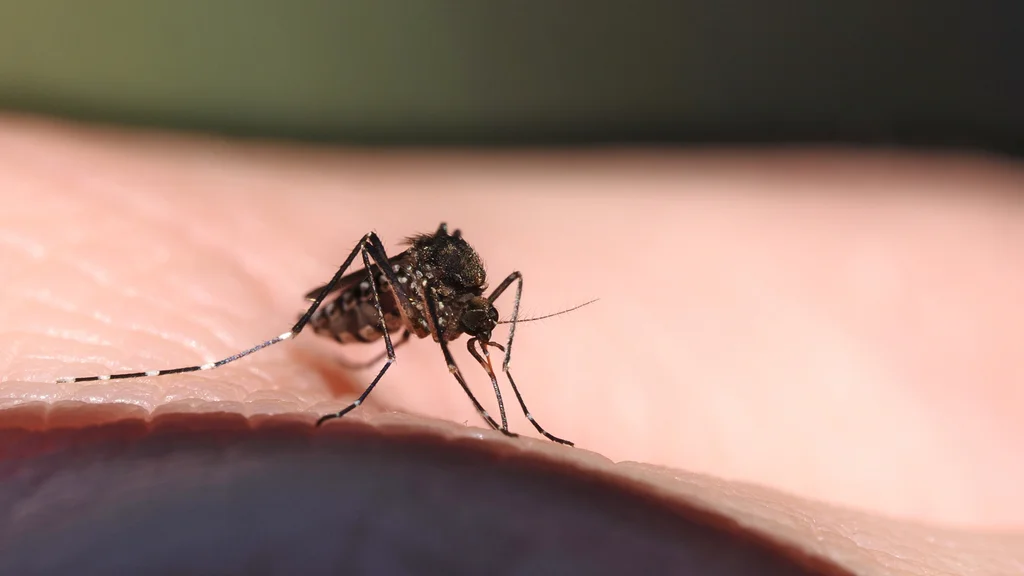
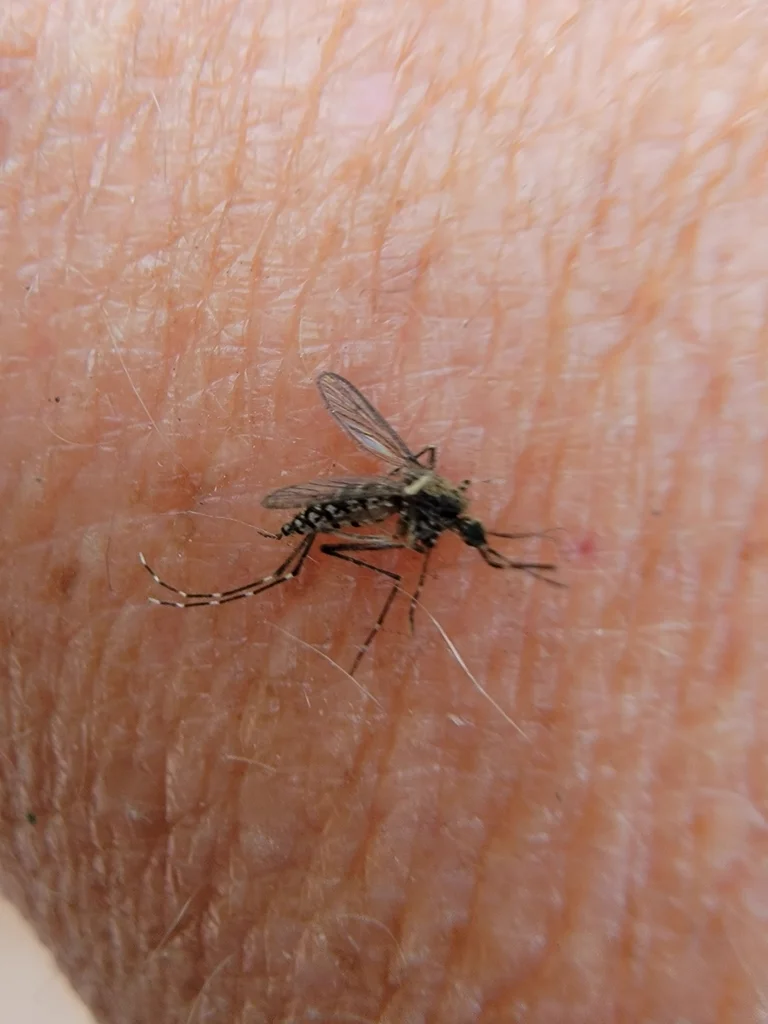
The black saltmarsh mosquito (Aedes taeniorhynchus) is a small, dark mosquito. Adults measure 4 to 5mm long. Their bodies are mostly black, which makes them easy to tell apart from other coastal mosquitoes.
The best way to spot this species is by the white bands. Look for white stripes across each belly segment. The proboscis (mouthpart) has a white ring in the middle. Each leg has wide white bands near the joints. This creates a bold black-and-white striped look.
The palps (small parts near the mouth) have white tips. The wings are dark without clear markings. Males have bushier antennae than females. Both sexes have the same dark color and white bands.
How to Distinguish from Other Mosquitoes
Black saltmarsh mosquitoes can be confused with several other species:
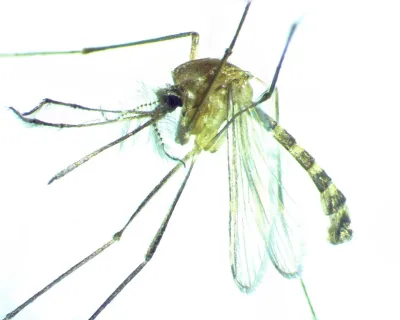
- Eastern saltmarsh mosquitoes: Bigger and golden-tan in color. They have a stripe down the middle of the belly that black saltmarsh mosquitoes do not have
- Asian tiger mosquitoes: Also black and white but have one white stripe down the center of their back. More common in cities
- Southern house mosquitoes: Plain brown or gray. They lack the white bands on legs and belly
The white ring on the mouthpart plus the dark overall color helps you know it is this species.
Black Saltmarsh Mosquito Behavior and Biology
Life Cycle
Black saltmarsh mosquitoes grow up in coastal salt marshes and mangrove swamps. Females lay 100 to 200 eggs at a time in rows along the upper marsh areas. They place eggs at certain heights above the normal water line.
The eggs can survive dry spells. They wait on moist soil until flooding covers them. Not all eggs hatch at once. Some hatch with each flood. This helps the group survive if one batch fails.
When the weather is warm, larvae can grow into adults in just six days. This quick growth helps them live in pools that dry out fast. Larvae eat tiny bits of organic matter in the water.
Many generations are born each year. The species survives winter as eggs. Some females can make their first eggs without a blood meal.
Feeding Behavior
Black saltmarsh mosquitoes bite humans and animals often. Their name taeniorhynchus means “banded beak,” but their biting is what gets them noticed. A related species, Eastern Treehole Mosquitoes, shares similar characteristics.
They hunt for hosts mostly in the evening and a bit in the morning. They do not look for hosts much at night. But during the day, females resting in plants will bite anyone who comes close. A related species, Inland Floodwater Mosquitoes, shares similar characteristics.
These mosquitoes feed on mammals, birds, and reptiles. They bite many types of hosts. This makes them good at spreading diseases between animals and to people. A related species, Asian Bush Mosquitoes, shares similar characteristics.
Flight Range and Dispersal A related species, Dark Ricefield Mosquitoes, shares similar characteristics.
Black saltmarsh mosquitoes are strong fliers. They travel far from where they breed. Most fly 2 to 5 miles. But wind can carry them over 30 miles inland.
After mating, females take different kinds of flights. Short flights help them find nectar for energy. Longer flights take them upwind looking for blood hosts. These trips are often one-way, following the wind.
You can hear mosquito swarms from 30 to 150 feet away. One mosquito can be heard from just a few inches. Female wings beat slower (400 to 500 times per second) than males (700 to 800 times per second).
Habitat Preferences
Natural breeding sites include:
- Salt marshes flooded by tides or heavy rainfall
- Mangrove swamps
- Brackish pools and depressions in coastal areas
- High marsh areas that flood irregularly
Sometimes black saltmarsh mosquitoes also breed in:
- Inland swamps with salty water
- Salty areas near oil fields
- Fresh water near the coast
Adults rest during the day in thick plants, tall grass, and shaded spots near the ground.
How We Treat for Black Saltmarsh Mosquitoes
Our mosquito control program kills adult mosquitoes where they rest on your property. We cannot treat the coastal marshes where these mosquitoes breed. But we can make your yard less welcoming to them.
Exterior Barrier Treatment
Our technicians use backpack sprayers to apply treatment to mosquito resting areas. We target:
- Thick plants and shrubs: Where saltmarsh mosquitoes hide during the day
- Tall grass and ground cover: Resting spots for females between blood meals
- Shaded areas: Under decks, along fences, and under trees
- Property edges: Where mosquitoes come in from nearby areas
Our treatment uses a product for quick knockdown of adult mosquitoes along with a growth regulator that stops larvae from maturing. We avoid spraying blooming flowers, fruits, and vegetables.
Breeding Site Reduction
Black saltmarsh mosquitoes breed in coastal wetlands, not in yards. But we still check for standing water that other mosquito species use on your property:
- Containers, tarps, and toys holding water
- Clogged gutters and drainage issues
- Bird baths and pet water dishes
- Any low spots collecting rainwater
Reducing these sources helps lower overall mosquito pressure around your home.
In2Care Mosquito System (Optional)
For customers who want less spraying, we offer the In2Care system. These stations use standing water to attract females looking to lay eggs. The mosquitoes pick up a larvicide and fungus. Then they carry these to other breeding spots.
This method targets mosquitoes without spraying your whole yard. The In2Care system works best with barrier treatments. It is a good choice for properties near water or sensitive areas.
For steady protection from black saltmarsh mosquitoes and other species, we suggest treatments every 3 to 4 weeks during mosquito season. This runs from April through October in our area. Black saltmarsh mosquitoes may be active all year in warmer coastal spots.
Health Concerns
Black saltmarsh mosquitoes can spread several diseases:
- Venezuelan equine encephalitis: A serious virus that affects horses and sometimes people
- Dog heartworm (Dirofilaria immitis): Spread to pets through mosquito bites
- Eastern equine encephalitis and St. Louis encephalitis: Can spread these in lab tests, but rarely do so in nature
These mosquitoes bite often and fly far from where they breed. This made them a target for early pest control programs. In Florida, black saltmarsh mosquitoes are a big part of mosquito control spending.
Disease spread is not common. But the heavy biting from large groups creates real problems for people living near the coast. Control helps cut both health risks and the annoyance of constant bites.
This information is for educational purposes only and is not medical advice. Consult a healthcare provider if you experience symptoms after mosquito bites.
References
Other Mosquitoes
Explore other species in the mosquitoes family
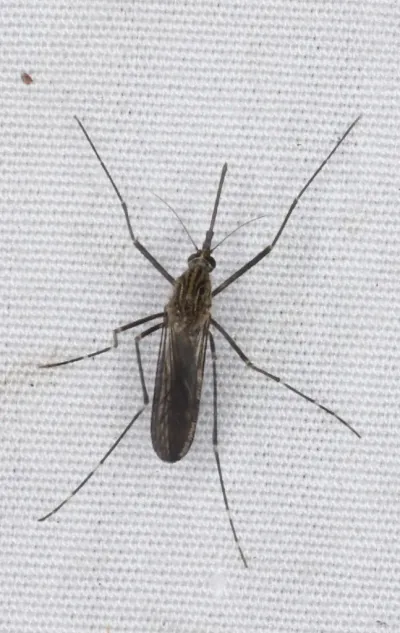
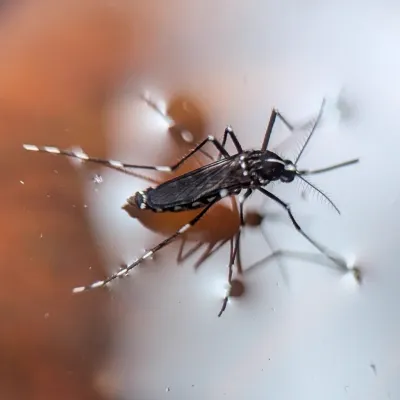
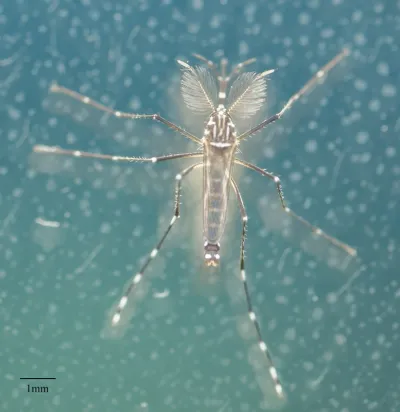
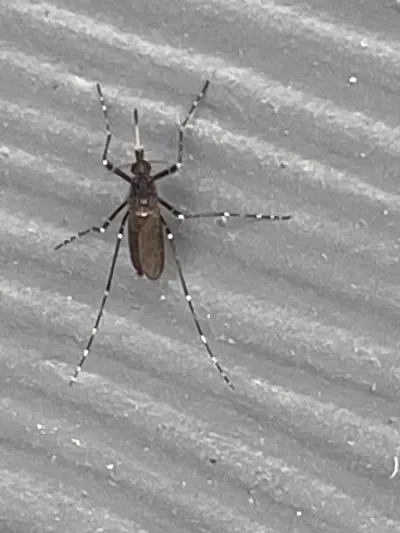
Commonly Confused With
Black Saltmarsh Mosquitoes are often mistaken for these similar pests
Where Black Saltmarsh Mosquitoes Are Found
Hover over states to see their names. Green regions indicate where black saltmarsh mosquitoes have been reported.
Common Questions about Black Saltmarsh Mosquitoes
How can I tell a black saltmarsh mosquito from an eastern saltmarsh mosquito?
+
Black saltmarsh mosquitoes are darker and smaller than their eastern cousins. Eastern saltmarsh mosquitoes have a golden-tan color, while black saltmarsh mosquitoes appear mostly black with white bands on their legs and abdomen. Eastern saltmarsh mosquitoes also have a median stripe on their abdomen that black saltmarsh mosquitoes lack.
How far can black saltmarsh mosquitoes fly?
+
Black saltmarsh mosquitoes typically fly 2 to 5 miles from their breeding sites. However, wind-assisted flights of over 30 miles have been recorded. This long flight range means they can become a nuisance far inland from coastal marshes.
When are black saltmarsh mosquitoes most active?
+
They are most active during evening hours and to a lesser extent in the morning. They do not seek hosts much at night. However, females resting in vegetation during the day will quickly attack anyone who disturbs them.
What diseases can black saltmarsh mosquitoes spread?
+
Black saltmarsh mosquitoes can transmit Venezuelan equine encephalitis and dog heartworm (Dirofilaria immitis). While they can carry Eastern equine encephalitis and St. Louis encephalitis in laboratory settings, they are not major vectors of these diseases in nature.
Where do black saltmarsh mosquitoes breed?
+
They breed in salt marshes flooded by tides or rainfall, mangrove swamps, and occasionally in brackish inland waters. Females lay eggs in bands along contour lines in depressions at specific elevations relative to the high water line.
Why are black saltmarsh mosquitoes such a problem in Florida?
+
Black saltmarsh mosquitoes are one of the most common mosquitoes along Florida's coasts. They emerge in huge numbers after rains and flooding events, and their aggressive biting behavior makes them a major nuisance pest. They are responsible for a large portion of mosquito control efforts in the state.

With five years of hands-on experience in the pest control industry, George Schulz is a registered technician with the Virginia Pest Management Association and a proud third-generation professional in a family business that's been protecting homes for over 57 years. He manages and trains a team of service pros while also leading internal research efforts—recently spearheading a deep-dive review of thousands of documents on pest control materials to hand-pick the most kid and pet friendly, most effective solutions tailored specifically for homes in the DC metro area.