Asian Tiger Mosquitoes Identification Guide
Aedes albopictus
Asian tiger mosquitoes are aggressive daytime biters with black and white stripes. They can spread diseases like Zika, dengue, and chikungunya.
Taxonomy
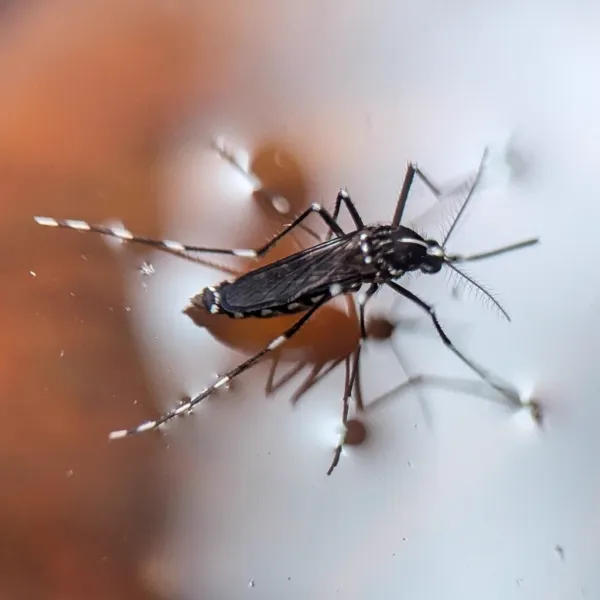
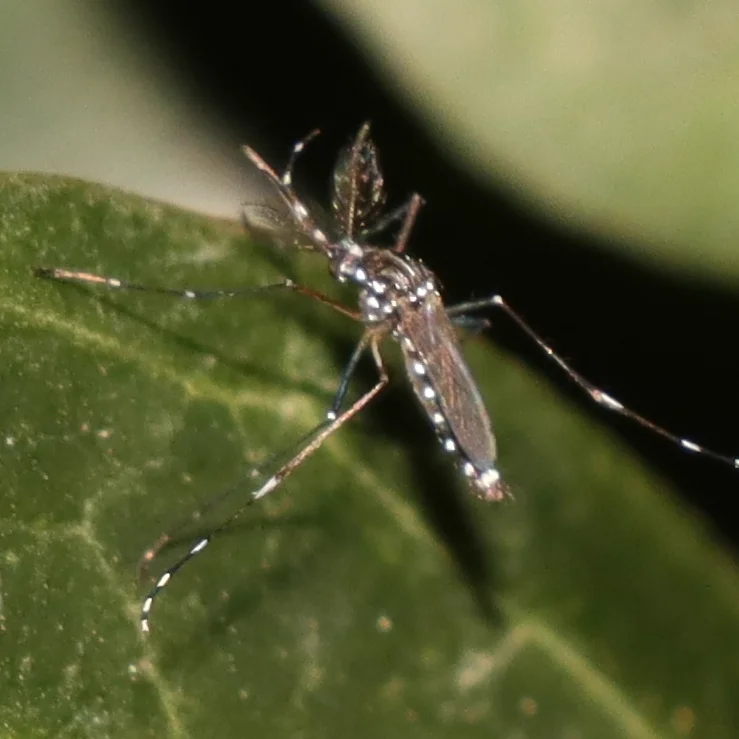
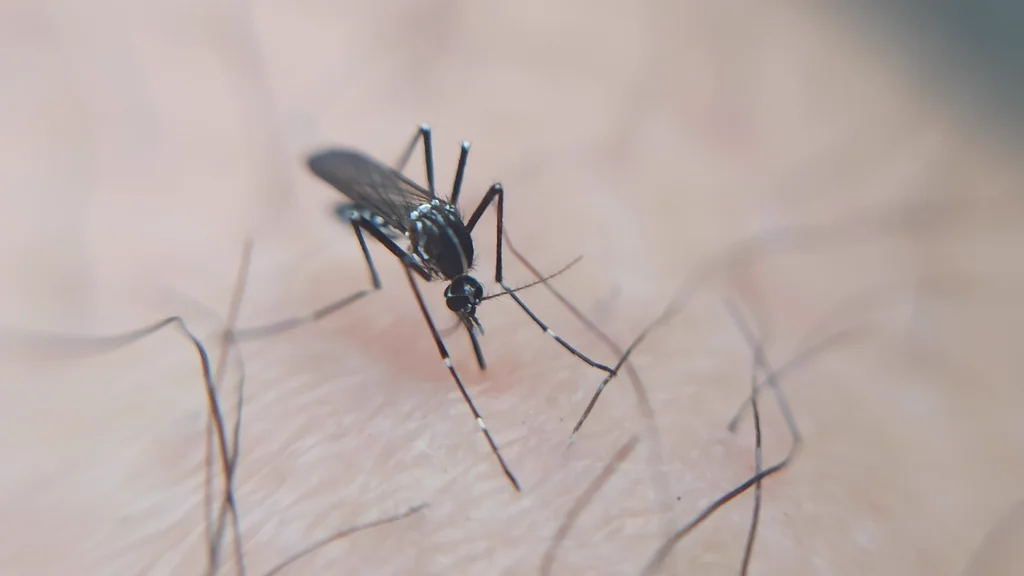
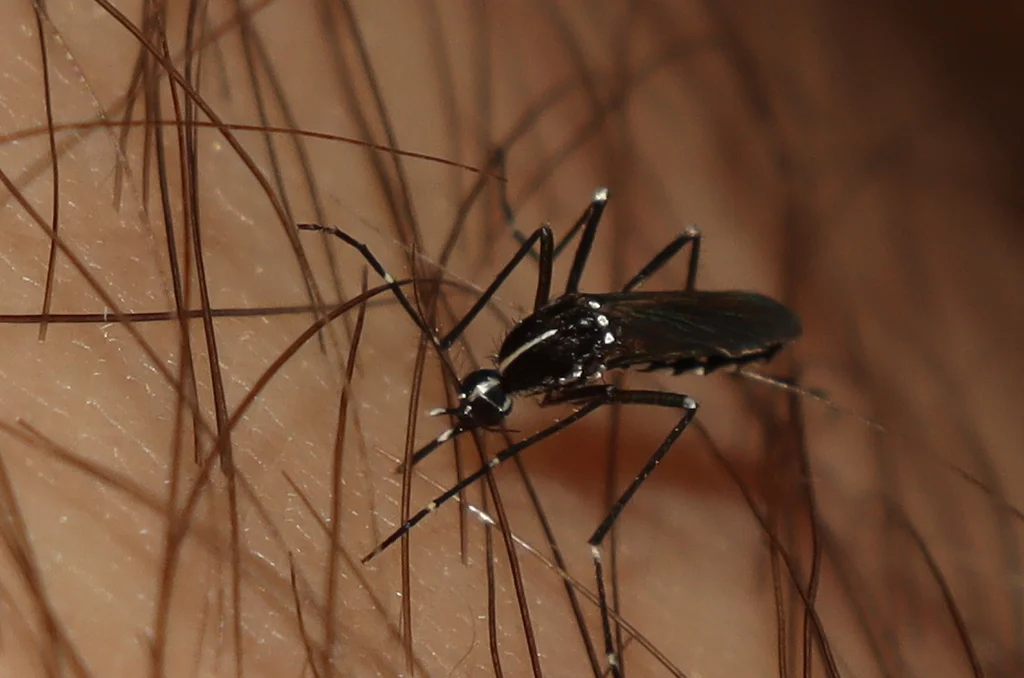
Asian Tiger Mosquitoes Coloration
Common color patterns to help identify asian tiger mosquitoes
Asian Tiger Mosquitoes
Seasonal Activity
When asian tiger mosquitoes are most active throughout the year

Where Asian Tiger Mosquitoes Are Found
Hover over states to see their names. Green regions indicate where asian tiger mosquitoes have been reported.
Asian Tiger Mosquito Identification Guide
Physical Characteristics
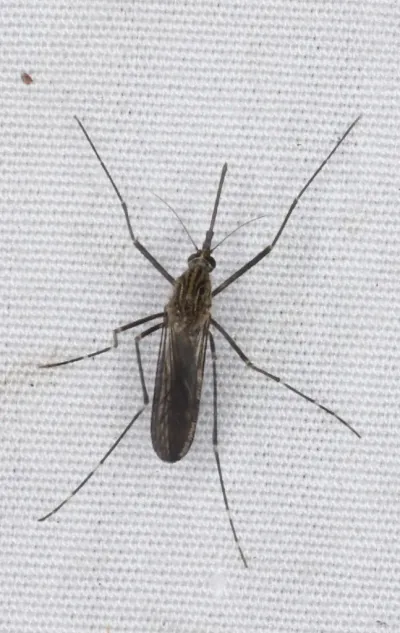
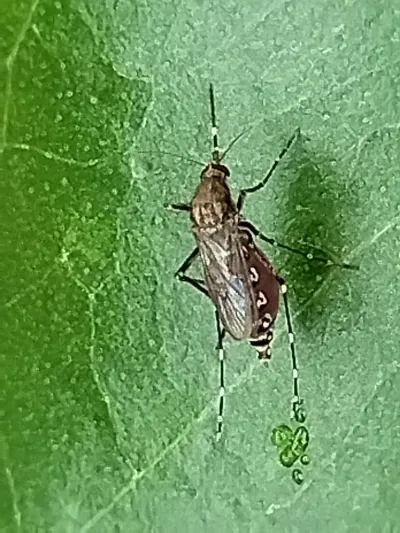
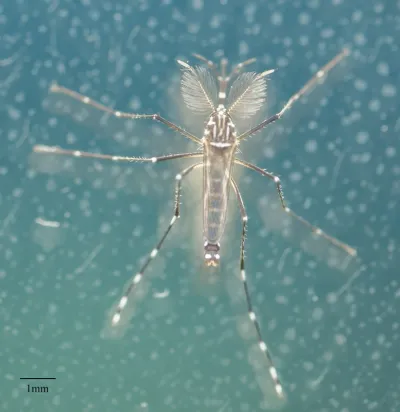
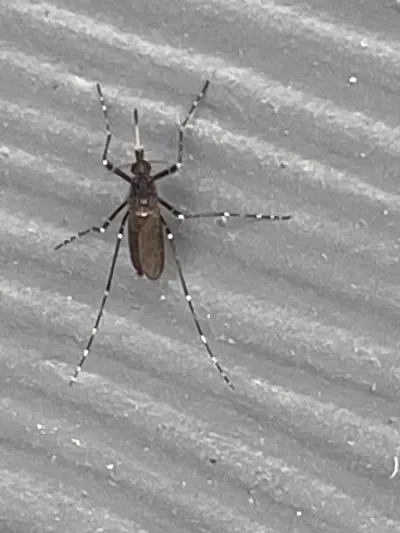
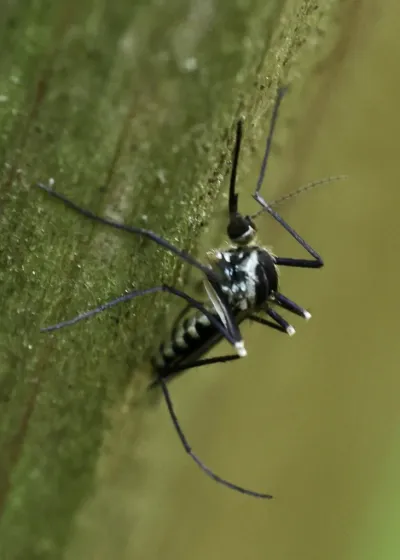
The Asian tiger mosquito (Aedes albopictus) is easy to spot due to its bold markings. These mosquitoes have black bodies with bright white bands on their legs. They also have a single white stripe down the center of their back. Adults are small, measuring about 2 to 10mm long. Females are a bit larger than males.
Their mouthpart is black. Their wings are clear with dark scales along the veins. Males have bushier antennae than females. Both sexes have the tiger-stripe pattern that gives this species its name.
How to Distinguish from Other Mosquitoes
The Asian tiger mosquito’s bold black and white striping makes it easy to identify:
- Common house mosquitoes (Culex species): Brown or grayish-brown with no special markings. The southern house mosquito is the most common Culex species in our area.
- Yellow fever mosquitoes (Aedes aegypti): Similar stripes, but with a harp-shaped pattern on their back instead of one stripe
- Eastern saltmarsh mosquitoes: Larger with banded legs and rusty-tan coloring, but they lack the bright white markings
Asian Tiger Mosquito Behavior and Biology
Life Cycle
Asian tiger mosquitoes go through four life stages: egg, larva, pupa, and adult. In warm weather, this cycle can be done in as few as seven days.
Females lay 50 to 150 eggs at a time. They place eggs on the inner walls of containers that hold water, just above the waterline. The eggs are tough and can survive dry conditions for up to a year. When water covers them and temperatures reach 60 degrees Fahrenheit, eggs hatch within 24 hours.
Larvae grow through four stages, feeding on tiny bits of organic matter in the water. This takes 5 to 10 days based on temperature. The pupal stage lasts 2 to 7 days before adults emerge. A female mosquito can produce about 300 eggs in her 1 to 2 month lifespan.
Feeding Behavior A related species, Eastern Treehole Mosquitoes, shares similar characteristics.
Asian tiger mosquitoes are aggressive daytime feeders. They bite most in early morning and late afternoon. Unlike many mosquito species that prefer certain hosts, Asian tiger mosquitoes will bite humans, pets, birds, and wild animals. Learn more about what mosquitoes look like and the different types of mosquitoes in our area. A related species, Inland Floodwater Mosquitoes, shares similar characteristics.
Only female mosquitoes bite. They need blood protein to produce eggs. Both males and females drink plant nectar for energy. Females need several blood meals in their lifetime. This makes them persistent biters that may return to the same person more than once. A related species, Asian Bush Mosquitoes, shares similar characteristics.
Habitat Preferences
These mosquitoes do well in suburban and urban areas. They find many places to breed in man-made containers. Common breeding spots include:
- Old tires (a major reason for their spread around the world)
- Flower pots and saucers
- Bird baths
- Clogged gutters
- Pet water bowls
- Buckets and wheelbarrows
- Thrown away food containers
- Tree holes and leaf bases that hold water
Adults rest in shady spots during the hottest parts of the day. They prefer thick plants, ivy patches, and shrubs near the ground.
How We Treat for Asian Tiger Mosquitoes
Our mosquito control program targets the habits of Asian tiger mosquitoes and other daytime biters.
Exterior Barrier Treatment
Our technicians use backpack sprayers to treat shaded areas where mosquitoes rest during the day. We focus on:
- Plants and shrubs: Leaves up to 10 feet high where mosquitoes rest
- Ivy patches and ground cover: Thick plants that give shade and moisture
- Under decks and porches: Shaded spots near your home
- Along fence lines: Areas between yards
Our treatment includes a product that kills adult mosquitoes right away. It also has a growth regulator that stops larvae from becoming adults. This breaks the breeding cycle.
Breeding Site Reduction
We help find breeding sites on your property and give tips on getting rid of standing water. Even tiny amounts of water can support mosquito growth. We check:
- Clogged gutters and downspouts
- Plant saucers and bird baths
- Outdoor toys and equipment
- Tarps and covers that collect water
In2Care Mosquito System (Optional)
For customers who want less spraying, we offer the In2Care system. It can be used alone or with other treatments. These stations attract females looking to lay eggs. The females pick up a larvicide and fungus. They then spread these to other breeding sites. This method targets only mosquitoes without wide spraying.
For best control of Asian tiger mosquitoes, we suggest treatments every 3 to 4 weeks during mosquito season. This runs from April through October.
Health Concerns
Asian tiger mosquitoes can spread several serious diseases:
- Zika virus: Can cause birth defects if a pregnant woman gets infected
- Dengue fever: Causes high fever, bad headache, and joint pain
- Chikungunya: Causes fever and joint pain that can last months
- West Nile virus: Can cause brain and nerve problems in bad cases
- Eastern Equine Encephalitis: Rare but can be deadly
Local spread of these diseases is still rare in the United States. However, travelers may bring infections back from other countries. Asian tiger mosquitoes in the area create the chance for local outbreaks.
This information is for learning only and is not medical advice. Talk to a doctor if you feel sick after mosquito bites.
References
Other Mosquitoes
Explore other species in the mosquitoes family
Where Asian Tiger Mosquitoes Are Found
Hover over states to see their names. Green regions indicate where asian tiger mosquitoes have been reported.
Common Questions about Asian Tiger Mosquitoes
What makes Asian tiger mosquitoes different from other mosquitoes?
+
Asian tiger mosquitoes have black bodies with bright white stripes on their legs. They also have a single white stripe down the center of their back. Most mosquitoes bite at dawn and dusk, but Asian tiger mosquitoes bite during the day.
Are Asian tiger mosquito bites dangerous?
+
Asian tiger mosquitoes can spread diseases like Zika virus, dengue fever, chikungunya, and West Nile virus. Disease spread in the United States is fairly rare, but their bites can cause itchy welts and allergic reactions.
Why are Asian tiger mosquitoes so aggressive?
+
Asian tiger mosquitoes will bite many times to get a full blood meal. They look for hosts during the day when other mosquitoes are less active. This makes time outside less pleasant.
Where do Asian tiger mosquitoes breed?
+
They breed in small containers with standing water. This includes flower pots, bird baths, old tires, buckets, and even bottle caps. They need as little as half an ounce of water to grow.
How can I reduce Asian tiger mosquitoes on my property?
+
Get rid of standing water by emptying containers each week, cleaning gutters, and taking care of pools. Wear long sleeves and use bug spray when outside. Professional treatments that target shaded resting areas work best.
When are Asian tiger mosquitoes most active?
+
Asian tiger mosquitoes are most active from April through October. They bite mainly during the day, with the most activity in early morning and late afternoon.

With five years of hands-on experience in the pest control industry, George Schulz is a registered technician with the Virginia Pest Management Association and a proud third-generation professional in a family business that's been protecting homes for over 57 years. He manages and trains a team of service pros while also leading internal research efforts—recently spearheading a deep-dive review of thousands of documents on pest control materials to hand-pick the most kid and pet friendly, most effective solutions tailored specifically for homes in the DC metro area.