Rust Mites Identification Guide
Eriophyidae family
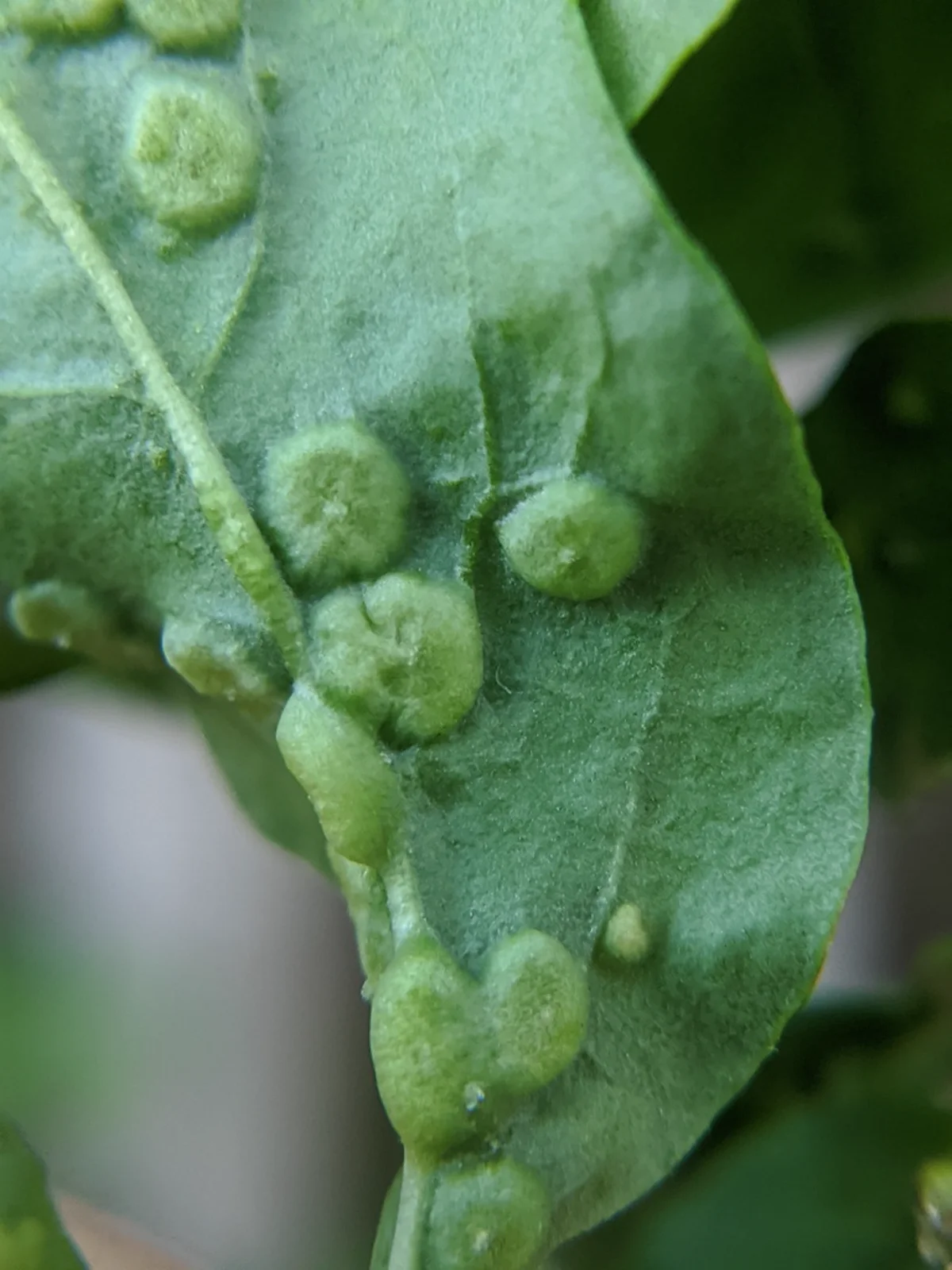
Rust mites are tiny mites that cause bronzing, russeting, and bumps on plant leaves. You cannot see them without a magnifying lens, but their damage is easy to spot and rarely harms plants long-term.
Taxonomy
Rust Mites Coloration
Common color patterns to help identify rust mites
Rust Mites
Seasonal Activity
When rust mites are most active throughout the year

Where Rust Mites Are Found
Hover over states to see their names. Green regions indicate where rust mites have been reported.
Rust Mites Identification Guide
Physical Characteristics
Rust mites belong to the family Eriophyidae. They are some of the smallest plant-feeding mites. They measure only 0.1 to 0.3 millimeters long. Unlike most mites with eight legs, rust mites have only four legs near their head. Their bodies are long, worm-like, and see-through with a pale yellow or tan color.
You cannot see rust mites with your eyes alone. You need a hand lens with at least 10-20x power to spot them. Even then, they look like tiny specks. Most people identify rust mites by the damage they cause and the plants they attack, not by seeing the mites.
Common Species
Several rust mite species affect plants in North America:
- Tomato Russet Mite (Aculops lycopersici): Attacks tomatoes and peppers
- Citrus Rust Mite (Phyllocoptruta oleivora): Feeds on citrus fruit, leaves, and stems
- Hemp Russet Mite (Aculops cannabicola): Lives only on cannabis and hemp plants
- Canada Thistle Mite (Aceria anthocoptes): Feeds only on Canada thistle
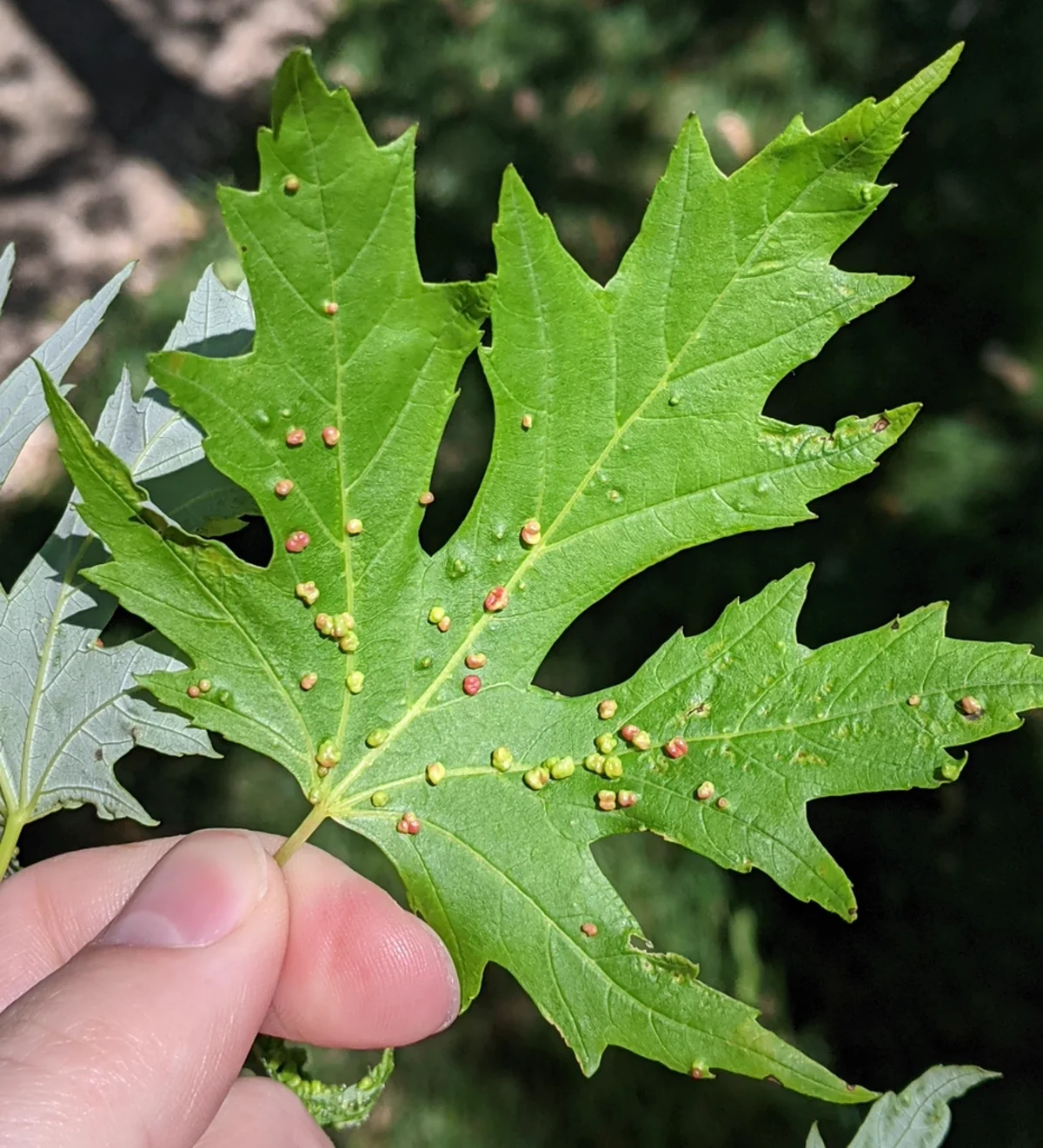
- Maple Bladder Gall Mite (Vasates quadripedes): Creates red galls on maple leaves
- Pearleaf Blister Mite (Eriophyes pyri): Attacks pear and apple trees
Rust Mites Behavior and Biology
Lifecycle and Reproduction
Rust mites have a fast lifecycle. They can go from egg to adult in just 7 to 10 days when it is warm. Females live for about three weeks and lay 12 to 24 eggs. Most species spend the winter as adult females hiding under bud scales, in bark cracks, or in plant tissues.
In spring, females come out and start feeding and laying eggs. The mites keep breeding all through the growing season. This creates many overlapping generations. Their fast breeding lets numbers grow quickly. Most people do not notice them until the damage is clear.
Feeding and Damage Types A related species, Velvet Mites, shares similar characteristics.
Rust mites feed by poking plant cells with needle-like mouthparts and sucking out the contents. Different species cause different types of damage: A related species, Notoedric Mange Mites, shares similar characteristics.
Russeting and Bronzing: Some rust mites cause leaves to turn bronze, rusty, or silver as they feed. The damage starts as light spots that spread and darken to a rusty-brown color. On citrus fruit, this affects how the fruit looks but not the taste or quality inside. A related species, Chiggers, shares similar characteristics.
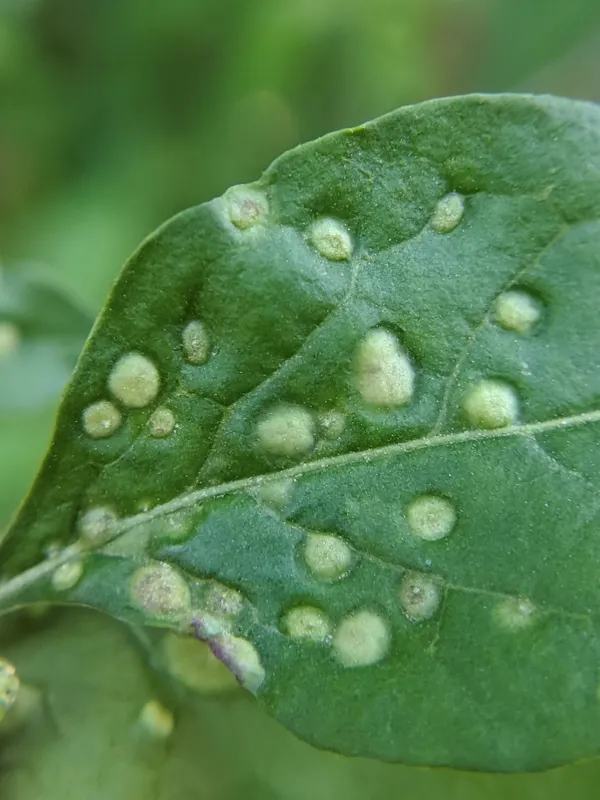
Gall Formation: Some mites inject chemicals into plant tissues that cause bumps called galls. These galls shelter the mites while they feed and lay eggs. Galls can look like bumps, blisters, or finger-like growths on leaves. A related species, Scabies Mites, shares similar characteristics.
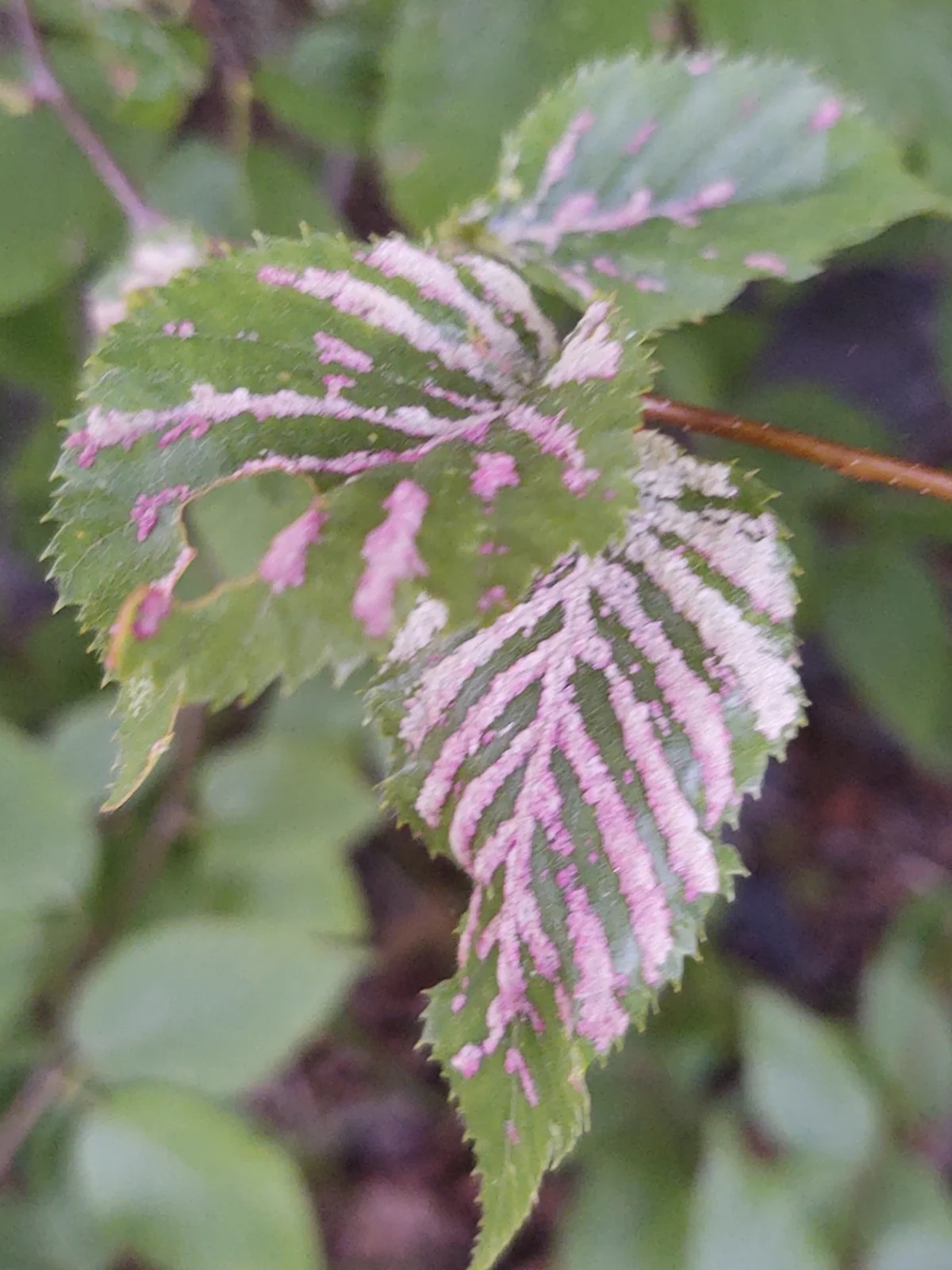
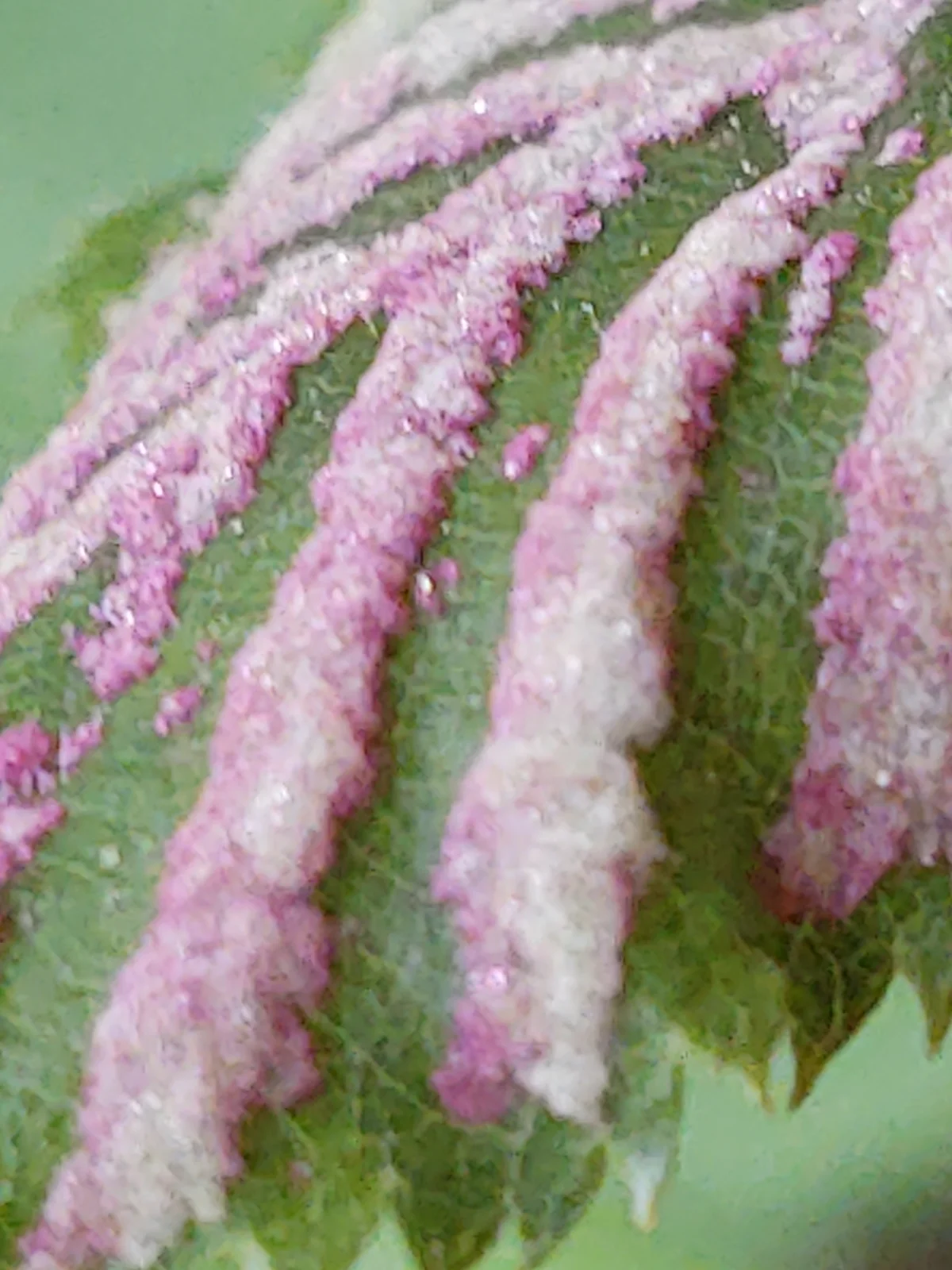
Erineum: Some species cause fuzzy, felt-like patches on leaf surfaces. These patches are usually pink, red, or brown. They form when mite feeding triggers odd hair growth on the plant. A related species, Spider Mites, shares similar characteristics.
Leaf Curling: Mite feeding often makes leaf edges roll or curl. This gives the mites shelter while harming the plant’s growth. A related species, Bulb Mites, shares similar characteristics.
Host Specificity A related species, Storage Mites, shares similar characteristics.
Many rust mite species can only live on certain plants. The hemp russet mite, for example, can only survive on cannabis plants. This trait has led scientists to study some rust mites as tools to control invasive weeds. A related species, Spruce Spider Mites, shares similar characteristics.
Treatment Methods for Rust Mites
Rust mites are mainly a problem for gardeners and farmers, not a household pest issue. Treatment focuses on protecting plants rather than treating homes or buildings.
Cultural Control
Good rust mite management starts with cultural practices that keep plants healthy:
- Plant Health: Healthy plants that get enough water can handle mite feeding better. Plants under drought stress take more damage.
- Sanitation: Remove and destroy infested plant material. This cuts mite numbers and stops spread to healthy plants.
- Pruning: Cut off heavily infested branches or leaves to lower mite numbers. This works well on ornamental trees.
- Pesticide Choice: Predatory mites feed on rust mites and help control them. Avoid broad-spectrum pesticides that kill these predators.
Horticultural Oils and Soaps
For active infestations, several products work well:
- Dormant Oils: Apply these 7-10 days before bud break and again at bud break. They target mites that overwinter on plants.
- Summer Oils: Lighter oils can be used during the growing season to suppress mites.
- Insecticidal Soaps: These contact products can reduce mite numbers. They need full coverage and repeat applications.
Sulfur Applications
Sulfur has been used for mite control for many years. It works for organic produce. You need to cover the whole plant for it to work. Do not use sulfur when temps are above 90 degrees or humidity is high. This can hurt the plants.
Biological Control
Predatory mites, including Amblyseius species, feed on rust mites naturally. They can provide long-term control of mite populations. In many cases, letting these predators work is more effective than spraying.
When Treatment Is Needed
Most rust mite problems do not need treatment. These mites rarely cause lasting harm to healthy plants. Their numbers often drop on their own due to predators and plant defenses. Treatment makes sense when:
- Heavy infestations hurt vegetable crop yields
- Damage on ornamental plants looks bad
- Young or stressed plants are getting worse
- The same plants get infested year after year
References
Other Mites
Explore other species in the mites family
Commonly Confused With
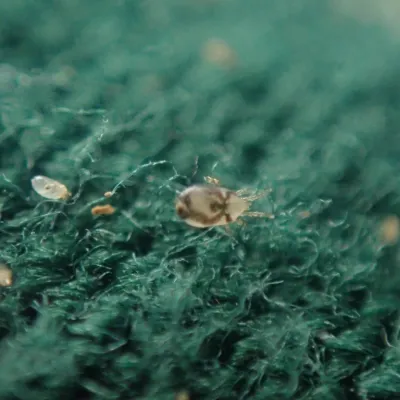
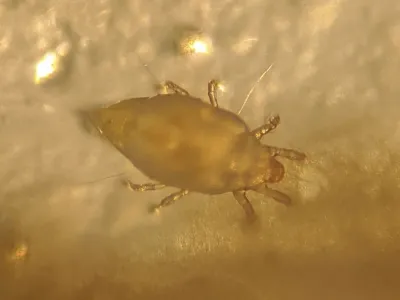
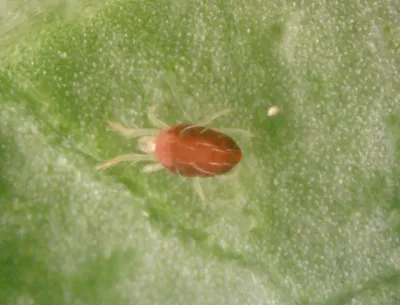
Rust Mites are often mistaken for these similar pests
Where Rust Mites Are Found
Hover over states to see their names. Green regions indicate where rust mites have been reported.
Common Questions about Rust Mites
Can I see rust mites with my eyes?
+
No, rust mites are microscopic and cannot be seen without at least 10-20x magnification. They measure only 0.1 to 0.3 millimeters in length. However, the damage they cause to plants is easily visible.
Are rust mites harmful to humans or pets?
+
No, rust mites are strictly plant feeders and do not bite humans or animals. They pose no direct health risk to people or pets.
What does rust mite damage look like?
+
Rust mite damage appears as bronzing, russeting, or silvering of leaf surfaces. Some species cause galls (abnormal growths), blisters, or fuzzy erineum patches on leaves. Leaves may also curl, yellow, or dry out.
Will rust mites kill my plants?
+
Rust mites rarely cause serious long-term damage to established plants. While they can cause cosmetic damage and stress to plants, healthy plants typically tolerate infestations well. Heavy infestations on vegetables or young plants may reduce yields.
How do rust mites spread?
+
Rust mites spread through wind currents, on clothing, in plant debris, and even by hitching rides on other insects like whiteflies and aphids. Their tiny size allows them to travel easily between plants.
What plants do rust mites attack?
+
Different rust mite species target specific host plants. Common targets include tomatoes, citrus, cannabis, ornamental trees, and many garden vegetables. Some species feed exclusively on weeds like Canada thistle.
When are rust mites most active?
+
Rust mites are most active during warm growing seasons, typically from late spring through early fall. They reproduce rapidly in warm conditions, completing a generation every 7-10 days.
How can I prevent rust mite infestations?
+
Maintaining plant health, avoiding drought stress, and practicing good sanitation by removing infested plant material can help prevent outbreaks. Avoiding broad-spectrum insecticides helps preserve [predatory mites](/pests/mites/predatory-mites/) that feed on rust mites.

With five years of hands-on experience in the pest control industry, George Schulz is a registered technician with the Virginia Pest Management Association and a proud third-generation professional in a family business that's been protecting homes for over 57 years. He manages and trains a team of service pros while also leading internal research efforts—recently spearheading a deep-dive review of thousands of documents on pest control materials to hand-pick the most kid and pet friendly, most effective solutions tailored specifically for homes in the DC metro area.