Itch Mites Identification Guide
Pyemotes spp.
Itch mites are nearly invisible parasitic mites that feed on insect larvae but can bite humans, causing intensely itchy welts. They are associated with oak trees, straw, hay, and stored grain.
Taxonomy
Itch Mites Coloration
Common color patterns to help identify itch mites
Itch Mites
Seasonal Activity
When itch mites are most active throughout the year

Where Itch Mites Are Found
Hover over states to see their names. Green regions indicate where itch mites have been reported.
Itch Mites Identification Guide
Physical Characteristics
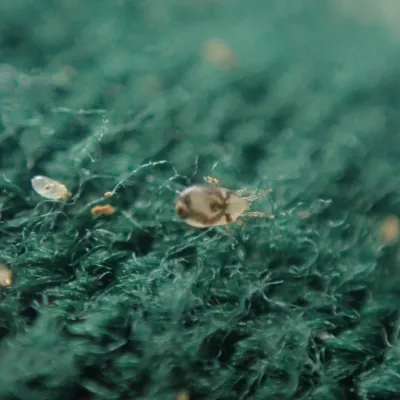
Itch mites are tiny creatures that are nearly impossible to see without a microscope. At just 0.2 millimeters long, they look like tiny white or cream-colored specks. Like all mites, they have eight legs and are related to spiders and ticks.
These mites have a long, cigar-shaped body with needle-like mouthparts. The front two pairs of legs sit apart from the back two pairs. This gives them a unique body shape. When a female itch mite feeds and grows eggs, her body can swell to about 2 millimeters. This makes her slightly easier to see.
Common Species
Two species of itch mites often bite people in North America.
The Oak Leaf Itch Mite (Pyemotes herfsi) is also called the oak mite. This species lives in galls on oak tree leaves. It feeds on midge fly larvae that create these galls. Major outbreaks have occurred in Kansas, Virginia, Maryland, and the Washington D.C. area. Outbreaks often happen after cicada emergences.
The Straw Itch Mite (Pyemotes tritici) is found in straw, hay, and stored grain. It feeds on the larvae of grain moths and beetles. Farm workers, warehouse workers, and people who handle hay or straw face the highest risk of bites.
Itch Mites Behavior and Biology
Itch mites are parasites that feed on insect larvae. They do not feed on plants or humans. They inject venom into their prey to paralyze and kill it. When itch mites land on human skin, they try to feed but cannot live or breed on people.
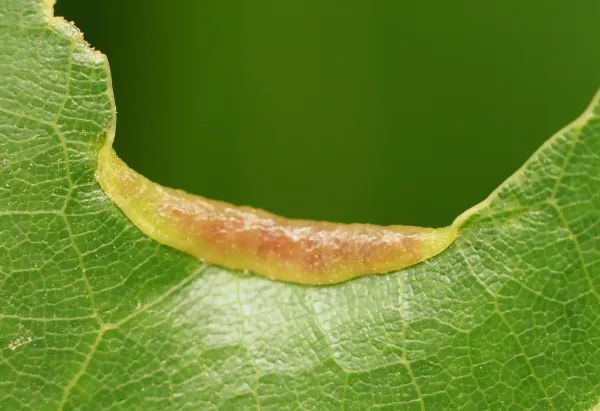
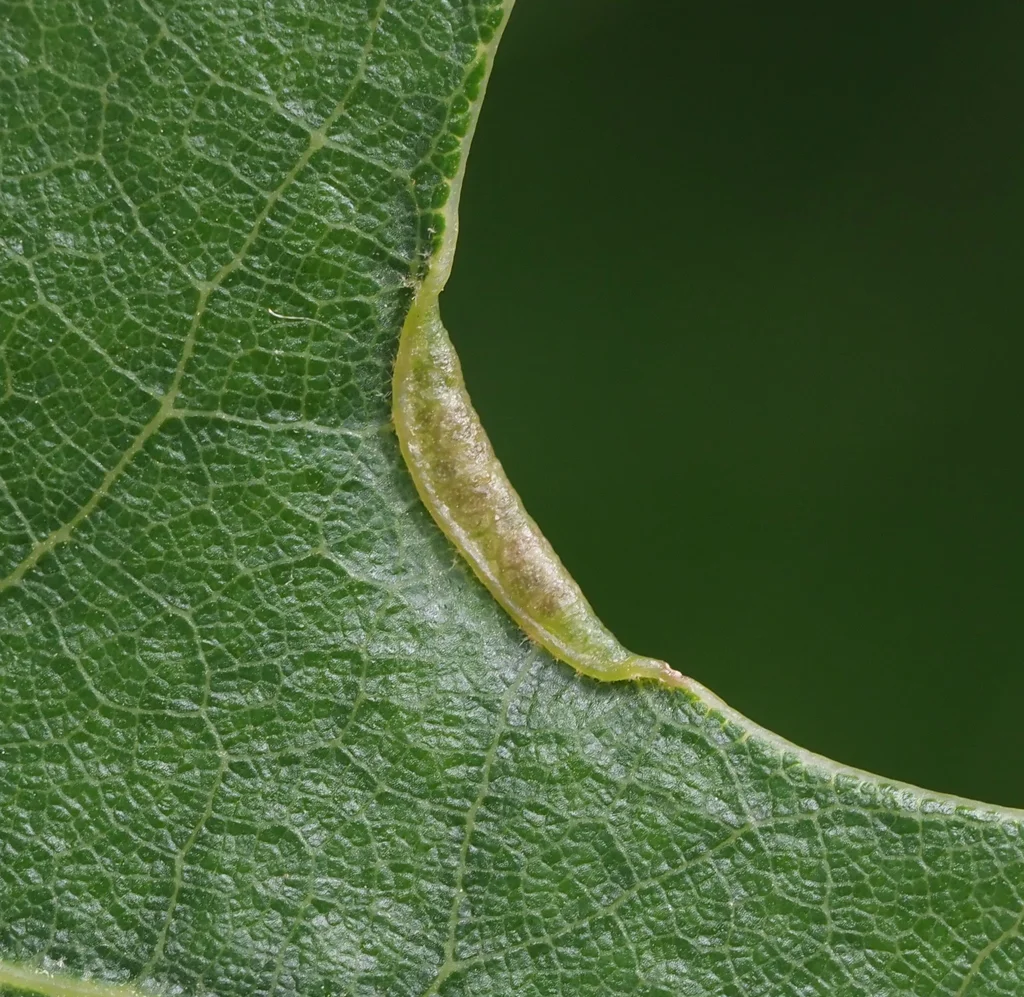
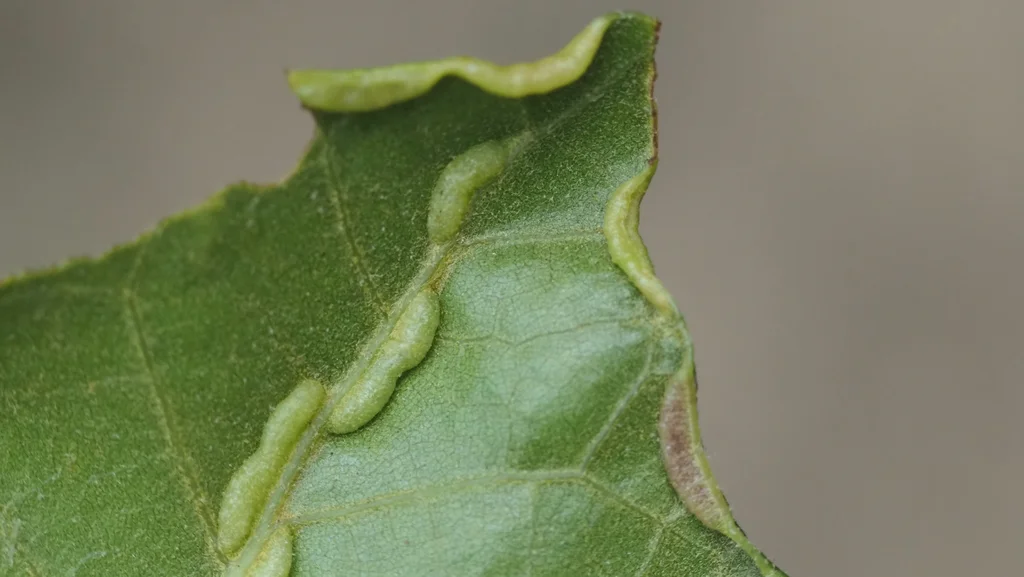
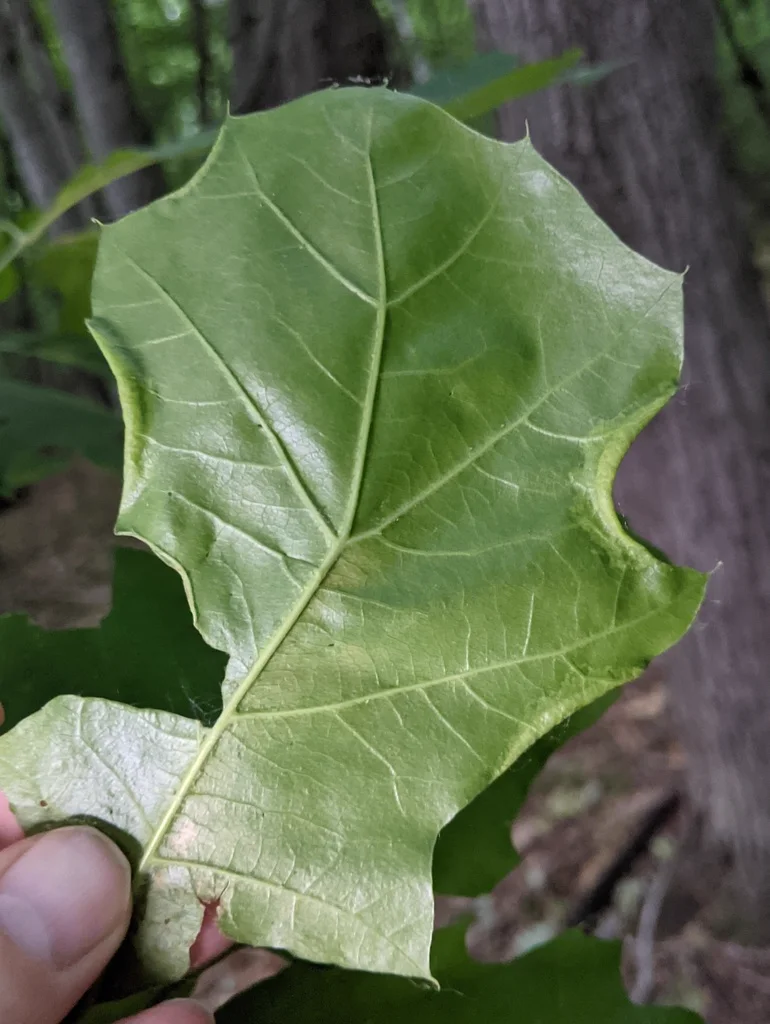
Oak leaf itch mites live inside galls that form on oak leaves. These galls are made when midge flies lay eggs that cause the leaf edge to fold over. The mites enter these galls to feed on the midge larvae inside. A single oak tree can hold millions of mites during peak season.
During late summer and fall, itch mite numbers can explode. Studies have counted up to 370,000 mites falling from a single tree per day. The mites float on the wind and can land on anyone near infested trees. They are most active on warm, dry days.
Itch Mite Bites and Symptoms
Itch mite bites look different from mosquito or flea bites. Each bite appears as a red welt with a small white or clear blister in the center. The bites are very itchy. A single person can have just a few bites or several hundred.
Bites usually show up on the upper body. The neck, shoulders, chest, and arms are common spots. This happens because mites fall from trees and land on exposed skin or crawl under loose clothing. Unlike chigger bites that appear in tight spots like sock lines, itch mite bites tend to be on open skin.
Symptoms usually start 10 to 16 hours after contact. Most people do not feel the actual bite. In some cases, more severe reactions can happen. These include headache, fever, nausea, and joint pain. These symptoms are more common in people who get many bites or have had bites before.
Treatment Methods for Itch Mite Bites
Itch mite dermatitis is self-limiting. This means it will go away on its own without treatment. However, the intense itching can be hard to deal with. Several methods can help manage symptoms.
Over-the-counter antihistamines like diphenhydramine (Benadryl), loratadine (Claritin), or cetirizine (Zyrtec) can reduce itching and swelling. Topical hydrocortisone cream applied to bites can also help reduce swelling and itching. Calamine lotion provides soothing relief as well.
It is important to avoid scratching the bites. Scratching can break the skin and lead to bacterial infections.
If symptoms are severe or do not improve after a few weeks, consult a healthcare provider. This information is for educational purposes only and is not medical advice.
Prevention Strategies
Itch mites live on trees and in farm materials like hay and straw. The best way to prevent bites is to avoid contact with these sources.
During late summer and fall, avoid spending time under oak trees. Pin oaks, red oaks, and black oaks are common hosts for these mites. When working near oak trees or with hay and straw, wear long sleeves, long pants, and a hat.
Shower and change clothes right away after being near oak trees. Wash your clothing in hot water. Raking leaves or mowing under oak trees can stir up mites. Try to do this work during cooler parts of the day when mites are less active.
Check your pets after they spend time near oak trees. Dogs and cats can carry mites into your home on their fur.
Standard insect repellents with DEET provide limited protection against itch mites. The mites are so small that they can often bypass repellent barriers.
Controlling Itch Mites
Itch mites are hard to control because they live inside leaf galls. Standard pesticide sprays cannot reach mites inside these structures.
Keeping oak trees healthy can reduce gall formation and the conditions that attract mites. Removing fallen leaves from under oak trees may also reduce the number of mites nearby.
Peak mite season runs from August through October. Knowing this helps you plan outdoor activities and take extra care during this time.
Large-scale control of itch mites is generally not practical for homeowners. The best approach is prevention through awareness and protective steps during high-risk periods.
Health Note
Itch mite bites can cause major discomfort but do not spread diseases. The bites cannot pass from person to person. If you have severe symptoms or signs of infection at bite sites, see a doctor. This page provides general information only and is not a substitute for medical advice.
References
- Oak Leaf Itch Mites and Periodical Cicada Eggs - University of Maryland Extension
- Pyemotes herfsi, A Mite New to North America - Journal of Medical Entomology
- Itch Mites Prevention and Control - Illinois Department of Public Health
- Oak Leaf Itch Mite - Penn State Extension
- Pyemotes ventricosus Dermatitis - PMC/NCBI
- Mites That Bug People - NC State Extension
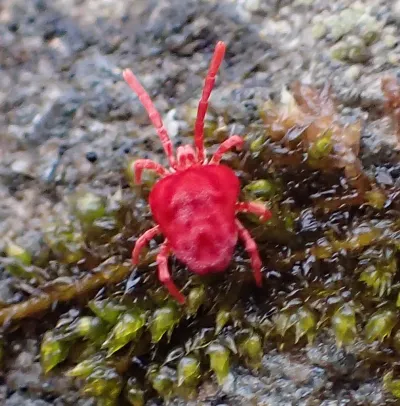
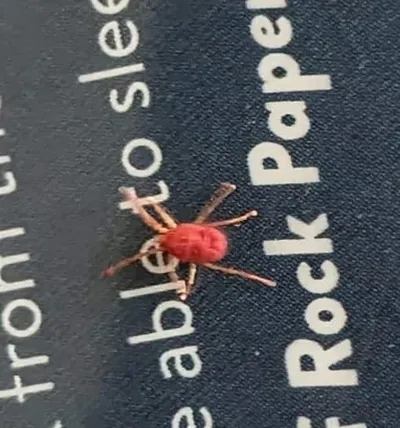
Other Mites
Explore other species in the mites family
Commonly Confused With
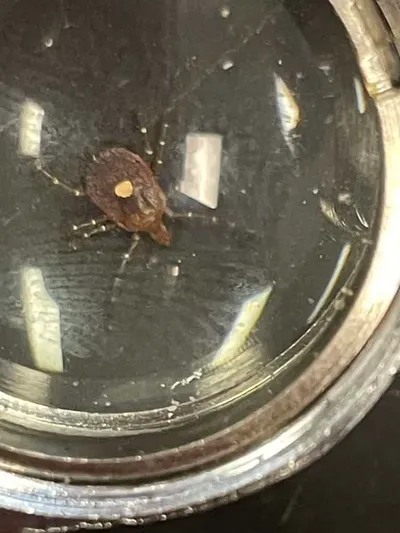
Itch Mites are often mistaken for these similar pests
Where Itch Mites Are Found
Hover over states to see their names. Green regions indicate where itch mites have been reported.
Common Questions about Itch Mites
What do itch mite bites look like?
+
Itch mite bites appear as small red welts with a white or clear blister in the center. They often show up in groups or lines on the neck, shoulders, chest, and arms. The bites are intensely itchy and can take one to three weeks to heal.
Why are itch mites called oak mites?
+
Oak leaf itch mites (Pyemotes herfsi) live in galls on oak tree leaves. They feed on midge larvae inside these galls. When mite populations grow large, they can fall from trees in huge numbers and land on people below.
Can you see itch mites?
+
Itch mites are nearly impossible to see with the naked eye. They measure only 0.2 millimeters long, about the size of a period at the end of a sentence. You may see a tiny white speck at a bite site, but most people never see the mite that bit them.
How long do itch mite bites last?
+
Itch mite bites typically last one to three weeks. The itching is most intense during the first few days. Over-the-counter antihistamines and hydrocortisone cream can help reduce symptoms.
Do itch mites live indoors?
+
No, itch mites cannot survive indoors for more than 24 hours. They need insect larvae to feed on and cannot breed on humans. Once inside, they will die quickly without a suitable host.
When are itch mites most active?
+
Itch mites are most active from late summer through fall, typically August through October. This is when mite populations peak in oak tree galls. Outbreaks often follow cicada emergences, as mites also feed on cicada eggs.
How can I prevent itch mite bites?
+
Avoid spending time under oak trees during late summer and fall. Wear long sleeves and pants when doing yard work. Shower and change clothes immediately after being near oak trees. DEET repellents provide limited protection.

With five years of hands-on experience in the pest control industry, George Schulz is a registered technician with the Virginia Pest Management Association and a proud third-generation professional in a family business that's been protecting homes for over 57 years. He manages and trains a team of service pros while also leading internal research efforts—recently spearheading a deep-dive review of thousands of documents on pest control materials to hand-pick the most kid and pet friendly, most effective solutions tailored specifically for homes in the DC metro area.