Chiggers Identification Guide
Trombiculidae (Family)
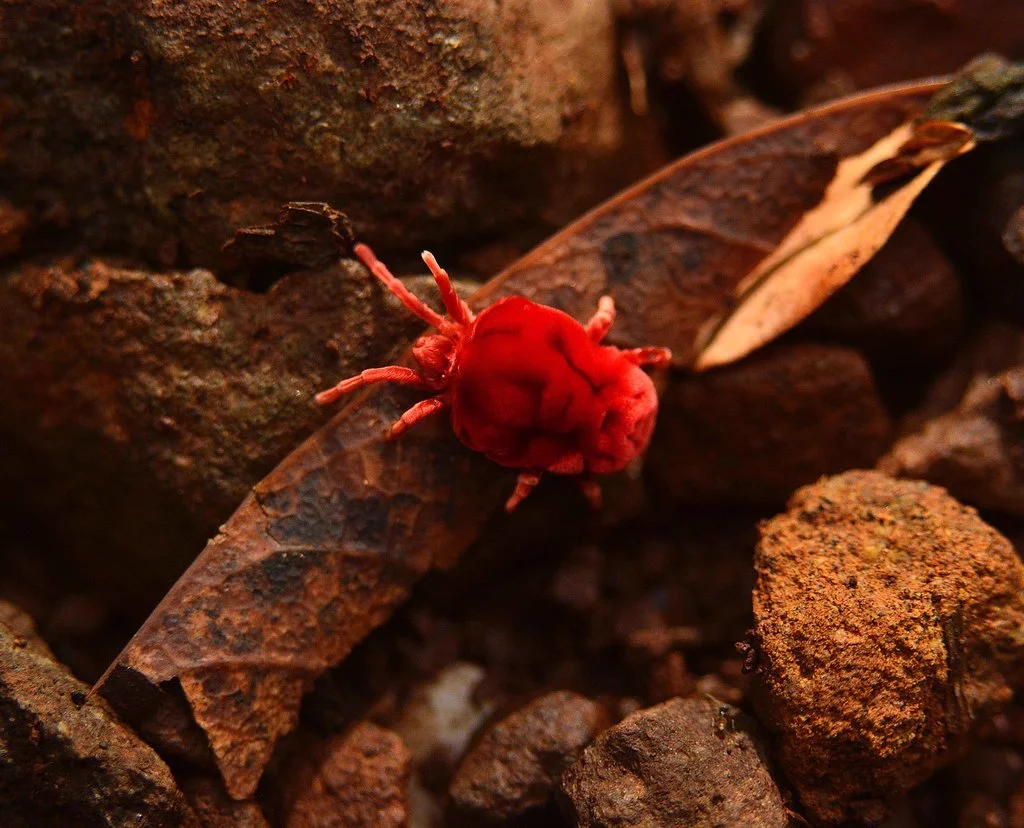
Chiggers are tiny red mites found in tall grass and brush. These pests attach to skin and cause very itchy bites that can last for days.
Taxonomy
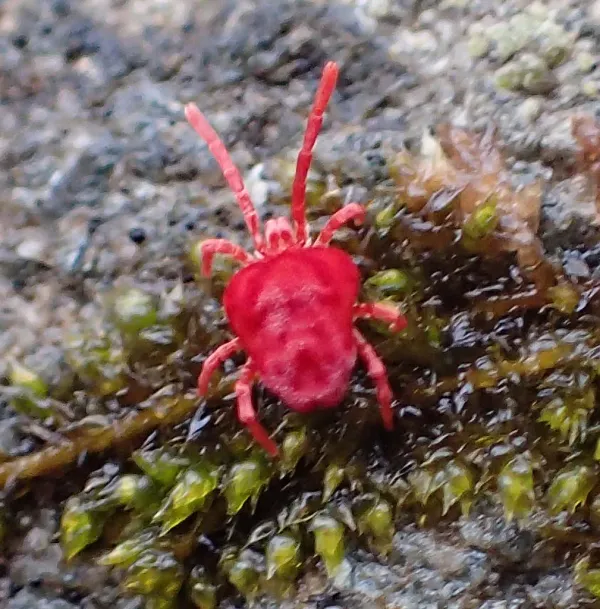
Chiggers Coloration
Common color patterns to help identify chiggers
Chiggers
Seasonal Activity
When chiggers are most active throughout the year

Where Chiggers Are Found
Hover over states to see their names. Green regions indicate where chiggers have been reported.
Chigger Identification Guide
Physical Characteristics
Chiggers are baby mites, also called harvest mites. They are so tiny that you can barely see them. Most measure just 0.15 to 0.3 millimeters across, about the size of a pinhead. As larvae, chiggers have six legs. Adults have eight legs like other mites and spiders.
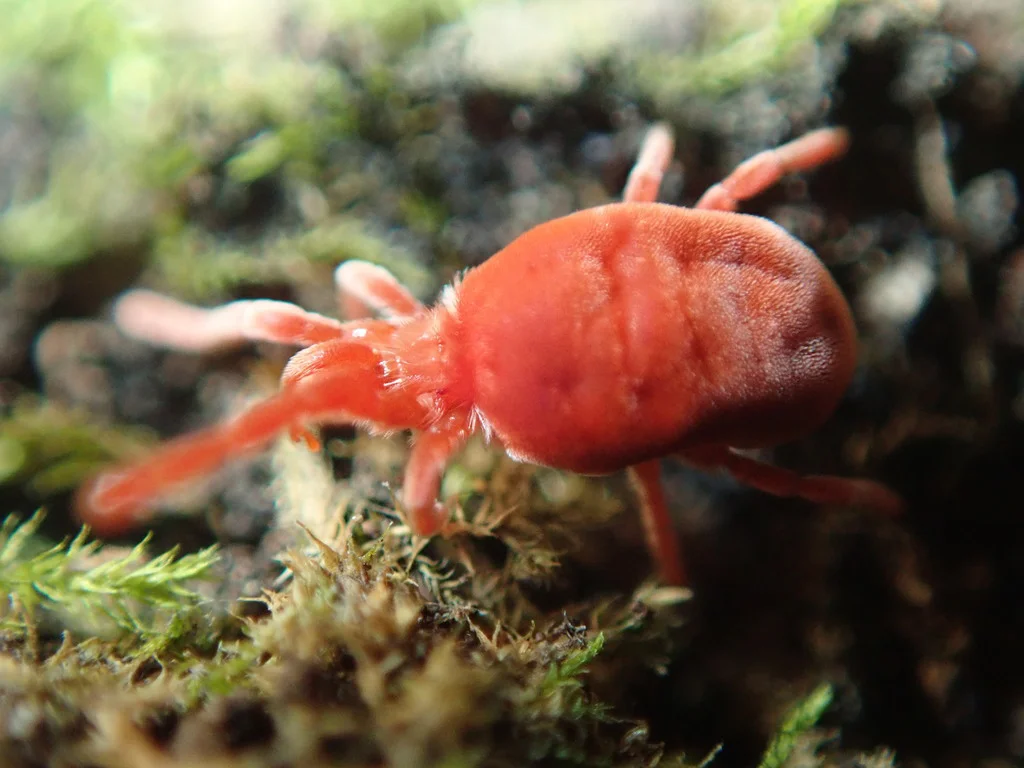
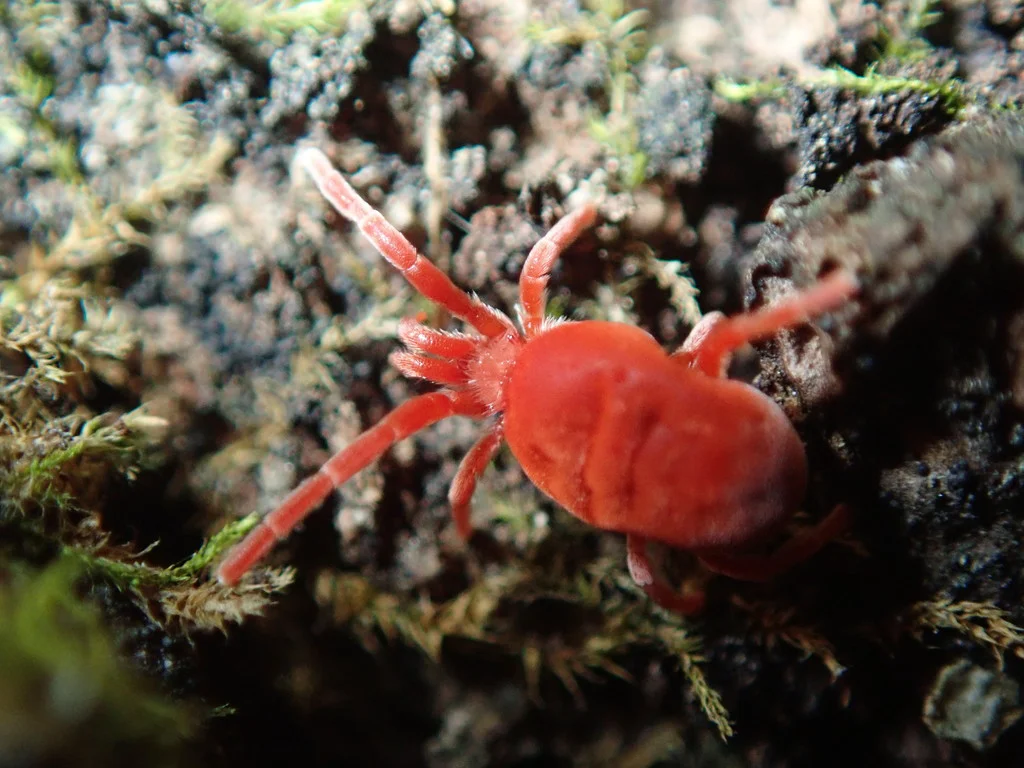
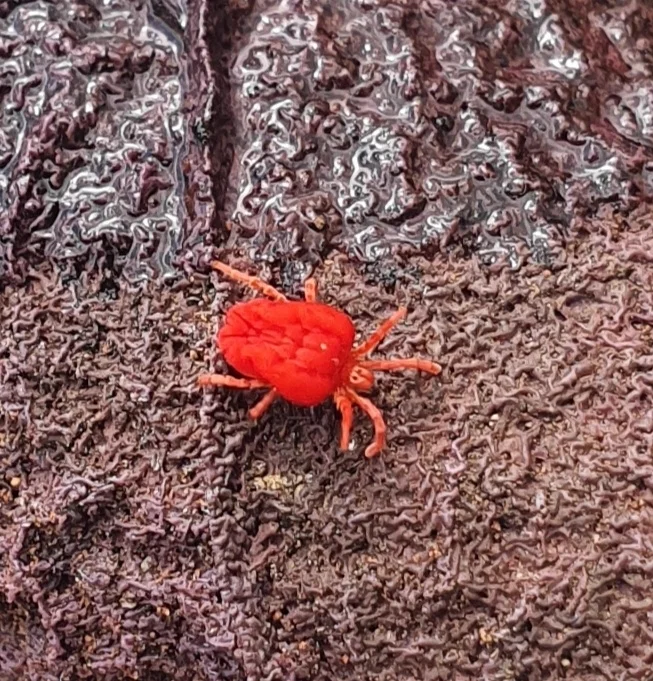
Chiggers are bright red, orange, or yellow. Fine hairs cover their bodies. These hairs help them cling to plants and hosts. You might spot them as tiny moving specks on your skin or clothes. They often gather in groups on low plants, waiting for a host to walk by.
Common Species in North America
The most common chigger in the United States is Eutrombicula alfreddugesi. This species lives throughout the South and Midwest. Another species, Eutrombicula splendens, prefers wet areas like swamps and bogs. About 250 chigger species live in the United States.
Chigger Behavior and Biology
Life Cycle
Chiggers go through several life stages: egg, prelarva, larva, nymph, and adult. Only the larval stage bites and feeds on hosts. In spring, when ground temps rise above 60 degrees, females lay eggs in plants. The full life cycle takes 2 to 12 months.
Feeding Behavior
Many people think chiggers burrow into skin. This is not true. Chiggers also do not suck blood. Instead, they attach to the skin surface. They pierce the skin and inject special enzymes. These enzymes break down skin cells. The chigger then eats the liquid through a tiny tube called a stylostome. A chigger feeds for 3 to 5 days before it drops off.
Habitat Preferences
Chiggers love humid, overgrown areas with tall grass. You can find them in: A related species, Velvet Mites, shares similar characteristics.
- Areas where forests meet open fields
- Berry bushes and brambles
- Swamp edges and stream banks
- Unmowed lawns and weedy gardens
- Golf courses and parks with tall grass A related species, Notoedric Mange Mites, shares similar characteristics.
They gather in groups on low plants, dirt clumps, and fallen leaves. From there, they wait for hosts to walk by. A related species, Spider Mites, shares similar characteristics.
Signs of Chigger Presence A related species, Bulb Mites, shares similar characteristics.
Identifying Chigger Bites
Chigger bites look like small, red bumps. They may look like pimples, blisters, or hives. Bites often appear in groups. They show up most where clothes fit tight against the skin. Common bite spots include:
- Ankles and lower legs
- Behind the knees
- Waist and belt line
- Armpits and groin area
- Where sock or underwear elastic touches skin
Itching usually starts 3 to 6 hours after you get bitten. It gets worse over the next 1 to 2 days.
Treatment Methods for Chiggers
Chigger control is about reducing their habitat. It also means avoiding areas where they live.
Yard Management
Keep your lawn mowed short, under 3 inches. This removes the tall grass chiggers prefer. Also remove leaf piles, brush, and weedy growth. A border of gravel or wood chips between your lawn and wooded areas can help stop chiggers from spreading into your yard.
Chemical Control Options
For bad infestations, insecticides can help. Products with bifenthrin, permethrin, cyhalothrin, or carbaryl work well on plants. Apply these in late spring before chigger numbers peak. Treat areas where people walk or play most often.
Natural Approaches
Diatomaceous earth spread on lawns can help control chiggers. Sulfur dust also works, but it smells strong. Some people plant marigolds around their yards, which may help repel chiggers.
Personal Protection
When going into areas where chiggers may live:
- Wear long pants tucked into socks or boots
- Use DEET repellent on exposed skin
- Spray clothing with permethrin
- Stay on cleared trails when you can
- Shower and scrub your skin within a few hours
- Wash your clothes in hot water after being outside
Health Considerations
Chigger bites are very itchy but not dangerous in North America. Unlike scabies mites that burrow into skin, chiggers only attach to the surface. These mites do not spread diseases in the United States. But scratching can cause skin infections. See a doctor if bite areas get more red, swollen, or start draining pus.
Some people have stronger allergic reactions to chigger bites. Get emergency care if you develop hives all over, have trouble breathing, or show other signs of a bad allergic reaction.
Medical Disclaimer: This information is for learning only. It is not medical advice. Talk to a doctor if you have health concerns about bites.
Related Reading
- Clover Mites vs Chiggers: Key Differences - A side-by-side comparison of these commonly confused pests.
References
Other Mites
Explore other species in the mites family
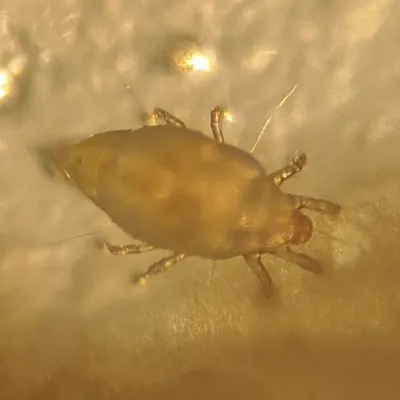
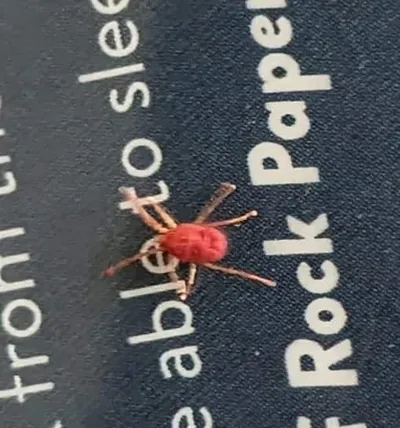
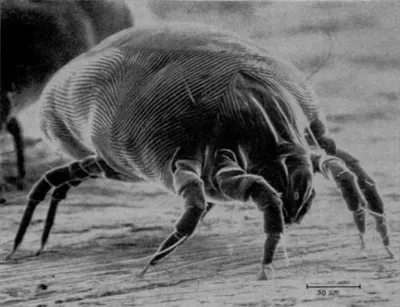
Commonly Confused With
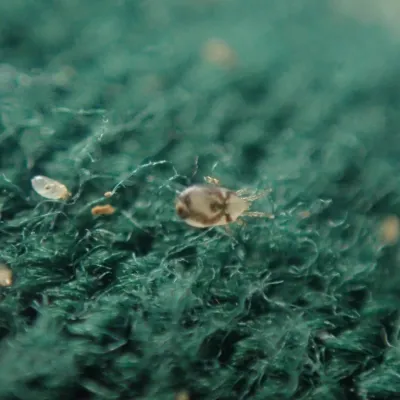
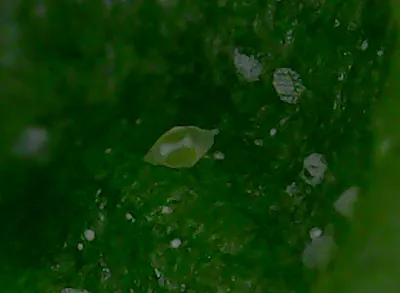
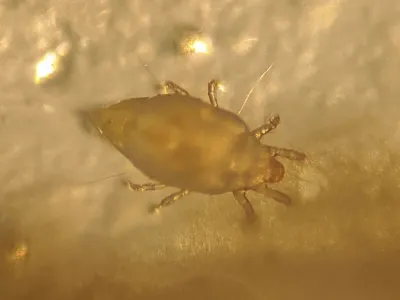
Chiggers are often mistaken for these similar pests
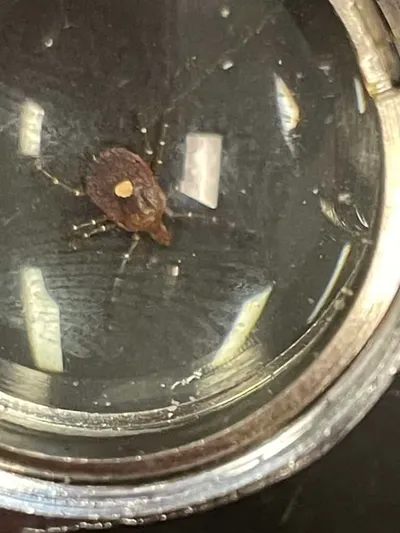
Where Chiggers Are Found
Hover over states to see their names. Green regions indicate where chiggers have been reported.
Common Questions about Chiggers
What are chiggers and where do they live?
+
Chiggers are the larval stage of mites in the Trombiculidae family. They live in tall grass, weeds, berry bushes, and wooded areas. They are most common in the southern and midwestern United States but can be found throughout North America.
Do chiggers burrow into your skin?
+
No, chiggers do not burrow into your skin. They attach to the skin surface, inject digestive enzymes, and feed on dissolved skin cells through a tube called a stylostome. They typically fall off within a few days.
Why do chigger bites itch so much?
+
The intense itching from chigger bites is caused by your body's allergic reaction to the digestive enzymes the chigger injects into your skin. The stylostome (feeding tube) also irritates the surrounding tissue.
How long do chigger bites last?
+
Itching from chigger bites is most intense 1-2 days after the bite and can last for several days to two weeks. The red bumps may take up to two weeks to fully heal.
Can chiggers spread disease in the United States?
+
In North America, chiggers are not known to transmit diseases to humans. However, in parts of Asia and the Pacific, certain chigger species can transmit scrub typhus, a bacterial infection.
How can I prevent chigger bites?
+
Wear long pants tucked into socks when walking through tall grass or wooded areas. Apply insect repellent containing DEET to skin and permethrin to clothing. Shower and scrub with soap soon after being outdoors.
What time of year are chiggers most active?
+
Chiggers are most active from late spring through early fall, with peak activity in June through August. They become inactive when temperatures fall below 60 degrees Fahrenheit.
How do I treat chigger bites?
+
Wash the affected area with soap and water. Apply calamine lotion, hydrocortisone cream, or anti-itch medications to relieve itching. Avoid scratching to prevent secondary infection. See a doctor if symptoms are severe or show signs of infection.

With five years of hands-on experience in the pest control industry, George Schulz is a registered technician with the Virginia Pest Management Association and a proud third-generation professional in a family business that's been protecting homes for over 57 years. He manages and trains a team of service pros while also leading internal research efforts—recently spearheading a deep-dive review of thousands of documents on pest control materials to hand-pick the most kid and pet friendly, most effective solutions tailored specifically for homes in the DC metro area.