Broad Mites Identification Guide
Polyphagotarsonemus latus
Broad mites are microscopic plant pests that cause severe damage to vegetables, ornamentals, and greenhouse crops. Their toxic saliva creates distorted, stunted growth that resembles viral infections.
Taxonomy
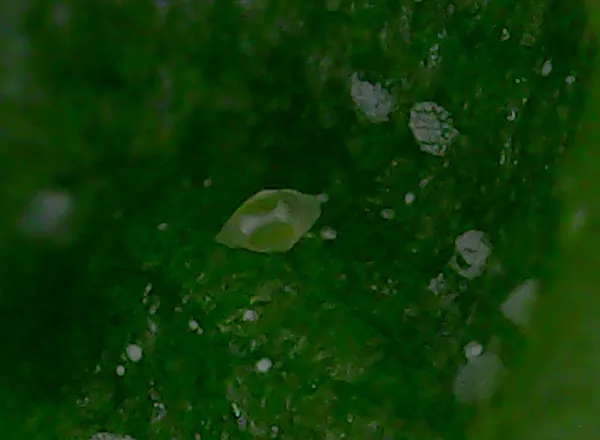
Broad Mites Coloration
Common color patterns to help identify broad mites
Broad Mites
Seasonal Activity
When broad mites are most active throughout the year

Where Broad Mites Are Found
Hover over states to see their names. Green regions indicate where broad mites have been reported.
Broad Mite Identification Guide
Physical Characteristics
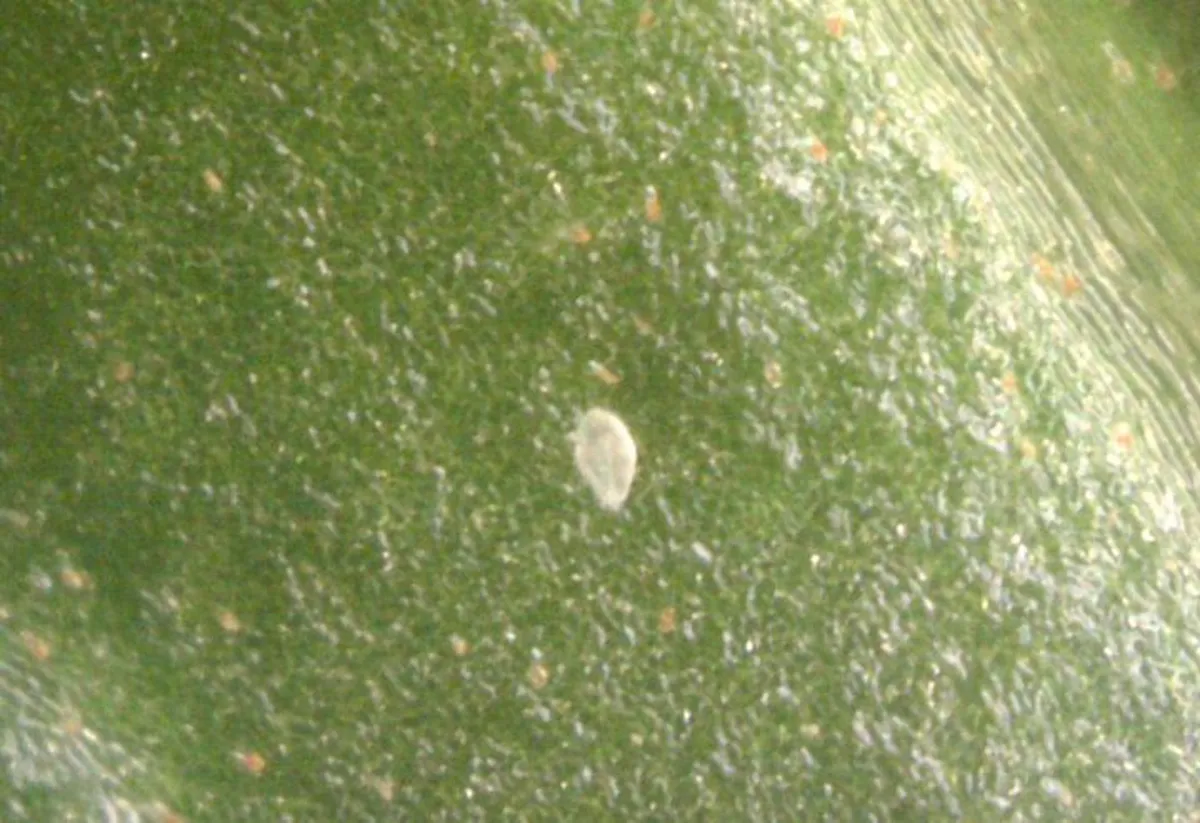
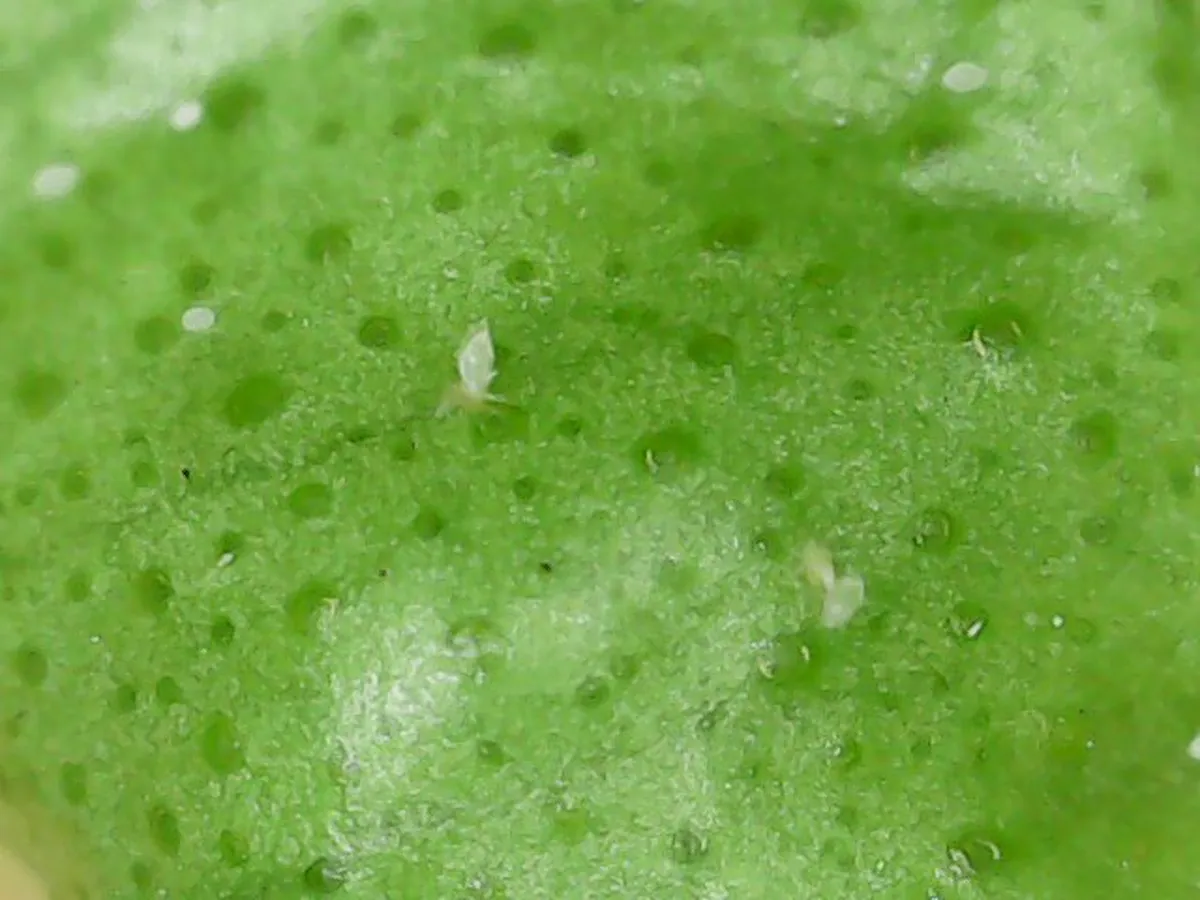
Broad mites are among the smallest arthropod pests, measuring just 0.1 to 0.2 millimeters in length. Adult females appear oval-shaped and translucent to pale yellow-green, sometimes with a faint darker stripe down their back. Males are even smaller at about 0.11 millimeters and lack the stripe. Both sexes have four pairs of legs, with the front two pairs widely separated from the back two pairs. Their hind legs appear thread-like and are not used for walking.
Because of their microscopic size, broad mites cannot be seen without at least 20x magnification. Their eggs are often the first sign of infestation. These eggs are nearly transparent but covered in distinctive rows of white circular projections that give them a speckled appearance. The eggs are large relative to the mites, measuring about 0.07 millimeters.
Common Species
Polyphagotarsonemus latus is the only species commonly called the broad mite. First described from mango buds in Washington D.C. in 1904, this pest has since spread worldwide and now attacks over 250 crop plants across 57 plant families.
Broad Mite Behavior and Biology
Habitat and Host Preferences
Broad mites thrive in warm, humid conditions. They prefer temperatures around 77 degrees Fahrenheit and high humidity, making greenhouses an ideal environment. In tropical and subtropical regions, they remain active year-round outdoors. In temperate areas, they primarily affect greenhouse crops and indoor plants.
These mites show a strong preference for young, developing plant tissue. They congregate on growing tips, young leaves, and flower buds. Feeding occurs mainly on the undersides of leaves near the leaf stalk. This preference for tender new growth makes their damage particularly harmful to plant development.
Diet and Feeding
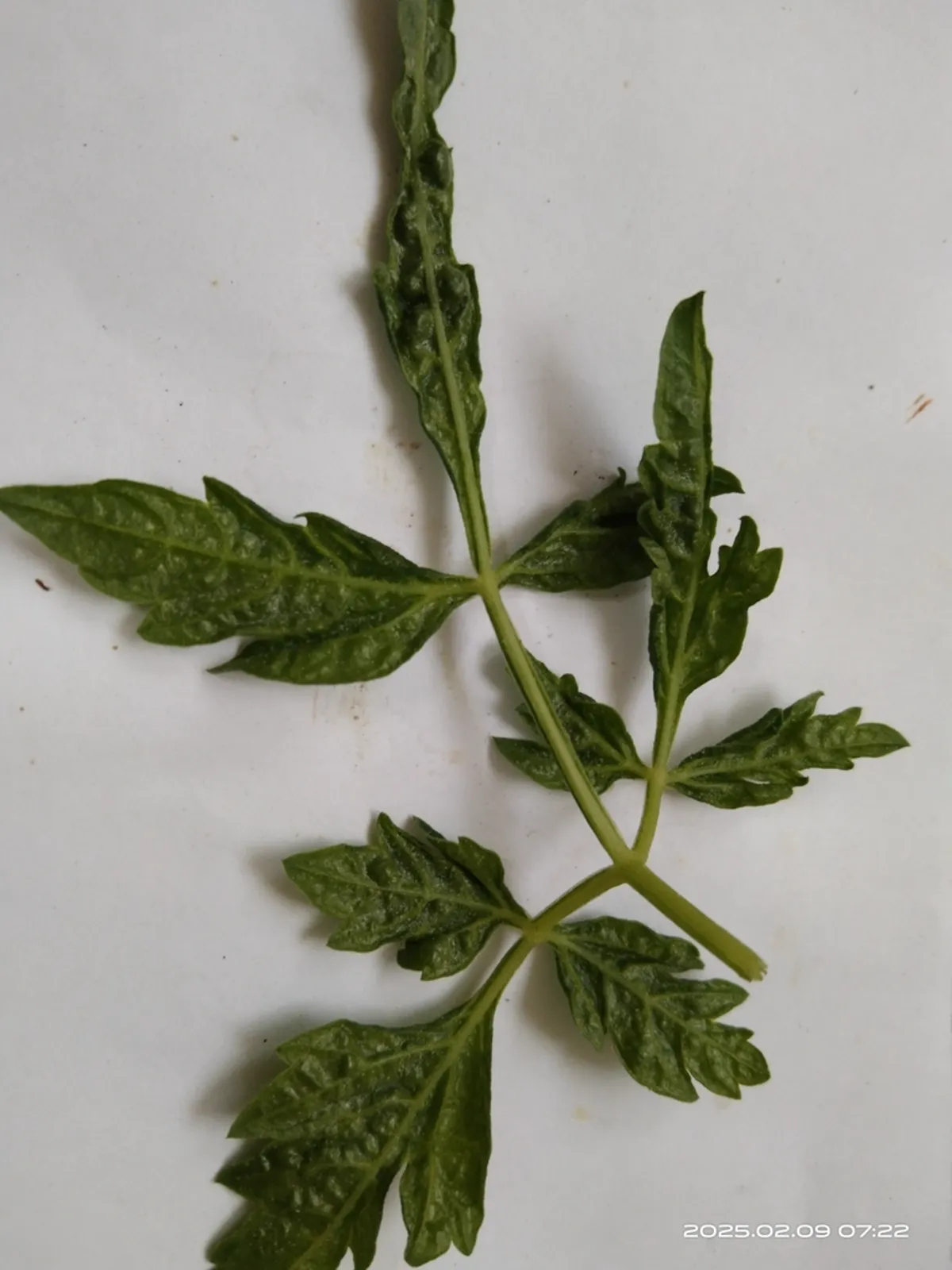
Broad mites feed by piercing plant cells and extracting their contents. Unlike most plant pests, their saliva contains toxins that cause lasting damage to plant tissues. Even after the mites are eliminated, previously affected plant parts may remain distorted. The feeding damage appears as: A related species, Velvet Mites, shares similar characteristics.
- Dark brown edges at the base of young leaves
- Leaves that curl downward and become bronzed or hardened
- Stunted, twisted shoots with shortened internodes
- Aborted buds and distorted flowers
- Misshapen, russeted fruit A related species, Notoedric Mange Mites, shares similar characteristics.
The damage pattern often mimics herbicide injury or viral infections, making broad mite infestations frequently misdiagnosed. A related species, Chiggers, shares similar characteristics.
Reproduction and Lifecycle A related species, Scabies Mites, shares similar characteristics.
Broad mites have a simple three-stage life cycle: egg, larva, and adult. The larval stage has three pairs of legs, while adults have four pairs. After molting to the third larval stage, young mites enter a quiescent period for one to two days before emerging as adults. A related species, Spider Mites, shares similar characteristics.
Males emerge before females. In a unique behavior, males use their enlarged hind legs to carry female pupae (still in their larval cuticle) to younger plant tissues. Females mate immediately upon emergence. Unmated females can only produce male offspring through a process called arrhenotokous parthenogenesis.
Under optimal conditions at 77 degrees Fahrenheit, development from egg to adult takes about one week. Each female produces 40 to 50 eggs over her lifetime. At cooler temperatures around 64 degrees Fahrenheit, development slows to about seven days. Reproduction stops below 55 degrees Fahrenheit and above 93 degrees Fahrenheit.
Dispersal
Broad mites spread through several methods. Males actively carry quiescent female nymphs to new feeding sites. For longer distances, mites disperse on wind currents or by “hitchhiking” on flying insects, particularly whiteflies and aphids. Human activity also spreads infestations when moving infested plant material.
Treatment Methods for Broad Mites
Controlling broad mites requires early detection and a multi-pronged approach. Because these mites reproduce rapidly and their damage persists after treatment, quick action is essential.
Biological Control
Predatory mites offer an effective biological control option. Neoseiulus cucumeris and Amblyseius californicus both feed on broad mites and can establish breeding populations on infested plants. These beneficial mites work best as a preventive measure, released early in the growing season before broad mite populations become established. Sachets containing predatory mites provide continuous release over three to five weeks.
Chemical Control
Several treatment options exist for broad mite management:
- Horticultural oils: Suffocate mites on contact when applied thoroughly to leaf undersides
- Insecticidal soaps: Effective with repeated applications every seven to ten days
- Neem oil: Provides both contact kill and some residual activity
- Pyrethrin sprays: Offer quick knockdown of active infestations
- Miticides: Commercial growers have access to products containing abamectin, chlorfenapyr, or spiromesifen
When using any spray treatment, thorough coverage of leaf undersides and growing tips is essential. Multiple applications spaced seven to ten days apart help catch newly hatched mites.
Heat Treatment
Broad mites are sensitive to heat. Submerging infested plants in water heated to 111 degrees Fahrenheit for 15 minutes can eliminate mites without harming most plants. This method works well for small numbers of valuable ornamental plants.
Cultural Practices
Prevention and good sanitation practices form the foundation of broad mite management:
- Start with mite-free plant stock from reputable sources
- Inspect new plants carefully before introducing them to growing areas
- Isolate any plants showing suspicious symptoms
- Remove and destroy heavily infested plants to prevent spread
- Avoid planting susceptible crops near infested areas
- Clean tools and equipment between handling different plants
References
Other Mites
Explore other species in the mites family
Commonly Confused With
Broad Mites are often mistaken for these similar pests
Where Broad Mites Are Found
Hover over states to see their names. Green regions indicate where broad mites have been reported.
Common Questions about Broad Mites
How do I know if I have broad mites?
+
Broad mites are too small to see without magnification. Look for their distinctive damage instead: curled, distorted leaves with bronzed or hardened edges, stunted new growth, and twisted stems. The damage often resembles herbicide injury or viral infection.
What plants do broad mites attack?
+
Broad mites affect over 60 plant families. Common targets include peppers, tomatoes, eggplants, cucumbers, beans, and many ornamental plants like begonias, azaleas, gerbera daisies, and cyclamen. They prefer young, tender growth.
Are broad mites harmful to humans?
+
No, broad mites do not bite humans or pets. They only feed on plant tissue. However, they can cause significant economic damage to crops and ornamental plants through their feeding activity.
Why does broad mite damage look like a virus?
+
Broad mites inject toxic saliva while feeding that causes plant cells to grow abnormally. This creates twisted, distorted growth patterns similar to viral symptoms. The damage can persist even after mites are eliminated.
How fast do broad mites reproduce?
+
Very fast. Under ideal conditions around 77 degrees Fahrenheit, broad mites complete their entire life cycle in about one week. A single female can lay 40 to 50 eggs, allowing populations to explode quickly.
Can I see broad mites with a magnifying glass?
+
A standard magnifying glass is usually not strong enough. You need at least 20x magnification to spot broad mites. Their eggs, which have distinctive white spots, are often easier to identify than the mites themselves.
What is the best way to control broad mites?
+
An integrated approach works best: remove heavily infested plants, introduce [predatory mites](/pests/mites/predatory-mites/) like Amblyseius californicus or Neoseiulus cucumeris, and apply miticides or horticultural oils if needed. Early detection is critical for successful control.
Do broad mites survive winter outdoors?
+
In temperate climates, broad mites cannot survive cold winters outdoors. However, they thrive year-round in greenhouses and can persist on indoor plants. In tropical and subtropical regions, they remain active throughout the year.

With five years of hands-on experience in the pest control industry, George Schulz is a registered technician with the Virginia Pest Management Association and a proud third-generation professional in a family business that's been protecting homes for over 57 years. He manages and trains a team of service pros while also leading internal research efforts—recently spearheading a deep-dive review of thousands of documents on pest control materials to hand-pick the most kid and pet friendly, most effective solutions tailored specifically for homes in the DC metro area.