Yellow Banded Millipede Identification Guide
Anadenobolus monilicornis
The yellow banded millipede, also called the bumblebee millipede, is a tropical species with striking black and yellow bands. Native to the Caribbean, it has become established in Florida and the southeastern United States.
Taxonomy
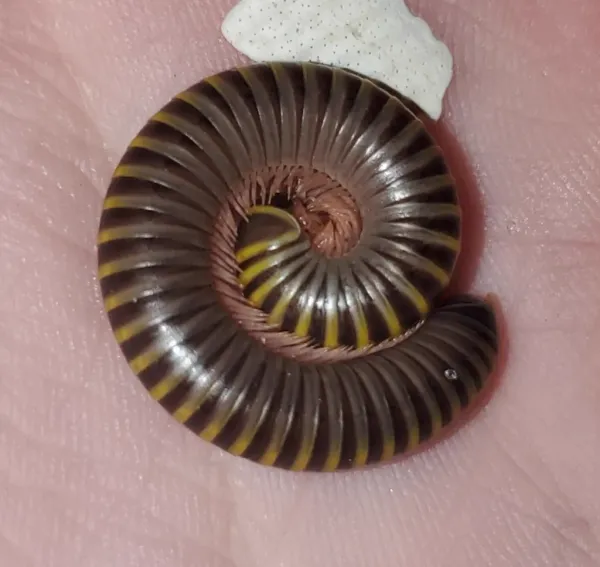
Yellow Banded Millipede Coloration
Common color patterns to help identify yellow banded millipede
Yellow Banded Millipede
Seasonal Activity
When yellow banded millipede are most active throughout the year
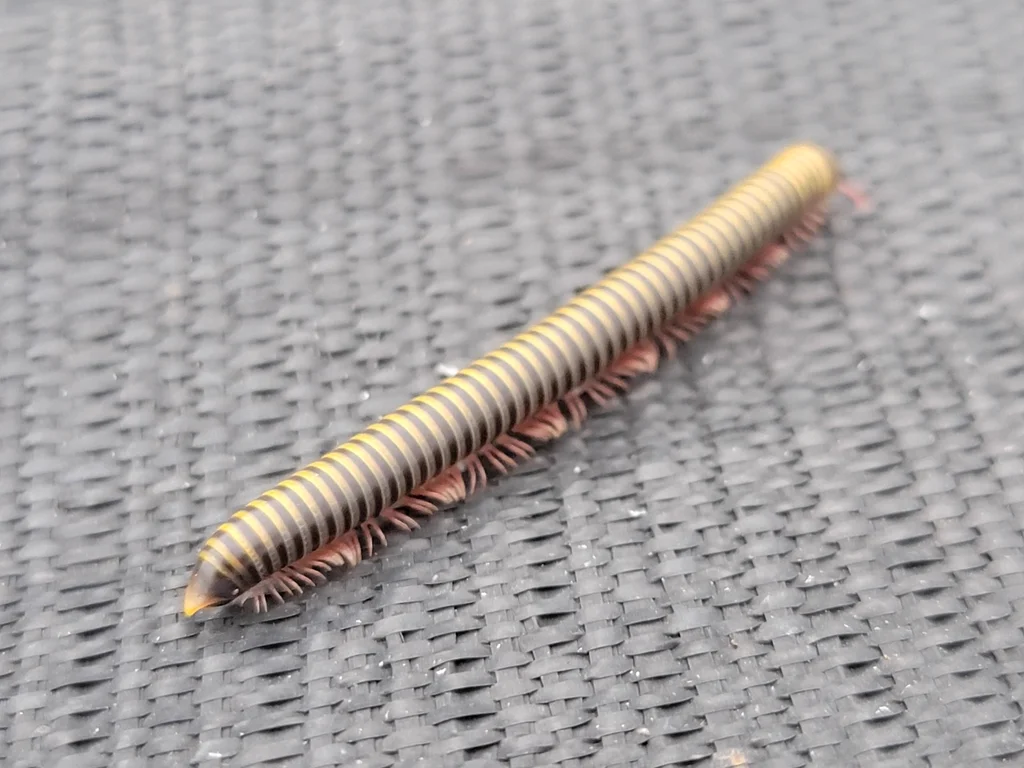
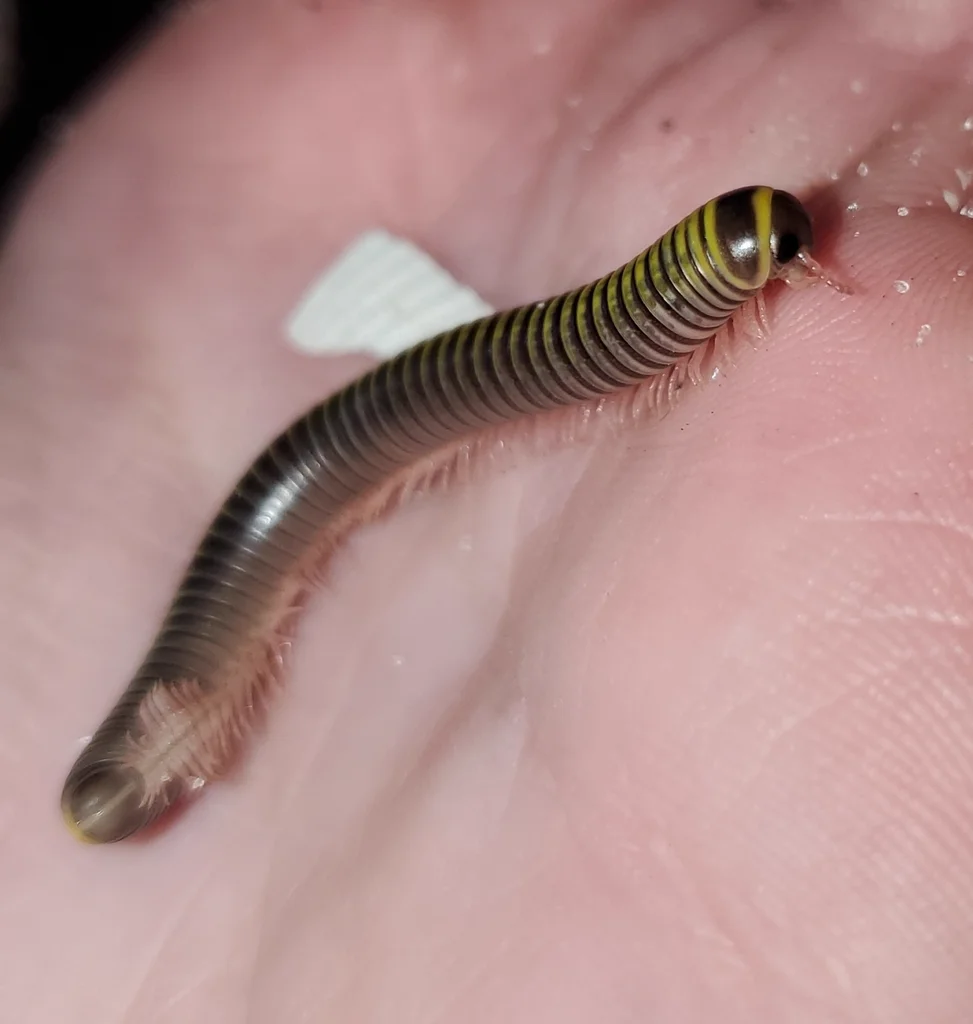
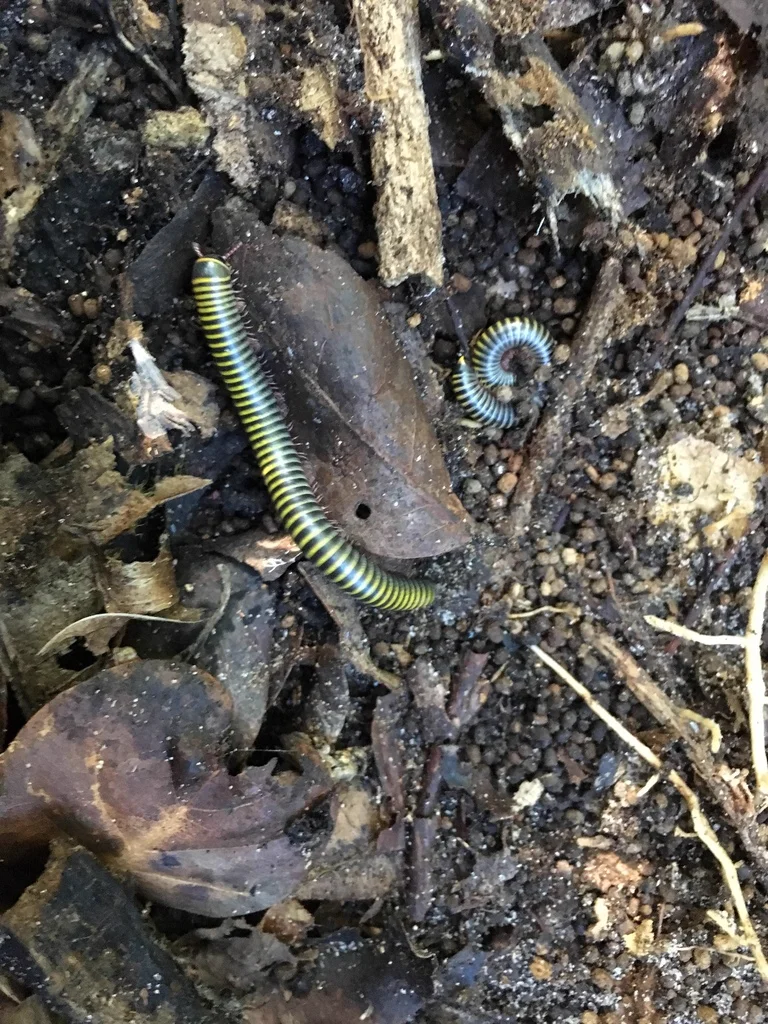

Where Yellow Banded Millipede Are Found
Hover over states to see their names. Green regions indicate where yellow banded millipede have been reported.
Yellow Banded Millipede Identification Guide
Physical Characteristics
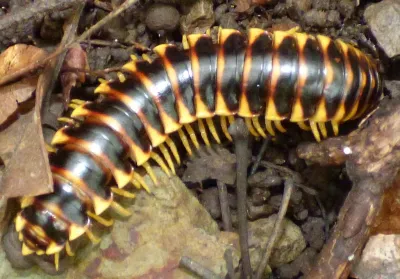
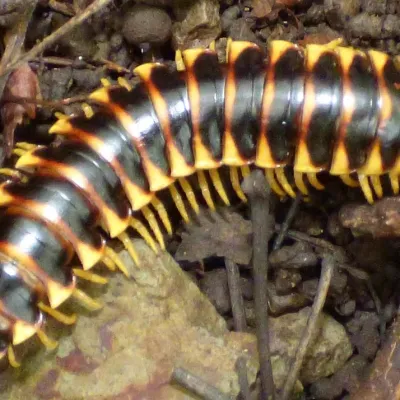
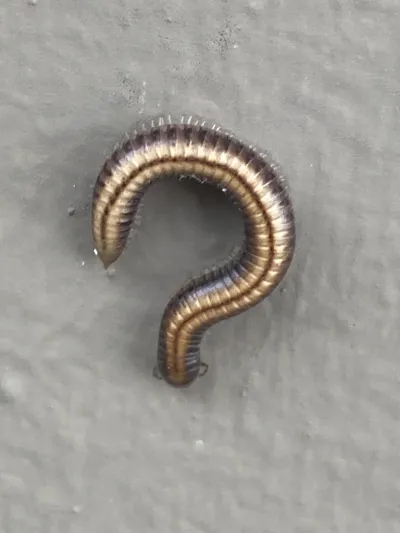
The yellow banded millipede (Anadenobolus monilicornis) is one of the most visually striking millipedes found in North America. Adults measure 25 to 70 millimeters long (about 1 to 2.75 inches) and have a cylindrical body with a hard exoskeleton. Their most distinctive feature is the bold pattern of black and yellow bands that wrap around each body segment, which gives them their common name “bumblebee millipede.”
The head is rounded with short antennae that are red or reddish-orange in color. Their legs are also red, creating a colorful contrast against the black and yellow body. Like all millipedes, they have two pairs of legs per body segment on most segments, which gives them a smooth, wave-like motion when walking. Despite the name “millipede” meaning “thousand feet,” yellow banded millipedes typically have around 100 legs.
The exoskeleton contains chitin, protein, and calcium carbonate, which makes it rigid and protective. Young millipedes hatch with fewer segments and legs, adding more with each molt as they grow.
Common Species
- Anadenobolus monilicornis (Yellow Banded Millipede, Bumblebee Millipede) - The primary species found in the southeastern United States. Native to the Caribbean.
Yellow Banded Millipede Behavior and Biology
Yellow banded millipedes are nocturnal creatures that spend most of their time in leaf litter, under logs, and within decomposing organic matter. During the day, they hide in dark, moist areas to avoid drying out. At night, they emerge to feed on decaying plant material.
Feeding Habits A related species, North American Millipedes, shares similar characteristics.
These millipedes are detritivores, meaning they eat dead and decaying organic matter. Their diet consists mainly of fallen leaves, rotting wood, and other decomposing plant material. As they eat, they help break down organic matter and return nutrients to the soil, making them beneficial members of the ecosystem. A related species, Black and Gold Flat Millipede, shares similar characteristics.
Yellow banded millipedes have bacteria and fungi in their digestive systems that help them process tough plant material. Young millipedes eat fecal pellets from adults, which provides them with the beneficial microorganisms needed for digestion. A related species, Bristly Millipedes, shares similar characteristics.
Defense Mechanisms A related species, Greenhouse Millipedes, shares similar characteristics.
When threatened, yellow banded millipedes curl into a tight spiral shape with their legs tucked inside. This protects their vulnerable underside from predators. They can also secrete a mild defensive chemical from glands along their body. While not harmful to humans, this secretion can irritate skin and eyes. A related species, Garden Millipede, shares similar characteristics.
An interesting behavior has been observed in birds and monkeys, which crush millipedes and rub the secretions on their feathers or fur. Scientists believe these secretions may have insect-repelling properties. A related species, Appalachian Mimic Millipedes, shares similar characteristics.
Reproduction and Lifecycle
Yellow banded millipedes mate face to face and may remain coupled for extended periods. After mating, females lay their eggs in a small nest within the soil or leaf litter and guard them until they hatch. The number of eggs varies depending on the female’s size and condition.
Young millipedes emerge with fewer body segments and legs than adults. They go through multiple molts as they grow, adding segments and legs each time. This slow growth process contributes to their relatively long lifespan of 3 to 7 years.
Habitat and Distribution
Native to the Caribbean islands including Jamaica, Puerto Rico, Trinidad, Barbados, and others, the yellow banded millipede was first discovered in Florida in 2001. Since then, it has spread throughout South Florida, with the highest concentrations in Broward, Miami-Dade, and Monroe counties.
The species thrives in humid, tropical environments and prefers areas with abundant leaf litter and decaying organic matter. In urban and suburban settings, they are often found under potted plants, bricks, debris piles, and in landscaping mulch. During heavy rain or seasonal migrations, they may enter homes and buildings in large numbers, though they die quickly indoors due to the lack of humidity.
Treatment Methods for Yellow Banded Millipedes
Yellow banded millipedes can become nuisance pests when they invade homes in large numbers. While they do not cause damage or pose health risks, their presence can be distressing for homeowners. The following methods can help control yellow banded millipede populations:
-
Moisture Control: Millipedes require high humidity to survive. Reduce moisture around your home’s foundation by fixing leaky pipes, improving drainage, ensuring gutters direct water away from the house, and using dehumidifiers in damp basements or crawl spaces.
-
Habitat Modification: Remove leaf litter, grass clippings, mulch, and other organic debris from around your foundation. Keep a plant-free zone of at least 12 to 18 inches around the base of your home. Move firewood, compost piles, and potted plants away from entry points.
-
Exclusion: Seal cracks and gaps in your foundation, around doors and windows, and where utility pipes enter the home. Install door sweeps and weather stripping to close gaps under doors. Repair or replace damaged window screens.
-
Perimeter Treatments: For persistent problems, granular insecticide applications around the foundation and in mulch beds can create a barrier that reduces millipede populations before they reach your home.
-
Indoor Control: Millipedes that enter homes typically die within a day or two due to lack of moisture. Vacuuming is usually sufficient for removing them. For larger invasions, treating baseboards and entry points with residual insecticides can help.
References
Other Millipedes
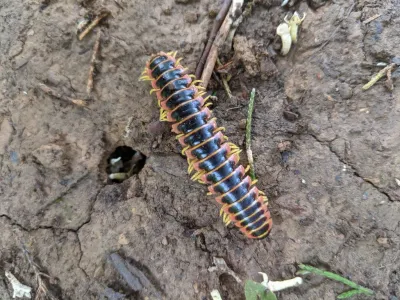
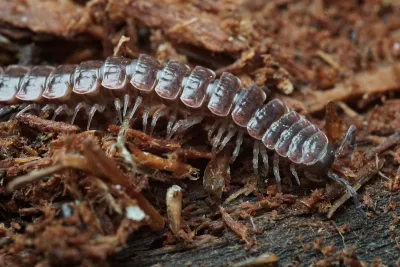
Explore other species in the millipedes family
Commonly Confused With
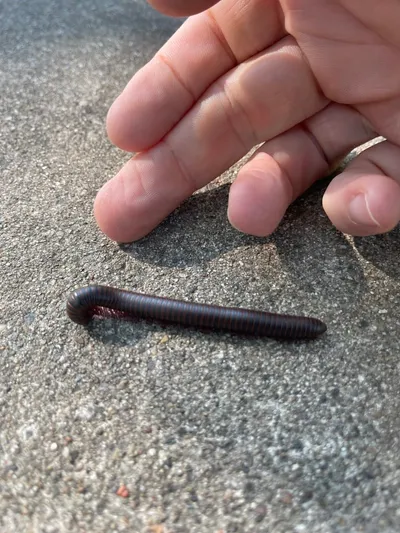
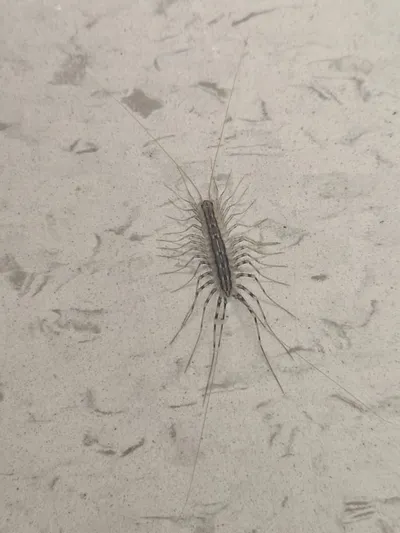
Yellow Banded Millipede are often mistaken for these similar pests
Where Yellow Banded Millipede Are Found
Hover over states to see their names. Green regions indicate where yellow banded millipede have been reported.
Common Questions about Yellow Banded Millipede
Are yellow banded millipedes dangerous?
+
Yellow banded millipedes are not dangerous to humans. They cannot bite or sting. When threatened, they may secrete a mild defensive fluid that can irritate skin or eyes if touched. Wash your hands after handling them and avoid touching your face.
Why are yellow banded millipedes in my house?
+
Yellow banded millipedes enter homes seeking moisture or escaping unfavorable outdoor conditions like heavy rain or drought. They often come inside after storms or during seasonal migrations. They cannot survive long indoors due to low humidity levels.
Where did yellow banded millipedes come from?
+
Yellow banded millipedes are native to the Caribbean, including islands like Jamaica, Puerto Rico, and Trinidad. They were first discovered in Florida in 2001 and have since spread throughout the southeastern United States.
How do I get rid of yellow banded millipedes?
+
Reduce moisture around your home by fixing leaks and improving drainage. Remove leaf litter, mulch, and debris from the foundation. Seal cracks and gaps in doors, windows, and foundations. For large infestations, perimeter treatments with granular insecticides can help reduce populations.
Do yellow banded millipedes bite?
+
No, yellow banded millipedes do not bite. They lack the mouthparts needed to bite humans. Their defense mechanism involves curling into a tight spiral and secreting a mild chemical from their body that deters predators.
What do yellow banded millipedes eat?
+
Yellow banded millipedes are detritivores that feed on decaying plant material like dead leaves, rotting wood, and decomposing organic matter. They play an important role in breaking down plant debris and returning nutrients to the soil.
How long do yellow banded millipedes live?
+
Yellow banded millipedes have a lifespan of 3 to 5 years, with some individuals living up to 7 years in ideal conditions. They grow slowly and molt multiple times throughout their lives, adding more body segments with each molt.

With five years of hands-on experience in the pest control industry, George Schulz is a registered technician with the Virginia Pest Management Association and a proud third-generation professional in a family business that's been protecting homes for over 57 years. He manages and trains a team of service pros while also leading internal research efforts—recently spearheading a deep-dive review of thousands of documents on pest control materials to hand-pick the most kid and pet friendly, most effective solutions tailored specifically for homes in the DC metro area.