Greenhouse Millipedes Identification Guide
Oxidus gracilis
Greenhouse millipedes are small, dark bugs found in damp places like greenhouses, gardens, and mulch. They come into homes when it gets too wet or too dry outside.
Taxonomy
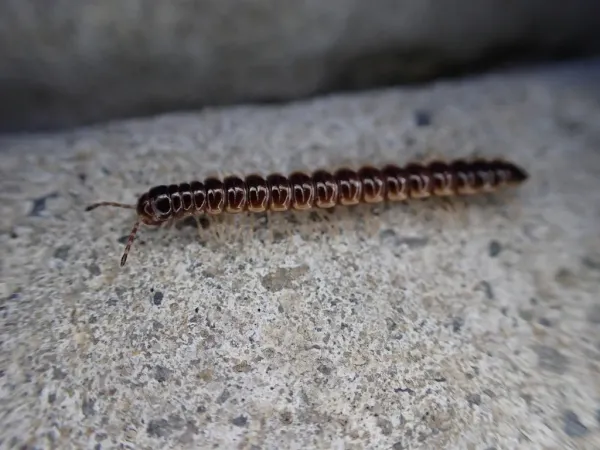
Greenhouse Millipedes Coloration
Common color patterns to help identify greenhouse millipedes
Greenhouse Millipedes
Seasonal Activity
When greenhouse millipedes are most active throughout the year

Where Greenhouse Millipedes Are Found
Hover over states to see their names. Green regions indicate where greenhouse millipedes have been reported.
Greenhouse Millipede Identification Guide
Physical Characteristics
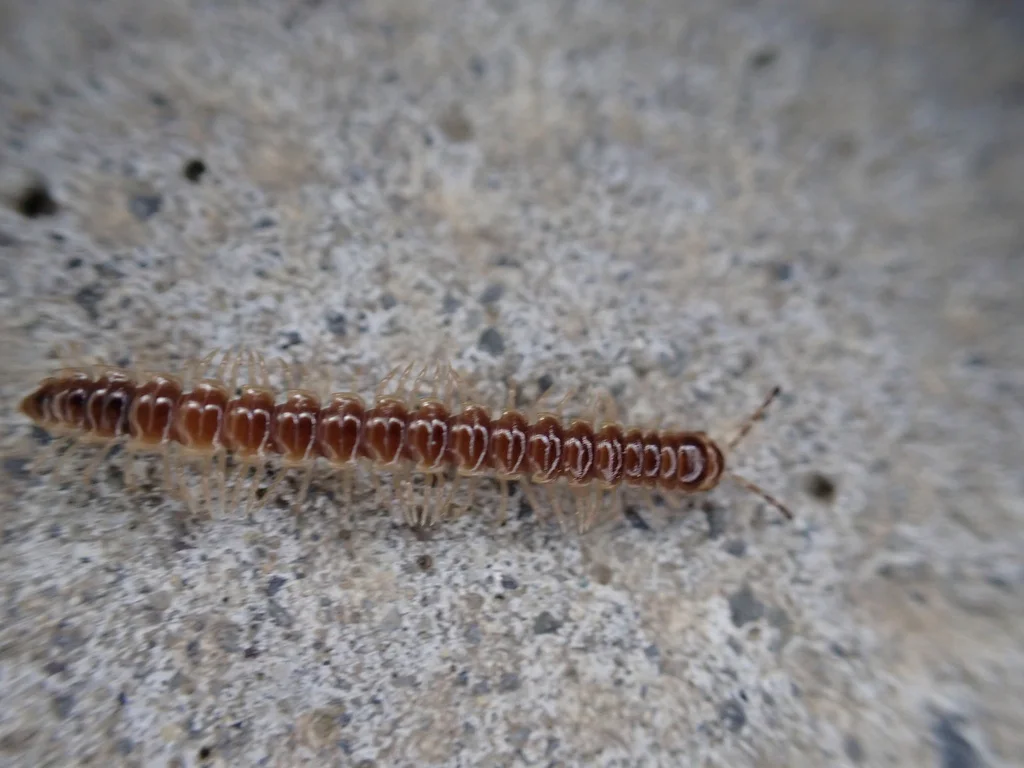
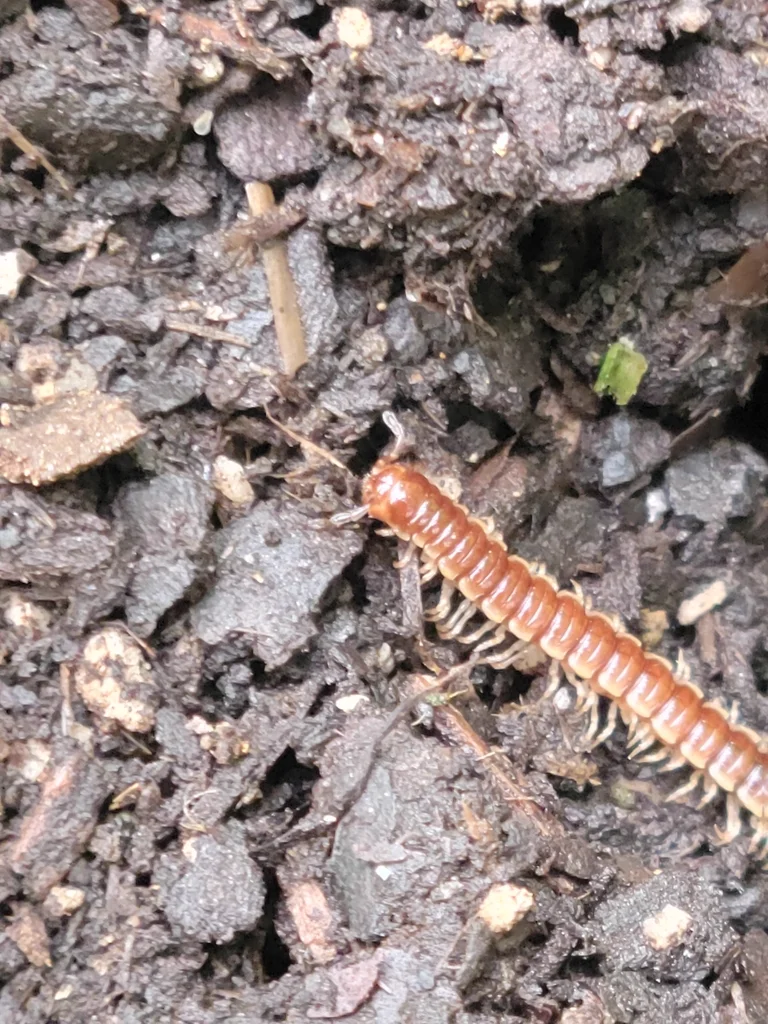
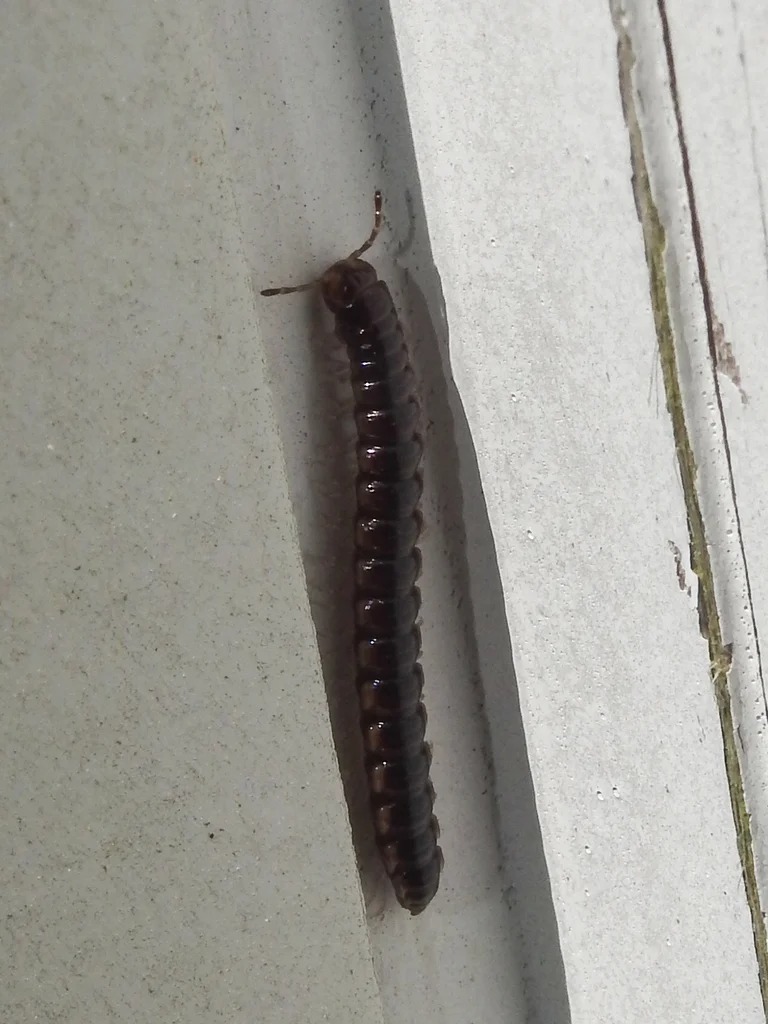
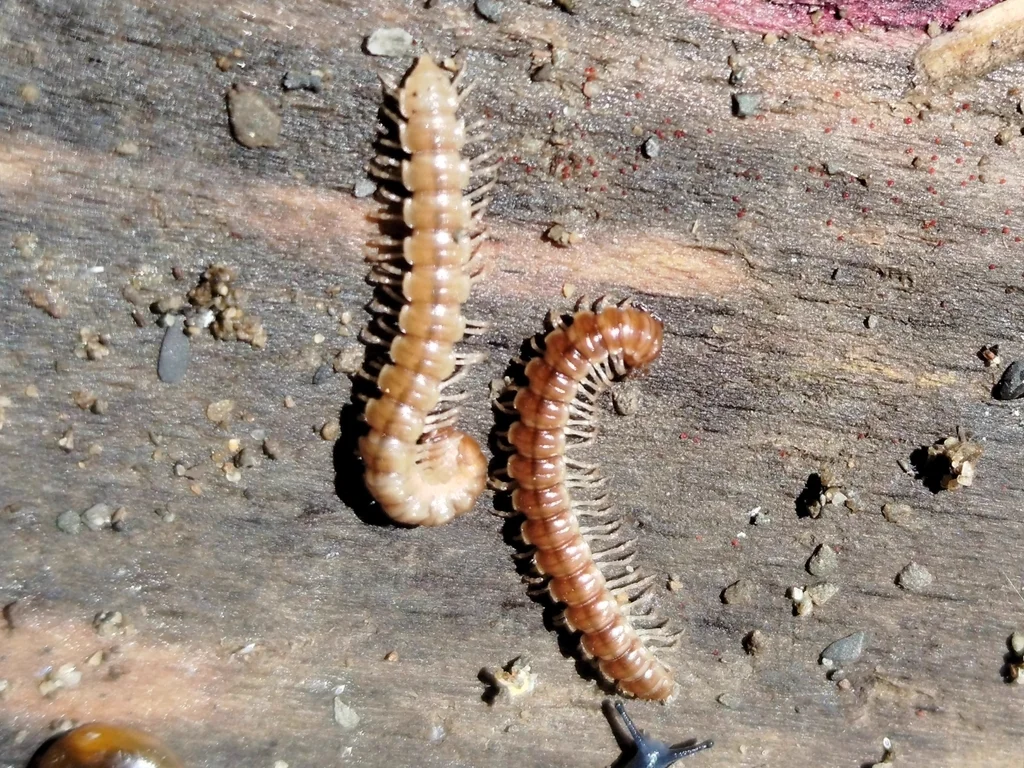
Greenhouse millipedes (Oxidus gracilis) are small millipedes about 3/4 to 1 inch long. Their bodies are dark brown to black with cream-colored legs. They have a flat back shape, unlike the round bodies of common millipedes. Side extensions called paranota give them their flattened look.
Adult greenhouse millipedes have about 60 legs. Each body segment has two pairs of legs. They have around 20 body segments total. These millipedes have no eyes. They use their antennae to find their way around.
Common Names
The greenhouse millipede goes by several common names:
- Hothouse millipede - often found in heated greenhouses
- Garden millipede - common in garden beds and compost
- Flat-backed millipede - named for their flat body shape
- Short-flange millipede - another name based on their side extensions
How to Tell Greenhouse Millipedes Apart from Similar Pests
Greenhouse millipedes look like other many-legged bugs:
-
Common millipedes: Native millipedes are bigger (1-4 inches) with round bodies. Greenhouse millipedes are smaller with flat backs and cream legs.
-
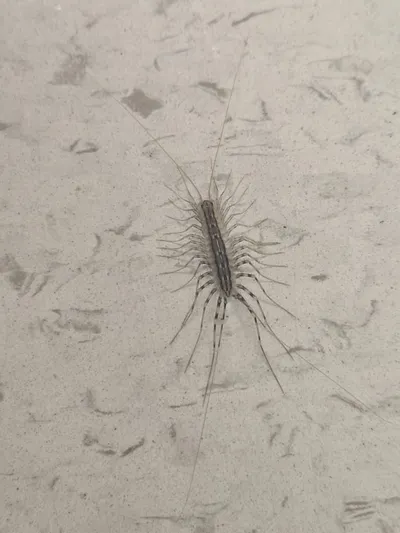
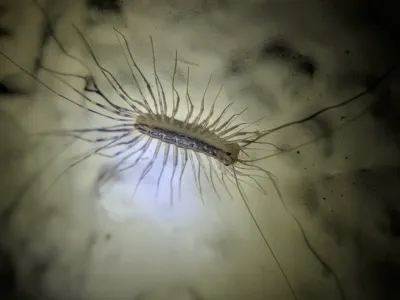
House centipedes: Centipedes have one pair of very long legs per segment and move fast. Greenhouse millipedes move slowly with two short leg pairs per segment.
-
Centipedes: Centipedes have one leg pair per segment and hunt other bugs. Millipedes have two pairs per segment and eat dead plants.
Greenhouse Millipede Behavior and Biology
Where They Come From
Greenhouse millipedes come from Japan and East Asia. They spread to North America and Europe in gardening soil and plant shipments. Now they live throughout the United States. They do well in warm and cool areas wherever they find moist places to live. A related species, North American Millipedes, shares similar characteristics.
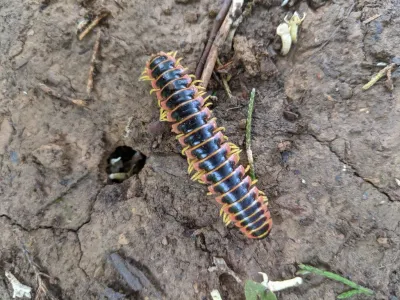
Where They Live A related species, Black and Gold Flat Millipede, shares similar characteristics.
Greenhouse millipedes need cool, dark, damp places with rotting plant matter. You can find them in:
- Greenhouses and nurseries
- Compost piles and leaf litter
- Mulch beds, especially wood mulch
- Under rocks, logs, and landscape timbers
- Damp soil in gardens and flower beds
- Basements and crawl spaces with moisture problems
These millipedes also scrape minerals off concrete, sidewalks, and rocks. When they find moisture, rotting plants, and concrete together, their numbers can grow very high.
What They Eat
Greenhouse millipedes eat dead and rotting material:
- Dead leaves and plant matter
- Fungi and mold
- Rotting wood and bark
- Decaying matter in soil
They usually do not harm living plants. But when things get dry, they may eat plant roots or soft seedling stems for moisture. This damage happens most often in greenhouses where young plants grow slowly in cool weather.
Life Cycle
Females lay 40 to 50 eggs in cool, dark, damp soil. The eggs take 6 to 8 weeks to hatch. Baby millipedes start with only 6 legs. They add more body parts and legs each time they shed their skin. They become adults at about 6 to 7 months old.
Adult greenhouse millipedes live a long time for small bugs. Most live 4 to 7 years. Their long life and ability to lay many eggs help them spread to new areas.
How They Defend Themselves
When scared, greenhouse millipedes release a smelly liquid from glands on their body. This liquid contains small amounts of hydrogen cyanide. The amount is too small to hurt people, but it smells like almonds and may irritate skin. This defense keeps away predators like ants and beetle larvae.
How We Treat for Greenhouse Millipedes
Our treatment targets both the current problem and the conditions that draw these pests to your home.
Inside Your Home
Our technician checks your home for millipedes. We focus on basements, crawl spaces, utility rooms, and damp areas. We look for:
- Live millipedes and where they get in
- Cracks, gaps, and other entry points
- Signs of moisture problems
- Conditions that help millipedes survive
We apply insecticide along baseboards, cracks, and areas where millipedes are active. This creates a barrier that keeps millipedes out of your living space.
Outside Your Home
We check around your foundation, looking at mulch, landscaping, and other damp spots. For bigger problems, we apply granular insecticide around your foundation and mulch beds. This kills millipedes where they live before they come inside.
Fixing the Conditions That Attract Them
Long-term control means changing what draws millipedes to your home. We help you with:
- Drainage: Fix standing water and make sure water flows away from your foundation
- Humidity: Use dehumidifiers and better ventilation in basements
- Debris: Clear leaves, extra mulch, and rotting plant matter from around your foundation
- Mulch: Replace wood mulch near the house with gravel
- Sealing entry points: Close cracks in your foundation and gaps around doors and windows
Ongoing Prevention
Our tri-annual pest control plan includes three visits per year. We check for millipede activity, reapply treatments when needed, and make sure conditions stay bad for millipedes. This plan also covers other pests that like the same damp conditions.
References
Other Millipedes
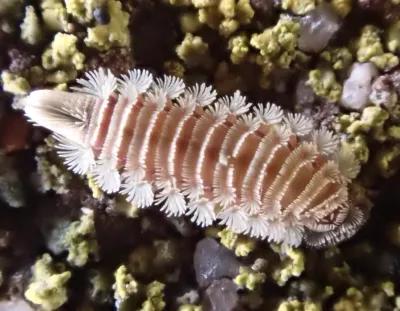
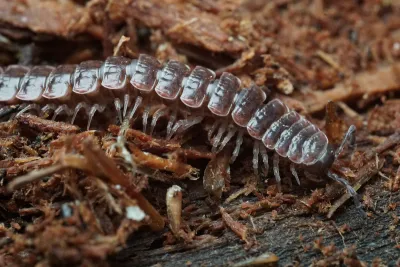
Explore other species in the millipedes family
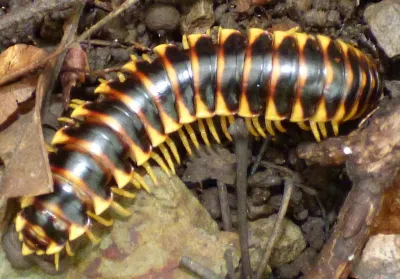
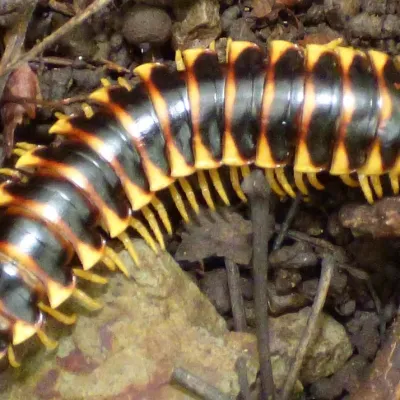
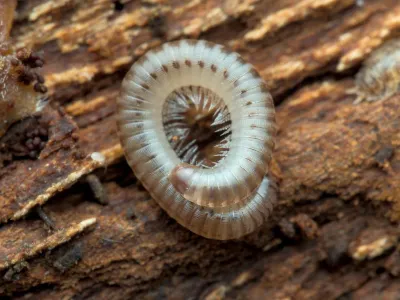
Commonly Confused With
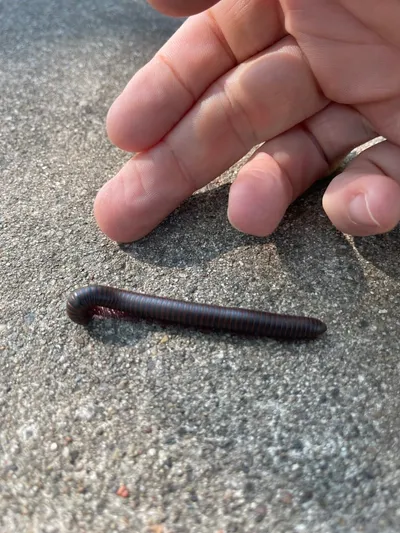
Greenhouse Millipedes are often mistaken for these similar pests
Where Greenhouse Millipedes Are Found
Hover over states to see their names. Green regions indicate where greenhouse millipedes have been reported.
Common Questions about Greenhouse Millipedes
Are greenhouse millipedes harmful to humans?
+
No, greenhouse millipedes do not bite or sting. But when scared, they release a smelly liquid that can irritate skin. Wash your hands after touching them. Do not touch your eyes or face.
Why are greenhouse millipedes in my house?
+
These millipedes come inside when it gets too wet or too dry outside. Heavy rain floods their homes. Hot dry weather makes them look for water indoors. They get in through cracks, gaps under doors, and basement openings.
Do greenhouse millipedes damage plants?
+
They mostly eat dead plants and rarely hurt living ones. But when soil gets very dry, they may eat plant roots or soft stems for water. This happens most in greenhouses with young plants.
How do I prevent greenhouse millipedes from entering my home?
+
Cut down on moisture near your foundation. Fix drainage and clear away mulch, leaves, and debris. Seal cracks and gaps in your foundation and around doors. Use gravel instead of wood mulch near the house.
How long do greenhouse millipedes live?
+
They live 4 to 7 years, which is long for small bugs. Females lay 40 to 50 eggs at a time. Young millipedes take about 6 to 7 months to grow up.
Will greenhouse millipedes die on their own inside my house?
+
Yes, they need moisture to live. In dry homes, they usually die in a few days. But they may last longer in damp basements or bathrooms.
What is the smell when I crush a millipede?
+
The almond-like smell comes from a chemical they release from their body. The amount is too small to hurt you, but it can stain and smell bad. Try vacuuming them instead of crushing them.

With five years of hands-on experience in the pest control industry, George Schulz is a registered technician with the Virginia Pest Management Association and a proud third-generation professional in a family business that's been protecting homes for over 57 years. He manages and trains a team of service pros while also leading internal research efforts—recently spearheading a deep-dive review of thousands of documents on pest control materials to hand-pick the most kid and pet friendly, most effective solutions tailored specifically for homes in the DC metro area.