Flat-Backed Millipedes Identification Guide
Polydesmida
Flat-backed millipedes are slow-moving bugs with flat, ribbed body segments. They live in damp places and sometimes come inside during heavy rain or dry spells.
Taxonomy
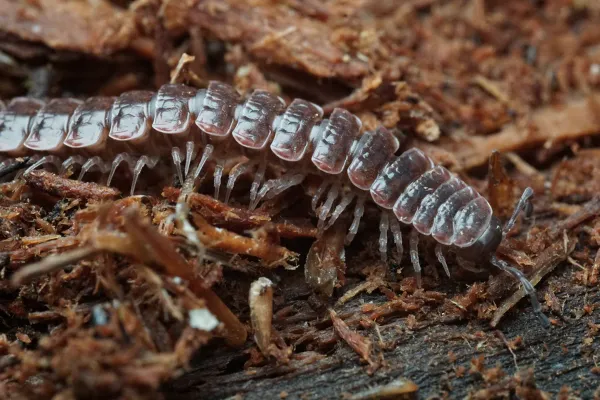
Flat-Backed Millipedes Coloration
Common color patterns to help identify flat-backed millipedes
Flat-Backed Millipedes
Seasonal Activity
When flat-backed millipedes are most active throughout the year
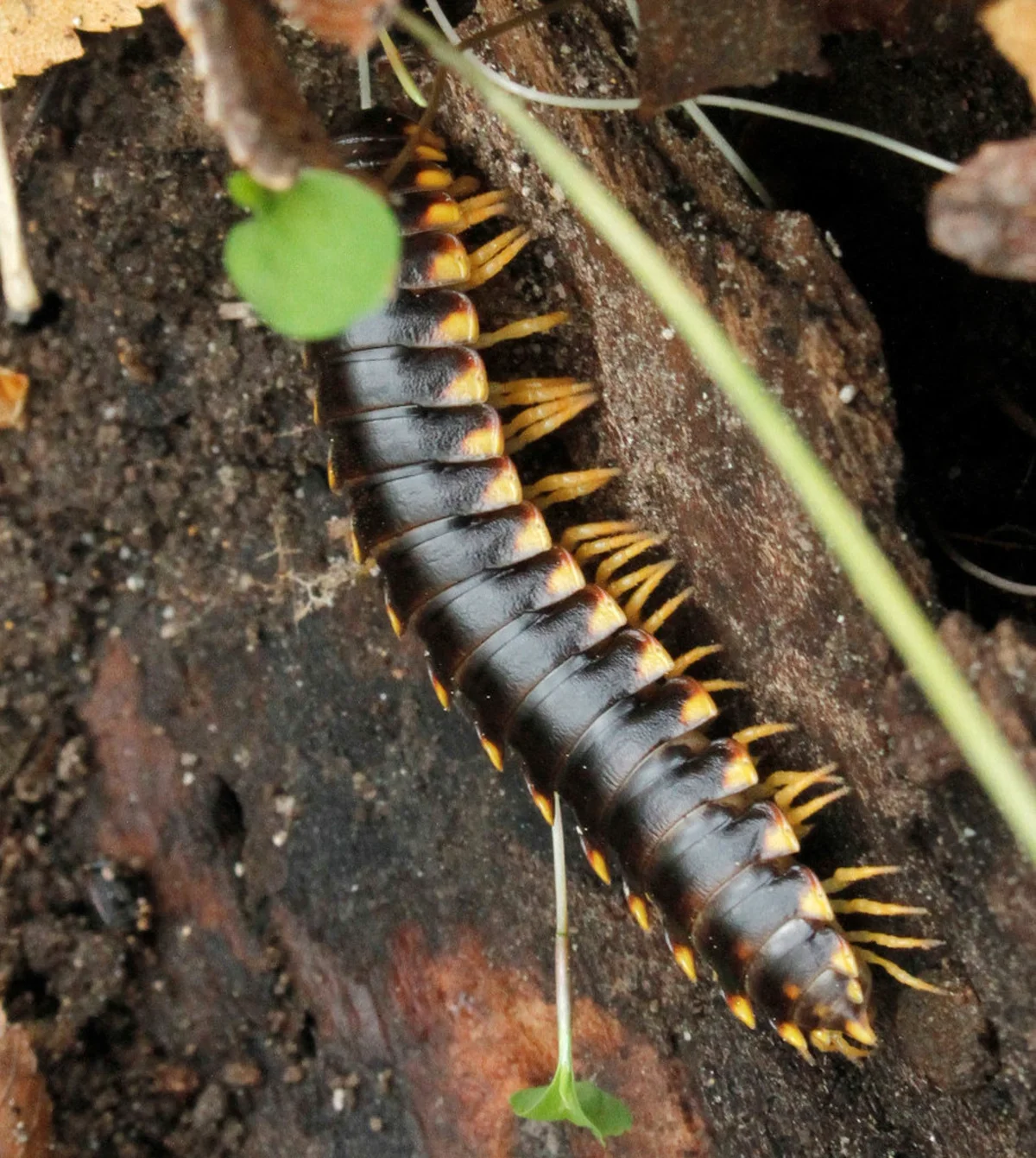
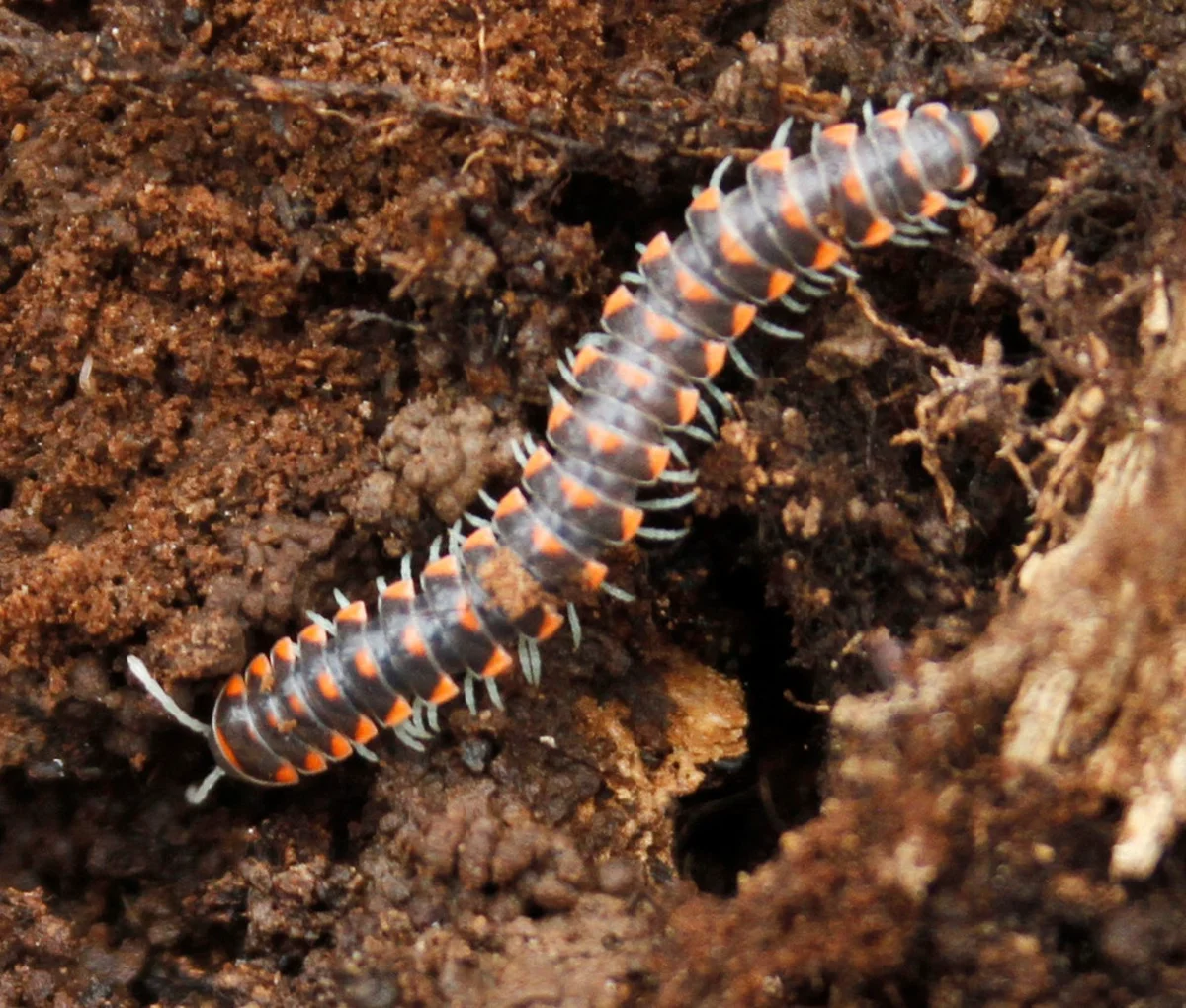
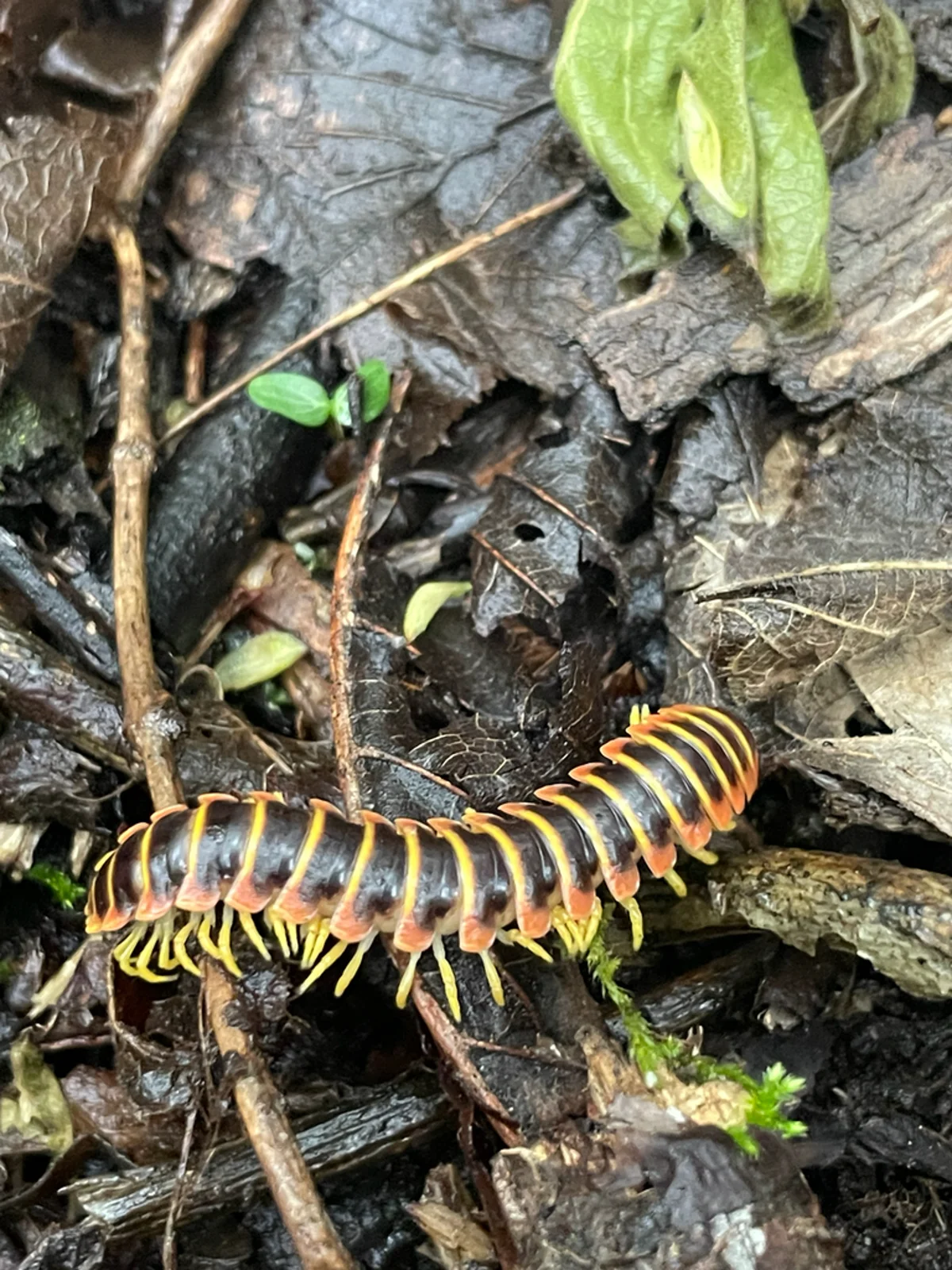

Where Flat-Backed Millipedes Are Found
Hover over states to see their names. Green regions indicate where flat-backed millipedes have been reported.
Flat-Backed Millipede Identification Guide
Physical Characteristics
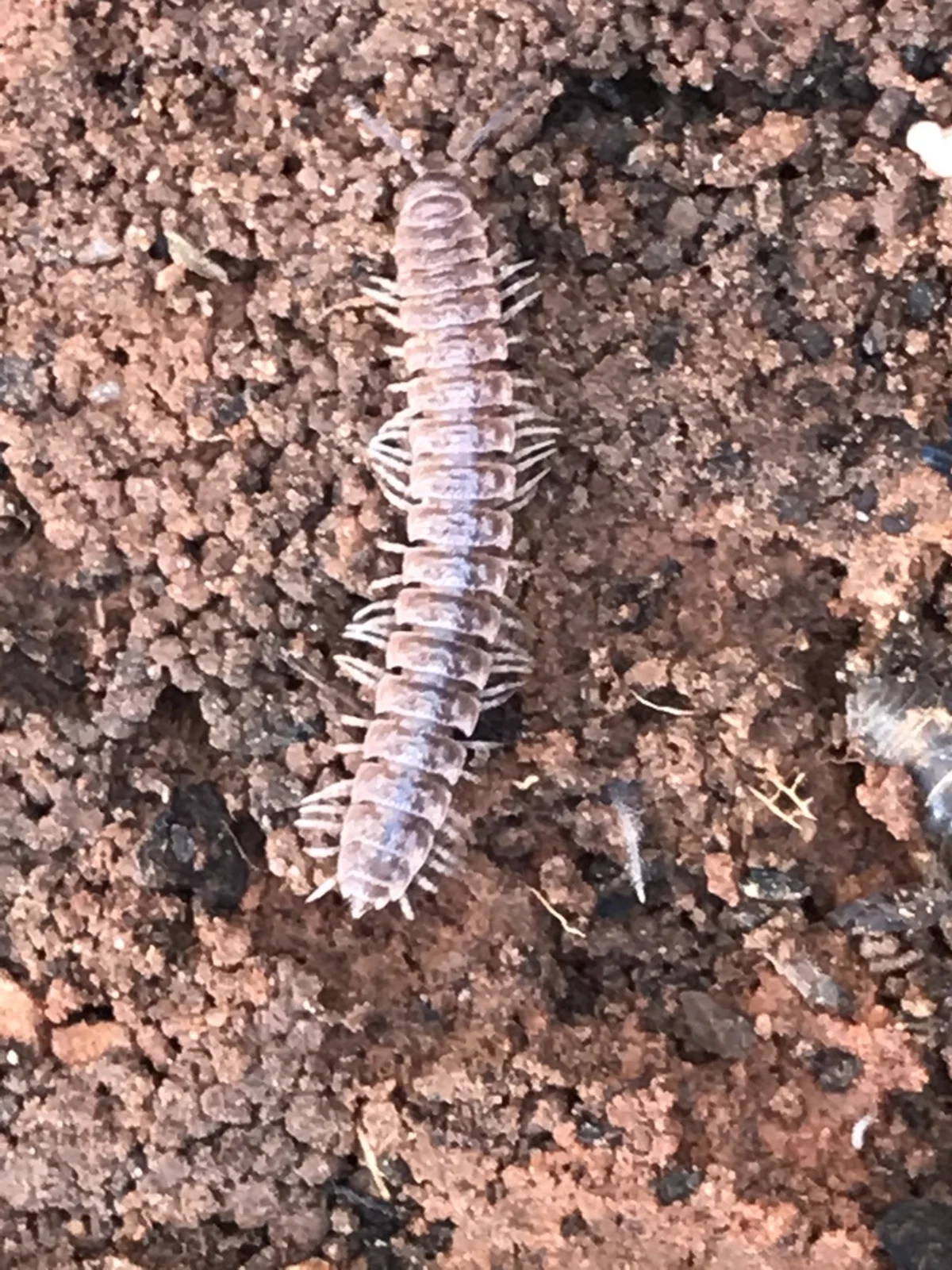
Flat-backed millipedes belong to the order Polydesmida. This is the largest group of millipedes, with over 5,000 species worldwide. Their most notable feature is the flat, wing-like extensions on each body segment. These extensions, called paranota, give them a keeled or ribbed look. This sets them apart from common garden millipedes, which have round, tube-shaped bodies.
Adult flat-backed millipedes usually have 18 to 22 body segments and about 31 pairs of legs. They range in size from just 3 mm to over 130 mm, depending on the species. Colors vary widely. You may see dark brown, black, tan, gray, or bright yellow, orange, and reddish-brown patterns. Many species in the Appalachian region show bright warning colors. These colors tell predators they can release harmful chemicals.
Common Species in North America
Several flat-backed millipede species are common in homes and gardens across North America:
-
Oxidus gracilis (Greenhouse Millipede): A small, dark brown species from Asia. It is now widespread in greenhouses, gardens, and around homes. This is the most common flat-backed millipede found invading buildings.
-
Polydesmus angustus (Common Flat-backed Millipede): A European species now found in North America. It lives in leaf litter and under stones.
-
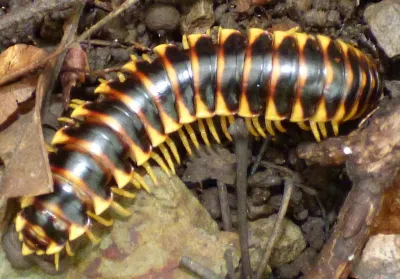
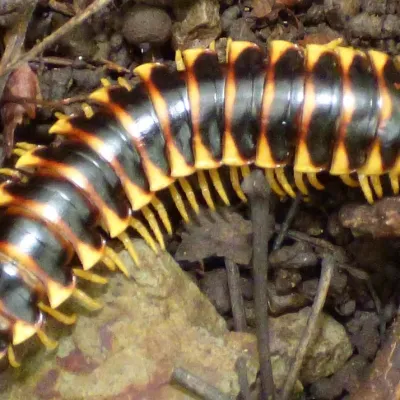
Apheloria species (Colorful Flat-backed Millipedes, also called cherry millipedes): Native to eastern North America. These millipedes have striking yellow and black bands. They are common in forests with deciduous trees.
-
Nannaria species (Appalachian Flat-backed Millipedes): A diverse group found mainly in the Appalachian region. They come in various color patterns.
Telling Flat-Backed Millipedes Apart from Similar Pests
Flat-backed millipedes are often confused with other many-legged bugs:
-
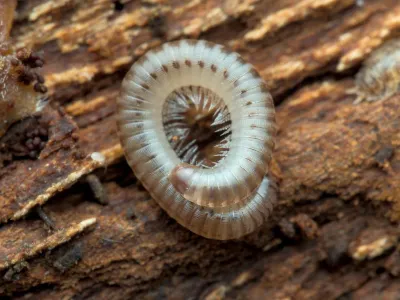
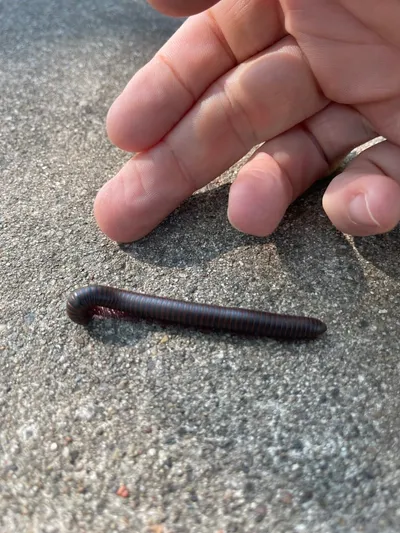
Regular Millipedes: Common millipedes have round, tube-shaped bodies without flat side extensions. They are often larger and curl into a tight ball when scared.
-
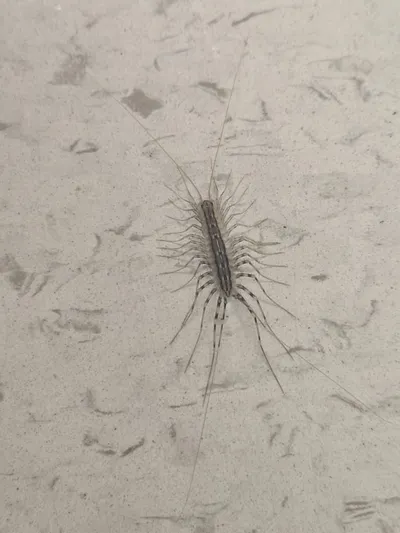
Centipedes: Centipedes have flat bodies but only one pair of legs per segment. Millipedes have two pairs per segment. Centipedes are fast-moving hunters, while millipedes move slowly and eat rotting plants.
Flat-Backed Millipede Behavior and Biology
Where They Live A related species, North American Millipedes, shares similar characteristics.
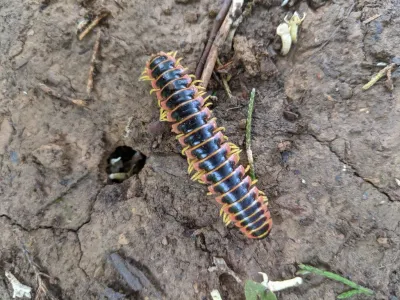
Flat-backed millipedes are found worldwide except in Antarctica. They do best in moist, dark places where rotting plant matter is plentiful. Common spots include leaf litter on forest floors, under logs and stones, in mulch beds, compost piles, and the soil beneath potted plants. A related species, Black and Gold Flat Millipede, shares similar characteristics.
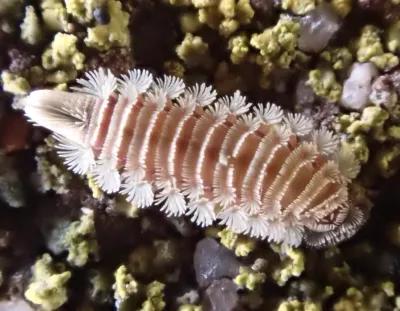
These millipedes are most active at night when moisture levels are higher. During the day, they hide in damp, protected spots to keep from drying out. They cannot survive long in dry conditions. A related species, Bristly Millipedes, shares similar characteristics.
What They Eat
Flat-backed millipedes are detritivores. This means they eat dead and rotting materials. They play a key role in breaking down organic matter. They consume:
- Dead leaves and plant debris
- Rotting wood and bark
- Fungi and mold
- Rotting fruit and vegetables
- Other decaying organic matter
They do not eat living plants and do not damage gardens, lawns, or buildings.
Life Cycle
Flat-backed millipedes go through a growth process called teloanamorphosis. They hatch from eggs with only 7 body segments and 3 pairs of legs. They then add segments through seven molts until they reach adult form. The stages progress from 7 segments to 9, 12, 15, 17, 18, 19, and finally 20 segments.
Once mature, adults reproduce and then die without molting again. The full life cycle from egg to adult takes several months to over a year, depending on conditions.
Defense Behaviors
Many flat-backed millipedes make chemicals to defend themselves when threatened. While millipedes are not poisonous to humans, species in the order Polydesmida are the only millipedes known to make hydrogen cyanide (HCN). When disturbed, they release these chemicals through small pores on their sides. The fluid can cause mild skin irritation and has a distinct almond-like smell.
Some species curl into a loose coil to protect their soft underside. However, they do not form the tight ball that round millipedes make. Their bright warning colors signal to predators that they can release harmful chemicals.
How We Treat for Flat-Backed Millipedes
Our flat-backed millipede treatment targets both the current problem and the conditions that attract these pests.
Interior Inspection and Treatment
Our technician inspects the inside of your home. We focus on areas where millipedes have been seen or are likely to hide. This includes basements, crawl spaces, and damp areas. We look for:
- Active millipedes and entry points
- Cracks and gaps in foundation walls
- Signs of moisture problems
We apply an insecticide to baseboards and other areas where millipedes are active. This creates a barrier that keeps them from spreading through the home.
Exterior Perimeter Treatment
The exterior inspection focuses on the foundation, perimeter, and areas with mulch or landscaping. For severe or ongoing problems, we apply a granular insecticide to the exterior perimeter and mulch beds. This targets flat-backed millipedes at their source before they get inside.
Moisture Control Tips
Flat-backed millipedes need moisture to survive. We give tips to make your property less appealing to them:
- Fix drainage issues and direct water away from the foundation
- Keep gutters and downspouts clear of debris
- Lower humidity in basements and crawl spaces with dehumidifiers or better ventilation
- Keep a 6 to 12 inch gap between mulch and foundation walls
- Remove leaf litter, debris, and excess mulch from around the foundation
Keeping Them Out
Blocking entry points is key for long-term control:
- Seal cracks and openings in foundation walls with caulk or foam
- Install door sweeps on exterior doors
- Seal gaps around basement windows and utility openings
- Apply caulk along door thresholds
Ongoing Prevention
Our triannual pest control plan (three visits per year) provides regular follow-ups to monitor activity, reapply treatments as needed, and keep flat-backed millipedes out. If millipedes return between scheduled visits, we will retreat at no extra cost.
References
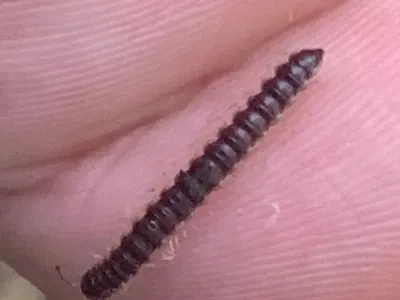
Other Millipedes
Explore other species in the millipedes family
Commonly Confused With
Flat-Backed Millipedes are often mistaken for these similar pests
Where Flat-Backed Millipedes Are Found
Hover over states to see their names. Green regions indicate where flat-backed millipedes have been reported.
Common Questions about Flat-Backed Millipedes
Are flat-backed millipedes dangerous?
+
No, flat-backed millipedes are not dangerous to people. They do not bite or sting. Some species release chemicals when scared, which may cause mild skin irritation or a bad smell. Wash your hands after touching them.
Why do flat-backed millipedes come inside my home?
+
They come inside during heavy rain or dry spells. Too much moisture outside drives them to find shelter. Dry conditions push them to look for damper spots. They get in through foundation cracks, door gaps, and basement windows.
What do flat-backed millipedes eat?
+
They eat dead and rotting plant matter like dead leaves, rotting wood, fungi, and decaying plants. They help break down organic matter and recycle nutrients in soil.
How can I prevent flat-backed millipedes from getting inside?
+
Lower moisture near your foundation by fixing drainage and leaky gutters. Clear leaf litter, mulch, and debris away from foundation walls. Seal cracks in the foundation and add door sweeps to exterior doors.
Will flat-backed millipedes damage my home or garden?
+
No, they do not damage homes or harm living plants. They only eat dead and rotting materials. Indoors, they die quickly without moisture and food.
How do I tell flat-backed millipedes from regular millipedes?
+
Flat-backed millipedes have flat body segments with side extensions that give them a ribbed look. Regular millipedes have round, tube-shaped bodies without these flat projections.
Do flat-backed millipedes reproduce indoors?
+
They rarely breed indoors. They need specific soil and moisture to lay eggs. Those found inside are usually visitors from outdoor populations.

With five years of hands-on experience in the pest control industry, George Schulz is a registered technician with the Virginia Pest Management Association and a proud third-generation professional in a family business that's been protecting homes for over 57 years. He manages and trains a team of service pros while also leading internal research efforts—recently spearheading a deep-dive review of thousands of documents on pest control materials to hand-pick the most kid and pet friendly, most effective solutions tailored specifically for homes in the DC metro area.