Cherry Millipedes Identification Guide
Xystodesmidae
Cherry millipedes are colorful, slow-moving arthropods found in eastern North American forests. They are named for the sweet, almond-like scent they produce as a chemical defense.
Taxonomy
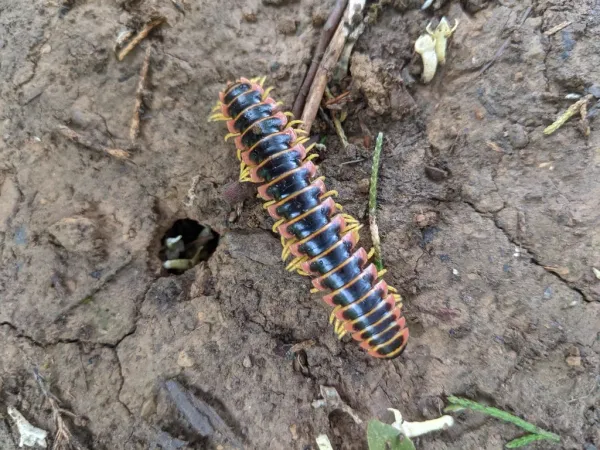
Cherry Millipedes Coloration
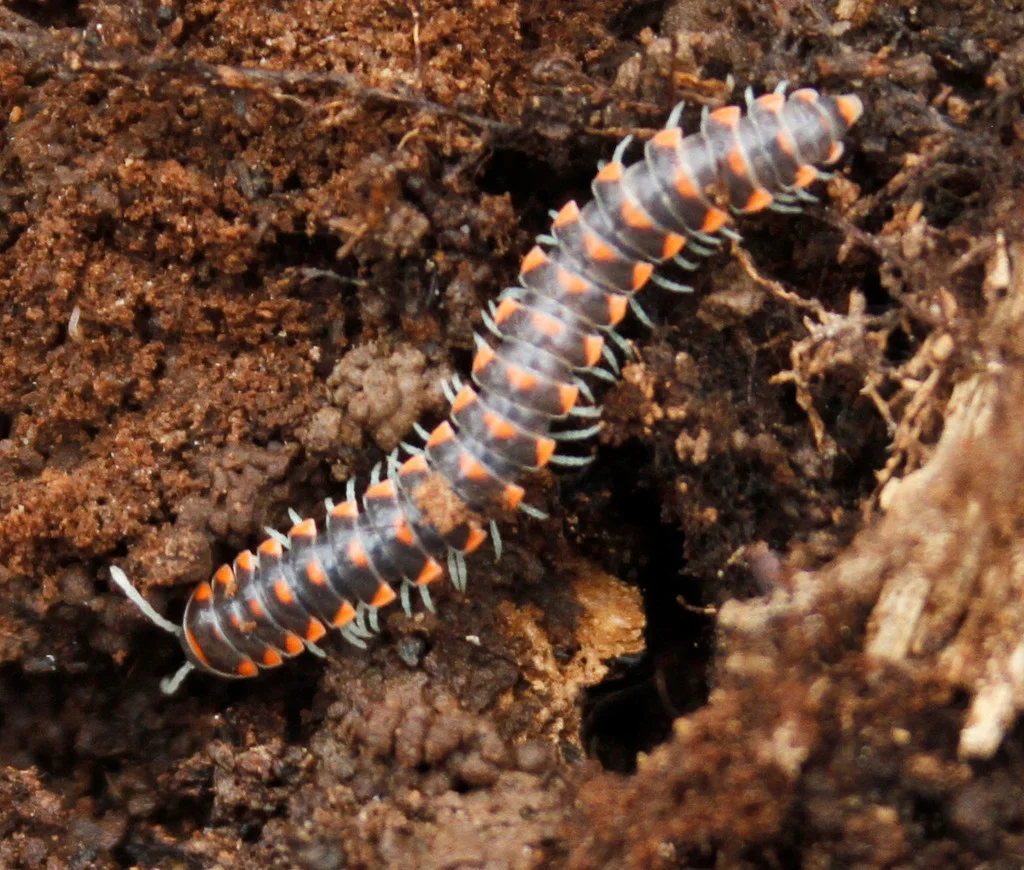
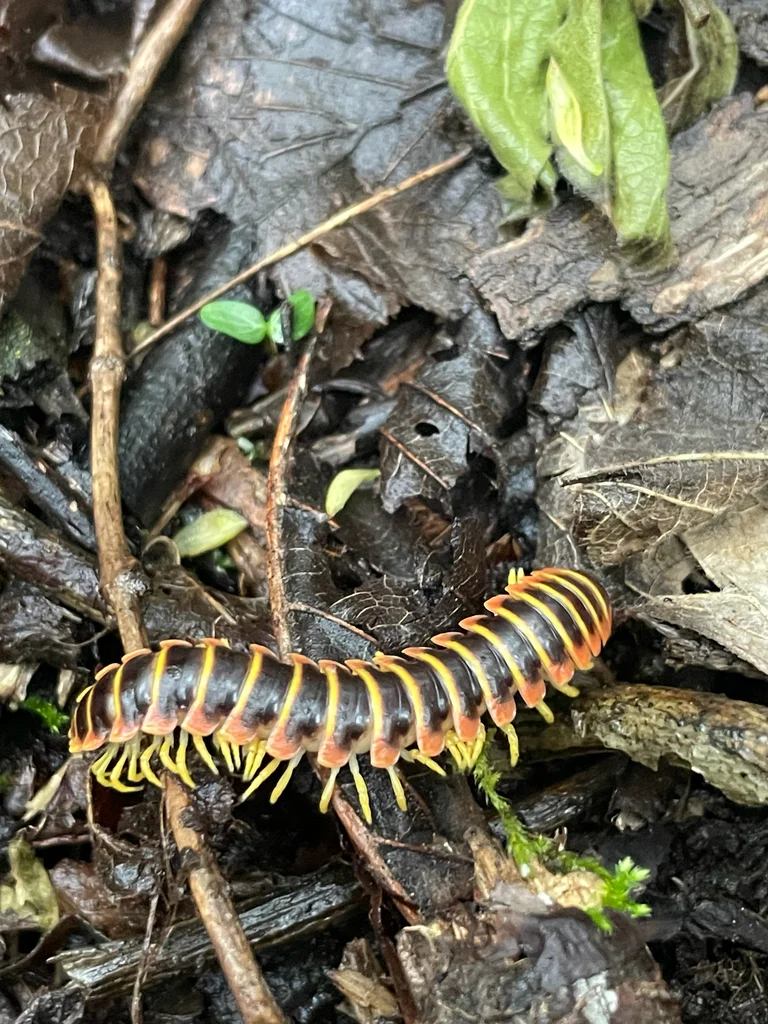
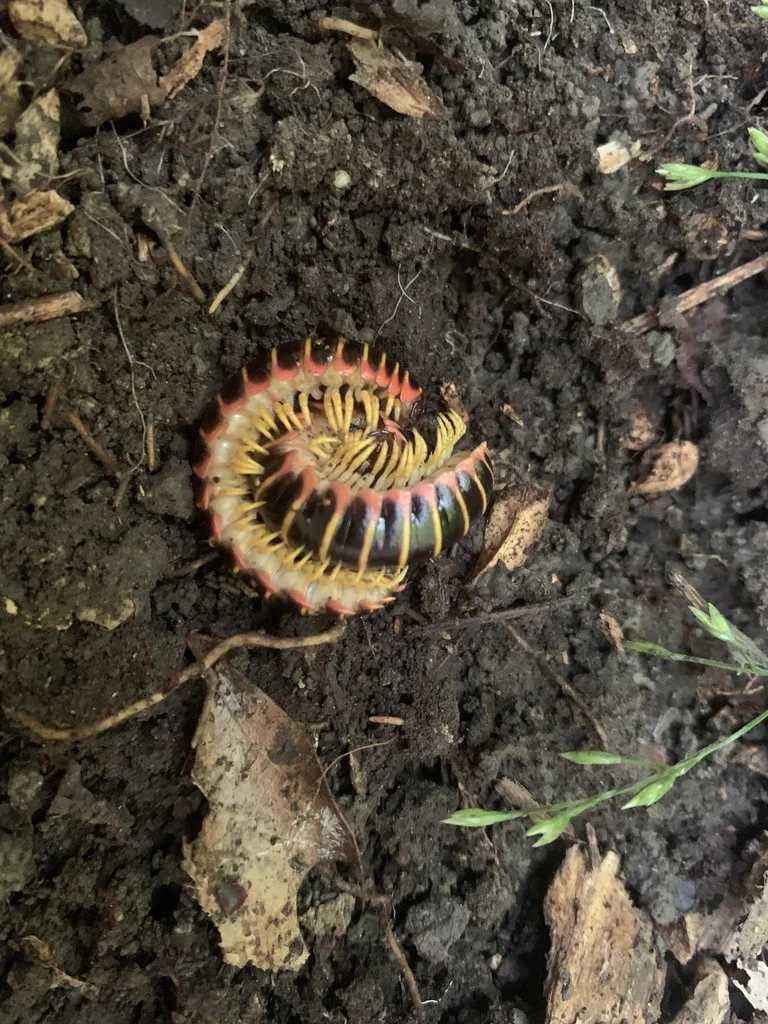
Common color patterns to help identify cherry millipedes
Cherry Millipedes
Seasonal Activity
When cherry millipedes are most active throughout the year
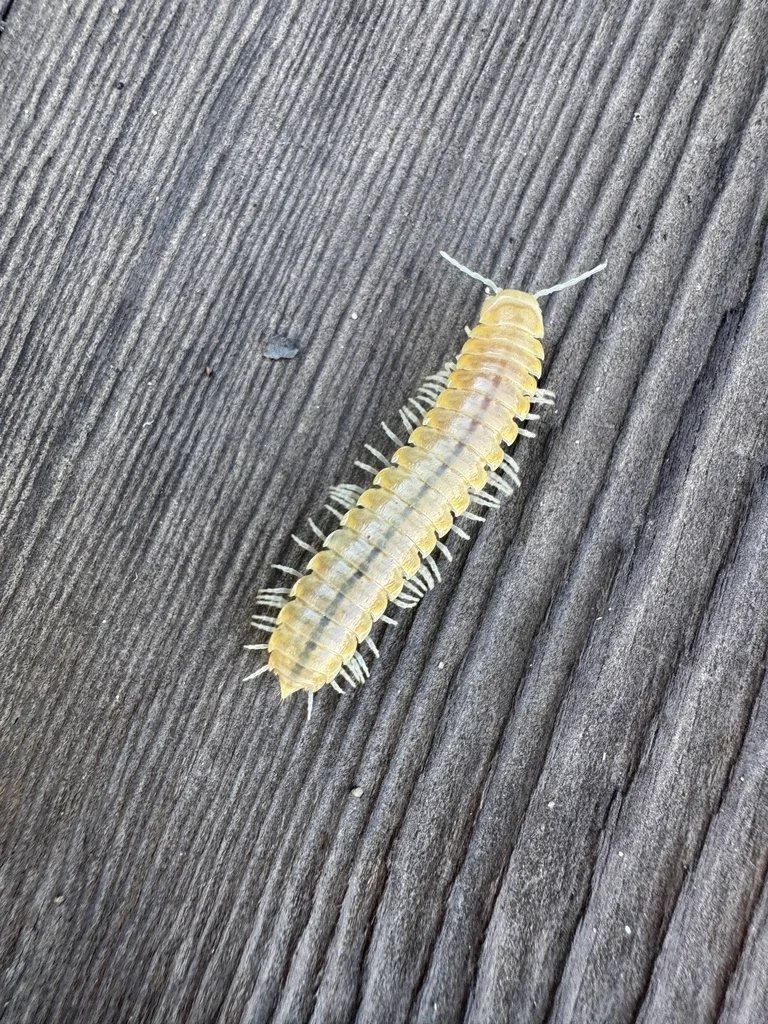

Where Cherry Millipedes Are Found
Hover over states to see their names. Green regions indicate where cherry millipedes have been reported.
Cherry Millipede Identification Guide
Physical Characteristics
Cherry millipedes belong to the family Xystodesmidae. This is one of the largest millipede groups in North America. These arthropods have broad, flat bodies compared to other millipedes. They range from 8 to 85 mm long depending on the species.
The most obvious feature of cherry millipedes is their bright coloring. Most species show bold warning colors. You will see bright yellows, oranges, reds, and pinks against a jet-black body. These colors appear as stripes or spots along the side extensions (called paranota) on each body segment. The antennae are thin and fairly long. The body tapers toward both ends, especially at the rear.
Common Species
The Xystodesmidae family includes over 480 species. The greatest variety is found in the Appalachian Mountains. Common species in North America include:
- Apheloria virginiensis is the Virginia Cherry Millipede. It is black with yellow side tips and pink or red spots.
- Apheloria corrugata is the Aromatic Cherry Millipede. It is dark black with yellow stripes and red spots.
- Harpaphe haydeniana is the Yellow-spotted Millipede. It lives in Pacific Northwest forests.
- Pleuroloma flavipes is the Traveling Cherry Millipede. It is known for traveling in large groups.
Cherry Millipede Behavior and Biology
Habitat and Ecology
Cherry millipedes live in moist forest areas. They prefer temperate forests with lots of fallen leaves. They do well in areas with leaf litter, rotting logs, and high humidity. Over 188 species live in the Appalachian Mountains. Many of these species are found only in small areas.
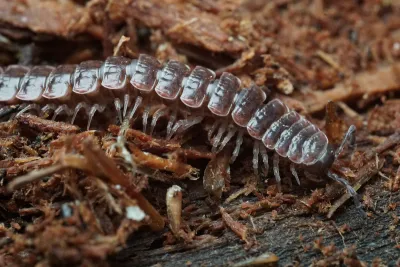
During the day, cherry millipedes hide under decaying leaves, logs, bark, or stones. They become more active at night or after rain. Some species travel in large groups during certain times of year. A related species, North American Millipedes, shares similar characteristics.
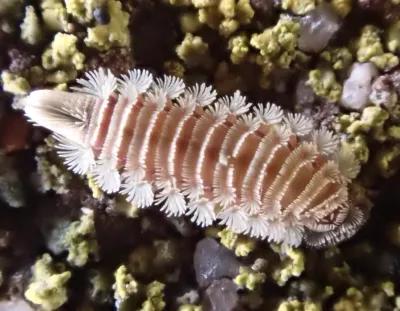
Diet A related species, Black and Gold Flat Millipede, shares similar characteristics.
Cherry millipedes eat only dead plant material. Their diet includes: A related species, Bristly Millipedes, shares similar characteristics.
- Decaying leaves and leaf litter
- Rotting wood and bark
- Fungi and mushrooms
- Other decomposing organic matter A related species, Greenhouse Millipedes, shares similar characteristics.
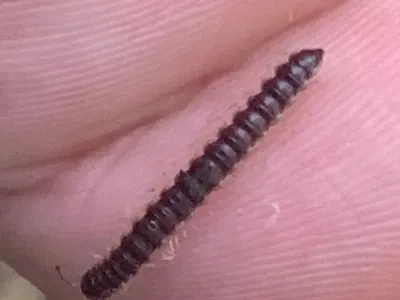
They break down dead plant material and return nutrients to the soil. A related species, Garden Millipede, shares similar characteristics.
Chemical Defense
Cherry millipedes have a unique defense system. When scared, they release a fluid from glands along their body. This fluid contains hydrogen cyanide (HCN) and benzaldehyde. These chemicals produce the almond or cherry-like smell that gives these millipedes their name.
A single adult Virginia Cherry Millipede can make enough cyanide to kill a small bird. However, the chemicals are not dangerous to people. They may cause mild skin irritation if you handle the millipede.
The bright warning colors tell predators to stay away. Some other millipede species in the Appalachians have the same color patterns. This shared warning system helps protect all of them from predators.
Reproduction and Life Cycle
Cherry millipedes reproduce through mating. Females lay eggs in soil or leaf litter. The young hatch with only a few body segments. As they grow, they add more segments and legs through molting. Most species take one to several years to become adults.
How We Treat for Millipedes
Cherry millipedes rarely become pests. They prefer forest habitats and do not live long in dry indoor spaces. However, during wet weather or large population spikes, they may wander into homes looking for shelter.
Inspection and Assessment
Our technicians inspect your property. We focus on areas with moisture where millipedes gather. We check basements, crawl spaces, and foundation edges for entry points and conditions that attract millipedes.
Treatment Methods
-
Perimeter Treatment: We apply products around your home’s foundation and entry points. This creates a barrier that stops millipedes from getting inside.
-
Interior Treatment: For active problems, we treat baseboards and hiding spots to get rid of millipedes that have already entered.
-
Moisture Reduction: Millipedes need moisture to survive. We give you tips for reducing humidity and getting rid of damp areas near your foundation.
Prevention Tips
- Remove leaf litter, mulch, and decaying plants from near your foundation
- Fix drainage problems that create wet conditions near your home
- Seal cracks and gaps around windows, doors, and the foundation
- Turn off outdoor lights that may attract millipedes at night
- Improve air flow in basements and crawl spaces
References
- Phylogenetic Systematics of the Millipede Family Xystodesmidae - Oxford Academic
- Xystodesmidae - Wikipedia
- Cherry Millipedes (Family Xystodesmidae) - iNaturalist
- Millipedes - Penn State Extension
- Release of Hydrogen Cyanide via Defensive Fluids of Polydesmoid Millipedes - Journal of Chemical Ecology
Other Millipedes
Explore other species in the millipedes family
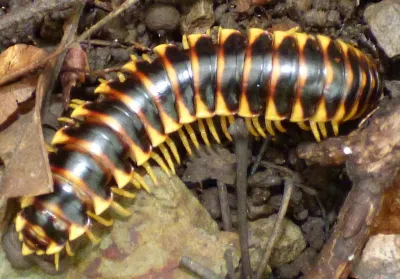
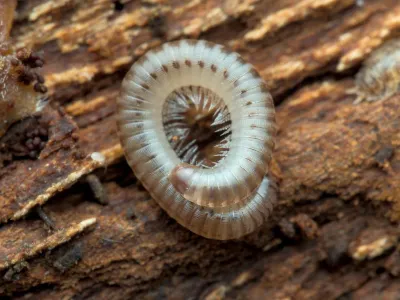
Commonly Confused With
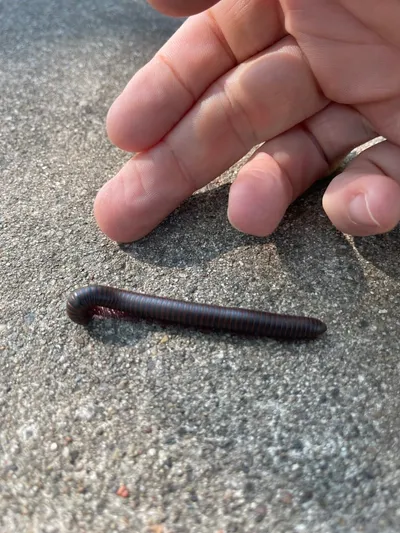
Cherry Millipedes are often mistaken for these similar pests
Where Cherry Millipedes Are Found
Hover over states to see their names. Green regions indicate where cherry millipedes have been reported.
Common Questions about Cherry Millipedes
Why are they called cherry millipedes?
+
Cherry millipedes get their name from the sweet scent they make when scared. This smell is like almonds or cherries. It comes from a chemical called benzaldehyde that they release for defense.
Are cherry millipedes poisonous?
+
Cherry millipedes make hydrogen cyanide to defend themselves. This can harm small animals that try to eat them. However, they are not dangerous to people. The chemicals may cause mild skin irritation if you touch them. Wash your hands after handling one.
Do cherry millipedes bite?
+
No, cherry millipedes do not bite. They cannot sting either. They are harmless to people. Their only defense is making a fluid that smells like almonds or cherries.
Why are cherry millipedes so colorful?
+
The bright colors warn predators to stay away. The bold yellows, oranges, and reds tell other animals that this millipede makes toxic chemicals.
Where do cherry millipedes live?
+
Cherry millipedes live in moist forest areas. They are common in the forests of eastern North America. The Appalachian Mountains have the most species. During the day, they hide under leaves, logs, and stones.
Will cherry millipedes damage my home or garden?
+
No, cherry millipedes do not damage homes or gardens. They only eat dead plant matter like fallen leaves and rotting wood.

With five years of hands-on experience in the pest control industry, George Schulz is a registered technician with the Virginia Pest Management Association and a proud third-generation professional in a family business that's been protecting homes for over 57 years. He manages and trains a team of service pros while also leading internal research efforts—recently spearheading a deep-dive review of thousands of documents on pest control materials to hand-pick the most kid and pet friendly, most effective solutions tailored specifically for homes in the DC metro area.