Blunt-tailed Snake Millipede Identification Guide
Cylindroiulus punctatus
The blunt-tailed snake millipede came from Europe and now lives in North America. These round millipedes are often found in woodlands and gardens.
Taxonomy
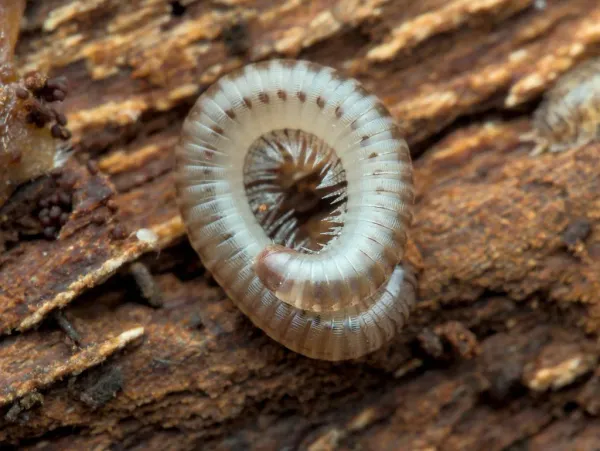
Blunt-tailed Snake Millipede Coloration
Common color patterns to help identify blunt-tailed snake millipede
Blunt-tailed Snake Millipede
Seasonal Activity
When blunt-tailed snake millipede are most active throughout the year
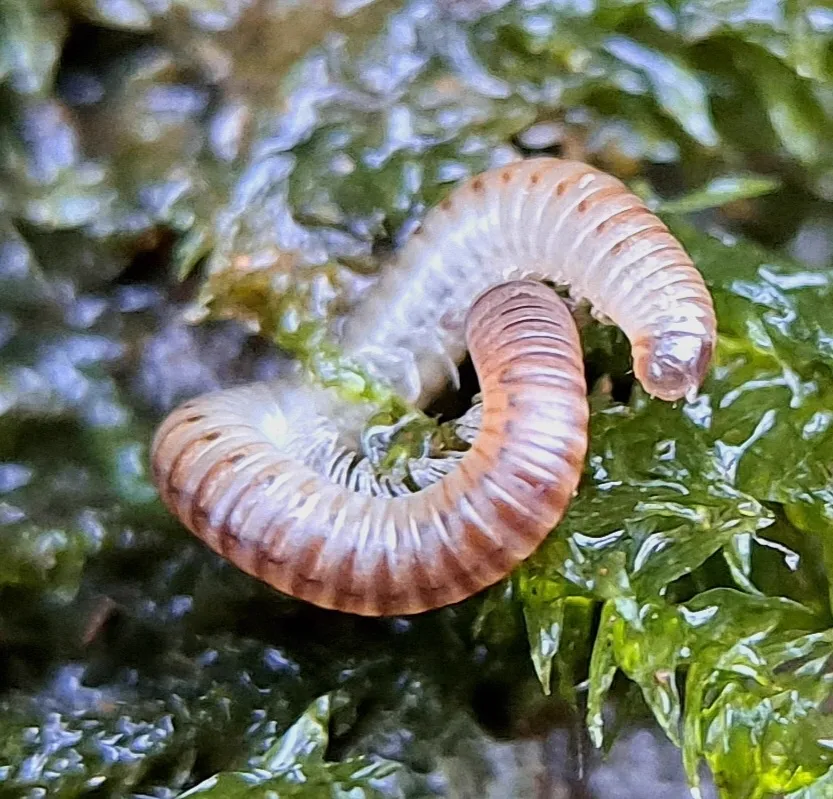
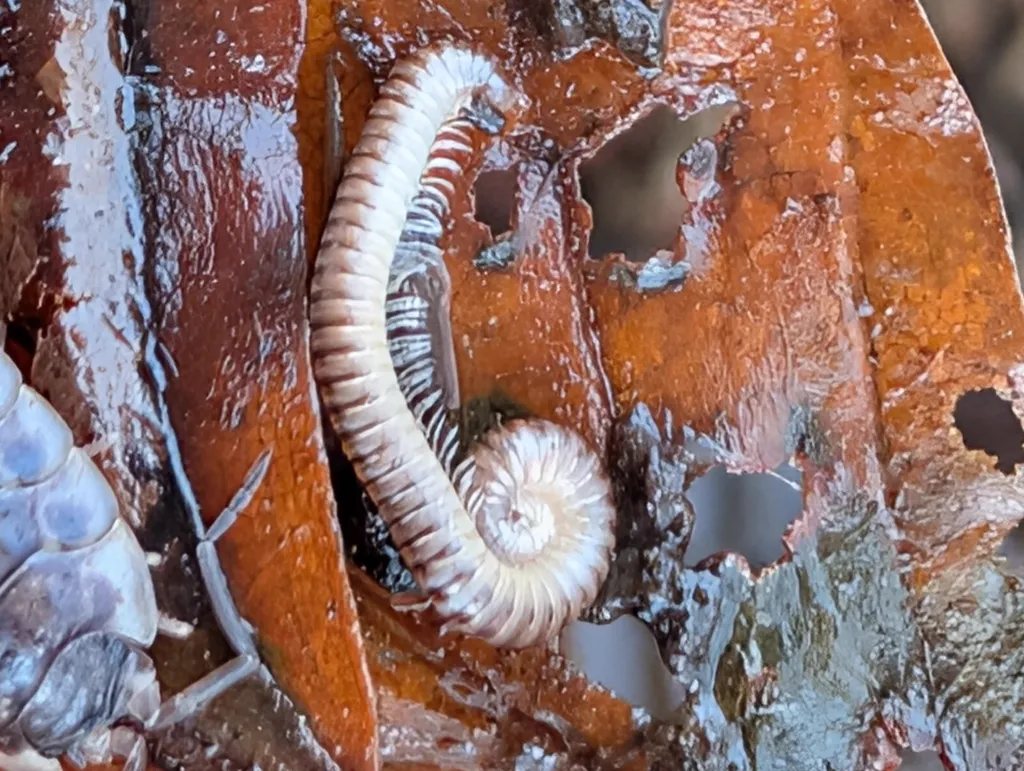
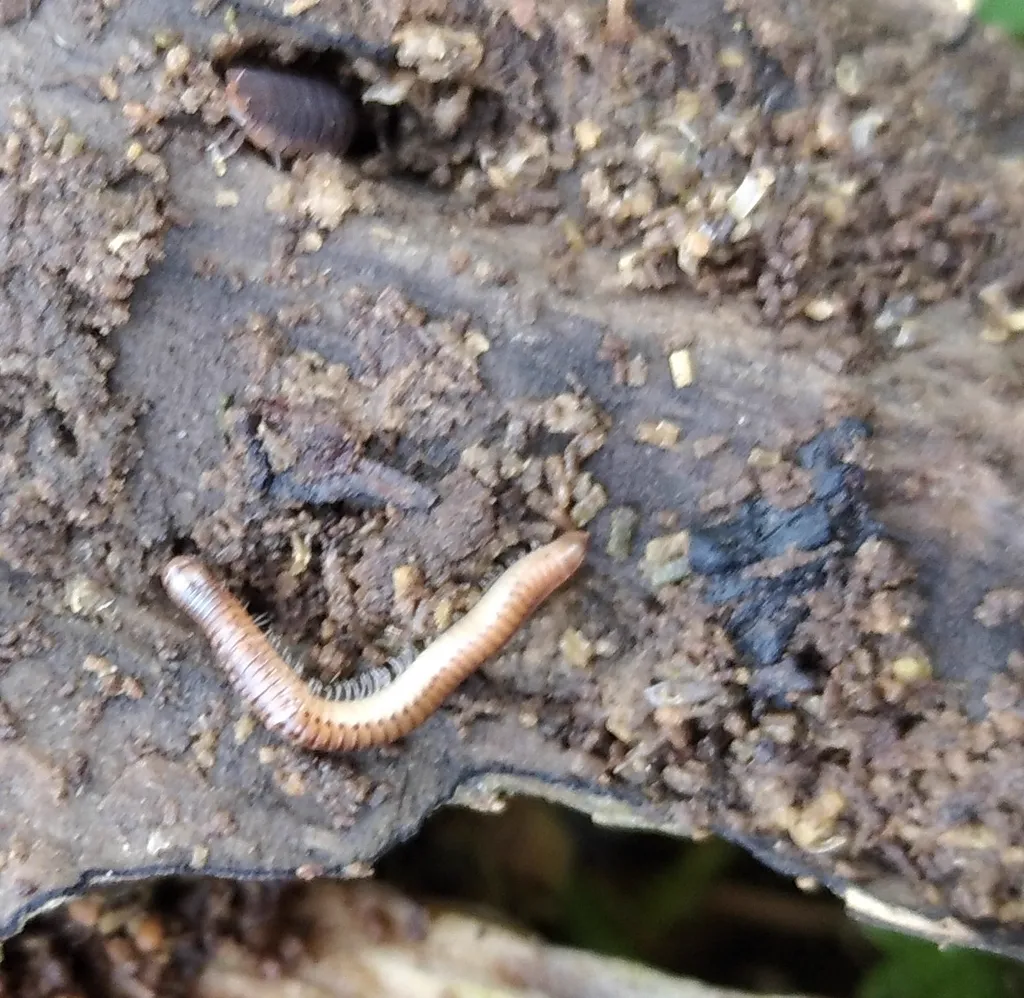

Where Blunt-tailed Snake Millipede Are Found
Hover over states to see their names. Green regions indicate where blunt-tailed snake millipede have been reported.
Blunt-tailed Snake Millipede Identification Guide
Physical Characteristics
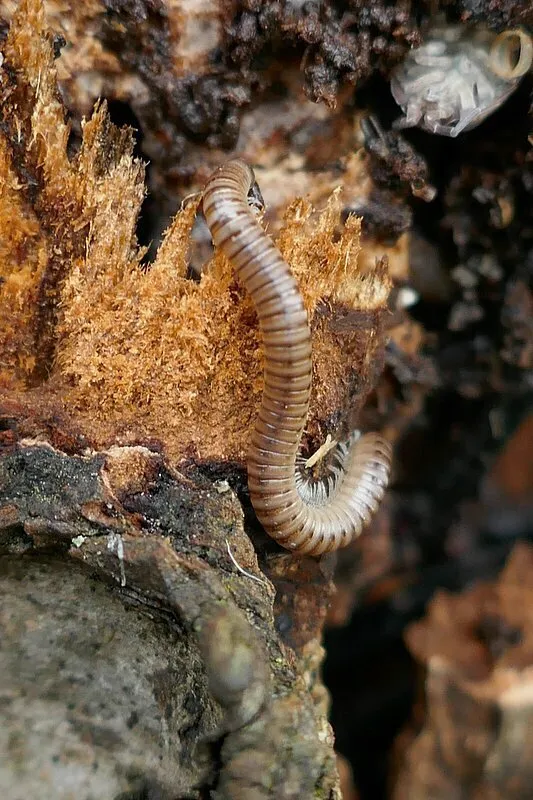
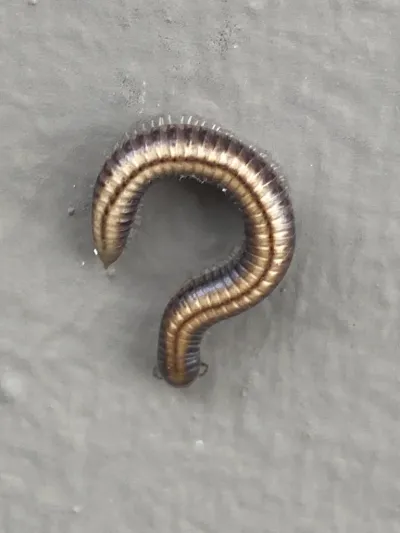
The blunt-tailed snake millipede (Cylindroiulus punctatus) has several features that make it easy to identify. Adults are about half an inch to just over one inch long. Females are usually larger than males. Their bodies are smooth and round like a cylinder. This shape gives them the snake-like look that inspired their common name.
These millipedes range in color from pinkish-tan to pale brown. Many have a slightly darker stripe down their back. The most notable feature is the club-shaped tail end, called a telson. This blunt, rounded tail is what gives them their common name. It also helps tell them apart from other round millipedes. They have a dark marking across their eyes, though this can be hard to see without a magnifying glass.
Adult blunt-tailed snake millipedes have about 46 to 58 body segments. Each segment has two pairs of legs for a total of around 100 legs. Their bodies have tiny dots on them. This is where their scientific name “punctatus” comes from, though the dots are often hard to see.
How to Tell Them Apart from Similar Species
The blunt-tailed snake millipede can look like other millipedes found in North America. Here is how to tell them apart:
-
House Millipedes (Oxidus gracilis) have flat backs instead of round bodies. They are darker brown to black with ridges on their body.
-
North American Millipedes (Narceus americanus) are much bigger. They can reach 4 inches long with reddish-brown bands.
-
Garden Millipedes have flat backs with ridges on their sides. Snake millipedes have smooth, round bodies.
Blunt-tailed Snake Millipede Behavior and Biology
Origins and Distribution
The blunt-tailed snake millipede was first described in 1815 by British scientist William Elford Leach. It is native to western Europe and is the most common millipede in Britain and Ireland. The species came to North America with the plant trade. It likely arrived in soil or with plant material from Europe.
In North America, these millipedes live in the Pacific Northwest, northeastern states, and parts of the Great Lakes region. They do best in areas with mild climates like their native European range.
Habitat Preferences
Blunt-tailed snake millipedes are most often found in wooded areas. You will usually find them in:
- Rotting logs and decaying wood
- Under loose tree bark
- Leaf litter on forest floors
- Compost piles and mulch beds
- Damp soil in shaded gardens
- Rock walls and stone piles
These millipedes need moist places to survive. Like all millipedes, they lose water easily through their outer shell. This is why they hide during the day and come out at night or when the weather is damp. A related species, Black and Gold Flat Millipede, shares similar characteristics.
Diet A related species, Bristly Millipedes, shares similar characteristics.
Blunt-tailed snake millipedes only eat dead and rotting plant material. Their diet includes: A related species, Greenhouse Millipedes, shares similar characteristics.
- Dead leaves and leaf litter
- Rotting wood and bark
- Mold and fungi
- Decaying plant roots
By eating this material, they help break down dead plants and turn them into rich soil.
Life Cycle
Blunt-tailed snake millipedes keep adding body segments as they grow. They even add more after they become adults.
The life cycle includes:
- Females lay eggs in moist soil or rotting plant matter
- Young millipedes hatch with only a few body segments and legs
- Each time they shed their skin, they add more segments and legs
- It takes up to three years to reach full adult size
- Adults may live for several more years after reaching full size
Defensive Behaviors
When scared, blunt-tailed snake millipedes protect themselves in several ways:
- They curl into a tight spiral to protect their soft belly
- They give off a strong, musty odor
- They may stay still when bothered (playing dead)
The smell they give off can last for hours in a closed space. It is not dangerous, but it can irritate the skin in some people. It is best to wash your hands after touching these millipedes.
Parasites
These millipedes can get a fungus called Rickia laboulbenioides. This fungus shows up as small growths on the body, often near the head, legs, or antennae. Studies show this fungus does not seem to harm the millipede much.
Why Blunt-tailed Snake Millipedes Enter Homes
Millipedes sometimes come indoors when conditions change outside:
Heavy rains or flooding soak the soil where millipedes live. This pushes them to find drier shelter inside homes. Long dry periods can also drive millipedes indoors as they look for moisture.
Spring and fall often bring more millipede activity. This happens as temperatures change and millipedes spread out.
Yard work like landscaping, leaf removal, or disturbing mulch beds can force millipedes out of their hiding spots. They may then move toward buildings.
Once inside, millipedes usually do not live long. Most homes are too dry for them. They are often found dead or dying in basements, garages, and near doors.
Treatment Methods for Blunt-tailed Snake Millipedes
Millipede control focuses on stopping current activity and preventing future problems. This is done through treatment and making changes around the home.
Interior Treatment
Inspection looks at areas where millipedes are active or might be. This includes basements, crawl spaces, and rooms with moisture. Technicians look for entry points like cracks in the foundation, gaps under doors, and unsealed basement windows.
Treatment involves applying a barrier product to baseboards and other areas where millipedes travel. This creates a protected zone that keeps millipedes from moving further into the home.
Exterior Treatment
Exterior treatment targets millipedes before they can enter the home. Inspection looks at the foundation and places with organic matter like mulch, leaf litter, and ground cover.
For heavy millipede activity, granular treatment is applied around the outside of the home and in mulched areas. This targets millipedes where they live and lowers their numbers near the house.
Habitat Changes
Long-term millipede control depends on changing the conditions that attract them:
- Fix drainage problems, repair leaky pipes, and improve airflow in basements and crawl spaces
- Keep mulch at least 12 inches away from the foundation. Use gravel or rock instead of organic mulch near the house
- Clear leaf litter, fallen branches, and debris from around the foundation
- Caulk cracks in the foundation, install door sweeps, and seal gaps around pipes and wires
- Reduce outdoor lighting near entry doors. Lights attract bugs, which can draw millipedes
Ongoing Protection
Regular pest control service helps maintain a barrier against millipedes and other occasional invaders. Triannual treatments (three times per year) reapply protective barriers before they break down and monitor for new activity. If millipedes appear between scheduled visits, we provide free callbacks to address the issue.
References
Other Millipedes
Explore other species in the millipedes family
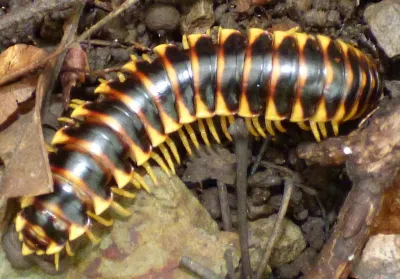
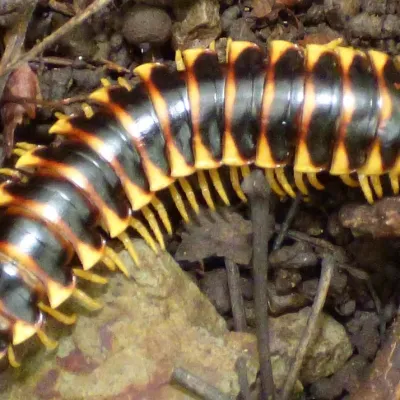
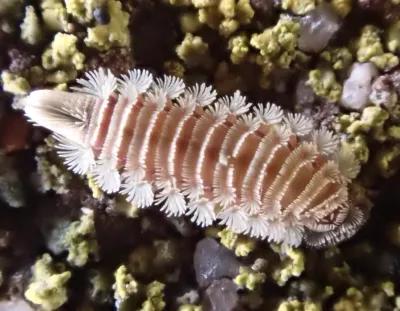
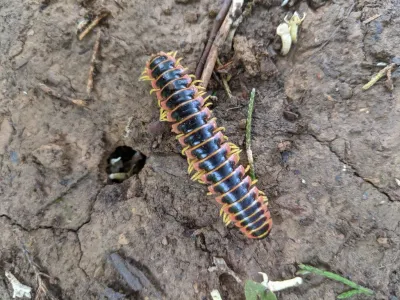
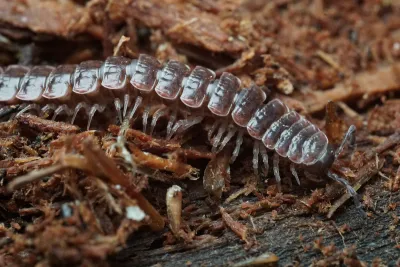
Commonly Confused With
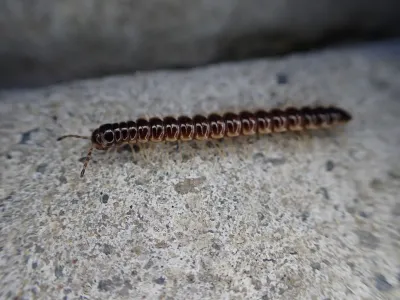
Blunt-tailed Snake Millipede are often mistaken for these similar pests
Where Blunt-tailed Snake Millipede Are Found
Hover over states to see their names. Green regions indicate where blunt-tailed snake millipede have been reported.
Common Questions about Blunt-tailed Snake Millipede
Are blunt-tailed snake millipedes dangerous to humans?
+
No, these millipedes are harmless to people. They do not bite or sting. When scared, they may give off a musty smell that can irritate skin if touched. Wash your hands after contact.
Why are they called snake millipedes?
+
They get their name from their smooth, round body shape. They also move in a snake-like way. The blunt-tailed part refers to their club-shaped tail end.
Where do blunt-tailed snake millipedes come from?
+
This species is native to western Europe, mainly Britain and Ireland. It came to North America through the plant trade. It now lives in several regions across the continent.
Do blunt-tailed snake millipedes damage plants or gardens?
+
No, these millipedes do not harm living plants. They only eat dead and rotting plant material like leaf litter and old wood.
How long do blunt-tailed snake millipedes live?
+
These millipedes can live for several years. It takes up to three years to reach adult size. Adults may then live for several more years.
Why do I find millipedes in my house?
+
Millipedes enter homes when it gets too wet or too dry outside. Heavy rain, flooding, or drought can drive them indoors. They often come in through foundation cracks, gaps under doors, and basement windows.
What is the difference between blunt-tailed snake millipedes and centipedes?
+
Millipedes have two pairs of legs per body segment and round bodies. They move slowly. Centipedes have one pair of legs per segment and flat bodies. They move fast and can bite. Millipedes cannot bite.

With five years of hands-on experience in the pest control industry, George Schulz is a registered technician with the Virginia Pest Management Association and a proud third-generation professional in a family business that's been protecting homes for over 57 years. He manages and trains a team of service pros while also leading internal research efforts—recently spearheading a deep-dive review of thousands of documents on pest control materials to hand-pick the most kid and pet friendly, most effective solutions tailored specifically for homes in the DC metro area.