Appalachian Mimic Millipedes Identification Guide
Brachoria spp.
Appalachian mimic millipedes are colorful, flat-backed millipedes found in the Appalachian Mountains. They display striking yellow, orange, red, or violet patterns on a black body and produce cyanide as a defense.
Taxonomy
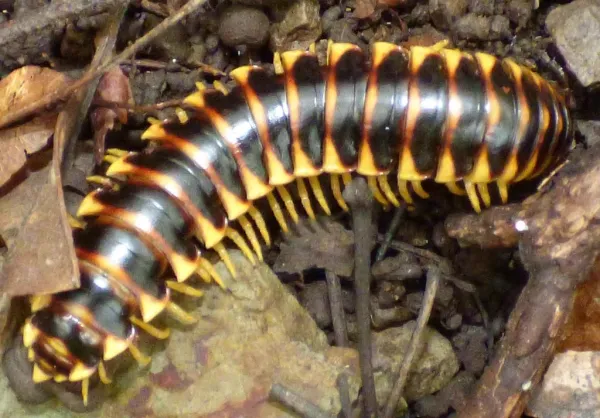
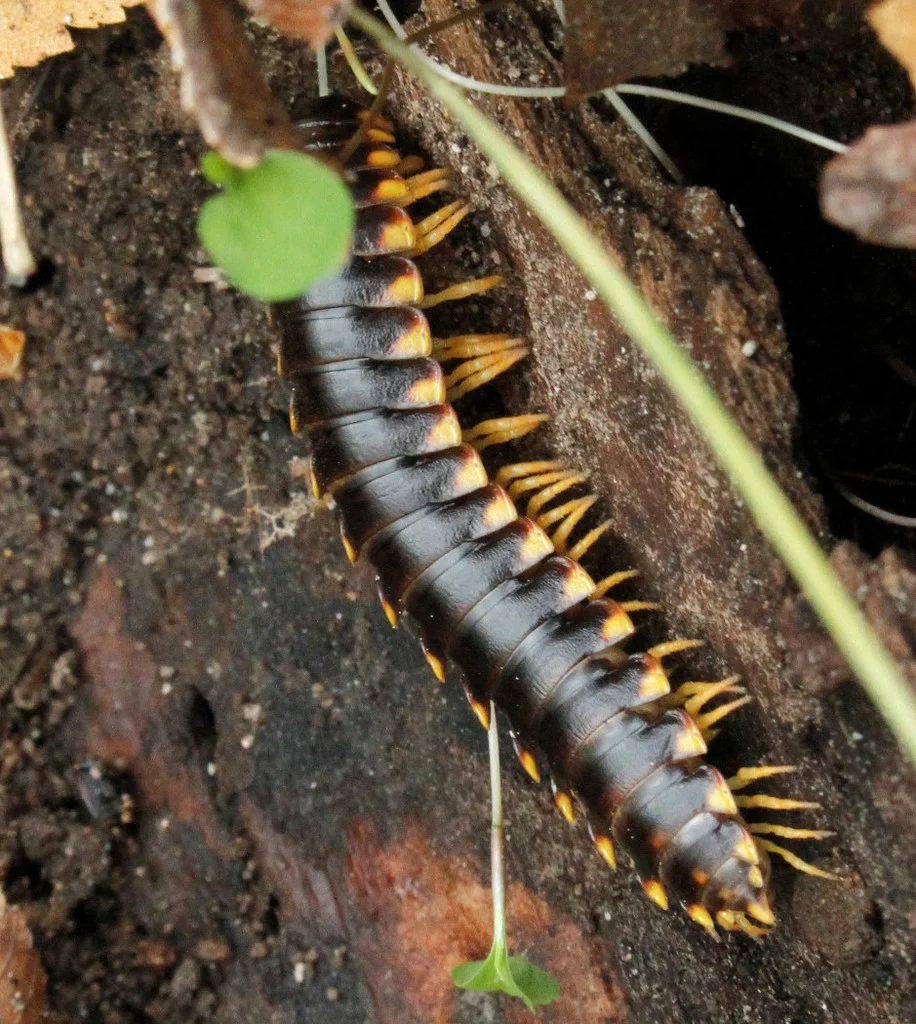
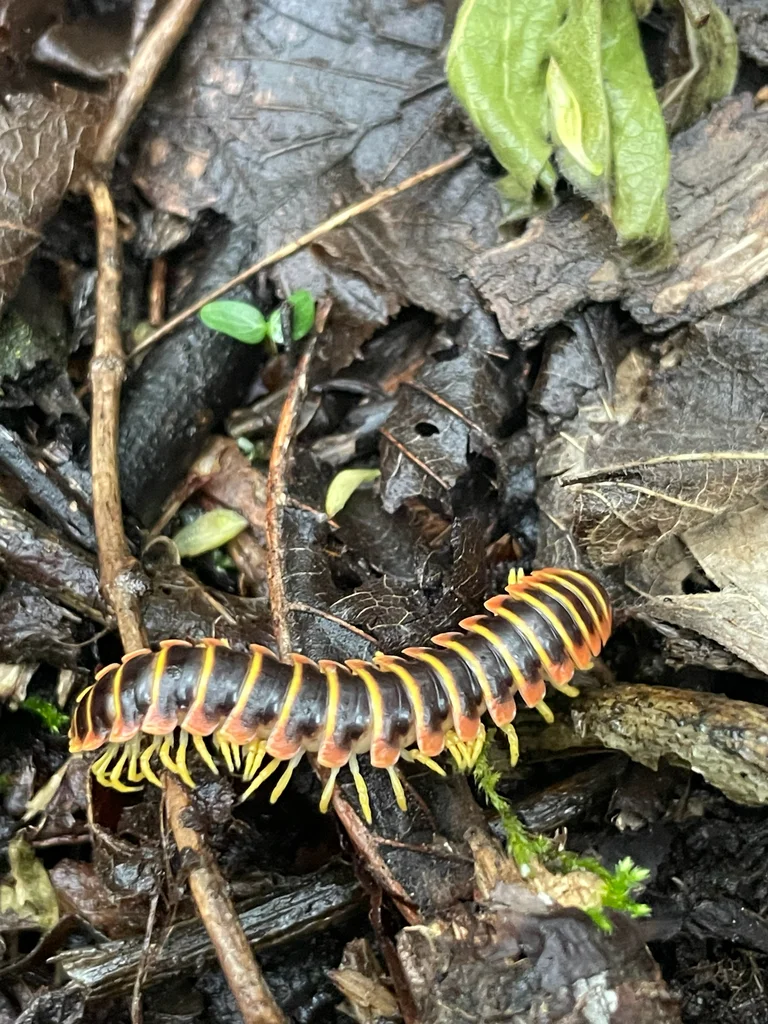
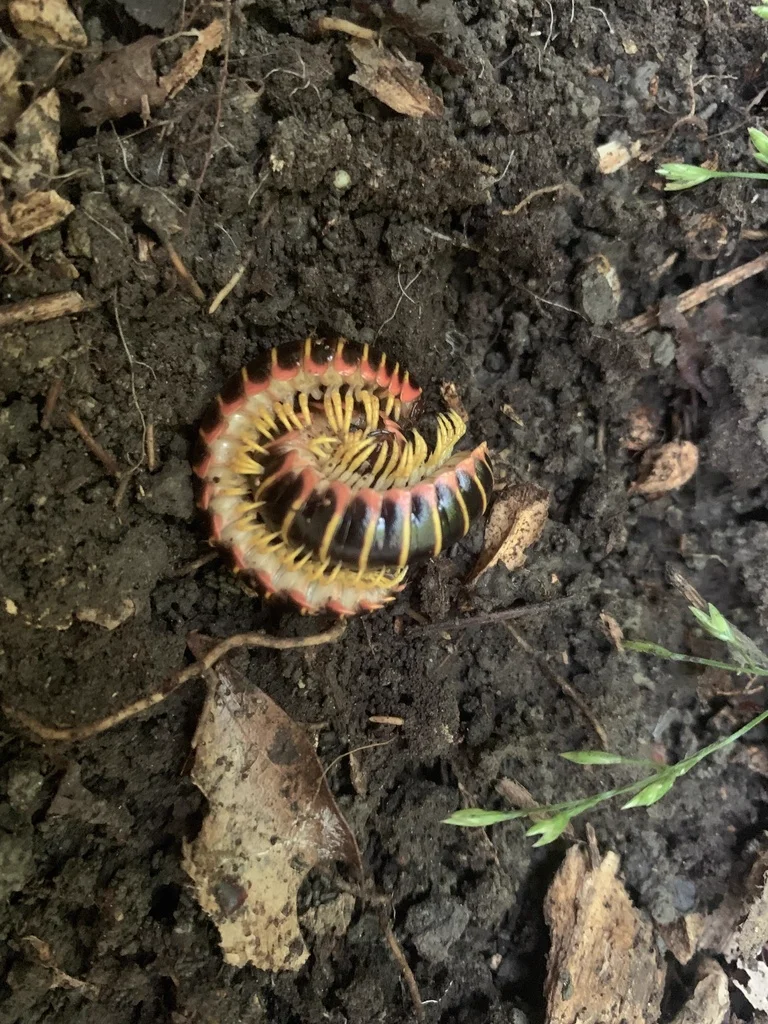
Appalachian Mimic Millipedes Coloration
Common color patterns to help identify appalachian mimic millipedes
Appalachian Mimic Millipedes
Seasonal Activity
When appalachian mimic millipedes are most active throughout the year

Where Appalachian Mimic Millipedes Are Found
Hover over states to see their names. Green regions indicate where appalachian mimic millipedes have been reported.
Appalachian Mimic Millipede Identification Guide
Physical Characteristics
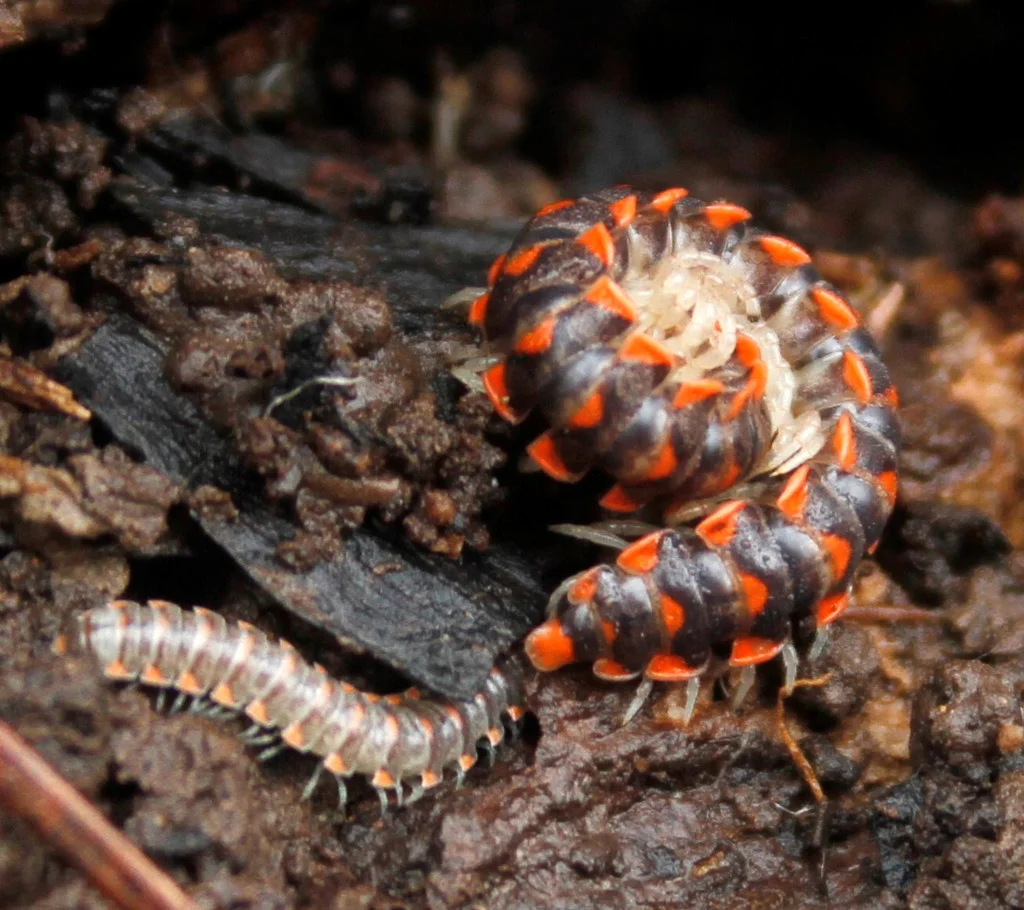
Appalachian mimic millipedes belong to the genus Brachoria. They are large, flat-backed millipedes. Adults measure 40 to 60 mm (about 1.5 to 2.4 inches) long. Their most striking feature is their bold coloring. These millipedes have bright yellow, orange, red, or violet patterns on a black body.
Like all flat-backed millipedes, Appalachian mimic millipedes are blind. They have no eyes at all. Instead, they use their antennae and sense of smell to find their way. Their bodies have about 20 segments, and each segment has two pairs of legs. The flat, ridged body segments give them a broad, flattened look.
Colors vary between species and even between groups of the same species. Some have bright yellow bands on black. Others show orange, coral red, or violet markings. These bright colors warn predators that the millipede can defend itself with chemicals.
Common Species
The genus Brachoria has 34 known species. All are native to the southeastern Appalachian Mountains. This makes it the third largest millipede genus in the United States. Common species include:
-
Brachoria dentata (Pennington Gap Mimic Millipede): Found in southwestern Virginia near Pennington Gap.
-
Brachoria cedra: Lives in cedar glades rather than typical hardwood forests.
-
Brachoria initialis: The most widespread species. Found in coastal plain areas of Alabama, Mississippi, and Louisiana.
-
Brachoria electa: A species at risk due to habitat loss from coal mining and development.
Many Brachoria species live in very small areas. Some are found only on a single mountain ridge or valley. Where you find the millipede is often as helpful as its looks when identifying the species.
Telling Appalachian Mimic Millipedes Apart from Similar Pests
These millipedes are often mistaken for related species:
-
Flat-Backed Millipedes: Appalachian mimic millipedes are a type of flat-backed millipede. You can tell them apart by their bold, high-contrast warning colors and Appalachian habitat.
-
Cherry Millipedes (Apheloria): These millipedes live in the same areas and often have similar color patterns. Telling them apart usually requires looking at male body structures.
-
Common Millipedes: Garden millipedes have round, tube-shaped bodies instead of flat, ridged segments. They also lack the bold warning colors.
Appalachian Mimic Millipede Behavior and Biology A related species, North American Millipedes, shares similar characteristics.
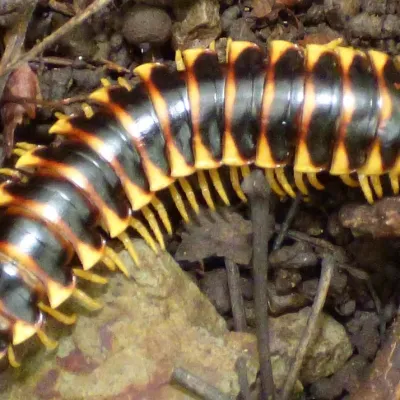
Mullerian Mimicry A related species, Black and Gold Flat Millipede, shares similar characteristics.
Appalachian mimic millipedes take part in one of the most striking examples of color mimicry in North America. Several millipede species in the Appalachian Mountains share similar bold color patterns even though they are not closely related. A related species, Bristly Millipedes, shares similar characteristics.
This is called Mullerian mimicry. It happens when multiple toxic species evolve to look alike. The shared warning signals help all species. A predator that has a bad run-in with one bright millipede learns to avoid all millipedes with similar patterns.
In some Appalachian areas, five or more millipede species have nearly the same color patterns. Since these millipedes are blind, the colors do not help them find mates or talk to each other. The patterns exist only to warn predators.
Where They Live
Appalachian mimic millipedes live mainly in the Appalachian Mountains. You can find them in the Valley and Ridge province and Cumberland Plateau. Their range runs from southern West Virginia and northeastern Kentucky south through eastern Tennessee and southwestern Virginia. Smaller groups also live in parts of Indiana, Mississippi, Alabama, and Georgia.
These millipedes like mixed hardwood forests with plenty of leaf litter. They live under rotting leaves, logs, and in the top layers of forest soil. Some species like Brachoria cedra live in cedar glades instead of hardwood forests.
They are less common in hemlock stands and rhododendron thickets. These millipedes need moist conditions and are most active after rain when humidity is high.
What They Eat
Like all millipedes, Appalachian mimic millipedes eat only dead and rotting plant material. Their diet includes:
- Fallen leaves and leaf litter
- Rotting wood and bark
- Decaying plant roots and stems
- Fungi growing on rotting matter
They play a key role in nature by breaking down dead plants and returning nutrients to the soil. They do not eat living plants or damage gardens.
Chemical Defense
When threatened, these millipedes release hydrogen cyanide from small pores along the sides of their body. All flat-backed millipedes can make this chemical. The cyanide smells like almonds.
The bright warning colors show off this chemical defense. A predator that bites or bothers the millipede gets a mouthful of bad-tasting chemicals. It learns to link the bright pattern with a bad experience.
For humans, handling these millipedes may cause mild skin irritation. The cyanide level is too low to cause serious harm, but washing hands after contact is a good idea.
Life Cycle
Appalachian mimic millipedes lay eggs in moist soil in late spring and summer. The eggs hatch into small young with fewer body segments than adults. Young millipedes shed their skin many times over months or years. They add body segments each time until they reach adult size.
Adults usually live for several years. They are most active in spring and early summer when it is warm and moist. Activity slows during hot, dry periods in mid-summer and during cold winter months.
Treatment Methods for Millipedes
Appalachian mimic millipedes rarely enter homes and are not household pests. They need specific forest conditions and do not survive well in homes. If you find one indoors, it probably wandered in through an open door or gap. You can simply return it outside.
For homeowners in Appalachian foothill areas who sometimes find millipedes near foundations, basic prevention steps can help:
Moisture Reduction
Millipedes need high moisture to survive. Cutting moisture around foundations makes the area less attractive to them:
- Fix drainage to direct water away from the foundation
- Keep gutters clean and working
- Lower humidity in basements and crawl spaces
- Keep a gap between mulch beds and foundation walls
Habitat Changes
Removing hiding places near the home reduces millipede activity:
- Clear leaf litter and debris from around the foundation
- Store firewood away from the house
- Remove extra mulch, especially right against the foundation
- Trim plants that create damp, shaded spots near walls
Sealing Entry Points
Sealing entry points keeps occasional invaders out:
- Caulk cracks and gaps in foundation walls
- Install door sweeps on outside doors
- Seal around pipes and wires that enter the home
- Make sure window screens have no holes
These steps work for all millipede species, not just Appalachian mimic millipedes. In most cases, seeing a millipede now and then does not mean you have a problem that needs professional treatment.
References
Other Millipedes
Explore other species in the millipedes family
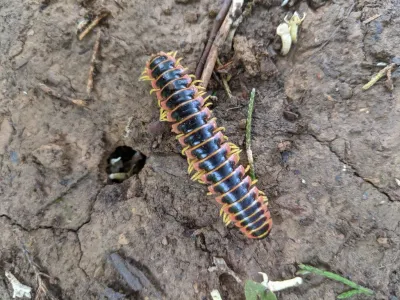
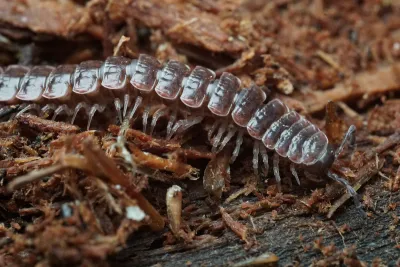
Commonly Confused With
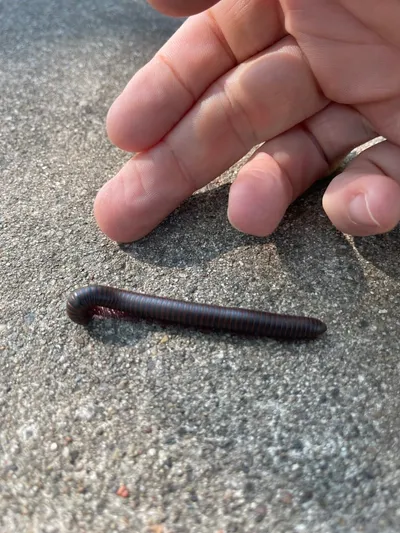
Appalachian Mimic Millipedes are often mistaken for these similar pests
Where Appalachian Mimic Millipedes Are Found
Hover over states to see their names. Green regions indicate where appalachian mimic millipedes have been reported.
Common Questions about Appalachian Mimic Millipedes
Are Appalachian mimic millipedes dangerous?
+
They are not dangerous to humans. They do not bite or sting. However, they produce hydrogen cyanide when threatened, which can cause mild skin irritation and has a distinctive almond-like smell. Wash your hands after handling them.
Why are Appalachian mimic millipedes so colorful?
+
Their bright colors serve as warning signals to predators. This is called aposematic coloration. The bold patterns of yellow, orange, red, or violet against black warn that the millipede can release toxic chemicals if attacked.
What is Mullerian mimicry in Appalachian millipedes?
+
Mullerian mimicry occurs when multiple species that are all toxic or unpalatable evolve similar warning colors. In the Appalachians, several millipede species share similar color patterns. Predators learn to avoid all millipedes with these warning colors after a bad experience with any one species.
Where do Appalachian mimic millipedes live?
+
They live in Appalachian mixed hardwood forests, particularly in the Cumberland Plateau and Ridge and Valley regions. They stay beneath leaf litter and decaying organic matter on the forest floor. They prefer moist environments and are less common in hemlock and rhododendron habitats.
What do Appalachian mimic millipedes eat?
+
They are detritivores that feed on decaying plant material. Their diet consists mainly of dead leaves, rotting wood, and other decomposing organic matter. They play an important role in breaking down forest debris and recycling nutrients.
How many species of Appalachian mimic millipedes exist?
+
The genus Brachoria contains 34 described species, making it the third largest millipede genus in the United States. Many species have very small ranges, with some found only on a single mountain or in a narrow valley.
Will Appalachian mimic millipedes infest my home?
+
These millipedes rarely enter homes. They require the specific conditions of Appalachian forest floors to survive and do not thrive indoors. If you find one inside, it likely wandered in by accident and will not establish a population.

With five years of hands-on experience in the pest control industry, George Schulz is a registered technician with the Virginia Pest Management Association and a proud third-generation professional in a family business that's been protecting homes for over 57 years. He manages and trains a team of service pros while also leading internal research efforts—recently spearheading a deep-dive review of thousands of documents on pest control materials to hand-pick the most kid and pet friendly, most effective solutions tailored specifically for homes in the DC metro area.