Rhododendron Lace Bugs Identification Guide
Stephanitis rhododendri
Rhododendron lace bugs are tiny, ornate insects that feed on the undersides of rhododendron and azalea leaves, causing distinctive stippling damage and reducing plant health.
Taxonomy
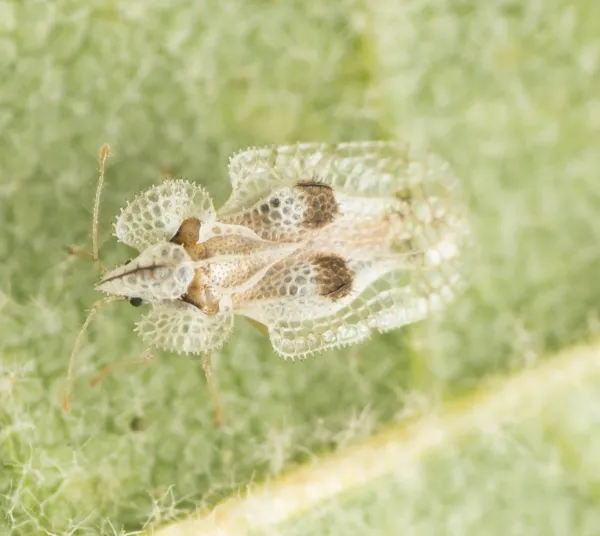
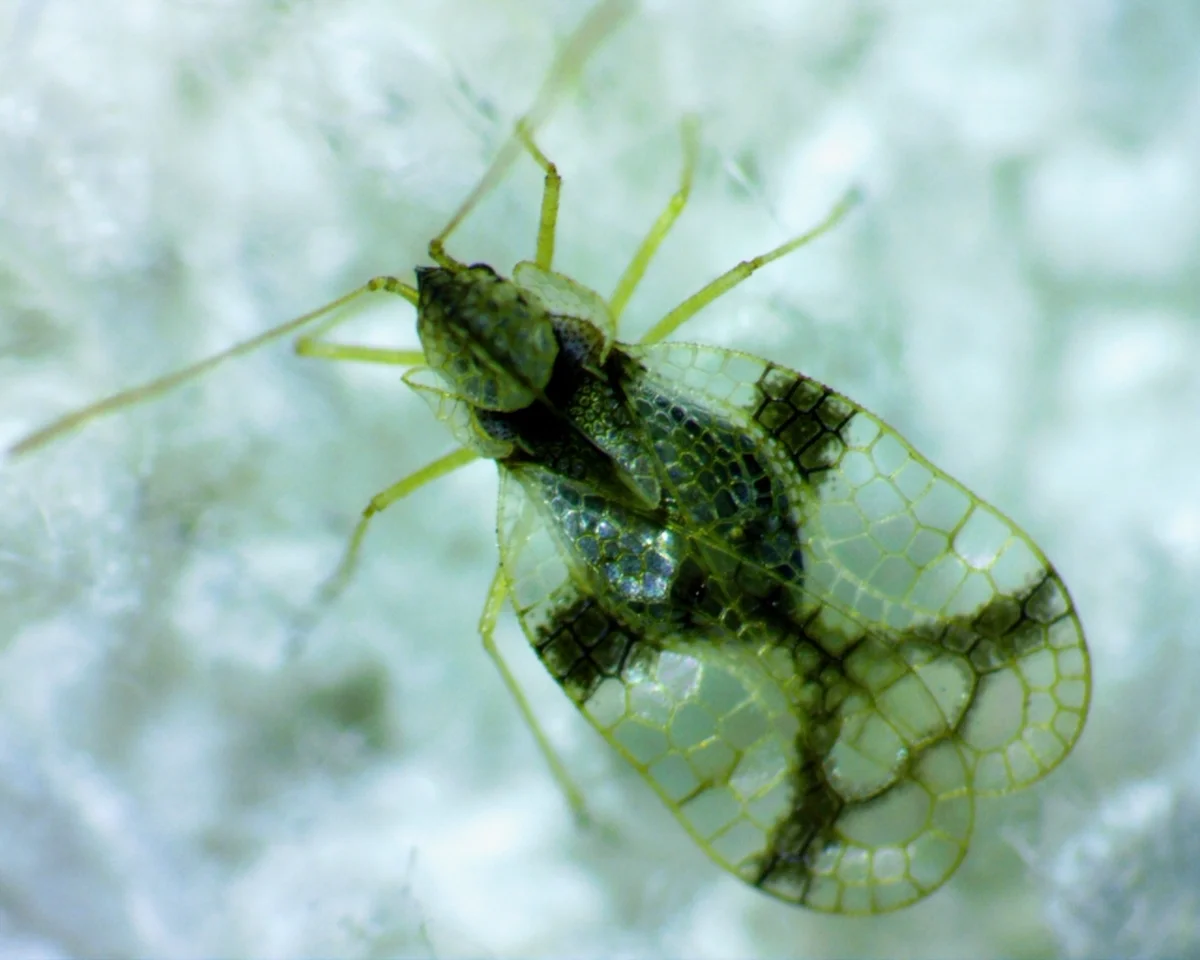
Rhododendron Lace Bugs Coloration
Common color patterns to help identify rhododendron lace bugs
Rhododendron Lace Bugs
Seasonal Activity
When rhododendron lace bugs are most active throughout the year

Where Rhododendron Lace Bugs Are Found
Hover over states to see their names. Green regions indicate where rhododendron lace bugs have been reported.
Rhododendron Lace Bug Identification Guide
Physical Characteristics
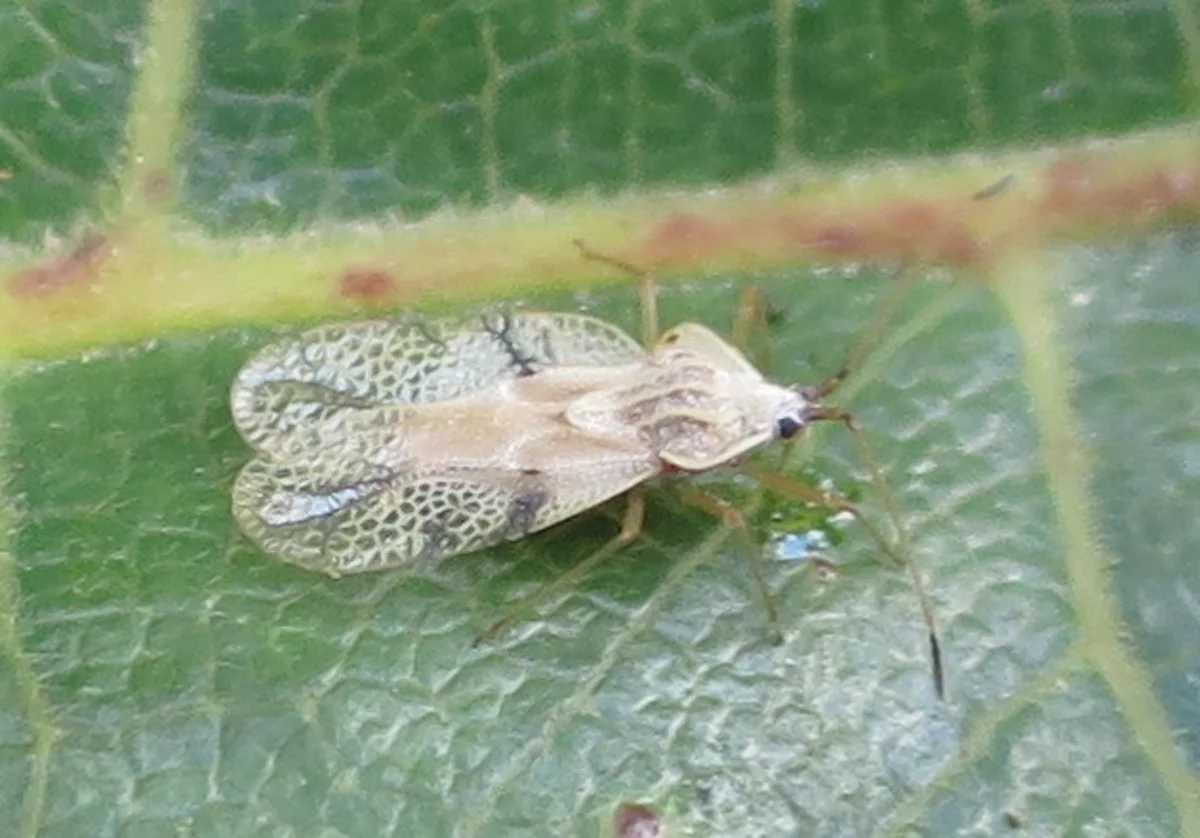
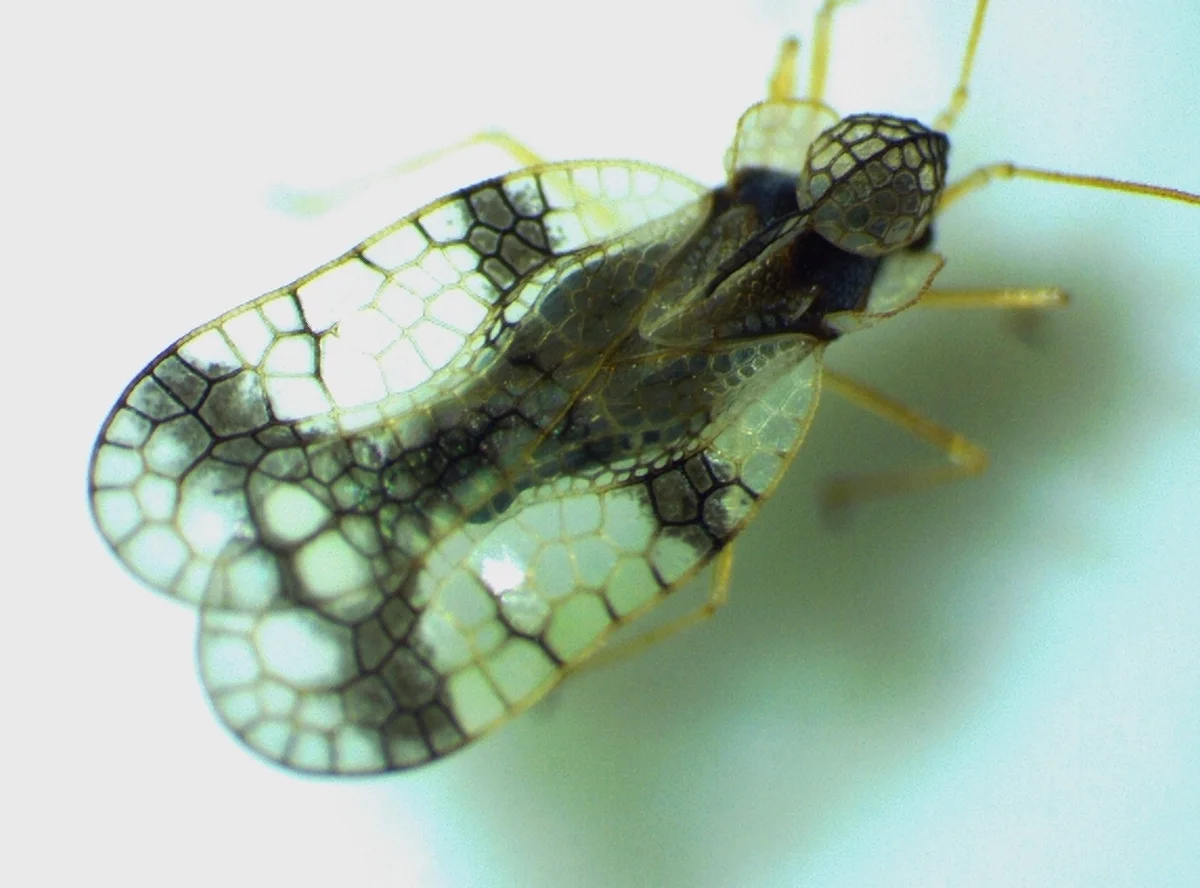
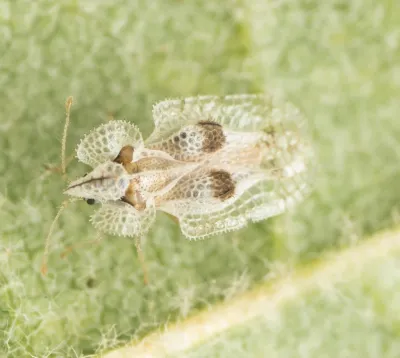
Rhododendron lace bugs are small, flat insects about 3 to 4 mm long. Their most notable feature is the lace-like pattern on their wings and the hood-like cover over their upper body. This net-like look gives them their common name. Adults are cream to tan with brown markings.
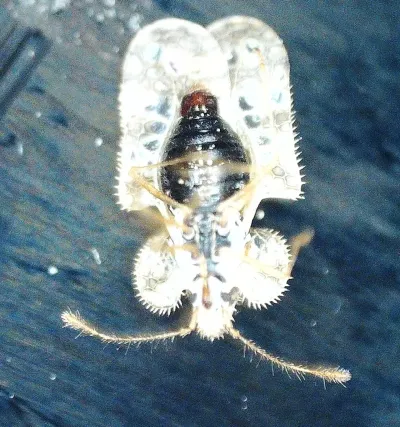
Young lace bugs (called nymphs) are smaller, darker, and spiny. They do not have the lacy wings of adults but share the same flat body shape. Both adults and nymphs live on the undersides of leaves.
Common Lace Bug Species
Several lace bug species affect plants across North America:
-
Rhododendron Lace Bug (Stephanitis rhododendri). Main pest of rhododendrons and azaleas. Originally from Europe.
-
Azalea Lace Bug (Stephanitis pyrioides). From Japan. Now common on azaleas across North America.
-
Sycamore Lace Bug (Corythucha ciliata). Feeds only on sycamore and plane trees.
-
Oak Lace Bug (Corythucha arcuata). Attacks oak trees. Learn more about this pest family in our Lace Bug guide.
-
Hawthorn Lace Bug (Corythucha cydoniae). Feeds on hawthorn and related plants. For more information, read our guide on How To Kill Boxelder Bugs: Get Rid Of Them For Good.
Rhododendron Lace Bug Behavior and Biology
Lace bugs go through egg, nymph, and adult stages. Adults spend winter in leaf litter, bark cracks, and other sheltered spots near their host plants. In spring, females lay eggs in leaf tissue on the undersides of leaves. They often cover eggs with a dark coating.
Eggs hatch in about two weeks. Nymphs go through five growth stages before becoming adults. The whole cycle takes 30 to 40 days based on weather. Several generations occur each year. Numbers peak in late summer and early fall.
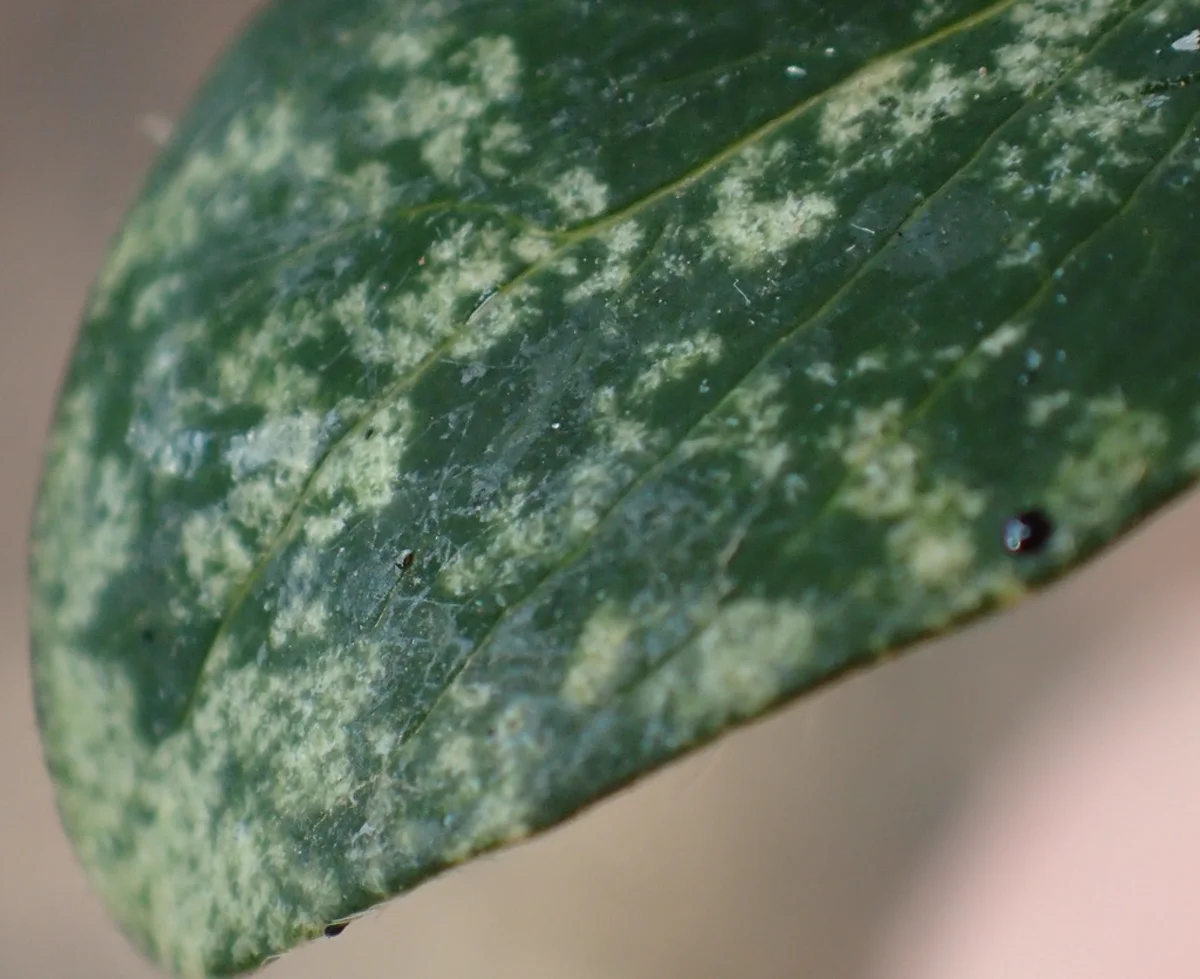
Both nymphs and adults feed by poking their mouthparts into leaf cells and sucking out the contents. This feeding kills cells and causes the spotted or bleached look on upper leaf surfaces. Unlike aphids and whiteflies that produce sticky honeydew, lace bugs leave dark fecal spots on leaf undersides. Heavy feeding causes early leaf drop and weakens plants over time.
Lace bugs prefer plants in sunny spots. Shaded plants usually have less damage. Hot, dry weather speeds up reproduction and makes damage worse.
Treatment Methods for Lace Bugs
Good lace bug control combines plant care, regular checks, and treatments when needed.
Cultural Controls
Where you place plants matters. Plants in partial shade have fewer lace bug problems than those in full sun. Keep plants healthy with proper watering and feeding. Healthy plants handle damage better. Remove badly infested leaves to cut down local numbers.
Monitoring
Check the undersides of leaves often. Look for adults, nymphs, dark droppings, and shed skins. Yellow spots on the top of leaves mean feeding has started. Early detection helps prevent big problems.
Chemical Control Options
When treatment is needed, several options work well:
-
Horticultural oils and insecticidal soaps work well when applied to leaf undersides where lace bugs feed. These products work by contact and must directly hit the insects.
-
Systemic insecticides applied as soil drenches or trunk injections move through the plant and provide longer-lasting control.
-
Contact insecticides labeled for lace bugs provide quick knockdown but require thorough coverage of leaf undersides.
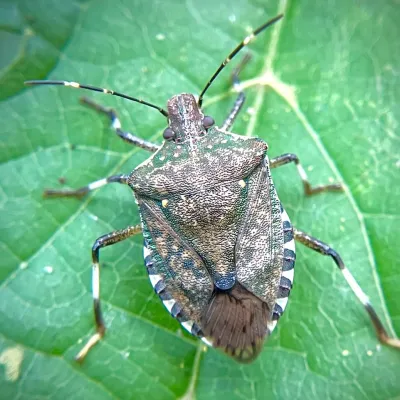
Timing matters for best results. Treatments work best when applied to young nymphs before populations grow. Dormant oil applications in late winter can reduce spring populations. Rhododendrons in sunny locations that attract lace bugs may also be more susceptible to stink bug activity in fall, so comprehensive seasonal pest management is often worthwhile.
References
- Lace Bugs on Trees and Shrubs - University of Maryland Extension
- Lace Bugs on Broad-Leaved Evergreen Ornamental Plants - Penn State Extension
- Lace Bugs - University of California Pest Management
- Lace Bugs - Virginia Cooperative Extension
- Azalea & Rhododendron Insect Pests - Clemson Cooperative Extension
Other Lace Bugs
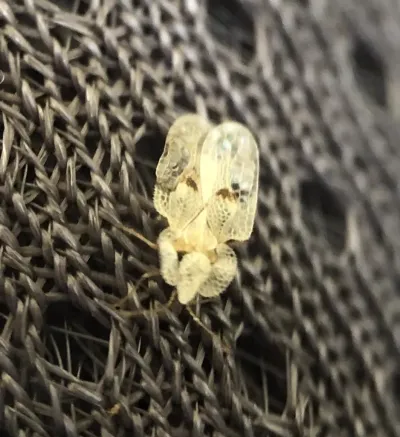
Explore other species in the lace bugs family
Commonly Confused With
Rhododendron Lace Bugs are often mistaken for these similar pests
Where Rhododendron Lace Bugs Are Found
Hover over states to see their names. Green regions indicate where rhododendron lace bugs have been reported.
Common Questions about Rhododendron Lace Bugs
What do rhododendron lace bugs look like?
+
Rhododendron lace bugs are small insects, about 3-4 mm long. They have flat bodies and lacy wings that look like tiny nets. Adults are cream to tan with brown markings.
What damage do lace bugs cause?
+
Lace bugs poke into leaf cells and suck out the contents. This leaves speckled or spotted marks on the top of leaves. Bad infestations turn leaves yellow or white. The undersides of leaves get dark spots from droppings and shed skins.
Which plants do rhododendron lace bugs attack?
+
These lace bugs mainly feed on rhododendrons and azaleas. Other lace bug types attack sycamores, oaks, hawthorns, and other shrubs. Each type sticks to certain host plants.
When are lace bugs most active?
+
Lace bugs are most active from late spring through early fall. Numbers peak in summer. They spend winter as adults in leaf litter and sheltered areas. They come out in spring to lay eggs.
Are lace bugs harmful to humans or pets?
+
No, lace bugs do not bite or sting. They pose no health risks to people or pets. They only feed on plants.
How can I tell if my plants have lace bugs?
+
Check the undersides of leaves for small, flat insects with lacy wings. Look for dark droppings and shed skins. The tops of leaves will show tiny yellow or white spots where bugs have fed. Damage is usually worse on plants in sunny spots.
Will lace bugs kill my rhododendrons?
+
Lace bugs rarely kill healthy plants. But bad infestations over several years can weaken plants. Weak plants have more trouble with winter cold, drought, and other pests.

With five years of hands-on experience in the pest control industry, George Schulz is a registered technician with the Virginia Pest Management Association and a proud third-generation professional in a family business that's been protecting homes for over 57 years. He manages and trains a team of service pros while also leading internal research efforts—recently spearheading a deep-dive review of thousands of documents on pest control materials to hand-pick the most kid and pet friendly, most effective solutions tailored specifically for homes in the DC metro area.