All About Ground Bees
Solitary bees that nest in your lawn but rarely pose a threat to homeowners.
Quick Facts about Ground Bees

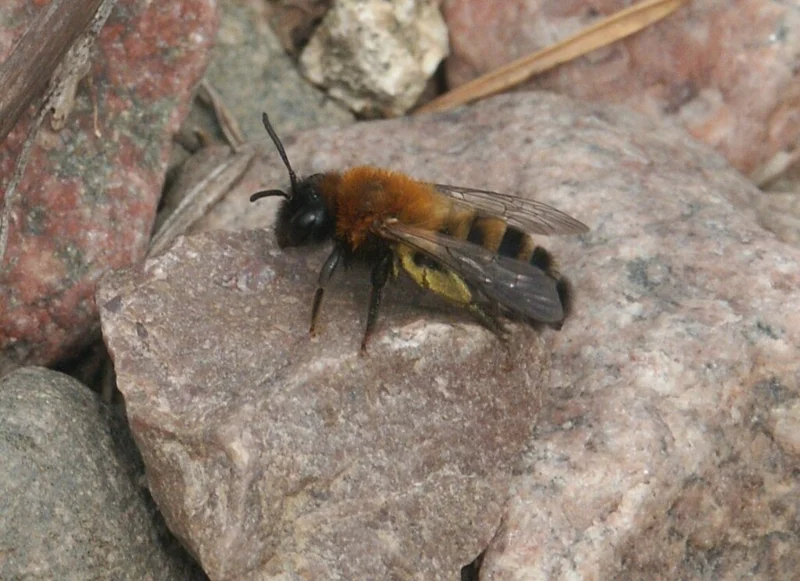
Mining bees have distinctive fuzzy bodies
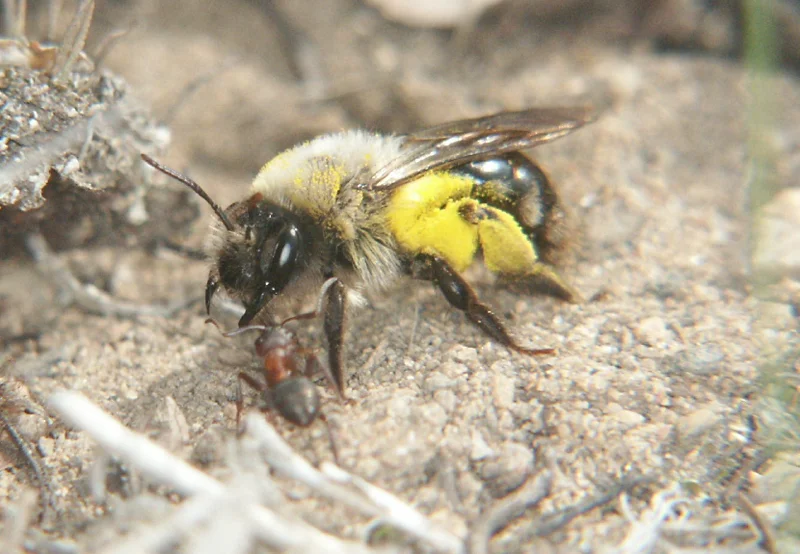
Ground bees have large eyes and hairy bodies for pollen collection
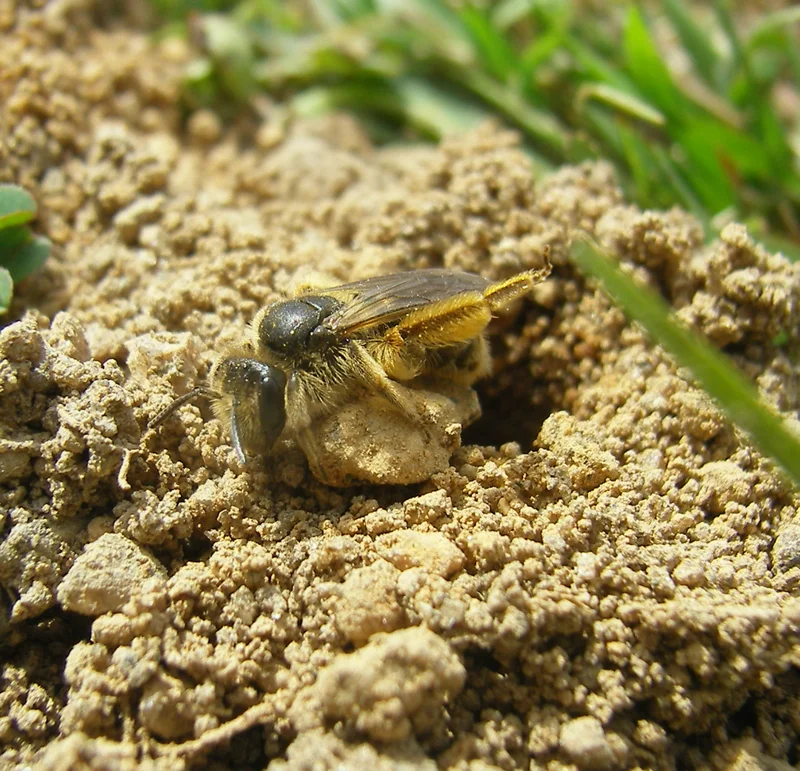
Ground bees create small burrows in bare or sparse soil
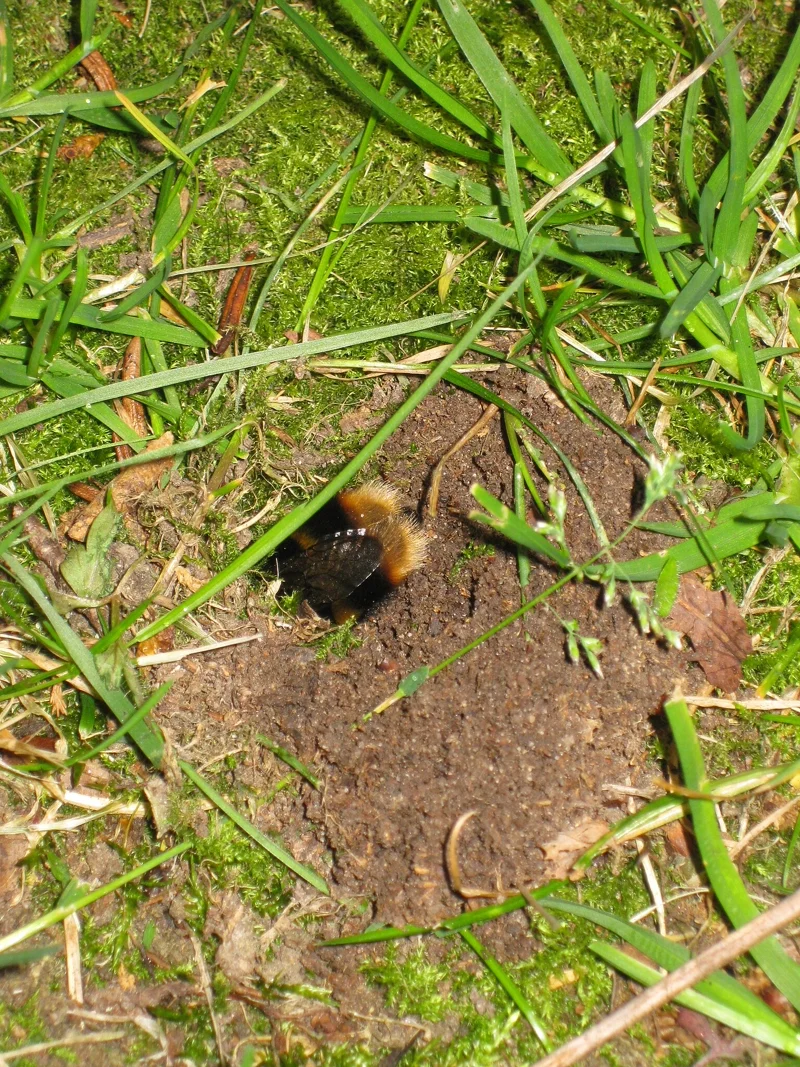
Nest entrances are small holes surrounded by loose soil

Ground Bees Identification Guide
Physical Characteristics
Ground bees are small to medium-sized bees that look similar to honeybees but have some key differences. Most species are between ¼ and ¾ inch long. They have fuzzy bodies covered in fine hairs that help them collect pollen. Colors vary by species but commonly include combinations of black, brown, orange, and yellow banding.
Unlike honeybees, ground bees are solitary. This means each female creates and maintains her own nest. You won’t find a hive or large colony structure underground. Instead, you’ll see individual small holes scattered across an area of your lawn.
The easiest way to tell ground bees from yellowjackets is by their appearance and behavior. Ground bees are fuzzy and move slowly. Yellowjackets are smooth, shiny, and much more aggressive.
Common Species in the DC Metro Area
-
Mining Bees (Andrena species) - The most common ground-nesting bees in Virginia and Maryland. These have fuzzy bodies, often with orange or brown coloring on the thorax.
-
Sweat Bees (Halictidae family) - Small, often metallic green or black bees. They get their name because they are attracted to human sweat.
-
Cellophane Bees (Colletes species) - Named for the cellophane-like material they use to line their burrows.
-
Digger Bees (Anthophora species) - Larger and faster-flying than mining bees, often with pale bands on their abdomen.
Ground Bees Behavior and Biology
Ground bees emerge in early spring, usually between March and May in the DC metro area. This timing coincides with the first warm days when early-blooming flowers start to open.
Each female ground bee digs her own burrow in the soil. She prefers areas with bare or sparse grass, dry sandy soil, and good sun exposure. The burrow goes several inches deep and ends in a small chamber where she lays her eggs.
After digging her nest, the female ground bee spends her short adult life gathering pollen and nectar. She packs this food into the underground chamber along with her eggs. When she’s done provisioning the nest, she seals it and dies. The entire process takes just 4-6 weeks.
The eggs hatch underground and the larvae feed on the stored pollen. They develop through the summer and fall, then spend the winter as pupae. The new adult bees emerge the following spring to start the cycle again.
Male ground bees emerge first and patrol the nesting area looking for females. They may appear aggressive as they hover and dart around, but male ground bees cannot sting. The females that emerge later are capable of stinging but almost never do unless directly handled.
Ground bees are important pollinators. Because they emerge so early in spring, they pollinate fruit trees, early vegetables, and wildflowers that other pollinators haven’t found yet.
How We Treat for Ground Bees
Our approach to ground bees depends on the situation. In most cases, we recommend leaving them alone. Here’s why:
Benefits of Ground Bees:
- They are excellent pollinators for your garden and local ecosystem
- They rarely sting and are not aggressive
- They only last 4-6 weeks before dying off naturally
- Their burrows help aerate your lawn
When Treatment May Be Needed:
If ground bees are nesting in a high-traffic area—like near a playground, pool, or patio where people walk barefoot—treatment may be appropriate. This is especially true if someone in your household has a bee sting allergy.
For these situations, we apply a residual insecticide to the soil around the nest entrances. This eliminates the bees currently using the area. We may also recommend habitat modifications to prevent future nesting:
- Watering: Ground bees prefer dry soil. Regular irrigation makes the area less attractive.
- Thickening the lawn: Overseeding thin or bare patches removes the exposed soil ground bees need for nesting.
- Mulching: Adding mulch to garden beds covers the bare soil ground bees prefer.
If you’re unsure whether you have ground bees or yellowjackets, give us a call at 703-683-2000. Our licensed technicians can identify the species and recommend the right approach. Yellowjackets require immediate treatment due to their aggressive nature, while ground bees can usually be left alone.
Common Questions about Ground Bees
How do I know if I have ground bees?
+
Look for small holes (about the size of a pencil) in bare or thin patches of your lawn. You may see small mounds of loose soil around each hole. Ground bees are active during the day, especially in early spring, and you'll often see them flying low over the lawn.
Are ground bees dangerous?
+
Ground bees are not aggressive and rarely sting. Female ground bees can sting if directly handled or stepped on, but they do not defend their nests like yellowjackets. Male ground bees cannot sting at all. Most people can safely walk or mow near ground bee nests.
Will ground bees damage my lawn?
+
Ground bees do not damage lawns. Their small burrows actually help aerate the soil. The bees are only active for 4-6 weeks in early spring, and the nest holes naturally fill in over time.
How do I get rid of ground bees?
+
In most cases, we recommend leaving ground bees alone since they are beneficial pollinators and not a threat. However, if they are in a high-traffic area where someone with an allergy might be at risk, we can treat the area with a residual insecticide applied to the soil.
Are ground bees the same as yellowjackets?
+
No. Ground bees are fuzzy, solitary bees that rarely sting. Yellowjackets are smooth, aggressive wasps that nest in large colonies and will sting repeatedly if disturbed. If you see many insects flying in and out of a single hole, it is likely yellowjackets, not ground bees.
How long do ground bees stay in my yard?
+
Ground bees are typically active for only 4-6 weeks in early spring. After mating and laying eggs, the adult bees die off. The eggs hatch underground and the new bees won't emerge until the following spring.
Can I prevent ground bees from nesting?
+
Ground bees prefer bare, dry, sandy soil with sparse grass. Maintaining a thick, healthy lawn and watering regularly can discourage nesting. Adding mulch to garden beds also makes the area less attractive to ground bees.
Do ground bees come back every year?
+
Yes, ground bees often return to the same general area each spring. Offspring from the previous year emerge and may create new burrows near where they hatched. This is normal and not a sign of an infestation.
More Resources About Ground Bees
Explore our guides and articles for more information about ground bees.
Find Local Ground Bee Control Services
We provide professional ground bees control throughout Virginia, Maryland, and the DC Metro area.