Plains Lubber Grasshoppers Identification Guide
Brachystola magna
The plains lubber grasshopper is one of the largest grasshoppers in North America, known for its robust body, vestigial wings, and inability to fly. These slow-moving insects are found across the Great Plains and western prairies.
Taxonomy
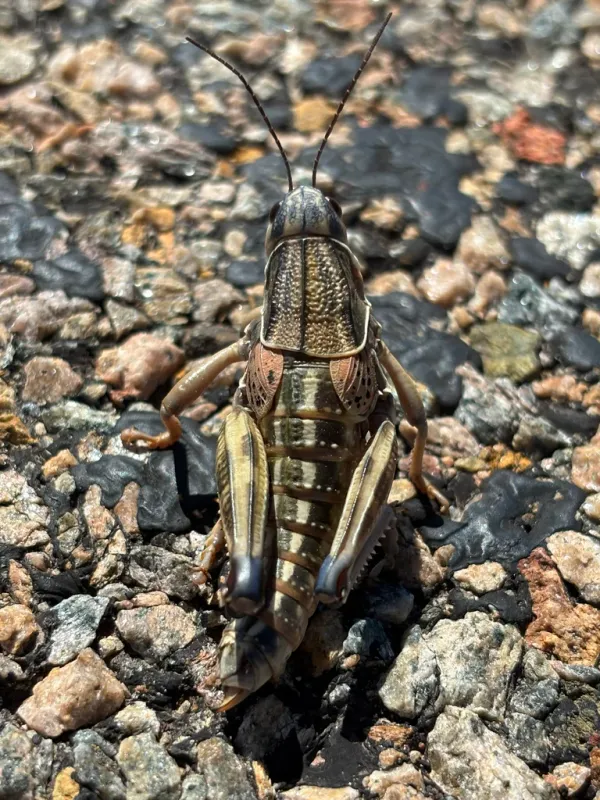
Plains Lubber Grasshoppers Coloration
Common color patterns to help identify plains lubber grasshoppers
Plains Lubber Grasshoppers
Seasonal Activity
When plains lubber grasshoppers are most active throughout the year
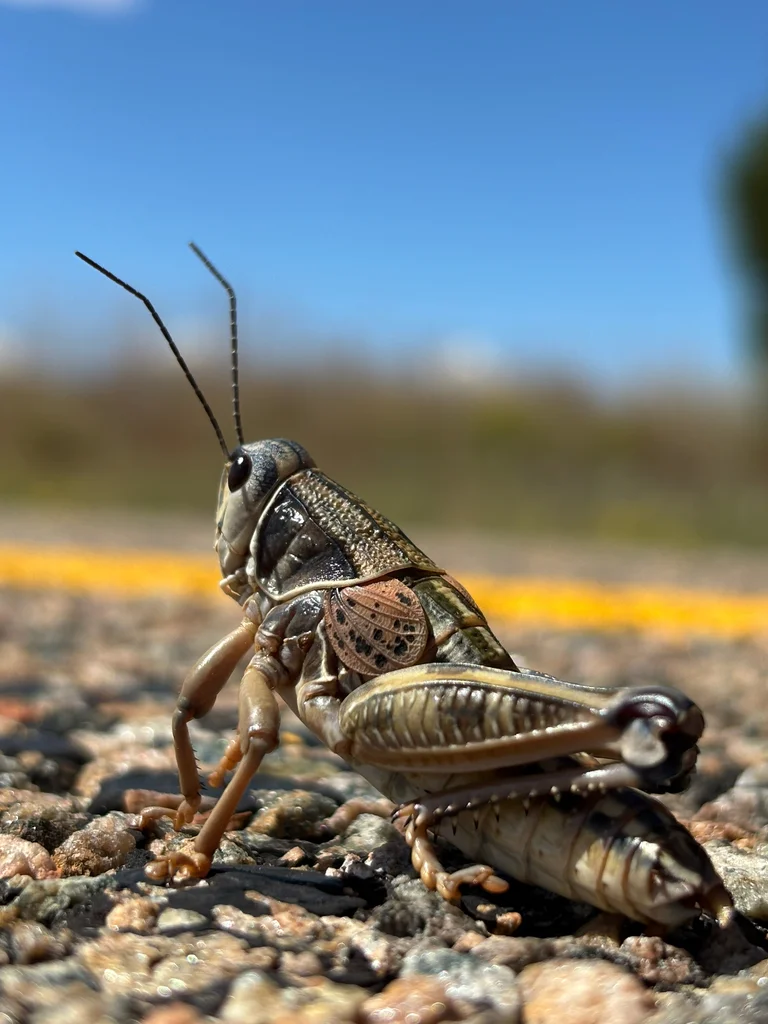
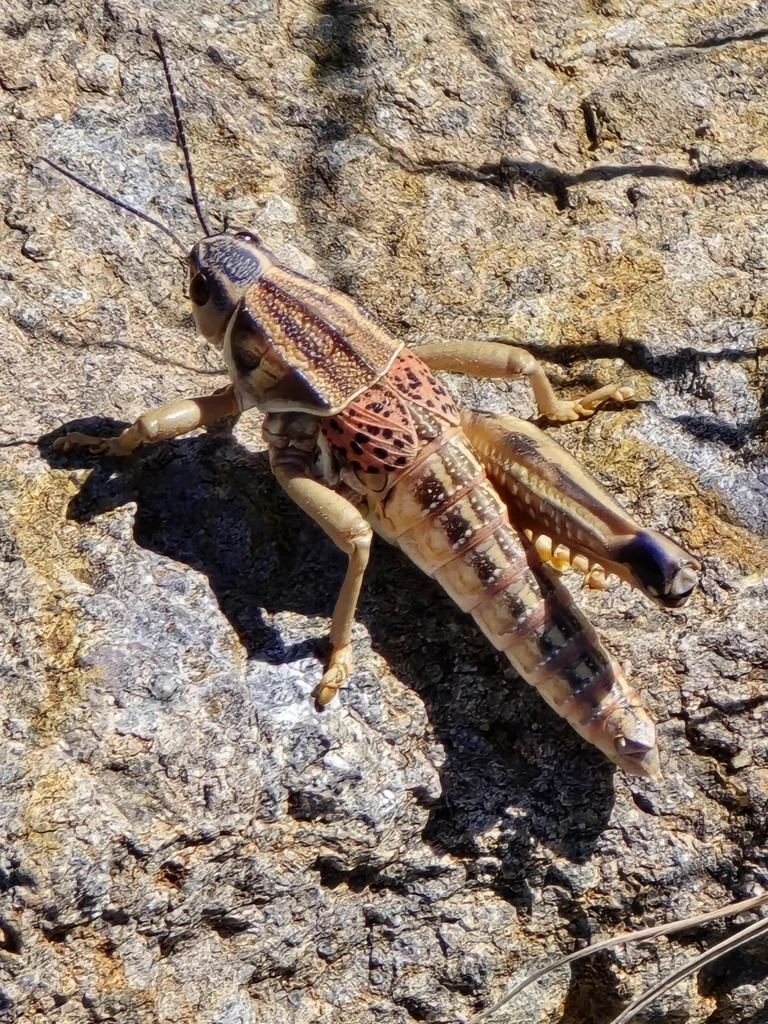
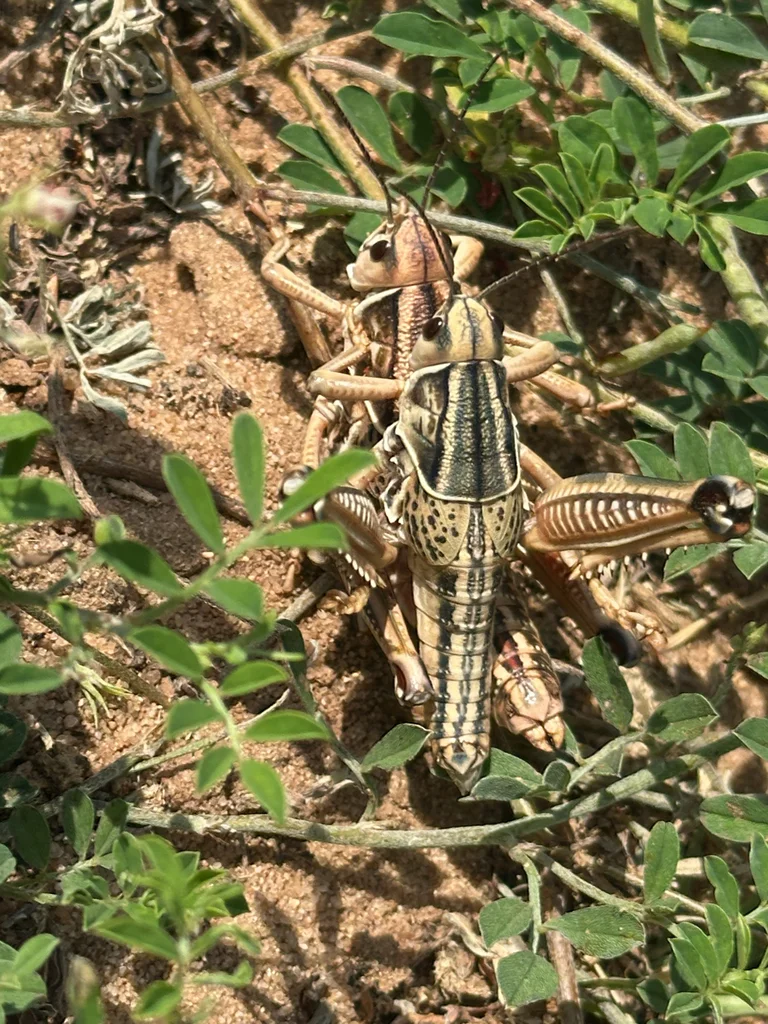

Where Plains Lubber Grasshoppers Are Found
Hover over states to see their names. Green regions indicate where plains lubber grasshoppers have been reported.
Plains Lubber Grasshopper Identification Guide
Physical Characteristics
The plains lubber grasshopper stands out as one of the largest grasshoppers in North America. Adults measure 1.7 to 2.2 inches long. Females grow slightly larger than males. These heavy insects can weigh more than some small frogs.
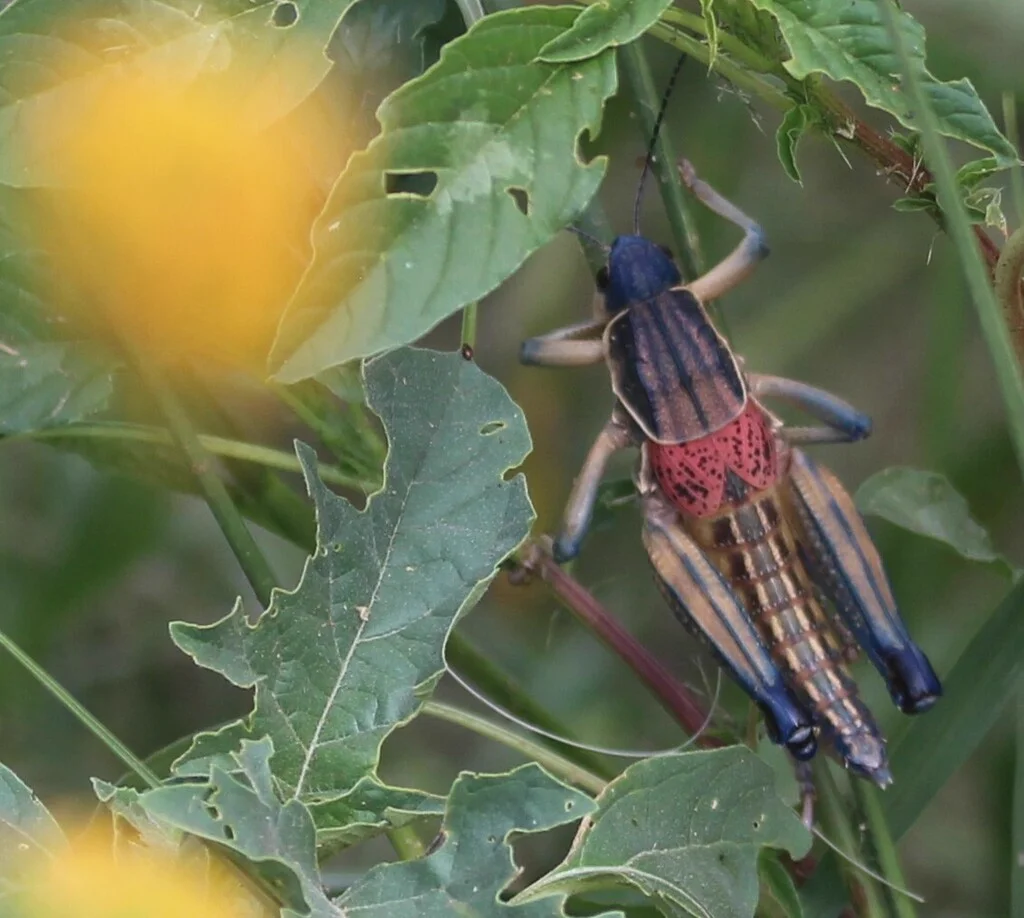
Body color varies by region. Northern plains lubbers tend to be greener, while southern ones are more brown or tan. The body has bold stripes and bands of green, brown, tan, and pink. A cream-colored line runs down both sides of the head and body. Two thin cream stripes run down the center of the back with small dots on either side.
The most obvious feature is their tiny wings. Unlike most grasshoppers, plains lubbers have short, rounded wings that cannot support flight. The front wings are pink with black dots. These small wings make this species easy to identify.
Other features include bluish-brown antennae with pale rings on each segment. The back legs have rows of light spots, and the knee joints are black. The area behind the head has a rough surface covered with small bumps.
Similar Species
The large size of plains lubber grasshoppers makes them hard to confuse with other insects. However, they may be mistaken for:
-
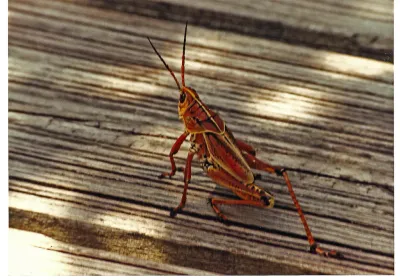
Eastern Lubber Grasshopper (Romalea microptera): Lives in the southeastern United States, not the Great Plains. Eastern lubbers have brighter yellow, orange, and black colors.
-
Brachystola virescens: A related species with shorter antennae and different color patterns.
-
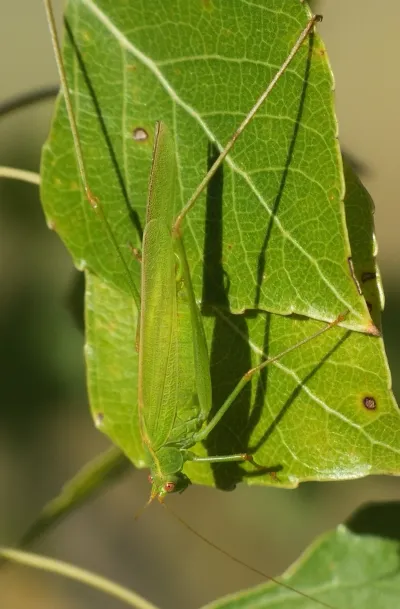
Large Katydids: Some katydids have similar body shapes, but katydids have much longer, thin antennae.
Plains Lubber Grasshopper Behavior and Biology
Life Cycle
Plains lubber grasshoppers go through three life stages: egg, nymph, and adult. Mating happens in late summer and early fall. After mating, females lay eggs in pods buried beneath the soil.
Eggs stay in the soil through winter and hatch in spring when the weather warms up. Young grasshoppers, called nymphs, grow through five stages over about 45 days. In warmer conditions, they can develop faster. A related species, High Plains Grasshopper, shares similar characteristics.
Nymphs look like small adults but have not yet grown full wings. Young nymphs have green, tan, or brown heads with black markings. As they grow and shed their skin, their colors become brighter and more defined. A related species, Two-Striped Grasshopper, shares similar characteristics.
Adults become fully grown by mid to late summer. They stay active until the first hard frost kills them in fall. A related species, Migratory Grasshoppers, shares similar characteristics.
Feeding Habits A related species, Differential Grasshopper, shares similar characteristics.
Plains lubber grasshoppers eat many types of plants. Studies found they feed on over 20 different plant species from many plant families. They also sometimes eat small insects. A related species, Packard Grasshopper, shares similar characteristics.
Their favorite food is common sunflower. About 35 percent of grasshoppers studied had eaten sunflower. Hoary vervain is their second favorite plant. They also eat various weeds and some grasses. A related species, Bigheaded Grasshopper, shares similar characteristics.
These grasshoppers feed in short bursts, usually less than two minutes at a time. They move around often to find food across the landscape.
Movement and Dispersal
Most grasshoppers escape danger by flying or jumping far. Plains lubbers cannot do this. They move mostly by crawling and making short hops. Their heavy bodies and tiny wings limit how far they can go. Normal hops measure only 3 to 4 inches. When scared, they may jump about 14 inches.
Males can jump farther than females. Researchers have seen males jump up to 9 feet when really trying to escape. But such long jumps are rare.
Scientists often see these grasshoppers crossing roads and highways. They spread slowly across the landscape by walking and hopping from place to place.
Habitat Preferences
The plains lubber grasshopper lives in many types of prairie across the Great Plains. They thrive in shortgrass, mixedgrass, tallgrass, sand, and desert prairies. This ability to adapt helps them spread across a wide area.
They need certain plants to survive, especially sunflowers and other weeds. You will find them most often along roadsides, field edges, and open rangeland. Areas with poor soil and lots of weedy plants attract the most plains lubbers.
Patches of common sunflower are their favorite spots.
Treatment Methods for Plains Lubber Grasshoppers
Plains lubber grasshoppers have low population numbers and rarely cause serious damage. When they do become a problem in gardens or around buildings, several control options are available.
Control Options
When plains lubbers need to be managed, these methods work well:
-
Physical Removal: Their slow movement and large size make them easy to catch by hand. Simply pick them up and move them away from your garden. Wear gloves since they may release a dark fluid from their mouth when handled.
-
Habitat Changes: These grasshoppers like sunflowers and weedy areas. Keeping vegetation trimmed around gardens can make the area less attractive to them.
-
Barriers: Row covers and garden fencing can keep these ground-dwelling grasshoppers out of vegetable beds.
-
Insecticide Baits: For larger infestations, carbaryl baits can reduce grasshopper numbers. Apply baits along garden borders where grasshoppers gather.
Prevention Tips
To reduce plains lubber grasshopper problems:
- Keep weedy areas mowed near gardens
- Remove tall grass along fence lines
- Till soil in fall to destroy overwintering eggs
- Use row covers on valuable vegetable plants during peak season
Scientific Significance
The plains lubber grasshopper played a key role in the history of genetics. In the early 1900s, scientist Walter Sutton studied these grasshoppers to understand how cells divide. His work helped explain how traits pass from parents to offspring through chromosomes.
References
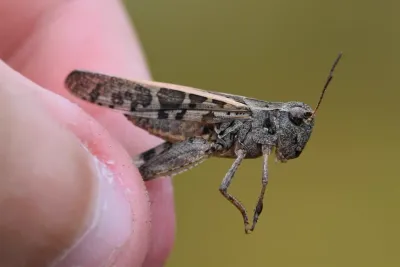
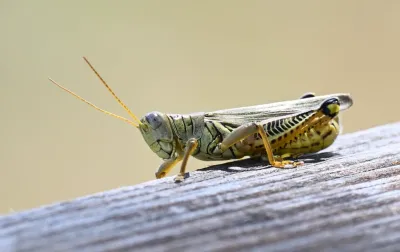
Other Grasshoppers
Explore other species in the grasshoppers family
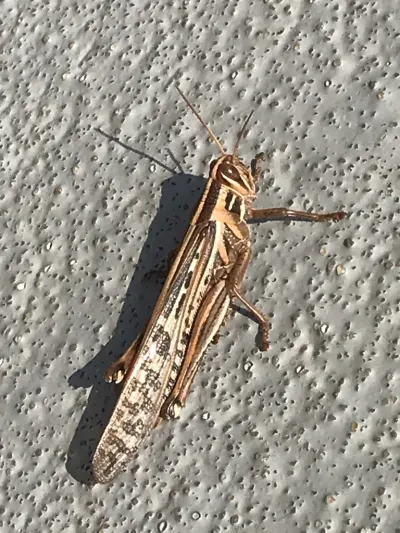
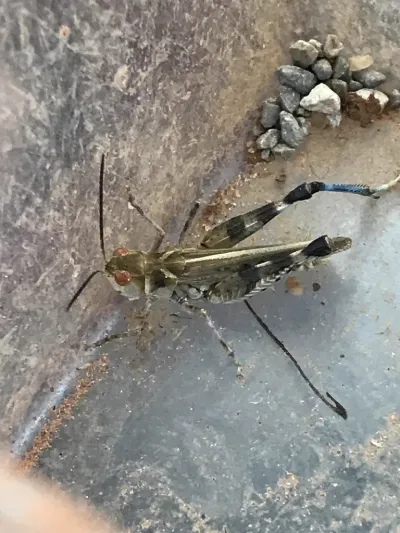
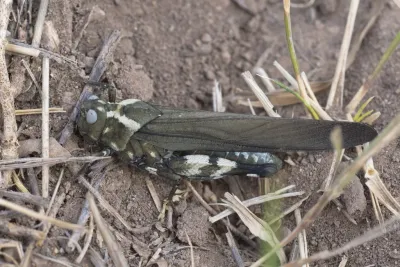
Commonly Confused With
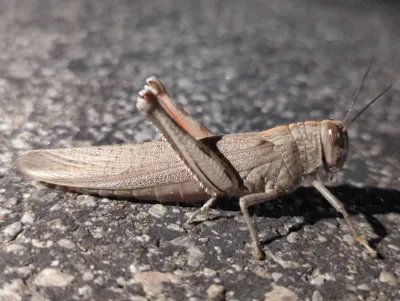
Plains Lubber Grasshoppers are often mistaken for these similar pests
Where Plains Lubber Grasshoppers Are Found
Hover over states to see their names. Green regions indicate where plains lubber grasshoppers have been reported.
Common Questions about Plains Lubber Grasshoppers
Why are they called lubber grasshoppers?
+
The name lubber comes from an old English word meaning clumsy or lazy. Plains lubber grasshoppers earned this name because they are slow-moving and cannot fly. Unlike most grasshoppers that quickly jump or fly away when disturbed, lubbers move awkwardly and rely on their size and camouflage for protection.
Can plains lubber grasshoppers fly?
+
No, plains lubber grasshoppers cannot fly. They have vestigial wings that are too small and underdeveloped for flight. Their short, rounded wings are pink with black spots but serve no function for flying. They disperse by crawling and hopping across the prairie landscape.
Are plains lubber grasshoppers harmful to gardens?
+
Plains lubber grasshoppers can cause minor damage to gardens, but they are generally not considered serious pests. They feed on a variety of plants including sunflowers and weeds. Their low population densities and preference for wild prairie plants mean they rarely cause significant damage to cultivated gardens or crops.
How big do plains lubber grasshoppers get?
+
Plains lubber grasshoppers are among the largest grasshoppers in North America. Adults typically measure 1.7 to 2.2 inches (43-55 mm) in body length. Females are slightly larger than males. Their heavy, robust bodies can weigh more than some small frogs.
Where do plains lubber grasshoppers live?
+
Plains lubber grasshoppers are native to the Great Plains region of North America. They range from Montana and North Dakota south through Texas and into northern Mexico. They inhabit shortgrass, mixedgrass, and tallgrass prairies, as well as desert prairies and disturbed areas along roadsides.
What do plains lubber grasshoppers eat?
+
Plains lubber grasshoppers are polyphagous, meaning they eat many types of plants. Their diet includes forbs, weeds, and some grasses. They particularly favor common sunflower and hoary vervain. Interestingly, they also occasionally consume arthropod parts, making them somewhat omnivorous.
Are plains lubber grasshoppers dangerous to humans?
+
Plains lubber grasshoppers are not dangerous to humans. They do not bite, sting, or transmit diseases. If handled, they may produce a dark defensive fluid from their mouth, but this is harmless. Their large size may be startling, but they pose no threat to people or pets.

With five years of hands-on experience in the pest control industry, George Schulz is a registered technician with the Virginia Pest Management Association and a proud third-generation professional in a family business that's been protecting homes for over 57 years. He manages and trains a team of service pros while also leading internal research efforts—recently spearheading a deep-dive review of thousands of documents on pest control materials to hand-pick the most kid and pet friendly, most effective solutions tailored specifically for homes in the DC metro area.