Migratory Grasshoppers Identification Guide
Melanoplus sanguinipes
The migratory grasshopper is one of North America's most destructive agricultural pests, capable of forming massive swarms that devastate crops and rangelands across the continent.
Taxonomy
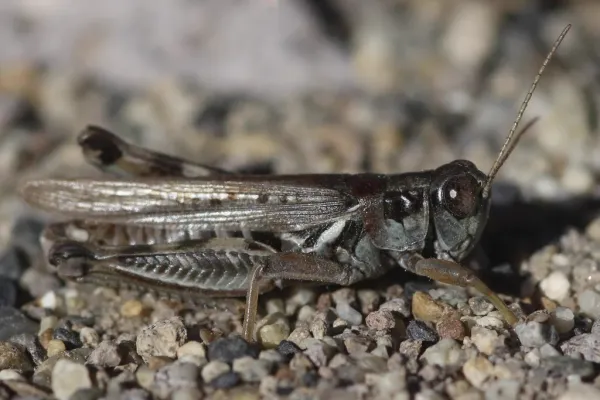
Migratory Grasshoppers Coloration
Common color patterns to help identify migratory grasshoppers
Migratory Grasshoppers
Seasonal Activity
When migratory grasshoppers are most active throughout the year
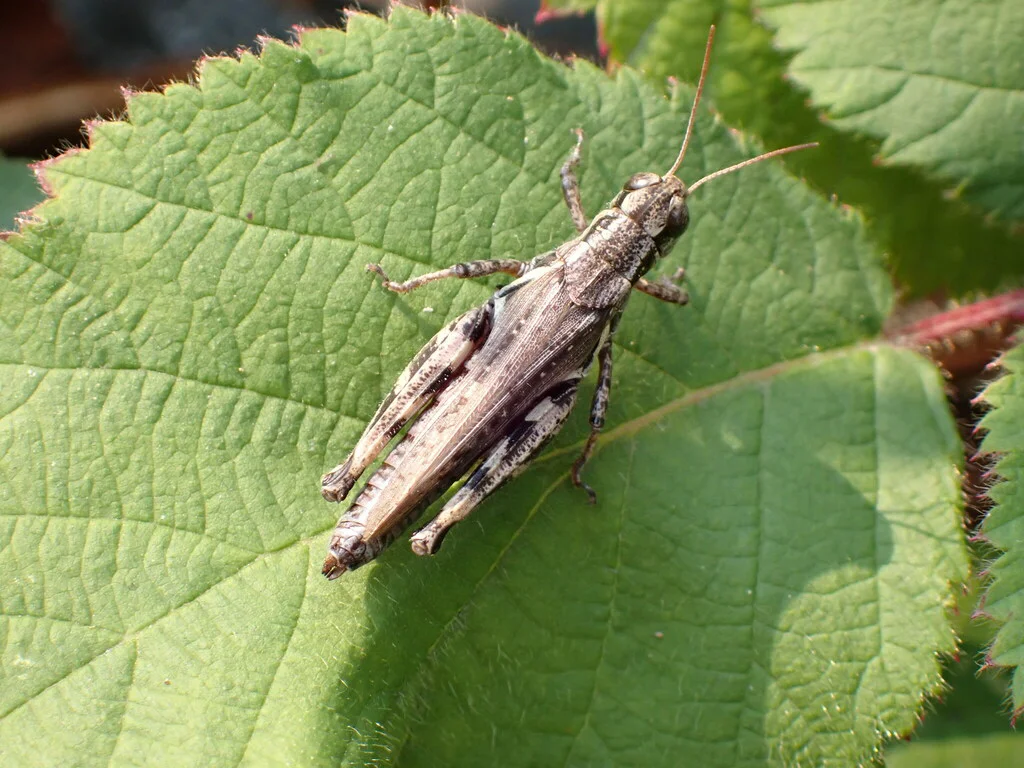
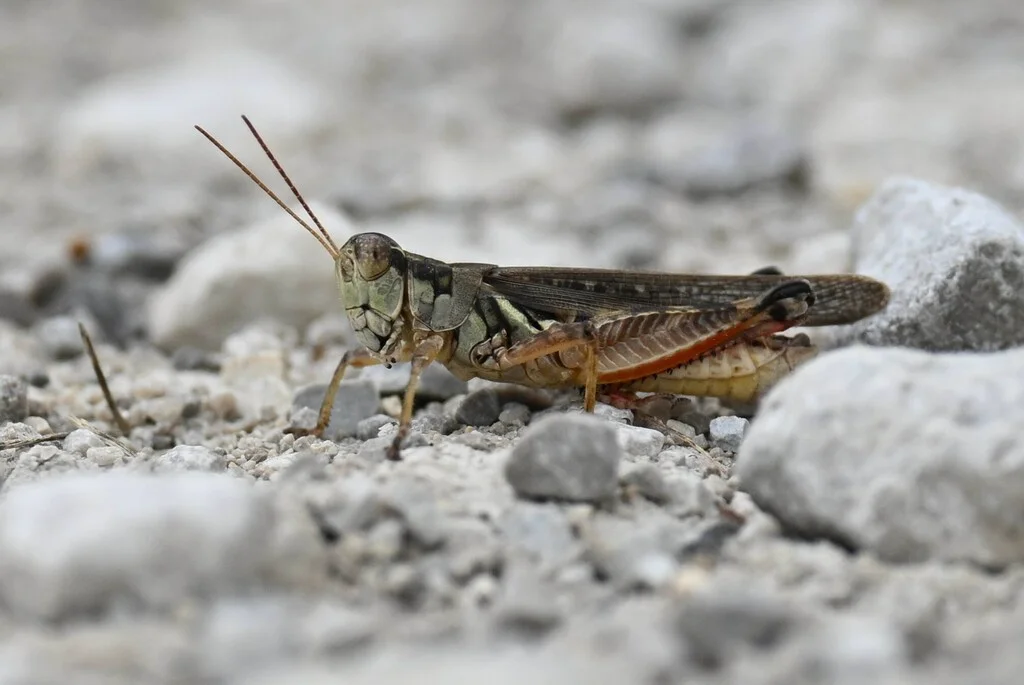
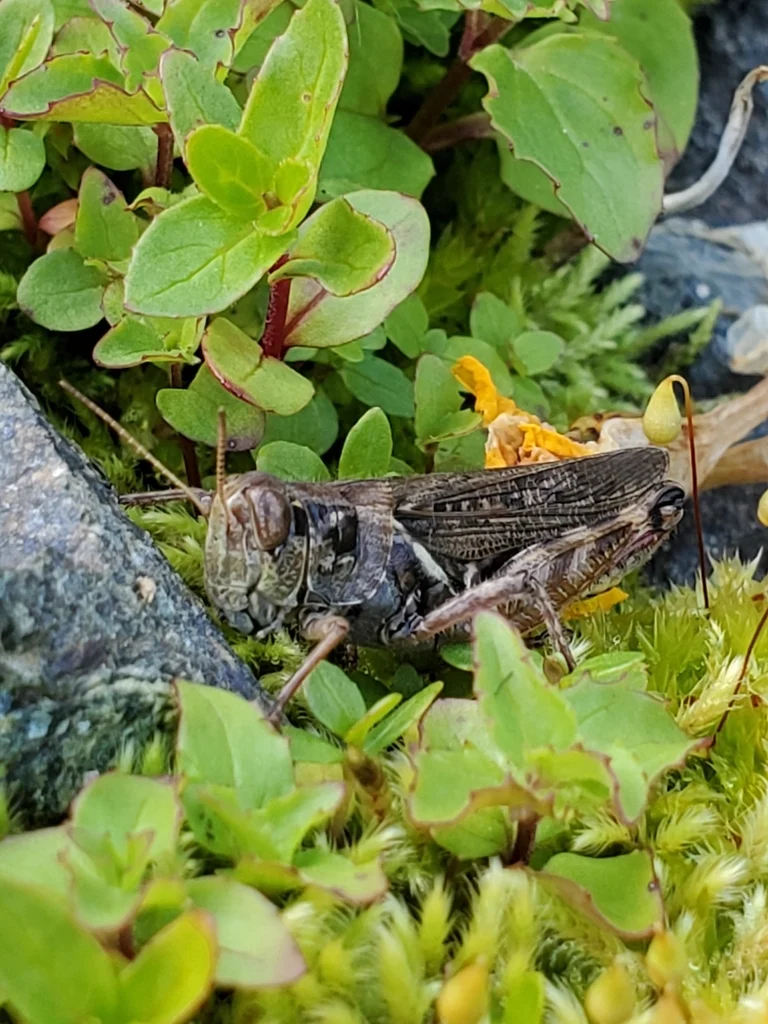

Where Migratory Grasshoppers Are Found
Hover over states to see their names. Green regions indicate where migratory grasshoppers have been reported.
Migratory Grasshopper Identification Guide
Physical Characteristics
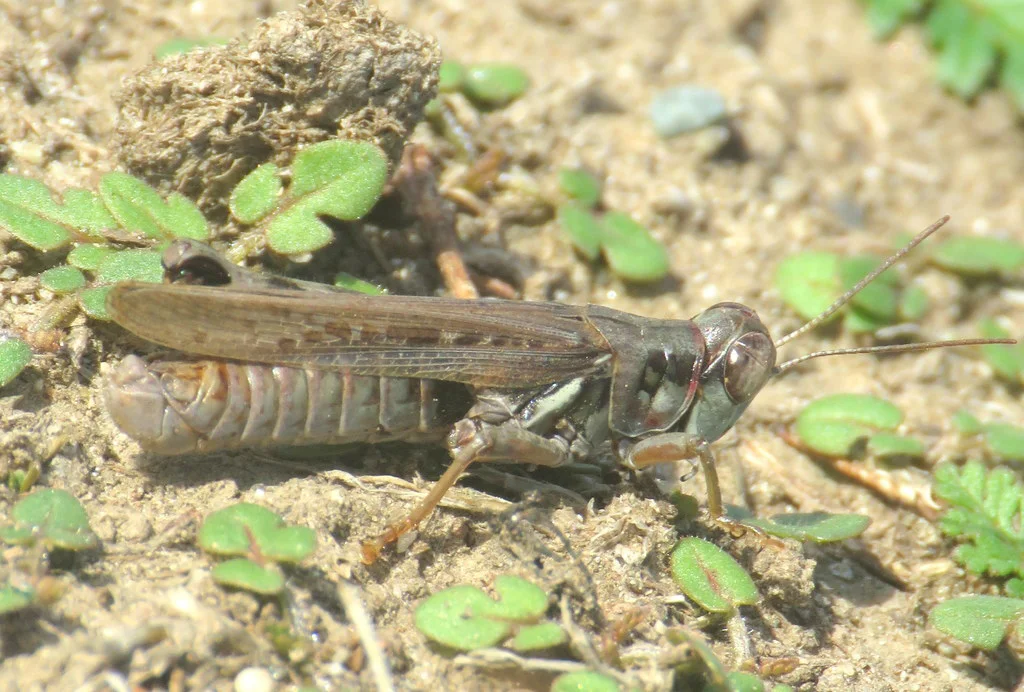
The migratory grasshopper is a medium-sized species. Adults measure 19 to 32 mm long. Males are smaller than females. Like all grasshoppers, they have strong hind legs for jumping, two pairs of wings, and chewing mouthparts for eating plants.
Body color ranges from gray-brown to tan. They often have darker spotted markings that help them blend in with soil and dried plants. One of the best ways to identify this species is by the color of the hind tibiae (lower leg). These leg segments are blue-green or red.
Males can be identified by the shape of the cercus, which are appendages at the tip of the abdomen. The notch of the subgenital plate and a bump on the middle of the chest also help identify males. These features need close study but confirm the species.
Nymphs go through five or six growth stages before becoming adults. Young nymphs have clear markings. These include an eye with many light spots and a narrow brown bar across the middle. A pale yellow crescent on the cheek below the eye helps tell this species apart from similar grasshoppers.
Distinguishing from Similar Species
The migratory grasshopper belongs to a group of related species in the genus Melanoplus. These species can be hard to tell apart. The red-legged grasshopper (Melanoplus femurrubrum) is a close relative that lives in similar places. The migratory species is usually a bit larger and has different leg colors.
The two-striped grasshopper (Melanoplus bivittatus) has pale stripes running down its back. The migratory grasshopper does not have these stripes. The differential grasshopper (Melanoplus differentialis) is larger and has black chevron marks on the hind legs.
Migratory Grasshopper Behavior and Biology
Life Cycle
Female migratory grasshoppers lay eggs in late summer and fall. They drill into firm soil and lay 18 to 24 eggs in a curved pod. The pod is made of a frothy coating that hardens to protect the eggs. A single female may produce several pods during her life.
Eggs stay dormant through winter. The soil cover protects them from freezing. Hatching begins when the soil warms up enough in spring. This usually means eggs hatch from late April through June, though timing varies by local climate.
The nymph stage lasts 35 to 55 days. Warmer weather speeds up growth. Nymphs go through five or six stages. At each stage, they shed their skin and grow larger. Wing buds appear early and get bigger with each molt. Full wings appear when the grasshopper becomes an adult.
Adults usually emerge in early summer over three to four weeks. After two to three weeks, females start laying eggs. Adults keep mating and laying eggs through summer and fall until the first hard frosts kill them. A related species, High Plains Grasshopper, shares similar characteristics.
Feeding Habits A related species, Packard Grasshopper, shares similar characteristics.
The migratory grasshopper eats many kinds of broad-leaved plants and grasses. Preferred foods include dandelion, mustard, ragweed, bluegrass, barley, and wheat. This flexible diet helps the species thrive in many different areas. A related species, Bigheaded Grasshopper, shares similar characteristics.
This species causes more crop damage than any other grasshopper in the United States. Large populations can destroy fields of wheat, barley, oats, alfalfa, clover, corn, vegetables, and garden plants. They also feed on vines, bushes, and trees. When food is scarce, they eat foliage, fruit, and even bark. A related species, Pallid-Winged Grasshopper, shares similar characteristics.
Small grains like wheat are at high risk. An early hatch of grasshoppers may destroy newly sprouted wheat seedlings. Steady leaf eating through the growing season reduces yield and grain quality. Near harvest, grasshoppers feed on the green stem near the head. This causes the heads to fall off, a problem called head clipping.
Migration and Swarming
True to their name, migratory grasshoppers move around a lot before they start breeding. Nymphs travel in organized bands. They can move up to 10 miles at about 0.1 miles per hour. This marching helps young grasshoppers leave areas where food has run out.
Adult migrations are even more striking. Flying at 10 to 12 miles per hour, swarms can cover huge distances. One recorded migration went over 575 miles. When populations boom on weedy rangeland and unused cropland, they may form massive swarms that fly far from where they started.
After landing, swarms can pack in at 60 to 140 grasshoppers per square yard. They quickly strip the plants in the landing area, whether it is rangeland, crops, or home gardens. These sudden attacks can cause major damage before any control efforts can start.
Population Dynamics
Weather and food plant supply are the two biggest factors affecting population growth. Hot, dry summers often lead to outbreaks. Drought reduces diseases while pushing grasshoppers onto the remaining green plants.
In good conditions, populations can grow fast. A starting number of 3 adults per square yard can jump to 30 or more in one good season. During bad outbreaks, nymph counts have reached 1,500 to 8,000 per square yard in some spots.
Treatment Methods for Migratory Grasshoppers
Migratory grasshoppers are hard to control because they move so much and can come back to treated areas. Good control usually needs teamwork across large areas and several methods used together.
Combined Treatment Approaches
The migratory grasshopper’s biology requires multiple control methods used together. Effective strategies include keeping crops free of weeds, removing weedy fence rows and roadside strips, using herbicides and insecticides when needed, planting thick grass stands in unused cropland, and restoring grasses in worn-out rangeland.
Checking habitats and populations each year is key for treating problems early. Finding hatching nymphs early allows control efforts to target the young insects before they grow wings and spread.
Cultural Controls
Cutting down on good egg-laying spots can lower local numbers over time. Weedy rangeland and unused cropland are breeding grounds. The grasshoppers that hatch there later move into crops and gardens. Managing these areas by mowing, tilling, or planting thick grass stands reduces egg survival.
Tilling egg-laying sites in fall or early spring destroys eggs that would hatch in spring. This works best when aimed at problem areas found through past scouting. Keeping crops healthy helps plants handle some feeding damage without big yield losses.
Biological Controls
Nosema locustae is a disease-causing organism that infects grasshoppers. It causes sickness and death over several weeks. This product is sold as bait under names like Nolo Bait and Semaspore. It is approved for organic farming. It works best when applied to young nymphs near egg-laying sites in spring.
Birds, blister beetle larvae, and parasitic flies all feed on grasshoppers. Creating varied habitat that supports these species can help keep grasshopper numbers down over time. However, these controls alone rarely stop outbreaks when weather favors grasshopper growth.
Chemical Controls
When grasshopper numbers reach damaging levels, insecticides may be needed to protect crops. Carbaryl baits attract and kill grasshoppers that feed on them. Baits can be placed along field edges and areas where grasshoppers gather. This uses less insecticide than spraying whole fields.
Contact sprays like pyrethroids kill grasshoppers quickly but need good coverage. They may need repeat applications as new grasshoppers move in from other areas. Spraying young nymphs before they grow wings works best. Adults are harder to kill and move around more.
Diflubenzuron and malathion are other chemicals used in large-scale programs. Working with neighbors and local farm agencies makes treatments more effective when dealing with mobile pests.
References
- Migratory Grasshopper Fact Sheet - USDA Agricultural Research Service
- Migratory Grasshopper - University of Wyoming
- Grasshoppers Management Guidelines - UC Davis
- 6 Natural Strategies for Managing Grasshoppers - Northwest Center for Alternatives to Pesticides
- Grasshopper Management in Rangeland, Pastures and Crops - Oklahoma State University
- A Guide to Grasshopper Control in Cropland - Nebraska Extension
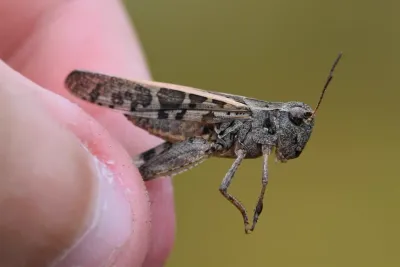
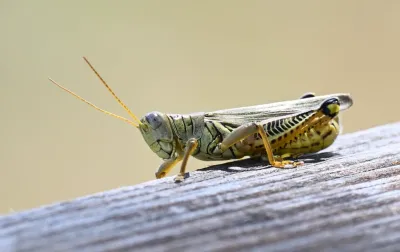
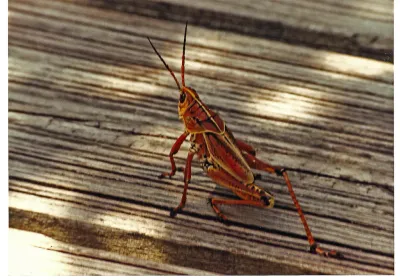
Other Grasshoppers
Explore other species in the grasshoppers family
Commonly Confused With
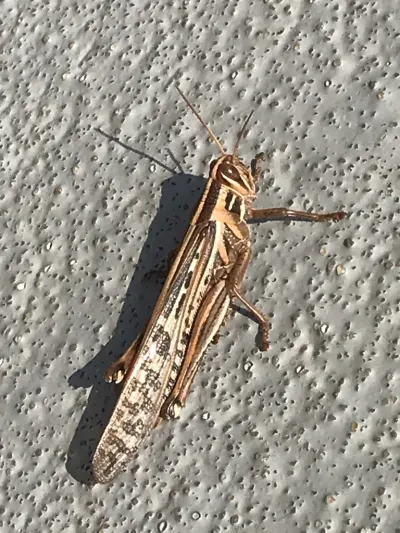
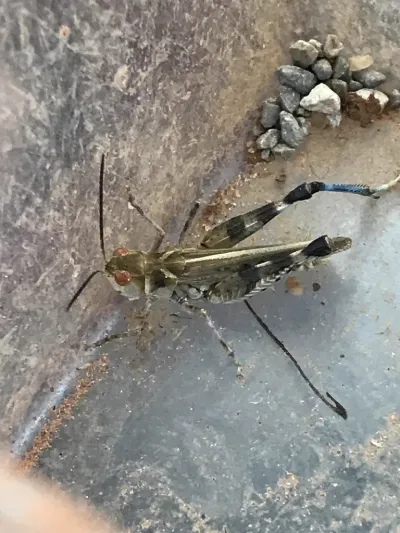
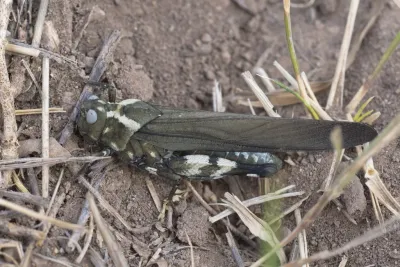
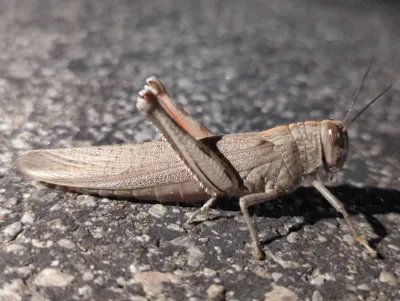
Migratory Grasshoppers are often mistaken for these similar pests
Where Migratory Grasshoppers Are Found
Hover over states to see their names. Green regions indicate where migratory grasshoppers have been reported.
Common Questions about Migratory Grasshoppers
Why is it called a migratory grasshopper?
+
This species earns its name from its remarkable ability to travel great distances. Nymphs can march in bands up to 10 miles, and adults can fly at speeds of 10 to 12 miles per hour. Recorded migrations have exceeded 575 miles. During outbreaks, massive swarms migrate from overpopulated areas to find new food sources.
What crops do migratory grasshoppers damage?
+
Migratory grasshoppers cause more crop damage than any other grasshopper species in the United States. They attack wheat, barley, oats, alfalfa, clover, corn, vegetables, and ornamental plants. They also damage vines, bushes, and trees by feeding on foliage, fruit, and bark.
How can I identify a migratory grasshopper?
+
Migratory grasshoppers are medium-sized, typically 19 to 32 mm long. They have brown to tan bodies with darker markings and distinctive blue-green or red hind tibiae (lower leg segments). Nymphs show a compound eye with many light spots and a narrow pale yellow crescent on the cheek below the eye.
When do migratory grasshoppers hatch?
+
Eggs hatch in early spring when soil temperatures reach the required warmth, typically requiring 527 day-degrees above 50 degrees Fahrenheit. Hatching usually occurs from late April through June, with warmer springs producing earlier hatches. Nymphs take 35 to 55 days to develop into adults.
Do migratory grasshoppers produce multiple generations per year?
+
In northern regions, migratory grasshoppers typically produce one generation per year. However, in warmer southern areas, they can produce a partial second generation. This flexibility contributes to their success as a widespread pest species.
What conditions cause grasshopper outbreaks?
+
Favorable weather and abundant food plants are the two most influential factors. Hot, dry conditions often trigger population explosions. Drought concentrates grasshoppers on remaining green vegetation while reducing diseases that normally keep populations in check. Under optimal conditions, populations can expand from 3 adults per square yard to over 30 in a single season.
How many eggs does a female migratory grasshopper lay?
+
Females lay clutches of 18 to 24 eggs in curved pods deposited in the soil. A single female can produce multiple egg pods over her lifetime. Eggs overwinter in the soil and hatch the following spring when temperatures are favorable.

With five years of hands-on experience in the pest control industry, George Schulz is a registered technician with the Virginia Pest Management Association and a proud third-generation professional in a family business that's been protecting homes for over 57 years. He manages and trains a team of service pros while also leading internal research efforts—recently spearheading a deep-dive review of thousands of documents on pest control materials to hand-pick the most kid and pet friendly, most effective solutions tailored specifically for homes in the DC metro area.