Differential Grasshopper Identification Guide
Melanoplus differentialis
The differential grasshopper is one of North America's most destructive crop pests, recognized by its distinctive black chevron markings on yellow hind legs. These large grasshoppers can devastate gardens and agricultural fields within days.
Taxonomy
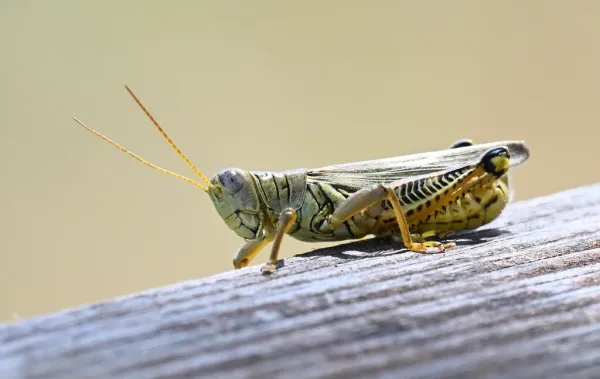
Differential Grasshopper Coloration
Common color patterns to help identify differential grasshopper
Differential Grasshopper
Seasonal Activity
When differential grasshopper are most active throughout the year

Where Differential Grasshopper Are Found
Hover over states to see their names. Green regions indicate where differential grasshopper have been reported.
Differential Grasshopper Identification Guide
Physical Characteristics
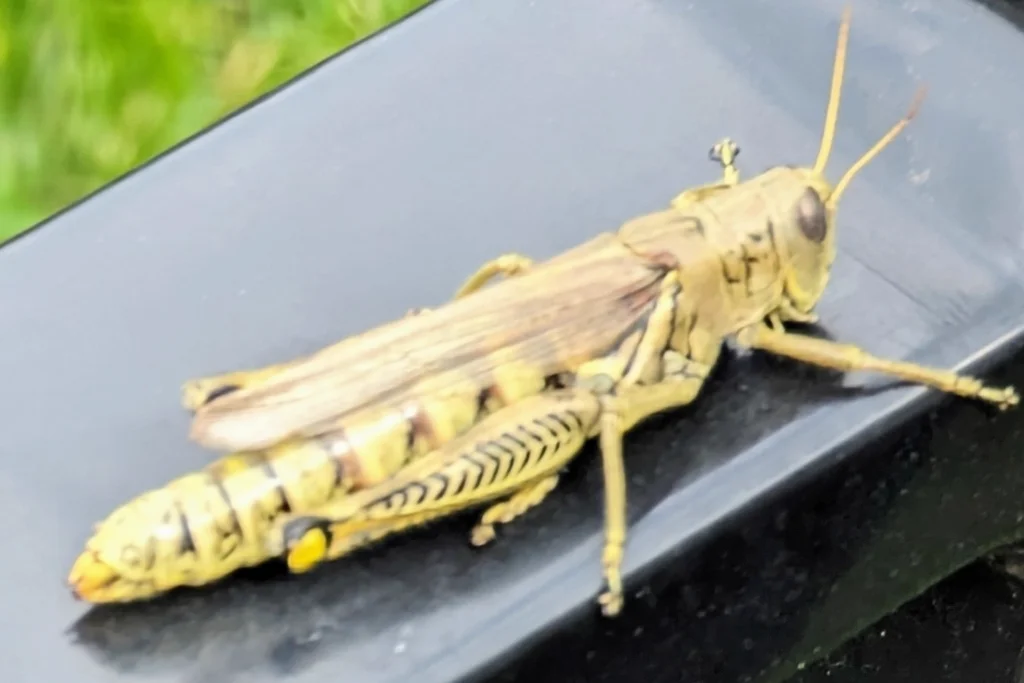
Differential grasshoppers are among the largest grasshoppers in North America. Males measure 28 to 37 mm long, while females are larger at 34 to 50 mm. Their substantial size makes them one of the easier grasshopper species to spot in fields and gardens.
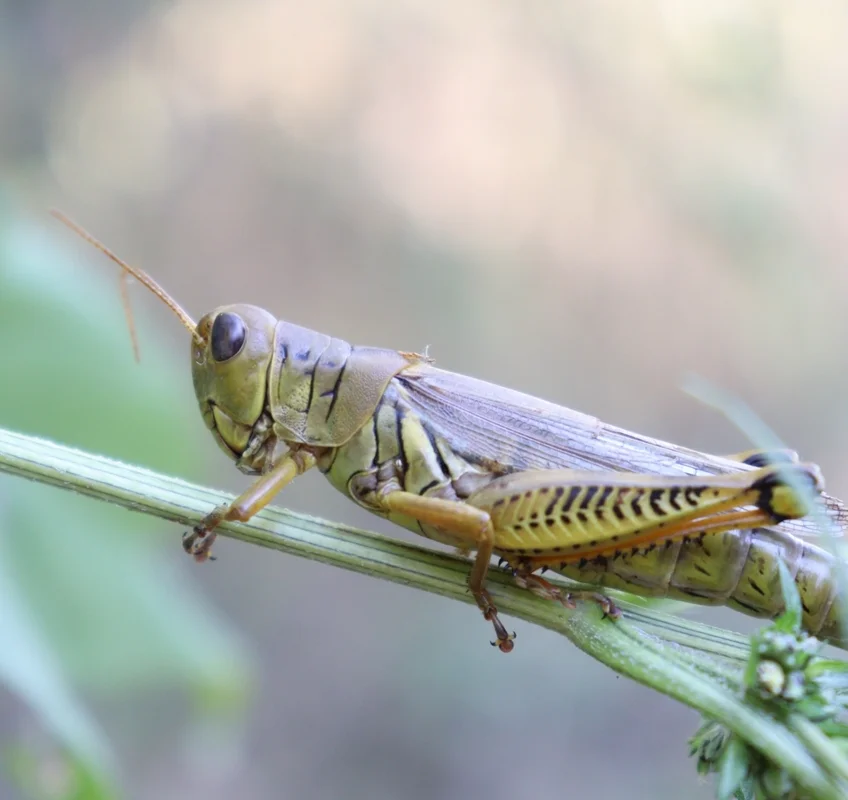
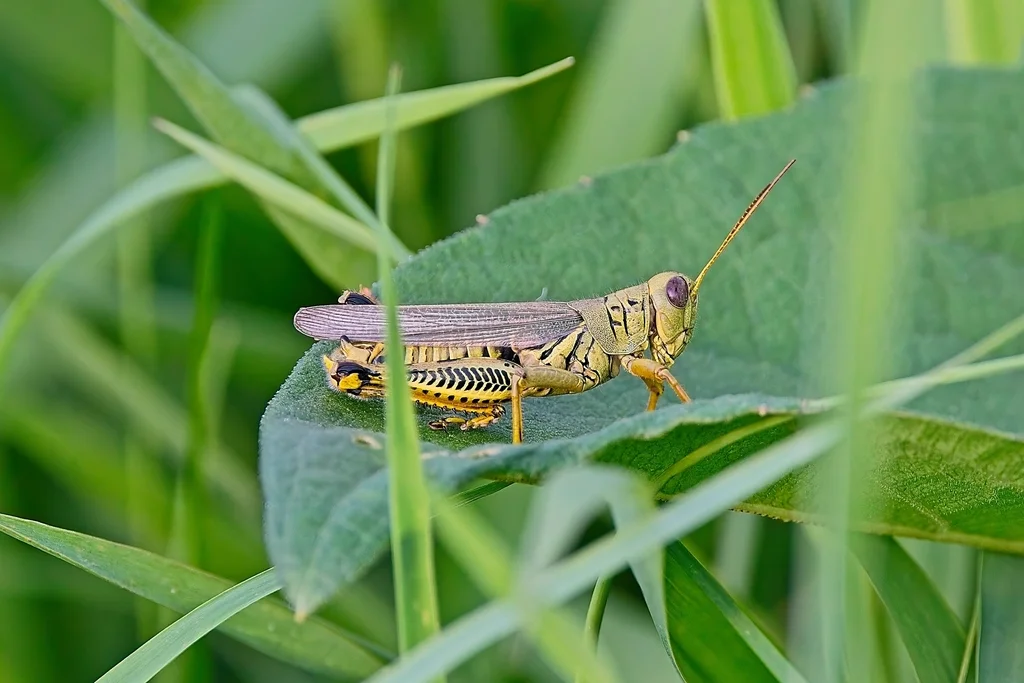
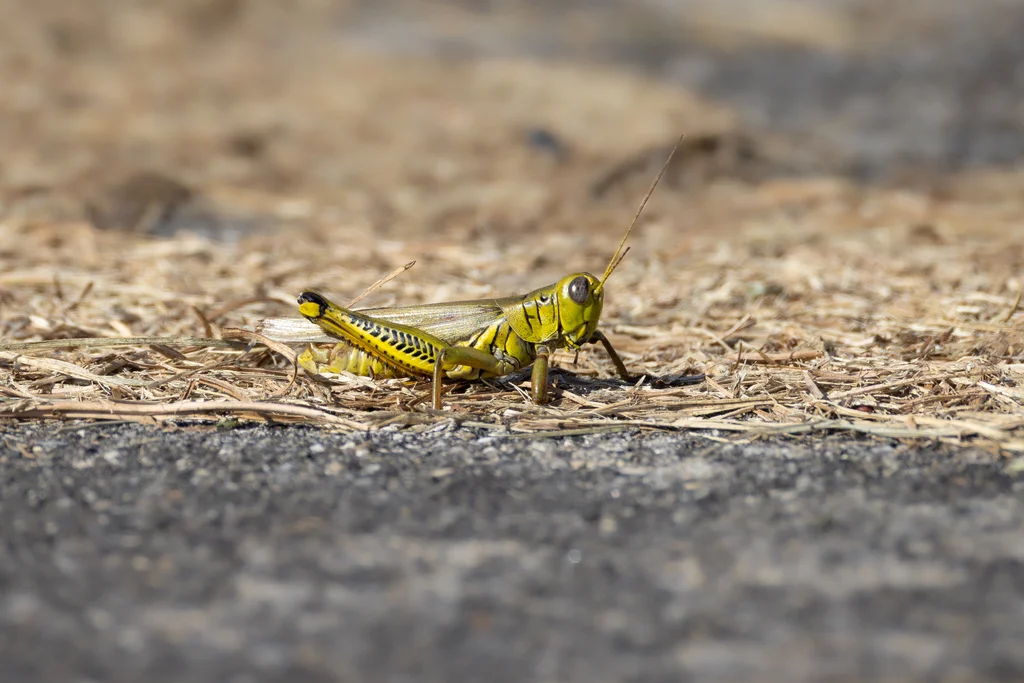
The body color ranges from shiny yellowish-brown to olive green. Their most reliable identification feature is the pattern on the hind legs. The upper portion of the hind leg, called the femur, is bright yellow with distinctive black chevron or herringbone markings running along its length. The lower leg segments are yellow with black spines.
The head displays herringbone markings on the face and brown compound eyes dotted with lighter spots. Some individuals, particularly those found in Colorado and the northern Great Plains, appear nearly black. This darker color is a natural variation within the species, not a sign of a different species.
Differential grasshoppers have fully developed wings and are powerful fliers. The front wings are narrow and leathery, while the hindwings are larger and membranous, folding against the body when at rest.
Similar Species
Differential grasshoppers belong to the genus Melanoplus, which includes several other pest species. They can be confused with:
- Two-striped Grasshopper (Melanoplus bivittatus): Has pale stripes running down the back rather than chevron leg markings
- Red-legged Grasshopper (Melanoplus femurrubrum): Smaller with red hind tibiae instead of yellow with black chevrons
- Migratory Grasshopper (Melanoplus sanguinipes): Smaller and lacks the bold herringbone pattern
The black chevron pattern on yellow hind legs is the most reliable way to distinguish differential grasshoppers from other species.
Differential Grasshopper Behavior and Biology
Life Cycle
Differential grasshoppers complete one generation per year. Females deposit eggs in the soil during late fall, drilling into firm ground along field borders, roadsides, and other areas with sparse vegetation. Each female can lay multiple egg pods over her lifetime.
The embryos develop about halfway before entering a dormant state called diapause. This pause in growth allows them to survive winter. When soil temperatures warm in late spring, the eggs finish developing and hatch within about two weeks.
The nymphs that emerge look like miniature adults without functional wings. They pass through four developmental stages, called instars, molting between each stage. Early-instar nymphs stay close to their hatching sites, but by the third instar, they begin forming coordinated groups that move together toward food sources. A related species, High Plains Grasshopper, shares similar characteristics.
Most nymphs become adults within days of their final molt. Adults appear from July through October, living 2 to 3 months. They mate and lay eggs before dying after the first hard frosts of fall. A related species, Packard Grasshopper, shares similar characteristics.
Feeding Habits
Differential grasshoppers eat a wide range of plants. They consume grasses, weeds, and many agricultural crops. Common food sources include corn, alfalfa, barley, soybeans, wheat, sunflowers, and ragweeds.
Research suggests these grasshoppers may prefer damaged or wilted plants. Changes in plant chemistry may make injured plants tastier to them. This behavior can lead them to gather in stressed areas of gardens and fields.
Their feeding creates ragged holes and notched edges on leaves. When populations are high, entire plants can be stripped of foliage. Nymphs also attack small grains and hay, making them a threat throughout their development.
Movement and Habitat
Differential grasshoppers inhabit grasslands, open woods, areas with lush vegetation, and agricultural fields with adequate moisture. They favor wet meadows and creek-bottom lands over dry upland areas.
Young nymphs show limited movement, but third-instar and older nymphs form bands that crawl and hop in coordinated groups toward food. Adults become nomadic and are very strong fliers, capable of traveling 10 to 100 yards or more to reach new feeding areas.
This mobility makes differential grasshoppers particularly challenging to manage. They can quickly reinvade treated areas from surrounding properties and may appear suddenly when migrating from nearby fields where food has become scarce.
Treatment Methods for Differential Grasshoppers
Managing differential grasshoppers requires understanding their biology and timing interventions appropriately. Because these grasshoppers are not among the pests that pest control companies typically provide specialized services for, homeowners often need to implement integrated management strategies.
Cultural and Mechanical Controls
Reducing favorable habitat near gardens provides the first line of defense. Keep weedy areas mowed and remove tall grass along fence lines and field borders where females lay eggs. Tilling suspected egg-laying sites in fall or early spring can destroy overwintering eggs before they hatch.
Row covers and fine mesh netting offer physical protection for valuable vegetable plants during peak grasshopper season. This approach works best for small garden beds where barriers are practical to install and maintain.
Trap strips present another option. Leaving a band of attractive plants like clover or alfalfa along the garden perimeter concentrates grasshoppers in one area. Monitoring these strips helps detect population buildups early and allows targeted treatment without affecting the entire property.
Biological Controls
Natural predators help suppress grasshopper populations over time. Thread-waisted wasps, ground beetles, robber flies, and bee flies all prey on grasshoppers. Birds including meadowlarks, hawks, and chickens consume large numbers of nymphs and adults.
Nosema locustae is a biological control agent available as bait for homeowner use. This protozoan parasite infects grasshoppers that consume treated bran, causing disease and death over several weeks. It works best on young nymphs and may require a season or two to significantly reduce populations. The disease can spread from infected individuals to healthy grasshoppers, providing ongoing control.
Certain fungi that attack insects, including Metarhizium and Beauveria species, also kill grasshoppers. These biological controls are used mainly in large-scale farming operations.
Chemical Control Options
When grasshopper populations are high and damage is severe, insecticide treatments may be necessary. Carbaryl baits attract grasshoppers and deliver lethal doses of insecticide. Apply baits to field borders and areas where grasshoppers congregate rather than broadcasting across entire properties.
Contact insecticides containing pyrethroids can provide quick knockdown of grasshoppers on plants. These products work best on nymphs and require thorough coverage to be effective. Adults are harder to kill due to their size and mobility.
For best results, apply treatments early in the season when nymphs are small and before they develop wings. Once differential grasshoppers mature and become strong fliers, control becomes much more difficult. Coordinating management efforts with neighbors can help prevent reinvasion from adjacent properties.
Prevention Tips
Monitor your property in late spring for signs of hatching nymphs. Small grasshoppers gathering near field edges, roadsides, or weedy patches signal the start of the season. Early detection allows intervention before populations explode.
Maintain healthy, vigorous plants through proper watering and fertilization. Well-nourished plants can often tolerate moderate feeding damage and recover, while stressed plants suffer more severe injury.
Encourage natural predators by maintaining habitat diversity. Areas with flowering plants attract beneficial insects, and bird-friendly landscaping provides ongoing, free pest suppression.
References
Other Grasshoppers
Explore other species in the grasshoppers family
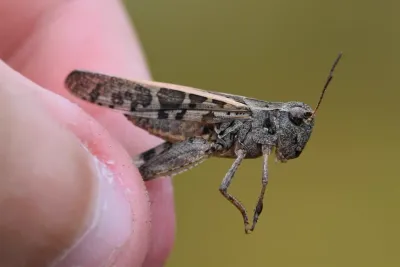
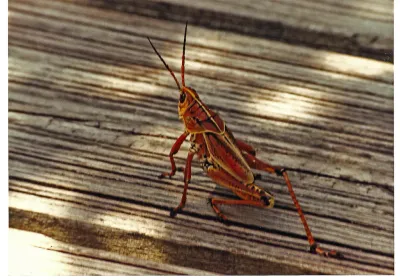
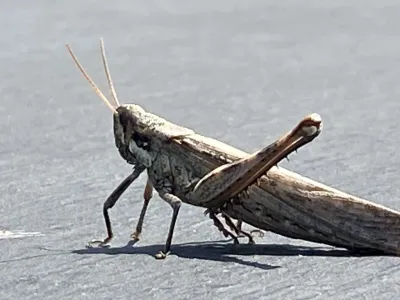
Commonly Confused With
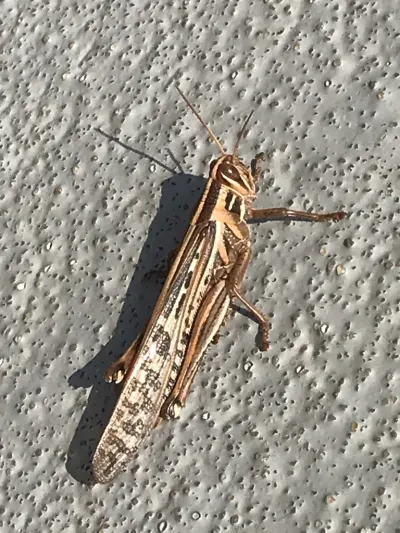
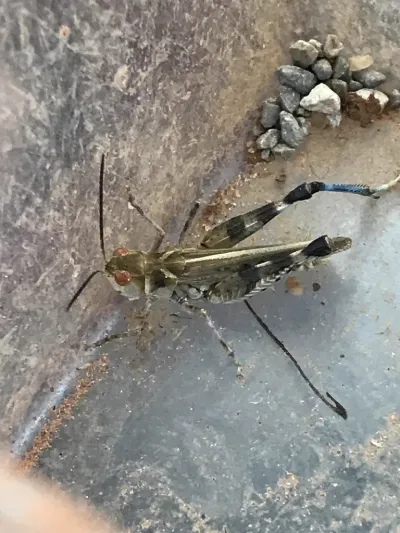
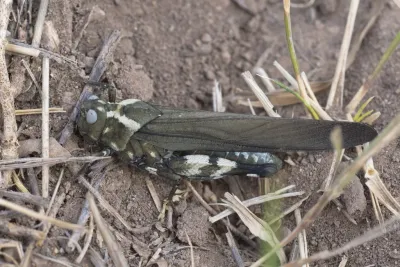
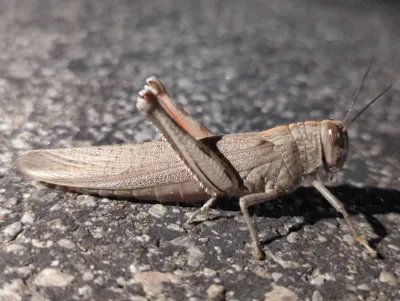
Differential Grasshopper are often mistaken for these similar pests
Where Differential Grasshopper Are Found
Hover over states to see their names. Green regions indicate where differential grasshopper have been reported.
Common Questions about Differential Grasshopper
How do I identify a differential grasshopper?
+
Differential grasshoppers are large, measuring 28 to 50 mm long, with yellowish-brown to olive coloring. Their most distinctive feature is the black chevron or herringbone pattern on their bright yellow hind legs. They also have brown compound eyes with light spots and herringbone markings on their faces.
Are differential grasshoppers harmful to my garden?
+
Yes, differential grasshoppers are among the most destructive garden pests in North America. They eat many different plants and a single swarm can destroy a cornfield in 3 to 4 days. They damage vegetables, alfalfa, soybeans, cotton, fruit trees, and ornamental plants.
When are differential grasshoppers most active?
+
Adult differential grasshoppers appear from July through October, with peak activity in late summer. They are most active during warm, sunny days. Nymphs hatch in late spring and develop through the summer. The species produces one generation per year.
Where do differential grasshoppers live?
+
These grasshoppers thrive in grasslands, open woods, lush vegetation, and wet crop areas. They prefer wet meadows and creek-bottom lands. Females typically lay eggs along field borders and roadsides. They avoid southeastern, northeastern, and northwestern coastal regions.
Can differential grasshoppers fly?
+
Yes, differential grasshoppers are very strong fliers. Adults are described as nomadic and can travel 10 to 100 yards to reach their next food source. This makes them difficult to control once they reach maturity, as they easily move between properties and fields.
What is the difference between differential grasshoppers and regular grasshoppers?
+
Differential grasshoppers are larger than most grasshopper species and have distinctive black chevron markings on their yellow hind legs. They are also more destructive to crops than many other species. Some individuals appear nearly black, a variation found mainly in Colorado and the northern Great Plains.
How long do differential grasshoppers live?
+
Adult differential grasshoppers live 2 to 3 months after hatching. Females lay eggs in late fall, and embryos enter a dormant state called diapause. The eggs remain dormant through winter and hatch within two weeks during late spring when soil temperatures rise.

With five years of hands-on experience in the pest control industry, George Schulz is a registered technician with the Virginia Pest Management Association and a proud third-generation professional in a family business that's been protecting homes for over 57 years. He manages and trains a team of service pros while also leading internal research efforts—recently spearheading a deep-dive review of thousands of documents on pest control materials to hand-pick the most kid and pet friendly, most effective solutions tailored specifically for homes in the DC metro area.